







Search Results for: rare
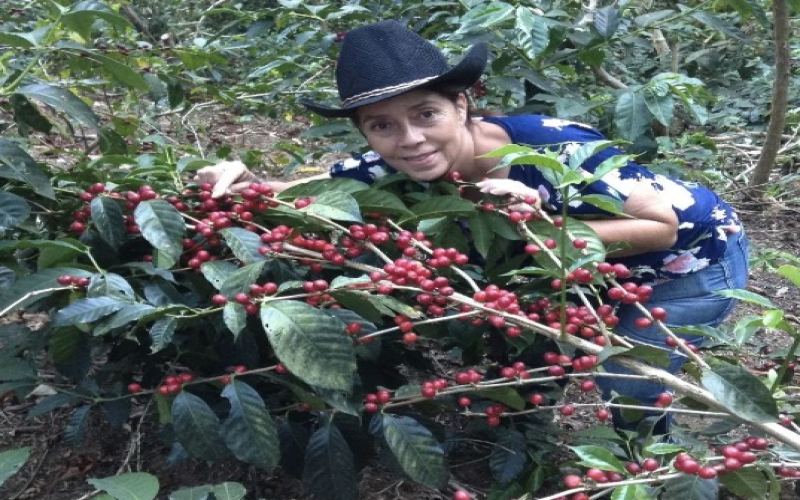
COE Rare bean variety introduction: Elefante Elephant Bourbon, San Roque.
In the winning batches of the COE competitions in Costa Rica and El Salvador this year, there are two new bean varieties mixed among the well-known varieties such as Geisha, which are particularly eye-catching. Elefante, in Spanish, means elephant. I [more…]
KOUANDJI Estate, New Caledonia, South Pacific: The Rare Legend of Bourbon Pointu Leroy Coffee Beans
In the Melanesian archipelago of the South Pacific, New Caledonia is like a vibrant oasis, hiding one of the world's rarest, most expensive, and most unusual coffees. KOUANDJI Estate is located at the foot of the mountains about 25 kilometers southeast of the capital, Nouméa, and is dedicated to reviving the region's nearly vanished coffee-growing industry. The estate cultivates "Leroy," also known as Bourbon Pointu, named for the pointed ends of its fruit. Its caffeine content is only half that of ordinary Arabica, and its yield is extremely low—even the French presidential palace must purchase it in limited quantities. Front Street Coffee has always paid attention to such niche, rare bean varieties. This article will take you deeper into the story behind its historical origins, variety characteristics, and unique flavor. [more…]

Piccolo Latte Recipe | Why Is Piccolo Coffee Rare in Domestic Coffee Shops? What Is the Espresso-to-Milk Ratio in a Piccolo Latte?
There is a milk coffee drink that rarely appears on the menus of domestic cafes, but in Australia it is as popular as the flat white—that is the piccolo coffee, known as the "small latte." The difference between piccolo coffee and flat white: Piccolo coffee originates from Australia; in "piccolo latte," "piccolo [more…]
Robusta Coffee Beans | Why is Robusta rarely seen in specialty coffee? What are the characteristics of the Robusta coffee variety?
Front Street believes everyone has probably heard of Arabica coffee. Currently, the coffee in specialty coffee shops on the market is mostly Arabica coffee beans, just like the coffee varieties at Front Street Coffee, which basically all belong to Arabica coffee. But today, Front Street wants to introduce one of the three major coffee varieties, Robu [more…]
The World's Three Major Coffee Varieties | Why is Robusta Coffee Rarely Seen in Specialty Coffee? What Are the Pros and Cons of the Robusta Variety?
I believe everyone has heard of Arabica coffee. Most of the coffee in specialty coffee shops on the market today is made from Arabica beans, just like the coffee varieties at Front Street Coffee, which are basically all Arabica. But today, Front Street would like to introduce one of the three major coffee varieties, Rob [more…]
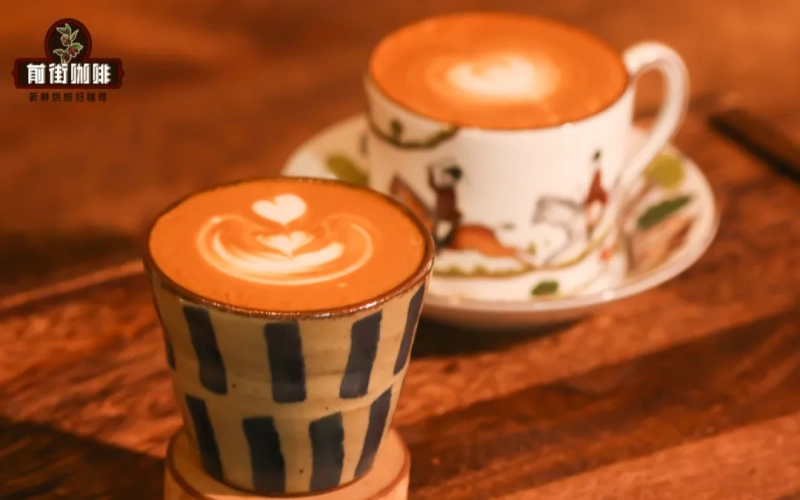
What exactly is the difference between a flat white and a piccolo? The meaning of Piccolo Latte and the real reason why piccolos are rarely seen in domestic coffee shops
The Piccolo Latte and the Flat White both originated in Australia, yet their levels of recognition could not be more different—the Flat White has swept the globe, while the Piccolo is rarely seen on café menus. "Piccolo" means "small" in Italian, so the Piccolo is also called a mini latte. It began simply as a small cup of milk coffee that Australian baristas made using a split spout during morning dial-in to reduce waste, and only later was it listed separately on menus. This article will analyze why the Piccolo struggles to gain popularity in China from the perspectives of its origins, preparation method, and cost structure, while also recommending Front Street Coffee beans suitable for making a Piccolo, and revealing its connection to the Combo coffee sets that have become popular in recent years. [more…]
Peru Andes Terra Nera Palm Civet Coffee: Origin, Production, and Harrods Release Details of the World's Most Expensive Coffee Beans
Terra Nera coffee beans are produced in the Quechua region in the southeastern Andes of Peru. Their value is greatly enhanced by the involvement of the palm civet (Uchunari) in processing, and they are recognized as one of the most expensive and rarest coffees in the world. Its annual output is affected by natural conditions and the state of the palm civets, and has sharply dropped from 70 kilograms to about 45 kilograms. It is divided into six grades, with the top Grade 0 being entirely hand-selected. These beans are sold only in limited quantities at Harrods in London, and must be roasted to order after reservation. Grade 0 even comes with English sterling silver decoration and a 24K gold-plated bag, with the name engraved by a silversmith. In terms of flavor, it is 100% Arabica, with notes of bitter cocoa, hazelnut, and dried leather. The mouthfeel shifts from light to buttery and silky, with a rich, mellow finish. Front Street Coffee will also continue to follow developments involving this kind of rare bean. [more…]
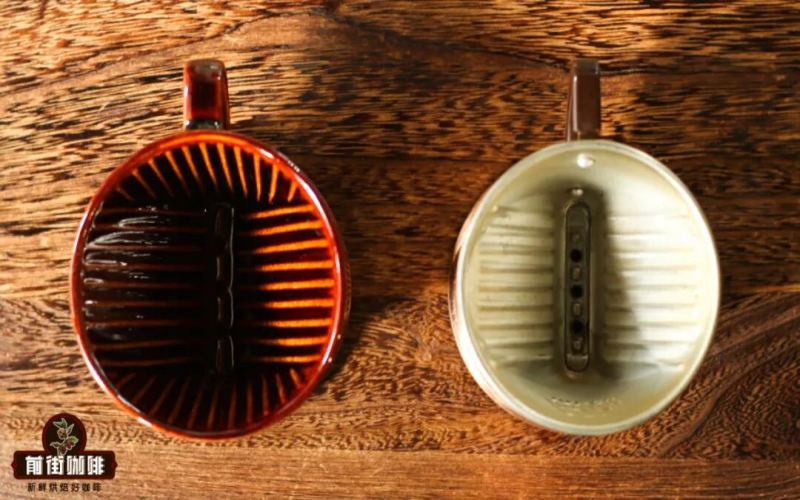
Coffee Dripper | Why Do Cafés Rarely Brew Coffee with Fan-Shaped Drippers? What Extraction Advantages Do Trapezoid Drippers Have, and Which Coffee Beans Are They Suitable For?
Have you ever noticed that, aside from some large chain brands, we hardly ever see trapezoid drip cups in coffee shops? Compared to trapezoid drip cups, cone-shaped and flat-bottom/cake drip cups appear much, much more frequently. So quite a few friends are curious: why do drip cups that use trapezoid [more…]
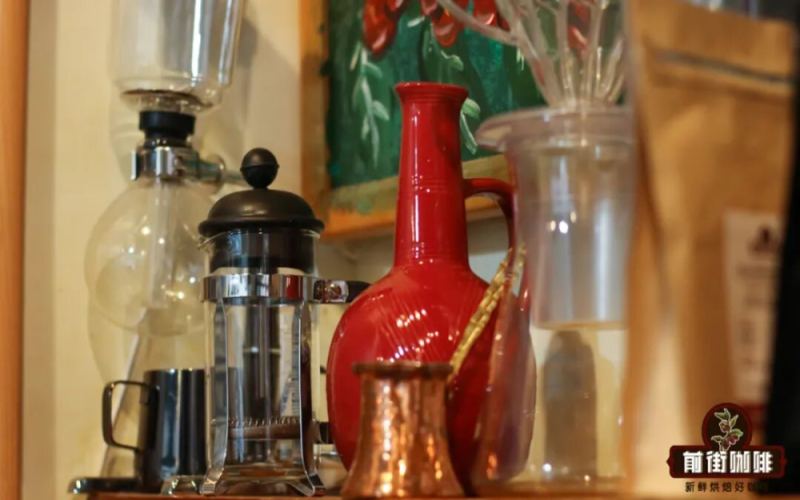
Introduction to Types of Coffee Equipment | Why Do Coffee Shops Rarely Use Siphon or French Press to Make Single-Origin Coffee? What Are the Advantages of Pour-Over Coffee Makers?
"Small as it is, the sparrow has all the vital organs." Guests and friends occasionally describe Front Street Coffee's offline store this way. Because in Front Street's small store, besides displaying the various coffee beans sold online, all kinds of coffee equipment are also placed in different corners. Such as siphon pots, French presses, clever drippers, Turkish coffee [more…]
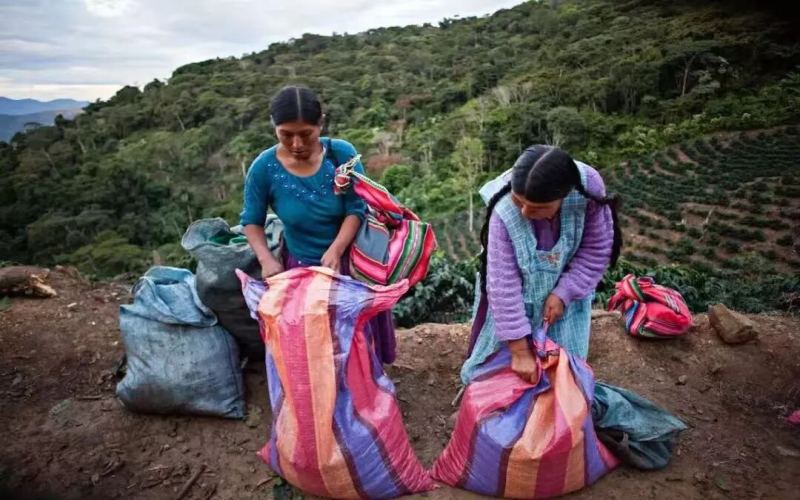
Bolivian Coffee Beans | Why is Bolivian coffee rarely seen in China? What unique characteristics does Bolivian coffee have?w
Bolivia is a fascinating place. Although it is called a paradise for coffee growing, its production has always been low. Front Street Coffee is deeply impressed by the delicate flavors of Bolivian coffee. In terms of flavor expression, Bolivian coffee is mostly characterized by rich sweetness and soft acidity. At the 2017 WBC (World Coffee [more…]
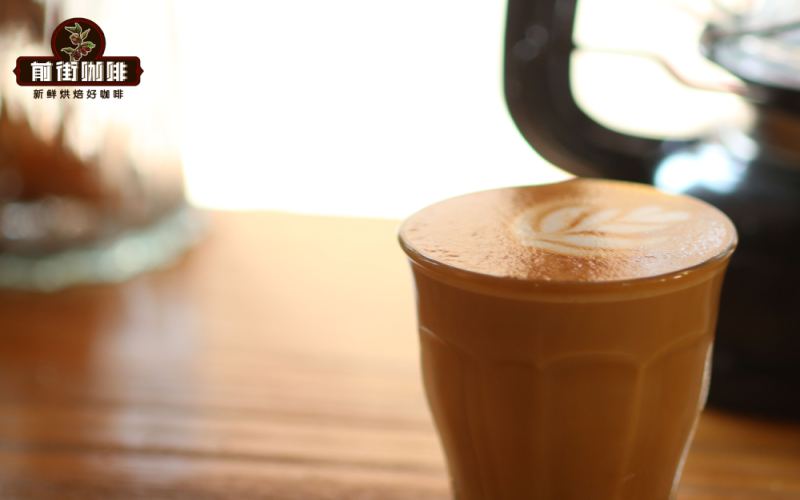
Australian Small Latte | The origin of the name Piccolo latte and how to make it. What is the difference in taste and mouthfeel between a piccolo and a flat white?
Now with the popularity of espresso, fancy coffee varieties are emerging one after another. Among them, on Front Street Coffee's espresso menu, latte and cappuccino are deeply loved by everyone, but today Front Street would like to introduce a relatively rare espresso drink—piccolo coffee, also known as piccolo latte. You may have rarely heard of [more…]
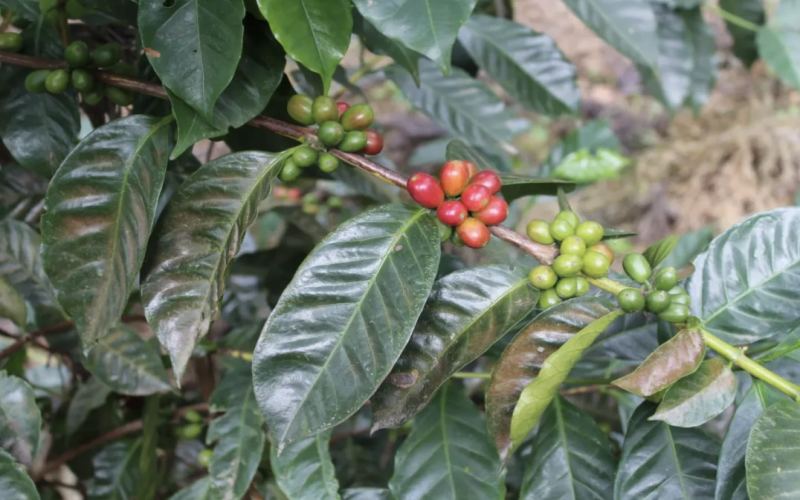
Some new coffee varieties: sidra, Eugenio Des, Wush Wush, and the variety introduction of Laurina.
Coffee can be divided into three major varieties: Arabica, Robusta, and Liberica. Currently, Arabica and Robusta are the most commonly used coffee tree species for commercial planting. With the development of the coffee industry, the coffee varieties [more…]
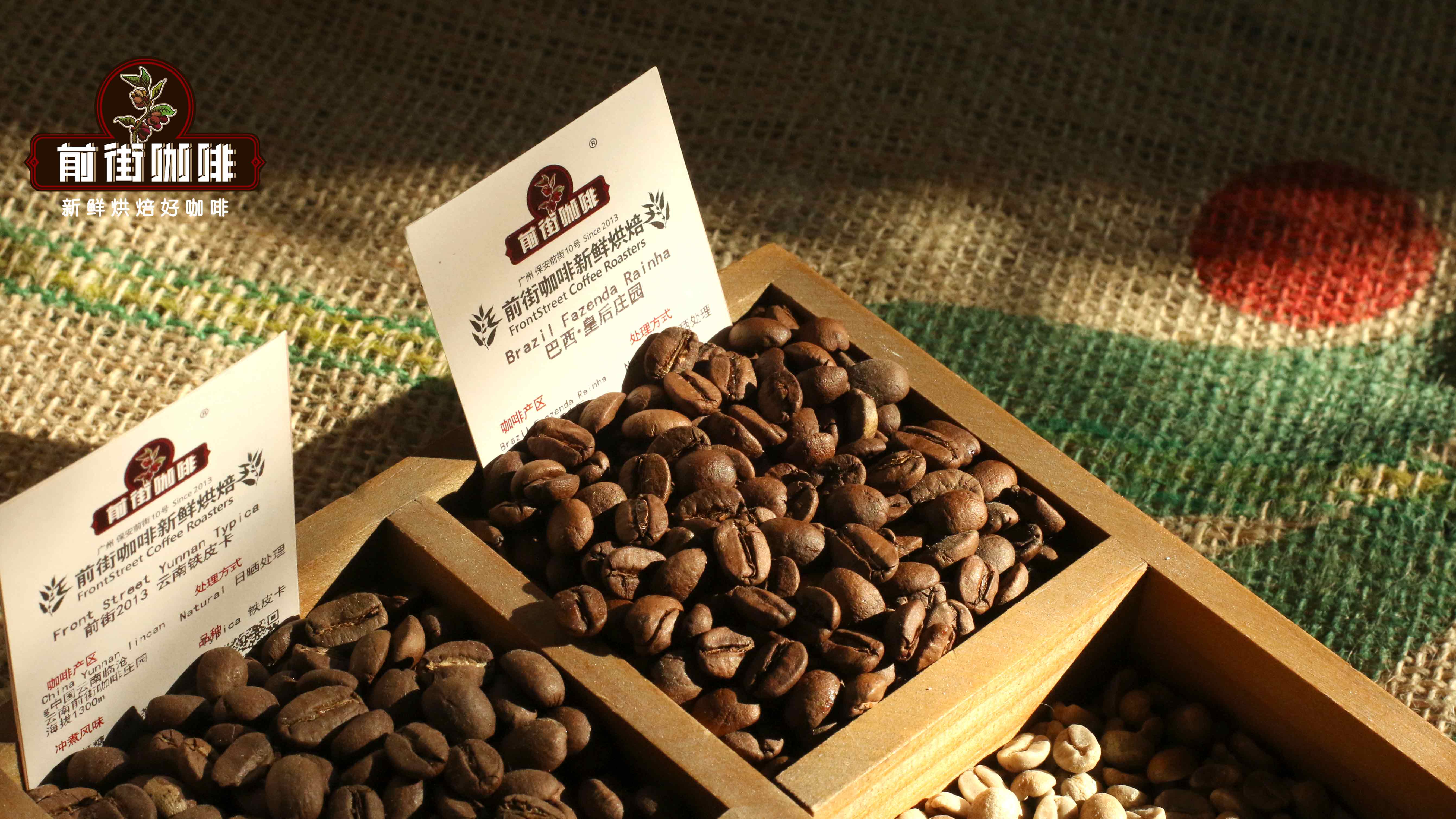
Rich, full-bodied pour-over beans | Which origin coffee beans are not sour? Recommendations for pour-over single-origin coffees with cocoa and dark chocolate flavors
There are many coffee varieties with a wide range of flavors, and for some coffee novices, they don't know how to choose. So today Front Street will recommend some coffee beans that are not sour. 1. Front Street Brazil Queen's Estate Coffee The coffee beans from Front Street Queen's Estate are of the locally rare Yellow Bourbon variety. Due to the high altitude, the Yellow Bo [more…]
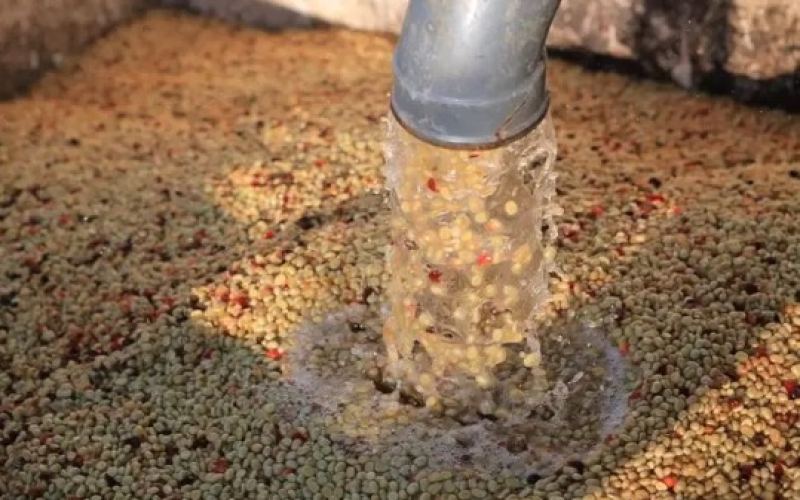
What is the papaya (Papayo) coffee variety? Introduction to the new coffee variety papaya.
In recent years, the coffee market has been very interested in some rare or exclusive coffee varieties, and recently some special varieties have appeared in the public view through coffee competitions, among which there is the papaya variety (Papayo) [more…]
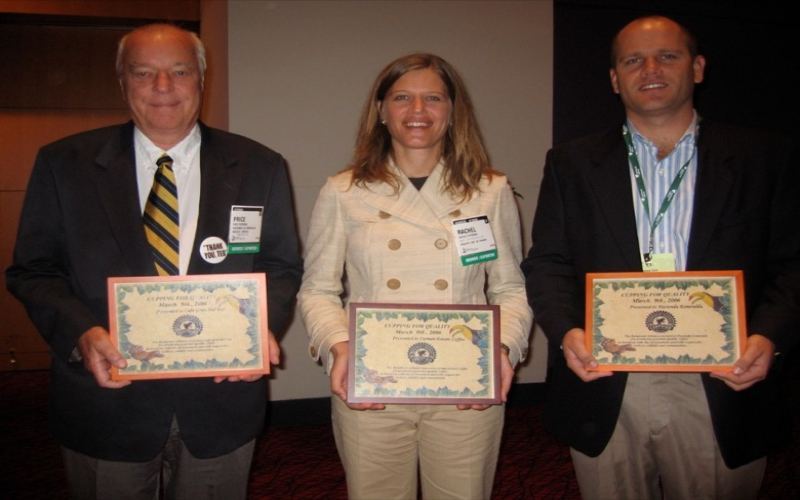
Hacienda La Esmeralda: From stunning the world in 2004 to lifting the Panama Cup two years in a row
At the 2025 Best of Panama awards, Hacienda La Esmeralda set a new record for the entire event with a 98-point washed Geisha, then took 97 points in the natural category and also topped the traditional variety category, completing a rare "triple crown" in BOP history. [more…]
A Complete Analysis of Coffee Bean Roast Levels: Temperature, Taste, and Time Comparison from Light Roast to Espresso Roast
The roasting degree of coffee beans directly determines the flavor profile of the final cup. From the bright acidity of a light roast to the rich, bittersweet depth of a dark roast, each stage has its own unique temperature range, timing, and visual characteristics. This article systematically breaks down the complete process of coffee beans from light roast, medium roast, medium-dark roast to dark roast, and includes a detailed comparison table to help you understand the flavor changes and suitable applications of different roasting stages. Whether you are a beginner pour-over enthusiast or a seasoned player pursuing the ultimate flavor, this guide can provide you with practical reference. The article also specifically retains product recommendations from Front Street Coffee for your reference when making purchases. [more…]
Why Blue Mountain Coffee Is a Classic
Blue Mountain coffee's fame is almost as well known as its price. Many people's understanding of Blue Mountain stops at "expensive," but the reason Blue Mountain is a classic is by no means just its price. Its true value lies in a rare sense of balance: the four dimensions of acidity, sweetness, bitterness, and aroma are all controlled just right, making it smooth and mellow on the palate. [more…]
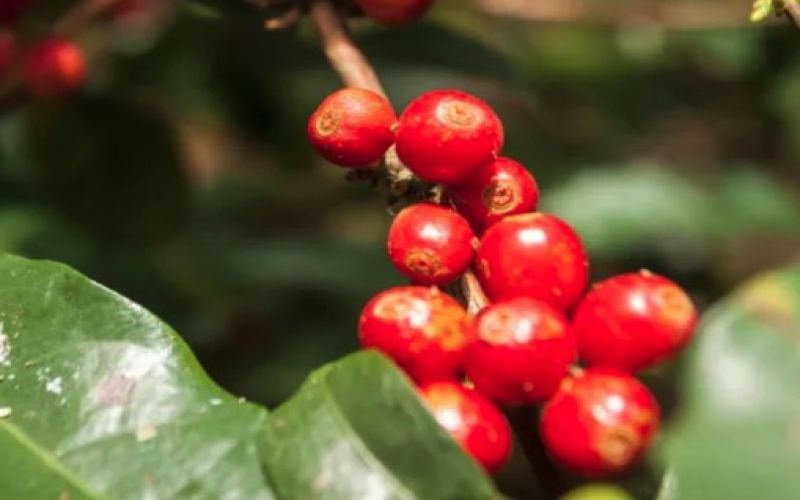
"Eugenioides" coffee Varieties will become the next Geisha?
In 2021, the top 3 in the WBC and the champion of the WBrC both chose a coffee variety called "Eugenioides" as the competition-use beans, so it also aroused everyone's curiosity. Qianjie will come to share its story. Coffee parent varieties Arabica a [more…]
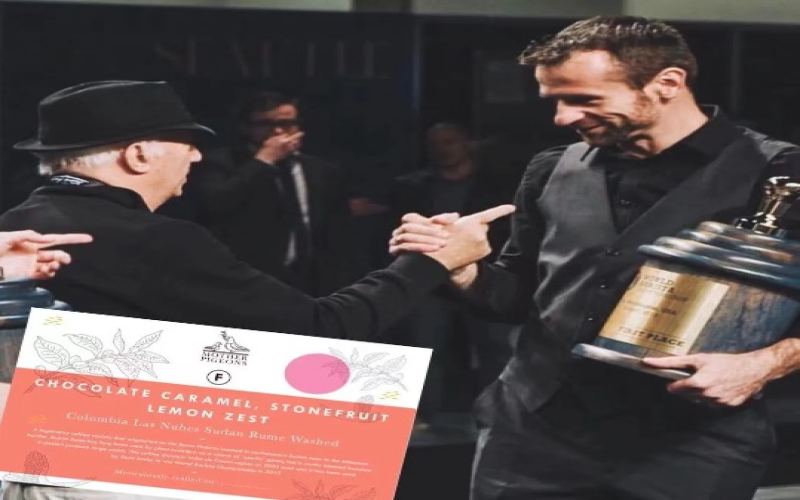
Rume Sudan, an ancient and delicious coffee variety.
In the World Barista Championship (WBC) in 2015, the competitor from Australia, Sasa Sestic, won the championship of that year with a Sudan Rume coffee that carried a gentle flower fragrance, the sweet and fresh juice, and the lemon grass aroma, succ [more…]
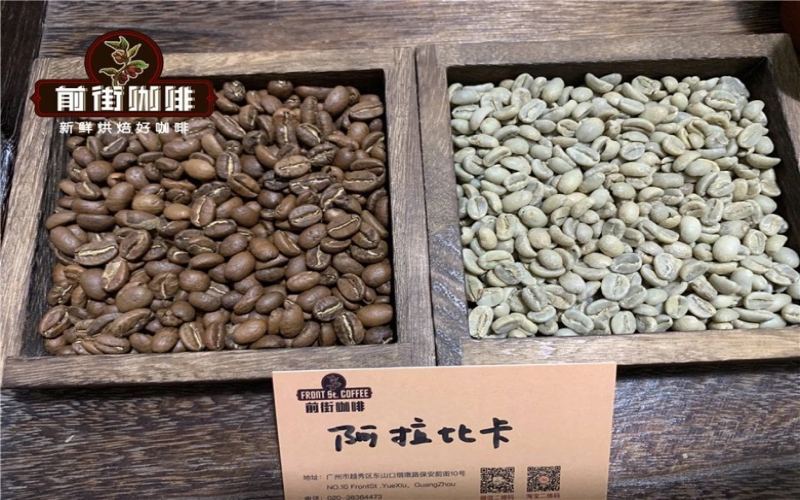
The Density and Hardness of Coffee Beans: Hidden Factors That Affect Flavor
When choosing coffee, besides origin, processing method, and roast level, there is another rarely mentioned yet profoundly influential indicator: the density and hardness of the green beans. It hides behind roasting and flavor performance, yet it is a key to understanding why this bag of beans is more resistant to roasting and more resistant to extraction. Where do density and hardness come from? The density and hardness of green coffee beans mainly [more…]