







Search Results for: random patterns
Exploring Latte Art: Feasibility of Latte Coffee Latte Art, Key Points for Choosing Coffee Beans and Milk
Latte art is called Latte Art in English, literally translated as "latte art," and this name itself points to its natural connection with artistic creation. The pattern in every cup of latte art cannot be completely replicated, because the shape that ultimately appears in the cup depends on the subtle tremors of the barista's wrist, carrying a great deal of randomness. Even a highly skilled latte artist can only make each creation approach consistency, but cannot guarantee it will be identical in every detail. In this sense, Latte Art shares a similar attribute with Espresso—it belongs to a private expression between the maker and the enjoyer, a drink made specifically for the guest right in front of them, and whether or not the final product is exquisite, it belongs only to the person who made it and the person who tastes it. [more…]

The latte art roulette wheel's pointer decides the design, and the barista's stress instantly maxes out
The reason hot lattes captivate so many coffee lovers often comes down to latte art. Tulips, swans—a beautifully poured design never fails to lift the mood. Most of the time, the pattern is left to the barista's discretion, but some baristas compile a menu of designs for customers to choose from. With so many options, some people find themselves spoiled for choice, and so the latte art spinner was born—the customer gives it a gentle spin, and wherever the pointer lands, the barista crafts that design. It's as fun as opening a blind box. The customer has a great time, but the barista may be breaking into a cold sweat: if the spinner lands on a complex pattern they haven't quite mastered, a botched pour would be pretty embarrassing. [more…]

Luckin × Genshin Impact Collaboration Hits a Snag on Day One: Random Character Cups Spark Outrage, Baristas Plead for Mercy
This Monday, Luckin Coffee's collaboration with the hit game Genshin Impact officially launched, with a themed pop-up store opening simultaneously in Ningbo. The event introduced two new drinks—Fontaine Red Wine Americano and Freshly Brewed Fontaine Ceylon Light Milk Tea—along with 8 themed cups, 4 limited-edition paper bags, 2 cup sleeves, and merchandise such as stickers, keychains, and character standees. However, problems arose on the first day: many players found that the drink cups they received did not match the characters on the posters, with the same new drink inexplicably paired with the same themed cup; users in Guangzhou also encountered a system issue that prevented them from ordering the light milk tea. Consumers' disappointment and employees' grievances clashed fiercely on social media. Why did a highly anticipated collaboration turn into a complaint fest? [more…]
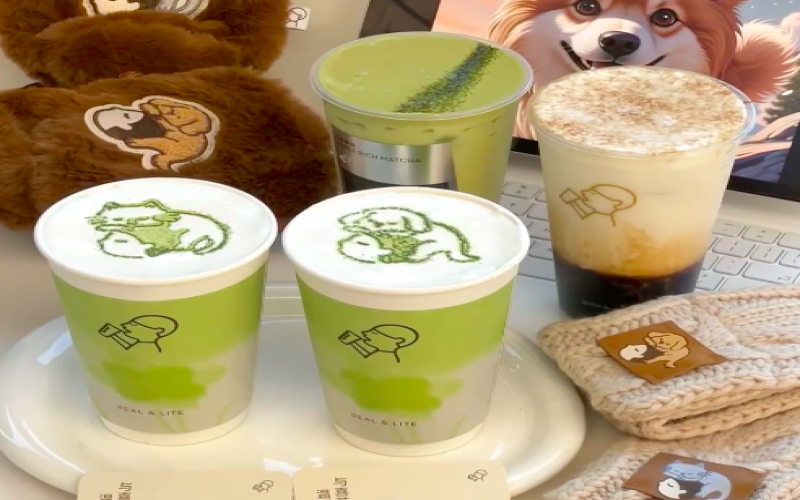
HEYTEA's limited powder-sprinkling designs often go wrong, and staff admit the operation is difficult
Heytea recently launched a limited winter warming campaign. In addition to themed merchandise, its offline stores also set up a free Easter egg—sprinkling the Heytea pet pattern onto the milk cap of designated drinks. Many fans made special trips to pick up this cup with the "limited-edition pattern," but the products they actually received frequently turned out to have the pattern blurred into a mess, with no recognizable shape at all. Some consumers complained that the product did not match the description and questioned whether the staff were just going through the motions; store employees, meanwhile, complained bitterly, saying whether the pattern takes shape depends heavily on powder-sprinkling skill, and that pet patterns are much harder to execute than the usual Heytea character, with a shaky hand or a slight angle deviation potentially causing a fail. In this controversy over sprinkling powder on a cup of milk cap, who exactly should take the blame? [more…]
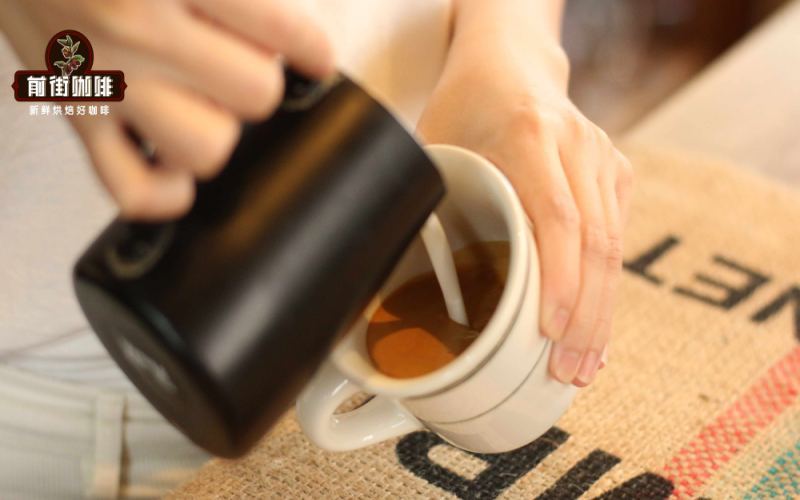
How do you make a heart latte art? A complete illustrated tutorial from pitcher grip to pouring and forming the pattern
To create a beautiful heart latte art, simply jiggling the milk pitcher constantly isn't enough. Many coffee enthusiasts practicing often feel they are clumsy, but the problem usually lies in how they hold the pitcher, the pouring technique, and the oils in the coffee beans. This article starts with the principles of latte art, explains two practical pitcher-holding postures in detail, and breaks down the two key steps of incorporating and drawing, helping you build stable muscle memory. It also explains why Front Street Classic Blend and Front Street Commercial Blend can provide ideal espresso crema, making latte art smoother. [more…]

What cups are used for espresso, Americano, and latte? A detailed explanation of the three capacity specifications of coffee cups
Walking into Front Street Coffee, the rows of ceramic cups of varying sizes on the espresso machine are not placed randomly—each specification corresponds to a specific coffee category and serving standard. The differences in coffee cup capacity not only help drinkers quickly judge the strength of the coffee, but also directly affect the presentation of flavor and heat retention. This article will systematically sort out the three coffee cup sizes used by Front Street Coffee—the 60ml small cup, the 180-200ml medium cup, and the 300ml large cup—and explain one by one the coffee types they are each suited for, the serving parameters, and the flavor performance, from espresso to Americano, cappuccino, and then latte, guiding you to understand the professional logic behind coffee cups. [more…]
Master the Basics of Heart Latte Art: A Comprehensive Guide from Espresso Extraction to Pitcher-Holding Posture
Many coffee enthusiasts encounter the same confusion when first learning latte art: why is it that the milk foam is whipped decently, yet they still can't pour a clear pattern? The problem may not lie in your technique, but rather in foundational elements like the pitcher-holding posture, integration technique, and coffee bean selection not being in place. This article will systematically explain the key points for creating a perfect heart-shaped latte art, including how to choose an espresso with rich crema, the basic principles of latte art, two practical pitcher-holding methods, and operational details for integration and pouring the pattern. It also recommends two coffee beans suitable for latte art practice—Front Street Classic Blend and Front Street Commercial Blend—to help you develop stable muscle memory within 20 days, so that every cup of latte can present a beautiful heart-shaped pattern. [more…]
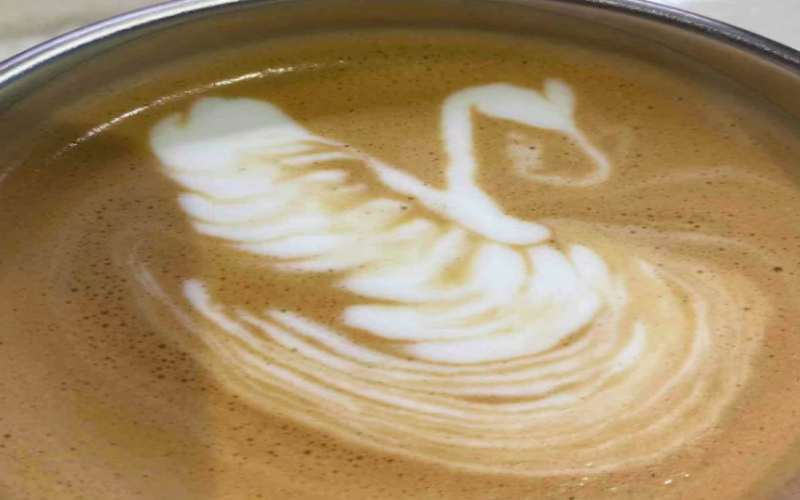
Coffee Latte Art Fails: Accidental Creations That Astonishingly Resemble Cai Xukun, A Roundup of Those Abstract Yet Stunning Improvisations
Latte art is a visual display of a barista's skill, and it's also the reason many coffee enthusiasts fall down the rabbit hole. However, not every attempt at latte art turns out as perfectly as intended—failed creations often come in wildly bizarre forms, some so abstract that even the creator can't recognize them. Yet an occasional slip of the hand can sometimes give rise to a one-of-a-kind improvised "masterpiece"—for instance, a netizen once accidentally poured a milk pattern that bore an uncanny resemblance to a certain basketball star. This article will round up these hilarious latte art fails, while also exploring how latte art affects the taste of coffee and why baristas keep practicing. [more…]
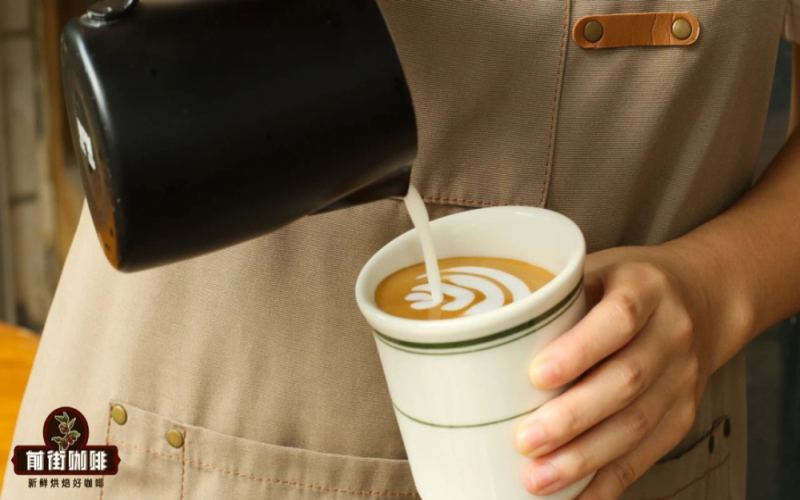
Illustrated Latte Art Tutorial: Key Points on Milk Foam Thickness and a Full Analysis of Milk Selection
Many friends who are just getting into coffee think latte art looks simple—just pour casually and you'll get a heart or a tulip. But when they actually try it, they discover the milk always floats on the surface in clumps. In fact, the key to latte art lies in the condition of the milk foam, the pouring technique, and the way you hold the pitcher and the cup. This time, Front Street Coffee focuses on latte art, breaking down the operational details of each step—from the required foam thickness, steam wand positioning, and steaming temperature, to pouring practice and how to hold the milk pitcher—to help everyone avoid detours and pour a decent-looking pattern as quickly as possible. [more…]
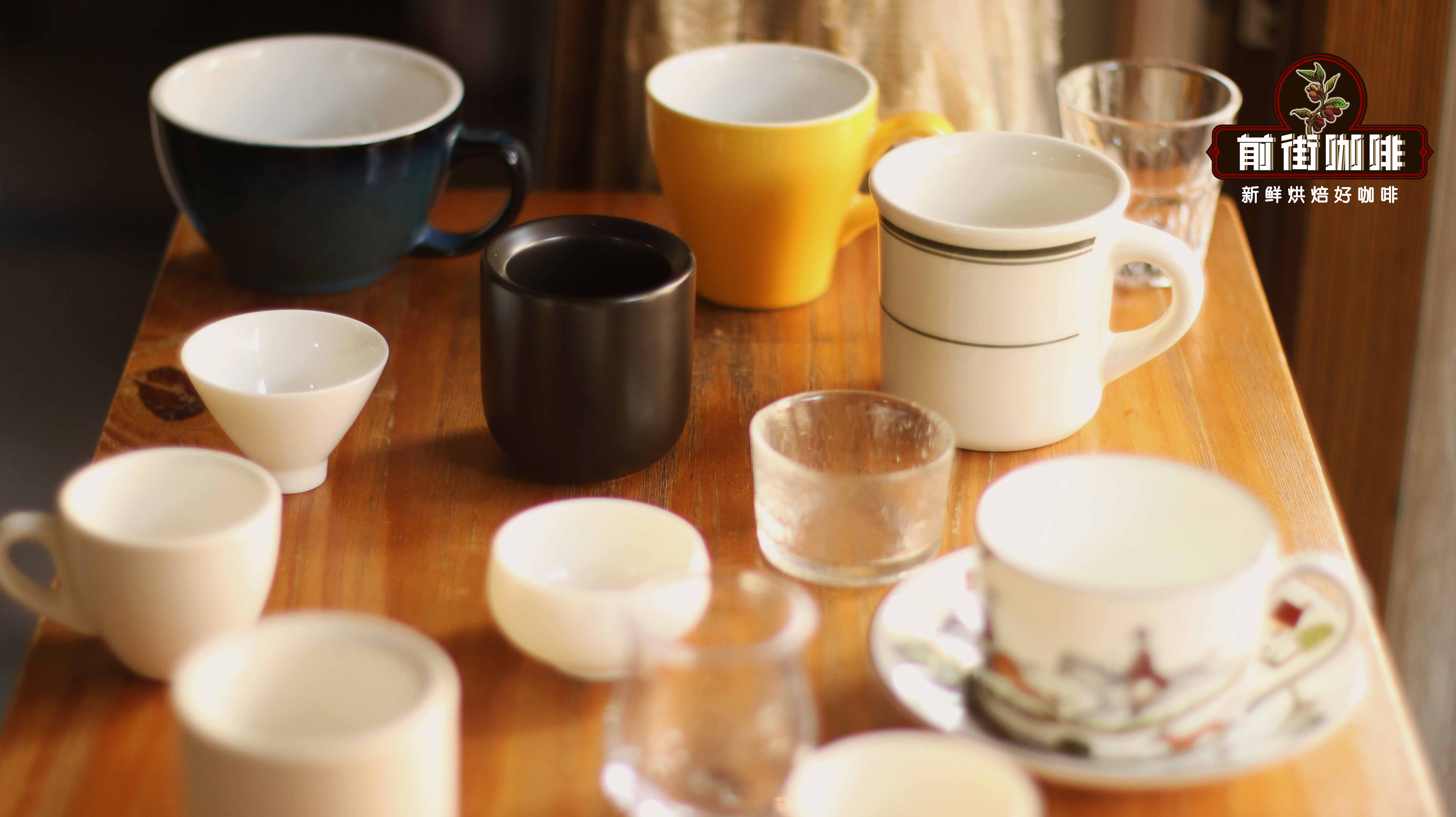
A Complete Guide to Coffee Cup Sizes: What Drinks Suit Small, Medium, and Large Cups?
Walking into Front Street Coffee, ceramic cups of various sizes are neatly arranged on the espresso machine. These cups are not placed randomly but correspond to the serving needs of different coffees. The capacity of a coffee cup often hints at the intensity of the drink within—the smaller the cup, the more concentrated the coffee. A small cup holds about 60ml, used for espresso or as a sharing cup for pour-over; a medium cup holds 180-200ml, suitable for Americano and cappuccino; a large cup holds 300ml, the stage for milk coffees like latte and mocha. This article breaks down in detail the capacity, uses, and pairing logic of Front Street's three cup sizes, helping you choose the right cup at home and drink with professional standards. [more…]

Bawang Chaji's Golden Crow Fuyao New Release Splits Opinions: Green Mandarin Pu'er Meets Milk Tea, Badge Blind Boxes Spark a Collecting Craze
On September 14, Chagee launched a new freshly brewed milk tea called "Golden Crow Soaring," combining Xinhui green tangerine with Yunnan Pu'er and championing the concept of modern Eastern tea. The accompanying "Golden Crow Soaring blind-bag badges" merchandise sparked a collecting frenzy, with the four zinc alloy badges becoming a new target for figure collectors. Yet reviews of the drink itself are sharply polarized—some praise its rich layers, while more people complain that the oolong flavor is too heavy, with a medicinal taste or even a dog-poop note. Veteran tea drinkers suggest drinking it with regular sugar to ease the bitterness. This article sorts through the taste controversy surrounding the new product and the merch-collecting guide, offering reference for coffee and tea enthusiasts. [more…]
What Is the WBC? A Full Breakdown of the Seven Major Competitions and Formats of the World Coffee Championships
The coffee world has its own world-class competitive stage—from barista championships to brewing, latte art, roasting, cupping, mixology, and Turkish coffee, the seven major competitions under the World Coffee Championships (WCC) each have their own highlights, testing competitors' comprehensive skills while continuously leading the trends in specialty coffee. Today, Front Street Coffee takes you through these international competitions one by one to understand their content and rules, and to see what exactly the world's top coffee professionals compete in and how they compete. [more…]
A Complete Guide to Espresso Cup Sizes: The Right Capacity for Espresso, Latte, and Cappuccino
Step into Front Street Coffee (FrontStreet Coffee), and beside the espresso machine you will find ceramic cups of all sizes, each cup type corresponding to a specific category of coffee. The size of the cup not only affects the visual appeal of the finished drink, but is also closely tied to coffee intensity, heat retention, and flavor presentation. This article goes through three sizes—small, medium, and large—explaining one by one the cup capacities that suit espresso, americano, cappuccino, and latte respectively, and combines Front Street's brewing parameters and blended bean choices to help you understand the relationship between cup size and flavor, while also offering a reference for choosing suitable coffee beans when making milk coffee in daily life. [more…]

A Complete Guide to the Golden Cup Extraction Theory: From Its Historical Origins to the Practical Application of Concentration and Extraction Yield
The Golden Cup extraction is a concept often mentioned in coffee circles. It uses two indicators—concentration and extraction yield—to judge whether a cup of coffee has been properly extracted. This theory can be traced back to 1952, when it was developed through collaborative research by the American coffee association and Dr. Lockhart of MIT. After multiple revisions, the Golden Cup range currently recognized by the SCAA is: extraction yield 18%-22%, concentration 1.15%-1.35%. But the Golden Cup numbers are only a reference tool, not an absolute formula for brewing delicious coffee. This article will walk you through the origins and development of Golden Cup extraction, the meaning of concentration and extraction yield, how to calculate extraction yield using formulas, and why you should not be limited by the Golden Cup range. [more…]
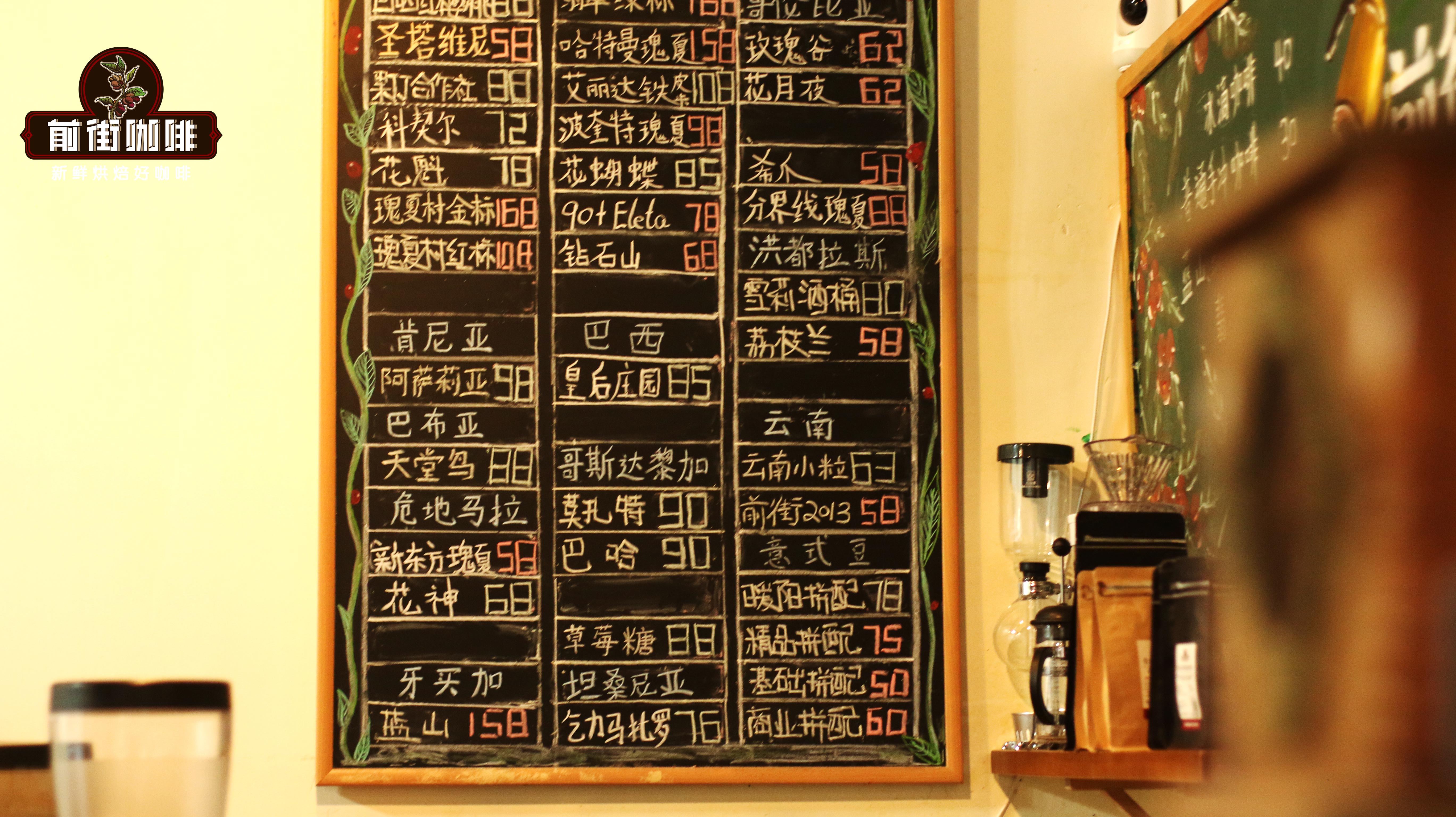
The Naming Origin of Huakui Coffee Beans and Their Relationship with the Sidamo Guji Region: From TOH Champion to Version Evolution
In recent years, Huakui coffee beans have risen to fame in the specialty coffee world, and are even regarded as an Ethiopian representative capable of rivaling Geisha. However, many enthusiasts remain confused about why it is called "Huakui," whether it belongs to the Sidamo region, and what differences exist among the various versions from Huakui 2.0 to 6.0. This article, from the perspective of Front Street, systematically sorts out the naming origins of Huakui, its regional affiliation, processing methods, and version evolution, and combines these with the actual cupping performance of Front Street Huakui 6.0 to present the true character of this coffee bean. Whether you are just encountering Huakui or want to gain a deeper understanding of the patterns in its flavor changes, you will find clear and professional answers here. [more…]

After Manner's stores exceeded a thousand, they urgently hired daily-paid packing part-timers, and veteran baristas complained about the pressure of training newcomers.
When Manner's nationwide store count surpassed one thousand, coffee enthusiasts cheered that they could finally check in nearby. At the same time, this chain brand is facing a severe shortage of frontline staff. To fill the barista gap, Manner began recruiting large numbers of daily-paid temp workers responsible only for packing, restocking, and cleaning, jokingly called "packers" by netizens. However, these part-timers change every day and cancel at the last minute without notice, forcing already busy full-time baristas to repeatedly train newcomers during peak hours, triggering strong dissatisfaction among veteran employees. This article sorts out the recruitment requirements, pay, and scheduling model for these temp workers, as well as the real complaints from baristas, while also looking at what reference value brands like Front Street Coffee offer in workforce management. [more…]
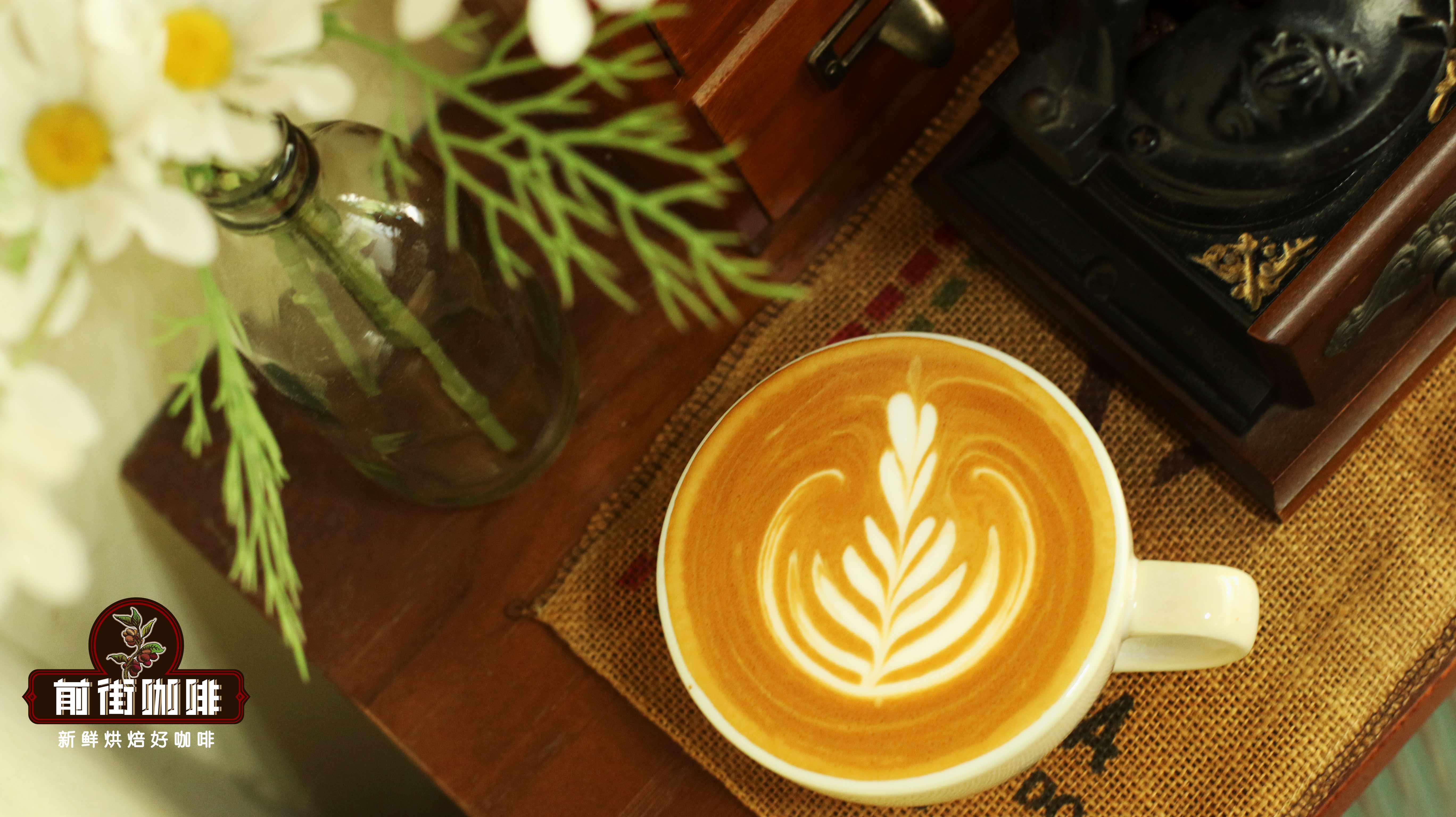
The three brothers of espresso with milk: What exactly is the difference between a latte, cappuccino, and mocha?
Walking into a café and facing a menu of latte, cappuccino, and mocha, have you ever been confused about what exactly makes them different? All three coffee drinks appear to be espresso with milk, but in reality, the ratios, mouthfeel, and preparation methods each have their own nuances. Latte puts milk in the starring role, cappuccino highlights the coffee's true flavor, and mocha incorporates chocolate notes. Understanding the stories and standard recipes behind them not only helps you find your favorite taste, but also makes you more relaxed and confident when ordering next time. This article will break down the mysteries of these three classic coffee drinks one by one, and along the way discuss the difference between steamed milk and milk foam, as well as how lattes are made differently around the world. [more…]
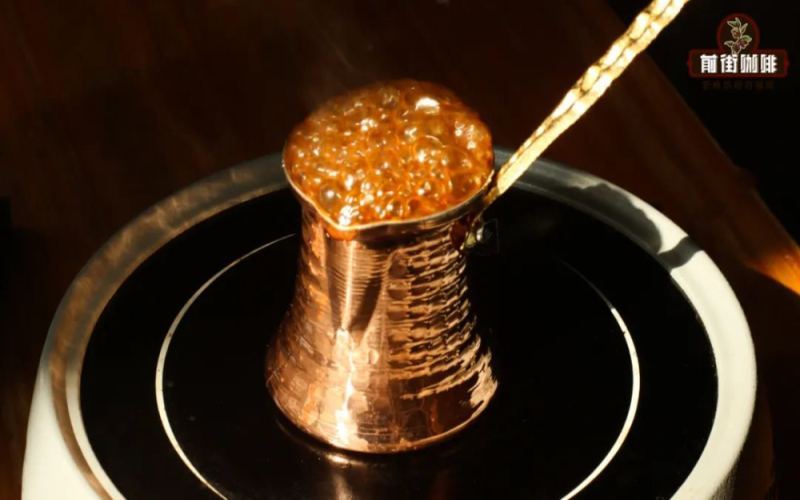
A Complete Guide to Turkish Coffee: Brewing Methods, Fortune-Telling Traditions, and the Three-Boil Technique
Turkish coffee is a unique presence in the coffee world. From its evolution during the Ottoman Empire to the ancient brewing method that is still adhered to today, it carries centuries of history and culture. Similar to Yunnan arabica coffee, the way Arabs back then used a large Dallah pot to brew under-roasted coffee beans is already completely different from today's Turkish coffee. After improvements by the Turks—switching to dark-roasted beans and using a long-handled copper Cezve—this coffee quickly spread throughout the empire and even to Europe. This article will introduce in detail the preparation parameters of Turkish coffee and the "three boils" technique, explain why its coffee grounds are not filtered, and take you through the mysterious tradition of coffee fortune-telling, as well as the interesting custom in Turkish marriage customs of using spiced coffee to test a suitor. [more…]

Front Street Coffee Complete Knowledge Collection: A Coffee Learning Guide and Practical Manual from Beginner to Advanced
The Front Street official account has insisted on daily updates for many years, accumulating a massive amount of educational content covering every area of coffee. From the origins of coffee beans to the birth of a finished cup of coffee, from basic terminology to advanced brewing techniques, the articles have touched on virtually every question a coffee lover might encounter. This article reorganizes that content along a learning path, dividing it into sections such as must-reads for beginners, tasting methods, brewing techniques, advanced improvement, and Front Street's random musings on industry topics, making it easy for readers to quickly locate the knowledge they need based on their own stage, and also convenient for systematically filling in gaps. Whether you are a novice just getting into coffee or an advanced player hoping to hone your skills, you can find corresponding content here. [more…]
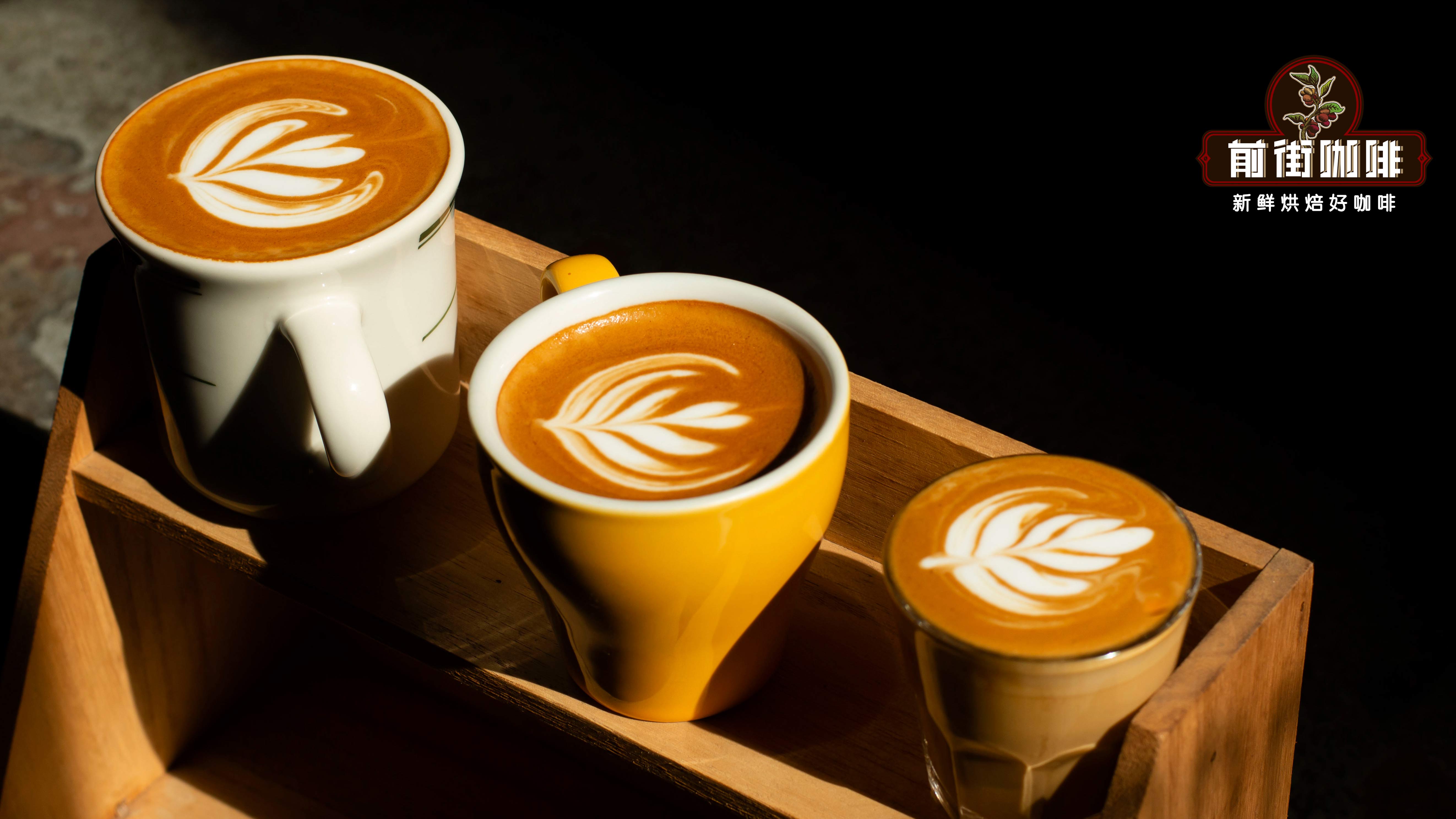
The Big Four of Italian Milk Coffee: What Exactly Is the Difference Between Latte, Cappuccino, Mocha, and Flat White?
Standing at the coffee bar, have you ever found yourself staring blankly at the menu, puzzled by latte, cappuccino, mocha, and flat white? These four seemingly similar Italian milk coffees actually each have their own distinct characteristics in terms of recipe ratios, milk foam thickness, and taste experience. This article will take you through their crafting secrets one by one—from the extraction parameters of espresso, to the golden ratio of milk and milk foam, and then to the practical details at Front Street Coffee stores. Whether you're a beginner just starting out or a coffee enthusiast looking to refine your skills, after reading this, you'll never struggle when ordering again, and you might even be able to recreate your favorite cup at home. [more…]