







Search Results for: pulse pouring

What Is SOE Espresso? What Are the Advantages of SOE Coffee? An Introduction to SOE Single-Origin Espresso Extraction Time, Coffee-to-Water Ratio, and Water Temperature
For more specialty coffee knowledge, please follow the WeChat public account: Front Street Coffee (FrontStreet Coffee). Many friends who have drunk coffee may not necessarily understand or even have heard of SOE coffee, but seasoned coffee connoisseurs certainly know SOE coffee. Is it that when it comes to SOE coffee [more…]
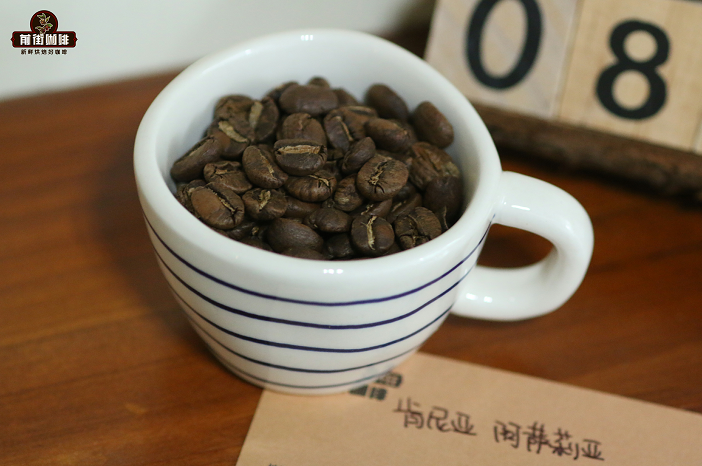
Kenya Coffee Characteristics | What Coffee Varieties Are Grown in Kenya? How to Make Pour-Over Black Coffee with Washed Kenya AA, and How to Describe the Coffee Flavor?
Front Street Coffee: Kenya Asaliya Coffee Beans Region: Kenya, Thika Region, Asali Processing Plant Altitude: 1550-1750m Processing Method: Washed Variety: SL28 & SL34 Flavor: Snow Pear, Smoked Plum, Yellow Sugar [more…]
Pour-over for two
There are many ways to brew coffee, from the siphon method that feels like a chemist conducting an experiment, to simple extraction methods like the French press. Among them, pour-over may be the one with the most room for experimentation. Most brewing tutorials online are for a single serving, so how do you brew for multiple people? Attentive readers may have noticed that most brewing tutorials [more…]
A Pour-Over Roast Map: How to Drink from Light to Dark Roasts
Even with the same hand-brewed coffee beans, different roast colors shift where the flavor lands on the palate. Light roasts tend to preserve the floral and fruity notes of the origin, medium roasts often bridge acidity, sweetness, aroma, and mouthfeel, while dark roasts develop cocoa, nutty, and roasted notes. First understand this line of change, then compare it with your own drinking habits and choose [more…]

How to Choose Single-Origin Pour-Over Coffee by Roast Level
When choosing single-origin beans for pour-over, you can start with the roast level. Light roasts suit those looking for floral notes, fruity acidity, and a clean, transparent mouthfeel; medium roasts make it easier to taste a rounded sweetness; dark roasts bring cocoa, nuts, and a heavier body. First decide whether you want a light, bright cup or a rich, easy-drinking one—that will give you clearer direction when buying. Light-roast beans [more…]
Choosing single-origin pour-over beans that are neither sour nor bitter based on roast level
If you want a single-origin pour-over with soft acidity and a bitterness that doesn't steal the show, roast level is a very practical place to start. A light roast preserves floral and fruity notes, but it may come across as bright; a medium roast more easily brings out sweetness and roundness; a dark roast offers cocoa, nuts, and a fuller body. The key is not to chase the absence of acidity or bitterness, but to let both sensations land in [more…]
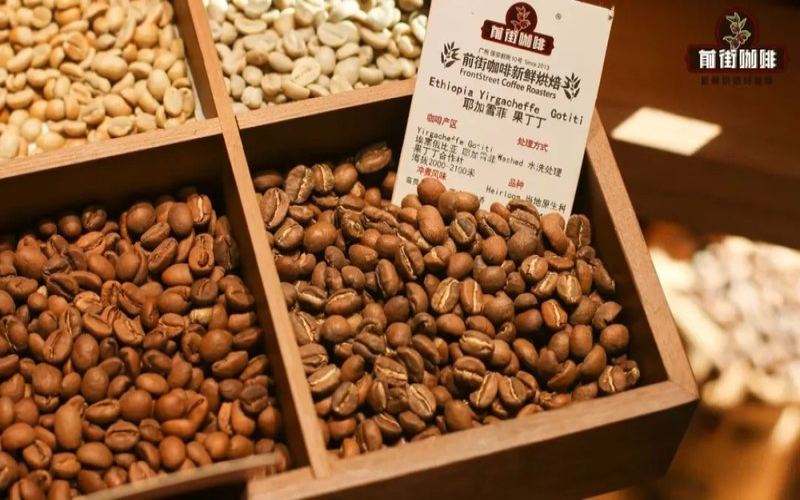
Tropical Fruit Coffee Beans: Roast Level Determines the Direction of Fruit Aromas
If you want to taste tropical fruit notes, the roast level is a very useful screening clue. Light roasts tend to retain more floral aromas, citrus acidity, and juicy character, coming across as bright and light on the palate; as the roast progresses toward the medium range, sweetness, body, and ripe fruit notes become more prominent. When buying, first look at the roast label, then combine it with whether you prefer a refreshing or a full-bodied taste. [more…]

Choosing pour-over beans in the light-roast style: from floral and fruity to tea-like
A cup of light-roast pour-over is often appealing for its bright aroma, lively acidity, and the fruity, floral, or tea-like finish it leaves on the palate. It doesn't have to taste sharp; it can also be very sweet and mellow. When choosing, rather than fixating solely on the word "light roast," it's better to look further at the flavor tendencies and your own drinking habits. [more…]
How to Choose Light-Roast Floral Coffee Beans: From Bright Fruitiness to Gentle Tea Notes
The charm of light-roast coffee beans often reveals itself the moment you open the package and pour in hot water. Aromas of petals, citrus, berries, or tropical fruit come through vividly, the acidity is bright on the palate, and a light, sweet finish lingers after you swallow. It suits those who enjoy black coffee, pour-over, and iced drinks, and also those who treat coffee as a relaxing afternoon beverage, savoring it slowly. [more…]
How to Choose Light-Roast Floral Coffee Beans: From Bright Fruit to Gentle Tea Notes
The charm of light-roast coffee beans often reveals itself the moment you open the package and pour in hot water. Aromas of petals, citrus, berries, or tropical fruit come through vividly, the acidity is bright on the palate, and a light, sweet finish lingers after you swallow. It suits those who enjoy black coffee, pour-over, and iced drinks, and is equally suited to those who treat coffee as a relaxing afternoon beverage, savoring it slowly. [more…]
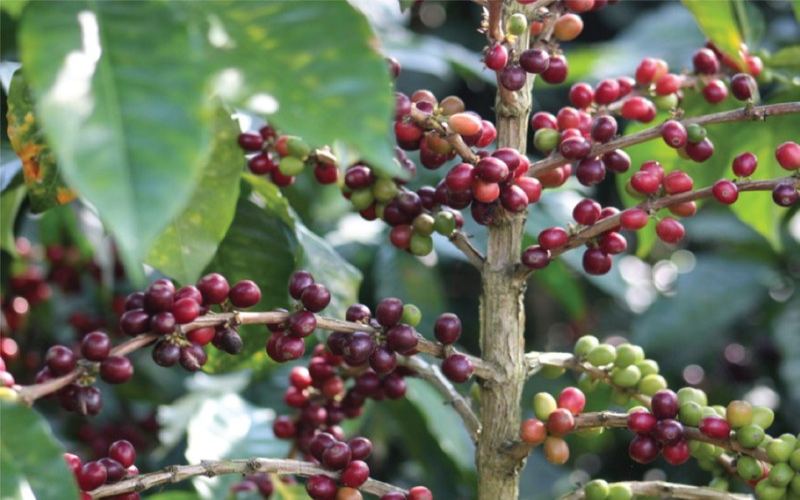
How to Choose Roast Level? A Repurchase Review of Three Coffee Beans
The roast level of coffee beans determines the first flavors that hit your palate, and also affects the liveliness of the aroma, the body, and the margin for error during brewing. Lighter-roasted beans more readily showcase the origin and processing method, medium roasts strike a better balance between sweetness and acidity, while darker roasts suit those who prefer intensity and richness. If you're looking for a bean that can [more…]
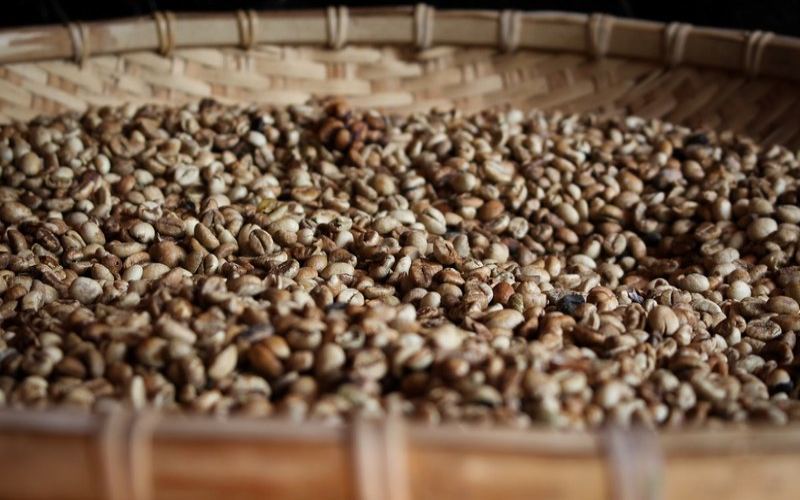
How Many Days After Roasting Do Coffee Beans Taste Best? From Resting Cycles to Sealed Storage—The Rhythm of Peak Flavor
Freshly roasted coffee beans enter a degassing phase in the early stage, during which the carbon dioxide trapped inside is slowly released over time. If brewed immediately at this point, the water flow tends to be blocked by the bubbles, preventing the flavor compounds from dissolving out evenly. Letting the beans rest in a bag with a degassing valve for a period of time allows the internal pressure to stabilize. This process [more…]

Coffee beans come in different roast levels—which should beginners start with?
The roast level of coffee beans determines what you're more likely to taste on the first sip: a light roast preserves more of the origin's character, often with bright acidity and fresh aromas; a medium roast brings sweetness, acidity, and body into a more balanced position; a dark roast develops cocoa, nutty, and roasted notes. If you're new to coffee, you can start with this clue [more…]
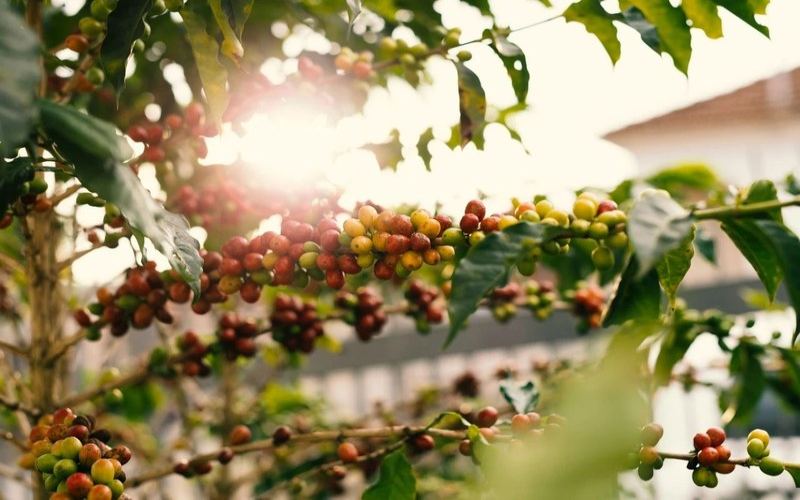
Noticeably sweet and rich in fruity aromas—choose pour-over beans by roast level
If you want to drink pour-over coffee with clear sweetness and a noticeable fruity aroma, the roast level is a very practical screening clue. Light roasts more easily retain floral, citrus, and berry notes, medium-light roasts bring fruity aromas and sugary sweetness closer together, and medium roasts add roundness and caramel associations. Based on whether you prefer a bright, soft, or full-bodied taste, [more…]

Evaluating by Roast Level: Coffee Beans Worth Buying Again and Again
Whether a coffee bean is worth buying repeatedly often depends not on how dramatic its flavor is, but on whether it can steadily become part of your daily routine. Roast level is a very practical starting point for judgment: light roasts highlight floral and fruity aromas and the interplay of acidity and sweetness, medium roasts emphasize balance and sweetness, while dark roasts are better suited for rich, smooth drinks. First, based on what you want in your cup [more…]

Yirgacheffe G1 Coffee | What are the characteristics of washed Yirgacheffe single-origin beans? Light roast daily coffee bean recommendations for experienced coffee lovers who brew pour-over
For more specialty coffee knowledge, please follow our WeChat official account: Front Street Coffee (FrontStreet Coffee). For washed coffees, Front Street feels they're like a breeze in summer, refreshingly cool and soothing! When talking about washed coffees, how could we not mention Ethiopia's Yirgacheffe? [more…]
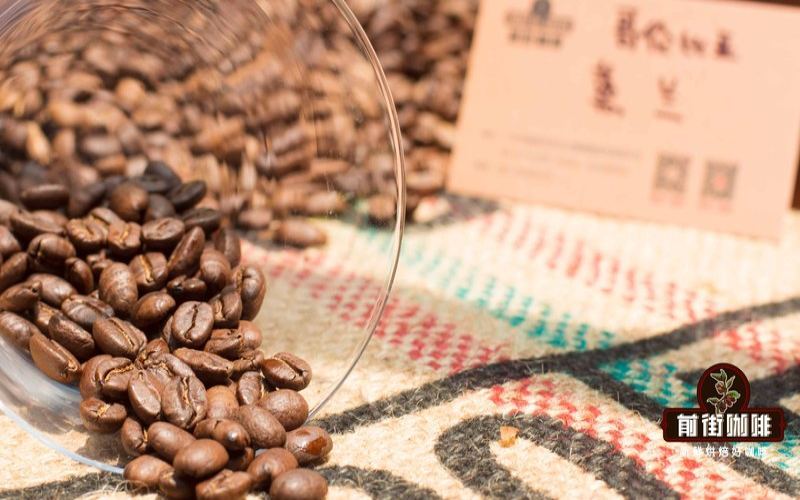
How to Choose a Pour-Over with Floral and Fruity Notes: A Flavor Guide from Light to Medium Roast
If you want to taste floral, citrus, berry, or tropical fruit notes in your pour-over, roast level is a very useful clue to follow. Light roasts more easily preserve the bright aromas brought by origin and processing method, medium-light roasts add sweetness and roundness, and medium roasts soften the floral and fruity character, making each sip more stable. Based on the acidity you like [more…]
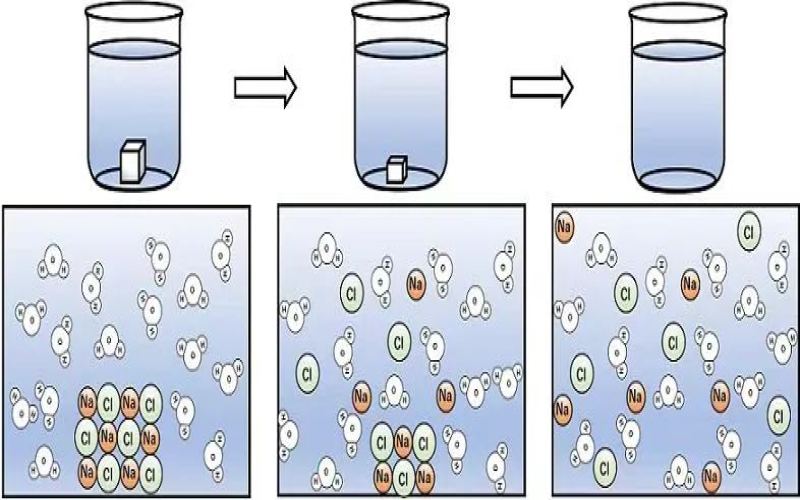
Pour-Over Coffee Brewing Temperature | What Is the Best Water Temperature for Brewing Pour-Over Coffee? Does Brewing Water Temperature Have a Big Impact on Coffee Flavor and Mouthfeel?
For pour-over coffee, most people tend to use higher water temperatures for extraction, because high temperatures not only improve extraction efficiency but, more importantly, bring out a rich, sweet-and-sour aroma and flavor. Basically, the water temperature used for pour-over coffee is rarely below 80°C. So, if you brew coffee below this temperature, is there any [more…]
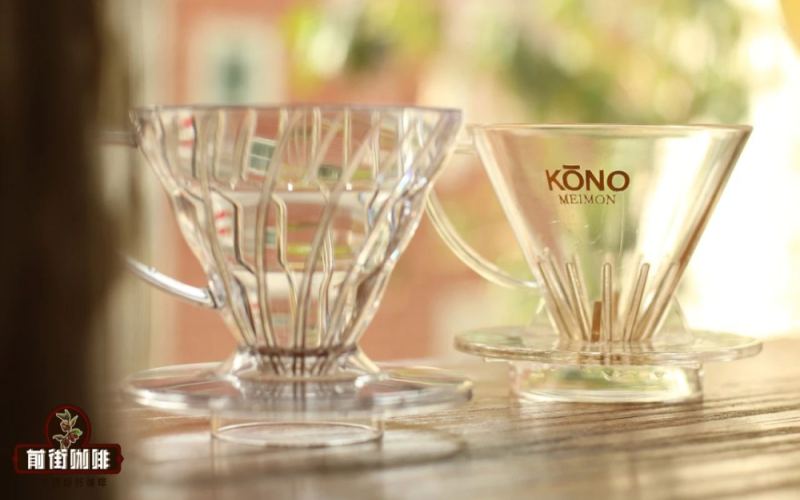
Pour-over Dripper Usage Tutorial | Which Coffee Beans Are Suitable for Brewing with the Kono Dripper? Introduction to the Kono Dripper's Extraction Principles and Coffee Flavors
The KONO dripper, like the Hario V60, is cone-shaped. The biggest difference lies in the height of the ribs. KONO has 12 ribs that are lower than those of the Hario V60, which helps with airflow during brewing and increases the efficiency of the bloom. When the KONO dripper is used together with its server, it's like [more…]
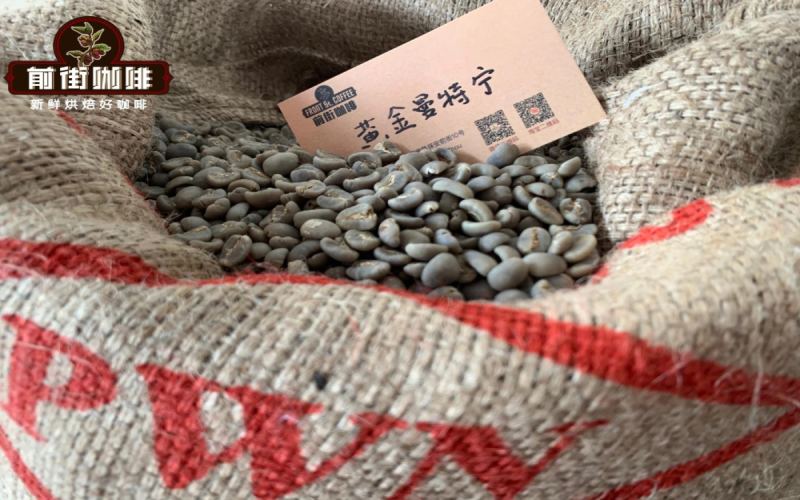
Dark Roast Coffee Pour-Over Tutorial | Can Adjusting Pour-Over Coffee Extraction Water Temperature and Grind Size Parameters Brew a High-Sweetness Indonesian PWN Golden Mandheling Black Coffee?
Mandheling coffee is one of Indonesia's most famous specialty coffees. Its uniqueness lies in the distinctive herbal aroma it carries—some say it's like cigars, some say spices, and some say fresh grass. A friend told Front Street Coffee that the Mandheling coffee they brew at home is only bitter, completely lacking the aroma they experience when drinking it in a café. [more…]