







Search Results for: public safety
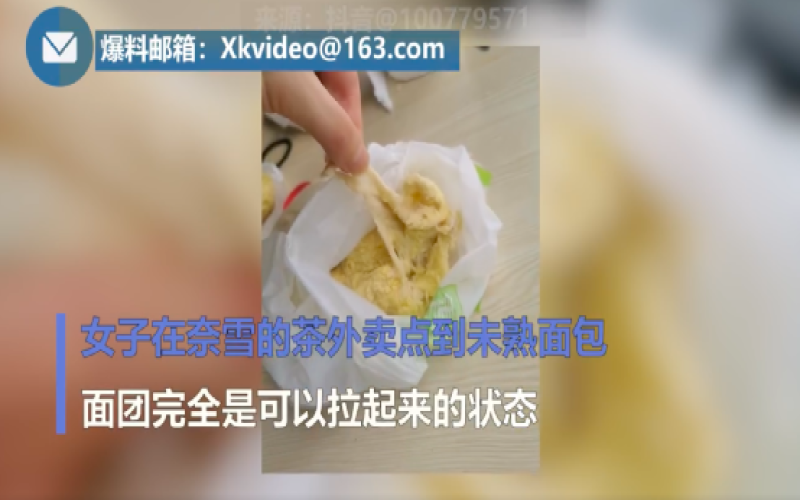
Nayuki's Tea bread undercooked controversy sparks renewed scrutiny of the brand's food safety record
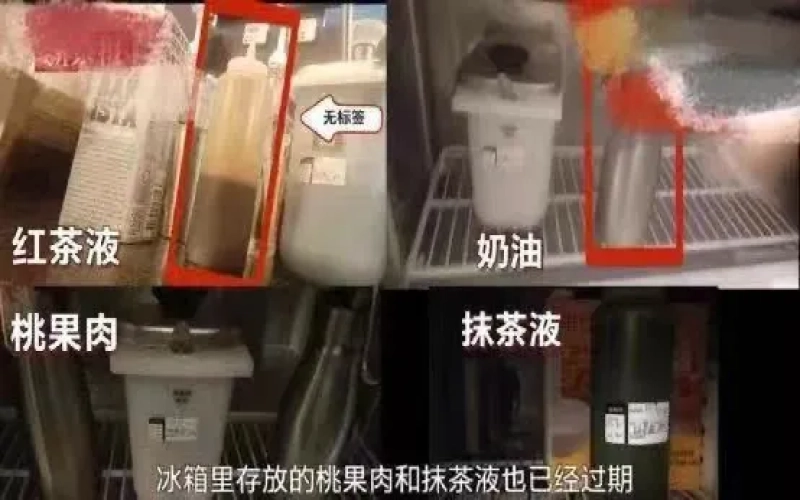
As competition in the new-style tea beverage sector reaches a fever pitch, Nayuki was the first to list on the capital market, claiming the title of "the first stock of new-style tea drinks" and was once regarded as an industry benchmark. Recently, however, a consumer in Shanghai discovered raw dough that could stretch into strings in a durian bread purchased from Nayuki via delivery. The store explained it as "baked relatively soft," and the refund request was also rejected. This incident quickly fermented on social platforms and once again brought Nayuki's past food safety issues back into the public eye—from expired milk and rotten fruit to chaotic kitchen practices, what has happened to this brand with a halo over its head? [more…]
Starbucks Fined 1.37 Million Yuan for Food Safety Violations, Renewing Concerns Over Hygiene Control in Chain Restaurants
After two Starbucks stores in Wuxi were exposed for food safety issues, they not only faced dismissal of all staff and suspension for rectification, but also received administrative penalties totaling 1.37 million yuan. This incident triggered widespread public discussion on the current state of food safety management in the chain catering industry. Judging from the surprise inspections by market supervision bureaus across various regions, although the vast majority of stores were not found to have serious violations, management loopholes such as non-standard scrap records, missing disinfection records, and inadequate implementation of employee personal hygiene remain common. This article will review the incident and the details of the penalties, analyze the imbalance between Starbucks' internal supervision and cost control, and explore the importance of producer self-discipline and social oversight behind food safety issues. [more…]
Starbucks Announces Permanent Closure of 16 U.S. Stores: Safety Concerns Main Reason, Bathroom Policy May Tighten
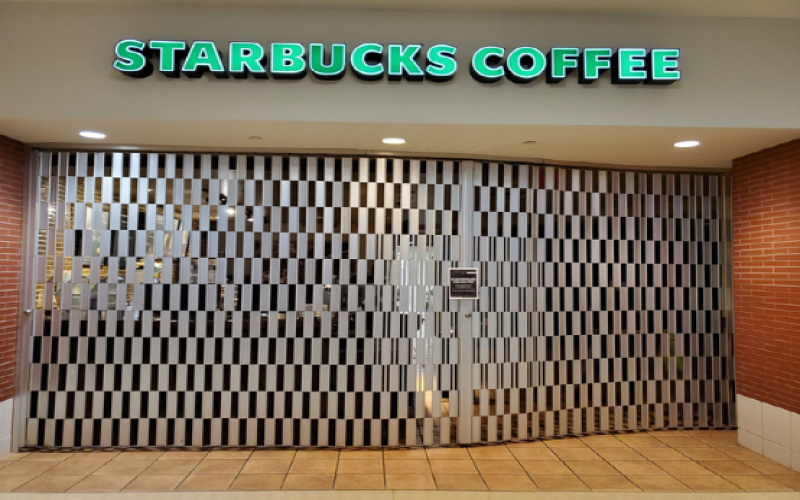
Starbucks recently announced that it will permanently close 16 U.S. stores by the end of July, including several locations in its headquarters city of Seattle. This decision stems from increasingly severe public safety issues that pose a threat to the safety of employees and customers. In an open letter to employees, company executives acknowledged that the large number of safety incident reports is alarming and granted store managers the authority to close restrooms, reduce seating, and take other measures to ensure safety. In fact, Starbucks had previously considered restricting restroom use to non-customers due to mental health and employee safety concerns, and this policy direction is now drawing even more attention. At the same time, whether domestic stores will be affected and how the coffee industry will respond to similar challenges warrant further observation. [more…]
Unopened Mixue Lemonade Found with Black Foreign Object, Store Response Sparks Public Outcry
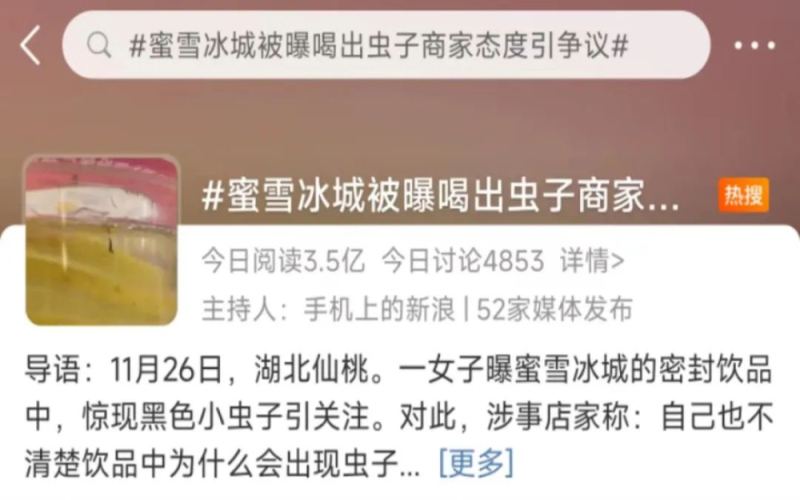
For professional coffee knowledge exchange and more coffee bean information, please follow Coffee Workshop (WeChat public account cafe_style) For more specialty coffee beans, please add the private WeChat of Front Street Coffee (FrontStreet Coffee), WeChat ID: qjcoffeex Mixue Bingcheng has once again been thrust into the spotlight. A consumer in Xiantao, Hubei, found a small black bug in an unopened lemonade, yet the response from the store was jaw-dropping. As the champion in store count in the new tea beverage industry, why do food safety issues keep recurring for Mixue Bingcheng even as it sprinted toward an IPO? This article will sort through the course of the incident, netizen reactions, and the brand's frequent food safety scandals this year, and explore the bottom line issues of service and quality control in the catering industry. [more…]
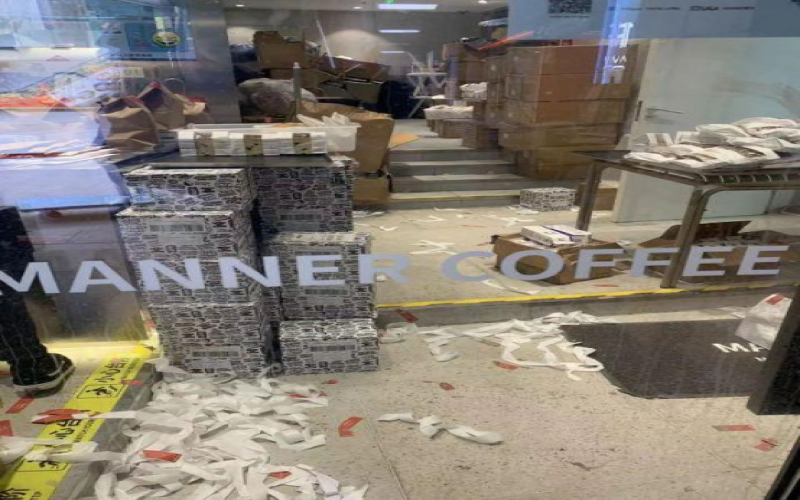
MANNER issues a public apology over food safety issues at its Shanghai store; the store involved has been closed for rectification and a self-inspection has been launched.
As Shanghai gradually resumes production and daily life, being able to get a cup of takeout coffee right at one's doorstep has become a small blessing for many. However, MANNER Coffee's store on Wujiang Road in Shanghai was found in a surprise inspection by market regulators to have problems including substandard environmental hygiene and non-compliant food storage, and was placed under investigation on May 23, quickly sparking heated discussion online. On May 24, MANNER's official Weibo account issued an apology statement, admitting that during the supply-guarantee delivery period there were oversights such as non-standard use of raw milk and failure to promptly clean the backing paper of food-safety seals, and stating that the store involved had immediately suspended operations for rectification. But this apology was questioned by some consumers and industry experts as evading the key issues and failing to directly address core hazards such as floor grime potentially contaminating food. As the pioneer of the domestic boutique coffee shop model, MANNER is facing a dual test of quality and food safety on a coffee track now crowded with cross-industry giants. [more…]
National food safety standards propose adding acrylamide testing in coffee, responding to consumer concerns
The National Health Commission recently solicited public comments on 19 national food safety standards, among which the "Determination of Acrylamide in Foods" includes coffee within its testing scope for the first time, responding to the social debate sparked by the detection of acrylamide in freshly made and sold coffee. At the end of 2023, a report by the Fujian Provincial Consumer Council brought acrylamide in coffee into the spotlight; experts pointed out that this substance is a byproduct of high-temperature processing rather than an artificial additive, and that its content in coffee is extremely low, so there is no need for excessive concern about daily consumption. This revision of the national standard aims to improve the testing system, drive process improvements in the industry, and safeguard consumer rights. [more…]
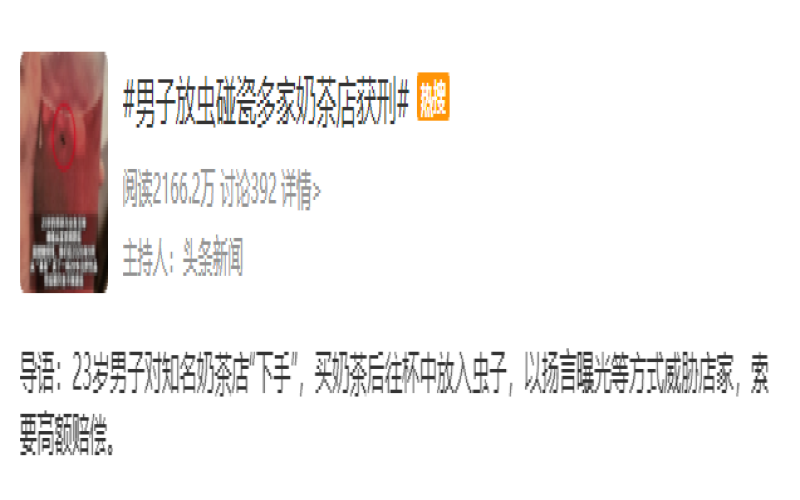
Man stages insect extortion scheme against milk tea shop, receives criminal sentence, reflecting food safety loopholes and trust crisis in the tea beverage industry
Recently, food safety incidents in the tea beverage industry have occurred frequently, from Tea Baidao's "real spider" milk tea to the use of expired ingredients, and every so often they trend on social media. However, a news report by Guangzhou Daily on October 12 was entirely different: a 23-year-old man, using his work experience at "a certain tea brand," colluded with his girlfriend and friends to deliberately plant insects in stores in Hangzhou, Dongguan, Shenzhen, Guangzhou, Shanghai, and other locations, extorting money under the pretext of food safety, with demands ranging from a thousand yuan to two hundred thousand yuan, and was ultimately prosecuted on suspicion of extortion. This incident not only exposed some milk tea shops' negligence in operations management but also sparked public discussion about the authenticity of food safety complaints. What consumers truly need is a hygienic and tasty drink, not a vicious cycle of deception. This article compiles the ins and outs of the incident and includes related information about Front Street Coffee. [more…]
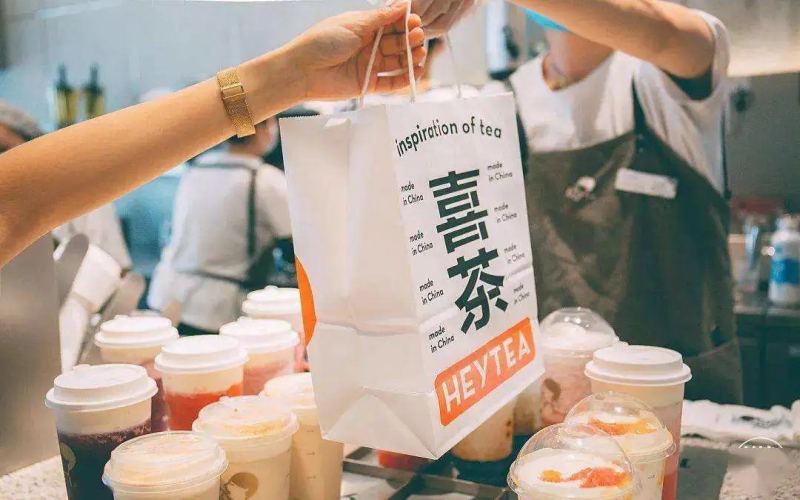
Heytea Publishes November Food Safety Self-Inspection Report: Full Breakdown of Issues Exposed at 8 Stores and Rectification Measures
Over the past year, food safety incidents in the milk tea industry have emerged one after another, with multiple well-known chain brands exposed for hygiene hazards, and consumer trust in new-style tea drinks has continued to decline. Amid a wave of skepticism, Heytea chose to proactively publish its November food safety action report, detailing the self-inspection results of stores nationwide, including the specific problems at 8 stores and their rectification, while also showcasing routine management measures such as disinfection and water/ice testing. Can this unconventional transparency set a new benchmark for the industry? This article will walk you through all the details of Heytea's report and explore its impact on consumer confidence. [more…]
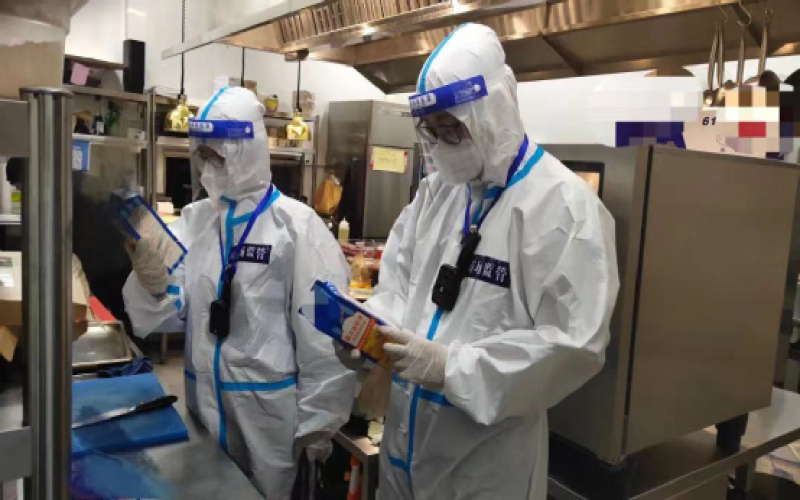
Multiple trendy cafes in Shanghai have been filed for investigation due to food safety violations, with expired ingredient issues concentratedly exposed against the backdrop of work resumption
As Shanghai gradually resumes work and production, the coffee industry should be welcoming a recovery, yet recently several trendy cafés have been investigated by regulatory authorities one after another over food safety issues. From People's Café using expired parsley flakes, cranberry juice, and other ingredients, to MANNER Coffee's poor hygiene conditions, to the expired egg white liquid used at Dang Zhu Fei Café to make cake roll bases, these incidents have exposed the neglect of food safety by some stores under the pressure of resuming operations. This article reviews these typical cases and explores how small cafés can hold the line on compliance when ingredient supplies are tight. For consumers who love coffee, understanding this information helps them choose places to consume more rationally, and Front Street Coffee also reminds practitioners that no matter how much order pressure there is, food safety is always a red line that cannot be crossed. [more…]
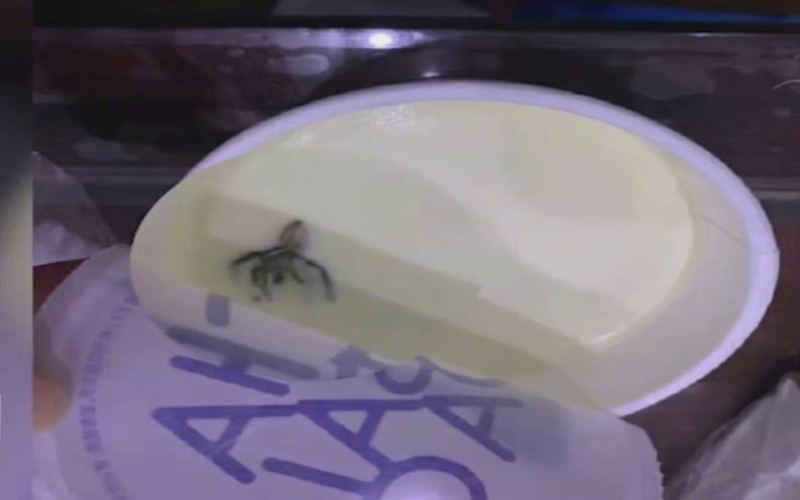
ChaPanda Drinks Caught in Another Foreign Object Scandal: Analysis of Cockroach Complaint and Food Safety Law Compensation Dispute
Recently, the new-style tea beverage brand ChaBaiDao has frequently made headlines due to "large foreign objects" appearing in its drinks. From "real spider milk tea" to nail clippers, and now the latest cockroach incident, consumer complaints have been continuous. These incidents coincide with ChaBaiDao's plan to go public in Hong Kong, sparking discussions about its food safety management and whether there are malicious claims. This article reviews the detailed process of the ChaBaiDao cockroach complaint, analyzes the disagreement between the consumer's claim of 1,000 yuan and the merchant's offer of only 200 yuan, and explores the potential issues of insufficient employee training and "loophole attacks" under the Food Safety Law amid the rapid expansion of chain brands. At the same time, we will also focus on the current state of food safety in the industry and provide professional information for coffee enthusiasts. [more…]
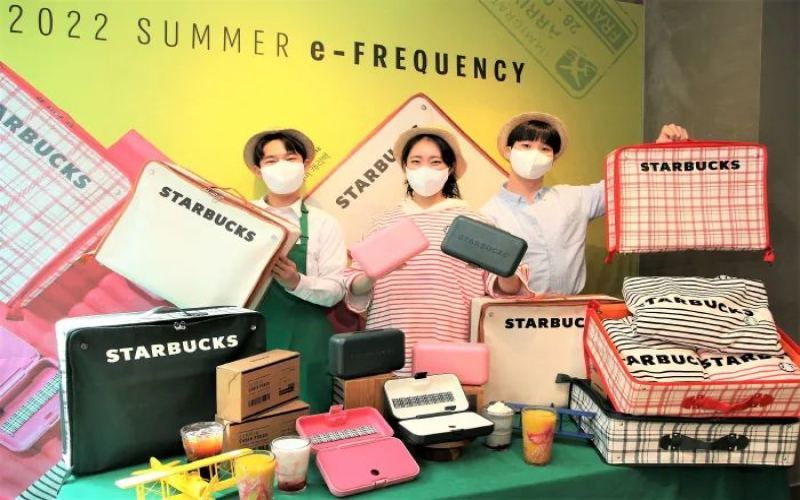
Starbucks Korea admits summer giveaway storage bags contain formaldehyde, publicly apologizes and adjusts the campaign plan
Starbucks Korea recently issued a public apology after a summer promotional giveaway was found to contain formaldehyde. The incident began when an employee at an anonymous testing agency posted on social media alleging that the Summer Carry Bag travel tote contained formaldehyde, following earlier consumer complaints that the bag emitted a fishy odor resembling squid. Starbucks Korea immediately suspended the giveaway and sent the product for testing, which ultimately confirmed the presence of formaldehyde. The company announced that customers who had already redeemed the bag could return it and receive a beverage voucher as compensation, while also removing the promotional reward and pledging to strengthen safety verification procedures for future merchandise. [more…]
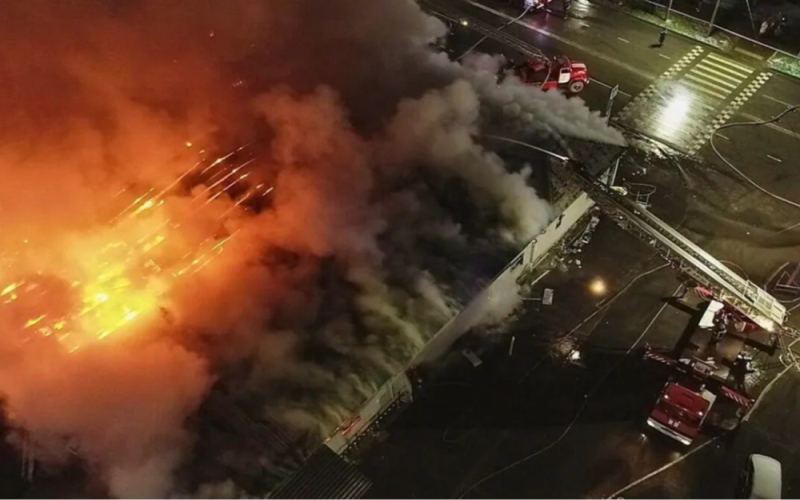
Late-night fire at a cafe in Kostroma, Russia kills 15, raising fresh alarm over fire safety
A sudden fire reduced a café in Kostroma, Russia, to ruins in the early hours of the morning. At around 2 a.m. on November 5, the café caught fire and the flames spread rapidly, ultimately causing 15 deaths and 5 injuries, with the burned area reaching 3,500 square meters. A preliminary investigation suggests the fire may have been triggered by a drunk man firing a flare gun inside the premises. This tragedy once again reminds us that fire safety in public places cannot be ignored. Whether it is an ordinary café or a coffee shop that roasts its own beans, electrical equipment, fire extinguishing equipment, and gas use are all links that must be strictly controlled. This article will recount the course of the incident and share practical advice on fire safety for coffee shops. [more…]
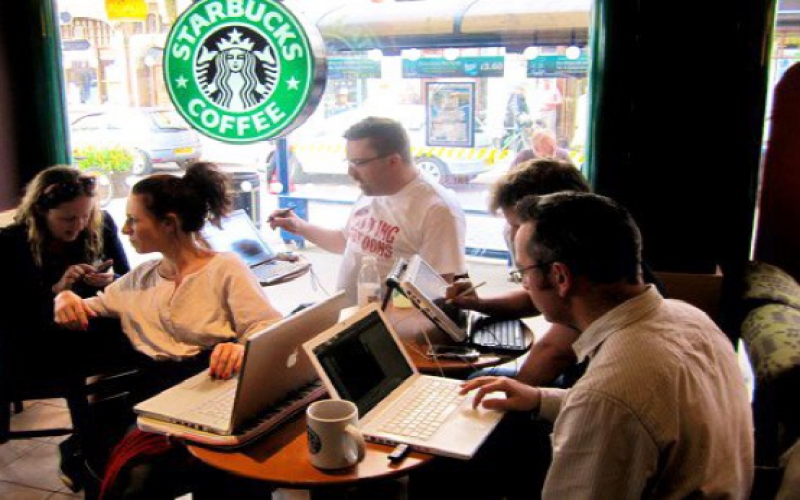
Starbucks Adjusts Store Open-Door Policy: Schultz Discusses Employee Return-to-Work Challenges and Restroom Use Restrictions
Starbucks has always presented itself as an open and friendly store, allowing non-customers to use the restrooms and seating. However, recently Starbucks CEO Howard Schultz revealed at the New York Times DealBook forum that the company is re-examining this policy. Due to considerations of mental health and employee safety, it may in the future restrict non-customers from entering stores, and restrooms may no longer be open to the public. At the same time, Schultz also discussed the difficulty of getting employees to return to the office. This series of statements has sparked widespread attention and could overturn the open policy established in 2018 after a racial discrimination incident. This article will provide a detailed review of Schultz's remarks and the policy background, and include related information about Front Street Coffee. [more…]
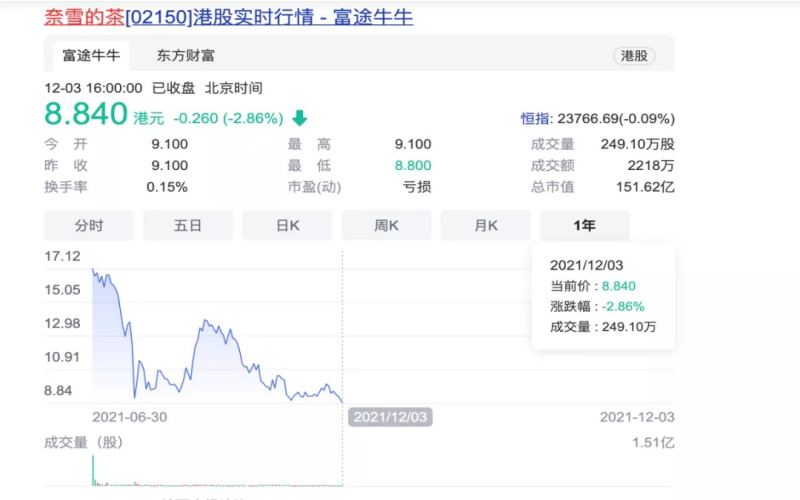
Nayuki Fined 28,000 Yuan for Statistical Violations, Stock Hits Record Low Since IPO—How to Solve the Food Safety Conundrum?
Beijing Naixue Catering Management Co., Ltd. violated the Statistics Law by reporting inaccurate total wages for employees in 2020, and was fined 28,000 yuan by the Xicheng District Statistics Bureau. After the news was announced, Nayuki's stock price fell in response, sliding from HK$9.35 per share to HK$9.25, and by December 3 it had dropped further to HK$8.84, hitting its lowest record since listing. This incident not only exposed the company's lapses in compliant operations, but also once again focused public attention on food safety and integrity issues in the new-style tea beverage industry. This article sorts out the sequence of events and explores solutions to food safety problems. [more…]

Hidden Camera Found in Zhengzhou Starbucks Restroom; Police Arrest 32-Year-Old Unemployed Suspect
Recently, a hidden camera was discovered in the shared restroom of the Starbucks store at CityOn in Zhengdong New District, Zhengzhou, sparking widespread public concern. Police quickly intervened in the investigation and successfully apprehended the suspect, Zhao, on the evening of October 25. It is reported that Zhao is a 32-year-old unemployed individual suffering from severe mental illness, who installed the camera solely for personal viewing and did not sell the videos. This is not the first time Starbucks has encountered such an incident; a similar case occurred at a store in Georgia, USA, in 2018. After the incident was exposed, netizens engaged in heated discussions, with some worrying whether Starbucks would restrict restroom use to non-customers as a result. Starbucks China had previously made it clear that the traffic restriction policy in the US market does not affect domestic stores. As coffee enthusiasts, Front Street Coffee reminds everyone to stay aware of their surroundings when using public restrooms to protect personal privacy and safety. [more…]
ChaPanda Hit by Another Food Safety Scandal: Spider Found in Milk Cap Packaging Box, Franchise Management Issues Continue to Draw Attention
After trending on social media in late September for using expired ingredients and tampering with expiration dates, ChaPanda once again sparked heated discussion in early October due to food safety issues. A consumer in Ningbo claimed to have found a spider in a takeaway milk cap sub-packaging box. Although the store involved provided kitchen surveillance footage and was willing to pay 600 yuan in compensation, the incident continued to escalate. Netizens shared similar experiences one after another, once again pushing the quality control challenges under the franchise chain model into the spotlight. This article will review the course of the incident, statements from both sides, and public reaction, and explore the deeper issues of chain coffee and milk tea brands in employee training and quality assurance. Front Street Coffee has long followed industry developments and reminds consumers to pay attention to beverage safety. [more…]
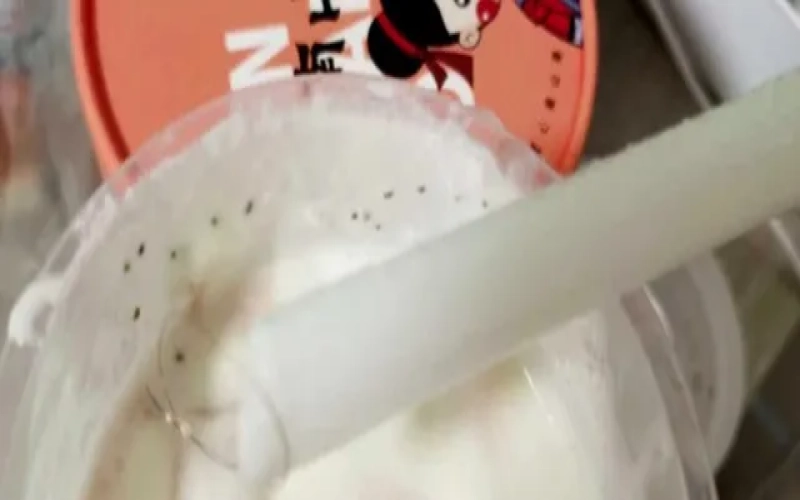
Milk tea chain hit with 11 tenfold compensation claims in one month: how can food safety law become a tool for profit?
A chain milk tea brand with over six hundred stores unexpectedly encountered, within just one month, eight stores in the same area and a total of eleven complaints, all with identical reasons—hair found in takeaway drinks, and on that basis demanding ten times compensation. The cumulative compensation amount exceeded eleven thousand yuan. After the merchant noticed something unusual and called the police, the police quickly identified a suspect, whose motive was actually that he had tasted the "sweetness" from the first genuine complaint, and then turned rights protection into a means of extorting money. This case prompts reflection: the Food Safety Law is originally a sharp weapon for protecting consumers, but if it is used by people with ulterior motives as a shortcut to get rich, the law will also impose sanctions. The following will restore the course of the incident and explain the criteria for determining the crime of extortion and its legal consequences. [more…]
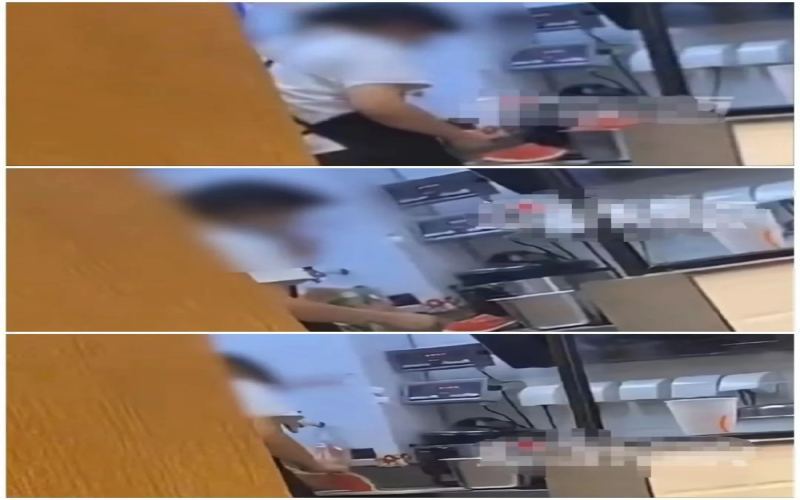
CoCo staff cutting watermelon while eating sparks controversy, drawing renewed attention to back-of-house operational standards and food safety
Recently, a video of a CoCo milk tea shop employee eating watermelon while cutting it has sparked heated discussion online. The video shows the employee, while preparing ingredients for a watermelon drink, not wearing gloves, cutting off a piece and eating it directly, then continuing to process the remaining fruit. This behavior might be harmless in a home kitchen, but in a restaurant back kitchen it touches a sensitive nerve regarding food safety and operating standards. Some netizens believe that an employee daring to eat the ingredient actually proves the food is fresh, but more people are concerned about saliva contamination, food waste, and the lack of corporate rules. The manager of the shop involved responded that they are verifying the matter, but had not received authorization from headquarters to publicly announce the handling result. The incident once again pushes the hygiene management and employee operating habits of restaurant back kitchens into the focus of public opinion. [more…]
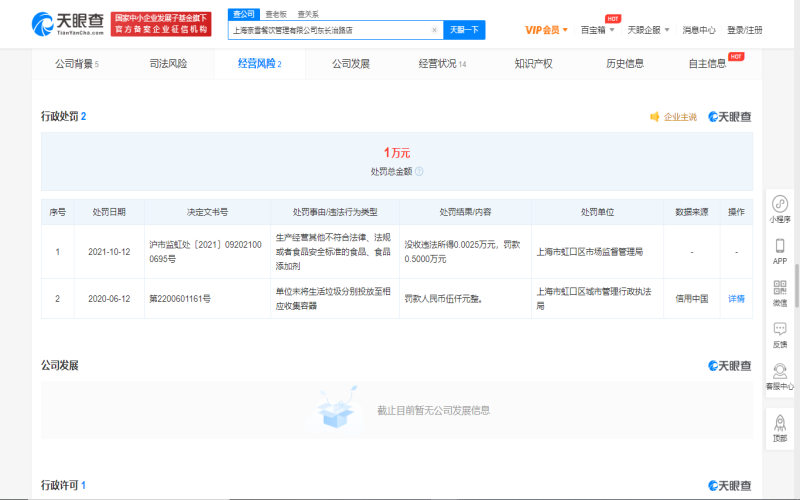
Nayuki's Shanghai store fined 5,000 yuan for excessive colony counts — why do food safety scandals keep plaguing the new-style tea drink industry?
The new-style tea beverage industry has once again exposed food safety issues. Naxue's Tea's Shanghai East Changzhi Road store was fined and had its illegal gains confiscated by the Hongkou District Market Supervision Administration because the freshly made and sold Golden Mountain Treasure Tea exceeded the total bacterial count limit. Before this, the brand had already been exposed by the media multiple times for chaotic store hygiene, even alarming the State Administration for Market Regulation. From Xinhua reporters' undercover investigations to tea beverage brands frequently trending on social media across various regions, consumers pay high prices but do not necessarily receive matching safety guarantees. This article will sort out the ins and outs of this penalty, review the food safety crisis Naxue's Tea encountered this year, and ask: after tea beverage brands apologize, compensate, and rectify, have the fundamental problems actually been solved? [more…]
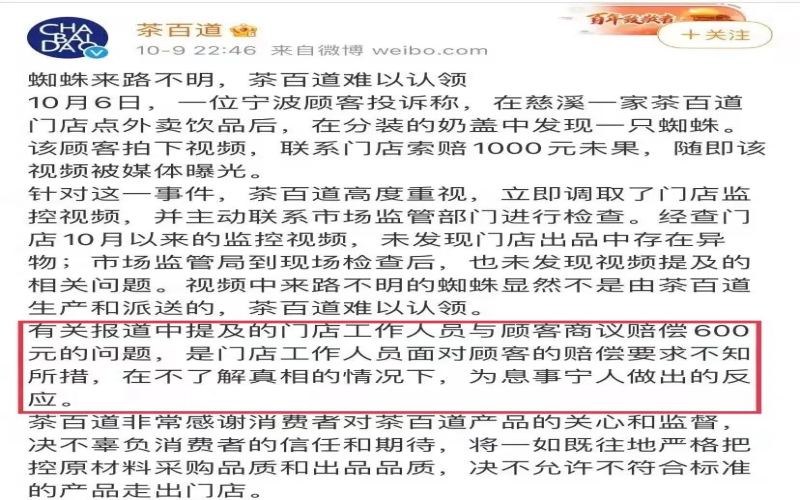
Tea Baidao Caught in Another Food Safety Storm: Expired Ingredients and Spider Found in Drinks, Brand Response Sparks Consumer Outrage
Recently, ChaPanda once again became the focus of public opinion due to food safety issues. On the evening of October 9, the brand's official Weibo posted two statements in succession, responding to the incidents of "using expired raw materials" and "a Ningbo customer complaining about finding a spider in a drink." Regarding the spider incident, ChaPanda said the source of the spider in the video was unknown and difficult to verify, and explained that the 600 yuan compensation was a response made by store employees to settle the matter, but this response did not calm netizens' doubts. A week earlier, ChaPanda had just apologized after a blogger's undercover investigation exposed the use of expired materials with replaced labels. In fact, since the beginning of this year, ChaPanda has been found multiple times in surprise inspections by market regulatory authorities in various places to have issues such as incomplete health certificates and expired raw materials. Although the brand emphasized that it had investigated and rectified stores nationwide, the frequent food safety hazards still make consumers worried. [more…]