





Search Results for: pour-over French press
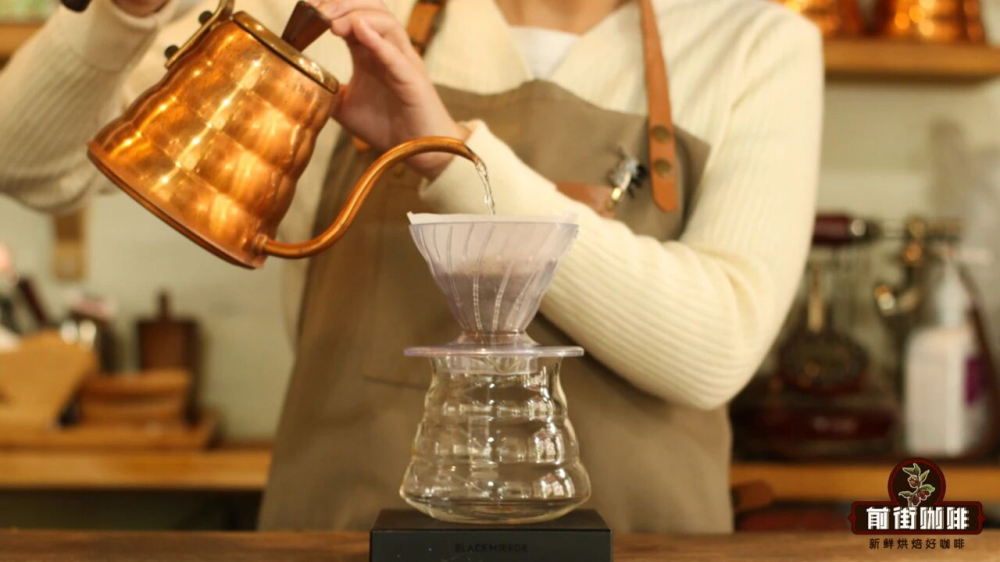
French Press Guide | Is French Press Coffee Suitable for Beginners? French Press vs. Pour-Over: What's the Difference? Comparing the Taste and Mouthfeel of French Press and Pour-Over Coffee
Many friends have complained to Front Street Coffee that "pour-over coffee is so hard to learn" and "I've been brewing for so long and still can't get it right." For those in this situation, Front Street Coffee suggests trying a French press to brew coffee. Compared with pour-over coffee, the biggest feature of brewing with a French press is that it involves far fewer manual actions, reducing a lot of uncertainty [more…]
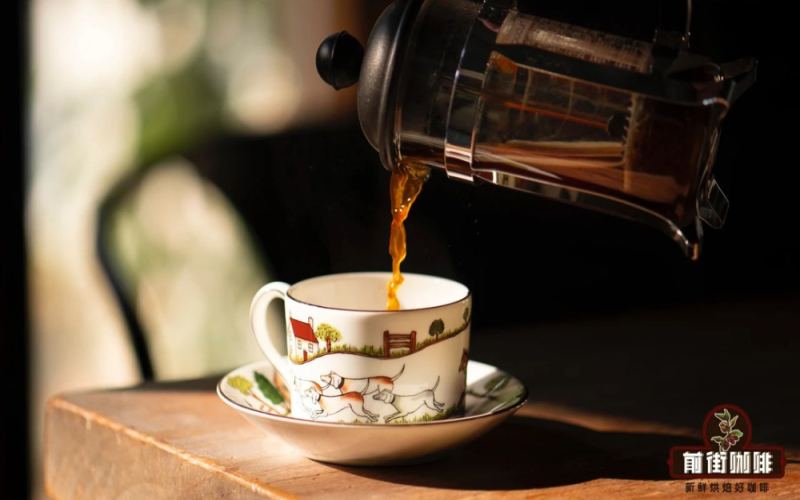
Is a French Press Worth Buying? Pros and Cons, Extraction Principles and Price Analysis, with Front Street Coffee's Practical Brewing Guide
For coffee beginners who have not yet mastered pour-over techniques, Front Street Coffee usually first recommends the French press—simple to operate and easy to get started with. Why can the French press win over coffee lovers who don't know how to do pour-over? This article will start with the origin and extraction principles of the French press, analyze its differences from pour-over coffee in taste and flavor, explain whether long steeping will extract undesirable flavors, and provide key parameters such as grind size, water temperature, and steeping time. In addition, taking the Costa Rica Musician Series Mozart coffee beans selected by Front Street as an example, it will fully demonstrate the French press brewing process and flavor performance, helping you judge whether the French press is expensive and whether it is worth buying. [more…]
How to choose coffee beans for a French press? From extraction principles to practical operation, a detailed explanation of whether a French press is suitable for beginners.
The French press is an immersion-style coffee brewing device with an extremely low barrier to entry, making it ideal for coffee enthusiasts who have not yet mastered pour-over techniques. It filters through a metal mesh, which retains more coffee oils, delivering a fuller body than pour-over while showcasing the flavors of the coffee beans themselves to the greatest extent. This article starts with the origins and extraction principles of the French press, analyzes reasonable parameters for its steeping time, water temperature, and grind size, explains the taste characteristics of French press coffee, and uses Costa Rica Mozart coffee beans as an example to demonstrate the complete French press process and flavor performance, helping readers fully understand what kinds of coffee beans suit the French press and what to pay attention to when brewing. [more…]
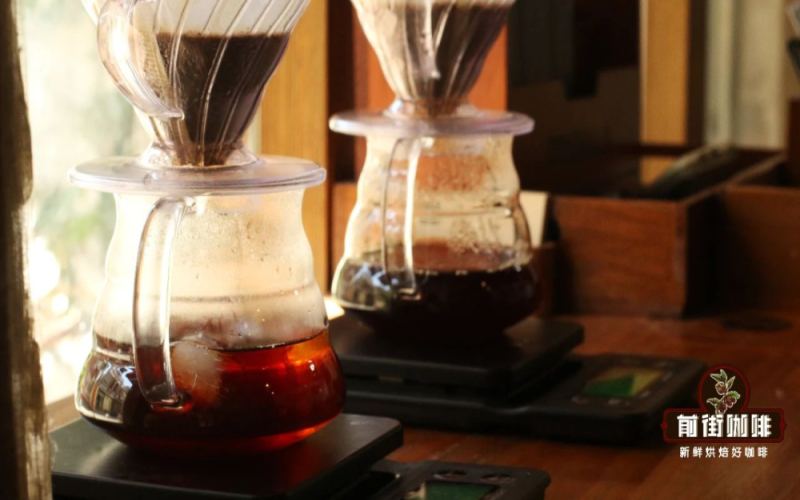
French Press Usage Tips | How Many Coffee Beans to Use for French Press Coffee? How Much Coffee Grounds to Put in a French Press? Does French Press Coffee Have a Lot of Oil?
Coffee is becoming more and more popular, and there are all kinds of brewing methods. However, when you're busy, you might feel you don't have time for a pour-over, and even an espresso seems to take too long. In that case, using a lazy person's pot to make a cup of coffee might be a pretty good choice! French press coffee and pour-over coffee [more…]
French Press Coffee | What coffee-to-water ratio and water temperature are suitable for making French press coffee? What are the steps for immersion brewing black coffee with a French press?
"What coffee brewing equipment is suitable for coffee novices who don't know how to do pour-over?" Faced with this question, Front Street Coffee first recommends the French press, which is simple to operate and convenient. What exactly is the charm of the French press that can win over coffee lovers who don't know how to do pour-over? French press [more…]

French Press Coffee | What Is the Difference Between a French Press and Pour-Over Coffee? Which Is More Suitable for Coffee Beginners: a Pour-Over Coffee Maker or a French Press?
The difference between a French press and pour-over coffee, put simply and bluntly, is the difference between immersion and filtration. The French press is an immersion-style extraction, while pour-over is a drip-filter extraction. Below, Front Street compares these two coffee brewing methods. The taste difference between French press coffee and pour-over coffee: pour-over coffee is now the most commonly [more…]
Which Coffee Beans Are Suitable for a French Press? A Full Analysis of Brand Recommendations and Brewing Flavor Characteristics
The French press is simple to operate and easy to get the hang of, making it the top choice of equipment for many pour-over beginners. Thanks to its immersion extraction, it can bring out a fuller body and more concentrated flavors than pour-over. So what coffee beans are suitable for the French press? Will a long steep make it taste weak or develop off-flavors? From the perspective of Front Street Coffee, this article sorts out the extraction principles and flavor characteristics of the French press, and includes specific brewing parameters and a demonstration to help you easily make a delicious cup of French press coffee. [more…]

French Press Coffee Bean-to-Water Ratio|What is the extraction principle behind brewing coffee with a French press? Which coffee beans are suitable for brewing with a French press?
For more specialty coffee knowledge, please follow: Front Street Coffee (Frontsteet Coffee) The French press originated in 19th-century France; in English it is called French Press, and in Chinese it can also be called "French press pot." Although the exact time of its appearance is unclear, in 1852, the French [more…]
The Complete Guide to French Press Coffee Brewing: Parameter Settings and Detailed Differences from Pour-Over
For friends who find pour-over coffee difficult to master, Front Street suggests trying a different approach—give the French press a go. The biggest advantage of the French press is its simple operation; it doesn't require complex pour-over techniques. As long as you set a few core parameters, you can consistently make a good cup of coffee. This article covers grind size, coffee-to-water ratio, water temperature, steeping time, and specific operating steps, and also compares the fundamental differences in extraction logic between the French press and pour-over coffee, helping everyone understand why the French press is more beginner-friendly and adapts to a wider range of coffee beans. At the end of the article, there is also a hands-on demonstration using Front Street's Brazil Queen's Estate Yellow Bourbon, making it easy to practice along. [more…]
How to Use a French Press Correctly? From Extraction Principles to a Practical Guide with Costa Rica Mozart
For coffee beginners who have not yet mastered pour-over techniques, which brewing tool is the easiest to get started with? In its daily recommendations, Front Street Coffee often puts the French press first—it has a simple structure and a low operational threshold, yet it can produce a full-bodied cup of coffee. This article explains the origins of the French press, its immersion extraction mechanism, the flavor differences between it and pour-over coffee, and the specific operating process. It also uses the Costa Rica Musician Series Mozart coffee beans selected by Front Street as an example, providing complete parameters for coffee dose, coffee-to-water ratio, grind size, water temperature, and steeping time, helping readers quickly master this seemingly plain yet detail-rich device. [more…]
How to Use a French Press | What Coffee Beans Are Suitable for a French Press? Introduction to French Press Coffee Grind Size Parameters, Coffee-to-Water Ratio, and Brewing Time
For more specialty coffee knowledge, please follow: Front Street Coffee (Frontsteet Coffee) As coffee culture continues to spread, there is a wide variety of coffee equipment and pour-over techniques—whether it's pour-over, siphon, or French press, Front Street Coffee (FrontStreet Co [more…]
Is a French Press Worth Buying? An Analysis of Pros, Cons, and Pricing — Front Street Coffee's Hands-On Sharing
Want to easily make a good cup of coffee but not skilled at pour-over? Front Street Coffee recommends that beginners try the French press. This simple brewing device originating from France, with its easy operation and rich, full-bodied flavor, has become the top choice for many coffee lovers just starting out. So is a French press really worth buying? Is it expensive? And what unique qualities does the coffee it extracts have? Starting from the working principles of the French press, this article will analyze its pros and cons and how to use it in detail, and use Costa Rican Mozart coffee beans as an example to demonstrate the specific operation and flavor performance of French press brewing, helping you fully understand whether this device suits you. [more…]
The Complete Guide to Brewing Coffee with a French Press: A Detailed Analysis of Grind Size, Water Temperature Range, and Coffee-to-Water Ratio
The French press is also called a French filter press, and because it is easy to operate, it is also known as the lazy person's pot. It originated in France around 1850. It uses a heat-resistant glass body combined with a metal filter mesh plunger, which can relatively completely preserve the coffee's oils and aroma, producing a thick and rounded mouthfeel. Compared with pour-over and siphon, the French press makes it easier to reproduce stable flavors and is very beginner-friendly. This article, based on recommendations from Front Street Coffee, introduces medium-dark roasted beans suitable for the French press, and explains step by step operational details such as a coffee-to-water ratio of 1:14 to 1:18, water temperature of 85 to 95°C, coarse grinding like the coarseness of brown sugar, and a 4-minute steep, helping you easily make a delicious cup of French press coffee. [more…]
French Press Coffee | What coffee beans are suitable for French press brewing? Does French press coffee have a lot of oils? How much coffee grounds, water, water temperature, and steeping time for a French press?
For more specialty coffee knowledge, please follow: Front Street Coffee (Frontsteet Coffee). Coffee is becoming more and more popular, and there are all kinds of brewing methods. However, when you're busy, you might feel you don't have time for a pour-over, and if you want an espresso, it seems you don't have much time either. So in this [more…]
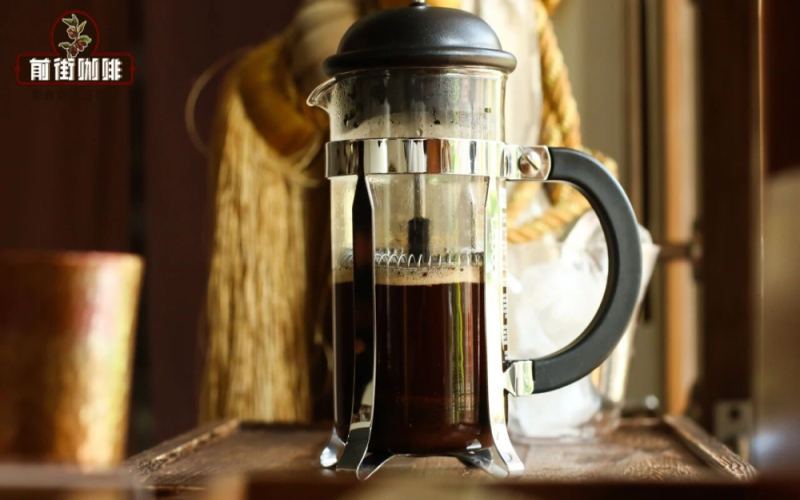
The Complete Guide to French Press Brewing: Coffee-to-Water Ratio, Grind Size, Water Temperature, Steep Time, and Iced Coffee Method
The French press is a classic immersion coffee brewing device originating from 19th-century France. It has a simple structure and is easy to operate, yet it can extract rich, well-balanced coffee. Starting from the four core parameters—coffee-to-water ratio, grind size, water temperature, and steeping time—this article breaks down the key points of French press brewing in detail, and further introduces its many uses as a cupping tool, tea maker, and even milk frother. In addition, it shares a complete method for making iced coffee with a French press, along with coffee bean recommendations suitable for the French press and cleaning and maintenance tips, helping you fully master how to use a French press. [more…]
French Press Coffee Brewing: Coffee-to-Water Ratio, Water Temperature Control, and Complete Step-by-Step Guide
For coffee beginners who have not yet mastered pour-over techniques, which brewing tool is the most friendly? The top answer from Front Street Coffee is the French press—it has a low barrier to entry and is easy to use. This article will systematically explain the extraction principles of the French press, the flavor characteristics brought by immersion extraction, and the specific coffee-to-water ratio, water temperature, grind size, and operating steps. It will also use the Costa Rica Musician Series Mozart coffee beans selected by Front Street as an example to demonstrate the complete brewing parameters and flavor performance, helping coffee enthusiasts easily make a rich and delicious cup of French press coffee. [more…]
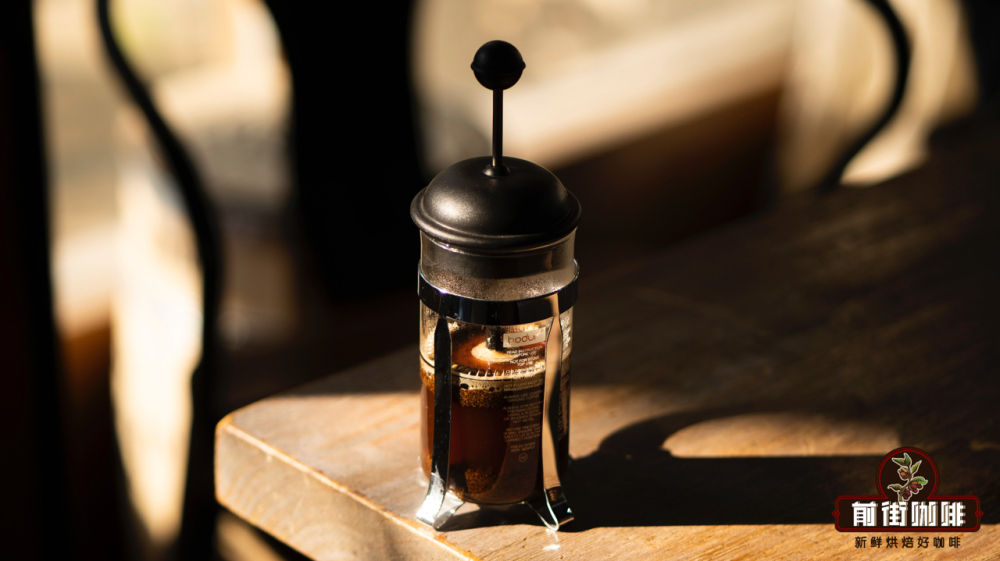
French Press Recommendations | Which Brand of French Press Is Good? Is a French Press Suitable for Coffee Beginners? An Introduction to the History, Origins, and Extraction Principles of the French Press
For more specialty coffee knowledge, please follow: Front Street Coffee (Frontsteet Coffee). WBC World Barista Championship competitor Suzuki Itsuki once said that the advantage of the French press is that its brewing principle is very simple, anyone can master it, and the coffee flavor will not vary due to different brewing techniques. [more…]
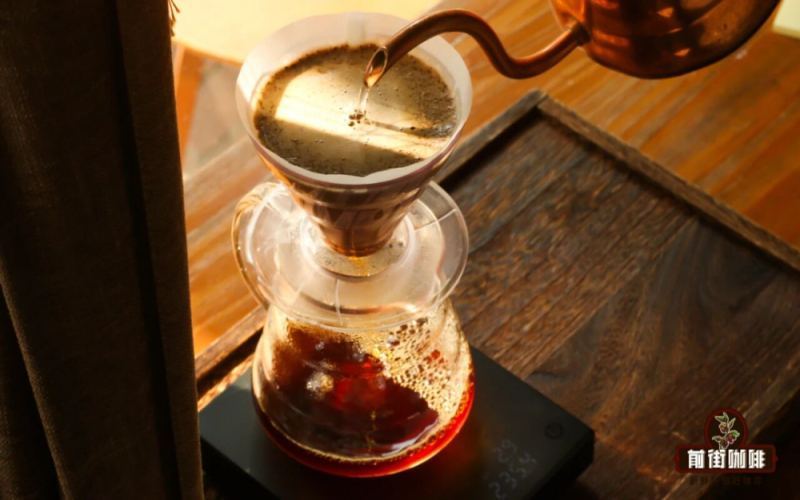
The Extraction Differences Between French Press and Pour-Over Coffee, and a Complete Step-by-Step Practical Guide to Brewing with a French Press
Although both the French press and pour-over can brew a good cup of coffee, their extraction principles are completely different. Pour-over is a drip-style dynamic extraction: after the water contacts the coffee grounds, it passes through the paper filter, producing a clean cup with clear layers. The French press, by contrast, relies on immersion extraction, and its metal mesh filter retains the coffee oils, giving it a richer, more full-bodied taste. This article compares the characteristics of the two devices in detail, and, using Front Street Colombia Huila coffee beans as an example, provides a complete demonstration of French press grind size selection, coffee-to-water ratio setting, water temperature control, and brewing steps, helping coffee lovers easily recreate a full-flavored cup of French press coffee at home. [more…]
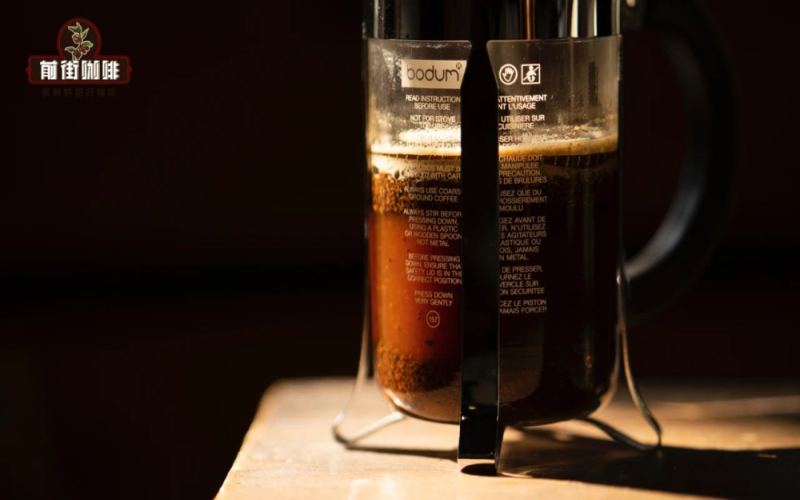
French Press Brewing Parameters Explained: Coffee-to-Water Ratio, Differences from Pour-Over, and Coffee Bean Selection Guide
The French press, thanks to its simple operation and high flavor fidelity, has become the top choice for many coffee enthusiasts starting out. It not only fully showcases a coffee's strengths but also unflinchingly exposes its flaws, which is why it demands high quality and freshness from the beans. This article provides a detailed breakdown of the French press coffee-to-water ratio, its core differences from pour-over coffee, and recommendations for suitable coffee beans, finishing with a complete set of operating steps from Front Street Coffee beans to extraction, helping you easily make a rich, full-bodied French press coffee. [more…]
How do you use a French press correctly? A complete analysis from Front Street Coffee, from extraction principles to coffee bean selection
The French press, with its simple operation and easy-to-master nature, has become the go-to device for many pour-over beginners. It was born in France around 1850, consisting of a heat-resistant glass carafe and a metal plunger with a mesh filter. It was originally used for brewing tea, but later coffee enthusiasts discovered it could produce a rich, full-bodied cup. The French press uses immersion extraction, and the core factors affecting flavor are only grind size, water temperature, and steeping time, with minimal human interference, making it the best way to showcase the true character of coffee beans. In this article, Front Street Coffee will provide a complete guide to the correct use of a French press, from extraction principles and flavor characteristics to practical operation, and answer what coffee beans pair best with a French press, helping you easily make a rich, delicious cup of coffee. [more…]