







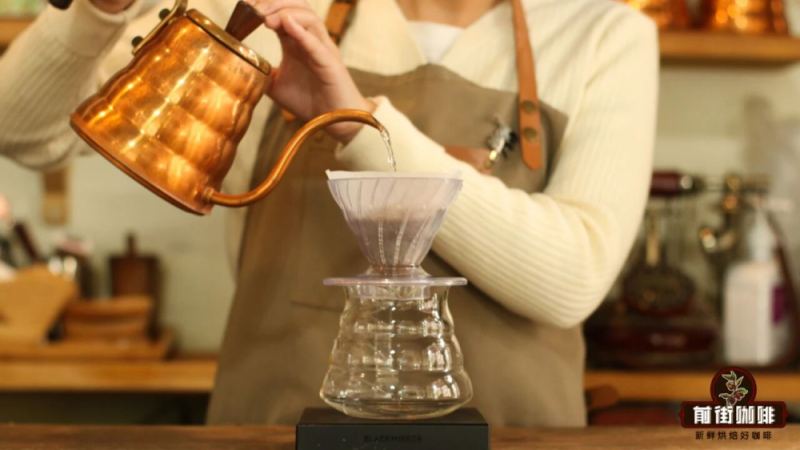
How does French press coffee brewing differ from pour-over?
French press coffee brewing suits anyone who finds pour-over hard to control. The method needs no complex pouring technique: set a few core parameters, including grind size, coffee-to-water ratio, water temperature, and steep time, and a consistent cup is achievable. Fewer steps involving human intervention also mean fewer variables to manage each time.
Grind is the clearest departure from pour-over. A French press takes slightly coarser grounds, with roughly a 70 percent pass-through rate on a No. 20 sieve, and coffee particles close in feel to coarse granulated sugar. Unlike pour-over, the same grind works across roast levels because the French press extracts by immersion rather than by percolation.
For friends who find pour-over coffee hard to master, Front Street suggests trying a different approach—give the French press a go. The biggest advantage of the French press is its simple operation; it doesn't require complex pour-over techniques. As long as you set a few core parameters, you can consistently make a good cup of coffee. This article covers grind size, coffee-to-water ratio, water temperature, steep time, and the specific steps, while also comparing the fundamental differences in extraction logic between the French press and pour-over coffee, helping everyone understand why the French press is more beginner-friendly and adapts to a wider range of coffee beans. At the end, there's a hands-on demonstration using Front Street Brazil Queen's Estate Yellow Bourbon for you to follow along and practice.
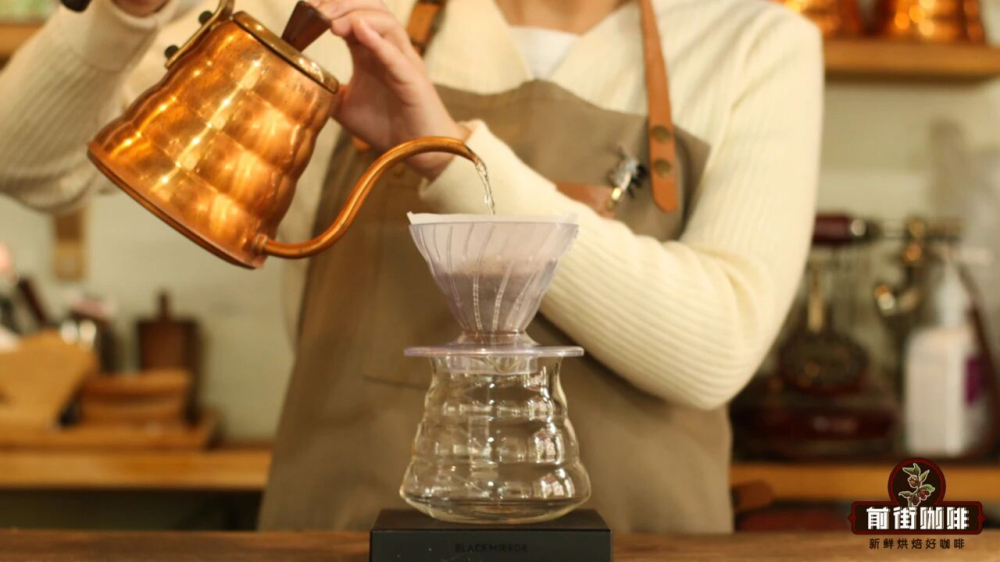
Friends often tell Front Street that pour-over coffee has a high barrier to entry—after practicing for a long time, they still can't brew a satisfying cup. If you've run into a similar situation, Front Street's suggestion is to try a different method—give the French press a go.
Compared side by side with pour-over coffee, the French press's most prominent advantage is that there are fewer steps involving human intervention, which means fewer variables. In other words, once you lock in the French press's brewing parameters, it can basically handle any bean, and getting a good cup of coffee isn't difficult.
I. Grind Size
When brewing coffee, grind size is an unavoidable topic, and its importance holds just as true for the French press. Many people fail at pour-over, and the root cause is often choosing the wrong grind.
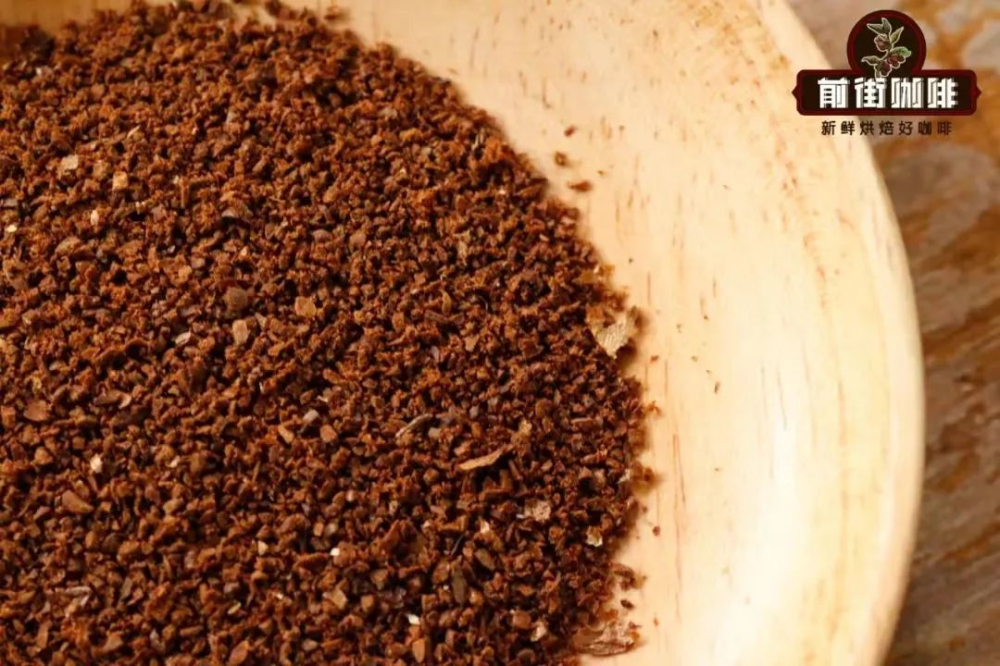
The French press requires slightly coarser grounds than pour-over. If you check with a No. 20 sieve, the pass-through rate is about 70%, and the particle feel is close to common coarse granulated sugar.
Some might ask: with pour-over, light roasts need a finer grind and dark roasts need a coarser grind—so does the French press need to adjust accordingly? The answer is no, and that's exactly what makes the French press so worry-free. Pour-over enthusiasts often have to remember how fine to grind this bean or that bean, and with many beans it's easy to get confused. The French press is different—no matter the roast level, the grind size can be set uniformly. The reason is that the French press follows an immersion extraction path, and the steep time can be flexibly controlled (covered in detail below). Pour-over coffee, on the other hand, is a drip extraction method, and can only indirectly influence extraction time through grind size. So when it comes to grinding, the French press has far more room for error.
II. Ratio
Front Street usually recommends a 1:16 coffee-to-water ratio for brewing. For example, weigh 15 grams of coffee grounds and add 240 milliliters of water. Coffee made at this ratio has a concentration of roughly 1.1% to 1.2%, which is quite comfortable to drink. If you prefer a fuller body, you can tighten the ratio to 1:15.
III. Water Temperature
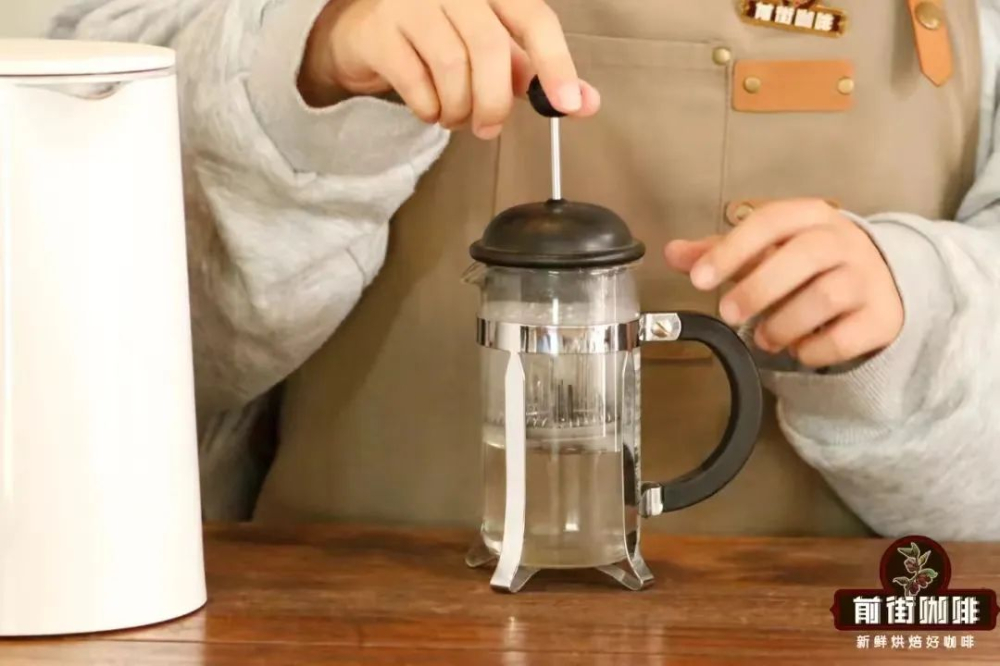
The French press method involves pouring all the water in at the start, and the actual extraction temperature gradually decreases over time. Because of this, it requires a slightly higher water temperature than pour-over. When brewing medium-light roasted, acidic beans—such as Front Street Flower Kui, Front Street Fruit Ding Ding, and Front Street Little Tomato—the water temperature can be set at 93 to 94°C; when brewing medium-dark roasted, non-acidic beans—like Front Street Jamaica Blue Mountain, Front Street Colombia Huila, and Front Street Golden Mandheling—89 to 90°C will do.
IV. Time
Steep time is the parameter where the French press offers the most freedom. Making coffee with a French press doesn't require stirring to speed up extraction, so you need to give it enough time to let the flavor compounds in the coffee grounds slowly dissolve out. Front Street's recommendation is to steep for 3 minutes 30 seconds to 4 minutes: medium-light roasted beans can steep for a full 4 minutes, while medium-dark roasted beans need only 3 minutes 30 seconds. Steep too long, and bitterness and off-flavors easily emerge.
IV. Specific Steps
This time, Front Street has chosen Front Street Brazil Queen's Estate Yellow Bourbon for the demonstration; this bean is a medium-dark roast. First, weigh 15 grams of coffee beans and grind them at setting 11 on the EK43s; the resulting coarseness corresponds to a 70% pass-through rate on a No. 20 sieve.
Put the ground Front Street Brazil Queen's Estate coffee into the pot, then pour in 240 milliliters of 90°C hot water. Lift the plunger, cover the pot, and let it sit for 3 minutes 30 seconds. Once the time is up, slowly push the plunger down to let the coffee grounds floating on top sink. Finally, pour out all the coffee liquid from the pot at once, because any liquid left in the pot will continue to extract bitter compounds from the grounds, making the coffee bitter.
Coffee made with a French press will have a layer of fine oils floating on the surface, along with a small amount of fine particles—this is all normal. The French press's metal filter has relatively large pores, allowing tiny coffee particles and oils to pass through. The oils give the coffee a fuller mouthfeel, and as for the fine particles, just let them settle a bit before drinking.
Making coffee with a French press is just that easy. Once the parameters are confirmed, the rest of the process is simply: add grounds, add water, wait, press the plunger, pour the coffee.
The above content is compiled by CoffeeHunters, a coffee news website.


