







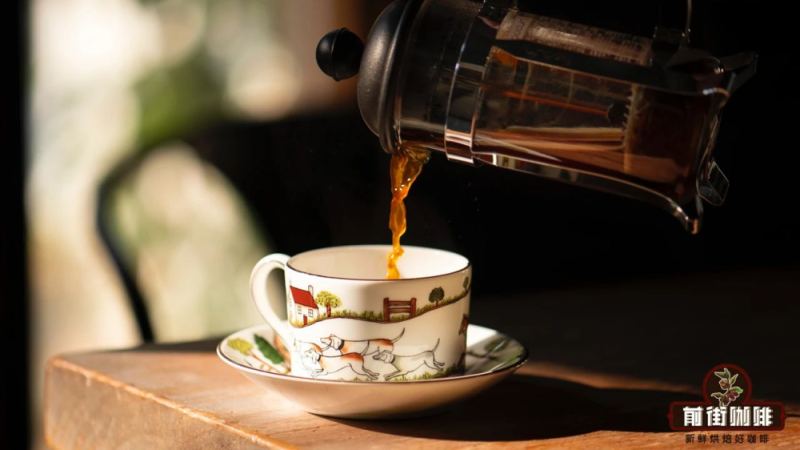
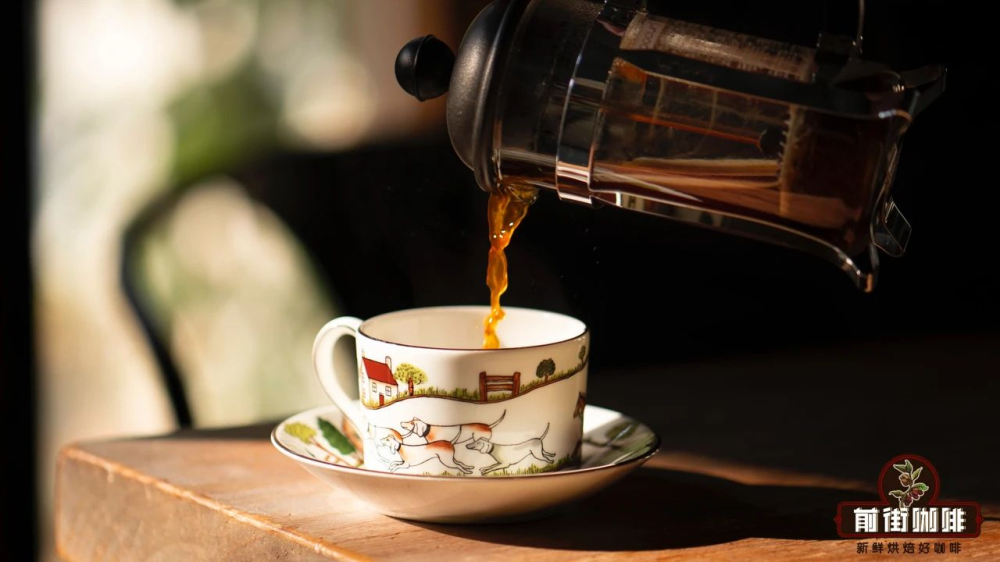
The French press, with its simple operation and easy-to-learn nature, has become the top choice for many pour-over beginners. It was born in France around 1850, consisting of a heat-resistant glass carafe and a metal plunger filter. It was originally used for brewing tea, but later coffee enthusiasts discovered it could produce a rich, full-bodied cup. The French press uses immersion extraction, and the core factors affecting flavor are only grind size, water temperature, and steeping time—with minimal human interference, it best preserves the authentic taste of the coffee beans. In this article, Front Street Coffee will provide a complete explanation of the correct way to use a French press, from extraction principles and flavor characteristics to practical operation, and answer what coffee beans pair best with a French press, helping you easily make a rich, full-bodied cup of good coffee.
For more specialty coffee knowledge, please follow: Front Street Coffee (Frontsteet Coffee)
When encountering questions like "What equipment should a coffee beginner who doesn't know how to do pour-over choose?", Front Street Coffee (FrontStreet Coffee) often thinks first of the French press—it has a low barrier to entry and is easy to use. So what exactly makes this piece of equipment appealing to coffee lovers who aren't skilled at pour-over?
French Press Coffee Extraction Principle
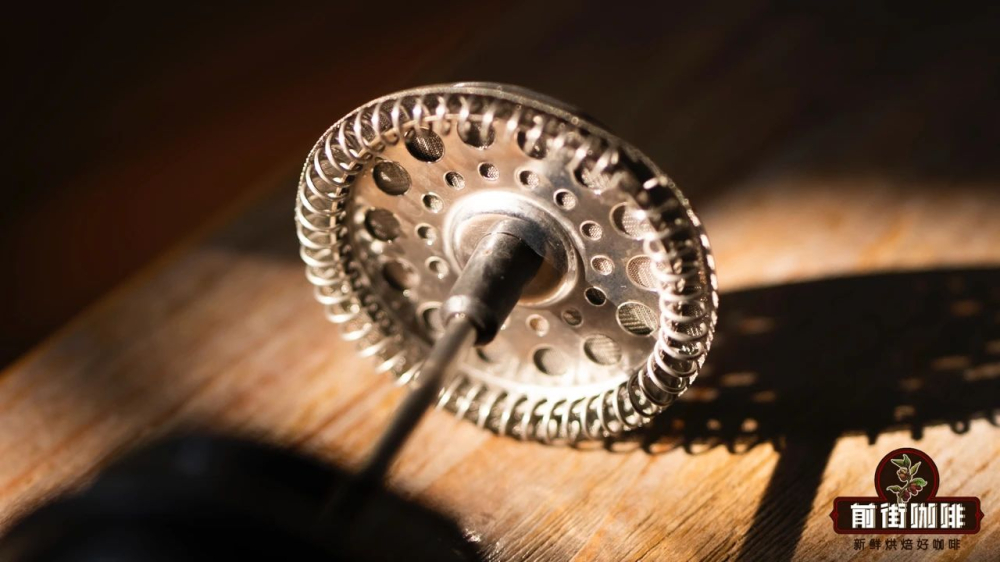
The French press was born in France around 1850, and its construction is not complicated: a heat-resistant glass carafe plus a plunger with a metal mesh filter. It was originally designed for brewing tea, but later someone tried adding coffee grounds to it and discovered that the resulting coffee was exceptionally rich. As the pore size of metal mesh filters continued to shrink, the French press gradually became popular in the coffee world.
The French press mainly relies on immersion to complete extraction. With a fixed capacity, a measured amount of water evenly dissolves the soluble substances in the coffee grounds. Throughout the extraction process, time is the most critical factor—the longer the steep, the more substances are dissolved, until saturation is reached. In other words, the longer the steeping time, the stronger the coffee taste.
At this point, someone might ask Front Street: "If the French press steeps for so long, won't it also extract unpleasant flavors?"
The "long time" mentioned here doesn't mean actually steeping for ten or twenty minutes. Typically, the steeping time for a French press is controlled at around 4 minutes, the water temperature is maintained between 88°C and 91°C, and the coffee grounds are ground relatively coarse.
Since the glass carafe has limited heat retention, the water temperature will continue to drop during steeping. Combined with the coarser coffee particles, flavor compounds are released relatively slowly. Therefore, 4 minutes is the ideal steeping time for making coffee with a French press, but it's best not to exceed 6 minutes. After the 4-minute steep, press down the filter, and then remember to pour the coffee into another container before drinking.
What are the characteristics of coffee steeped in a French press?
Compared to drip pour-over, French press coffee made with immersion extraction has a richer, fuller body.
The French press relies on a metal mesh filter to filter out coffee grounds. The pore size of a metal mesh filter is larger than that of regular filter paper, so it retains most of the coffee oils during filtration. Front Street has noticed that coffee made with a French press has a thin layer of oil floating on the surface. Common pour-over coffee, on the other hand, is made by letting water flow through the coffee bed and high-density filter paper. When the coffee liquid passes through the filter paper, most of the oils are intercepted, so it tastes noticeably cleaner. Although the French press produces a richer body than pour-over, it also leaves quite a bit of fine coffee sediment due to the metal mesh filter—tasting sediment in the last cup from a batch is a common occurrence.
2. Coffee steeped in a French press highlights the most original taste of the coffee
The extraction method of the French press is similar to cupping—both are immersion extraction. The advantage is that human intervention is minimized, best showcasing the beans' own flavors, and the coffee taste is more concentrated. What are human factors? For example, in pour-over, the height and speed of pouring water can change the flavor direction, and switching to a different dripper will also change the coffee's expression. But the French press has none of these variables. Only three things can influence French press coffee flavor: grind size, water temperature, and steeping time.
How to use a French press to make coffee?
This time Front Street selected beans from Costa Rica's Musician Series—Mozart. This coffee has dried fruit fermentation notes, white floral aromas, and a prominent sweet-tart acidity. The brewing parameters are as follows:
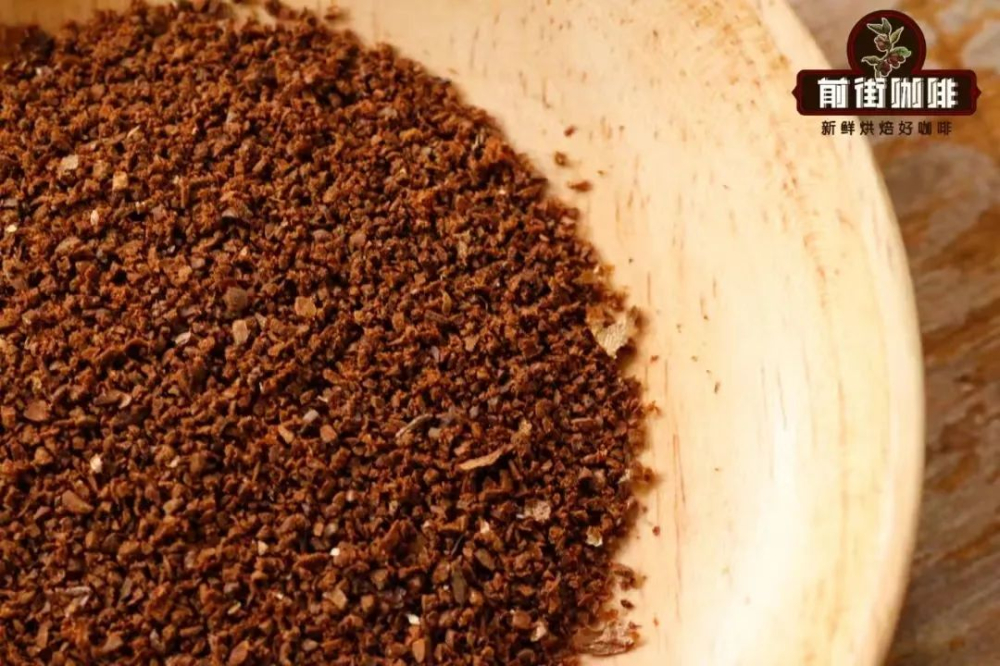
Coffee dose: 15g Coffee-to-water ratio: 1:15 Grind size: Medium-coarse grind (68% passing through a No. 20 standard sieve) Water temperature: 90°C Steeping time: 4 minutes
First, pour warm water into the French press to preheat it, then discard the warm water. Next, put the ground coffee into the carafe—the grind should be slightly coarser—then pour in 225ml of 90°C hot water. You can pour fairly quickly (about 3 seconds to finish pouring) to let the coffee grounds tumble fully and improve extraction efficiency. After pouring, pull up the filter mesh, cover with the lid, and steep for 4 minutes. After 4 minutes, gently press down the plunger to about one-quarter of the way down the carafe, avoiding fine grounds from the bottom churning up. Once pressed, you can pour out the coffee and enjoy it.
That's right—making coffee with a French press is just that simple. So how does Mozart perform when brewed with a French press?
After pouring out the coffee, Front Street smelled a rich raisin fermentation aroma. On the palate, there was a berry juice sensation accompanied by orange blossom fragrance, a clear fermentation note, and a sweet-tartness similar to pineapple.
The above content is compiled by CoffeeHunters, a coffee news website.


