







Search Results for: potted cultivation
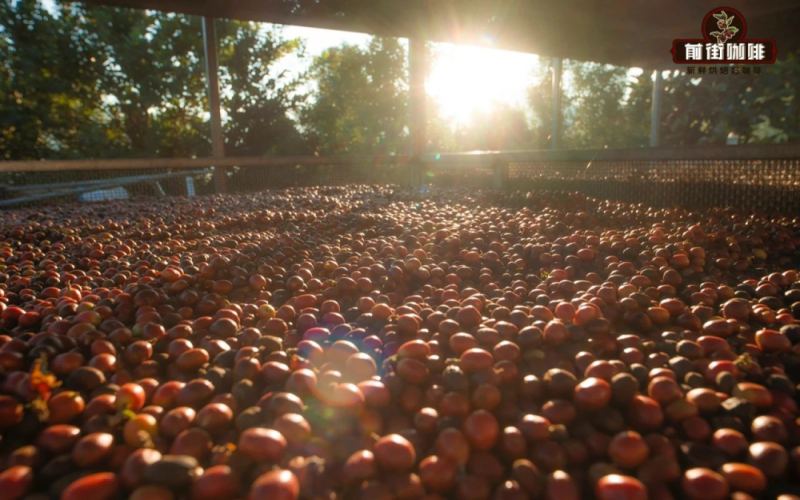
Comparison of Yunnan Typica and Catimor Varieties: Flavor Characteristics of Arabica Coffee and Moka Pot Brewing Guide
In the history of coffee cultivation in Yunnan, Typica and Catimor are two varieties that cannot be overlooked. The former is the pure Arabica bloodline first brought to Yunnan by French missionaries, with an elegant and clean flavor, yet it was once abandoned due to its weak constitution and low yield; the latter, because of its strong disease resistance, ease of cultivation, and high yield, became the main force in Yunnan coffee's revival, but its flavor is limited due to its Robusta genes. Front Street Coffee has been cultivating Typica in Lincang, Yunnan, at an altitude of 1,300 meters since 2013, using traditional sun-drying to present layers of plum, berry, nut, and brown sugar notes. This article will cover the origins of the varieties, flavor differences, and practical details of using a moka pot, helping coffee enthusiasts fully understand the potential of Yunnan beans and the correct brewing methods. [more…]
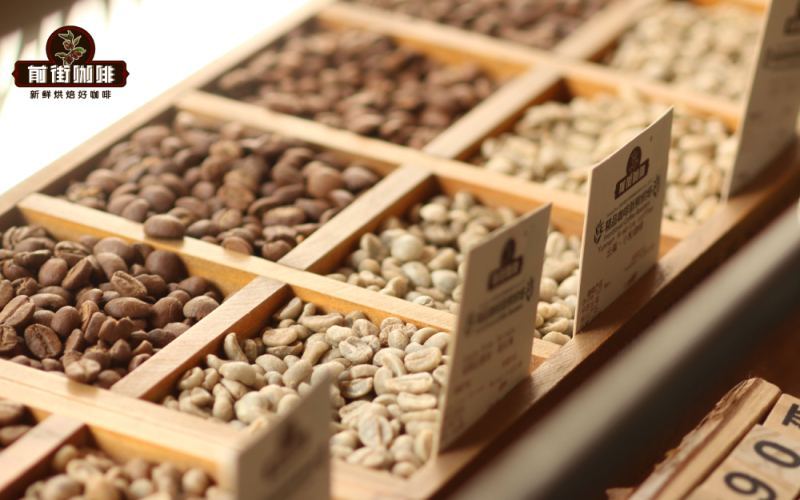
Analysis of the Flavor Characteristics of Yunnan Small-Bean Coffee: Differences Between Typica and Catimor and Hands-On Brewing with Pour-Over and Moka Pot
Yunnan coffee has been making frequent appearances in the specialty market in recent years. From independent street-side cafés to chain brands, Yunnan small-bean coffee is becoming increasingly visible. The rough impression left by past limitations in varieties and processing methods is being gradually rewritten by scientific cultivation and innovative techniques. This article begins with the differences between varieties, sorting out the flavor divide between Typica and Catimor, explaining why Front Street Coffee insists on cultivating Typica and adopting traditional sun-drying processing, while also providing specific flavor descriptions of the Yunnan growing region. The article also includes Front Street Yunnan small-bean coffee's pour-over parameters and moka pot operating steps, helping readers experience Yunnan coffee's sweet-and-sour notes and tea-like characteristics in a more intuitive way. [more…]
Growing Coffee Trees in Pots at Home: A Complete Guide to Cultivation and Care from Seed Treatment to Flowering and Fruiting
Want to grow a coffee tree with your own hands at home? Actually, growing coffee in a pot is entirely feasible. This article compiles the hands-on experience of a flower enthusiast in Beijing, covering everything from seed collection, scarification treatment, sowing and sprouting, to transplanting into pots, soil mix ratios, watering and fertilizing, lighting and repotting, and finally flowering, fruiting, and daily precautions. Whether you live in the north or the south, as long as you master a few key steps, you can let a coffee tree grow healthily in a pot. The article also specifically mentions product information from Front Street Coffee for those who are interested. [more…]

Analysis of Coffee Tree Potted Cultivation and Growing Region Conditions: From Plant Classification to Artificial Planting Practices
Coffee, this everyday beverage, originates from the fruit of the coffee tree. This article begins with its botanical classification and systematically examines the origins, growth habits, and suitable cultivation regions of the coffee tree. The coffee tree belongs to the genus Coffea in the family Rubiaceae and is an evergreen shrub, naturally distributed across the "Coffee Belt" between the Tropic of Cancer and the Tropic of Capricorn. Beyond commercial cultivation, the coffee tree can also be grown as an ornamental potted plant, displaying its unique charm in artificial environments. The article will explain in detail the coffee tree's growth cycle, pruning management, and planting applications in coffee shops, accompanied by multiple images to aid explanation, helping coffee enthusiasts gain a more comprehensive understanding of this plant's natural and cultivated growing requirements. [more…]
Analysis of the Vietnamese drip pot: Can it handle pour-over coffee brewing?
In coffee cultures around the world, almost every producing region has its own distinctive brewing device. The Vietnamese phin is one of the most representative examples—simple in structure and easy to use, it is an essential tool for making Vietnamese condensed milk coffee. This article begins with the phin's construction and historical origins, then explains its standard method of use in detail, and, drawing on Front Street Coffee's actual extraction parameters, explores an interesting question: can this drip brewing device be used for pour-over coffee? If you are interested in exploring the many ways to use brewing devices, why not follow along with Front Street and give it a try. [more…]

Flavor Comparison of Yunnan Coffee's Four Major Producing Regions: Dehong, Baoshan, Lincang, and Pu'er—Which Small-Bean Coffee Is More Worth Buying
Coffee has been cultivated in China for over a century, and today Yunnan coffee is once again coming into the public eye thanks to government support and the wave of domestic brands. Yunnan lies in the golden growing belt between 15°N and the Tropic of Cancer, with elevations mostly between 1,000 and 2,000 meters, producing small-bean coffee that is rich but not bitter, aromatic but not harsh, with a slight fruity note. The four major producing regions—Dehong, Baoshan, Lincang, and Pu'er—each have their own characteristics, and the varieties range noticeably from the classic Typica to the mainstream Catimor. This article will sort through the terroir of each region, the traits of coffee varieties, and the differences in processing methods, and, using Front Street Coffee's Yunnan beans as an example, introduce the complete steps for brewing at home with a moka pot, helping coffee lovers choose the Yunnan beans that suit them. [more…]
A Comprehensive Guide to Robusta Coffee: Varietal Characteristics, Blending Value, and Siphon Brewing Practical Guide
Robusta coffee is often misunderstood as a low-quality commercial bean, but it has irreplaceable value in areas such as espresso blending and new variety cultivation. From the perspective of Front Street Coffee, this article systematically introduces the relationship between Robusta and the Canephora species, the flavor characteristics brought by its high caffeine and chlorogenic acid content, its role in enhancing body in coffee blends, and how to brew a rich, aromatic cup of Robusta coffee with a siphon. Whether you want to understand the basics of Robusta or want to try extracting Front Street commercial espresso blend beans at home with a siphon, this article can provide practical reference. [more…]
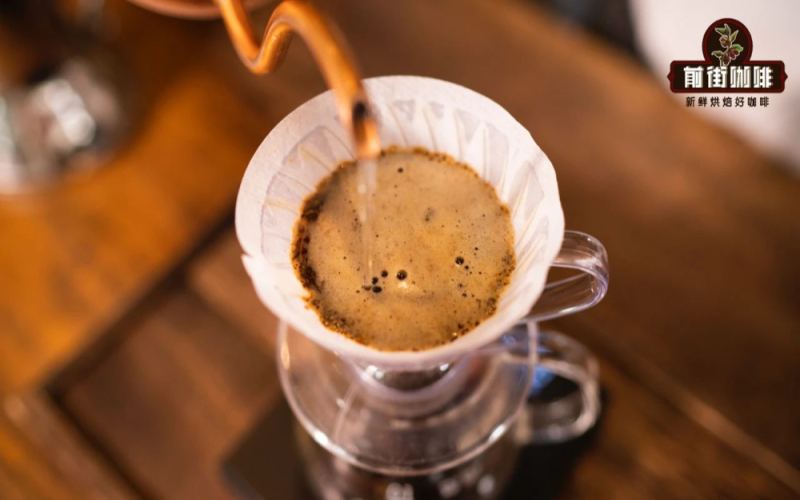
Brewing Indonesian Mandheling with a French Press and a Moka Pot: An Analysis of Two Extraction Methods for Front Street Golden Mandheling
Indonesian Mandheling is a classic single-origin coffee familiar to coffee lovers worldwide, and Front Street Coffee's PWN Golden Mandheling is the finest among them. This article begins with the history of coffee cultivation in Indonesia and the origin of the name Mandheling, then outlines the product line from Front Street Golden Mandheling to Tiger Mandheling, Aged Mandheling, and Lintong Mandheling. Using Front Street PWN Golden Mandheling as a demonstration bean, it breaks down in detail the operating steps for two brewing devices—the French press and the moka pot—along with grinding size and coffee-to-water ratio references, precautions, and flavor differences, helping you experience the richness and sweet aftertaste of this Indonesian coffee gem in different ways. [more…]
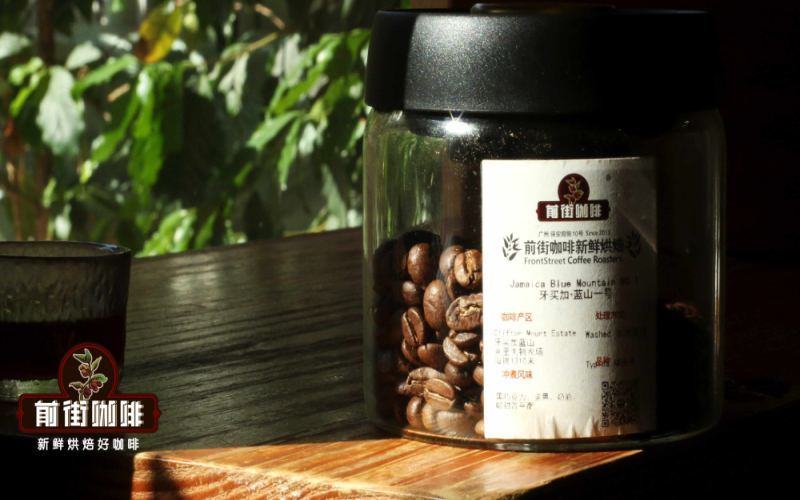
From Blue Mountain to Geisha: An Analysis of Three Brewing Methods for Panama's Top Coffee — Pour-Over, Siphon, and French Press
For a long time, domestic understanding of top-tier coffee was largely influenced by Japan, with Jamaican Blue Mountain and Hawaiian Kona holding sacred status. However, as the specialty coffee wave swept the globe, Panama Geisha rose dramatically, becoming the new generation of coffee royalty with its astonishing aroma performance and auction prices. This article systematically traces the variety's origins and spread, reviews its glorious record in international competitions and auctions, and introduces in detail the product positioning of Front Street Coffee's Emerald Red Label, Green Label, and Boquete Geisha. The article focuses on presenting three brewing methods: pour-over, siphon, and French press, providing specific parameters and operational steps for each, taking you through different dimensions to experience Geisha's signature jasmine, berry, and citrus notes. [more…]
A comprehensive interpretation of Jamaican Blue Mountain coffee: origin tracing, grade classification, and flavor characteristics
Blue Mountain coffee comes from the Blue Mountains in eastern Jamaica and is globally recognized as one of the finest coffees. This article provides a systematic overview of Jamaican Blue Mountain coffee from multiple dimensions, including the growing environment, historical origins, grade classification, quality control, export quotas, and brewing methods. Blue Mountain coffee is known as the "beauty of coffees" because its sweetness, acidity, and bitterness are highly balanced, with almost no bitterness and only a moderate, elegant acidity. The article also explains in detail the differences between Blue Mountain coffee, High Mountain coffee, and Jamaican coffee, as well as the historical background of Japan's long-standing dominance of the Blue Mountain trade, helping coffee lovers gain a comprehensive understanding of this legendary coffee. [more…]
Colombian Coffee Pour-Over Techniques and Huila Region Flavor Analysis: From Drip Pot Operation to the Rich Aroma Code of the Andes
Colombian coffee is world-renowned for its soft, mildly aromatic "soft" coffee style, and the Huila region is among the very best. This article takes a practical approach, explaining in detail how to brew a delicious cup of Colombian coffee with a drip brewer, while also providing an in-depth introduction to the flavor characteristics and geographical advantages of the Huila region. Whether you are a beginner pour-over enthusiast or a connoisseur wanting to understand the essence of Colombian coffee, you will find complete information and step-by-step guidance here, along with a brand recommendation from Front Street Coffee. [more…]
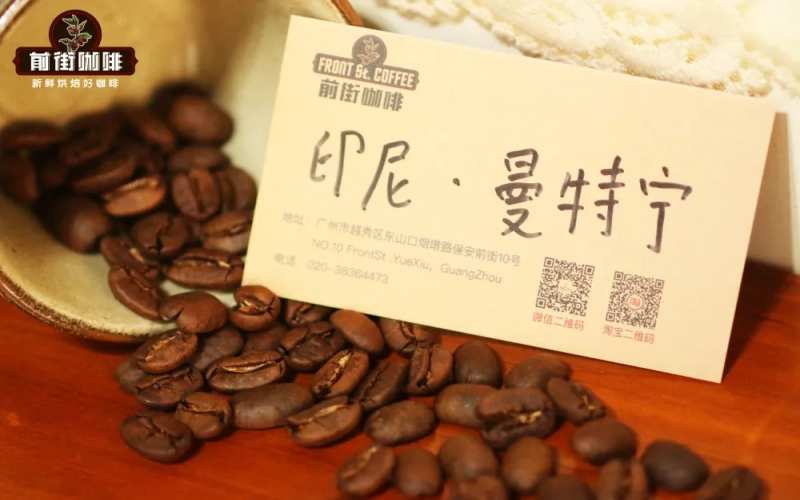
Golden Mandheling Coffee Moka Pot Brewing Techniques and Flavor Analysis: A Full Reveal of PWN Specialty Beans' Origin and Wet-Hulling Process
Friends who love rich, full-bodied coffee are certainly no strangers to Mandheling. Its distinctive herbal spice aroma and heavy dark chocolate mouthfeel leave a deep impression. So, can Mandheling be used to make an SOE with a moka pot? The answer is yes. This article will explain in detail how to extract a fragrant, mellow Golden Mandheling SOE using a moka pot, and take an in-depth look at the origin background, wet-hulling process, and strict grading standards of Front Street Coffee PWN Golden Mandheling, giving you a comprehensive understanding of this specialty coffee's unique charm. [more…]

An In-Depth Analysis of Jamaican Blue Mountain Coffee: From Origin and Grading to Brewing and Tasting, Unlocking the Unique Charm of Front Street Blue Mountain Coffee
Blue Mountain coffee is hailed as the pinnacle of the coffee world. Originating from the Blue Mountains of Jamaica, it is renowned worldwide for its perfectly balanced flavor profile of acidity, bitterness, sweetness, and body. Front Street Coffee's Blue Mountain coffee, with its rich and well-balanced mouthfeel and lingering fruity aroma, has become a favorite among countless coffee enthusiasts. This article provides a comprehensive exploration of this top-tier coffee that coffee connoisseurs around the globe seek out — from the origin environment, historical development, grading standards, and quality control of Blue Mountain coffee, to brewing and tasting methods. It also examines the enormous flavor differences between instant coffee and freshly roasted Blue Mountain coffee, as well as the quality commitment behind Blue Mountain coffee's unique packaging and transportation. [more…]
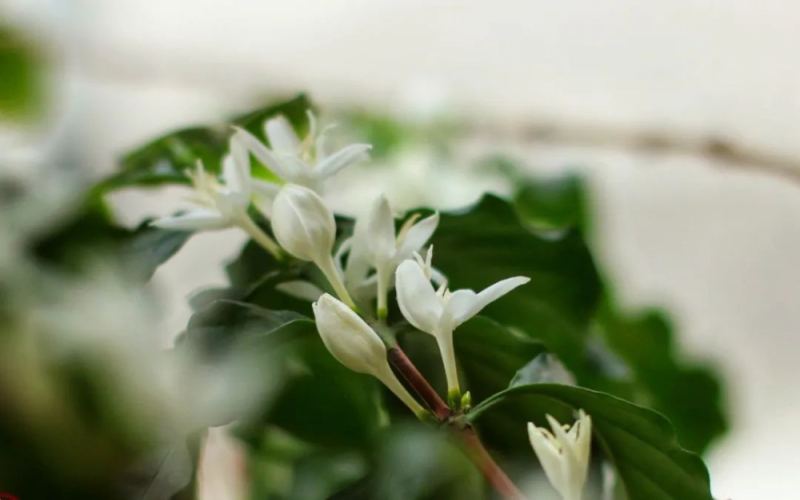
Is It Feasible to Grow a Coffee Tree at Home? A Look at Origin Conditions and Key Care Practices from the Container-Growing Experience of Specialty Coffee Enthusiasts
Besides traveling to the places of origin, where else can you see a coffee tree? Many cafés plant one indoors as a green decoration and thematic accent, but for most enthusiasts, the more practical approach is to bring a coffee tree home. Notes about coffee trees on social platforms have already reached nearly ten thousand, covering everything from seedling raising, transplanting, fertilizing and watering to pest and disease help requests and flowering and fruiting, with varieties even including Typica, Bourbon, Caturra, SL28, and even Geisha. This article sorts through these home-growing experiences and, by comparing them with the coffee tree's strict requirements for altitude, temperature, rainfall, and microclimate, examines the feasibility of household pot cultivation and the key care points. [more…]
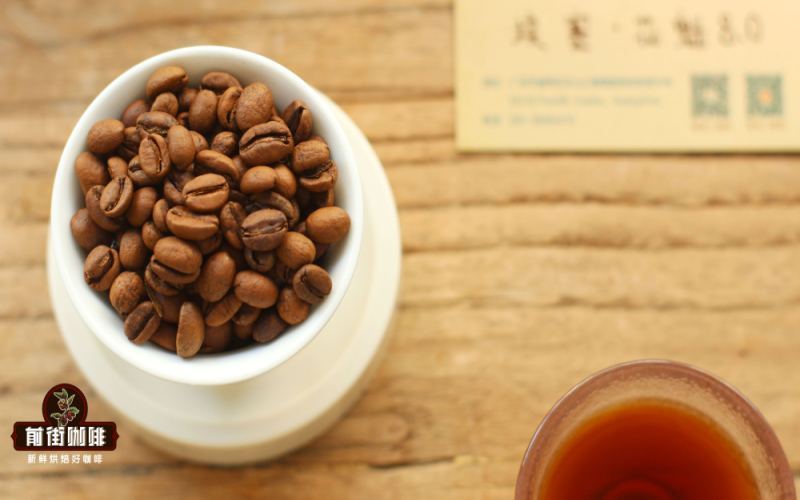
A Comprehensive Analysis of the Variety Characteristics of Ethiopia Sidama Aricha Coffee Beans and Pour-Over and Moka Pot Brewing Parameters
Ethiopia's Sidamo region is an important part of the specialty coffee landscape, and Huakui coffee beans are a star bean that emerged from here. After winning the TOH championship in 2017, Huakui captivated many coffee lovers with its rich strawberry and cream aromas. In this article, Front Street Coffee will guide you through the terroir connections of Sidamo and its sub-regions such as Guji and Hambela, trace the version evolution of Huakui from 1.0 to 8.0, and share in detail the grind setting, operating steps, and flavor performance for extracting Huakui 8.0 with a moka pot, helping you brew a cup of Ethiopian natural coffee full of juicy fruitiness at home. [more…]
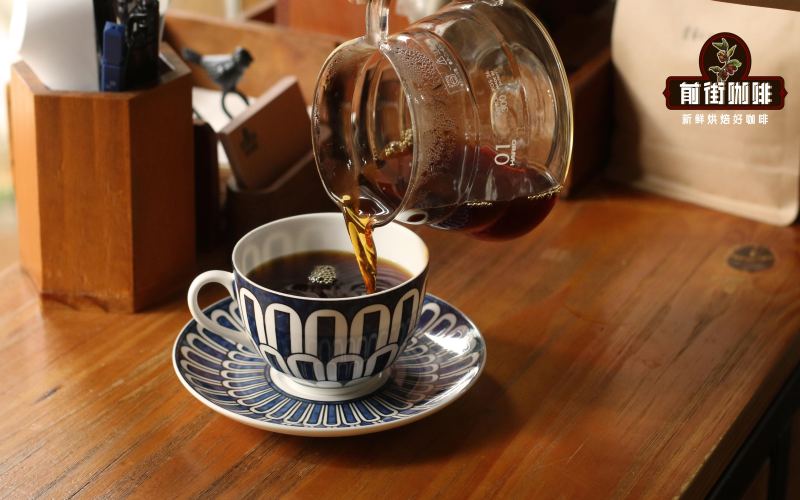
Can a moka pot also make Blue Mountain coffee? A complete demonstration and cost analysis of pour-over and moka pot Blue Mountain latte
Blue Mountain coffee, produced in Jamaica's legally designated region, has long been regarded as a treasure among coffees. Some readers have asked whether Front Street Blue Mountain No. 1 coffee beans can be used to make moka pot coffee. The answer is yes, but only on the condition that you choose an authentic bag of Blue Mountain. This article will systematically sort out the purchasing and identification of Blue Mountain coffee, the CIB certification system, the grading standards, and the quota history, and will demonstrate brewing Front Street Blue Mountain No. 1 using two methods: pour-over and moka pot. Finally, it will present the complete process of making a moka pot Blue Mountain Americano and a Blue Mountain Latte, helping coffee lovers enjoy authentic Blue Mountain flavor at home. [more…]
How to brew a delicious cup of Robusta coffee beans with a siphon pot? A detailed explanation of flavor characteristics and key operational points
Robusta coffee is often misunderstood as a synonym for poor quality, but it actually has irreplaceable value in terms of body and espresso blends. From the perspective of Front Street Coffee, this article systematically sorts out core knowledge about Robusta, including its variety classification, flavor characteristics, caffeine and chlorogenic acid content, and explains in detail how to brew Front Street Robusta coffee beans with a siphon, including grind setting, coffee-to-water ratio, and staged stirring steps, helping coffee enthusiasts gain a comprehensive understanding of this coffee variety and master practical brewing methods. [more…]
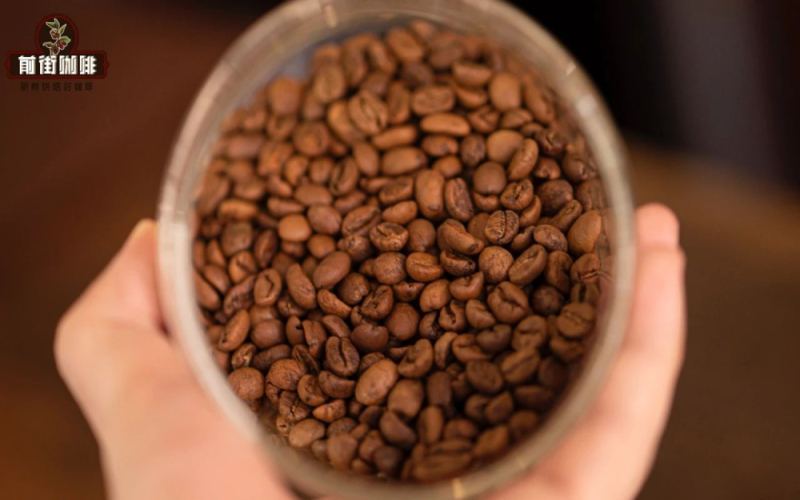
Hawaiian Kona Coffee Bean Flavor Characteristics and Pour-Over Tutorial: A Detailed Guide from Origin and Variety to Brewing Parameters for Five Devices
Although Hawaiian Kona coffee is not grown at high altitudes, its volcanic rock soil and gentle sea breezes nurture a unique flavor that is clean and sweet with bright acidity, earning it the reputation as one of the most perfect coffee beans in the world. Front Street Coffee uses a medium roast to fully release the cashew, milk peanut, mulberry, and tropical fruit sweet aromas of this bean. This article will begin with Kona's historical origins, producing region distribution, Typica variety characteristics, washed processing method, and grading standards, then share in detail the brewing parameters and techniques for five devices—V60, siphon, AeroPress, French press, and KONO—to give you a comprehensive understanding of this coffee bean with the most beautiful appearance. [more…]
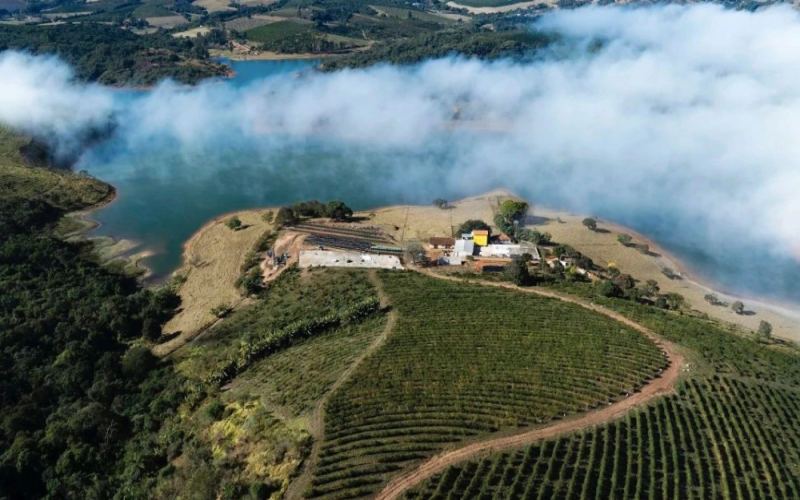
Exploring Brazil's Ipanema Estate: A Flavor Journey from the World's Largest Coffee Producer to Front Street Coffee's Blend
Brazil, as the world's number one coffee producer, has a deep and far-reaching coffee culture. Of the country's 21 states, 17 are involved in coffee cultivation, with Paraná, São Paulo, Minas Gerais, and Espírito Santo particularly prominent in production, collectively housing 3.97 billion coffee trees and producing coffee that accounts for one-third of global consumption. This article will take you into the story of Yipan Estate, Brazil's largest coffee bean supplier, from the region's characteristics to affordable prices, and on to the espresso blend widely praised by baristas—Front Street Black Cocoa—as well as the Front Street Brazil Queen's Estate single-origin beans suitable for pour-over. Whether for an espresso moka pot or pour-over black coffee, Brazilian coffee can satisfy coffee lovers' diverse needs with its balanced, moderate flavor and rich, sweet taste. [more…]
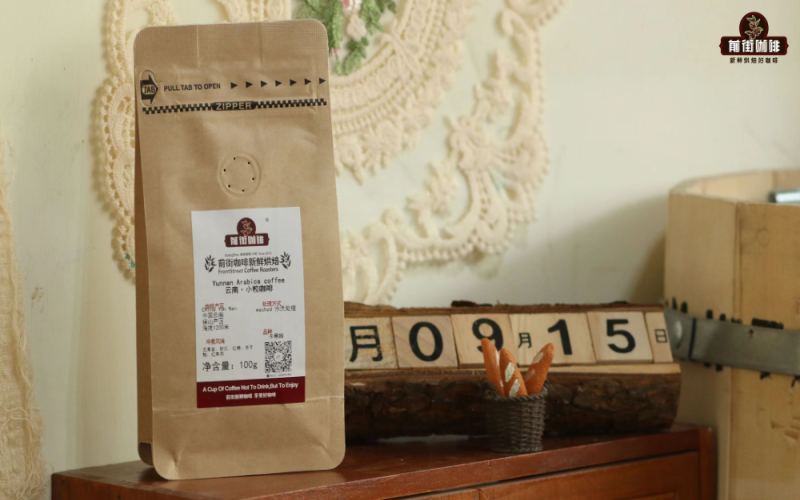
How Does Yunnan Arabica Coffee Taste? A Complete Guide from Origin and Variety to V60 Brewing Parameters
Yunnan, as China's core coffee-producing region, has a cultivation history spanning over a century. The area is dominated by small-bean Arabica varieties, with Catimor, Typica, and Bourbon being the main cultivated types. This article will start with the origins of the varieties, growing conditions, and flavor characteristics to systematically outline the key points for tasting Yunnan small-bean coffee, and will offer specific Front Street product recommendations for different brewing methods such as pour-over, cold brew, moka pot, and espresso machine. Finally, it includes the complete parameters and operating steps for the V60 three-pour brewing method, helping coffee enthusiasts gain a comprehensive understanding of the true performance of Yunnan coffee. [more…]