







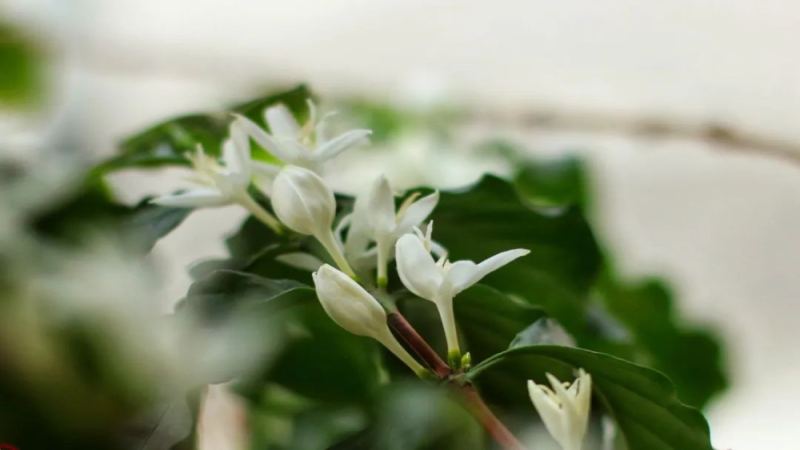
Can a coffee tree really thrive in a home pot?
Growing a coffee tree at home is possible, but it asks a lot of the grower. Coffee plants want steady warmth, high humidity, filtered light and consistent moisture, conditions that rarely match a dry indoor room. Enthusiasts do it anyway, starting from seedlings or small saplings and moving them into containers. Social platforms carry nearly ten thousand notes on the attempt, covering watering, fertilizing, transplanting, pests and the first flowering.
Varieties seen in these home grows include Typica, Bourbon, Caturra, SL28 and even Geisha, the same genetics behind specialty coffee lots. The gap is environmental: commercial farms rely on altitude, rainfall and microclimate that a pot cannot copy. Planting coffee trees indoors therefore becomes a test of patience and routine rather than yield, since fruiting may take years and depends on light and root room.
Besides traveling to the places of origin, where else can you see coffee trees? Many cafés plant one indoors as greenery and a thematic touch, but for most enthusiasts, the more practical approach is to bring a coffee tree home. Notes about coffee trees on social platforms have reached nearly ten thousand, covering everything from seedling cultivation, transplanting, fertilizing and watering to pest and disease help requests and flowering and fruiting, with varieties spanning Typica, Bourbon, Caturra, SL28 and even Geisha. This article sorts through these home-growing experiences and, by comparing them against the coffee tree's stringent requirements for altitude, temperature, rainfall and microclimate, examines the feasibility of home pot cultivation and the key care points.
▲
Click to follow | Daily specialty coffee culture magazine Coffee Workshop
Let me start with a question: if we don't count traveling to the places of origin, where else do you think you can see coffee trees?
Those with experience will probably immediately think of the café they stumbled upon while exploring — "they've got one growing right in the shop." Keeping a coffee tree in a store lets you enjoy it as greenery while matching the shop's vibe, and when it flowers and fruits, it adds a touch of origin atmosphere — truly a nice touch.
But shops that set up coffee trees like this are ultimately few, and if they're far away, there's no need to make a special trip just to check in. Yet as coffee enthusiasts, who doesn't want more coffee elements in daily life? So a group of plant-loving people got the idea to grow coffee themselves.
Searching "coffee tree" on Xiaohongshu yields nearly 10,000 related notes, mostly netizens recording their hands-on experience with potted coffee trees at home, along with helpful people who've organized the growing steps into detailed tutorials for latecomers to reference.
Although each person is at a different stage, everyone cares for this living thing with extra care. Some start from seedlings and are still waiting for seeds to break through the soil; some buy small saplings directly, transplant them into pots and then figure out the ins and outs of fertilizing and watering; some discover their coffee tree has caught a disease and post for help; and some have already welcomed the flowering period, contentedly awaiting the ripening of red fruit…
From the experiences netizens share, the varieties everyone takes on aren't limited to the common Catimor and Typica — Red Bourbon, Yellow Bourbon, Caturra, SL28 and others all make their appearances, even Geisha from various well-known estates. Worthy of specialty-coffee people indeed: drinking pour-over isn't enough, you have to start by growing a tree with your own hands.
A few days ago, a "retired" barista from Coffee Workshop also sent in a small tree they'd cultivated, said to be a Bourbon variety. It still looks like a "baby" — under the lush leaves, the trunk is still very slender, clearly still working hard to grow.
Through various channels we can all learn that coffee trees generally thrive in high-altitude tropical rainforest climate zones, with high demands for temperature, sunlight, altitude and rainfall; to produce coffee beans with outstanding flavor, conditions like volcanic soil, microclimate and shade trees must also cooperate — which is why high-quality coffee beans are so precious and rare.
A home environment can hardly assemble all the favorable factors above, and some places can't even meet one of them, so if you're not attentive when planting, the failure rate will be considerably higher than at the places of origin. However, as long as you carefully maintain and tend them from the sapling stage, water, fertilize and sun them reasonably according to the plant's condition, and create an environment where the coffee tree can survive, I believe the difficulty won't be too great.
Perhaps a few years later, it will smoothly flower and fruit. See, some people are already experiencing the joy of harvest!
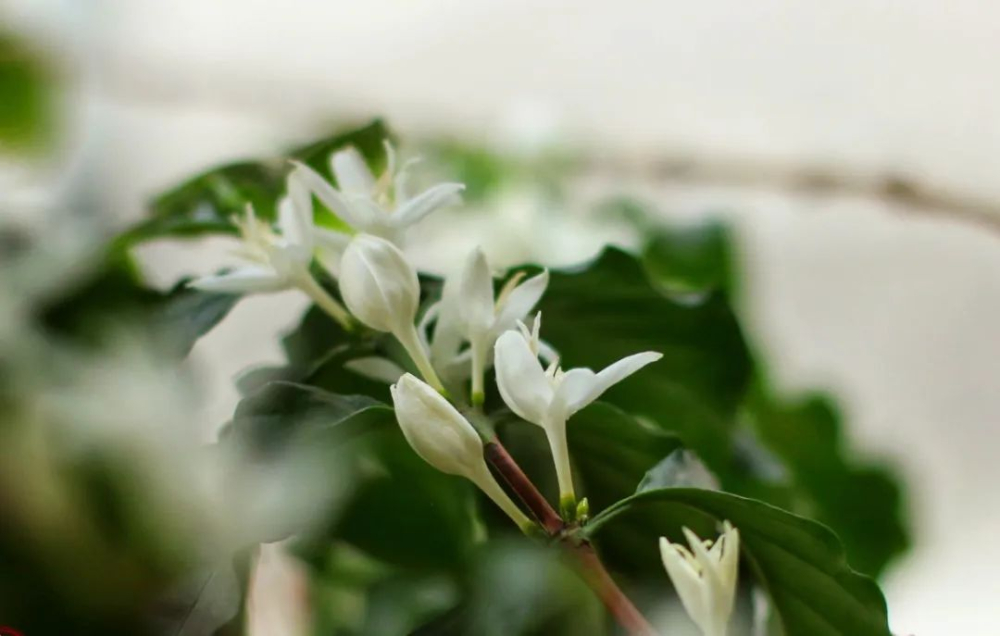
Image source: Internet
Disclaimer: Some images in this article are from the internet, and some website content such as images — we will respect the original copyright and indicate the source, but due to the large quantity, a few images and texts may not have been credited in time; please forgive us. If the original author has any dispute, they may contact the website to handle it, and once verified we will correct it immediately. Organized and edited by "Coffee Workshop"; please indicate the source when reposting. If there is infringement, please notify us for deletion, thank you~!
The above content is compiled by CoffeeHunters, a coffee news website.


