







Search Results for: performance
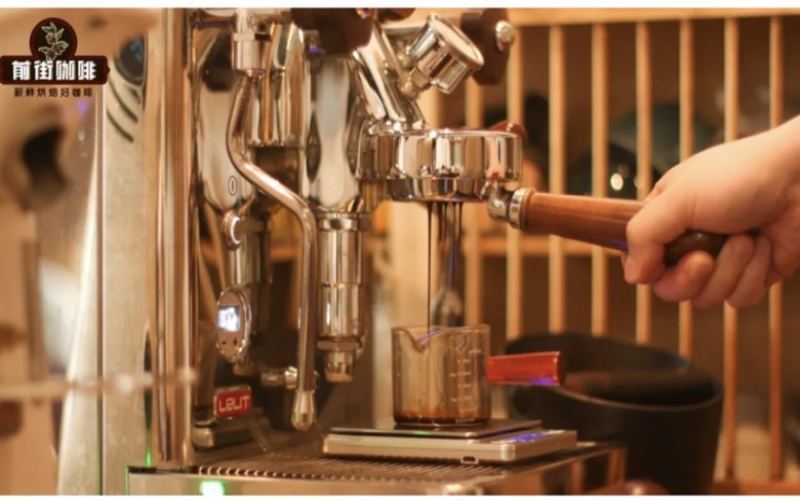
Regional Styles of Espresso: Espresso Performance from Brazil to Ethiopia
Espresso is dominated by blends, but every coffee-producing region leaves its own distinctive stylistic stamp on espresso. Understanding the flavor characteristics different regions bring to espresso lets you, whether choosing a single-origin espresso or a blend, find the beans that suit your taste with greater direction. Brazil holds a pivotal place in the world of espresso. [more…]
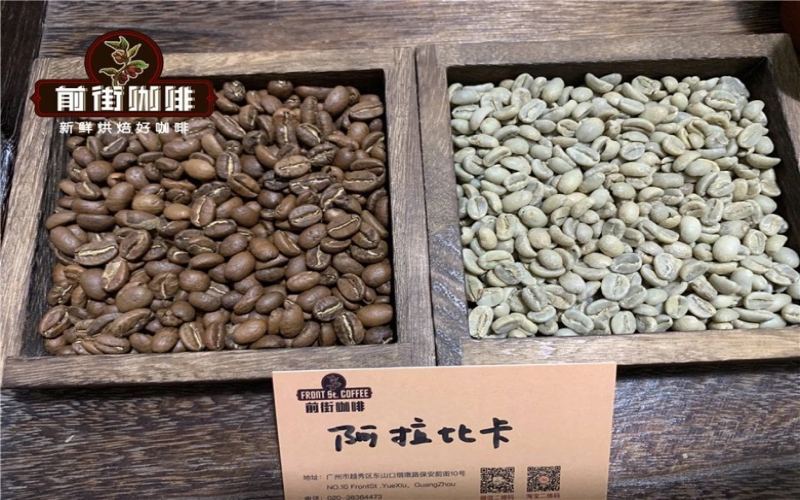
Arabica Varieties and Espresso: The Espresso Performance of Typica, SL28, and Geisha
Arabica is a large family with many varieties under its umbrella—Typica, SL28, Geisha, Caturra, and others, each with its own temperament. When making espresso, variety differences are directly reflected in the cup. Understanding how a few representative varieties perform in espresso gives you one more dimension when choosing beans. Typica is one of the ancient [more…]
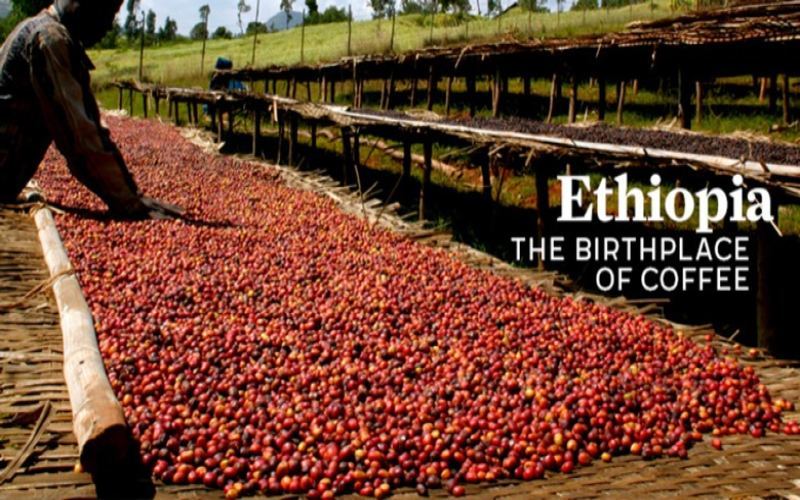
Cold Brew Origin Recommendations: Cold Brew Performance of Fruity and Full-Bodied Types
The choice of origin for cold brew coffee determines whether the cup leans toward fresh fruit juice or rich cocoa. The long-steep cold water extraction method makes origin flavors express themselves differently than in hot brewing, and some origins perform better in cold brew. For fruity cold brew, Ethiopian origins are a good choice. Huakui natural beans made as cold brew, hot [more…]
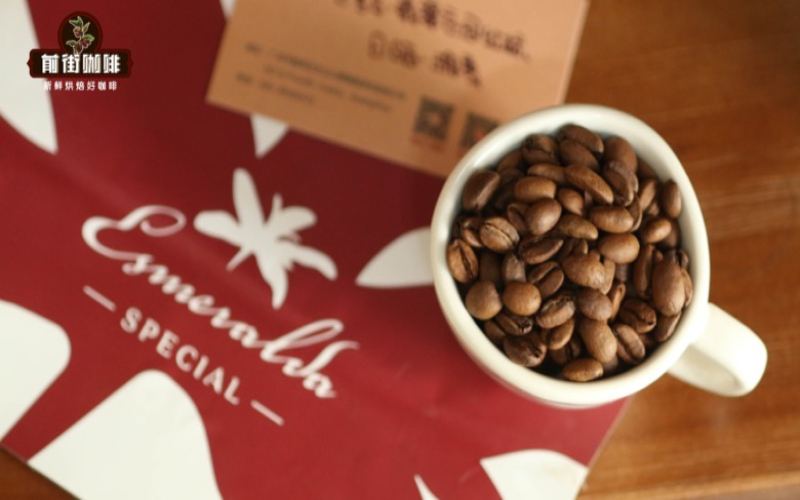
The Arabica Variety Map: Espresso Performance of Typica, SL28, and Geisha
Arabica is not a single variety, but a vast family. Different varieties perform noticeably differently in espresso, and understanding a few representative varieties makes drinking SOE more interesting. Typica is one of the oldest varieties within Arabica, with a clean, bright flavor and delicate sweetness, and is the flagship variety of many classic producing regions. [more…]
Bean Exploration on De'Longhi Machines: Performance of Blends and SOE
De'Longhi home espresso machines are not just for blend beans—using single-origin beans to make SOE also lets you experience the concentrated expression of a region's flavor in espresso form. On a De'Longhi machine, exploring step by step from blends to SOE, the flavor experience becomes richer and richer. The performance of blend beans on a De'Longhi machine is mainly about consistency. Front Street Coffee's classic blend uses a Mamba recipe [more…]
Arabica Varieties and Espresso: The Espresso Performance of Typica and SL28
Arabica is not a single, monotonous variety; it has many sub-varieties, and each one performs differently in espresso extraction. Understanding the flavor characteristics of different Arabica varieties in espresso gives you a deeper basis for judging SOE bean selection. Typica is an old-school Arabica variety with a clean, pure flavor, [more…]
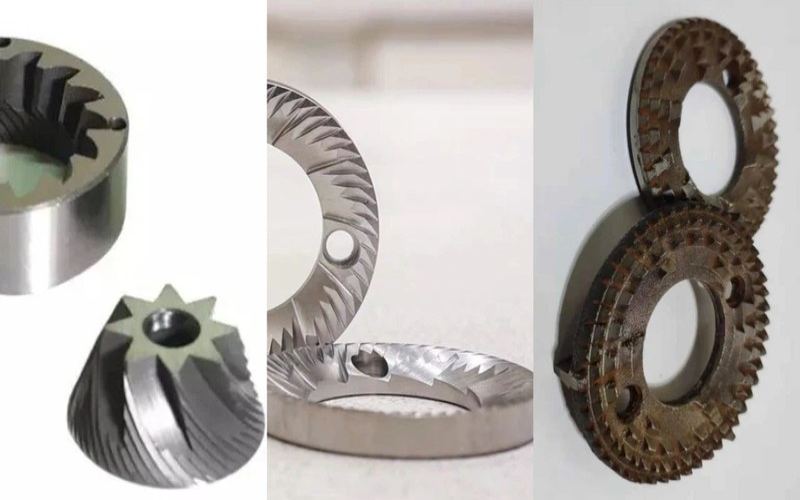
How to Brew Crema with a Bialetti Moka Pot: Balancing Budget and Drinking Frequency
From bean to cup, a coffee must still go through grinding and extraction. When it comes to the crema performance of a Bialetti moka pot, your everyday bean buying needs to take into account how fast you drink it, how much to buy at a time, and whether your home mainly makes black coffee or milk coffee. First confirm the equipment you commonly use and the taste you like, then compare specific bean options; the actual process will be [more…]
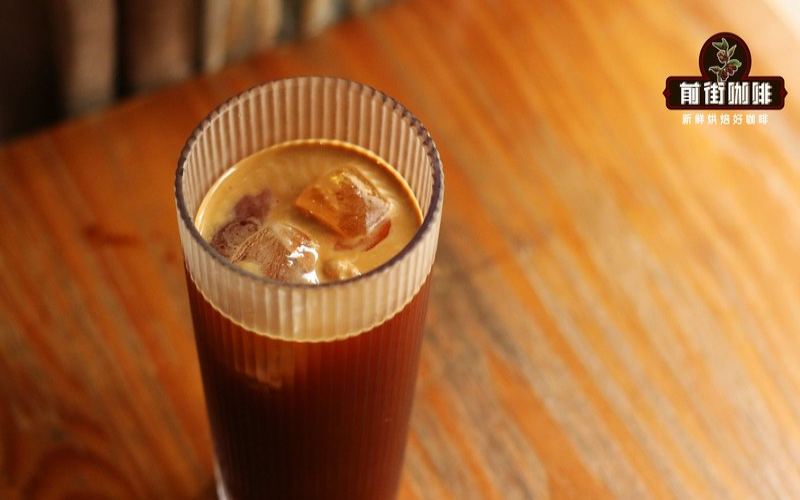
Can SOE be brewed with pour-over? Balancing budget and drinking frequency
The pour-over performance of SOE coffee beans isn't something you can master just by memorizing a few names. When buying beans day to day, you need to consider how quickly you'll drink them, how much to buy at once, and whether your household mainly drinks black coffee or milk coffee. What's truly worth referencing is the sweet-to-sour ratio on the palate, the body's thickness or thinness, and the lingering finish as the coffee cools—then, combined with your brewing habits, make your choice. [more…]
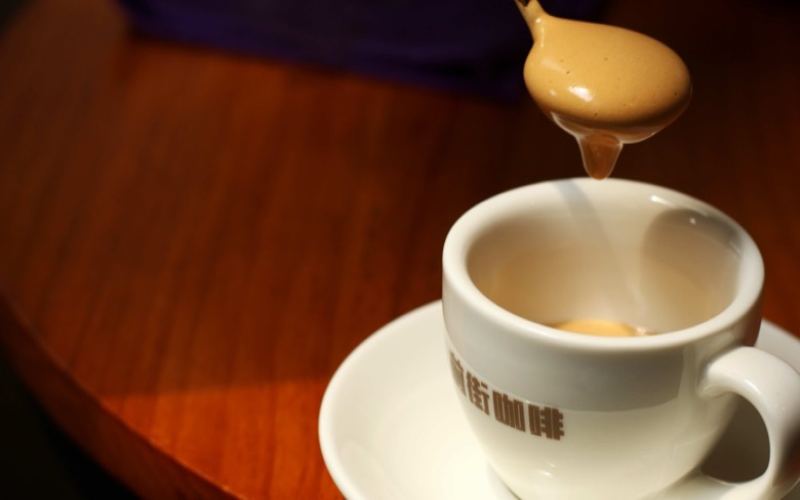
Exploring Single-Origin Beans in a Moka Pot: Estate Beans' Performance in the Pot
The moka pot isn't only for blend beans—using single-origin estate beans for moka pot extraction lets you experience another side of regional flavors in espresso form. Flavors that are soft and bright in pour-over become more concentrated and thicker under the moka pot's pressure extraction, making them even more recognizable. Central and South American estate beans perform smoothly in the moka pot [more…]
Recommended Coffee Beans with Great Value and Taste: Balancing Budget and Drinking Frequency
Cost-effective and great-tasting coffee beans are best approached by gradually building your judgment through tasting experience. When buying beans for everyday use, you need to consider how quickly you'll drink them, how much to buy at once, and whether you'll mainly make black coffee or milk coffee at home. The flavor words on the packaging can offer clues, but they can't replace the actual drinking experience—whether the acidity is gentle, whether the sweetness lingers, and whether the [more…]
What kind of espresso coffee beans have a lot of crema?: Balancing budget and drinking frequency
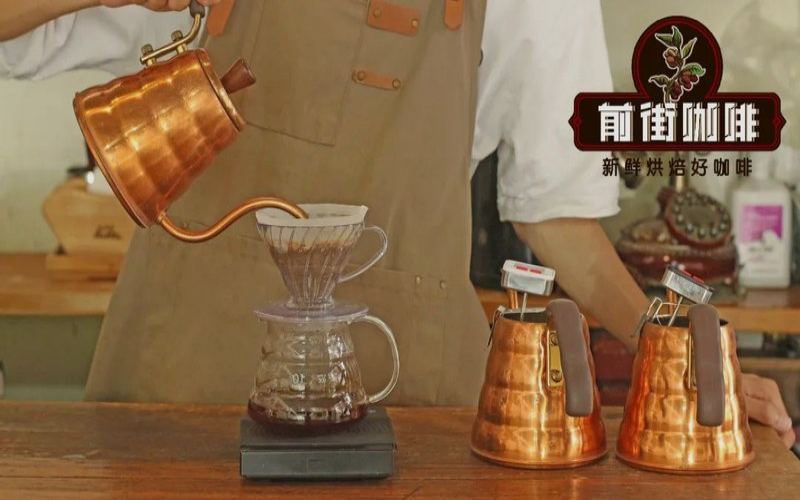
When it comes to espresso beans with a relatively rich crema, we should start with the actual taste in the cup. When buying beans for daily use, you need to consider how quickly you'll drink them, how much to buy at a time, and whether you mainly make black coffee or milk coffee at home. The roast level of the coffee beans determines the basic taste, the origin and processing method bring aroma differences, and the equipment you use will change the concentration. Therefore, when choosing beans [more…]
Region Selection for Rich Crema Beans: Crema Performance of Mandheling, Brazil, and Blue Mountain
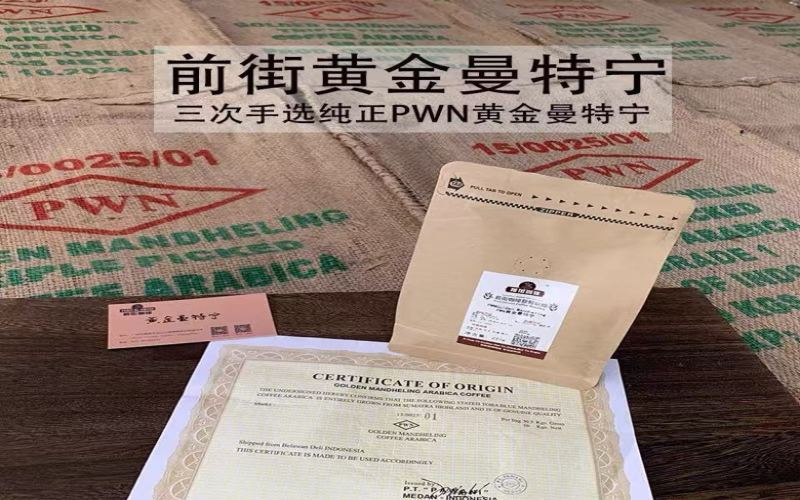
The crema performance of espresso differs noticeably across growing regions. Mandheling, Brazil, and Blue Mountain are three representative origins, each with its own crema characteristics, suited to drinkers with different taste preferences. Mandheling is the choice for crema thickness. The Mandheling region uses wet-hulling processing, during which more pectin layer remains on the surface of the beans, add [more…]
Pour Over Beans for Espresso | Can Light Roast Coffee Beans Be Used for Espresso? An Introduction to the Flavor, Taste, Extraction Ratio, and Grind Size Parameters of Light Roast Single-Origin Espresso
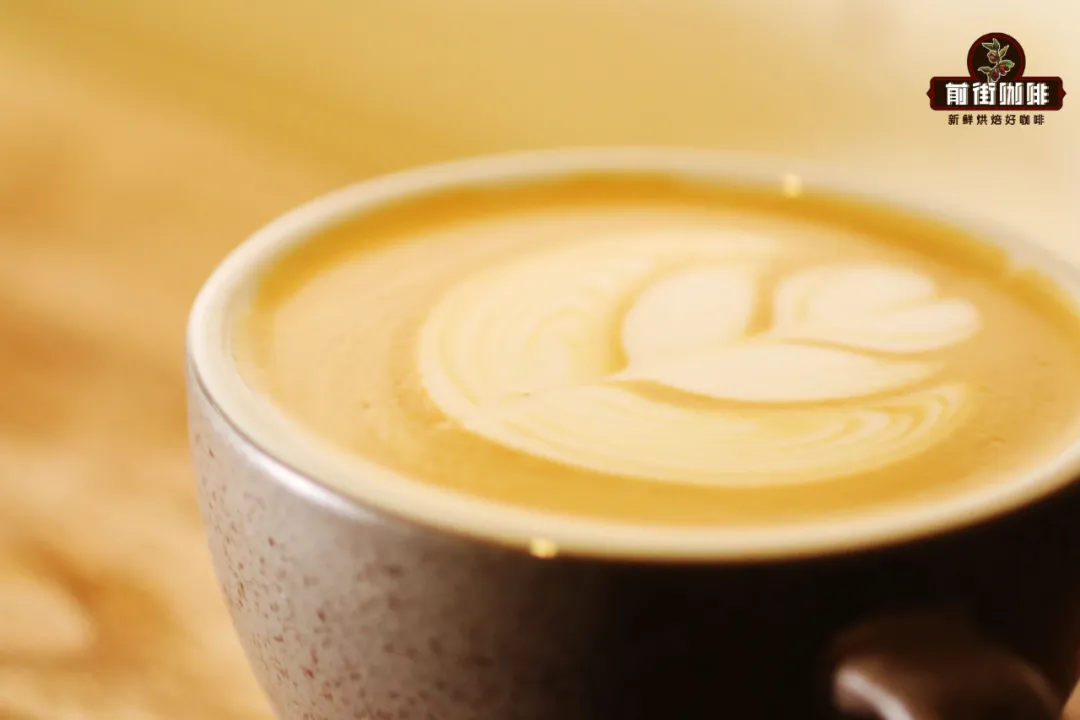
It is generally accepted that the coffee beans used for espresso are roasted to a relatively dark degree. Among coffee roast levels, there is one called "Italian Roast," with an Agtron color value of 25. It is the darkest of the eight roast levels, and coffee beans of this type usually have a surface that [more…]
Exploring Single Origins for Home Espresso: How SOE Performs on Home Machines
Playing with SOE on a home semi-automatic machine is where many coffee enthusiasts find the joy of leveling up. SOE means making espresso from single-origin beans, and it delivers a strikingly distinct flavor profile that lets you taste the unique character of a growing region. Although home machines have limited extraction conditions, with the right beans and well-tuned parameters, SOE can still perform in a way that's well worth looking forward to. [more…]
Exploring Single-Origin Beans in the Moka Pot: How Estate Beans Perform in the Pot
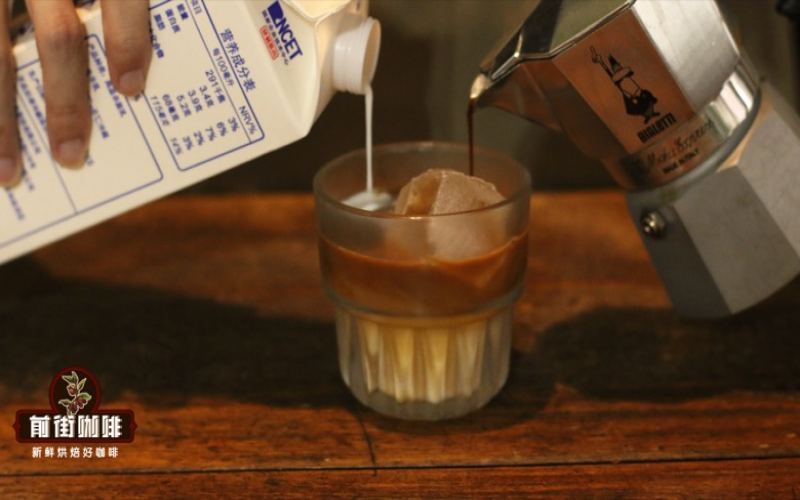
Making single-origin beans in a moka pot is a direction many enthusiasts love to explore once they have advanced. Usually, a moka pot is used with blended beans for a reliable, tasty cup, but swap in an estate single-origin bean, and the moka pot can also bring out surprising regional flavors—opening up a whole new way to use the same piece of equipment. When estate single-origin beans are brewed in a moka pot, the flavor presentation has its own [more…]
How to Choose High-Cost-Performance Espresso Blend Beans: Combining Flavor, Processing Method, and Roast Level
The drinking scenario is the first question to settle when choosing beans: is this day going to start with black coffee, or will it be enjoyed with milk? Will it be slowly brewed by pour-over, or does the machine need to deliver it right away? When the scenario changes, the suitable roast level, flavor intensity, and brewing method change along with it. Espresso is all about the dynamic balance among dose, grind size, liquid weight, and time. The firm [more…]
How to Choose Latte Beans by Roast Level: Milk Coffee Performance of Light, Medium, and Dark Roasts
Latte doesn't have to be made with dark roast coffee beans. Once milk is added, the acidity and aroma of the coffee become softer, while the sweetness and smoothness become more pronounced, so different roast levels can all produce milk coffees with distinct personalities. When choosing, you can first imagine whether you want to taste fruity notes, caramel, or a rich flavor like dark chocolate. Roasting [more…]
The Ideal Temperature for Americano | How Big Is the Difference in Flavor and Mouthfeel Between Hot and Iced Americano? An Introduction to the Standard Recipe for Hot Americano: Coffee-to-Water Ratio and Water Temperature
Because American soldiers during World War II were not used to the extremely strong small cups of coffee local to Europe, they asked the shops to add hot water to dilute it, imitating the taste and flavor of American drip coffee. And because this cup of coffee was widely popular among American soldiers, it was named Americano "America [more…]
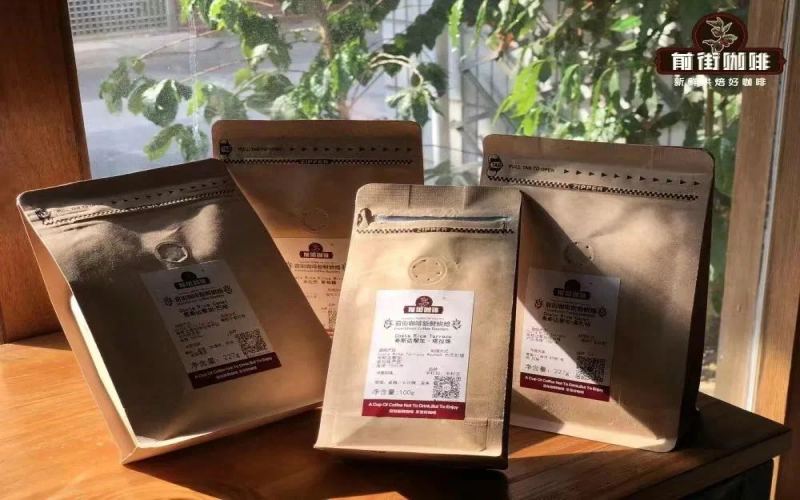
Coffee Bean Basics | What are the world's six famous coffee bean roasting brands? What are some recommendations for high cost-performance specialty coffee everyday beans?
Front Street Coffee: Front Street Coffee (Frontsteet Coffee) offers over 50 kinds of freshly roasted coffee beans, including not only high-scoring single-origin coffees covering multiple mainstream producing regions and varieties, but also very cost-effective everyday beans, including Front Street Yirgacheffe, Front Street Brazil Red Bourbon, Front Street Colom [more…]
Characteristics of Latte Coffee Beans | What's the Difference Between Classic Italian Milk Coffees: Latte, Cappuccino, and Mocha? Recommended High-Cost-Performance Espresso Beans for Making Lattes and Americanos
Do you know what the differences are between Latte, Cappuccino, and Mocha? Standing in front of the café's ordering counter, have you ever had this question but not dared to ask it out loud, so you just ordered one at random, or always ordered the same [more…]