








Although espresso is predominantly based on blends, each coffee-producing region has its own distinctive stylistic signature when it comes to espresso performance. Understanding the flavor characteristics of different regions in espresso-making—whether you choose single-origin espresso or a blend—will help you find coffee beans suited to your taste with more direction.
Brazil is a pivotal core region in the world of espresso. As a leading coffee-producing country, Brazilian beans are known for their nutty, chocolate, and caramel flavor base. In espresso extraction, Brazilian beans show low acidity, high sweetness, and a rich, full-bodied character, with aromas of roasted hazelnut and milk chocolate. This steady, substantial style makes Brazilian beans an ideal base for espresso blends, and a straightforward choice for drinkers who favor intense flavors. A single-origin Brazilian espresso paired with milk as a latte blends its nutty notes with dairy fat in excellent harmony.

Ethiopia's espresso performance is entirely different. As the birthplace of the coffee species, Ethiopian beans are known for their bright floral and fruity aromas and highly active acidity. When Ethiopian beans are used for espresso, aromas of citrus, jasmine, and berries emerge in the cup, with bright acidity and a relatively light body. Natural-process Ethiopian espresso is more intense, with the sweet fragrance of blueberries and ripe fruit; washed process is cleaner and softer. Single-origin Ethiopian espresso is suitable for drinking straight or as an americano—its fresh floral and fruity notes open up further when water is added.
The Indonesian region presents a deep, rich style in espresso. Mandheling, processed with the wet-hulling method, carries notes of herbs, cedar, and dark chocolate in its flavor, with extremely high body and a round, full mouthfeel. In espresso, Mandheling's deep woody character and lingering chocolate finish give every sip a sense of weight. Single-origin Mandheling espresso suits drinkers who enjoy a heavy mouthfeel, while in blends it plays a key role in adding body and complexity.
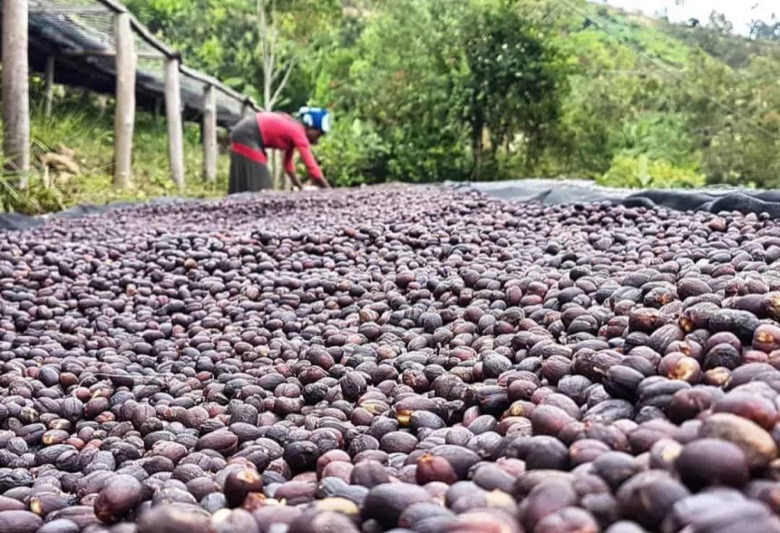
The Colombian region shows balanced characteristics in espresso. Moderate acidity, caramel sweetness, and a clean mouthfeel let Colombian beans perform steadily in espresso, with both the richness of nuts and a soft fruit acidity. Single-origin Colombian espresso is round on the palate and performs well in both milk coffee and americano, making it an all-purpose espresso choice.
Single-origin espresso and blended espresso each have their own brilliance. Single-origin espresso (SOE) lets you clearly sense the terroir signature of a particular region, with a sharply defined flavor personality; blended espresso, through the combination of multiple beans, presents a more balanced and richly layered taste. For daily drinking, you can switch flexibly according to the occasion: in the morning when making milk coffee, choose blended beans to enjoy a rich, stable base; in leisure time, have a cup of SOE espresso and savor the region's unique character in detail. Understanding the espresso styles of different regions makes choosing espresso beans more interesting and better grounded.
The above content is compiled by CoffeeHunters, a coffee news website.

