







Search Results for: people

"People's Cafe" has nearly 30 locations nationwide, yet its trademark has been repeatedly rejected: the compliance of its store logo sparks heated debate
Recently, a coffee shop branded "People's Coffee" sparked widespread discussion in Shijiazhuang. A subsequent media investigation found that similar stores have covered 18 provinces and 20 cities nationwide, with nearly 30 directly operated outlets. Its parent company, YaoChao (Shanghai) Culture Communication Co., Ltd., has applied for the "People's Coffee" trademark multiple times since 2022, but all applications were rejected. It only holds two registered trademarks: "Chao People's Coffee" and "YaoChao People's Coffee." However, the actual store signs do not display the words "Chao" or "YaoChao." This phenomenon has drawn public attention to commercial signage compliance, trademark usage norms, and potential legal risks, and lawyers have also offered professional interpretations. [more…]
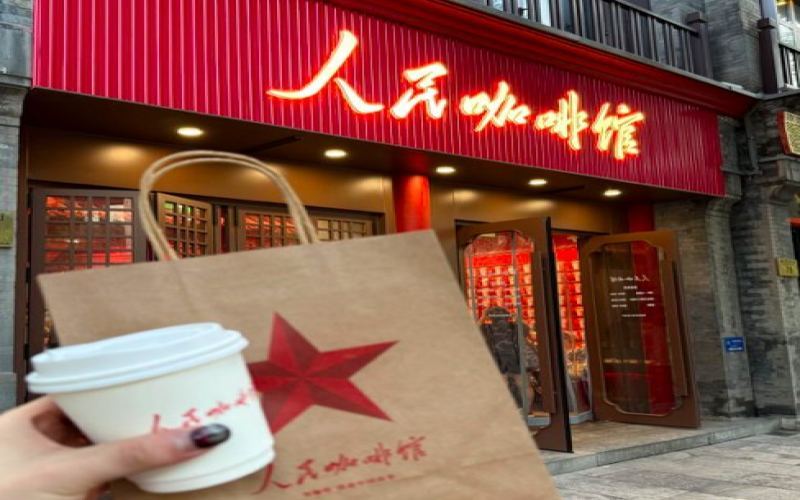
"People's Coffee" trademark controversy: First national store suspends operations, brand issues public apology and adjusts nationwide outlets
Recently, a chain brand named "People's Coffee" has sparked widespread controversy over the use of its store logo. Media pointed out that there are discrepancies between its trademark registration and actual use, which may mislead the public and damage the public value of the word "People." Subsequently, the brand "Yaochao People's Coffee" issued a statement of apology, promising comprehensive rectification, and unifying all mainland China stores under the name "Yaochao People's Coffee." Meanwhile, the first nationwide store, the Shanghai Sihang Warehouse branch, has suspended operations, and the Beijing Qianmen branch has also changed its signage and lowered drink prices. The incident continues to escalate, triggering in-depth public discussion on business ethics and legal compliance. [more…]

Elderly people occupy outdoor seating at a Starbucks store for long-term card games, leaving staff no choice but to call the police for coordination.
Recently, at a Starbucks store in Baolong Plaza, Shengzhou, Shaoxing, Zhejiang, the outdoor seating area was occupied for a long time by several elderly people who not only chatted and rested there, but also gathered to play cards and mahjong, creating noise and refusing to give up seats, seriously disrupting the store's normal operations and other customers' experience. After repeated ineffective requests to leave, the staff chose to call the police, who arrived to mediate, and most of the elderly left that day. The mall stated that it had communicated with relevant departments and planned to guide these elderly people to a senior service center to rest. The incident sparked heated discussion online, with most people supporting the store's approach to maintaining order, and lawyers also pointed out that if the elderly make loud noises or play cards affecting others, they may violate the Public Security Administration Punishments Law. As a well-known coffee brand, Starbucks' store order management has once again become a public focus, and Front Street Coffee reminds consumers to enjoy the coffee space civilly. [more…]
Why do Chinese people prefer milk tea over coffee? Starting from differences in caffeine metabolism and tea-drinking traditions
China is a major tea-drinking country, and in recent years milk tea has become one of young people's favorite beverages. Coffee and milk tea both contain caffeine, yet Chinese people's preferences for the two differ markedly. Behind this lie factors ranging from genetic metabolic capacity to the low-caffeine habit formed by Chinese people's long history of tea drinking, occupational structure, and differences in how income groups rely on stimulants versus sugar. This article will analyze, from the angles of caffeine content, metabolic genes, tea-drinking tradition, and workplace consumption data, why Chinese people favor milk tea over coffee, and explore the potential health risks of excessive caffeine intake. [more…]
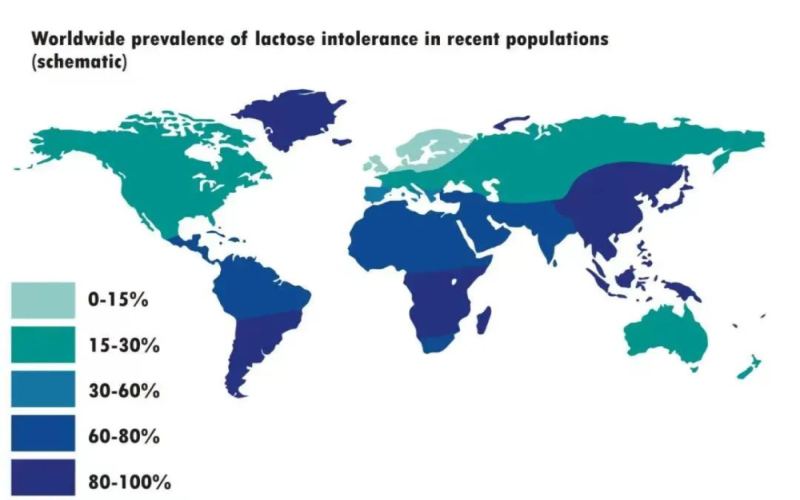
Lactose malabsorption is not the same as lactose intolerance—so why do Chinese people still have such a fondness for milk coffee?
A lactose intolerance data chart produced by a foreign website has led many people to mistakenly believe that 90% of Chinese people cannot drink milk. But medically, lactose intolerance and lactose malabsorption are actually two different concepts. The former refers to symptoms such as abdominal pain, bloating, and diarrhea, while the latter merely indicates that the small intestine's efficiency in absorbing lactose is somewhat low, and does not necessarily cause discomfort. If so many people really felt unwell after drinking milk, how could milk tea and milk coffee be so popular in China? Starting from data sources, physiological mechanisms, and the evolution of the coffee industry, this article discusses why Chinese people favor milk coffee, and where black coffee and milk coffee each stand in the specialty coffee wave. [more…]
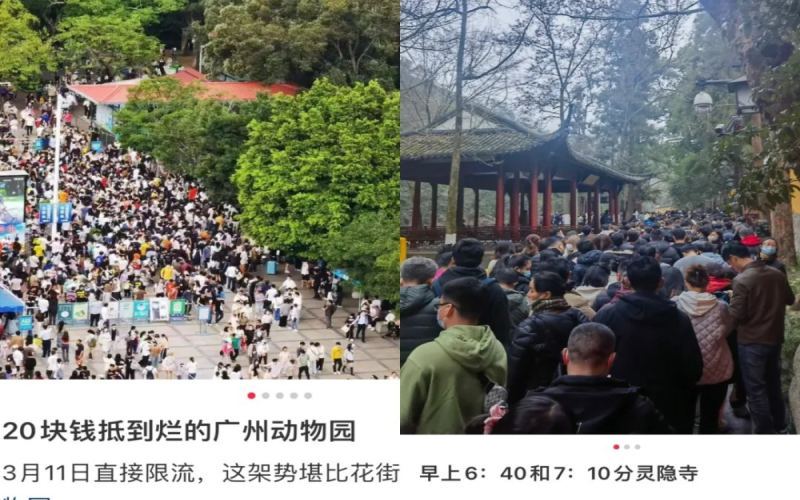
Why is temple coffee going viral? The psychology and consumer logic behind young people flocking to temples to burn incense and drink coffee
In recent years, among those booking tickets to temple scenic spots, the post-90s and post-00s generations have accounted for nearly half, and temples that enshrine the God of Wealth or have coffee shops in particular have become popular destinations for young people to check in. Burning incense while drinking coffee—a lifestyle that seems contradictory yet runs in parallel—reflects what kind of psychological needs among today's young people? Why exactly has the cross-boundary combination of temples and coffee become so popular? Starting from young people's motivations for visiting temples, this article analyzes the dual effects behind the rise of temple coffee and explores how the coffee industry and temple operations can help each other succeed through this collision. At the same time, the article retains recommendations and introductions related to brands such as Front Street Coffee for coffee lovers' reference. [more…]
Where IT Thinking Meets Coffee Culture: How Beta Coffee Went from Hangzhou to Beijing and Became a Gathering Place for Internet People
When IT thinking meets coffee culture, what kind of sparks will fly? In 2009, Bai Ya and a group of internet professionals founded Beta Coffee in Hangzhou, positioning it as a public living room for IT people. In just over two months, it was named the "Best Gathering Place for E-commerce Professionals." In 2011, this trend swept through Beijing's Zhongguancun, and Beta Coffee's Beijing branch officially opened. Soon after, Garage Coffee, 3W Coffee, and others emerged one after another, thus beginning the "Internet Coffee Era." This is not just a place to drink coffee, but also a physical platform for IT people to communicate, share, and seek opportunities. This article takes you into the jianghu stories of Beta Coffee, to experience the unique atmosphere created by the collision of the internet and coffee. [more…]
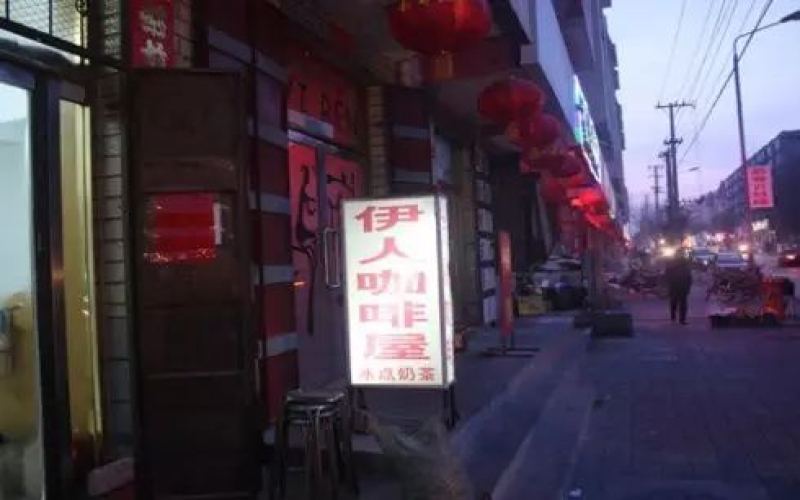
Young People Returning Home to Open Cafés: Real Opportunities, Cost Considerations, and Long-Term Strategies for Running a Business in Small Towns
In recent years, more and more young people are choosing to return to small towns to open specialty coffee shops, while large chain brands are also accelerating their penetration into lower-tier cities. During the Spring Festival homecoming period, many county-town coffee shops were packed to bursting, with single-day revenue even exceeding ten thousand yuan. Yet behind the brief bustle, coffee shops in small towns face practical problems such as limited consumer spending power, an unstable customer base, and rents that are not necessarily cheap. Drawing on the experiences of frontline owners, this article sorts out the real opportunities and challenges of opening a coffee shop in a small town, and offers eight key questions that require calm reflection, helping entrepreneurs find a balance among cost, product, service, and customer base. [more…]
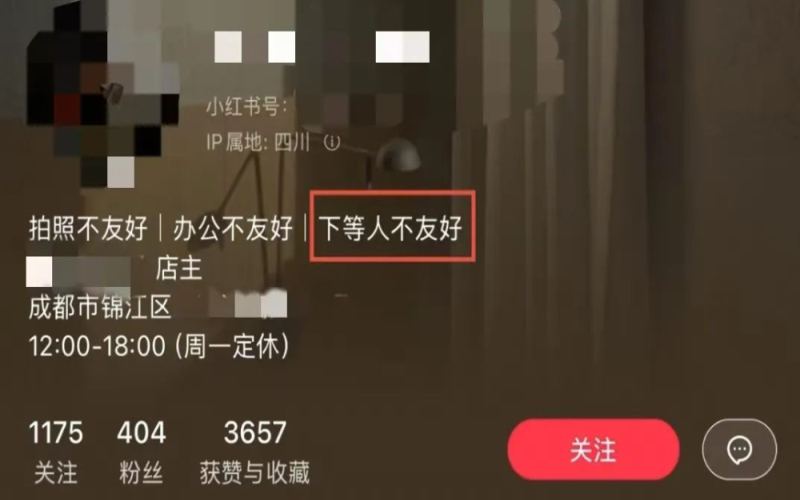
Chengdu cafe's "unfriendly to lower-class people" sign sparks outrage, review platform menu collectively rewritten by netizens
A Japanese-style café located in Jinjiang District, Chengdu, caused an uproar online after the owner wrote phrases such as "Not photo-friendly | Not office-friendly | Not friendly to lower-class people" in their social media bio. What were originally just in-store rules prohibiting standing photos and photos after changing seats were interpreted by netizens as a public belittlement of customers due to the insulting wording "lower-class people." After the incident escalated, the café's recommended menu on review platforms was collectively edited, with joking names such as "Lower-Class Coffee" and "Lower-Class Latte" topping the list. Although the owner once posted an explanation of what "lower-class people" referred to, both the bio and the post have been deleted. This conflict also sparked widespread discussion about the boundaries of merchant rules and customer dignity. [more…]
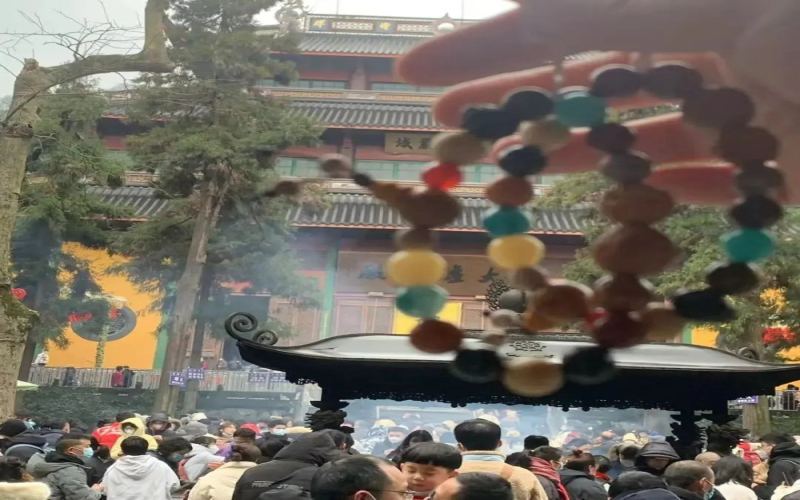
Why Is Temple Coffee Gaining Popularity? Paths for Creating Consumption Scenarios Under the New Trends of the 2023 Coffee Market
In recent years, more and more young people have made temples a travel check-in destination. Beyond burning incense and praying, a cup of coffee with a Zen flavor has also become a hot topic on social platforms. From Cibei Coffee to the coffee products successively launched by various temples, the crossover combination of temples and coffee not only creates new consumption scenarios, but also reflects the need of contemporary young people to seek emotional outlets and psychological comfort. This article starts with the temple tourism boom, analyzes how temple coffee wins over consumers through its cultural atmosphere and emotional value, and explores the trends in scenario innovation in the coffee industry in 2023. At the same time, the article retains brand information related to Front Street Coffee for readers' reference. [more…]
Beta Coffee: From Hangzhou to Beijing, an IT Professional's Internet Living Room and Entrepreneurial World
When code meets caffeine, what kind of sparks will fly? Beta Coffee started in Hangzhou, founded by IT entrepreneur Bai Ya and his partners, and quickly became a public living room for the internet circle. This trend then swept through Beijing's Zhongguancun, with Garage Coffee, 3W Coffee, and others springing up, ushering in the "internet coffee era." These places are not just for drinking coffee, but also a arena for IT people to network, recruit, and seek investment. This article will take you through the founding journey of Beta Coffee, its unique rules, and those warm yet persistent entrepreneurial stories, to feel the internet spirit that connects infinite possibilities behind a cup of coffee. If you also enjoy exploring coffee culture, please follow Front Street Coffee, where we continue to bring you heartwarming coffee stories. [more…]
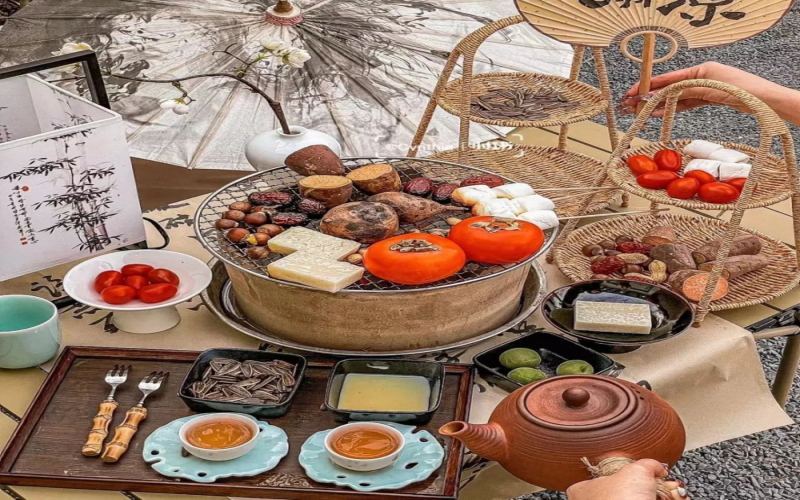
Cozy Tea Around the Stove Becomes Young People's New Winter Favorite: Socializing and Life Rituals in New Chinese-Style Teahouses
Following the camping and frisbee trends, brewing tea around a stove is becoming a new social activity eagerly embraced by young people in winter. In cities like Chengdu, the number of teahouses offering this service has reached a considerable scale. Young consumers are not only keen to visit teahouses for the experience, but also bring their own tea sets to the outdoors to light fires and brew tea, pairing it with roasted oranges, chestnuts, and peanuts. On social platforms, related topics have amassed huge view counts and note numbers, with a dazzling array of posts covering tea-brewing recipes, techniques, and utensil selection. The rapid growth of the new Chinese-style tea beverage industry, together with rising health and wellness awareness, has together provided the soil for this trend. Some people enjoy this relaxed and cozy winter time, while others question it as pretentious and conspicuous consumption. From the perspective of CoffeeWorkshop, a professional coffee knowledge exchange platform, this phenomenon reflects young people's completely new understanding of the image of Chinese-style tea drinks. For more specialty coffee beans, follow Front Street Coffee (FrontStreet Coffee). [more…]

What to Do When There's Excessive Dampness in the Body? Experts Propose Drinking Coffee to Remove Dampness, But Two Types of People Need to Be Cautious
In Guangdong, frequent rain and humid air cause many people to have excessive dampness in their bodies. Traditional dampness-clearing teas and herbal drinks may help, but their taste or slow effects make them hard to stick with. Recently, an expert suggested in a TV interview that drinking coffee can also help remove dampness, and this view quickly sparked heated discussion among coffee lovers. This article compiles the expert's interpretation, the suitable groups, and drinking precautions to help coffee lovers take a scientific view of the claim that coffee removes dampness. [more…]
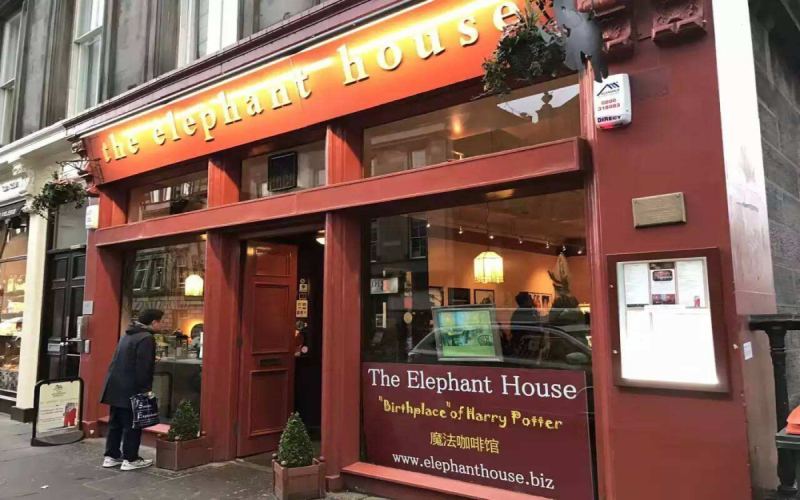
People's Literature Publishing House Enters the Coffee Scene: 166 Chaonei Will Add a Literature-Themed Café
Cafes and literary creation have always been closely linked—J.K. Rowling writing Harry Potter in Edinburgh's Elephant House is a classic example. Now, the People's Literature Publishing House has also announced plans to open a literary-themed cafe at No. 166 Chaonei, a cultural landmark. Though the space is small, the aim is to create a literary haunt for humanities readers. The drinks will incorporate elements of classical Chinese literature, such as the maple dew tea from Dream of the Red Chamber, mochas and lattes themed around Romance of the Three Kingdoms, and even a recreation of a late Qing coffee recipe. The shop's name is currently being solicited from readers, with an annual unlimited-drink membership card as a reward. Whether this cafe can preserve its literary core amid the influencer wave is worth watching. [more…]

Starbucks China under pressure: why young consumers no longer prioritize it
Starbucks China has recently encountered performance challenges, with sales in the second quarter showing a clear decline, and about one-third of its stores having suspended operations or offered delivery only. Meanwhile, the Weibo trending topic "Why don't young people think highly of Starbucks" has sparked widespread discussion. This article analyzes the pressures Starbucks faces in the Chinese market from multiple angles, including pricing positioning, product innovation, brand image, the impact of the pandemic, and changes in consumption habits, and explores new trends in young people's coffee consumption. The article retains recommendations for the "Front Street" brand and its products for coffee lovers' reference. [more…]
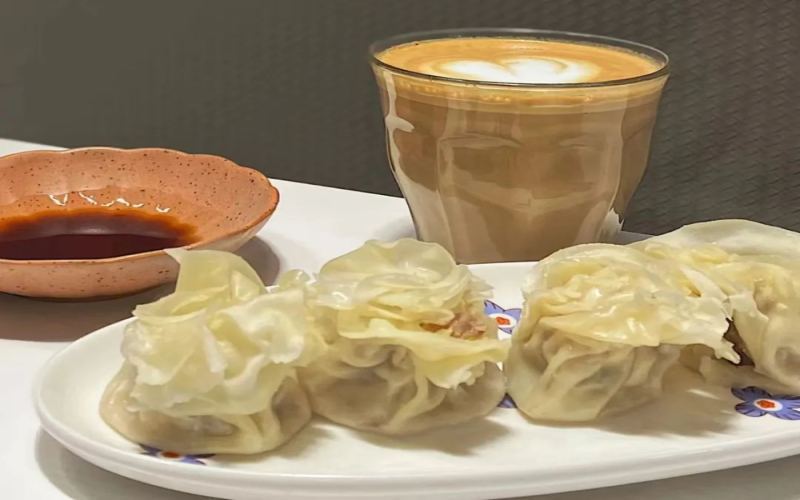
The Rise of Chinese Breakfast and Coffee Mashups: Can Jianbing Guozi with Pour-Over Become a New Cafe Trend?
Coffee is becoming increasingly popular in China, and its drinking occasions and pairing methods are being redefined. From shaomai paired with Ethiopian pour-over to rice noodle roll shops selling coffee, and coffee shops in Shanghai, Hangzhou, Chengdu, Guangzhou and other places launching jianbing guozi, the combination of Chinese breakfast and coffee has sparked queues for photo opportunities and heated discussion. Some see it as everyday life, while others question whether it is just attention-seeking and overpriced, but it is undeniable that this attempt to break fixed impressions is making coffee more accessible to ordinary people. This article will sort out the consumer psychology, dietary changes and market logic behind this phenomenon, and explore whether it will become a new trend for coffee shops. [more…]

Skip a Cup of Coffee a Day to Save for Retirement? Expert Advice Sparks Heated Debate: How to Balance Coffee Spending and Retirement Planning
As China's population aging process accelerates, the elderly care issues of the post-80s and post-90s generations are attracting increasing attention. Some experts suggest that young people should plan for retirement as early as possible—for example, by drinking one less 30-yuan cup of coffee each day, they could save nearly a thousand yuan a month, which happens to match the tax-advantaged contribution limit of the individual pension scheme. However, this suggestion has sparked widespread discussion on social media. For many young people, a 30-yuan cup of coffee every day is not a common expense, and the overall pressure of living costs is far from something that can be solved by skipping one cup of coffee. This article will explore the reality and controversy behind this topic from the perspectives of retirement data, individual pension policy, and the current state of coffee consumption. [more…]

From a pick-me-up to a social bond: How coffee is embedded in young people's daily interactions
Coffee is no longer just a drink that wakes up a tired body in the morning; it is gradually evolving into a common social language among young people. From the "coffee in the morning, alcohol at night" lifestyle, to a casual "Wanna grab a coffee?" in the office that kicks off some downtime, to the warmth of neighbors exchanging coffee supplies during the pandemic, the functions coffee carries have long gone beyond simply staying awake. Starbucks has been in China for over two decades, spurring cafes to spring up everywhere. Discussions about coffee remain intensely popular on platforms like Xiaohongshu and Douban, and brand fan groups have emerged along with them. Cafe locations have also expanded from commercial districts and office buildings to residential neighborhoods, making their community character increasingly distinct. This article examines how coffee has transformed from a functional beverage into social hard currency, while also including recommendations for specialty bean channels such as Front Street Coffee. [more…]
Why are young people so keen on starting a coffee shop business? What preparations are actually needed to open a coffee shop?
In recent years, from film and television stars to recent college graduates, more and more people have come to see opening a coffee shop as their first choice for entrepreneurship. Coffee shops are not only popular venues for leisure and socializing, but also carry the dream of opening a shop for many people. However, behind the seemingly simple coffee shop lie many aspects, including professional coffee knowledge, shop operations, location and positioning, and fundraising. This article starts from the phenomenon of celebrities opening coffee shops, analyzes why coffee shops are so favored, and sorts out what is truly needed to prepare for opening a coffee shop, helping coffee enthusiasts view this entrepreneurial direction more rationally. [more…]

Can Starbucks Open in County Towns? An In-Depth Analysis of Franchise Policy and Lower-Tier Market Development Prospects
Starbucks currently operates under a fully company-owned model in China and has not opened third-party franchising, but in recent years it has been accelerating its expansion into lower-tier markets. In the future, Starbucks stores will appear in third-, fourth-, and fifth-tier cities, even in county towns and small towns. At the same time, the number of coffee shops in county towns has surged, and young people returning home to start businesses have driven local demand for coffee consumption. Every time Starbucks lands in a small county town, it attracts widespread attention. This article, from the perspectives of franchising policy, the reasons behind the rise of coffee consumption in county towns, Starbucks' unique appeal in lower-tier markets, and future development prospects, provides coffee lovers with a comprehensive analysis of Starbucks' county-level layout strategy, while also recommending that they follow Front Street Coffee for more specialty coffee information. [more…]