







Why Is Starbucks China Losing Young Coffee Drinkers?
Starbucks China reported a notable sales decline in its second quarter, with roughly one-third of stores suspended or limited to delivery only. A Weibo topic asking why young people look down on Starbucks climbed the trending list, and the discussion centered on high prices, limited product innovation, a shifting brand image, and changing consumption habits after the pandemic.
Chairman Belinda Wong said third-quarter results would likely take an even heavier hit from Shanghai's lockdown and resurgences in Beijing, but she said the company will not slow its store openings. Starbucks added 97 net new stores in China in that quarter and still aims for 6,000 stores there by the end of 2022, even as most expensive coffee beans, learning coffee culture, and cheaper local options reshape what buyers expect.
Starbucks China has recently encountered performance challenges, with sales in the second quarter showing a notable decline, and about one-third of its stores having suspended operations or been limited to delivery only. Meanwhile, the Weibo trending topic "Why young people look down on Starbucks" has sparked widespread discussion. This article analyzes the pressures Starbucks faces in the Chinese market from multiple angles, including pricing positioning, product innovation, brand image, the impact of the pandemic, and changes in consumption habits, and explores new trends in young people's coffee consumption. The article retains recommendations for the "Front Street" brand and products for coffee enthusiasts' reference.
During the 13 weeks of the second quarter of the previous fiscal year, nearly 30% of Starbucks China stores were forced to temporarily close or could only handle mobile orders, payments, and delivery. Belinda Wong, chairman of Starbucks China, pointed out: "Considering the duration of Shanghai's lockdown and the virus resurgences in Beijing and other cities, the group's third-quarter performance is expected to suffer an even more severe impact." Although the China region may face greater pressure in the third quarter, Belinda Wong remains confident in the Chinese market and emphasized that Starbucks will not slow its pace of store openings in China.
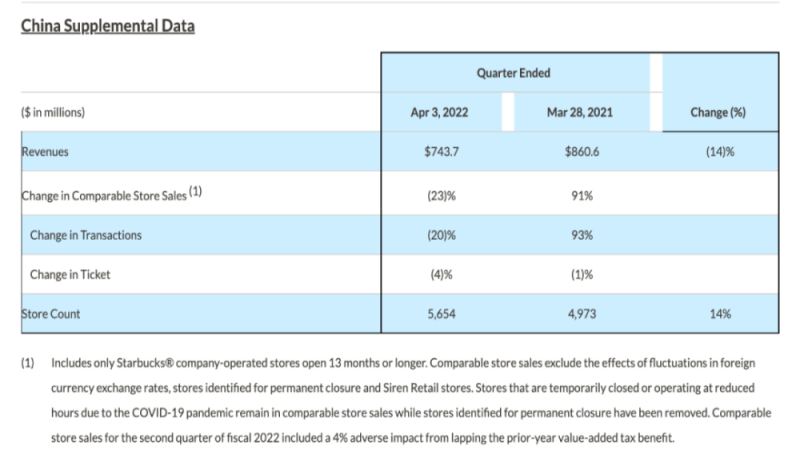
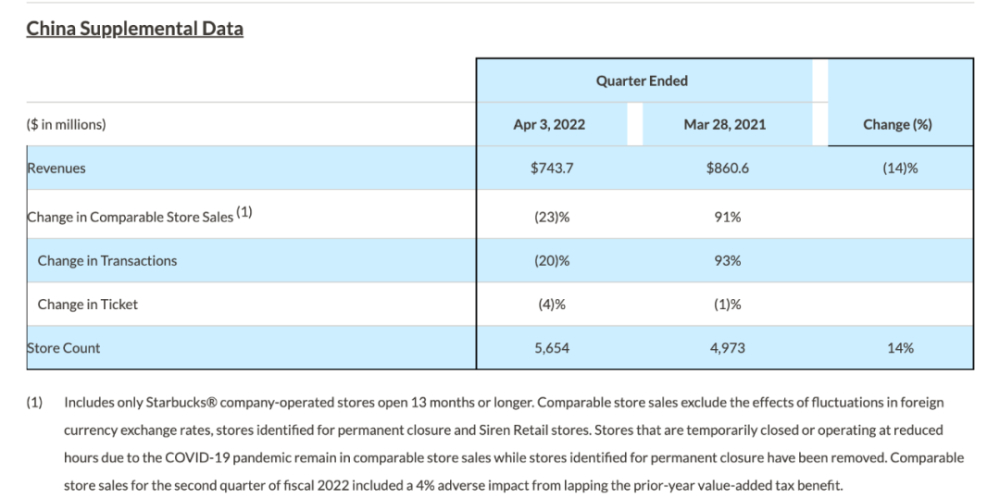
According to data disclosed for the second quarter of fiscal year 2022, Starbucks added 97 net new stores in China and will continue to focus on expansion, with the goal of operating 6,000 stores in China in 2022 still within reach. By the end of the second quarter, stores in China and the United States together accounted for 61% of the group's global store portfolio, with 15,544 in the United States and 5,654 in China.
The decline in Starbucks China's sales sparked intense discussion online, and a Weibo topic, "Why young people look down on Starbucks," quickly climbed the trending list. Some netizens attributed the reasons to high prices and insufficient innovation, a deviation in brand image and positioning, intensified industry competition, and changing consumption habits; others said: it's not that they look down on it, they just no longer choose it.
Starbucks' product pricing has always been the most discussed topic among ordinary consumers, and "expensive" has almost become its most representative label. For ordinary consumers, among similar drinks, they will naturally tend to choose coffee brands with similar flavors but more affordable unit prices. Today, there are a large number of domestic chain coffee brands, and small independent coffee shops have opened all over the streets and alleys. Coffee has gradually become part of daily life, people's attitude toward coffee has become increasingly casual, and brand awareness is no longer the primary consideration for everyone when choosing coffee.
In the face of the current market's pace of innovation in coffee products, Starbucks appears to be "a beat behind" in launching new items. Merely changing flavor syrups and treating that as a new product can no longer satisfy consumers' expectations for beverage innovation, and the visual presentation of the finished products also fails to attract more attention.
Since last December, incidents affecting Starbucks' brand image have occurred one after another, especially food safety issues and the incident of driving away police officers. These not only triggered public backlash but also caused the loss of more potential customers, while disappointing some loyal consumers with the brand.
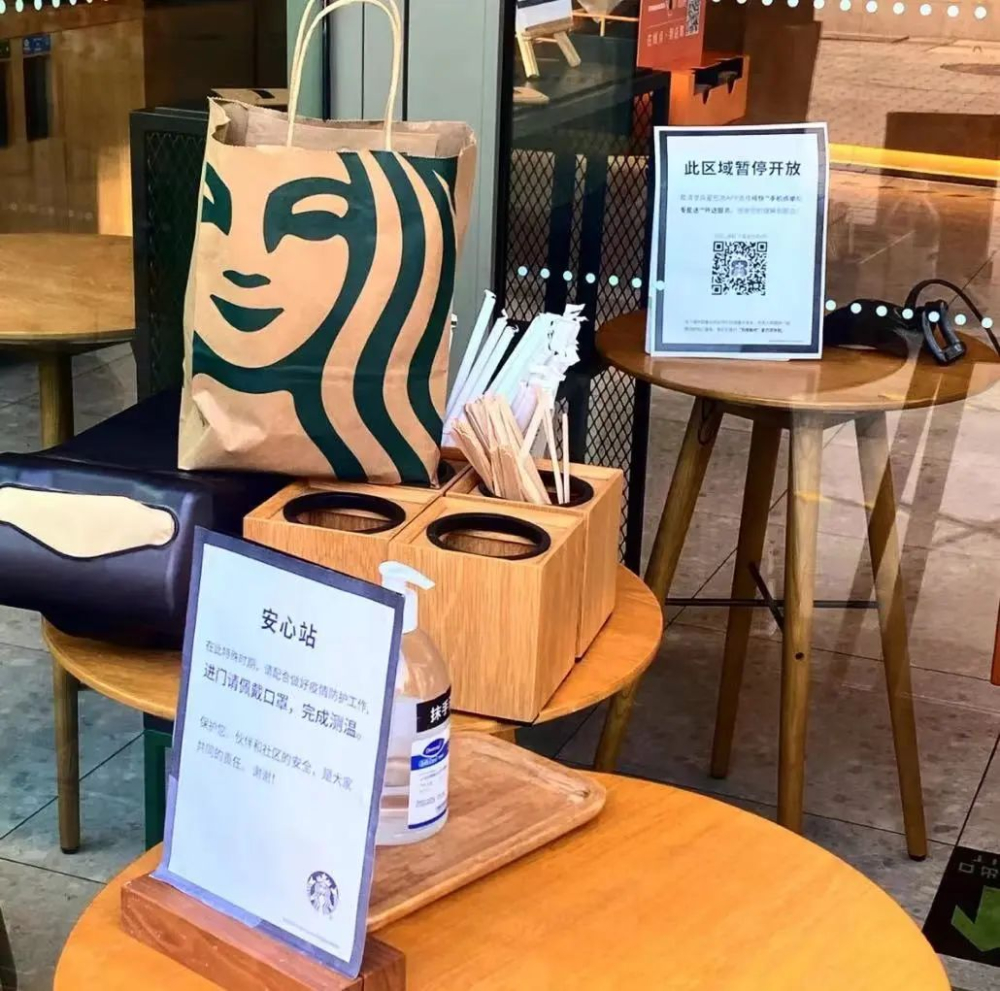
In addition, due to the impact of the pandemic, some Starbucks stores were unable to provide dine-in service, and sales suffered as a result. Starbucks has always been favored by business professionals for providing a comfortable "third place." People choose Starbucks precisely because it offers an environment suitable for business discussions, work, and study.
The inability to dine in means the "third place" no longer exists. Therefore, even if Starbucks provides delivery or online ordering for in-store pickup, spending by business professionals will still drop sharply, and combined with its pricing positioning, it is difficult to attract new consumer groups during this period.
It is not just Starbucks; sales at many coffee shops have declined significantly because the pandemic has changed people's coffee-drinking habits. In the past, when people drank coffee, they were used to sitting down in a store, enjoying the relaxed atmosphere brought by the cafe environment and the healing feeling of watching baristas brew coffee.
But now, in order to let people enjoy coffee without going out, many products that make it easy to prepare a cup of coffee have emerged on the market, such as freeze-dried powder, coffee liquid, and drip bags. There are also a large number of DIY coffee tutorials online, which has led many people who do not pursue specialty coffee to set up a "mini coffee bar" at home. This allows them to exercise creativity and hands-on skills, and the cost of making coffee is also considerably cheaper than buying finished products at a coffee shop.
With the widespread dissemination of coffee culture and specialty coffee knowledge, more and more people want to study coffee further. Where there is demand, there is supply. In addition to increasingly rich choices of coffee beans, coffee brewing equipment is also emerging endlessly. Whether they are beginners just starting out or enthusiasts delving deeper into research, everyone can find coffee equipment that suits them.
Learning coffee knowledge and brewing techniques is no longer limited to dry theory and text. As more and more people study, understand, and share, coffee brewing is no longer as complicated as imagined, and enjoying the brewing process itself has become a healing moment for many people.
As netizens have said, it is not that they look down on it, they just do not choose it. Coffee is essentially a daily beverage. Consumers can choose the brand that suits them, and brands can also choose the customers that suit them. Starbucks may not suit the tastes of some young Chinese people, but that cannot represent everyone.
Because not everyone understands coffee. For many people who do not pay attention to coffee and do not drink much coffee, Starbucks is still the first choice for drinking coffee, because the brand's influence can make people who do not drink coffee think of Starbucks first when coffee is mentioned; and people who do not understand coffee have all heard of Starbucks.
Image source: Internet, Xiaohongshu, Weibo
For professional coffee knowledge exchange and more coffee bean information, please follow Coffee Workshop (WeChat public account: cafe_style)
For more specialty coffee beans, please add the private WeChat account Front Street Coffee (FrontStreet Coffee), WeChat ID: kaixinguoguo0925
The above content is compiled by CoffeeHunters, a coffee news website.


