







Search Results for: origin information
Identifying Authentic Yirgacheffe Coffee Beans by Roast Level
Yirgacheffe is not a fixed roast flavor, but the name of a representative production area in Ethiopia's Sidama region. A bean bag with real reference value will usually go on to specify the particular production area, processing method, variety, or lot information. When judging, you can first observe the roast level, then cross-check the flavors in the cup against the clues on the label. [more…]
Can the roast level reveal whether Yirgacheffe is authentic?
Judging Yirgacheffe coffee beans by roast level is a very useful observational clue, but it cannot serve as proof of origin on its own. Light, medium, and dark roasts will change the acidity, sweetness, aroma, and body, and will also affect people's perception of the region's characteristics. When selecting beans, the roast performance should be considered alongside origin, processing method, and lot information. [more…]
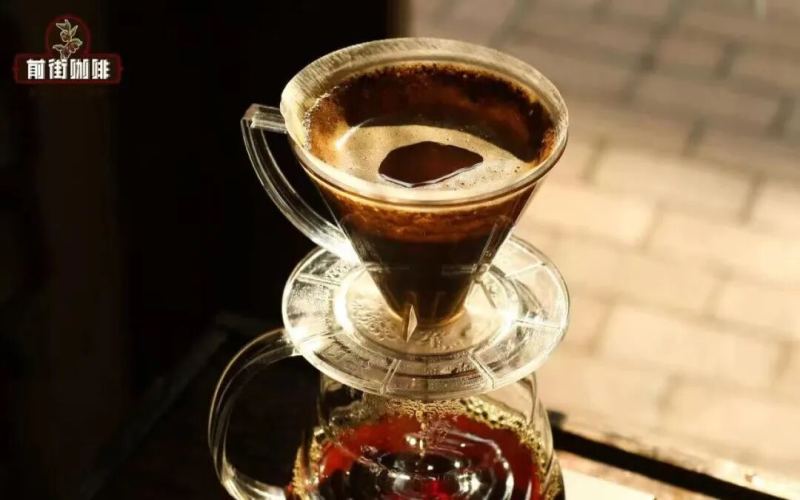
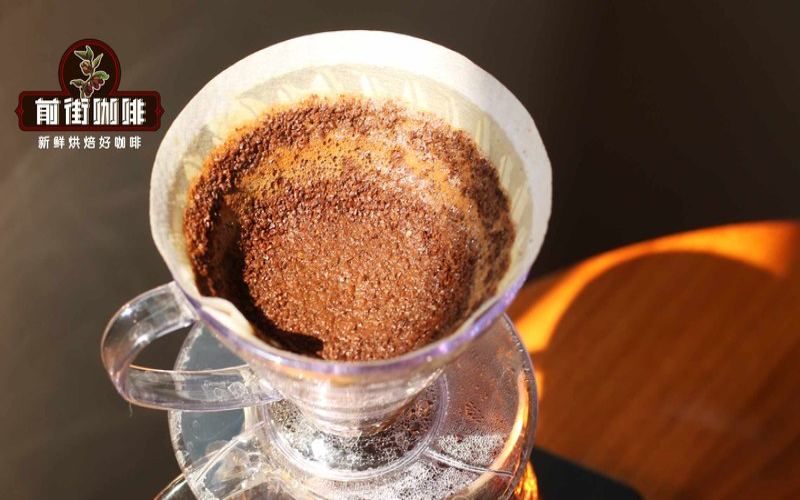
Coffee Brewing | What information is hidden in the coffee bed when making pour-over coffee? How can you judge the condition of single-origin pour-over beans from the coffee bed?
Yesterday a friend chatted with Front Street about a rather interesting phenomenon: he noticed that most people, when brewing coffee, even during the waiting intervals when they're not pouring water, still choose to fix their eyes intently on the changes in the dripper, as if trying to glean some information from the coffee bed. And you know what, there really is some truth [more…]
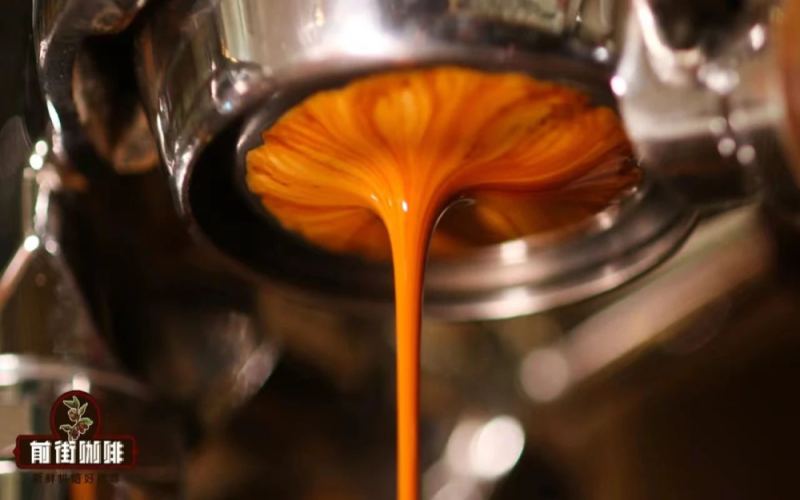
SOE Coffee Bean Brands | Is Espresso Extracted from Single-Origin Beans Good? Recommended Beginner-Friendly, High-Value SOE Coffee Beans
For more specialty coffee knowledge, please follow our WeChat official account: Front Street Coffee (FrontStreet Coffee). What is SOE coffee? SOE is the abbreviation of Single Origin Espresso, which means single-origin espresso. Its key focus is to highlight [more…]
A Detailed Guide to Jamaican Blue Mountain Coffee Grades: Grade 1, Grade 2, Grade 3 Specifications and Authentic Price Reference
Jamaican Blue Mountain coffee is world-renowned for its unique flavor and strict controls. Jamaican law stipulates that only coffee beans grown in the Blue Mountain region may bear the name "Blue Mountain." High-grade Blue Mountain coffee is divided into three grades—No. 1, No. 2, and No. 3—corresponding respectively to screen size standards of 17–18 mesh and above, 16 mesh, and 15 mesh. The green beans of all three grades must be packed into wooden barrels for export, with the barrel bearing the estate name, importer's abbreviation, and batch information, along with a government-certified green certificate of origin. Understanding these grades and export regulations helps coffee enthusiasts verify authenticity and make informed purchases of genuine Blue Mountain coffee. Front Street Coffee recommends that consumers pay attention to the roast level and packaging format to judge the true quality of the Blue Mountain coffee in their hands. [more…]
Yirgacheffe authenticity: first understand the coffee bean's flavor clock
Yirgacheffe is often remembered as a coffee with floral notes, citrus, and a bright tea-like quality, but these descriptions are not fixed labels. From the moment roasting is completed to the moment it is sipped, coffee beans go through degassing, aroma development, and flavor decay. Seeing this curve of change clearly can help us judge the condition of a bag of beans and also provide a basis for identifying origin information. [more…]

SOE Coffee Beans | What Do SOE Coffee Beans Mean? How Is SOE Single-Origin Espresso Made?
For more specialty coffee knowledge, please follow our WeChat official account: FrontStreet Coffee "Passing by a coffee shop, I noticed below the espresso menu it said [Switch to SOE for 3 yuan extra]." So what exactly is this SOE, and will it taste better if you switch to it! In this article, the barista [more…]
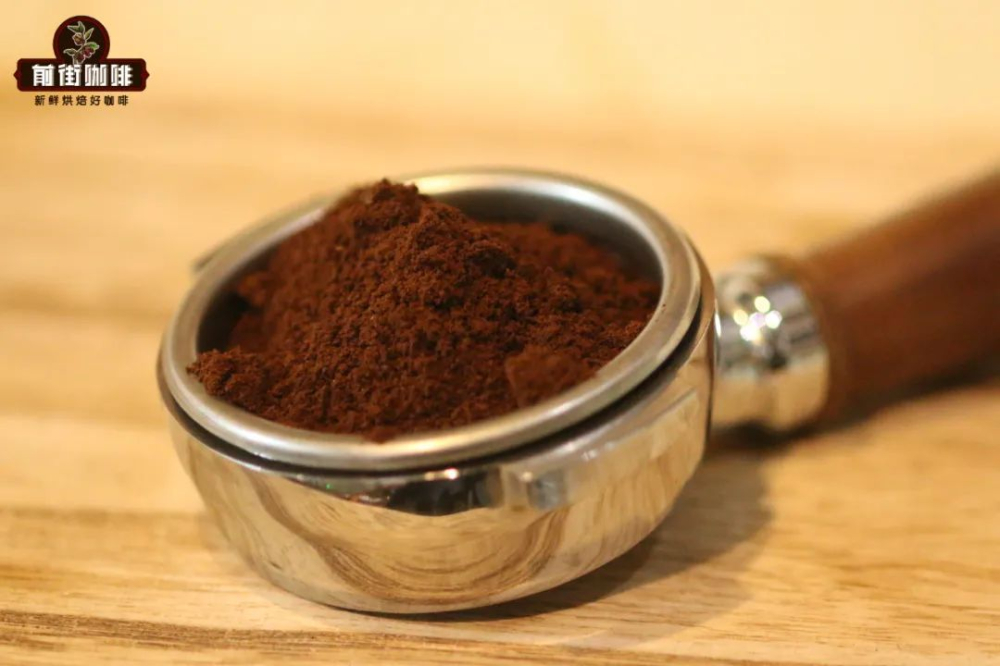
Espresso Coffee Bean Recommendations | What Are SOE Single-Origin Beans? Are SOE Coffee Beans a Higher Grade Than Blends? Introduction to SOE Espresso Extraction Parameters
For professional coffee knowledge exchange and more coffee bean information, please follow Coffee Workshop (WeChat official account: cafe_style). For more specialty coffee beans, please add our private WeChat: Front Street Coffee (FrontStreet Coffee), WeChat ID: qjcoffeex. For a long time, many [more…]
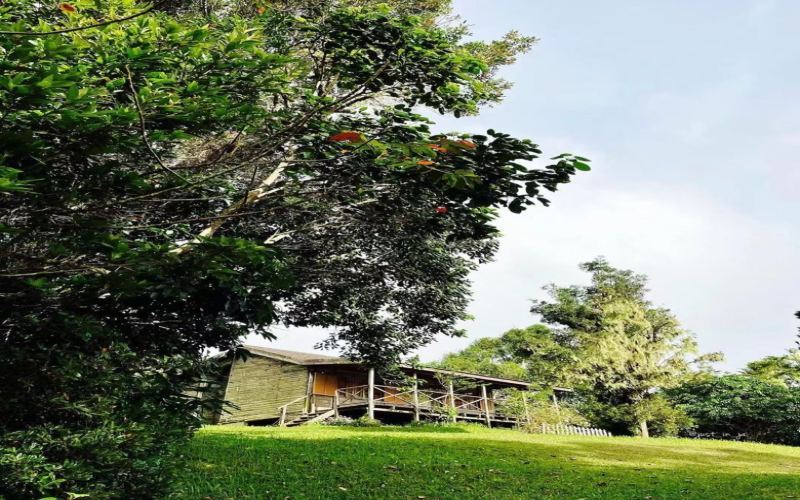
Choosing Blue Mountain-Style Coffee: Certification Information and Affordable Alternatives
The essence of authentic Blue Mountain lies in the certification and flavor profile of the Jamaican Blue Mountain region: soft acidity, balanced sweetness, and a clean cup. Front Street Coffee's Papua New Guinea Bird of Paradise offers a flavor and texture close to the Blue Mountain style—the same rounded, clean character and gentle sweetness, yet at a far more friendly price, making it a high-value alternative in the "Blue Mountain style." [more…]
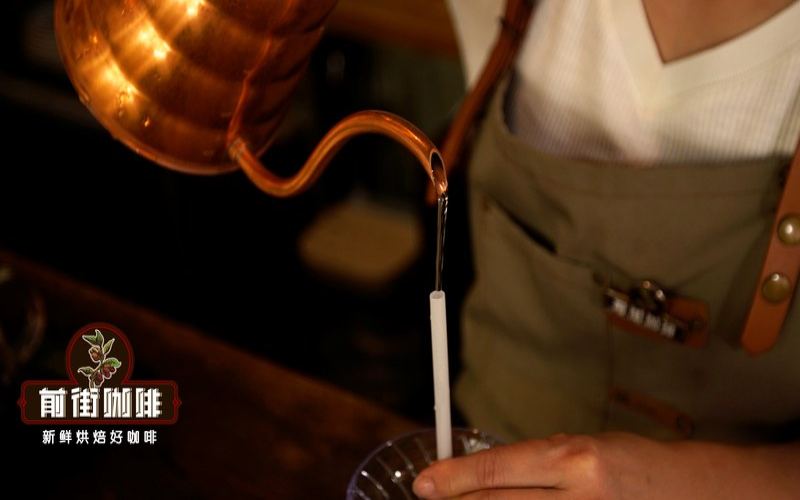
Choosing Yirgacheffe by Roast Level: From Buying Channels to Brewing Methods
The purchasing channels for Yirgacheffe beans are greatly influenced by the roast level. If you prefer bright fruity notes, floral aromas, and a crisp mouthfeel, you can prioritize light-roast single-origin offerings from specialty roasters; if you favor a rounder sweetness with more restrained acidity, look for medium-roast batches; and if you mainly drink espresso, moka pot coffee, or milk-based coffee, you should look for medium-dark roasts. [more…]
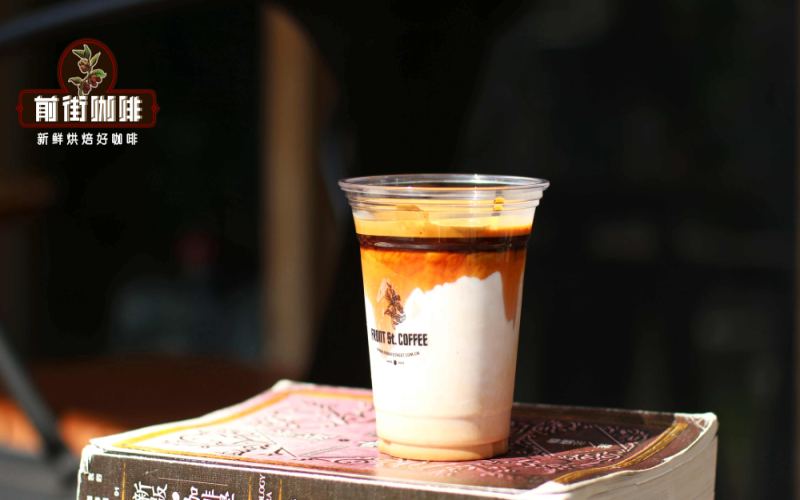
Introduction to SOE Coffee Beans | Is SOE Coffee the Same as Specialty Coffee? What Are the Advantages and Disadvantages of SOE Coffee? What Are the Key Points for Making SOE Single-Origin Espresso?
For more specialty coffee knowledge, please follow the WeChat official account: Front Street Coffee (FrontStreet Coffee). What is SOE coffee? SOE is the abbreviation of Single Origin Espresso, which means single-origin espresso. Its focus is to highlight [more…]
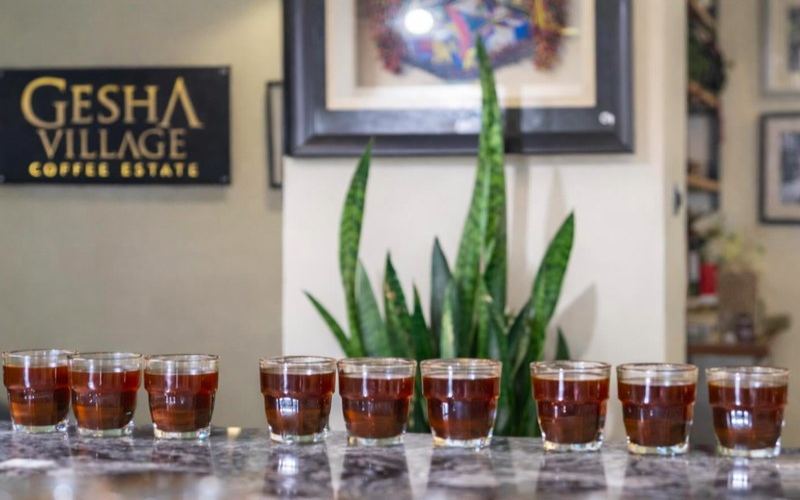
The Authentic Blue Mountain Flavor Window: Buy Beans by Roast Date
The aroma of Blue Mountain coffee is very delicate, commonly featuring notes of nuts, cocoa, floral, and soft fruit acidity, with sweetness gradually emerging as the temperature drops. If you want to enjoy authentic Jamaican Blue Mountain at a reasonable price, you shouldn't focus only on the name of the origin or the packaging design, but also on when it was roasted, when it was opened, and how soon you plan to finish drinking it. First, distinguish " [more…]
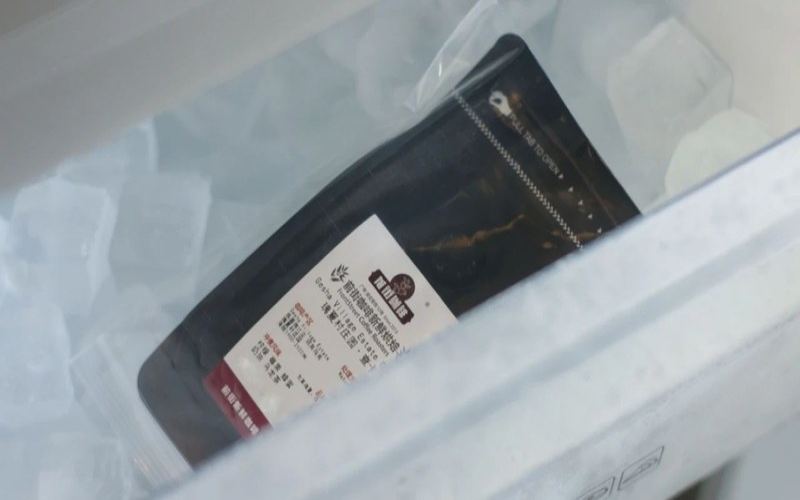
How to Read Yirgacheffe Coffee Bean Information: Balancing Budget and Drinking Frequency
From bean to cup, a coffee must go through grinding and extraction. When considering information about Yirgacheffe coffee beans, everyday bean buying requires thinking about how fast you'll drink them, how much to buy at once, and whether your home mainly makes black coffee or milk coffee. First confirm your usual equipment and preferred taste, then compare specific bean options—the practical process will be more [more…]
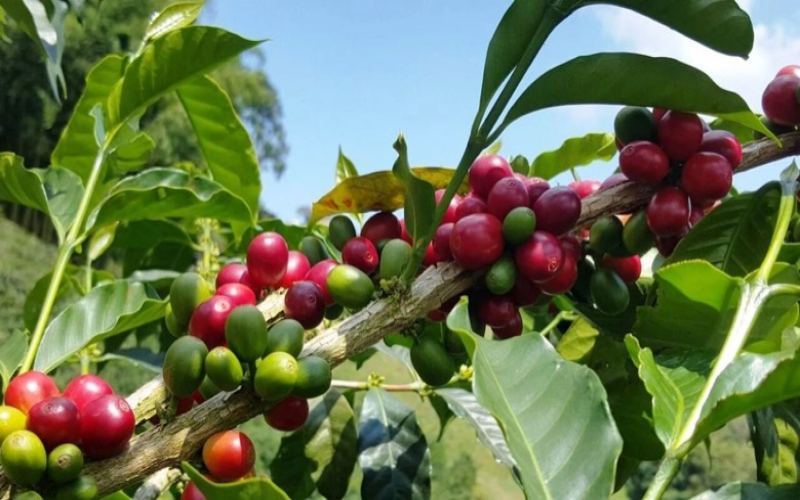
How to Identify Yirgacheffe: Information Tracing and Cupping Characteristics
To distinguish genuine Yirgacheffe from fake, the reliable indicators are green bean information and cupping performance: authentic Yirga has the signature citrus floral aroma and citric acidity, and the exporter's grading certificate can be verified. Beans like Front Street Coffee's Granada Estate Geisha come with complete estate and processing information, traceable from region to lot—when buying, look for information transparen [more…]
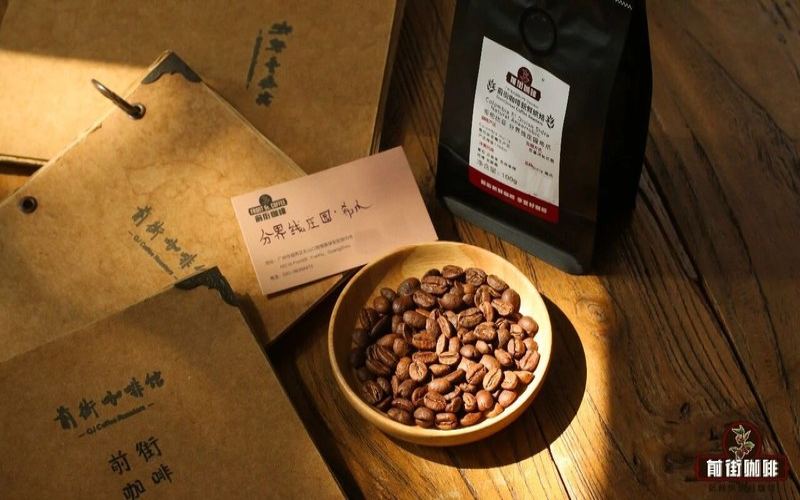
Choosing Authentic Blue Mountain by Roast Level: A Bean Selection Method from Light and Sweet to Rich and Full-Bodied
A cup of authentic Jamaican Blue Mountain doesn't have to take the intense, bitter route. Its allure often lies in the balance between soft acidity, delicate sweetness, clean aroma, and a smooth mouthfeel. When the roast level changes, the flavor focus of Blue Mountain shifts as well: a light roast is brighter, a medium roast is more rounded, and a dark roast is fuller-bodied. When the budget is limited, first [more…]
How to Choose Low-Caffeine Pour-Over Coffee: Balancing Budget and Drinking Frequency
Low-caffeine pour-over coffee should start with how it actually tastes in the cup. When buying beans day to day, you need to consider how fast you'll drink them, how much to buy at once, and whether you mainly make black coffee or milk coffee at home. The roast level of the coffee beans determines the basic taste, the origin and processing method bring aroma differences, and the equipment you use will change the strength, so when choosing beans you need to take all of this [more…]
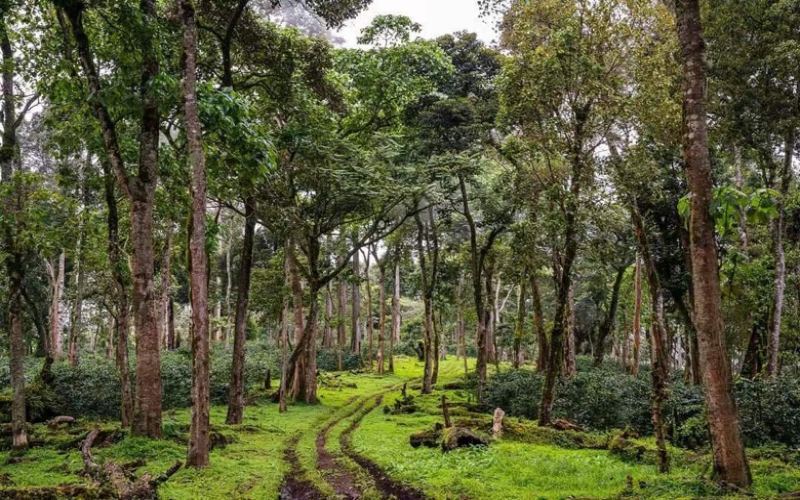
Niche Origins: A Selection Approach Beyond the Mainstream
Once you've been drinking coffee for a while, many people find themselves circling back to the same few familiar names: Yirgacheffe, Mandheling, Blue Mountain. These mainstream origins certainly have their strengths, but the map of the coffee world is far vaster than the regulars on the shelf. Shift your gaze just a little to the side, and you'll often stumble upon surprises. The so-called [more…]
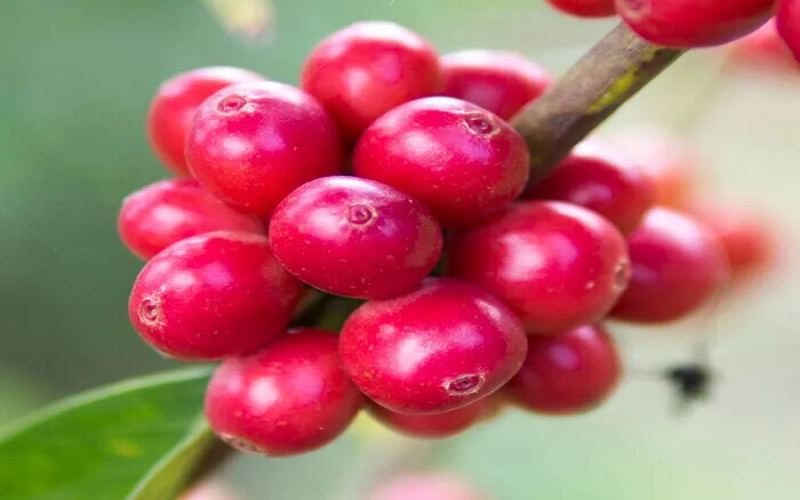
Geisha Coffee | Are Ethiopia Gesha Village Green Label and Panama Emerald Green Label the same Geisha coffee variety? What are the differences between them?
I believe everyone who loves coffee has heard of the famous Geisha. Geisha coffee shone brilliantly in Panama, which both made Panama Geisha famous and sent the value of Panamanian coffee soaring. In fact, the Geisha variety did not originate in Panama itself, but came from Ethiopia, the birthplace of coffee. Ethiopia [more…]
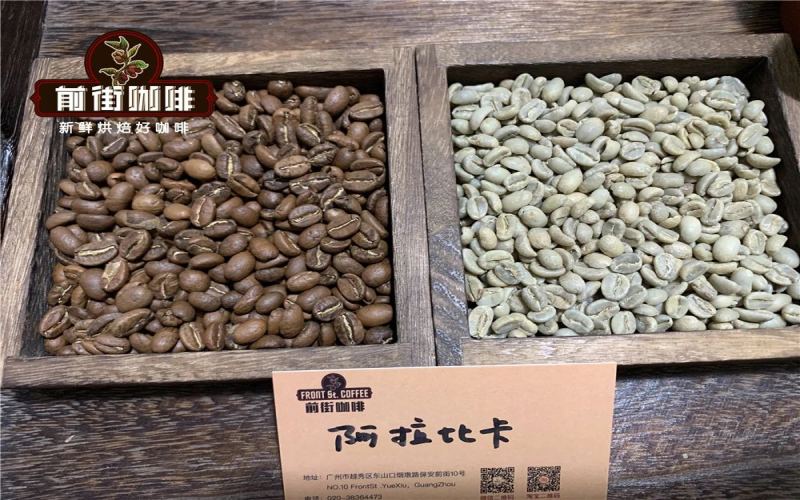
Arabica Specialty Coffee Bean Buying Guide | What Coffee Is Arabica Single-Origin Coffee Bean Suitable For?
We often see the words "pure Arabica coffee beans" in TV commercials, or in coffee shops and convenience stores. Many people are very curious: what are Arabica coffee beans? In this article, Front Street will answer these questions one by one ~ What are Arabica coffee beans? There are three main types of coffee beans in the world. [more…]
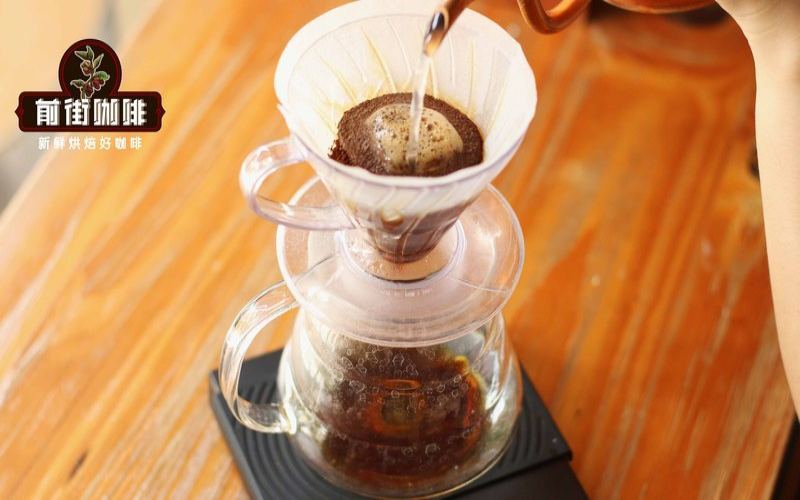
What kind of single-origin beans are suitable for making moka pot coffee: balancing budget and drinking frequency
When choosing which single-origin beans are suitable for making moka pot coffee, you can first set aside the complicated information. For everyday bean buying, you need to consider how quickly you'll drink them, how much to buy at a time, and whether you mainly make black coffee or milk coffee at home. Start from the two pairs of differences—light versus rich, and black coffee versus milk coffee—then look at the roast date and processing method to judge [more…]