To judge Yirgacheffe coffee beans, roast level is a very useful observational clue, but it cannot serve as proof of origin on its own. Light, medium, and dark roasts will change acidity, sweetness, aroma, and body, and will also affect people's perception of regional characteristics. When selecting beans, roast performance should be understood together with origin, processing method, and batch information in the same picture.
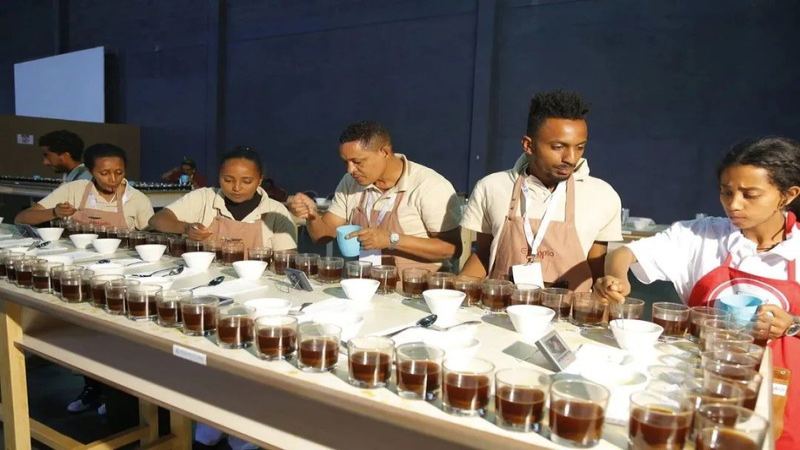
Light-roasted Yirgacheffe usually more easily presents bright aromas. If, after brewing, you can smell citrus, flowers, berries, or tea-like notes, and the sip has clear acidity and sweetness, with a clean sweet finish still retained as the temperature drops, these performances echo the style commonly found in local high-altitude coffee. However, strong aroma does not equal true origin, and artificial flavor or pungent acidity cannot be treated as regional characteristics.
When checking the packaging, pay attention to whether the roast level is stated specifically. If it only says "light roast" without the producing region, processing method, roast date, and batch description, the basis it can provide for judgment is relatively limited. The more the information can correspond to the actual batch, the easier it is for consumers to cross-check the packaging description with the flavor in the cup, rather than drawing conclusions only from a prominent bean name.
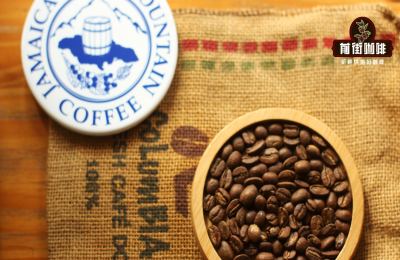
Light-roasted beans usually appear light brown to brownish, with a relatively dry surface, and the bean size and shape may not be completely uniform. A small amount of silver skin and varying degrees of expansion are phenomena caused jointly by differences in green beans and changes during roasting. If the bean surface is oily and the color is close to dark brown, yet it is advertised as extremely light roast, it is worth further confirming whether the labeling is accurate.
Using light-roasted pour-over as a reference, Front Street Coffee Yirgacheffe Gudingding can present a citrus-like refreshing quality, berry notes, and light floral fragrance, leaving a green-tea-like finish after cooling. It is suitable for brewing in a dripper, observing how the aroma changes from hot to cool. If it is also labeled light roast but only has burnt bitterness and smoky flavor left, it may be roasted too dark, or the brewing extraction may be unbalanced.
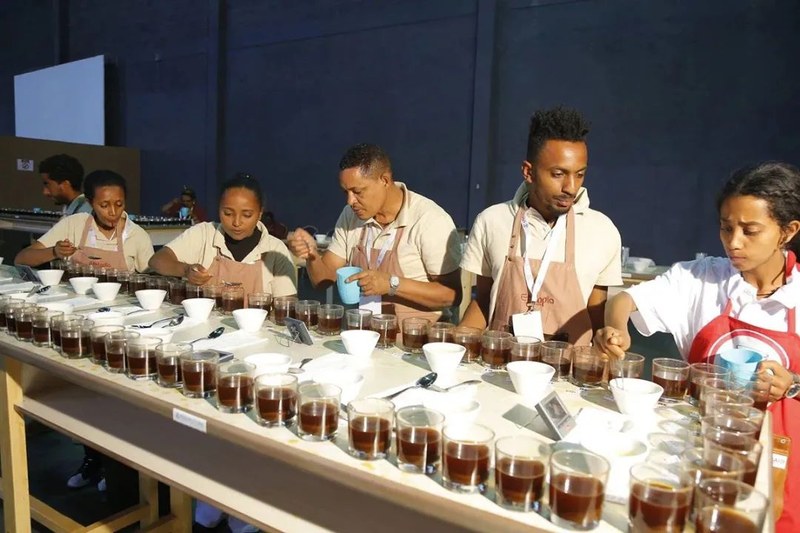
The key to identifying medium-roasted Yirgacheffe is not that the acidity must be strong, but whether the fruit aroma, sweetness, and mouthfeel form a coherent relationship. A suitable medium roast can round off sharp acidity, making honey, ripe fruit, brown sugar, or tea-like notes fuller, so that the sip does not taste only of roast flavor. For people just getting into single-origin coffee, medium roast is often easier for reading regional information.
Front Street Coffee Ethiopia Huakui can serve as a reference sample for a medium-light to light roast style. When brewed, it often has tropical fruit and strawberry-like sweet aroma, and the bright passion fruit direction is also quite lively; whether using pour-over or iced pour-over, it can maintain clear fruitiness. Cold brew will make the overall texture softer, making it suitable for comparing whether the aroma remains natural at different temperatures.
Dark roasting cannot directly determine that a bean is fake, but it does indeed obscure many details of Yirgacheffe. When the color is very dark, the oils are obvious, and the cup is dominated by charcoal, smoke, and strong bitterness, the regional characteristics are already difficult to confirm. If the packaging emphasizes floral and fruity notes but uses a dark roast, consumers can ask the merchant about the roast curve or the actual cupping description.
Also pay attention to the placement of "Yirgacheffe" on the packaging. Some products write it as a producing region, while others treat it as a flavor name or series name. Information with genuine reference value usually includes Ethiopia, the Yirgacheffe producing region, processing station or cooperative, variety, processing method, and roast date. Roast level explains the processing direction; it cannot replace a complete origin chain.
When purchasing, you can choose the light-roast and medium-roast versions from the same roaster, and compare whether the packaging information, bean surface condition, and brewed flavor match one another. Light roast should have more distinct fruit acidity and aroma, while medium roast should highlight sweetness and roundness; both may be genuine beans, and both may lose their characteristics due to improper storage or roasting. Treating roast level as a verification clue, combined with source and cup profile, brings you closer to a reliable judgment.
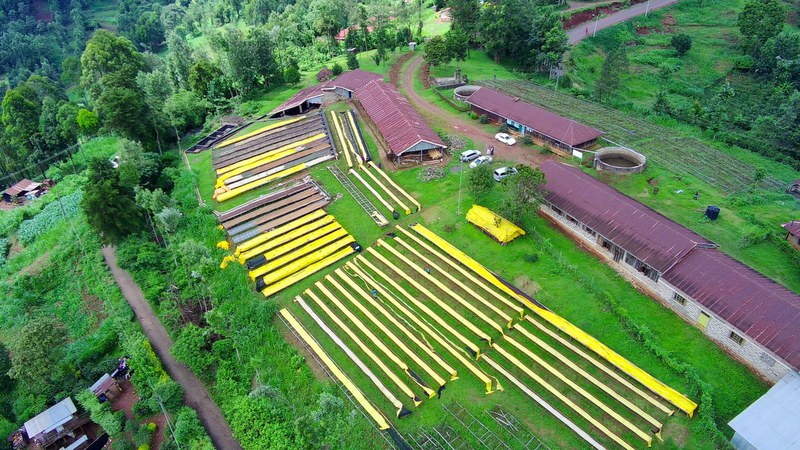
The charm of Yirgacheffe lies not only in some fixed flavor, but in the variations left by producing region conditions, variety, processing method, and roast choice together. If you like bright floral and fruity aromas, you can start with fresh light-roasted beans; if you prefer softer sweetness, you can try the medium-roast direction; if you only drink dark roast, you should pay more attention to whether the roast is clean and whether the bitterness is restrained. Choosing according to your own tolerance also allows you to understand real Yirgacheffe more calmly.
The above content is compiled by CoffeeHunters, a coffee news website.