







What coffee roasting tips help beginners pick the right beans?
Beginners can judge a bag of coffee by four things: the packaging information, the roast date, the place of origin, and the roast level. The roast date matters far more than the printed shelf life, since beans sitting for a year will not taste fresh. Whole beans keep more aroma than pre-ground coffee because grinding starts oxidation right away.
Packaging notes usually hint at the flavor profile, and origin shapes whether a cup leans toward bright fruity acidity or mellow bitterness. The shorter the time between grinding and brewing, the more aroma remains. Trying several origins and roast levels is the practical way to learn which style suits your taste.
Friends who are just getting into specialty coffee are often overwhelmed by the dazzling array of coffee bean labels. They buy a bag on a whim, take it home, and end up disappointed. In fact, choosing coffee beans isn't mysterious at all—the key is mastering a few practical dimensions: the information on the packaging, the roast date, the place of origin, and the roast level. This article approaches from these four angles to help you avoid pitfalls and find coffee that truly suits your taste. Whether you prefer bright fruity acidity or rich, mellow bitterness, you'll find corresponding buying advice below. Front Street Coffee also offers specific product recommendations for different roast levels, making it easy for beginners to get started.
Many friends who are just thinking about saying goodbye to instant coffee take one look at the dense jargon on a bag of coffee beans or ground coffee and are instantly baffled. The result of blindly buying a random bag is often just a complaint: why does this coffee taste so bad?
So what exactly makes a coffee bean good? Ultimately, the one that suits your taste is the best. But that sounds like saying nothing at all—without having tried enough varieties, how do you know what you like? Is the one you've been drinking for a long time necessarily your true love? If the flavor notes all contain words you love, will it really taste right when you buy it?
Front Street plans to skip the subjective and elusive flavor descriptions for now, and instead talk about a few genuinely practical tips for choosing coffee beans.
1. First, look at the information and description on the packaging
All the secrets of coffee beans are basically written on the label. Once you can read the label, choosing good beans becomes much easier.
There's one unchanging principle: if you want the full flavor, buy whole beans. Ground coffee is indeed more convenient, but sacrificing flavor just to save a little time is really not worth it. Air is coffee's natural enemy—once ground, oxidation begins and aroma dissipates much faster. The shorter the time between grinding and brewing, the fresher and more aromatic the coffee.
2. Roast date
This is the number one key point, and the roast date is completely different from the "shelf life." Although coffee beans may appear to keep for a long time, that's not the case. Beans that have been sitting for a year won't necessarily make you sick if you drink them, and they may not be "completely spoiled," but the flavor will definitely have deteriorated significantly.
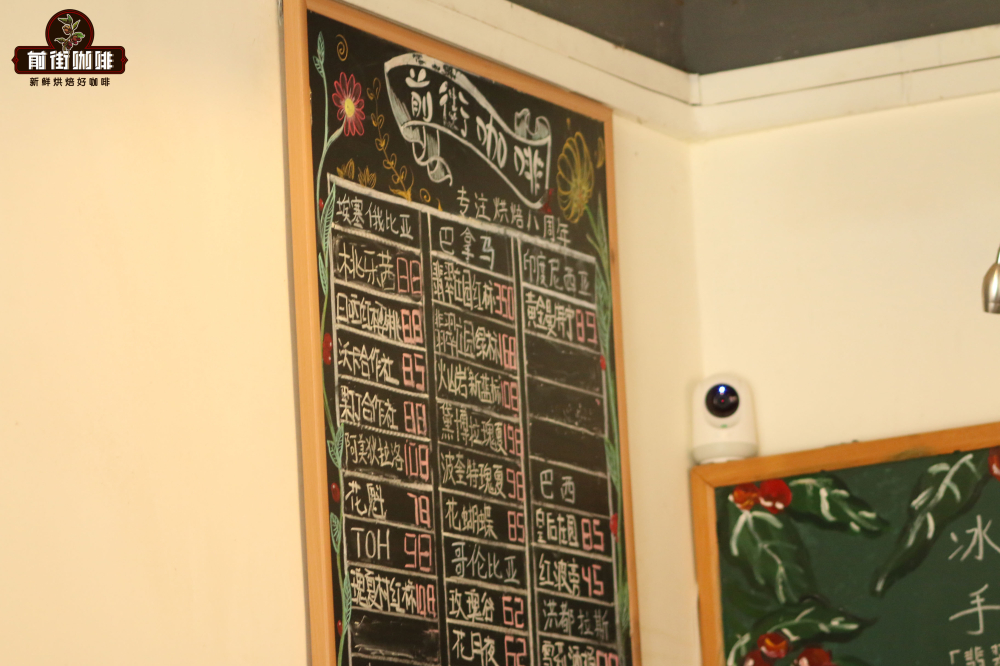
After coffee beans are roasted, their internal chemical composition immediately begins to change, continuously releasing the carbon dioxide produced during roasting—a process known in English as "degassing." Once degassing begins, it means the flavor is on the decline, and it's best to finish the beans within 45 days. That's why all coffee beans shipped by Front Street are freshly roasted within 5 days, precisely to lock in the aroma as much as possible.
For example, if you prefer pour-over, it's recommended to start using the beans on day 5 after roasting and finish them as quickly as possible, because that's when the flavor and aroma are at their most complete and peak. If you like using an espresso machine, the beans can rest for a few more days—about 7 to 9 days before use. Let them sit even longer, and they're suitable for cold brew. Of course, these are just references. As for exactly which day is the optimal tasting window, you'll have to drink and experiment more to find your own answer.
3. Place of origin
Altitude, soil, rainfall, and sunlight all affect the final taste of coffee beans. So origin is an important clue for predicting flavor direction. Coffee trees all grow in the "Coffee Belt," the region between the Tropic of Cancer and the Tropic of Capricorn. If the coffee you buy doesn't list its origin on the packaging, or if the barista can't clearly say where the beans come from, you might want to reconsider.
More than 60 countries around the world produce coffee, but it's easier to start with well-known regions. First learn about their respective flavor characteristics, then gradually try more niche varieties. For example, Front Street Colombia Huila coffee has a chocolate-like sweetness, Front Street Costa Rica Tarrazu coffee is soft and sweet, Front Street Indonesia Mandheling coffee has a wild spicy aroma, Front Street Brazil Cerrado coffee carries nutty notes, Front Street Ethiopia Yirgacheffe coffee has bright citrus aromas, and Front Street Kenya Little Tomato coffee presents berry-like sweet-tartness. First get to know the character of each region, then see which type you prefer.
4. Coffee bean roast level
Even with the same batch of green beans, different roasting methods will result in very different final flavors. Broadly speaking, roast levels can be divided into three major categories: light, medium, and dark.
Light roast: These beans are heated for a shorter time and have a lighter, greenish color. Acidity is prominent, with almost no perceptible bitterness. Suitable for pour-over or cold brew. You can try medium-light roasted Front Street Washed Gutingding and Front Street Natural Huakui.
Medium roast: The beans take on a caramel color and look relatively bright. Acidity is noticeably lower than light roast, and bitterness begins to emerge, but the overall profile is balanced and easy-drinking—mildly sweet and smooth, with caramel and chocolate notes at the forefront. This is the most commonly used roast level, suitable for pour-over, moka pot, and home coffee machines. Recommended: Front Street Strawberry Candy and Front Street Queen's Estate.
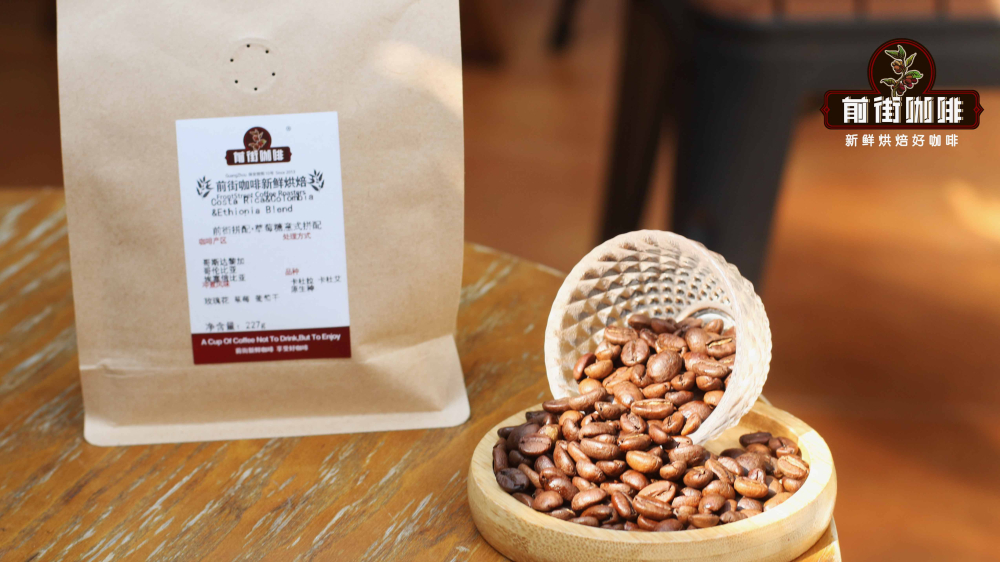
Dark roast: Dark-roasted beans are black and shiny, with an oily surface. At this point, acidity has almost disappeared, and bitterness takes absolute center stage, making them especially suitable for espresso. It's recommended to choose medium-dark roasted Front Street Golden Mandheling and Front Street Classic Espresso Blend.
The above content is compiled by CoffeeHunters, a coffee news website.


