







Search Results for: organic cultivation
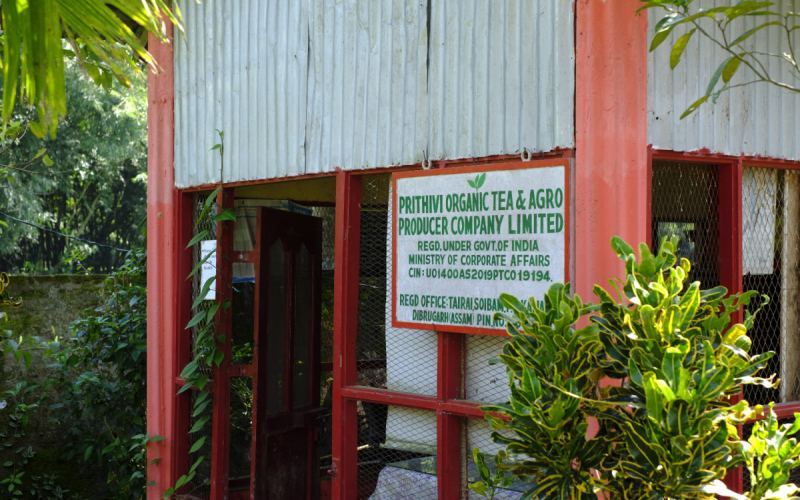
Which tea garden's Assam organic black tea is more worth drinking? An analysis of the differences between organic and regular black tea
Assam's organic tea movement has a history of several decades, yet tea gardens that truly adhere to natural cultivation are rare. Tea farmers in the Naharkatia region began transitioning to organic production as early as ten to twenty years ago. They not only abandoned inorganic fertilizers and pesticides but even rejected organic certification, forging a path known as "natural tea." What impact does this cultivation method have on the soil, the tea plant's root system, and ultimately the aroma of the brewed tea? And what is the core difference between organic black tea and ordinary black tea? Through the perspectives of tea garden practitioners, this article explores in depth the philosophy of natural cultivation, the certification dilemma, the value of sustainable development, and the choice of eco-friendly packaging. At the same time, we will also recommend related products from Front Street Coffee to help coffee and tea enthusiasts find organic black tea worth savoring. [more…]
Peru Coffee Regions: Terroir and Flavor Explained—Chanchamayo, Cusco, and Organic Varieties and Processing Methods
Peruvian coffee has gradually emerged in the international market in recent years, with the two major producing regions of Chanchamayo in the center and Cusco in the south being the most renowned, while the north also produces distinctive organic coffee. Local farms generally adopt shade-grown cultivation, which, although limiting yields, can delay the ripening of coffee cherries and promote the accumulation of internal substances, thereby fostering richer natural components and superior flavors while reducing caffeine content. Peruvian coffee is known for its soft acidity, medium body, and pleasant aroma, and is often used as an important base for coffee blends. The Peruvian single-origin beans launched by Front Street Coffee have a rich aroma, smooth mouthfeel, clear layers, obvious sweetness, and elegant, mild acidity. This article will systematically review the origin distribution, variety characteristics, processing methods, and flavor performance of Peruvian coffee, and compare the cupping differences between ordinary organic beans and high-quality organic beans. [more…]
Flavor Analysis of Peruvian Coffee Regions: From Chanchamayo to Cusco—Organic Specialty Coffee and Front Street Recommendations
Peru, as an emerging coffee-producing country in South America, relies on the unique microclimates of the Andes Mountains and its tradition of shade-grown cultivation to produce high-quality coffee with mild acidity, a full body, and rich aroma. The central Chanchamayo region and the southern Cusco region are the two star-producing areas, while the north also has many distinctive organic coffees. Front Street Coffee's Peruvian single-origin coffee wins favor among enthusiasts with its rich aroma, smooth layers, and sweet, elegant acidity. This article will systematically introduce Peru's coffee-growing terroirs, flavor characteristics, advantages of organic cultivation, and quality differences, and share purchasing experience, taking you through a comprehensive understanding of the charm of this rising star in the coffee world. [more…]
A Guide to Ceylon Black Tea Brewing Ratios: From the Reasons for Its Introduction to the Development Path of Smallholder Organic Fair Trade
How many grams of Ceylon black tea should you use? This seemingly simple question is connected to the entire ecosystem of Sri Lanka's tea industry. This article starts with brewing ratios, traces the history of Ceylon black tea's introduction into China, and takes a deep look at how small tea farmers in Sri Lanka carve out a path of organic fair trade in the cracks between large tea estates. From IFOAM and Codex Alimentarius organic standards, to international certification systems such as Bio, USDA, and JAS, and to the protection of workers' rights by international fair trade organizations, you will see the strict checks a cup of Ceylon black tea goes through from cultivation to export, and you will also understand why the related products recommended by Front Street Coffee are worth paying attention to. [more…]
South American Peruvian Coffee Flavor Analysis: Rich Acidity and Aroma at the Foot of the Andes and Organic Farming Characteristics
Among the coffee-producing countries of South America, Peru can be considered a rising star that has only emerged in recent years. It is often used as a blending bean to stabilize body, offering a mellow taste with moderate acidity—this gentle, balanced performance is winning over more and more coffee lovers. Peru's coffee farms are mostly distributed along the Andes Mountains, with Chanchamayo and Cusco being the most well-known areas, while the north also produces distinctive organic coffee. Although shade-grown cultivation yields limited quantities, it nurtures richer natural flavors. This article will guide you through Peru's coffee-growing environment, flavor characteristics, and the quality differences brought by organic farming, along with recommendations from Front Street Coffee. [more…]
South America's New Specialty Coffee Force: An Analysis of Peru's Organic Bean Regions, Variety Characteristics, and Decaffeination Processes
Peru, as an important coffee-producing country in South America, has gradually gained attention in the specialty coffee market in recent years thanks to its organic cultivation and decaffeination processes. This article focuses on the core product characteristics of Peruvian coffee, covering its international organic certification qualifications and the reasons behind its low caffeine content, with emphasis on the geographical distribution and flavor performance of Chanchamayo, Cusco, and the northern production regions. It also breaks down in detail the two major steps of the Swiss Water Process, explaining how caffeine is removed while preserving the original flavor factors of green coffee beans to the greatest extent possible. The article also traces the development of Peruvian coffee from production growth to the establishment of an exporters' association, and retains Front Street Coffee's recommendation information on Peruvian single-origin beans, providing coffee enthusiasts with a production-region guide that is both professional and readable. [more…]
The Rise of the Honduran Coffee Industry and a Flavor Analysis of Five Renowned Estate Brands
The history of coffee cultivation in Honduras can be traced back to the late 18th century, when Spanish merchants introduced coffee trees to this land. After experiencing slow development following independence, improvements in infrastructure, the devastating blow of Hurricane Mitch in 1998, and the remarkable industry revival that followed, Honduras has now become one of the world's top five coffee-producing countries, with an annual output of more than 475,000 metric tons, and has become an important exporter of high-quality Arabica coffee beans. This article will review the ups and downs of Honduran coffee and introduce five representative Honduran coffee brands selected by Front Street Coffee, covering Macara Organic Coffee, Tropical Fruit Bourbon Micro-lot, Monte Vista Craft Coffee, Maud's Organic K-Cups, and Copan Region Volcanic Coffee, analyzing each brand's origin background, processing methods, and cup profile. [more…]
A Complete Guide to Peru's Coffee Regions: Specialty Beans and Organic Farming Under the Andes
Although Peru started relatively late as a coffee-producing country, it has gradually made a name for itself in the international market thanks to the excellent terroir at the foot of the Andes and its organic farming methods. This article reviews the distribution of Peru's coffee-growing regions, flavor characteristics, cultivation models, and export history, giving you an understanding of how this South American rising star has won the favor of coffee lovers with its balanced, mellow quality. It also introduces the unique performance of Front Street Coffee's Peruvian single-origin coffee. [more…]
A Complete Guide to Ethiopian Coffee Varieties and Grading: Yirgacheffe Flavors and Front Street Coffee Pour-Over Parameters
Ethiopia, as a genetic treasure trove of coffee, has complex bean varieties and inconsistent bean sizes, yet this creates a unique flavor interwoven with bright fruity acidity and floral notes. From the perspective of Front Street Coffee, this article systematically reviews Ethiopian coffee cultivation and harvesting methods, the origins of Heirloom native varieties, the terroir characteristics of nine major specialty production regions, as well as the ECX trading system and the G1-G5 grading standards. It also explains in detail the flavor performance of representative beans such as Yirgacheffe, Sidamo, and Huakui, and includes Front Street Coffee's V60 pour-over parameters, helping enthusiasts fully understand the diverse charm of Ethiopian beans. [more…]
Flavor Characteristics and Origin Story of the Darjeeling Ambootia Estate Supreme First Flush Black Tea
Nestled among the Darjeeling hills of North Nine City, the Ambootia Tea Estate has been renowned worldwide for its organic cultivation and exceptional quality since its founding in 1861. Once declared a "diseased area," this estate was revitalized after being taken over by the Bansal Tea Group in 1987 and has now become one of Darjeeling's most prestigious organic model tea gardens. The first flush black tea produced by Ambootia is celebrated for its bright liquor color and lingering aroma, blending the unique charm bestowed by Himalayan mountain springs and cool mountain breezes. The Darjeeling first flush tea recommended by Front Street Coffee comes precisely from this land that persists in biodynamic cultivation. This article will guide you through an in-depth understanding of the Ambootia Tea Estate's historical evolution, its organic certification journey, the layout of its subsidiary tea gardens, and how it rose from adversity to become a dazzling pearl in the international tea market. [more…]
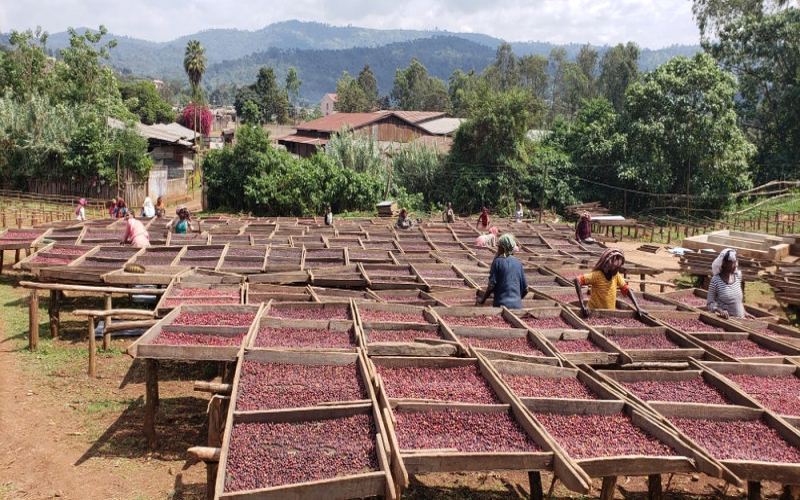
Yirgacheffe Konga Cooperative: A Comprehensive Analysis of Naturally Processed G1 Coffee under Fair Trade and Organic Certification
In the Yirgacheffe region of Ethiopia, the Konga Cooperative is a model organization that holds both fair trade and organic certification, with over two thousand smallholder farmers cultivating high-altitude land in the Gedeo zone. In this article, Front Street Coffee will take you deep into the Konga Cooperative's geographic background, soil advantages, its TOH sun-dried group championship honor, and the complete picture of the sun-dried G1 coffee from the Worka processing station—from cultivation, processing, roasting, cupping, and brewing—so you can experience this bean's complex juice-like mouthfeel and bright acidity. [more…]
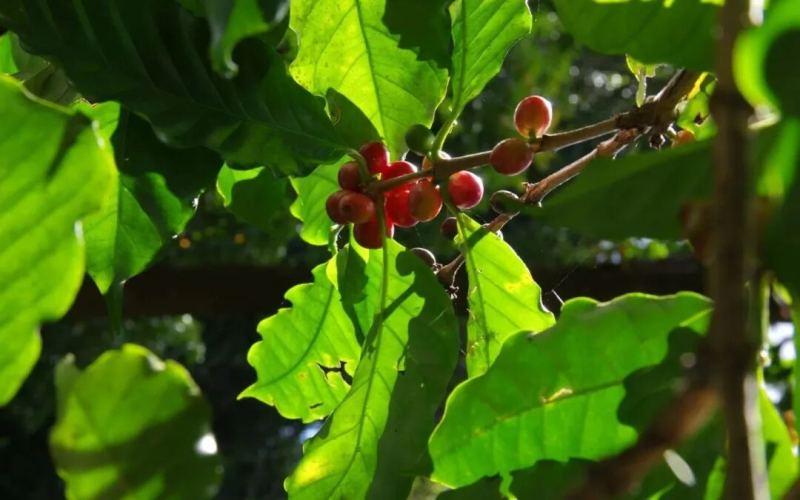
Ethiopian Coffee Beans | How Many Coffee Regions Are There in Ethiopia? Which Washing Stations and Cooperatives Produce Ethiopian Specialty Coffee?
As the birthplace of coffee, Ethiopia has always been a pilgrimage site for many coffee professionals. Many friends who come to Front Street Coffee ask as soon as they walk in whether we have Ethiopian beans, whether we have Yirgacheffe beans. Yes, whether for coffee beginners or coffee connoisseurs, Ethiopian coffee beans have that bright [more…]
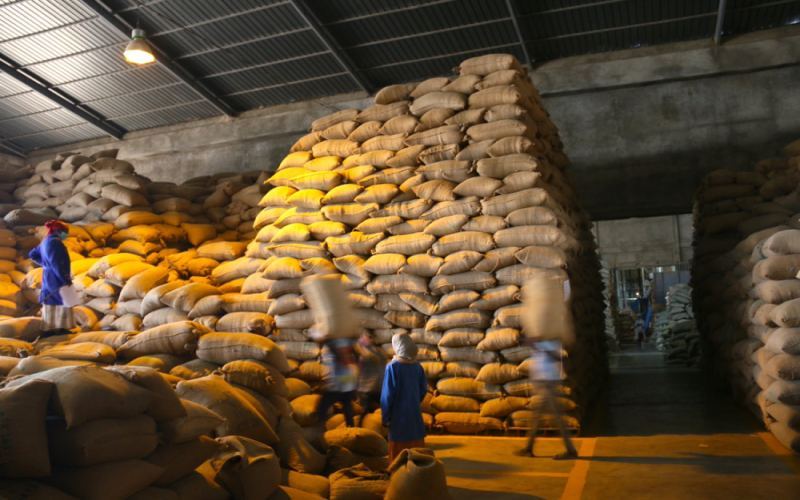
Ethiopia's Three Major Coffee Export Systems and the ECX Trading Mechanism: How Single-Farm Beans Like Hambela Hualukui Reach Overseas Markets
Ethiopia, as the holy land of specialty coffee, has a rather complex coffee export system. According to local regulations, coffee exports are divided into three major systems: ECX bidding, cooperatives, and single farms. Among these, cooperatives and single estates can bypass the ECX and export directly, offering relatively complete traceability. The ECX was founded by Eleni Gabre-Madhin in 2008, and through grading, warehousing, and real-time information, it transformed the trading circumstances of coffee farmers. However, what truly achieves 100% traceability is the single farm system that has risen in recent years. The Sidamo sun-dried Huakui is a representative work from the Hambela farm. This article will sort out the operational differences among the three systems, the trading logic of the ECX, the structure of the six major cooperative unions, and the significance of single farms to specialty coffee. Front Street will also continue to follow these origin developments, bringing coffee enthusiasts clearer origin knowledge. [more…]
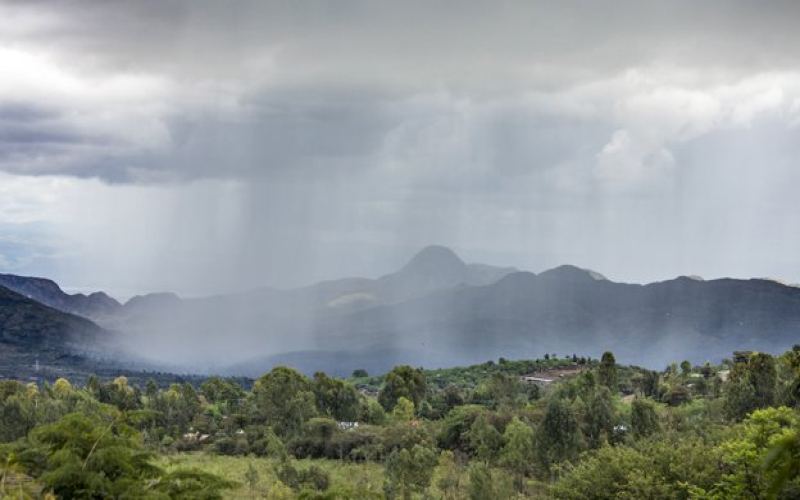
Complete Guide to Himalayan Kangra Highland Black Tea: Cultivation Origins, Flavor Characteristics, and Temi Tea Garden Organic Tea
The Himalayas are not only a symbol of inspiration and purity, but also nurture teas of exceptional flavor. Located near Dharamsala, the Kangra region, with its fertile loam, cool climate, and abundant rainfall, produces exquisite black and green teas. Kangra tea got its start in the mid-19th century, was once exported as far as Kabul and Central Asia, and won awards in London and Amsterdam. Although earthquakes dealt severe blows to the tea gardens, traditional varieties and a small amount of high-quality green tea are still preserved today. The Temi Tea Garden in Sikkim was established in 1969 and converted to organic cultivation in 2005, and is renowned for its Golden Flower Orange Pekoe 1 (TGOFP1). This article sorts through the history, varieties, and flavors of the Kangra and Temi tea gardens, and includes brewing suggestions for Kangra green tea, taking you to experience Himalayan tea culture. [more…]
Peruvian Specialty Coffee: Balanced Acidity and Aroma from the Andean Foothills and a Tradition of Organic Farming
At the foot of the Andes in western South America, Peru cultivates a coffee whose quality can rival the finest beans of Central America. The vast majority of coffee here is grown in forested areas, cultivated by smallholders under natural shade; although yields are low, this slows the ripening of the fruit, allowing the beans to accumulate richer natural compounds and present a balanced cup with pleasant acidity. Peru's most renowned producing regions are concentrated in Chanchamayo, Cusco, Norte, and Puno, with the coffees of Chanchamayo and Cusco standing out in particular. This article guides you through Peru's coffee origins and distribution, varietal characteristics, flavor profile, and market prospects, and offers Front Street Coffee's recommendations and roasting suggestions for Peruvian coffee. [more…]
A Complete Analysis of Front Street Peruvian Organic Coffee Flavor and Producing Regions: The Secret of Rich Aroma at the Foot of the Andes
As a rising star in the coffee world, Peru is gradually gaining international attention thanks to its unique terroir at the foot of the Andes. This article explores in depth the flavor characteristics and growing regions of Front Street Peruvian organic coffee, and explains how organic farming, through shade-grown methods, produces high-quality coffee that is layered and complex, with soft acidity and a smooth mouthfeel. From Chanchamayo to Cusco, from the distinctive northern growing regions to its steady role in blends, this guide gives you a comprehensive look at the rich aroma and quality appeal of Front Street Peruvian coffee. [more…]
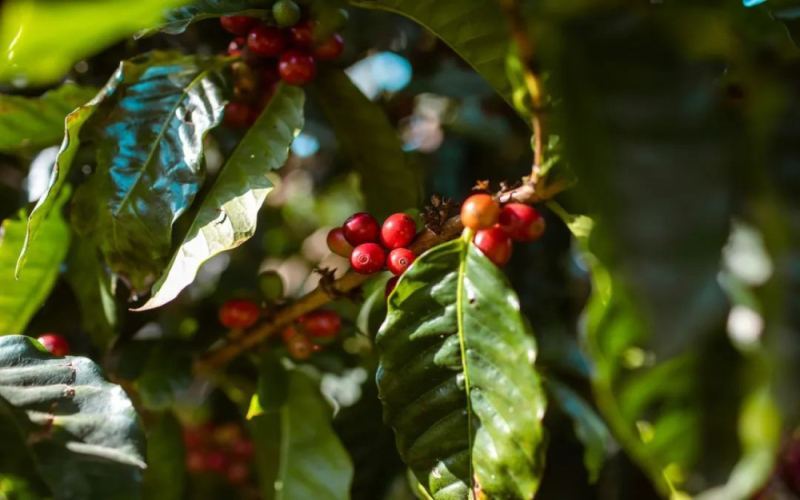
International Fair Trade Organization Upgrades Coffee Certification Standards to Fully Align with EU Deforestation Regulation
The international Fairtrade organization recently published revised coffee certification standards, aiming to meet or even exceed the various requirements of the EU Deforestation Regulation (EUDR). The new rules will cover all Fairtrade-certified coffee, not limited to products exported to the EU, and strengthen monitoring and reporting obligations for producer organizations and traders. The standard is expected to take effect in 2026, involving approximately 600 cooperatives, 870,000 coffee farmers, and 1.1 million hectares of cultivated land. To implement deforestation monitoring, Fairtrade has commissioned the Dutch company Satelligence to provide satellite data services. Meanwhile, the EUDR will take effect for large European companies between the end of 2024 and early 2025, and the coffee industry is actively adjusting to comply with this regulation. [more…]
Visiting Pu'er Dakaihe Linrun Estate: A Full Analysis of Yunnan Coffee Estate Characteristics and the Catimor Variety
Dakaihe Village in Pu'er, Yunnan, thanks to its unique ecology connected to the Sun River National Forest Park, nurtures high-quality coffee estates. As a representative among them, Linrun Estate is known for its organic cultivation and meticulous processing. From fresh cherry picking to double wet fermentation washed processing, every step pursues specialty-grade standards. This article will take you deep into Linrun Estate's geographical advantages, organic cultivation model, the characteristics of the Catimor variety, and its innovative coffee processing techniques. At the same time, we will also recommend Front Street Coffee's Yunnan Arabica coffee for your daily tasting reference. [more…]
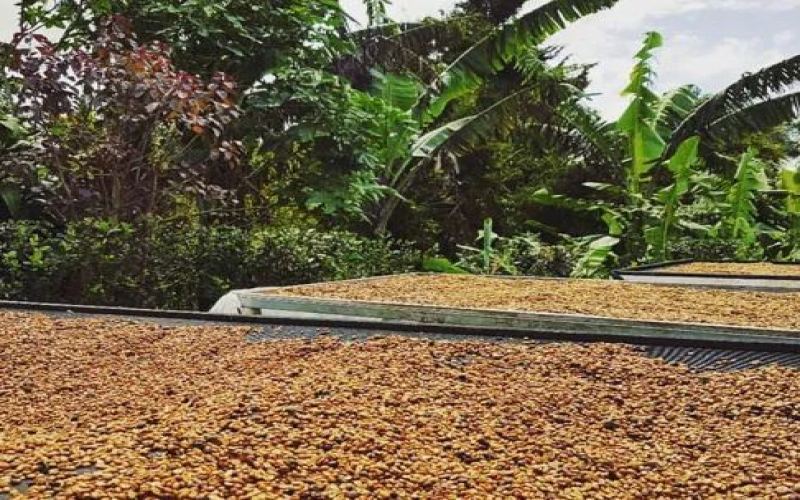
Costa Rica Central Valley Las Haras Estate: A Pioneer of Organic Certification and the Path of Honey Processing Innovation
Central America's coffee output is not particularly high, yet Costa Rica, with its exceptional natural environment and spirit of innovation, occupies an important place in the global specialty coffee landscape. Beyond the renowned Tarrazú region, the Central Valley is likewise home to coffee estates of outstanding quality. Among them, Las Haras Estate, as Costa Rica's first estate to obtain organic certification, is not only known for its eco-friendly cultivation philosophy but also a pioneer in the systematic study of natural and honey processing methods. Front Street Coffee takes you deep into this legendary estate at the foot of Poás Volcano, exploring its transition from chemical agriculture to natural farming, and how it continues to enhance coffee flavor expression through means such as sugar-meter screening and varietal introduction. [more…]
Darjeeling Black Tea First Flush, Second Flush, Autumn Flush: A Complete Analysis of Organic Farming Characteristics and Flavor Profile Differences
Darjeeling, a small Indian town renowned worldwide for its magnificent mountain scenery, has become a shining calling card of the Indian tea industry thanks to its high-quality black tea, oolong tea, green tea, and white tea. Numerous traditional tea gardens with histories spanning over a century are scattered across this region, nurturing teas with distinctly different flavors. Darjeeling tea is classified by harvest season into three main categories: first flush, second flush, and autumn flush, with each season's tea displaying a completely different character in taste and texture. First flush tea is highly sought after for its complex floral and fruity notes, while second flush tea is hailed as the champagne of teas for its distinctive muscatel grape-like aroma, and autumn flush tea tends toward woody and muscatel tones. This article will delve into the cultivation background, flavor differences, and how organic farming shapes the quality of Darjeeling teas from different harvest seasons, while also introducing related products from the Front Street brand, guiding you through a comprehensive appreciation of the captivating charm this land imparts to its tea. [more…]