







Search Results for: oral physiological effects
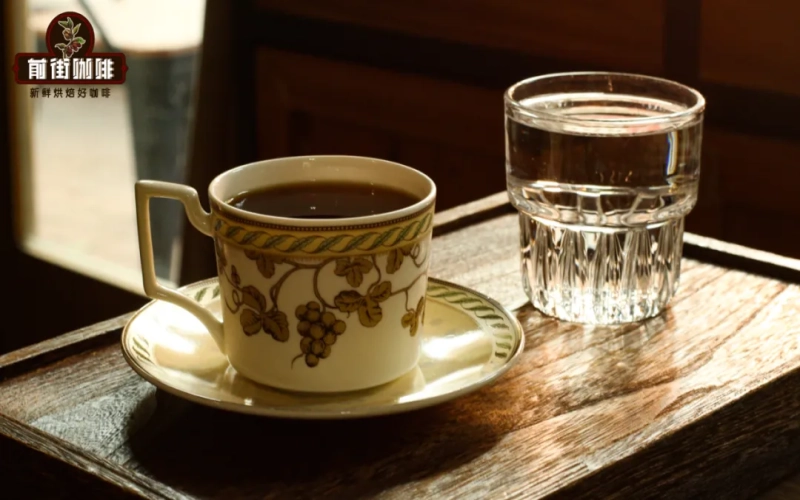
The Science Behind Coffee's Sweet Aftertaste: Why Does Water Taste Sweeter After Coffee? Taste Bud Distribution and Taste Mechanisms
Many coffee lovers have had this experience: after drinking a cup of espresso or single-origin coffee, plain water tastes remarkably sweet. Behind this phenomenon lies the working mechanisms of taste receptors, the effect of taste contrast, and the physiological role of saliva secretion in the mouth. Starting from real customer feedback at Front Street stores, this article systematically analyzes the principles behind coffee's sweet aftertaste, explains the distribution and function of taste buds on the tongue, and explores why coffee's bitterness actually enhances the sweetness of the water that follows. At the same time, the article will draw on specific products such as Front Street Strawberry Candy, Front Street Blackberry, Front Street Mozart, Front Street Sidra, and Front Street 2013 Yunnan Small-Bean to help readers understand this fascinating taste phenomenon more intuitively. [more…]
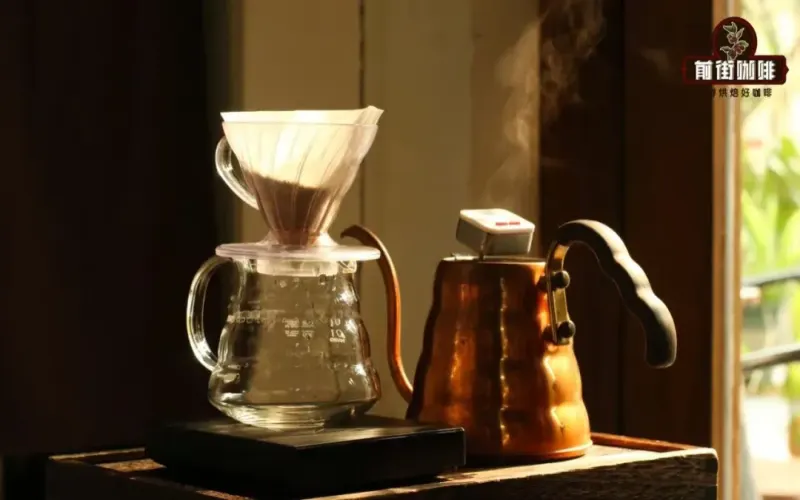
Barista Tasting Primer: Where Does the Sweetness in Black Coffee Come From? Practical Pour-Over Tips for Strawberry Candy
Many friends who are just getting into coffee have this question: coffee has no sugar added, so why do some people say it's sweet? In fact, the sweetness of coffee is not sugar directly picked up by the taste buds, but a combined sensory experience formed by taste, smell, and association working together. From the perspective of Front Street, this article systematically explains the sources of coffee sweetness—including the transformation of sugars in green beans during roasting, the sweet aftertaste effect brought by the contrast between acidity and bitterness, and how retronasal olfaction leads us to associate sweetness with certain foods through aroma. At the same time, the article also shares practical tips in three areas—bean selection, brewing, and tasting—to help you perceive sweetness more clearly in black coffee, and includes extraction suggestions for beans such as Front Street Strawberry Candy. [more…]
Where Does Coffee Sweetness Come From? How to Brew Sweetness Out of Black Coffee and Recommendations for High-Sweetness, Non-Bitter Beans
Many people are puzzled when they first encounter coffee: why can unsweetened black coffee be described as "sweet"? In fact, the sweetness of coffee is not sugar directly captured by the taste buds, but a comprehensive sensory experience that combines taste contrast with olfactory associations. From the perspective of Front Street, this article first explains the sources of coffee sweetness—the transformation of green bean sugars during roasting, the sweet aftertaste brought by sour and bitter stimulation, and the sweet associations triggered by aroma; then it offers practical advice, including how to choose high-sweetness coffee beans, how to highlight sweetness during brewing, and techniques such as extending the time coffee stays in the mouth during tasting, holding the breath, and capturing retronasal olfactory notes. The article also recommends beans such as Front Street Strawberry Candy, Front Street Xizhua, and Front Street Mozart to help you more easily taste the sweetness in coffee. [more…]
What Are the Health Effects of Coffee? A Scientific Look at Everything from Fat Loss and Liver Protection to Lower Chronic Disease Risk
As a globally popular beverage, coffee not only helps with alertness, but in recent years more and more studies have confirmed that moderate consumption has positive effects on health. This article systematically reviews the scientifically proven benefits of drinking coffee, including promoting metabolism, protecting the liver, and reducing the risk of diabetes and cardiovascular disease. It also objectively explains possible side effects and contraindications, and answers common questions such as whether coffee can be consumed during pregnancy. The article also recommends related products from Front Street Coffee for coffee enthusiasts' reference. [more…]

Does Brain Gold Coffee really contain oral liquid? What's the story behind this new product?
Naobaijin has once again made its presence felt in the coffee world. This time, it's not just a simple co-branded paper cup—they've actually added Naobaijin oral liquid to the coffee. On November 10, Naobaijin officially announced on Xiaohongshu the launch of a special coffee containing Naobaijin ingredients, which would be sold in limited quantities at a pop-up store on Double Eleven. As soon as the news broke, netizens were both curious and confused: Naobaijin is known for aiding sleep, while coffee is for waking up—what kind of combination is that? The official response stated that what was added was Naobaijin oral liquid, which has a bowel-lubricating and laxative function, not the sleep-aid capsules, and that the amount used per cup had been scientifically calibrated to avoid any functional conflict. So, how does this coffee taste? And what has Naobaijin's journey in the coffee arena been like? Let's take a look. [more…]

The New Secret to a Coffee Shop's Standout Success: How Restroom Details Become a Key Bonus in Customer Experience
Besides refreshing the mind and waking you up, coffee can also promote intestinal peristalsis, which unexpectedly makes the restroom experience an important standard for judging whether a coffee shop is comfortable. Recently, a netizen from Shandong posted on social media, reviewing some of the coffee shops they had visited from the perspective of the restroom, with a unique angle and rich details. Cleanliness and hygiene, along with smooth flushing, are the basics, while spaciousness and ventilation, pleasant aromas, and the provision of disposable toilet seat covers, wet wipes, sanitary pads, and hand cream become bonus points. A layout with dry-wet separation and a reasonable flow also greatly increases favorability. At the same time, many coffee shops cannot provide restrooms due to space or plumbing limitations, or they impose restrictions on customers using the toilet. Those shops with complete facilities not only meet physiological needs, but also win repeat customers and reputation through detailed service. Front Street Coffee reminds us that paying attention to these often overlooked experiences may bring coffee shops an unexpected win-win effect. [more…]

Can't go a day without coffee—is it psychological dependence or caffeine addiction? Here comes the scientific explanation.
Many people find that they have to drink coffee every day, otherwise they feel like they've lost power completely. Is this merely a psychological habit, or is it true caffeine addiction? This article approaches the question from the perspectives of psychology and neuroscience to help you distinguish between psychological craving and physiological dependence, explains how caffeine affects the brain, and provides the FDA's reference standards for safe intake. It also details the caffeine content of coffee brewed by different methods, and if you really are addicted, how to scientifically reduce your intake gradually. Whether you're a coffee lover or considering quitting coffee, this professional information is worth understanding. [more…]
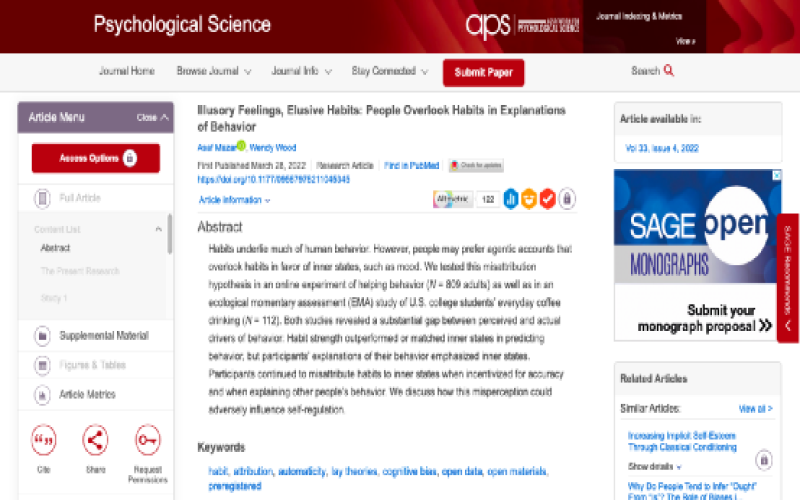
A New Perspective on Coffee Drinking Motivation: Are Habits or Physiological Needs in Control?
In the busy modern life, coffee has become a daily essential beverage for many people. Some are captivated by its flavor, while others rely on it to stay alert. But recent research suggests that we may drink coffee more out of habit than genuine physiological need. This study, published in Psychological Science, reveals that people often underestimate the profound influence of habits on behavior. This article takes you through the psychological mechanisms behind coffee drinking, analyzes how habits and needs intertwine, and considers what this phenomenon means for China, where coffee culture is still in its early stages. [more…]
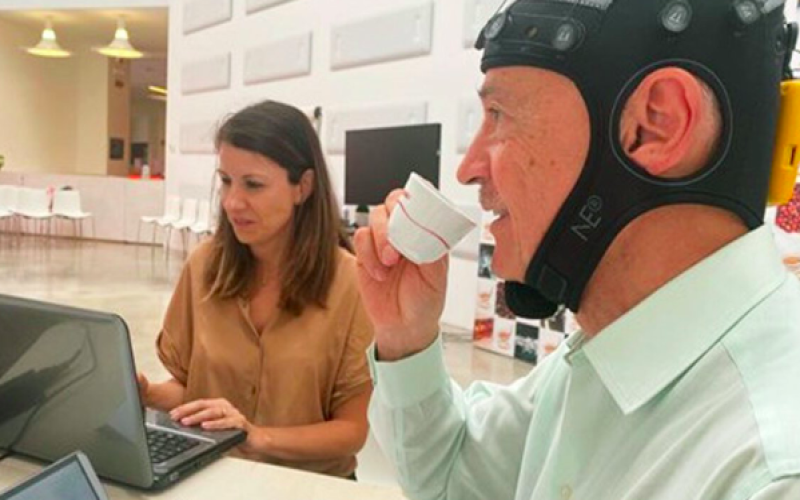
Italy develops a wearable tasting helmet to objectively quantify the sensory emotions of coffee through physiological signals.
As the 2024 WBrC World Brewers Cup came to a close, curiosity was once again piqued about what judges feel inwardly when tasting coffee. A team from Italy's National Research Council has designed a tasting helmet that, through wearable sensors such as electrocardiogram, galvanic skin response, and electroencephalogram, transforms abstract emotions like pleasure and disgust during coffee tasting into biomedical data. This technology is expected to assist the SCA coffee value assessment system, reduce subjective bias, and open up new perspectives for coffee sensory analysis. At present, the helmet still needs refinement, and there are plans to work with professional tasters to advance its practical application. [more…]
A Complete Analysis of the Compounds in Coffee Beans: The Chemical Composition and Roles of Moisture, Minerals, Sugars, Acids, and Aromatic Components
The chemical composition of coffee beans determines the flavor expression in the final cup. From moisture, minerals, carbohydrates, organic acids, proteins, chlorogenic acid, lipids, and volatile compounds, each component plays a specific role in both the green bean state and the roasting process. Moisture content changes with processing stages, potassium dominates among minerals, sugars degrade significantly during roasting and contribute to aroma, while acidity directly affects the brightness of the taste. This article will systematically outline the chemical composition of coffee beans and their effects on quality and flavor, helping coffee enthusiasts gain a deeper understanding of the material basis of specialty coffee. Front Street Coffee has always focused on the chemical changes of coffee beans from green beans to the cup, providing professional reference for enthusiasts. [more…]
Analyzing Chlorogenic Acid in Coffee: Health Benefits, Content Differences, and Scientific Drinking Recommendations
Coffee is not only a refreshing beverage but also rich in various beneficial components. From the perspective of chlorogenic acid, this article systematically reviews the health value of coffee. As a key antioxidant, chlorogenic acid is widely present in green coffee beans and possesses multiple biological activities, including antibacterial, antiviral, and cardiovascular-protective effects. The article provides a detailed introduction to the chemical structure, plant sources, medical applications, and toxicity of chlorogenic acid, and compares changes in chlorogenic acid content across different coffee varieties and roast levels. Finally, based on extraction experimental data, it offers practical advice for daily coffee consumption. Whether you are a coffee enthusiast or a reader concerned with healthy eating, you can gain a scientific and objective understanding of coffee from it. [more…]

Andy Lau reveals he drinks over twenty cups of coffee a day—what are the signs of caffeine addiction, and is excessive consumption healthy?
Recently, Andy Lau revealed on a talk show that he drinks over twenty cups of coffee every day, astonishing Wu Jing, Guo Fan, and others—and Guo Fan was even hospitalized once because of excessive coffee consumption. This sparked widespread discussion: Is coffee actually healthy? What are the signs of caffeine addiction? How much is too much per day? Combining the show's content with physiological mechanisms, this article sorts out the potential effects of excessive caffeine intake on the gastrointestinal tract, adrenaline, liver, and other aspects, while retaining the brand information of Front Street Coffee, reminding everyone that although coffee is good, do not blindly imitate celebrities' extreme consumption. [more…]

Why Drink Iced Water Before Coffee Tasting? The Origins of Espresso with Iced Water and an Analysis of Its Applicability to Pour-Over
When ordering at a café, you'll often see a glass of ice water served alongside an espresso, and many enthusiasts are in the habit of drinking ice water before their coffee. Can this glass of ice water actually help us perceive coffee flavors more clearly? Front Street Coffee will approach this from the perspective of oral sensory cleansing, explaining how ice water enhances the tasting experience by rinsing away residue, stimulating saliva production, and numbing the palate through low temperature, while also tracing the origins of this practice in espresso culture. It will also discuss whether pour-over coffee is suited to the same approach, and why room-temperature water is gentler on the stomach and intestines. [more…]

Harbin Pharmaceutical Factory No.6's viral coffee accused of violations: oral liquid in latte sparks safety controversy, blue bottle drinks removed from shelves
During the May Day holiday, the former site of Harbin Pharmaceutical Group's No. 6 Factory, known as Harbin's "Northeast Louvre," became a popular photo spot. A coffee shop opened in its first-floor lobby launched two distinctive drinks — pairing Harbin Pharmaceutical Group's iconic small blue-bottle oral liquid with coffee to create a Blue Bottle Latte containing calcium gluconate and a Zinc Wish Latte containing zinc gluconate. However, this creative idea sparked consumer concerns about medication safety: the oral liquid's instructions explicitly warn against taking it with milk or caffeine, and both products are Class A over-the-counter drugs, not substances that can be used as both food and medicine. Under China's Food Safety Law, drugs may not be added to food, and the coffee shop's preparation method may violate regulations. Currently, the blue-bottle coffee has been taken off the menu, though it remains unclear whether this is a temporary sellout or a permanent discontinuation. [more…]

Shanghai Auntie Sparks Heated Debate with Uterus-Shaped Plush Toy—Why Wellness Milk Tea Merch Makes People Uncomfortable
Auntea Jenny has recently continued to push forward in the "wellness milk tea" segment, launching the "Five Red Vitality Slow Nourishment Bottle" and a matching peripheral package. Consumers who purchase the designated package can receive a "Little Palace Tribute Plush Doll" for free. However, after the new product launched, what sparked discussion was not the tea drink itself, but this giveaway doll shaped like a uterus—it is inverted pear-shaped, with details such as "fallopian tubes" and "ovaries," and comes in two color schemes representing different physiological cycles. Some netizens said bluntly that it caused "physiological discomfort," believing that pairing a human organ doll with a tea-drinking scenario was too bizarre. Supporters, however, felt that for a wellness drink aimed at female consumers, a uterus doll was understandable and also had a fun educational aspect. As the incident gained traction, Auntea Jenny responded that the move was intended to convey the ideas of pleasing oneself, confidence, and freedom, and that the doll has not been taken off the shelves. [more…]
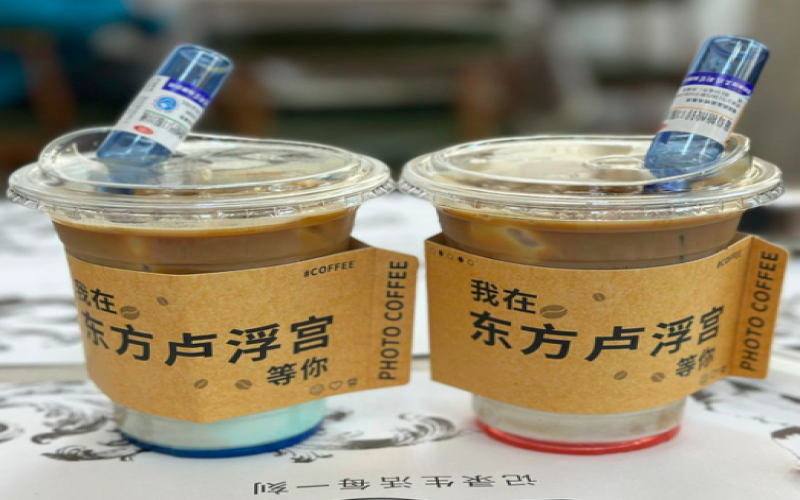
Harbin Pharmaceutical Factory No.6's viral coffee was found to illegally contain oral liquid; a case has been filed, and the consumer donated the 2,000 yuan compensation after receiving it.
In May of this year, a tourist discovered two specialty drinks at a coffee shop in the Harbin Pharmaceutical Group No. 6 Factory scenic area — Blue Bottle Latte and Zinc Wish Latte — which had been supplemented with calcium gluconate and zinc gluconate oral solutions, respectively. Since these two oral solutions are Class A non-prescription drugs, adding them directly to food products is suspected of violating the Food Safety Law. After a consumer reported the matter to 12315, the local market supervision bureau opened a case on May 14. The consumer subsequently received multiple phone calls from the bureau and eventually signed documents in August confirming receipt of compensation and a reward totaling 2,000 yuan, which was donated to the Hebei Red Cross. The incident sparked heated discussion online, with some questioning whether the consumer was making a mountain out of a molehill, while others insisted that food safety is no small matter. [more…]
Pour-over espresso has a rich aroma but tastes bitter on the palate? Analyzing the difference between smelling and tasting from a sensory mechanism perspective
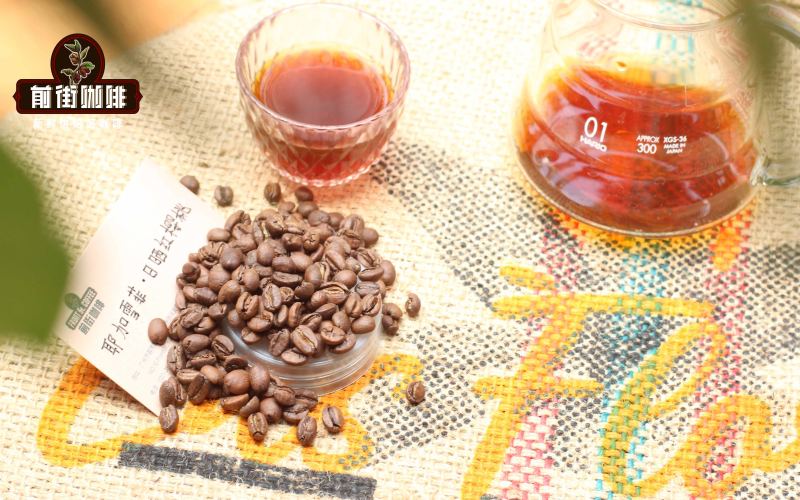
Many coffee enthusiasts, when grinding and brewing specialty coffee, are drawn in by alluring aromas like strawberry, jasmine, citrus, and honey, yet after one sip, they often taste pronounced bitterness and acidity, a far cry from the expected sweetness. This phenomenon of smelling fragrant but tasting bitter actually stems from the different sensory systems we engage when smelling versus tasting. This article, starting from this topic often discussed at Front Street, will analyze in detail the mechanisms of orthonasal and retronasal olfaction, explain the changes in aroma compounds within the oral cavity, and why the impact of taste overshadows aroma perception. At the same time, we will also share a simple and practical tip—closed-mouth exhale—to help you capture richer layers of aroma after swallowing coffee, and demonstrate flavor expression with practical examples. [more…]

Luckin Prune Latte Sparks Discussion: How Lactose Intolerance and Psychological Suggestion Create the Coffee "Laxative" Experience
After Luckin Coffee launched its Prune Latte, social media platforms saw a surge of discussions about gastrointestinal reactions after drinking it, even jokingly dubbed the "suppository of the coffee world." The company later responded that the phenomenon mainly stems from coffee's promotion of intestinal peristalsis, combined with lactose intolerance and psychological suggestion. This article will review the course of events, the official explanation, and netizen feedback, and analyze why the same beverage triggers such consistent physiological reactions. At the same time, the professional communication channel of Front Street Coffee is retained at the end of the article for coffee enthusiasts to discuss further. [more…]
A Detailed Explanation of the Caffeine Content Difference Between Iced and Hot Coffee, Whether Milk Can Be Added to Iced Americano, and a Full Analysis of the Alertness Mechanism
Many people assume that hot coffee is more invigorating than iced coffee, but this is not actually the case. The amount of caffeine depends mainly on the variety of coffee beans used and the amount of caffeine released during extraction, with little relation to whether the drink is hot or cold. If you want to get a large amount of caffeine quickly, cold brew, pour-over drip, or Americano are all viable options. In addition, iced Americano has become the first choice for many people to replenish caffeine because it is affordable and served quickly. As for adding milk to an Americano, although it makes the taste smoother, it is not the same thing as a latte. Using its own house blend as an example, Front Street Coffee shared suggestions for the ratio of milk added to an Americano. Finally, it will also explain the physiological mechanism by which caffeine boosts alertness, as well as the recommended daily intake, to help coffee lovers enjoy coffee in a more rational way. [more…]

Fudan Medical College Case Card Milk Tea Goes Viral Online, Creative Packaging Inspiration Shares the Same Roots as Traditional Chinese Medicine-Style Design in the Coffee World
Recently, a "medical record card milk tea" launched by the School of Medicine at Fudan University has continued to spark heated discussion online. Its packaging design mimics prescription slips and medical record cards, printed with phrases such as "oral miracle cure" and "miraculous healing," and the straws even reproduce street signs from around the medical school, making it full of fun. As of now, the topic has received 47.589 million reads and 8,931 discussions on Weibo. In fact, similar "medical-style" creative ideas are not appearing for the first time. Previously, in the coffee sector, some cafes also introduced the concept of "oral coffee." While such novel designs can certainly grab attention quickly, for a beverage, product quality is the foundation for long-term success. [more…]