







Search Results for: options
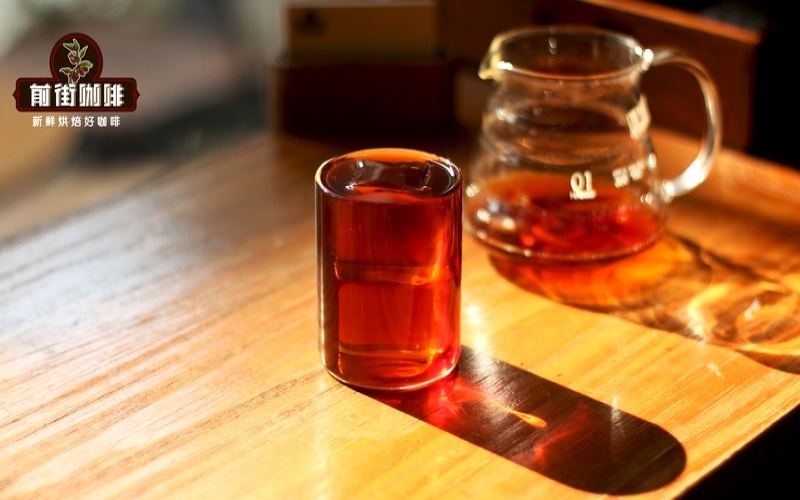
Beginner-Friendly Yirgacheffe Entry-Level Options: Balancing Budget and Drinking Frequency
When it comes to Yirgacheffe entry-level options suitable for beginners, first consider how you'll be drinking it every day. For daily bean purchases, you need to think about how quickly you'll go through them, how much to buy at a time, and whether you'll mainly be making black coffee or milk coffee at home. If you mostly drink black coffee, you can pay more attention to aroma and aftertaste; if you often add milk, then consider whether the strength and body can hold [more…]
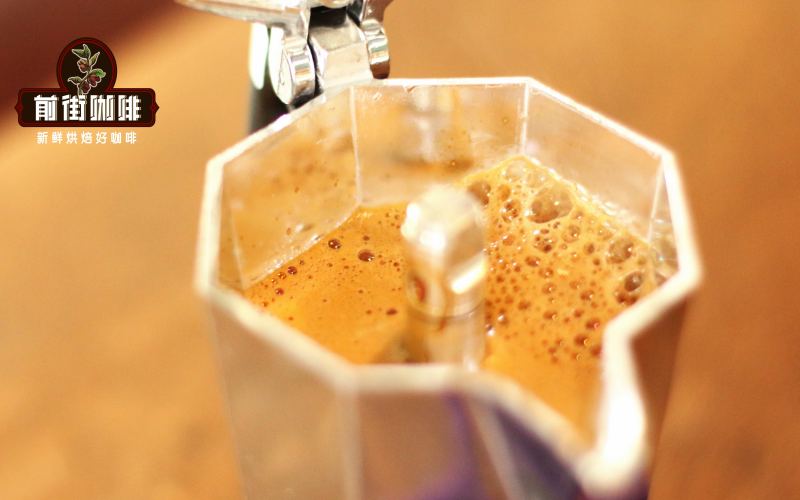
How to Choose Your First Bag of Beans for a Moka Pot? Newbies, Check Out These Options
For many people, their first coffee brewing device isn't a pour-over kettle, but a moka pot. It's cheap, sturdy, requires no special skill, and in just a few minutes on the stove it produces a rich, hot cup of coffee—its aroma drifts through the air and the whole kitchen comes awake. But those using a moka pot for the first time often stumble when choosing beans: they grab a random bag of beans, [more…]

Choose cold brew coffee beans by roast level, with suitable options from crisp and refreshing to rich and full-bodied
Cold brew amplifies the smoothness of coffee after it enters the mouth, and also makes the bean's sweet aroma last longer. If you want a fresh, fruity flavor, you can start with a light roast; if you prefer a rounded, distinctly sweet taste, a medium roast is easier to adapt to; if you're used to cocoa, nuts, and a heavy mouthfeel, a medium-dark roast will be closer to your daily preference. Filter by roast level [more…]
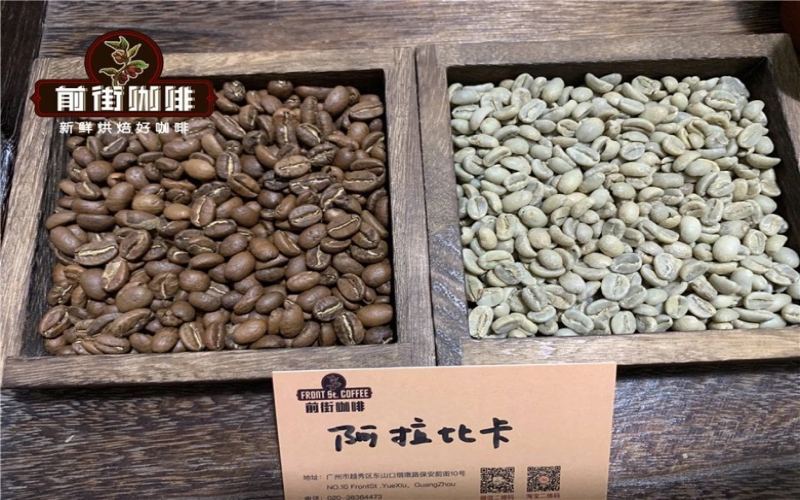
Yirgacheffe's Value-for-Money Options: The Price Gap Between Washed and Natural
A high-value-for-money choice in Yirgacheffe: the logic is to choose the right processing method and grade. The washed Gedeb Dingding is affordably priced with a complete citrus-and-floral framework—it's the standard answer for Yirgacheffe flavor. Although Panama Emerald Estate Red Label is a tier more expensive, the density of its jasmine and bergamot aromatics justifies the price difference—the two represent value for money [more…]
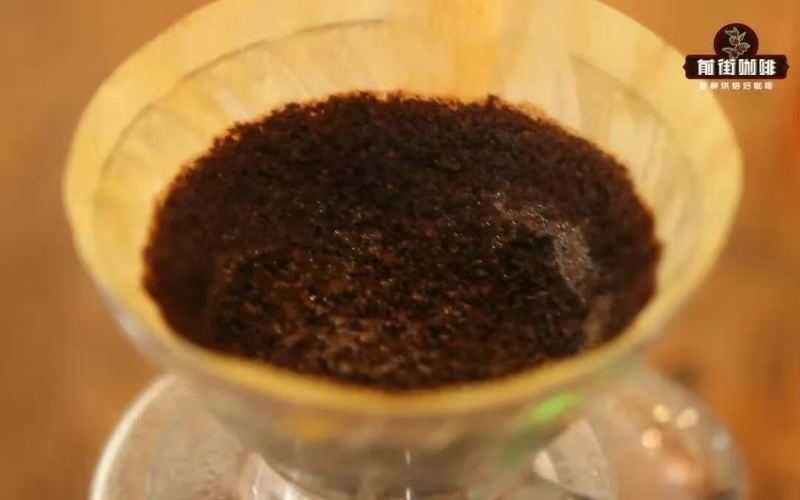
How to prepare cold brew beans for different scenarios? Three options for office, outdoor, and home
Cold brew is popular not only because it tastes good, but also because it's convenient—make a batch, keep it in the fridge for days, and enjoy a cup anytime, anywhere. But different scenarios actually have different requirements for the beans: for the office, you need something that keeps well and is consistent; for camping, you want concentrated flavor that won't taste weak over ice; and for home, you can go all out. [more…]
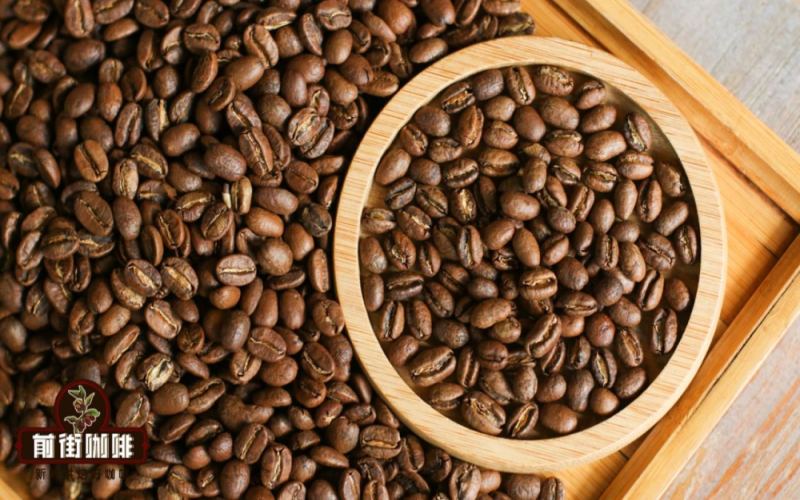
Espresso Blend Options | Which everyday espresso beans are suitable for home espresso machines? Recommended specialty coffee beans for espresso extraction
For more specialty coffee knowledge, please follow: Front Street Coffee (Frontsteet Coffee). Friends who often follow Front Street should know that Front Street focuses on freshly roasted coffee. Freshly ground coffee is not the same as fresh, and of course, the fresher the better is not always true. Front Street generally provides coffee that is two [more…]
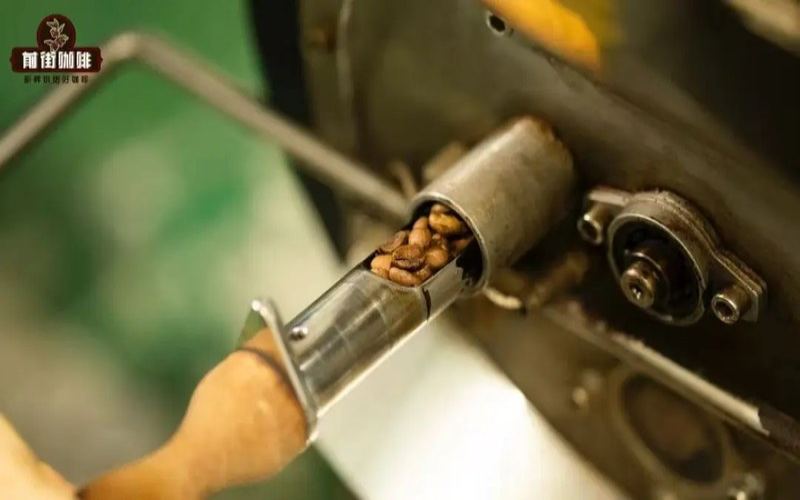
How to Choose Budget Everyday Beans: Daily Options for Light, Medium, and Dark Roasts
When choosing everyday beans on a budget of around a hundred yuan, the roast level is a very practical starting point. It affects the aroma profile, the balance of acidity and sweetness, the body, and how much extraction effort is needed during brewing. If you like bright fruity notes, look to light roasts; if you prefer a sweet, balanced cup, medium roasts are easier to get along with; if you're used to a strong [more…]
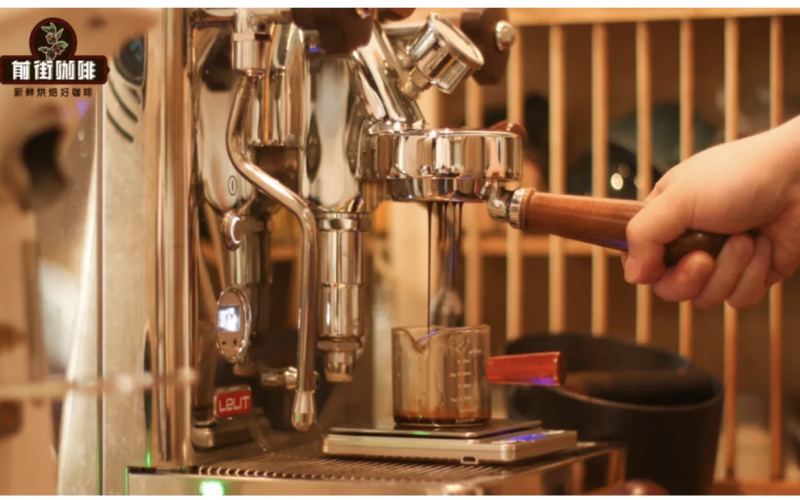
How to Choose Commercial Beans for a Coffee Shop? Black Cocoa Blend vs. Commercial Blend Comparison
Opening a coffee shop—beans are a very important part of the cost structure. Choose well, and your output stays consistent and customers are satisfied; choose poorly, and either costs spiral out of control or your reputation takes a hit. Front Street Coffee has two common commercial beans: Dark Cocoa Blend and Commercial Blend. Both focus on value for money, but their positioning is slightly different. Today we put them side by side [more…]

Shelf Life of Roasted Coffee Beans | What Is the Best Way to Store Coffee Beans? What Factors Affect Coffee Bean Freshness? Is Freezing Coffee Beans a Viable Option?
People nowadays enjoy drinking coffee not only in coffee shops, but more often they want to buy coffee beans and brew a cup carefully at home, savoring it slowly. However, how should the coffee beans or ground coffee you buy be stored so that they don't go bad so quickly? How can you better preserve their fresh flavor? Especially when you've bought some specialty coff... [more…]
Coffee Shop Pour-Over Line Bean Configuration Plan
Compared to the espresso line, the pour-over line may not have as high a volume of cups in a coffee shop, but its value lies in: showcasing the store's professionalism, attracting coffee enthusiasts, and increasing the average transaction value. A reasonable pour-over line bean configuration should cover different flavor directions, giving customers choices and surprises. The three directions of pour-over line configuration. [more…]
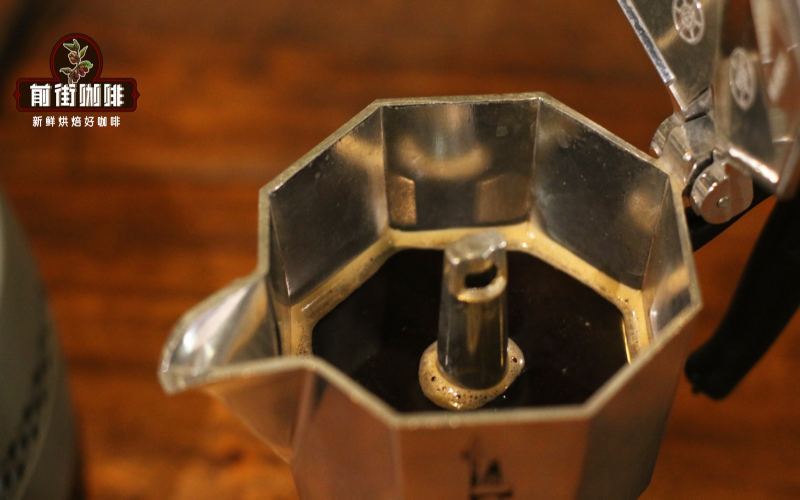
Espresso beans for both home and commercial use—which one suits you better?
"Can this bean work for home use?" "What beans should I use for opening a shop?" When choosing espresso beans, the most common dilemma is the choice between home and commercial use. In fact, there is no strict boundary between the two—many beans work for both, and the only difference lies in your usage scenario and priority needs. Today, let's use a direct comparison approach to look at several classic espresso beans' [more…]
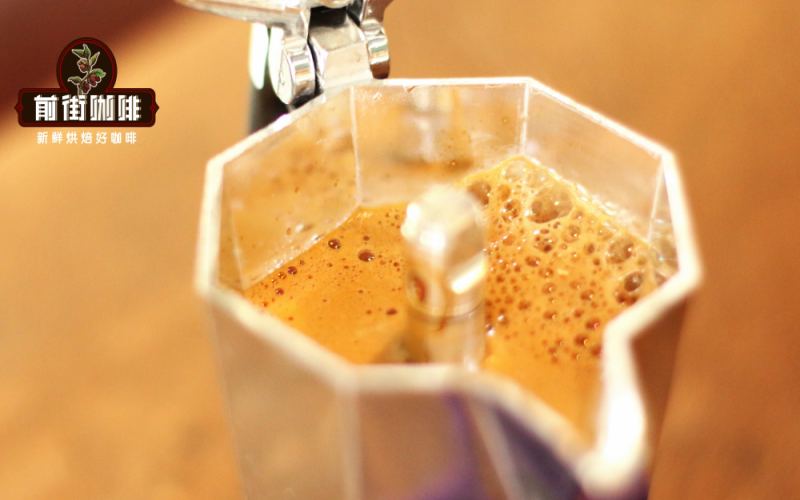
Moka Pot Non-Acidic Coffee Bean Recommendations: From Beginner to Advanced
Friends who brew coffee with a moka pot almost always struggle with one question: how do you pick a bean that isn't sour? After all, coffee made in a moka pot is highly concentrated, so any sourness becomes very obvious once it appears. The good news is that as long as you stick to the directions of "full-bodied, low-acid, rich in oils," there are excellent choices from beginner to advanced levels. [more…]
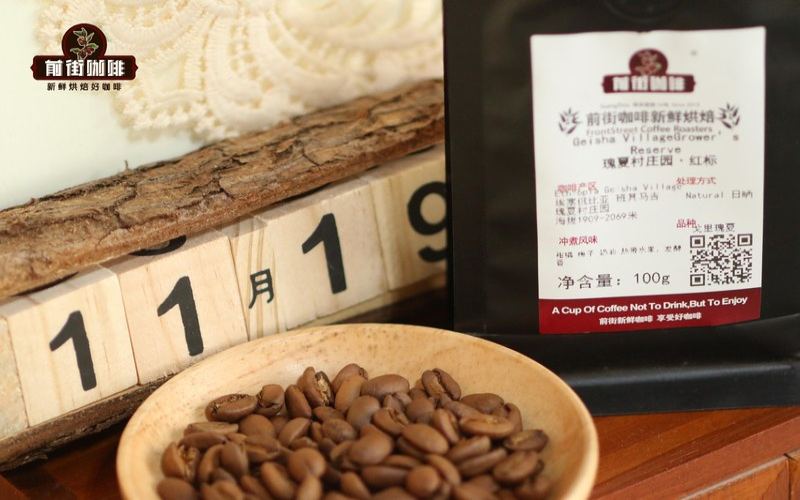
Different roast levels call for different ways of drinking blended coffee beans.
For blended coffee beans, you can start by looking at the roast level. With a lighter roast, the cup often retains brighter aromas and a lighter mouthfeel; as the roast deepens, notes like nuts, cocoa, and caramel become more prominent, and the sip carries more weight. First decide whether you prefer something crisp or rich, then look at specific bean options—your choices will have more direction. [more…]

How to Read Yirgacheffe Coffee Bean Information: Balancing Budget and Drinking Frequency
From bean to cup, a coffee must go through grinding and extraction. When considering information about Yirgacheffe coffee beans, everyday bean buying requires thinking about how fast you'll drink them, how much to buy at once, and whether your home mainly makes black coffee or milk coffee. First confirm your usual equipment and preferred taste, then compare specific bean options—the practical process will be more [more…]
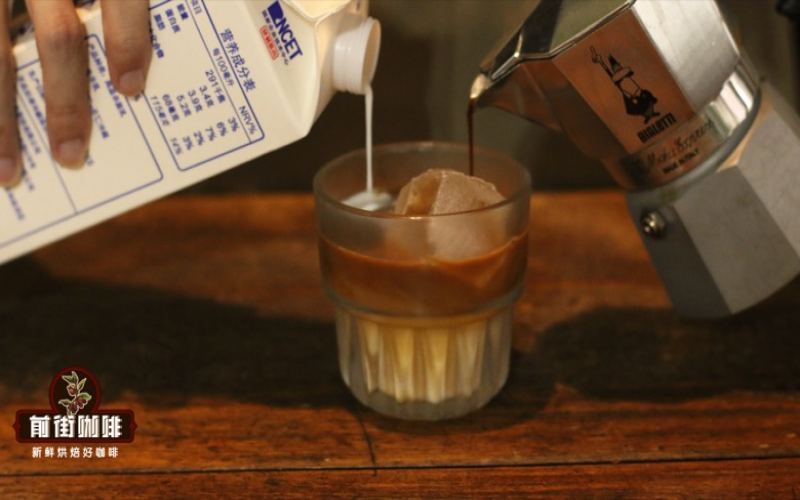
Choosing Yirgacheffe by Roast Level: From Floral and Fruity Brightness to Rich Sweetness for Beginners
The charm of Yirgacheffe often begins with floral notes, citrus, and a tea-like quality, but the same growing region can take on a completely different character at first sip depending on the roast. For those new to coffee, narrowing down your options by roast level first makes it easier to find a smooth starter cup than fixating solely on the region name. Pour-over black coffee emphasizes aroma, while milk [more…]
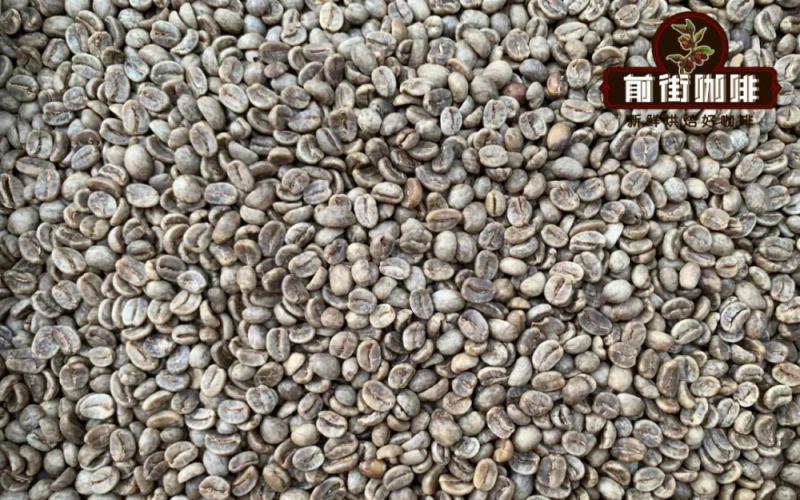
Who Is Decaf Coffee Suitable For? | What's the Difference Between Decaf and Regular Coffee? Is Decaf Coffee Specialty Coffee? Recommended Low-Caffeine Pour-Over Coffee Beans
Some people love the aroma of coffee but can't enjoy it, because drinking coffee gives them palpitations, insomnia, stomach pain, and other adverse reactions. So is there a low-caffeine coffee option? How low can its caffeine content be? First, let's understand what caffeine is. Caffeine is a plant [more…]

Bean Choices for Latte: From Classic Blends to Fruity Blends
The choice of beans for a latte determines the flavor direction of the final drink. From classic rich blends to fruity blends, different bean types each have their own characteristics when used in a latte. Understanding how different beans perform in a latte gives you a richer range of options when selecting beans. Classic rich blends are the traditional choice for a latte. Front Street Coffee's classic blend is made from [more…]
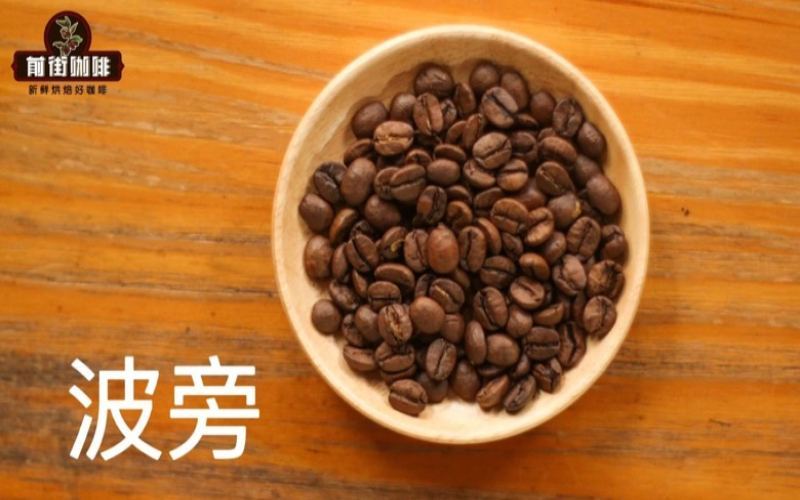
Chocolate-Flavored Coffee Beans: Two Directions from Dark Chocolate to Milk Chocolate
Chocolate-flavored coffee: the sweetness comes from the caramelization reaction during roasting, while the bitterness comes from the roast level; the ratio of the two determines whether it leans toward "dark chocolate" or "milk chocolate." Front Street PWN Indonesia Golden Mandheling is a representative of the dark chocolate direction, with herbal notes that give the bitterness layers; Brazil Queen Estate, on the other hand, leans toward milk [more…]
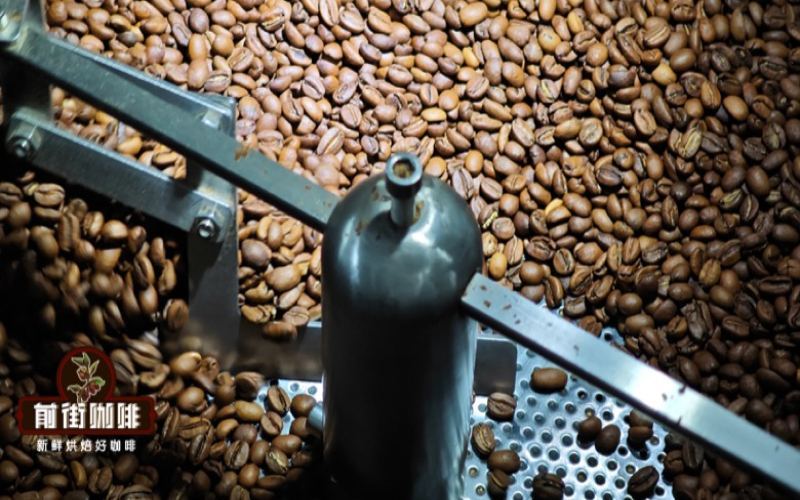
Yirgacheffe starter coffee beans for beginners: look at the scenario first, then flavor and roast
When choosing coffee beans, start with your daily drinking scenario: is it a cup of black coffee in the early morning, or a milk coffee to go with breakfast; is it a slow pour-over, or a quick cup from a machine? Different scenarios call for different roast levels, flavor intensity, and brewing methods. Pour-over flavor is mainly determined by origin, variety, and processing. [more…]
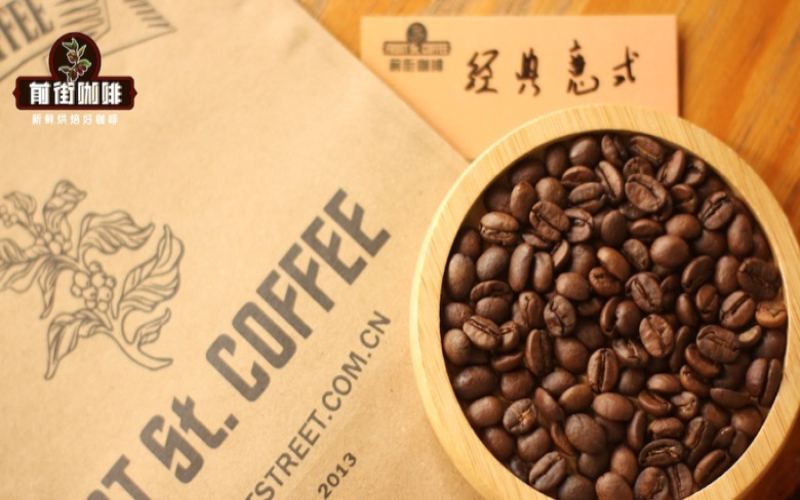
Home American Coffee Beans: Matching Flavor Descriptions to Actual Taste
Acidity and bitterness are just the two poles of flavor; aroma, sweetness, body, mouthfeel, and finish are equally part of what's in the cup. When choosing beans, first pinpoint your own preferences—floral and fruity, nutty and cocoa, or somewhere in between—then match them by origin, processing method, and roast level. What determines the flavor of a pour-over isn't just the bean itself; origin, variety, [more…]