







Search Results for: one side
Three Ethiopian Beans Compared: Yirgacheffe G1, Hambela, and Kaffa Forest — Which One Is Your Cup of Tea?
With so many Ethiopian beans out there, which one should you buy first when your budget is limited? Today we're putting three popular Ethiopian beans side by side for a horizontal comparison—Yirgacheffe Gudingding, Huakui, and Kafa Forest—scoring and comparing them across three dimensions: flavor, mouthfeel, and who they suit. After reading this, you can make a decision right away. Comparison One: Flavor Performance Yirga [more…]
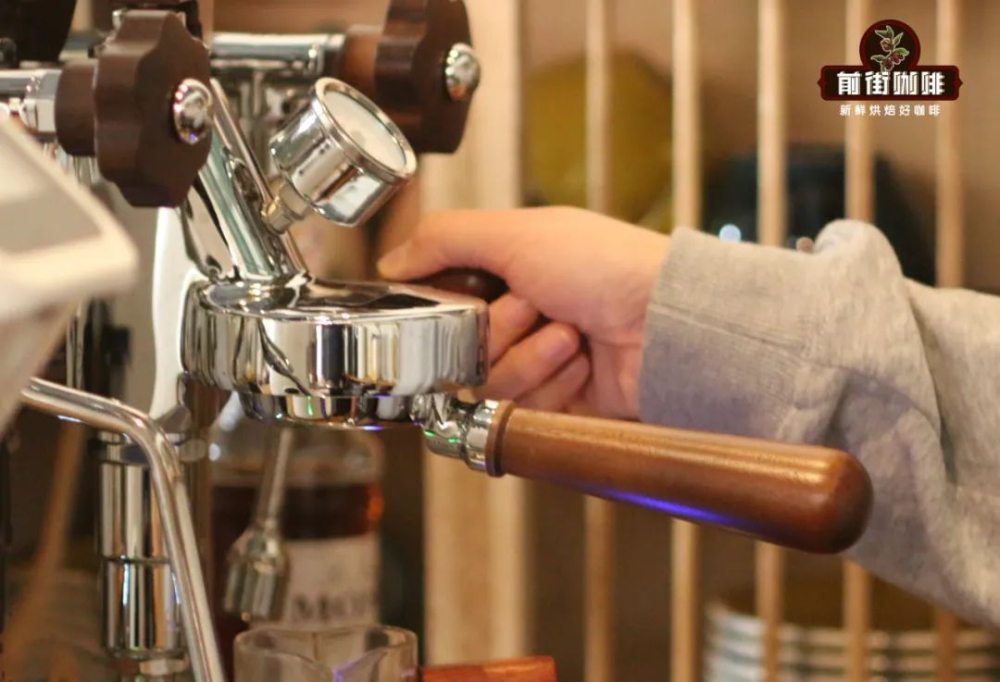
Espresso Brewing Standards | What Are the Common Espresso Extraction Problems? How to Understand Under-Extraction and Over-Extraction?
What is Espresso? Espresso, also known as "Espresso," is a coffee beverage or Italian-style coffee base originating from Italy. It is coffee that is rapidly extracted under high pressure. Traditionally, a single shot of espresso has a volume of about one ounce. The internationally accepted technical standard is as follows: around 7 grams of [more…]
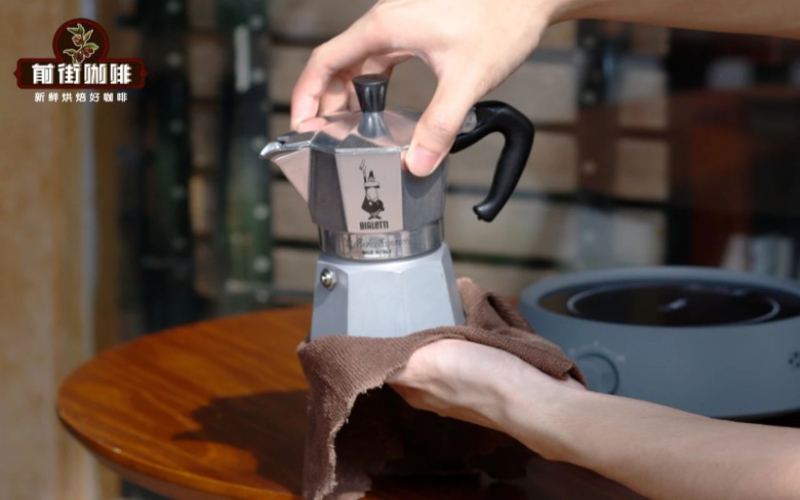
Two Fates of the Same Bean: Moka Pot vs. Espresso Machine
After spending enough time with coffee, many people end up owning both a moka pot and a semi-automatic espresso machine at home. The same beans go into the portafilter for one cup, then into the moka pot's basket for another, and the gap in flavor is so big it often makes you wonder if the beans were swapped out. Understanding this difference, in turn, can help you judge when choosing beans: which beans are worth [more…]
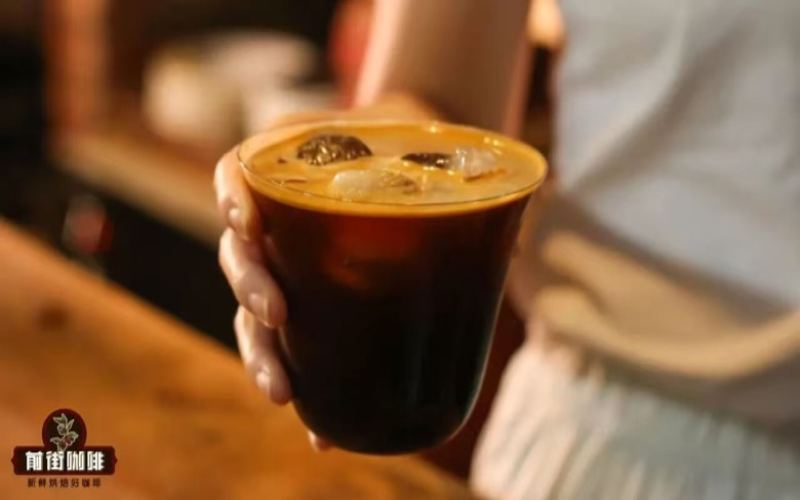
A single bean is too monotonous—try the recipe approach of cold brew blending.
In the cold brew world, blending is a popular trend—mixing two or three beans in certain proportions and steeping them together. The flavors complement each other, creating layers that a single bean can't deliver. With hot pour-over, blends tend to clash, but cold brew's low-temperature extraction is much gentler, allowing beans to meld together seamlessly—making it easy for beginners too. If you're tired of single-origin beans and want to explore something new [more…]
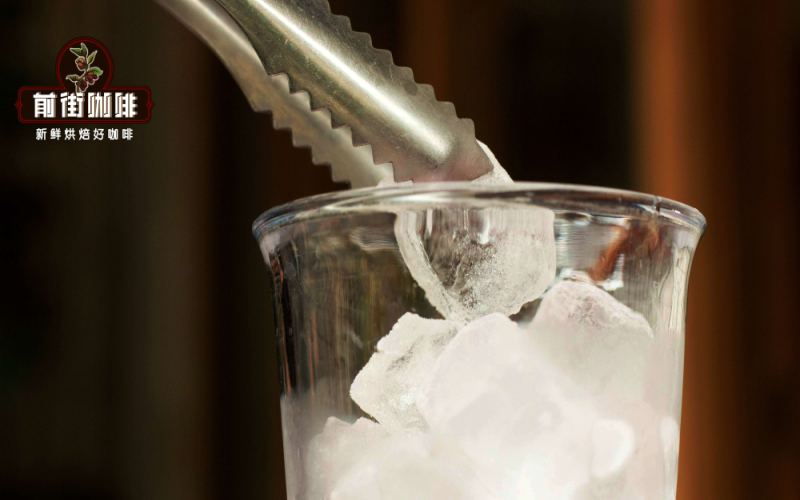
The History of Drip Bag Coffee | What's the Difference Between Drip Bag Coffee and Pour-Over Coffee? How to Adjust the Water Amount for Making Iced Coffee with Drip Bags?
For more specialty coffee knowledge, please follow our WeChat official account: FrontStreet Coffee. Drip bag coffee, as the name suggests, is coffee brewed using a drip bag. The drip bag was a product developed by the Japanese; the filter bag is used to hold the coffee, and on each side there is a small piece of cardboard, like two [more…]
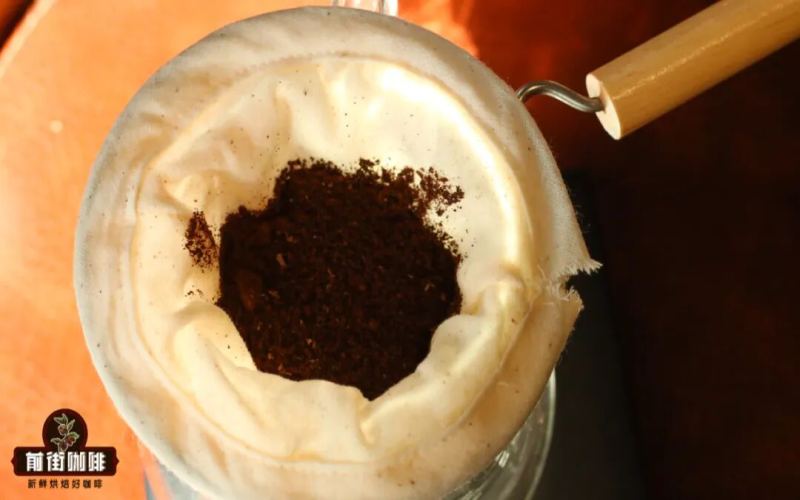
手冲咖啡冲煮方法|日式冲煮为何偏爱用法兰绒冲煮咖啡?法兰绒咖啡有哪些风味特点?
Speaking of flannel filter cloth, many friends may have only seen it in some Japanese films and TV dramas or in Japanese-style brewing introduced by bloggers, and have never actually used it. Because compared to filter cloth, the vast majority of people use filter paper and filter cups, this mainstream filtering tool, when brewing coffee. Ways to get to know flannel filter cloth [more…]
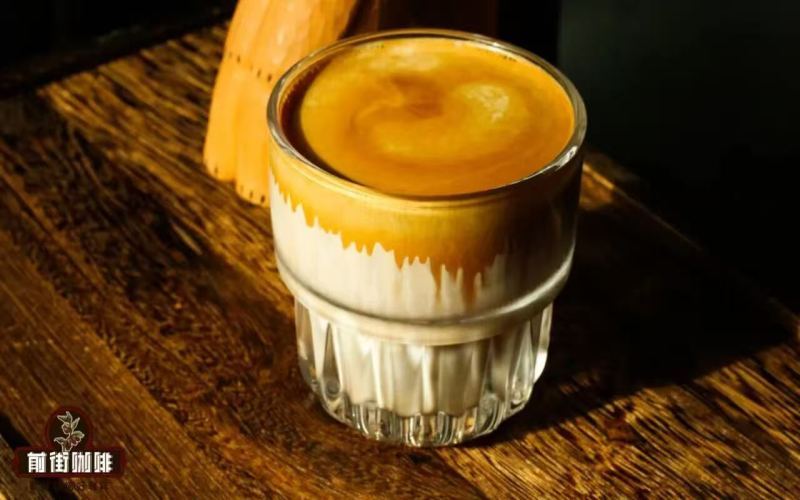
How can milk coffee be made to taste different? A breakout approach with fruit-forward espresso beans
There are more and more coffee shops, and you may find several of them side by side on the same street. When the machines, milk, and prices are all about the same, why should customers remember your shop? The answer often isn't in the equipment, but in the beans. Today let's talk about an approach that's great for standing out: using fruity espresso beans to make a cup that no one else can. [more…]
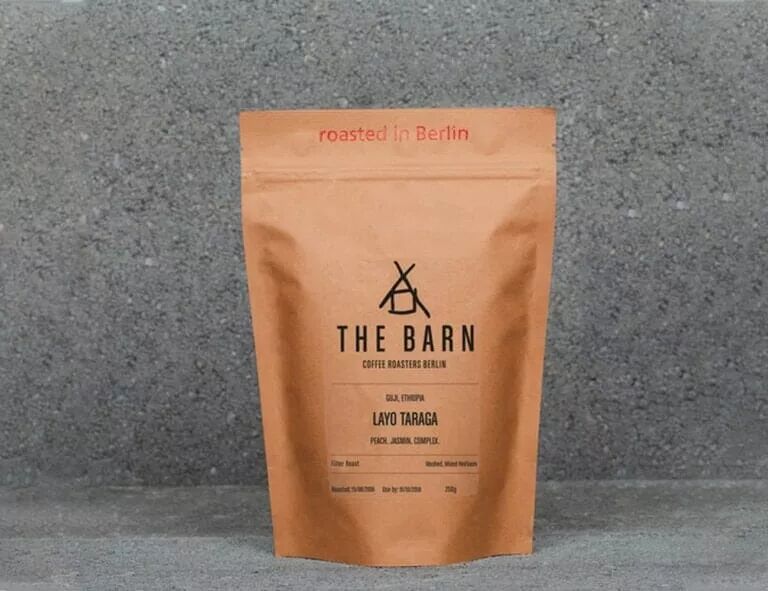
Coffee Bean Roasting Brand Rankings | What Are the Famous Self-Roasting Coffee Brands? What Are the Characteristics of Each Coffee Bean Brand?
There are many world-famous coffee brands. Some mainly operate through chain stores, with unified raw materials and unified standards, so the quality of their coffee output is relatively consistent; others operate as independent coffee shops, and these stores offer different coffee products for customers to choose from. As the coffee culture becomes more and more [more…]
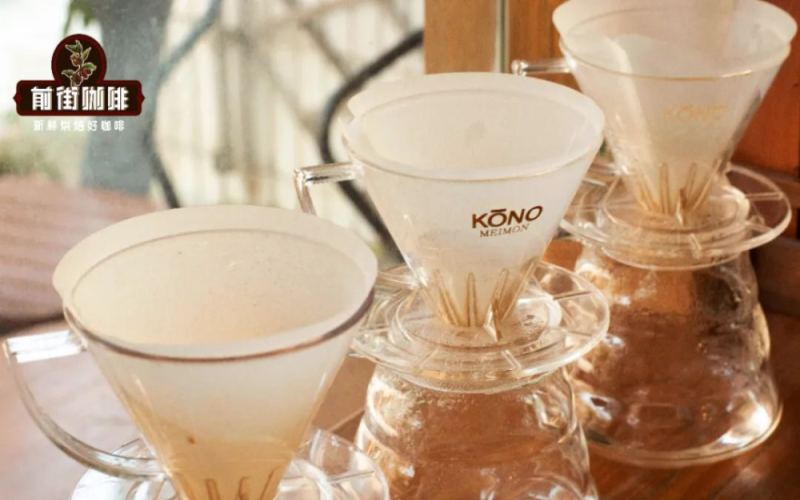
Pour-over coffee channeling | How to judge whether the filter paper is aligned with the coffee dripper? Why should the filter paper be moistened with water to adhere tightly when making pour-over coffee?
For most people, wetting the filter paper is the default first step before brewing coffee, with two main purposes: one is to make the filter paper fit snugly, and the other is to rinse off the dust adsorbed on the paper. If hot water is used, it can also preheat the equipment along the way. In the vast majority of tutorials, aside from guiding us on how to make the filter paper adhere closely [more…]
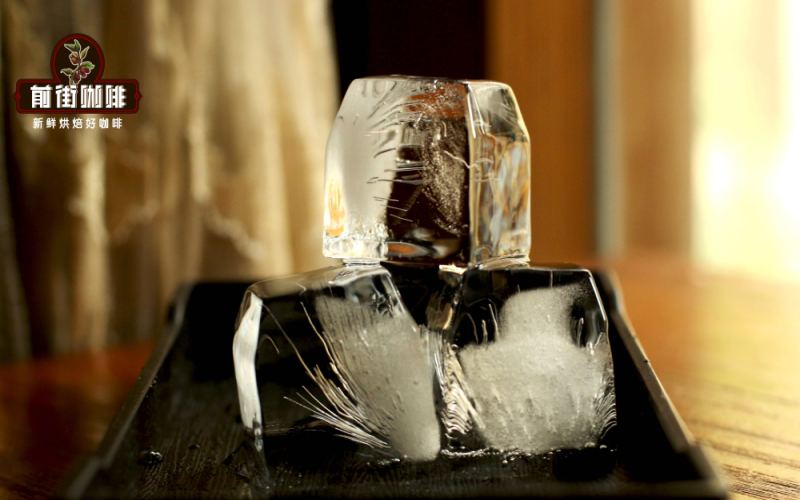
Japanese-Style Iced Pour-Over Tutorial | For iced pour-over coffee, should you add ice first or ice last? What is the ratio of coffee grounds, water, and ice for iced coffee brewing?
For more specialty coffee knowledge, please follow our WeChat public account: FrontStreet Coffee. A while ago, a customer asked, "How do you brew your iced pour-over coffee? Is there a difference between adding ice first and adding ice later?" In this issue, Front Street will conduct an experiment to compare them, hoping to [more…]
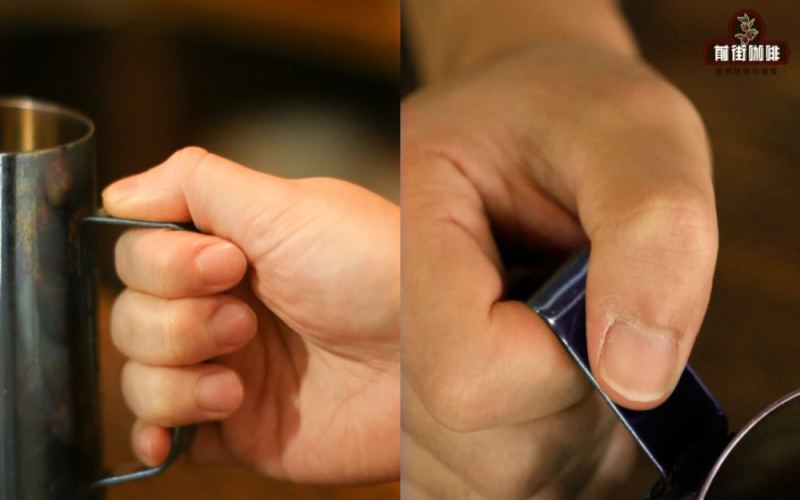
Latte Recipe Ratio | How Can Coffee Beginners Practice Italian Latte Art Patterns at Home? What Details Should Be Noted When Creating Latte Art Designs?
A friend asked Front Street Coffee how to practice the pitcher movement for patterned latte art. This article serves as a supplement to "How can you pour beautiful patterned lines?" If you haven't read it yet, you can click the link to take a look first; this article won't repeat the content covered there. The first issue: if your pour is asymmetrical, there is only one possible [more…]
Roast Depth Sets the Direction: How to Choose Between Espresso Blends and SOE
When comparing espresso blends and SOE side by side, looking at the roast level first gives you a better handle on things. When beans are roasted light, the floral and fruity notes from the origin and variety come through more vividly; as the roast moves toward medium-dark, nutty, cocoa, and caramel notes along with a fuller body gradually take over. Blends often combine the characteristics of different beans, while SOE concentrates [more…]
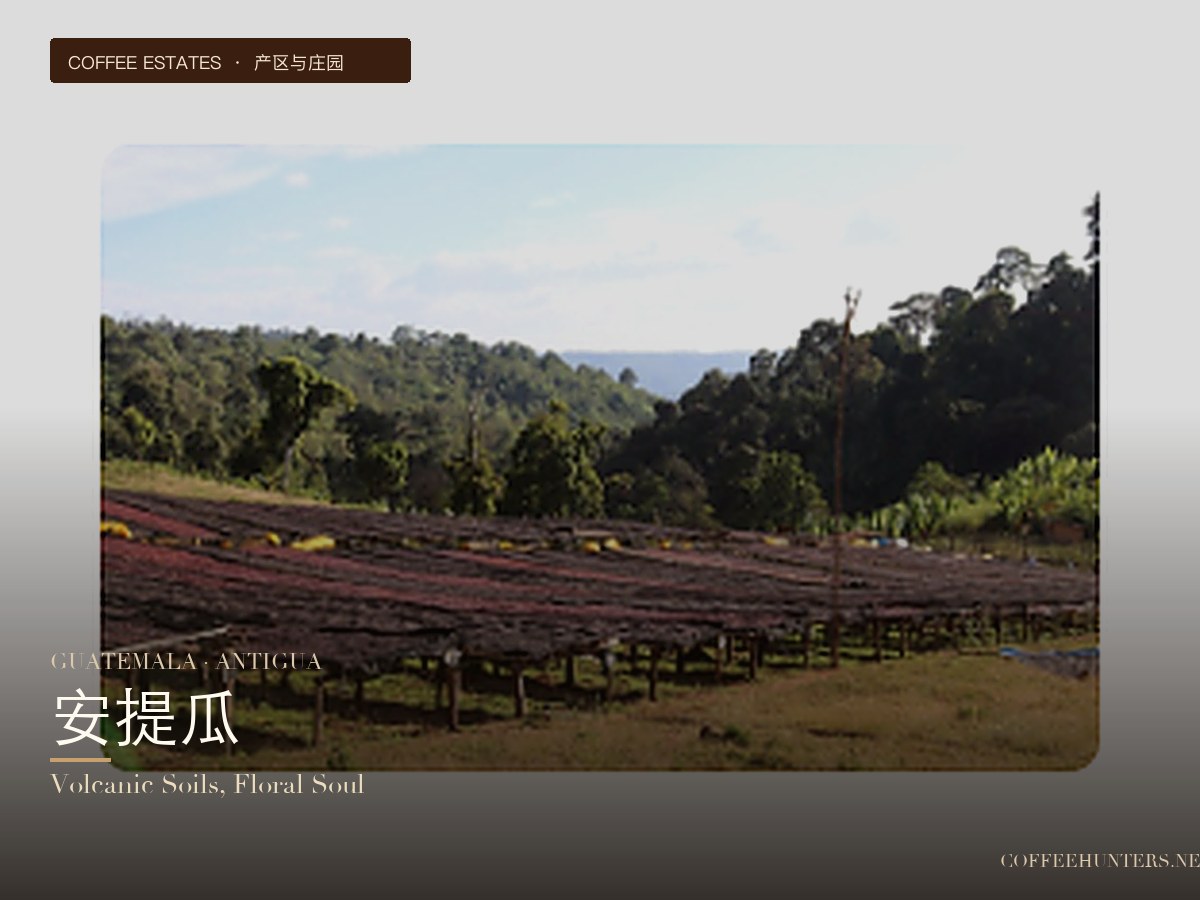
Guatemala Antigua: A Classic Collision of Volcanic Soil and Floral-Fruity Notes
Guatemala Antigua is one of the world's most prestigious specialty coffee regions, and its unique terrain—embraced by volcanoes on three sides—gives rise to its signature floral and fruity notes along with a full body. This article takes you deep into this Central American coffee gem. [more…]
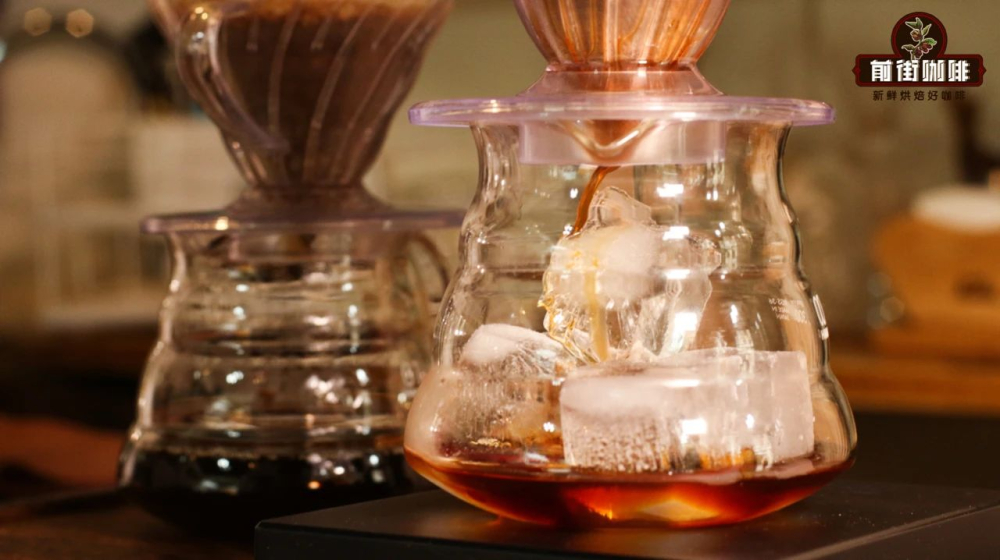
Japanese Iced Pour-Over Ratio | How Do You Make Iced Pour-Over Coffee? For Iced Pour-Over Coffee, Do You Put the Ice in First or Add It Later? How Do You Describe the Flavor and Mouthfeel Characteristics of Iced Pour-Over?
To drink iced coffee, is cold brew the only option? Not at all!! There are many ways to make iced coffee, such as Japanese-style iced coffee. Today, I'll share with you how to make a cup of Japanese-style iced coffee. A few days ago, a customer asked, "How do you brew your iced pour-over coffee? Is there a difference between adding ice first and adding ice later?" This [more…]
Finding Origin Flavors in Home Machines: Everyday SOE Play
After using a home semi-automatic machine for a while, many people want to advance from blends to SOE, experiencing the expression of origin flavors on their home machine. SOE, or Single Origin Espresso, means extracting beans from a single region into espresso on their own, tasting the bean's original flavor personality. Although home machines have limited pressure, as long as you choose the right beans and adjust [more…]
Moka Pot + Milk Coffee: Is One Bag of Beans Enough for Home? A Buying Guide for Dark Roast Arabica
The coffee corner at home isn't very big: a moka pot, a milk frother, and occasionally I want to make a decent latte. When buying beans, the question arises—can the beans used for a moka pot and the beans used for milk coffee be the same bag? Yes, and many people do exactly that. The key is choosing the right beans: dark roast, Arabica, espresso blend, [more…]
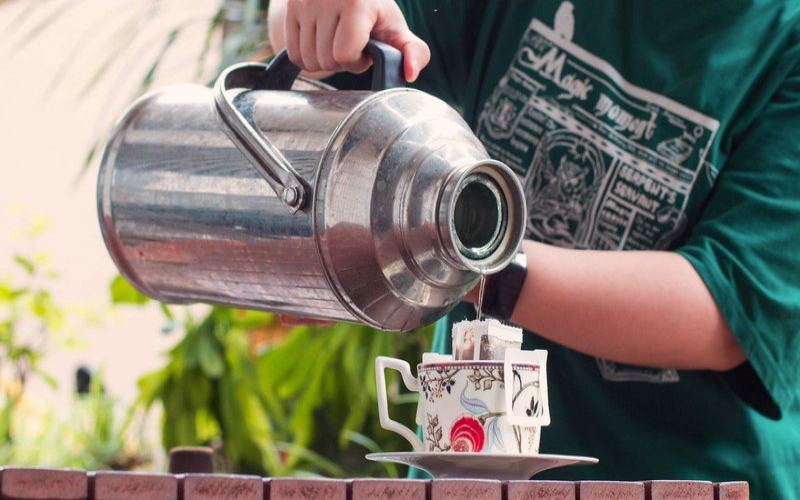
Recommendations of Drip Coffee Brands and Types | Can Drip Coffee Bags Be Reused for Multiple Infusions? What Is the Extraction Principle of Drip Coffee? What Are the Specialty Coffee Drip Bags?
Drip coffee bags use drip filtration, and their design was inspired by teabags with strings. The inventor wanted to simulate pour-over drip coffee by pre-portioning ground coffee into non-woven filter bags, with paper tabs on both sides that allow the bag to hang suspended in the center of the cup. Because the coffee is pre-ground and there is also a lack of various brewing accessories, [more…]
Beans for Both Espresso and Pour-Over: How to Configure a Single Machine for Two Brewing Methods
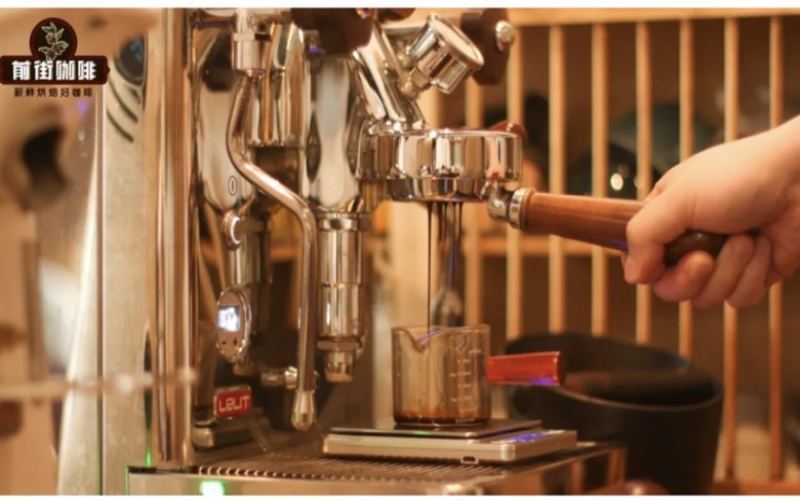
Players who have both an espresso machine and a pour-over kettle at home often fall into a kind of happy dilemma: when buying beans, they're always torn over "should this one be for pour-over or for espresso?" Actually, the mature approach is a dual-purpose bean lineup—within the same purchase batch, some beans are dedicated to espresso, some are dedicated to pour-over, and some can pull off both faces. This article talks about [more…]
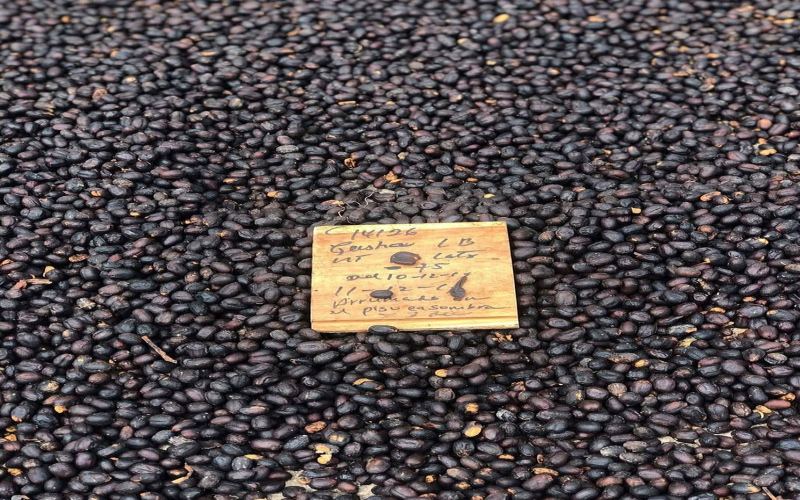
American Black Coffee Beans Recommendations: Balancing Budget and Drinking Frequency
American-style black coffee beans aren't something you can master just by memorizing a few names. When buying beans for everyday use, you need to consider how quickly you'll go through them, how much to buy at once, and whether your household mainly makes black coffee or milk-based coffee. What's truly worth referencing is the balance of acidity and sweetness on the palate, the body's thickness or thinness, and the finish after the coffee cools—then, combined with your brewing habits, your range of choices will gradually [more…]
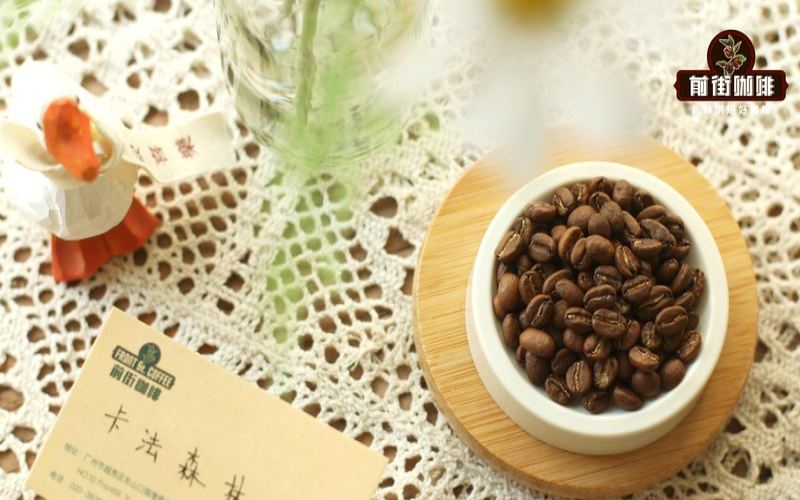
What grind size should you actually use for a moka pot?: Balancing budget and drinking frequency
The grind size for a moka pot reveals different aspects depending on the brewing method. When buying beans day to day, you need to consider how quickly you'll drink them, how much to buy at once, and whether you mainly make black coffee or milk coffee at home. Pour-over easily draws out the aroma, an espresso machine emphasizes intensity, and a moka pot amplifies the rich, full-bodied feel. When choosing beans, you should first determine which one you use most often— [more…]