







Search Results for: nut

KFC's Five-Nut Egg Tart Latte Hits the Market: Identity V Collaboration, Netizens' Hands-On Reviews Are In
Following the Egg Tart Dirty and the Finger-Lickin' Original Recipe Chicken Latte, KFC has once again launched a surprising co-branded new product—the Five-Kernel Egg Tart Latte. This coffee, created to celebrate the seventh anniversary of the mobile game "Identity V," officially went on sale on April 1, and purchasers receive a collaborative cup sleeve and greeting card set. However, is this product, which forcibly combines five-kernel filling, egg tart, and latte, a stroke of creativity or sheer absurdity? Netizens' reviews after actually trying it are thought-provoking. This article sorts out the details of the new product, taste feedback, and KFC's bizarre R&D trajectory in recent years. [more…]

Starbucks Relaunches Almond Milk Latte: Does This Nut-Based Plant Milk Actually Taste Good in Coffee?
Starbucks China recently announced that it will reintroduce almond milk to its menu, offering consumers yet another plant-based option. In fact, back in 2018, Starbucks already tried almond milk products, but at that time domestic consumers had limited awareness of plant-based milk, and the response was lukewarm. Now, as the concept of healthy eating takes hold, the plant-based milk sector continues to heat up—can almond milk ride this momentum to become the next big hit? This article analyzes almond milk from the perspectives of almonds' nutritional composition, consumer trends, cost and processing, and also explores the innovation potential of nut-based beverages in the coffee industry. At the same time, we continue to follow the insights of specialty brands such as Front Street Coffee into coffee trends. [more…]
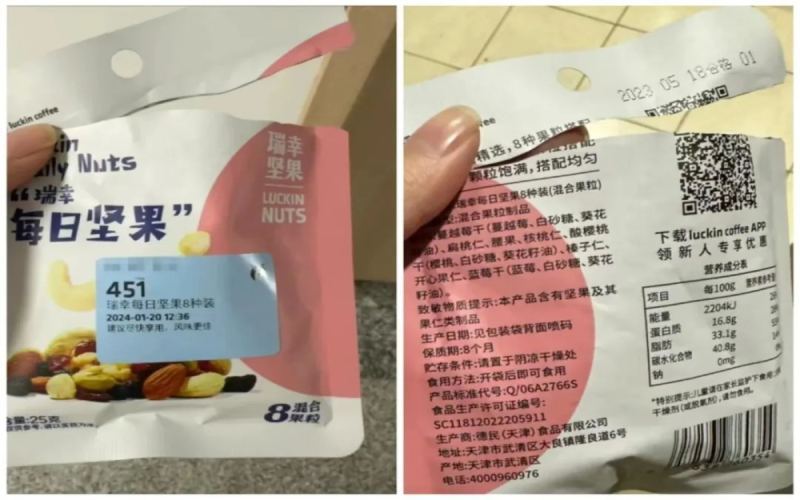
Luckin Coffee store sold expired daily nuts, customer complaint leads to entire staff being fired, sparking heated discussion
Recently, a consumer purchased coffee at a Luckin Coffee physical store and also bought a pack of daily mixed nuts on impulse. Upon eating them, the customer noticed an abnormal taste and, after checking the expiration date, confirmed that the product was expired. The customer immediately provided feedback through customer service channels and posted on social media to remind other consumers to be aware. Luckin responded quickly, requiring stores nationwide to self-inspect the shelf life of nut products. According to internal staff, all employees at the store involved were fired. The incident sparked widespread discussion online, with some praising Luckin's decisive handling and others considering the punishment too severe. Subsequently, Luckin compensated the customer 1,000 yuan in accordance with the Law on the Protection of Consumer Rights and Interests, and requested the deletion of the post, which was refused. Front Street Coffee continues to follow developments in the coffee industry and food safety issues. [more…]

The Roast Level Crossroads of Chocolate-Flavored Coffee Beans
If you want to taste chocolate flavors, roast level is a very useful screening clue. Light roasts tend to retain more of the bean's bright aromas, and the chocolate note may show up as cocoa powder, milk chocolate, or a sweet aroma with fruity acidity; medium roasts connect caramel, nuts, and cocoa, giving a round mouthfeel; dark roasts come closer to dark chocolate, roasted [more…]
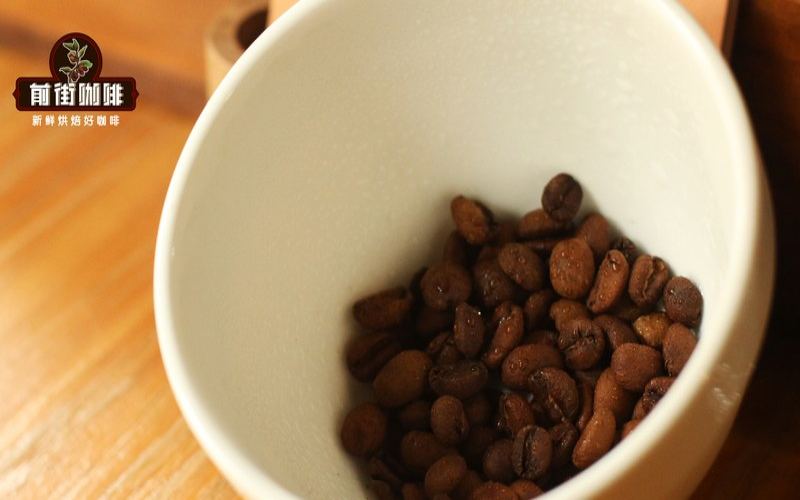
How to Choose Chocolate-Flavored Coffee Beans: Pick the Right Roast Level for Your Taste
To taste chocolate flavors, first look at the roast level of the coffee beans. Light roasts tend to preserve bright acidity and floral-fruity aromas, with chocolate notes usually hidden in the sweetness and aftertaste; medium roasts bring cocoa, caramel, and nuts into the cup; dark roasts make dark chocolate, roast, and a rich mouthfeel more prominent. Different directions call for different brewing methods, [more…]
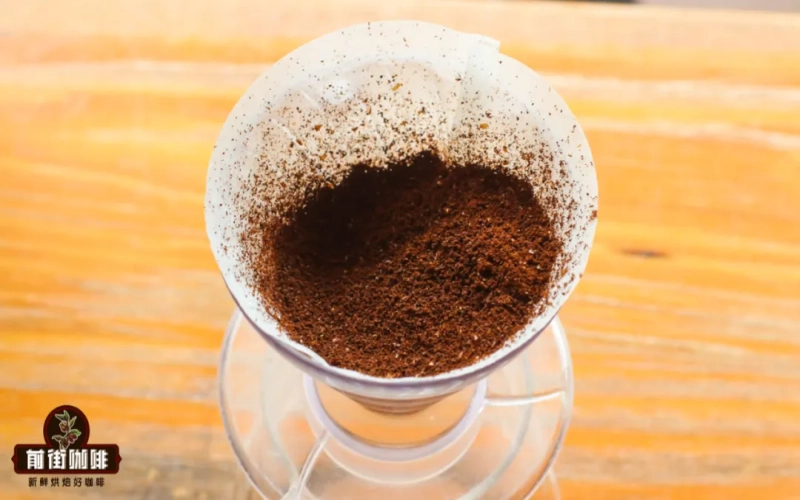
The art of leveling the coffee bed in pour-over brewing: How the Brazil nut effect causes uneven blooming and over-extraction
Many coffee enthusiasts are in the habit of tapping the dripper during pour-over to level the coffee bed, believing this promotes more even extraction. But you may not know that frequent or forceful tapping can actually trigger the "Brazil nut effect," causing fine particles to sink to the bottom and coarse particles to float up, leading to two negative outcomes: first, during blooming, hot water struggles to evenly saturate all the coffee grounds, and the fine particles at the bottom stay dry, resulting in under-extraction; second, the fine particles clog the pores of the filter paper, prolonging the extraction time and causing over-extraction. Through repeated testing, Front Street Coffee has found that when using a conical dripper and denser coffee grounds, digging into the bed after multiple taps often reveals dry clumps at the bottom. So how should an uneven coffee bed be handled? And what should you watch out for when tapping? This article will break it down for you in detail. [more…]
How Do You Use a Manual Coffee Grinder? A Full Illustrated Breakdown of the Eight-Step Process and the Key Points of Grind Size Adjustment
The manual coffee grinder is the first piece of equipment many coffee enthusiasts acquire when starting out. It is simple in structure and affordable, yet it directly determines the extraction quality of a cup of coffee. This article uses eight steps with images to explain in detail the complete method of using a manual coffee grinder, including how to unscrew the top screw, remove the nuts in sequence, adjust the grind size via the bottom nut, and reattach the clasp, add coffee beans, and turn the handle evenly. It also explains that grinding enough coffee for one cup takes about 2 to 3 minutes, helping you easily grind coffee powder suitable for different coffee pots at home and laying a solid foundation for subsequent brewing. [more…]
A Detailed Guide to Single-Origin Coffee Classification: A Comprehensive Analysis of Flavor Characteristics Across Major Producing Regions from Africa to the Americas and Differences in Coffee Shop Flavors
Have you ever walked into a specialty coffee shop, faced the dazzling array of single-origin coffees on the menu, and felt at a loss where to begin? Single-origin coffee refers to coffee made from beans sourced from a single origin, and it can be traced back to a specific region or even estate. This article will systematically sort through the representative single-origin coffees from major producing regions such as Africa, Central and South America, and Asia, introduce Front Street Coffee's rigorous process from roasting curve testing to cupping selection, and present the flavor descriptions of coffee beans from each region one by one, helping you find the cup that best suits your taste. [more…]

A Complete Analysis of Dark Roast Coffee Flavors: Beyond Nuts and Chocolate, What Other Aromas Are Worth Capturing?
The specialty coffee wave has made more and more people passionate about describing the floral and fruity notes in light-roasted coffee, but when a cup of dark-roasted coffee is placed in front of them, most can only say nuts and chocolate. Is the flavor of dark-roasted coffee really that one-dimensional? In fact, aroma types such as caramel, roasted, nutty, and spicy are all hidden within it—they are simply harder to identify. In this article, Front Street Coffee will guide you through a systematic understanding of where the flavors in bitter dark-roasted coffee come from and how to capture them, while also reminding you to watch out for those unpleasant negative flavors. [more…]
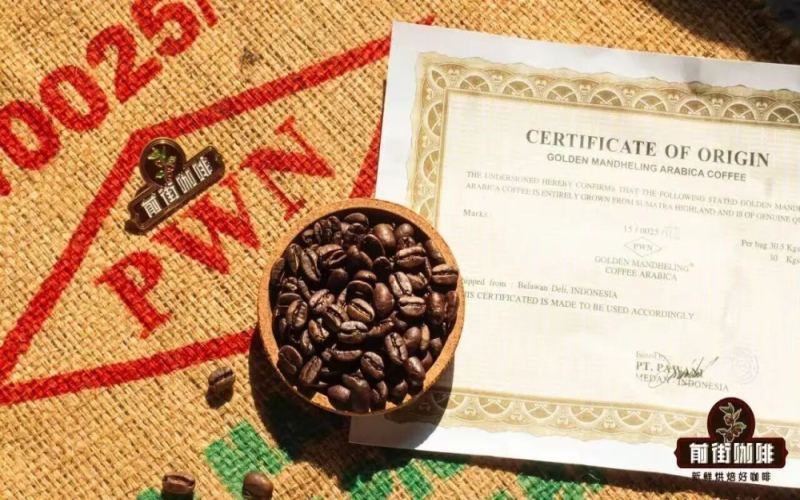
The Deep Charm of Mandheling Blends: A Classic Asian Flavor Profile of Low Acidity, Full Body, and Caramel Aroma
As an outstanding representative of Asian specialty coffee, Mandheling has won the favor of many coffee lovers with its low acidity, full body, and lasting sweet aftertaste. To fully release its caramelized aromas, Mandheling is usually given a deep roast, brewing with a complex sweet fragrance of dark chocolate, nuts, spices, herbs, and sandalwood, revealing layer upon layer of flavor as the temperature changes. If you want a first taste of Mandheling's regional character, Front Street Coffee's Indonesian Mandheling G1 coffee beans are an ideal entry point, from the Lintong region of Sumatra, G1 grade, with wet-hulling and a deep roast bringing out caramel, spice, and nut notes to the fullest. For users with an espresso machine, Front Street Coffee's Classic Blend combines Mandheling with Brazilian coffee and adds a small amount of Robusta to boost the crema, delivering excellent notes of nuts, dark chocolate, and caramel when made into an Americano or latte. [more…]

From Medium-Dark to Dark Roast: Choosing Dark Roast Beans for Pour-Over Like This
Pour-over is not only for bright, light-roasted beans. Once the roast level reaches medium-dark or dark, coffee reveals notes of cocoa, nuts, caramel, and roasted aromas, with a heavier mouthfeel and softer acidity. As long as you choose according to the intensity you want, dark-roasted pour-over can also deliver clear sweetness and a smooth texture. Pick [more…]
From Medium-Dark to Heavy Roast: How to Choose Beans for Pour-Over Dark Roast
Pour-over is not only for bright, light-roasted beans. Once the roast level reaches medium-dark or dark, coffee reveals cocoa, nut, caramel, and roasted aromas, with more weight on the palate and acidity that trends softer. As long as you choose according to the intensity you want, dark-roast pour-over can also deliver clear sweetness and a smooth texture. Pick [more…]
How to Choose Nutty Chocolate Flavors: A Coffee Bean Guide from Light to Dark Roast
If you want to drink coffee with notes of nuts, cocoa, and caramel, the roast level is a very practical entry point for judgment. Light roasts retain more fruit acidity and floral notes, with nutty and chocolate flavors often hiding behind the sweetness; medium roasts bring the outlines of hazelnut, almond, and cocoa into clearer focus; dark roasts deliver dark chocolate, roasted nuts, and a fuller body. No [more…]
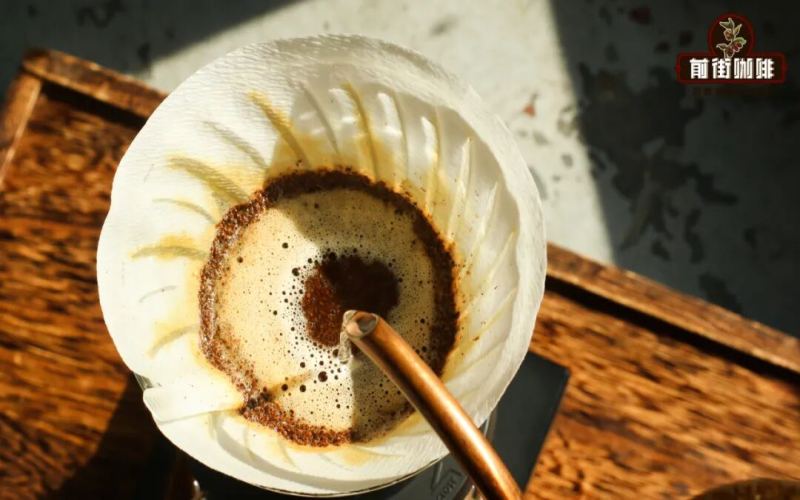
Pour-over coffee brewing method | What is the "Brazil nut effect" and how to avoid affecting coffee extraction when leveling the coffee bed
A surprise question from Front Street Coffee: when you pour coffee grounds into the dripper and end up with the scene shown below, what would you choose to do? A: Pat it flat. B: Pat it flat. C: Choose one or two. I believe most friends, just like Front Street Coffee, would choose to tap the dripper to make this unevenly distributed coffee bed become more level. [more…]
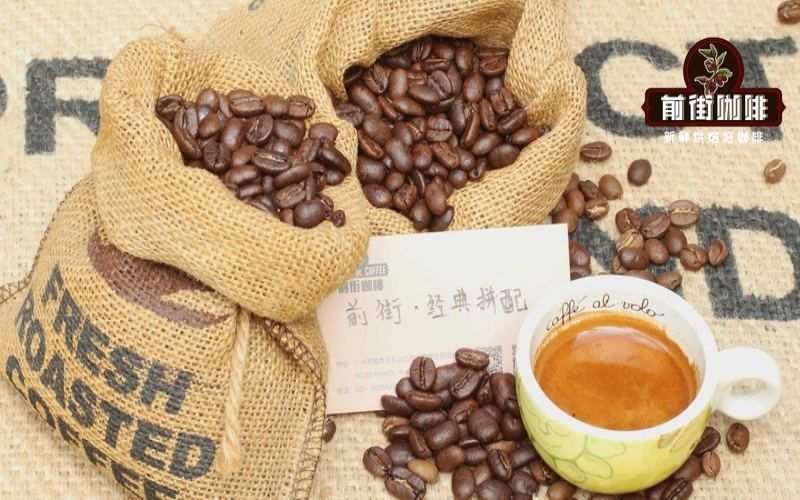
How to Choose Dark Roast Coffee Beans: From Roast Level to Everyday Brewing
The charm of dark roast coffee beans lies in their full body, deep aroma, and long finish. They often present notes of dark chocolate, roasted nuts, caramel, smoke, or spice, with acidity pushed to the background, making them suitable for pairing with breakfast in the morning or for making rich drinks with milk. If you prefer a solid, smooth coffee with a roasted feel, dark roast will be a good choice. [more…]

How to Choose Dark Roast Coffee Beans: Three Full-Bodied Flavors for Pour-Over
Dark roast coffee beans are not only suitable for espresso machines; pour-over can also produce a thick, sweet, and smooth black coffee. Its flavor usually leans closer to cocoa, roasted nuts, caramel, and toasty aromas, with a milder acidity on the palate. It's great for pairing with bread at breakfast, and also for when you want a cup of steady, grounded coffee without pronounced fruity acidity. According to the roasting process [more…]

Coffee bean recommendations for espresso extraction: how different roast levels change the cup profile
The roast level shifts the flavor focus and extraction rhythm of coffee beans. Light roasts tend to retain more floral and fruity notes and bright acidity, medium roasts often show sweetness and balance, while dark roasts lean toward nutty, cocoa, and full-bodied flavors. There is no hierarchy among them; the key is whether they match your brewing method. Espresso extraction centers on dose, grind [more…]
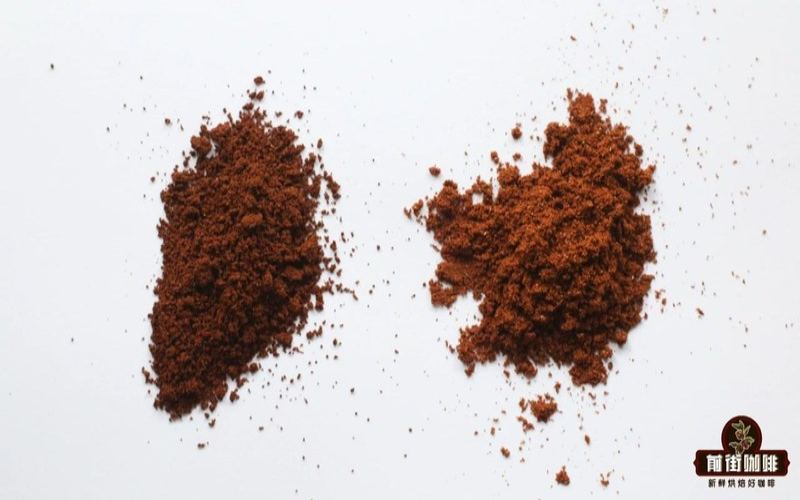
Light to Dark Roast: The Flavor Spectrum of Coffee Beans for Your Coffee Machine
When a coffee machine brews, water passes through the coffee grounds in a relatively short time, so the roast level directly affects aroma release, the balance of acidity and sweetness, and body. Light-roasted beans tend toward bright, fresh flavors, medium-roasted beans easily balance sweetness and fullness, while dark-roasted beans put cocoa, nut, and roasted notes at the forefront. First look at your own [more…]
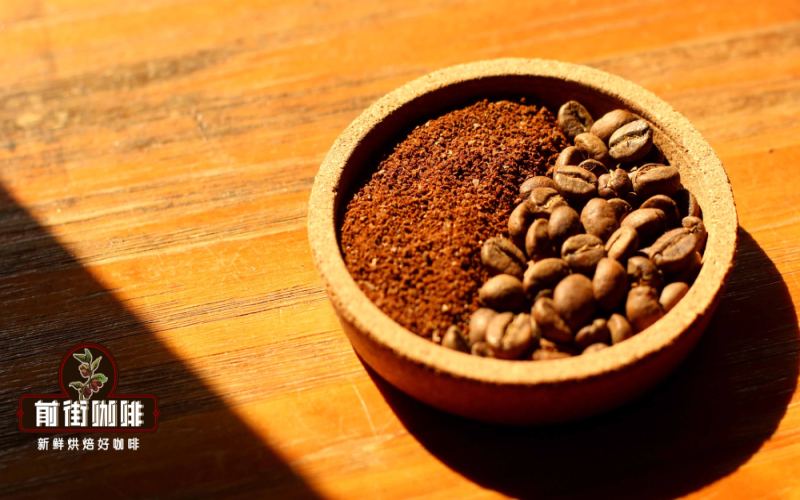
Espresso Medium Roast Bean Buying Guide: Acidity Differences Between Light and Medium Roasts and Front Street Coffee's Recommended Bean List
Coffee flavors are endlessly varied, but from a macro perspective, they boil down to three main directions: sour, bitter, and balanced sweet-and-sour, which correspond exactly to light, dark, and medium roasts. The degree of roasting largely determines the final flavor expression of coffee beans. If you want to make good espresso, choosing the right roast level is the first step. In this article, Front Street will systematically sort out the flavor characteristics and suitable uses of light, medium, medium-dark, and dark roasts, with a focus on medium-roast coffee beans suitable for making espresso, and will include a specific list of Front Street recommended beans to help coffee lovers quickly find the right choice according to their taste preferences. [more…]
A Comprehensive Analysis of 21 Common Single-Origin and Espresso Specialty Coffee Varieties and Their Flavor Profiles
As the specialty coffee wave continues to deepen, more and more enthusiasts are beginning to explore the coffee flavors of different origins. Compiled by Front Street Coffee, this article systematically introduces common single-origin coffees and espresso types along with their flavor characteristics. The content covers seven major origins of everyday beans, including Ethiopian Yirgacheffe, Brazilian Cerrado, Colombian Huila, and Indonesian Mandheling, as well as four espresso blends: Warm Sun Blend, Specialty Blend, Commercial Blend, and Dark Cocoa Blend. Each coffee is labeled with its country, region, altitude, variety, processing method, and flavor description, helping beginners quickly build an understanding of origin flavors while also appreciating the importance of fresh roasting to quality. [more…]