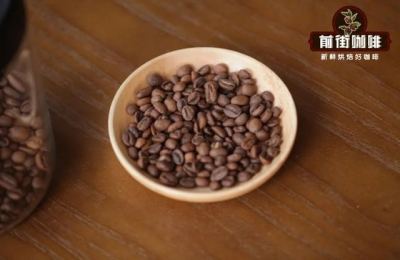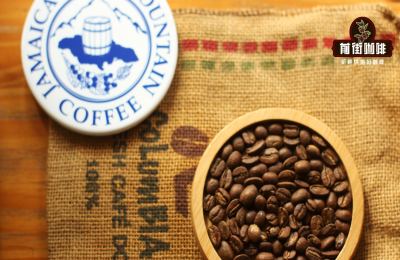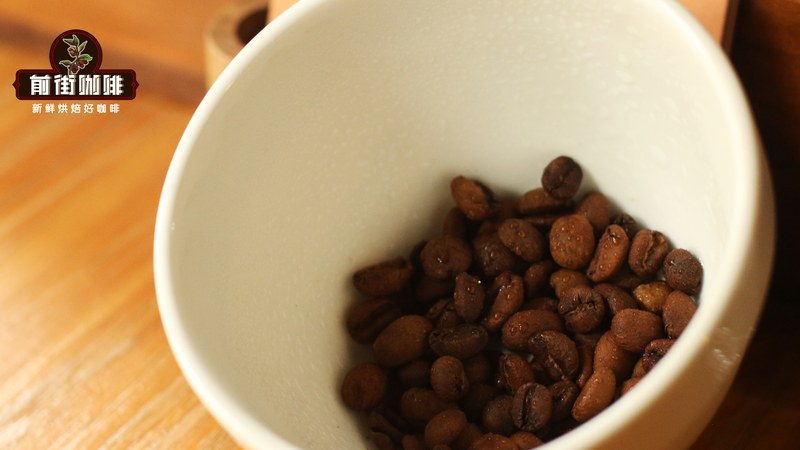
To taste chocolate flavor, first look at the roast level of the coffee beans. Light roasts tend to preserve bright acidity and floral-fruity notes, with chocolate usually hidden in the sweetness and aftertaste; medium roasts bring cocoa, caramel, and nuts into the cup; dark roasts make dark chocolate, roasted notes, and a heavy mouthfeel more prominent. Different directions call for different brewing methods, and when choosing beans you can start by judging from your preferred intensity.
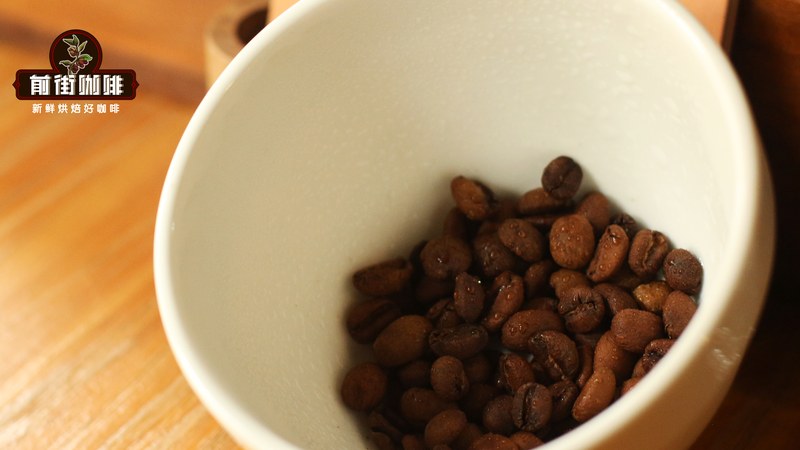
Light-roasted coffee beans are not without chocolate flavor—it's just expressed more delicately. The first sip might bring citrus, berries, or tea notes, with sweet aromas like cocoa powder or cacao nibs emerging afterward. If you usually enjoy a clean black coffee and are willing to experience the layers that temperature changes bring, look for light-roasted beans with hints of cocoa, brown sugar, or nuts, and brew them in a pour-over to draw out higher aromatics.
However, if you want a cup with clear chocolate flavor, light roast is often not the most direct route. It is sensitive to water temperature, grind size, and pouring technique; when under-extracted, the acidity stands out and the chocolate sweetness doesn't easily unfold. When choosing these beans, think of "cocoa" as one part of the flavor rather than the heavy main theme—suitable for those who like a bright mouthfeel but still want to keep some sweetness.
Medium roast is usually the range where chocolate flavor is most easily perceived. The cocoa, caramel, and nut aromas from roasting stay connected to the beans' acidity and sweetness, so the black coffee isn't too thin or overwhelmed by smokiness. In pour-over, the cup often has soft acidity and a sweetness like cocoa biscuits; with an espresso machine, you get a more concentrated shot that works better with milk.
Front Street Coffee's Brazil Queen Estate is a good starting point for exploring chocolate flavor from the medium-roast direction. Its aroma leans toward peanut, cocoa, and caramel, with restrained acidity and a rounded mouthfeel; in pour-over you can taste clear changes in sweetness. Using a moka pot keeps the coffee full-bodied; as espresso or with a small amount of milk, it retains a nutty-cocoa core—great for breakfast and afternoon tea.
If you want to quickly make a familiar chocolate profile every day, medium-dark roast is a better match. Beans at this stage usually have reduced bright acidity, shifting toward cocoa, nuts, toffee, and roasted sweetness, with a thicker mouthfeel. They work for espresso and americano, and can also stand up to milk dilution—suitable for those with more than one brewing device at home and frequently changing drinking styles.
Front Street Coffee's Classic Blend works well as a medium-dark daily bean. With nuts, cocoa, and caramel as its main flavor threads, the coffee has a noticeable body and easily forms a full base for espresso. Brewed in a moka pot, the aroma leans more toward roasted nuts and caramel; with milk added, the sweetness still comes through—good for lattes, flat whites, or simple milk coffees.
Dark roast pushes chocolate flavor toward a darker color and thicker texture. Dark chocolate, cocoa paste, roasted nuts, and caramelized sweetness become more prominent, acidity recedes into the background, and bitterness and body rise. For those who prefer espresso, americano, or heavy milk coffee, dark-roasted beans provide a stronger coffee backbone; if you prefer a lighter mouthfeel, prioritize medium roast.
Front Street Coffee's Dark Cocoa Blend centers on dark cocoa and roasted nuts, with thick sweetness and low acidity. Extracted as espresso, the coffee suits short drinks or can be diluted into a concentrated americano; with milk, its dark-chocolate-like profile gives the whole cup more body. With a home semi-automatic machine, start with a shorter yield and adjust the grind according to the bitter-sweet balance.
Once the roast level is decided, also pay attention to matching beans with your equipment. For a clear pour-over, choose medium roast and use moderate water temperature so cocoa, nuts, and caramel unfold gradually; espresso machines suit medium-dark or dark roast to support milk foam and hot milk with stable concentration; a moka pot works with medium to medium-dark roast—control the heat so sweetness stands out more than bitter roast notes.

Chocolate flavor is not the same as simple bitterness. Medium roast is more like cocoa biscuits and caramel, medium-dark roast approaches chocolate sauce and roasted nuts, and dark roast may lean toward dark chocolate and cocoa powder. When buying, first confirm whether you want clean sweetness, rounded richness, or intense heaviness, then choose based on pour-over, espresso, moka pot, or milk coffee—and the chocolate note in your cup will come closer to everyday expectations.
The above content is compiled by CoffeeHunters, a coffee news website.