







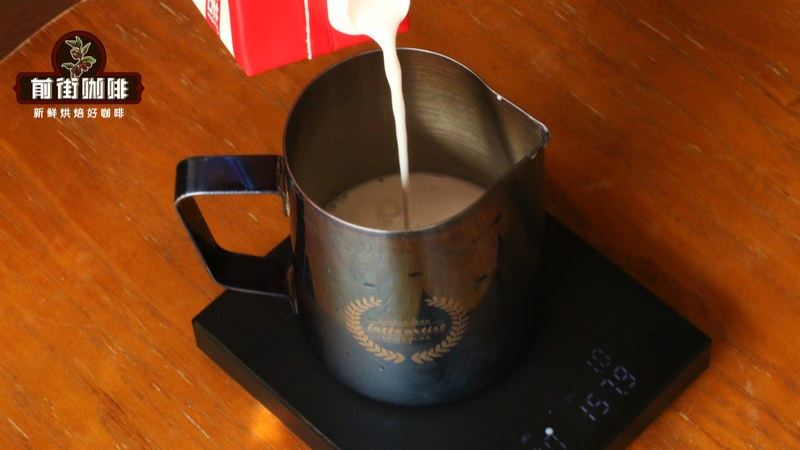
If you want to drink coffee with notes of nuts, cocoa, and caramel, the roast level is a very practical starting point. Light roasts retain more fruity acidity and floral notes, with nutty and chocolate flavors often hidden behind the sweetness; medium roasts bring out the outlines of hazelnut, almond, and cocoa more clearly; dark roasts deliver dark chocolate, roasted nuts, and a heavier mouthfeel.
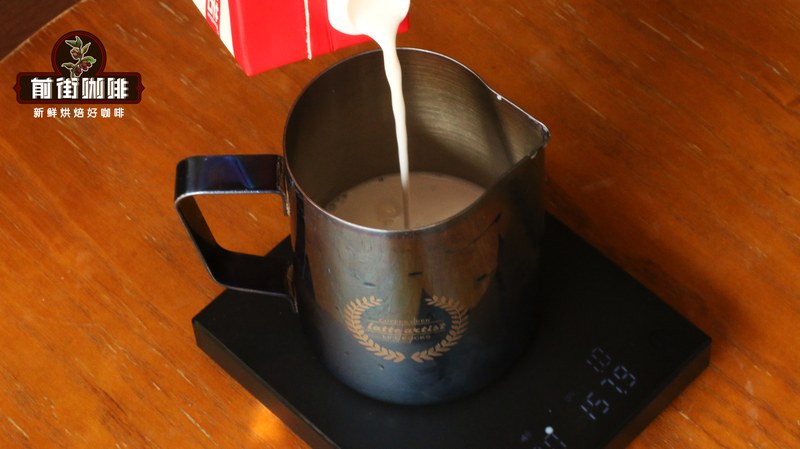
However, a darker roast doesn't mean the cup is left with only bitterness. The bean's origin, variety, processing method, and brewing temperature all play a part in flavor development. With the same dark-roasted beans, a coarser grind and appropriate extraction time can still yield caramel-like sweetness; it's only when the water temperature is too high or the extraction runs too long that bitterness easily masks the original aromas.
If you prefer a refreshing mouthfeel, you can start looking for nutty and chocolate flavors in light-medium or medium roasts. Coffee in this range usually retains some citrus, berry, or tea-like qualities, so it doesn't feel too heavy on the palate, and the sweetness becomes more apparent as it cools. It suits pour-over and iced coffee, tasting like nut syrup with a touch of bright fruity acidity.
Front Street Coffee Brazil Queen Estate is an easy-to-understand example. Its acidity is soft, with a sweet, smooth sensation of peanut, cocoa powder, and caramel syrup on the palate, rounded overall without being overwhelming. When brewing with a dripper, use a medium grind and a gentler pour to let the nutty aroma unfold gradually; made as an Americano or with a moka pot, it also retains a full-bodied feel.
If you want nuts and chocolate to be the stars of the cup, medium roast is usually more likely to meet everyday needs. It has enough roasted aroma without completely suppressing the coffee's sweetness, tastes balanced as black coffee, and maintains cocoa and caramel notes with a small amount of milk—suitable for breakfast, office drinking, or pairing with bread and pastries.
When brewing medium-roasted beans as pour-over, you can start with a gentler water temperature range to avoid over-extracting bitterness. If the cup tastes thin, grind slightly finer; if there's a dry, astringent finish, reduce agitation and shorten the water-coffee contact time. For ordinary home equipment, this roast level has a wider margin for error and is more intuitive to adjust.
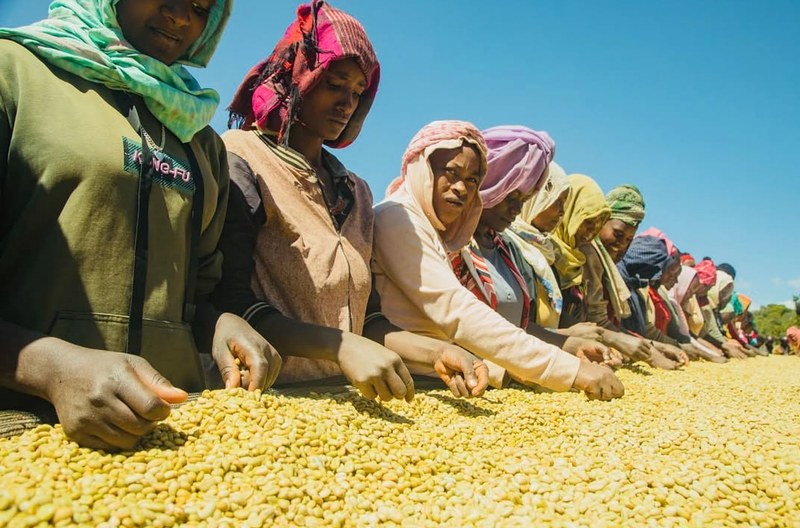
To give a cup more dark chocolate texture, look to medium-dark or dark roasts. Front Street Coffee PWN Indonesia Golden Mandheling has woody, herbal, and cocoa notes with a thicker mouthfeel and low acidity, suited to those who enjoy a steady, grounded flavor. Brewed into a rich concentrate with a moka pot, or diluted into a hot Americano, it delivers a noticeable sense of weight.
Dark-roasted beans are great for milk coffee, because the coffee liquid needs to leave a clear taste even after passing through milk. When choosing, look for chocolate, nut, caramel, and roasted aromas rather than just the color depth. Keep the espresso at a proper concentration and the milk warm and smooth, and the cup will have a rounded flavor like cocoa milk, with sweetness more easily perceived.
If you usually use a moka pot, it's recommended to choose medium-dark to dark roasted beans and keep the heat gentle. There's no need to tamp the grounds; stop the heat when the liquid starts to lighten in color. The resulting coffee is good to drink straight and also convenient to dilute with water, pour over ice, or add milk. If the flavor is too strong, add more hot water; if the aroma is lacking, check the beans' freshness and grind setting.
When choosing by roast level, you can be more specific about your mouthfeel expectations: for nutty and chocolate notes with a refreshing touch, choose light-medium roast; to balance sweetness, body, and versatility across brewing methods, medium roast is more flexible; for dark chocolate, roasted nuts, and low acidity, medium-dark or dark roast is closer. Start from a drink you have often, and you'll find a flavor direction that suits you.
The above content is compiled by CoffeeHunters, a coffee news website.

