







Search Results for: noticeable
Has Front Street Coffee closed down? Is Front Street Coffee no longer open? Front Street Relocation Notice
Relocation Notice: In the winter of 2025, Front Street Coffee moved from its original location at No. 10 Bao'an Front Street, Dadao Road to the nearby No. 315 Donghua East Road, Yuexiu District, Guangzhou. Front Street Coffee is a store in Guangzhou that sells freshly roasted coffee beans, offering dozens of coffee beans from major coffee-growing regions around the world. [more…]
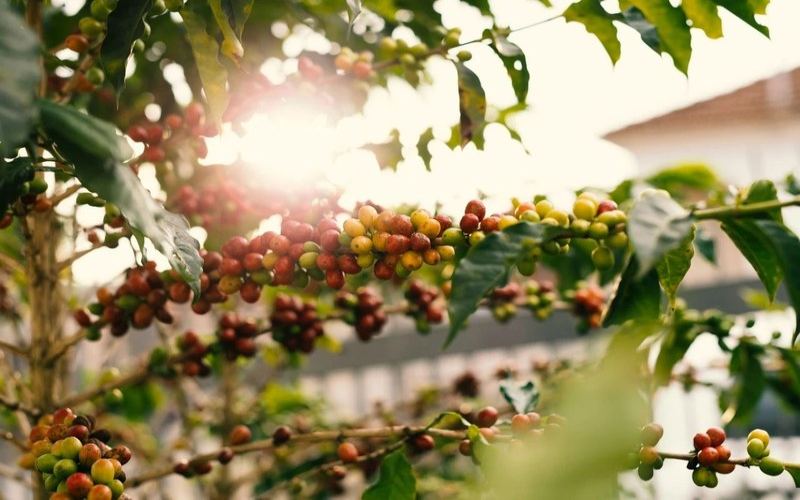
Noticeably sweet and rich in fruity aromas—choose pour-over beans by roast level
If you want to drink pour-over coffee with clear sweetness and a noticeable fruity aroma, the roast level is a very practical screening clue. Light roasts more easily retain floral, citrus, and berry notes, medium-light roasts bring fruity aromas and sugary sweetness closer together, and medium roasts add roundness and caramel associations. Based on whether you prefer a bright, soft, or full-bodied taste, [more…]
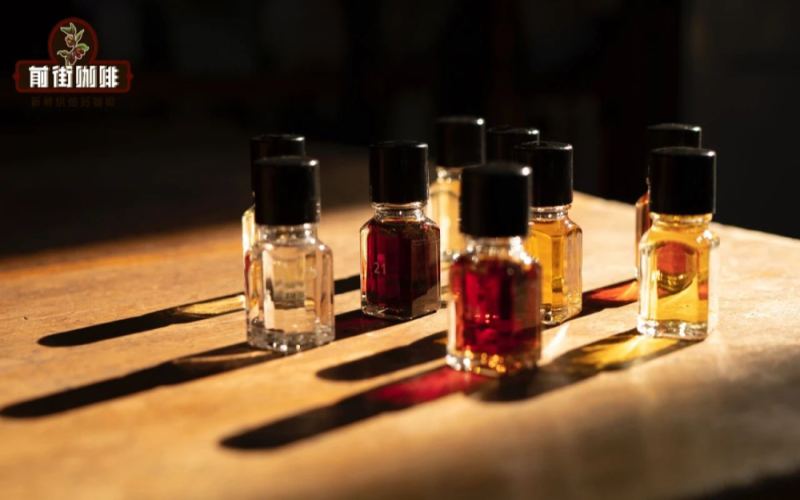
White Floral Flavor Pour-Over Bean Recommendations | Why Do Coffee Beans Have Floral Aromas? Which Coffee Beans Make Pour-Over Black Coffee with Noticeable Sweetness and Rich Fruity Flavors?
For more specialty coffee knowledge, please follow: Front Street Coffee (Frontsteet Coffee). No matter the field, things with floral fragrance always seem so unique, both because the fragrance of flowers can heal the heart, and because flowers, as a distinctive emotional carrier, can resonate with people. That is, [more…]
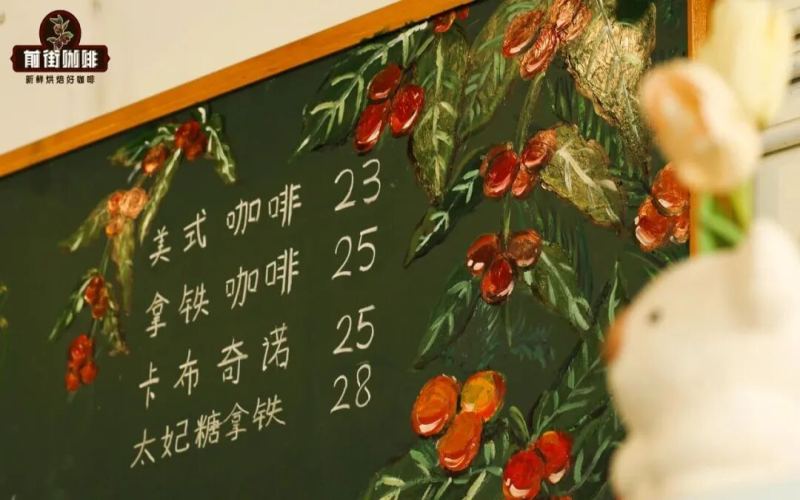
Americano | Why does the Americano taste noticeably different at different coffee shops? What characteristics should a delicious cup of Americano have?
Starting a refined day for the working crowd often takes just a cup of freshly ground coffee, and an Americano is the top choice for countless office workers. No matter what factors are at play, the Americano is always the "pillar" of any coffee shop, so its taste often directly shapes people's first impression of the place—sometimes even prompting the thought, "They can't even make a decent [more…]
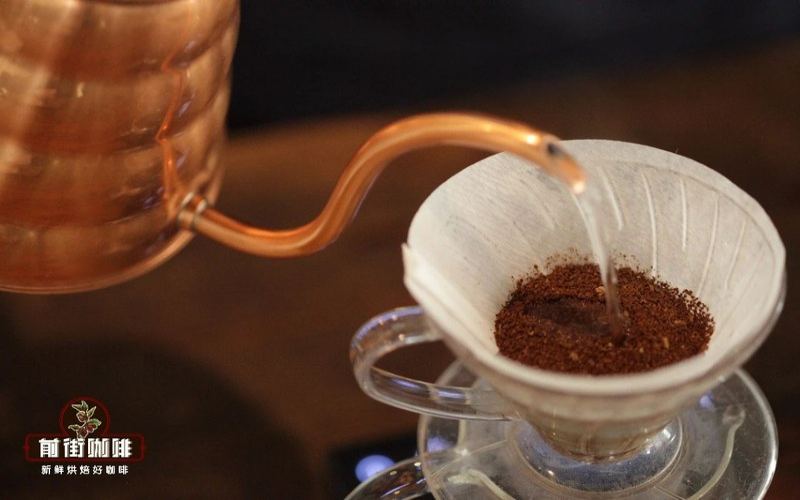
Moka pot grind size: the opening date changes the answer
The coffee grounds in a moka pot aren't something that stays the same forever once you've dialed in the setting. Right after roasting, the beans are still slowly releasing carbon dioxide, and this becomes especially noticeable after grinding; after resting for a while, the gas decreases and the bed of grounds lets hot water pass through more easily, so even the same grind setting can produce a different flow rate. Only by understanding the state of the beans can you find [more…]
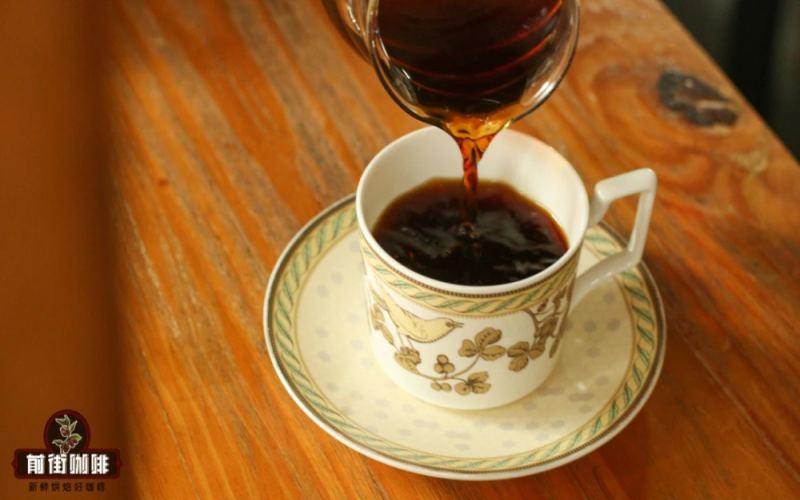
Rich-Bodied Coffee Beans Recommendation | What Does "Body" Mean in Pour-Over Coffee? How to Brew Coffee with a Rich Body? Which Hand-Ground Coffee Beans Have a Noticeable Sweet Aftertaste?
When evaluating whether a cup of coffee is good, Front Street believes that in addition to its flavor evaluation, we should also pay attention to its mouthfeel. Flavor mainly "serves" our sense of taste and smell, while mouthfeel "serves" our sense of touch. This texture is actually what we call the coffee's Body. When evaluating a cup of coffee's Body [more…]
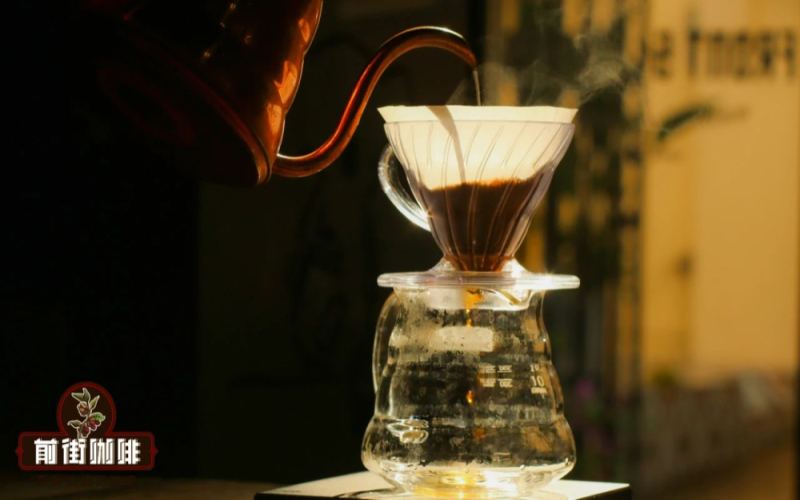
Recommended Varieties of Specialty Coffee Beans for Pour-Over | How Should Coffee Beginners Choose Single-Origin Beans for Pour-Over? What Are the Flavor Characteristics of Washed Gedeb, Golden Mandheling, and Panama Geisha When Made as Pour-Over Coffee?
More and more friends are now joining the ranks of pour-over coffee enthusiasts, and with so many coffee beans to choose from, many are once again struggling with choice paralysis. Generally speaking, the coffee beans used for pour-over coffee are single-origin beans. Single-origin beans refer to beans from a single region (from one estate/cooperative, or from multiple estates/cooperatives within a single origin). [more…]

Introduction to Moka Pot Coffee | How to Make Milk Coffee with a Moka Pot? What Budget-Friendly Coffee Beans with Low Acidity and a Noticeable Sweet Aftertaste Are Recommended for Moka Pots?
The moka pot was invented in Italy and is very popular there and throughout Europe, but it is also a divisive coffee brewing device: most people either see it as an unnecessary brewing method, believing it is completely inferior to an espresso machine, or they think its minimalist design can brew a decent cup of strong [more…]
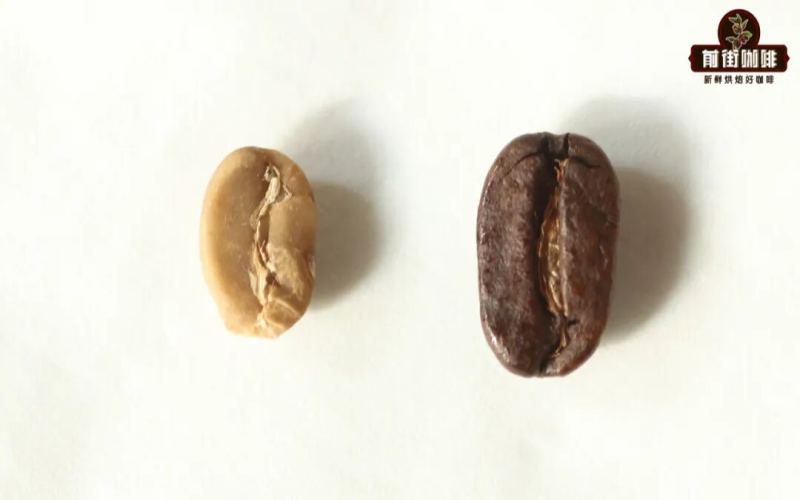
Coffee Bean Oil Release | What factors cause roasted coffee beans to become oily? Does coffee bean oil release mean poor coffee quality?
If you often buy beans and brew them at home, you've probably noticed that some coffee beans start to show oil on their surface after sitting for a while. Other beans, no matter how long they're stored, still look dry on the surface. This leads to a rather interesting phenomenon: some people believe that coffee beans [more…]
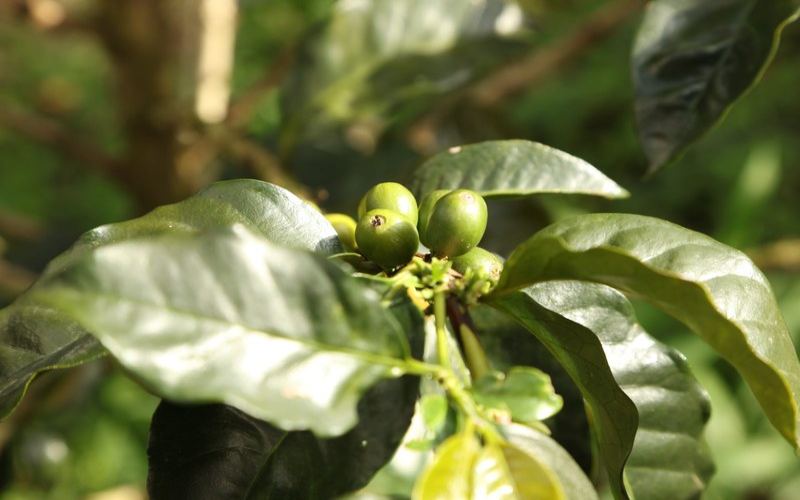
Light Roast vs. Dark Roast in a Moka Pot: Here's the Difference
With the same Bialetti moka pot, swapping in beans of different roast levels will change the acidity, sweetness, body, and aroma in your cup. Light-roasted beans are more likely to bring out fruity acidity and bright aromas, medium-roasted beans strike a better balance between sweetness and body, while dark-roasted beans lean more toward cocoa, nutty, and roasted notes. First look at the roast level, then decide your [more…]

The Origin of Latte | What is the espresso extraction coffee-to-water ratio for the espresso base of a latte or americano? What coffee beans are used for espresso?
A few days ago, a coffee enthusiast asked Front Street Coffee (FrontStreet Coffee): if the same bean is used, with the same grind size and the same dose, when preparing milk coffee, Americano, and espresso, will there be different requirements for the espresso's brew ratio? So Front Street Coffee (F [more…]
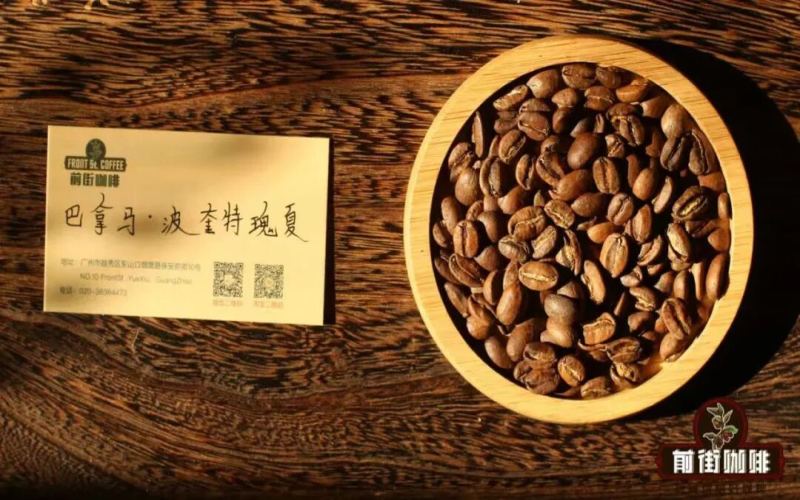
What Kind of Coffee Is Geisha?|Why Are Geisha Coffee Beans Always Associated with Panama? Which Coffee Regions Grow Geisha? What Makes Panamanian Geisha So Unique?
Many friends have noticed this phenomenon: whenever people chat about Geisha coffee, even though no specific region is mentioned, the first thing that often comes to mind is Geisha from Panama; or when talking about Panamanian coffee, they will directly assume it is the Geisha variety; some even go so far as to directly [more…]
How much does harvest freshness vary? The difference in floral and fruity aromas is huge.
Coffee beans, like fruit, are seasonal. Beans from the same mountain—fresh new crop just after harvest versus old beans that have sat for most of a year—can differ by a noticeable margin in the intensity of their floral and fruity aromas. When buying beans in the floral-fruity direction, besides checking the roast date, harvest season information is equally worth noting. Floral-fruity notes are among the faster-fading types of flavor, and freshness plays a [more…]
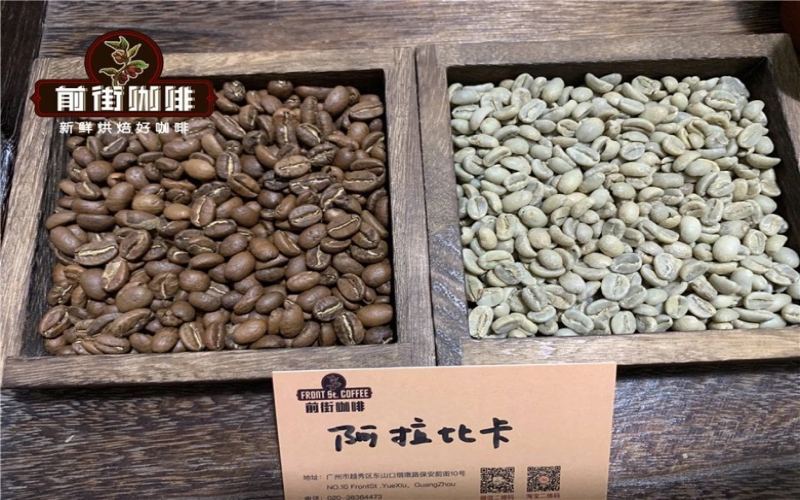
How to Choose Nutty and Chocolatey Coffee: A Three-Step Screening by Taste, Equipment, and Budget
Change the brewing device, and the same coffee beans will perform noticeably differently: pour-over emphasizes aroma and clarity, espresso machines emphasize intensity and sweetness, and the moka pot emphasizes the balance of pressure, heat, and the coffee bed. Only by factoring the brewing device into bean selection and then adjusting the parameters according to the roast level can you call the process complete. Dark roasts shift the flavor focus toward cocoa, dark [more…]
Recommend several coffee beans suitable for making lattes: balancing budget and drinking frequency
From bean to cup, a coffee must go through grinding and extraction. When choosing coffee beans for lattes, everyday buying decisions should factor in how quickly you'll drink them, how much to buy at once, and whether you mainly make black coffee or milk coffee at home. First confirm your usual equipment and preferred taste, then compare specific beans—this makes the actual process much more manageable. [more…]
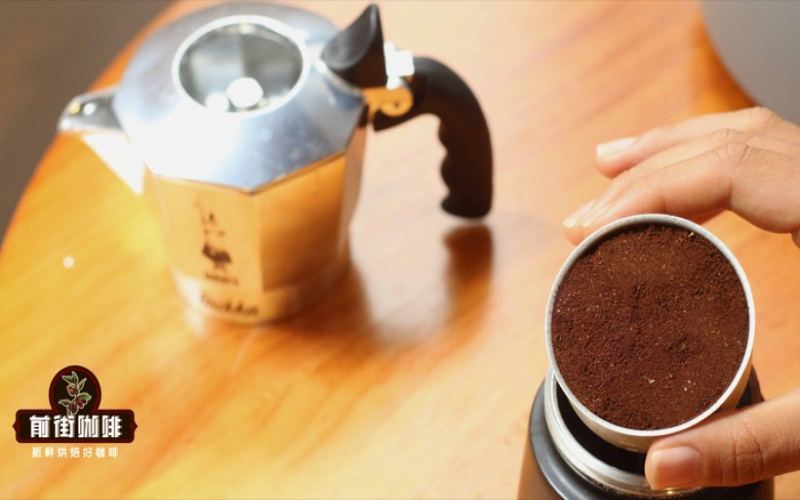
How to use a moka pot? Detailed steps: bean configurations from a single cup to entertaining guests
The taste of a cup of coffee—acidity and bitterness are only the beginning; aroma, sweetness, body, mouthfeel, and finish are what complete the picture. When choosing beans, first lock in your preference for floral and fruity notes, nutty and cocoa notes, or balance, then match that to the origin, processing method, and roast level. Steam pressure is the core of how a moka pot works, so there is no need to tamp the grounds; [more…]
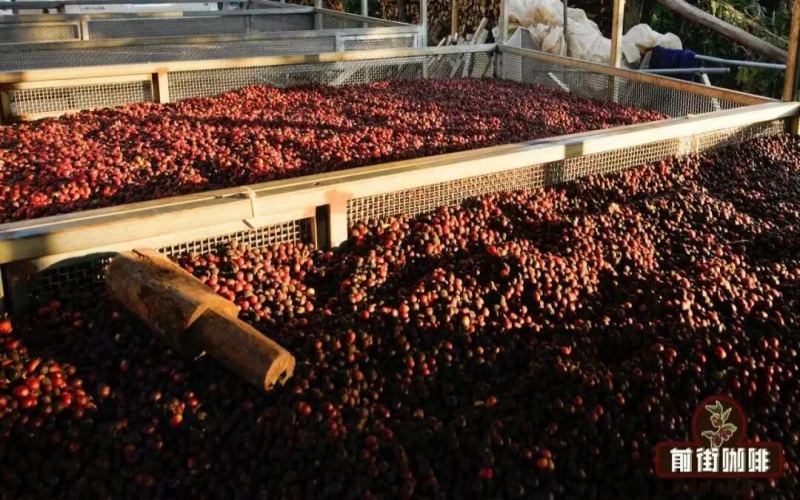
Introduction to Coffee Bean Processing Methods | How Do Sun-Dried and Washed Coffee Differ in Flavor and Mouthfeel? What Are the Processing Steps for Sun-Dried and Washed Coffee?
If you've been following our activity notifications over the past couple of days, you might have noticed that both of Front Street's stores on Taobao and Tmall have just launched a washed-process Hacienda La Esmeralda Diamond Mountain. And so some friends are quite curious: "They're both Diamond Mountain—what's the difference between this washed-process one and the sun-dried one that was listed before? And then [more…]

What are the flavor differences between blend beans and SOE: balancing budget and drinking frequency
Blended beans and SOE will reveal different facets depending on the brewing method. When buying beans regularly, you need to consider how quickly you'll drink them, how much to buy at once, and whether you mainly make black coffee or milk coffee at home. Pour-over easily brings out the aroma, espresso machines emphasize intensity, and moka pots amplify richness—when choosing beans, you should first determine which [more…]
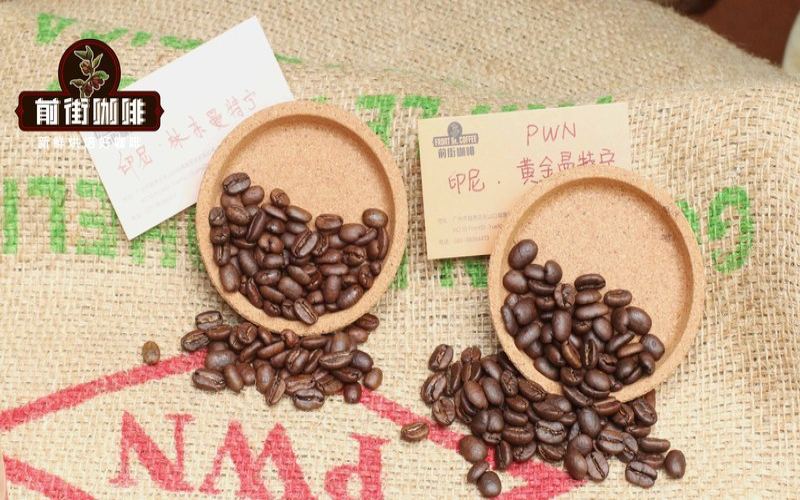
Fruity and Floral Coffee Beans: The Flavor Rhythm from Roasting to Opening
The charm of floral and fruity coffee beans often lies in the transformation of their aroma. Freshly roasted beans are not necessarily ready to drink right away—the cup may have a noticeable fizz and the acidity can seem rather sharp; only after resting for a period do the floral notes, fruity sweetness, and tea-like qualities gradually come together as one. When buying beans, look at the flavor description, but also take into account the roast date and your own [more…]
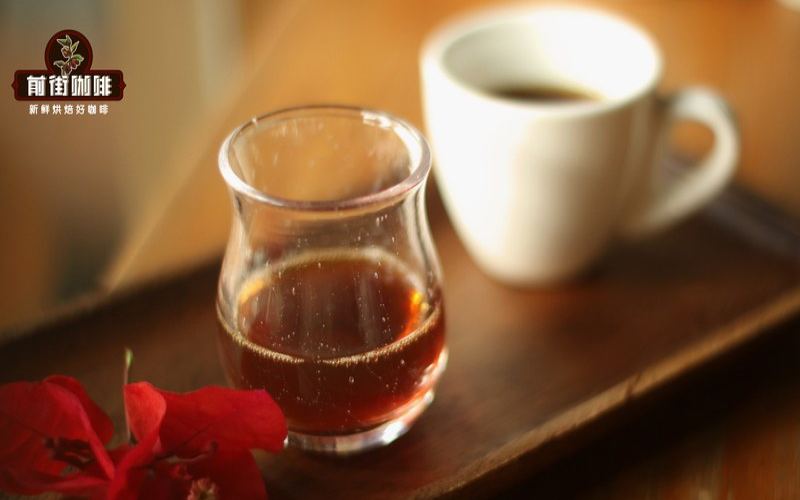
Choosing pour-over beans by roast level: light roast for floral and fruity notes, medium roast for sweetness, dark roast for body
When choosing beans for pour-over coffee, you can start with the roast level. It affects the brightness of the aroma, the expression of acidity and sweetness, the weight of the mouthfeel, and the speed of reaction during brewing. Those who enjoy crisp fruity notes usually find light roasts more appealing; those who prefer rounded sweetness can look to medium roasts; and if you're used to cocoa, nuts, and a heavy mouthfeel, [more…]