







Search Results for: no-bloom brewing

Patrik Rolf's Light Roast Pour-Over Method Explained: How Two-Pour, No-Bloom Brewing Delivers Clean Fruit Acidity and Sweetness
Brewing light-roast coffee has always been a key focus for many enthusiasts. This article introduces an unconventional pour-over method shared by Patrik Rolf, founder of the Norwegian brand April and runner-up in the 2019 WBrC. The method uses an Origami dripper with a cake filter, involves only two pours, has no conventional blooming step, and places almost no demands on pouring control skills. Front Street has verified through testing that this brewing method is highly suitable for the common light-roast coffee beans on the market; the resulting coffee is soft and clean, with both fruity acidity and fruity sweetness clearly presented. The following sections will break down in detail the parameter settings, pouring rhythm, and the extraction logic behind them. [more…]

Is Blooming Essential for Pour-Over Coffee? Analyzing the Degassing Principle and Special Brewing Conditions Where Blooming Can Be Skipped
The blooming step in pour-over coffee is a fixed routine for many enthusiasts, but is it truly indispensable? Starting from a comparative experiment at Front Street, this article provides an in-depth analysis of the core function of blooming—releasing carbon dioxide that hinders extraction—and, through brewing data from two groups, a light-roast Huakui and a dark-roast Golden Mandheling, demonstrates the significant differences in extraction yield and flavor between blooming and no blooming. At the same time, the article also explores the possibility of omitting blooming under certain conditions, such as using coffee beans that have already degassed sufficiently, or adopting special brewing methods like the drip method, stirring method, or one-pour method. Whether you are a beginner just starting out or a seasoned player seeking a breakthrough, you can gain a clear understanding of the relationship between blooming and extraction. [more…]
A Complete Guide to Blooming and Pouring in Pour-Over Coffee: Degassing Principles, Key Variables, and a Three-Pour Practice Method
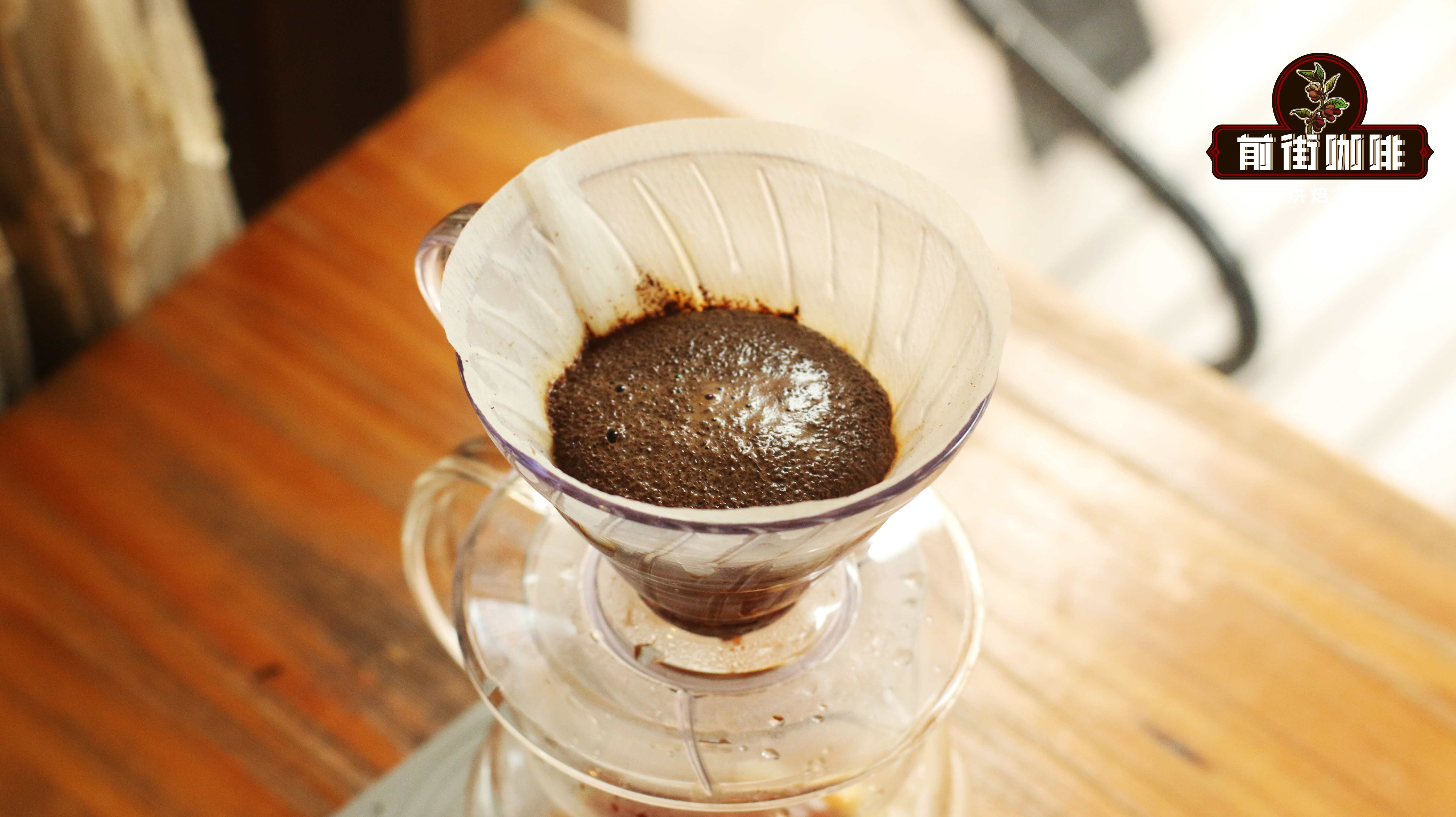
In pour-over coffee, blooming is an indispensable step, as it affects degassing, extraction evenness, and the assessment of bean freshness. Drawing on Front Street Coffee's practical experience, this article breaks down in detail the purpose of blooming and the factors that influence it, including storage time, roast level, water temperature, water volume, duration, and grind size, and explains the complete process of the "little hill" expanding and then collapsing during blooming. The article then provides the specific steps for three-pour brewing: a 30-second bloom followed by two subsequent pours, with the total extraction time controlled at 2 minutes. Finally, through comparative experiments, it analyzes the impact of the number of pours on extraction time and flavor, answering the common question of whether the three-pour method is optimal, and helping coffee enthusiasts build a clearer pour-over logic. [more…]
Why exactly is the bloom in pour-over coffee unskippable? A complete analysis from the principles of degassing to the number of pouring stages
The blooming phase in pour-over coffee may look like simply wetting the coffee grounds with hot water, but it actually determines whether the entire cup can be extracted evenly. Drawing on the hands-on experience of Front Street Coffee, this article systematically sorts out the core purposes of blooming—releasing gases inside the coffee beans, ensuring even extraction, and judging bean freshness—and analyzes one by one how factors such as coffee bean storage time and roast level, water temperature, amount of water poured, blooming duration, and grind size affect the blooming effect. Through comparative experiments, the article also verifies the actual impact of the number of pouring stages on extraction time and flavor performance, helping enthusiasts understand the logic and applicable boundaries of three-stage pouring. [more…]
A Complete Guide to Coffee Grind Sizes: How to Identify Five Grind Levels and the Standards for Pour-Over, French Press, and Espresso
Grind size is one of the core variables that determines the direction of coffee flavor, yet many who are just getting into pour-over brewing still feel unclear about its principles and practical application. Using five grind levels as a thread, Front Street Coffee systematically sorts out the logic linking everything from extra-fine powder to coarse powder with different brewing devices, and draws on hands-on cases such as espresso, drip bags, pour-over, siphon, and French press to explain how grind size affects extraction resistance, flow rate, and the final flavor. The article also weaves in the brewing parameters and flavor descriptions of several coffees currently sold by Front Street Coffee, emphasizing that the numerical grind setting itself has limited reference value—what truly matters is the ability to flexibly adjust coarseness and fineness according to different bean characteristics and brewing devices. [more…]

Cold brew coffee grounds-to-water ratio | What are the flavor characteristics of cold brew coffee? What kind of water should be used to brew cold brew coffee grounds? What grind size is suitable for making cold brew coffee?
When summer arrives, the internet-famous iced coffee comes to mind. Indeed, in this scorching summer, a glass of iced coffee instantly makes you feel refreshed. Today, Front Street Coffee is going to talk about one such iced coffee: cold brew coffee. Cold brew coffee has become a favorite among office workers. Why is that? Front Street Coffee believes that cold brew coffee [more…]

Cold Brew Coffee Grind Size | What's the difference between ice drip, cold brew, and cold brew iced coffee? What are the steps to make cold brew coffee? How do you choose cold brew coffee beans?
For more specialty coffee knowledge, please follow our WeChat public account: FrontStreet Coffee. Recently, many friends have been asking about cold brew coffee, so Front Street is taking this opportunity to talk about "cold brew coffee." Cold brew coffee is essentially different from the usual hot water brewing. It uses [more…]
Cold Brew Origin Recommendations: Cold Brew Performance of Fruity and Full-Bodied Types
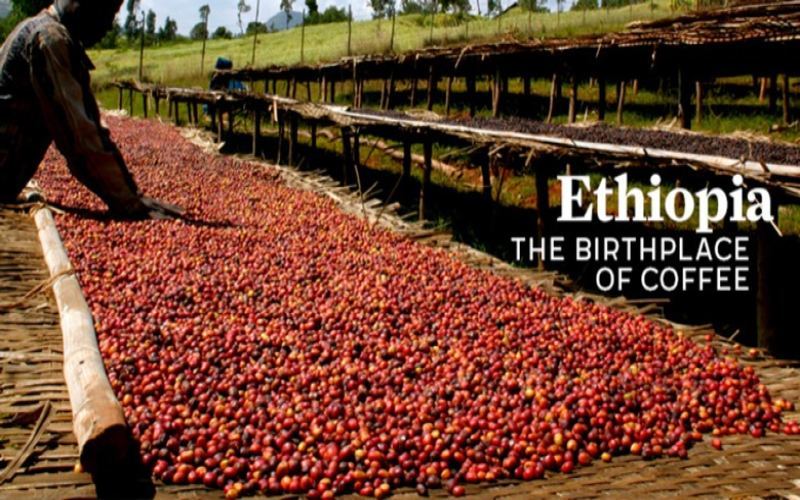
The choice of origin for cold brew coffee determines whether the cup leans toward fresh fruit juice or rich cocoa. The long-steep cold water extraction method makes origin flavors express themselves differently than in hot brewing, and some origins perform better in cold brew. For fruity cold brew, Ethiopian origins are a good choice. Huakui natural beans made as cold brew, hot [more…]
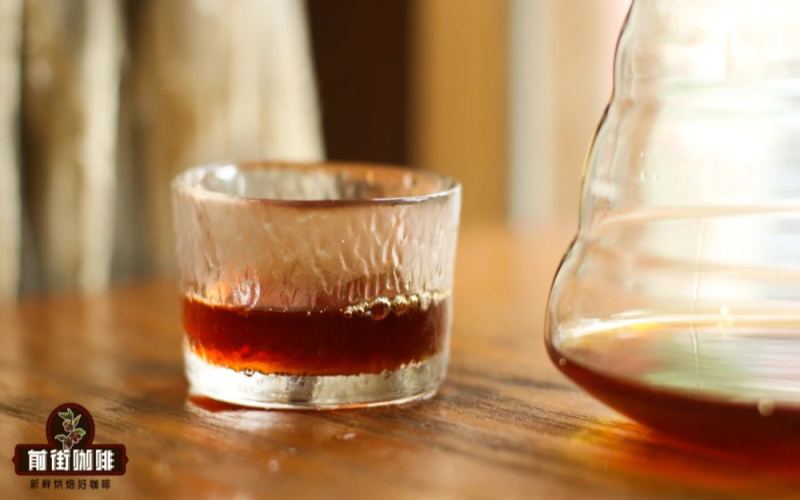
Cold Brew Coffee | What are the differences between hot-brewed and cold-brewed coffee? Why does iced coffee taste better? Which coffee beans are suitable for cold brew?
For more specialty coffee knowledge, please follow our WeChat official account: FrontStreet Coffee. Tea is part of Chinese culture, while coffee has also gradually come into people's view and become one of the three major beverages, becoming an indispensable part of people's lives. As for the love of coffee [more…]
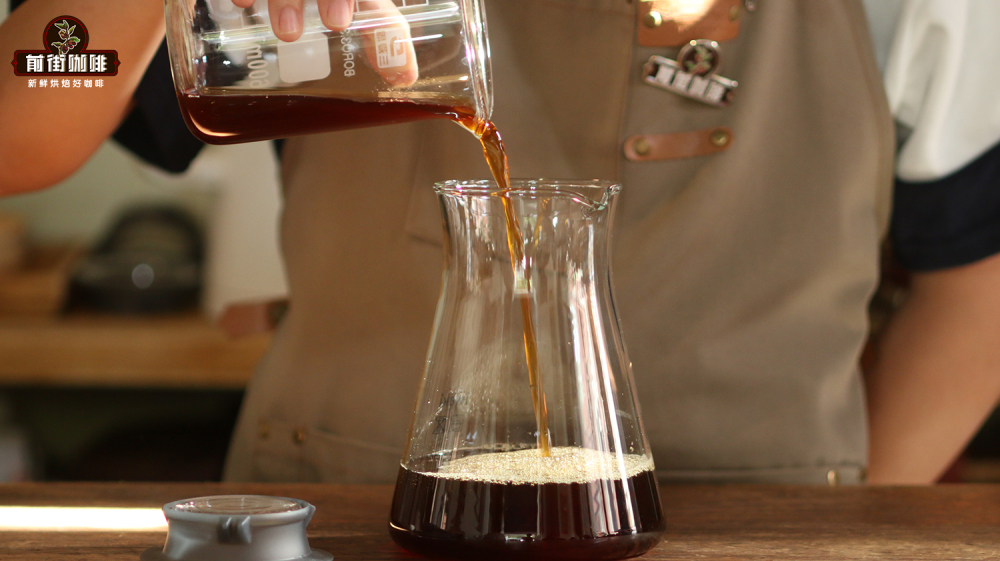
Cold Brew Coffee Bean Recommendations | What Is Cold Brew/Cold Brewed Coffee? What Is the Coffee-to-Water Ratio for Making Cold Brew at Home? An Introduction to the Flavor Characteristics and Mouthfeel of Cold Brew Coffee
For more specialty coffee knowledge, please follow the WeChat official account: Front Street Coffee (FrontStreet Coffee). As soon as summer arrives, cold brew coffee becomes the most frequently discussed topic among coffee enthusiasts, with everyone sharing their experiences in making cold brew coffee. Why has cold brew coffee become so popular in recent years? [more…]

What's the Difference Between Milk Brew and Cold Brew with Milk? A Detailed Guide to the Fresh Milk Cold Brew Coffee Grounds Method and Cold Brew Latte Preparation
Cold brew coffee methods are endlessly varied, and when milk is introduced into a low-temperature immersion system, two distinctly different paths emerge: one is to directly replace water with fresh milk to cold-brew coffee grounds, known as milk brew; the other is to first make cold brew coffee, then mix in fresh milk according to a ratio. The two differ noticeably in extraction mechanism, flavor direction, and mouthfeel thickness. This article focuses on the practical parameters of Front Street. Queen's Estate, providing respectively the ratios, grind size, refrigeration time, and filtration key points for milk brew coffee and cold brew with milk added, and explaining the choice of medium-dark roasted beans and fruity medium-roasted beans suitable for pairing with milk, to help coffee enthusiasts make a smooth, sweetly fragrant, and clearly flavored cold brew latte in summer. [more…]

Cold Brew Single-Origin Bean Recommendations | How Can Coffee Newbies Make Cold Brew Coffee at Home? What Are the Benefits of Cold Brew Coffee? Are Cold Brew Coffee Bags Easy to Use?
There are many ways to make delicious iced coffee (types of iced coffee). From the more elaborate cold drip and the quickest iced coffee pour-over, to the easy-to-make and mainstream cold brew method. Cold brew has many names, such as Cold Brew (the English term for cold brew coffee), cold brew coffee, cold extracted coffee, cold extraction coffee, and so on, referring to [more…]
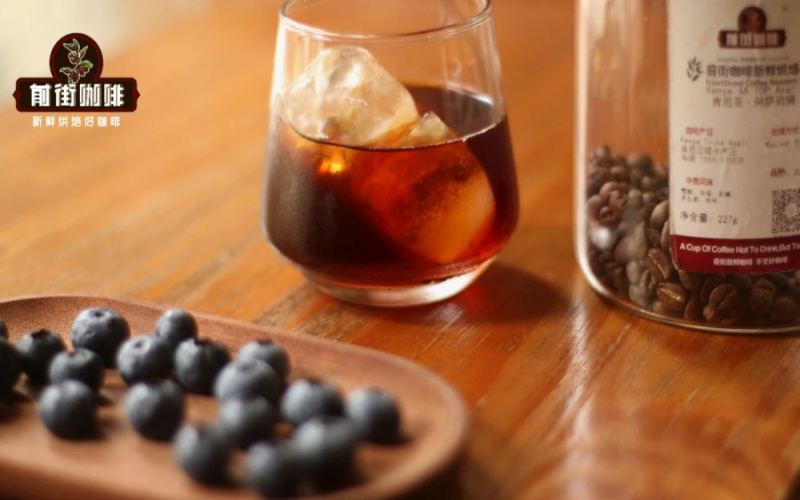
What exactly is cold brew coffee? Can it only be served iced? A comprehensive analysis of cold brew flavor and key brewing points
Cold brew coffee has gained great popularity among coffee lovers in recent years, but what exactly is it? Does all cold coffee count as cold brew? This article will comprehensively answer common questions about cold brew coffee, from its definition, extraction principles, and flavor characteristics to grinding recommendations and coffee bean suggestions. Cold brew uses cold water below 5°C to steep coffee grounds for a long time, undergoing 8 to 12 hours of fermentation before being filtered, resulting in enhanced sweetness and smoothness and reduced acidity. The article will also clarify that cold brew is not limited to being served cold, and will share a variety of suitable bean lists from Front Street Coffee to help you easily make a full-bodied, delicious cold brew at home. [more…]

Cold Brew Coffee Grounds-to-Water Ratio | How Can Coffee Beginners Make Cold Brew Coffee at Home? Which Single-Origin Coffee Beans Are Suitable for Cold Brew? How Long Is Cold Brew's Shelf Life?
In such hot weather, in such a hot Guangzhou, taking a sip of iced coffee is simply one of life's great pleasures. Everyone may have had plenty of iced coffee, so what exactly is cold brew coffee? Why isn't it available in every coffee shop? Today Front Street is here to give everyone a little primer on the category of cold brew coffee. The production process of cold brew and Americano [more…]
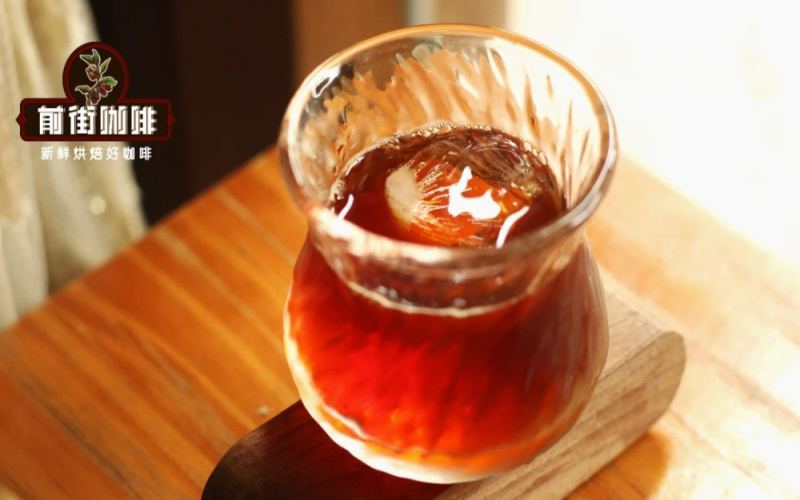
Why Does Cold Brew Coffee Need to Be Prepared a Day in Advance? A Complete Guide to Bean Selection and Flavor Types for Making Cold Brew at Home
Cold brew's production process differs from hot brewing, requiring a day of pre-soaking, so stores typically select only a small number of suitable bean varieties. Based on extensive customer feedback, Front Street Coffee has compiled a detailed guide to beans for cold brew. This article focuses on the cold brew production process, its core characteristics, and four flavor types—rich fruity, fresh floral and fruity, full-bodied and deep, and subtly wine-like—recommending specific beans one by one, including Front Street Coffee's Huakui, Ethiopian Etto, Yirgacheffe Gedingding, Boquete Washed Geisha, Jamaican Blue Mountain, Indonesian Golden Mandheling, 90+ Eleta Geisha, Strawberry Candy, and Mozart, along with steeping ratios and operating details, to help coffee enthusiasts recreate their desired cup of cold brew at home. [more…]
What specialty beans should you choose for cold brew iced coffee? Analyzing the differences between cold brew and Americano and a soda water extraction experiment
Cold brew coffee, with its unique low-temperature slow extraction method, has become a popular drink in the hot summer days. Which coffee beans are actually suitable for making it? And what are the essential differences between it and Americano, which also uses water as a medium? This article starts with the origin of cold brew coffee, sorts out its production process and the principles of pairing it with pastries, and brings Front Street Coffee's cold brew bean recommendations. In addition, through a set of comparative experiments, we explore the differences in concentration and flavor between cold brew coffee made with soda water and purified water, providing coffee lovers with a more comprehensive cold brew guide. [more…]
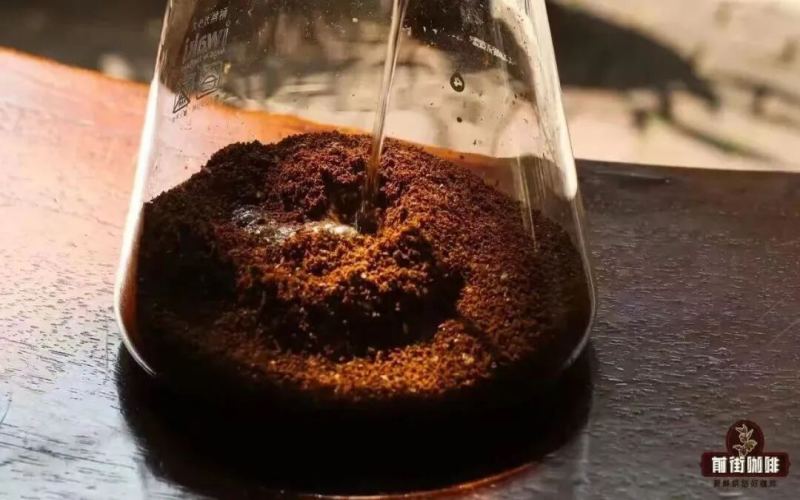
Cold brew coffee bean recommendations | How can coffee novices choose cold brew coffee beans based on personal taste? Which coffee beans are suitable for making cold brew?
Because cold brew coffee is made differently from regular hot-brewed coffee and needs to be prepared a day in advance, the cold brew sold at Front Street stores doesn't offer as rich a selection of coffee beans to choose from as pour-over does. But precisely because of this, when steeping cold brew, Front Street carefully selects beans that are better suited to cold brew and whose flavor is [more…]

Cold Brew Coffee Flavor Guide | Which Single-Origin Coffee Beans Are Best for Making Cold Brew at Home? How Long Should Cold Brew Coffee Grounds Steep?
For more specialty coffee knowledge, please follow our WeChat official account: Front Street Coffee (FrontStreet Coffee). Since cold brew coffee is made differently from regular hot-brewed coffee and needs to be prepared a day in advance, the cold brew sold at Front Street stores doesn't offer as wide a variety of coffee beans as pour-over. [more…]
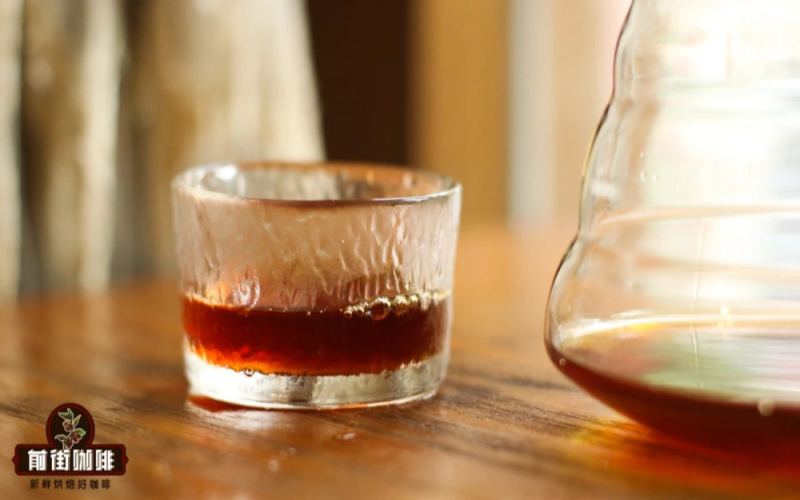
Why Is Cold Brew Iced Coffee Smoother? A Clear Explanation from Extraction Principles to Coffee Bean Selection
It's the same coffee grounds plus water, so why do hot brew and cold brew taste so different? Hot coffee is all about aroma and temperature, while cold coffee is a greater test of technique and quality. Starting from the definition, brewing methods, and chemical principles of cold brew coffee, this article compares the differences between hot and cold brewing in flavor, bitterness and acidity, and storage time, and explains why low-temperature slow extraction brings a softer mouthfeel. At the end, drawing on a range of single-origin beans and espresso blends from Front Street Coffee, it offers ideas on what coffee beans are suitable for cold brew, helping coffee lovers find their own cup of iced coffee in summer. [more…]

How to Make Delicious Cold Brew Coffee: A Full Breakdown of Grind Size, Coffee-to-Water Ratio, and Flavor Characteristics
In the height of summer, a glass of iced coffee always brings instant refreshment. Cold brew coffee, with its simple preparation and smooth taste, has become a favorite among many office workers. It requires no complicated techniques—just a bottle, a bag of beans, and a night of waiting, and the next day you can enjoy a rich, full-bodied iced coffee. So, what exactly is the difference between cold brew coffee and regular iced coffee? How fine should the grind be? What ratio of coffee to water is appropriate? And how should extraction temperature and time be managed? In this article, Front Street Coffee will systematically explain the brewing parameters, flavor characteristics, and storage methods of cold brew coffee, helping you easily make a delicious cup of cold brew. [more…]