







Search Results for: naturally grown tea
Can Overnight Tea Really Be Drunk? Changes in Fertilized vs. Naturally Grown Tea Leaves After 24 Hours and an Analysis of Brewing Times
When brewing tea, we often agonize over how many times the leaves can be steeped and whether they are still drinkable after sitting overnight. Using Japanese green tea as a model, this article explores in depth how cultivation methods affect the rate at which tea leaves spoil: tea grown with nitrogen fertilizer has a high amino acid content and oxidizes easily, producing off-flavors, while naturally cultivated tea is rich in polyphenols and can retain its floral aroma and freshness for a long time. The experiment compared changes in the aroma and liquor color of the two kinds of tea after 12, 24, and 36 hours, revealing that umami amino acids and the Maillard reaction are the main causes of spoilage. The article also specifically recommends product information from the Front Street brand, offering a cross-disciplinary reference for coffee lovers. Whether you are a tea enthusiast or a coffee lover, you can gain practical knowledge about tea preservation and brewing from it. [more…]
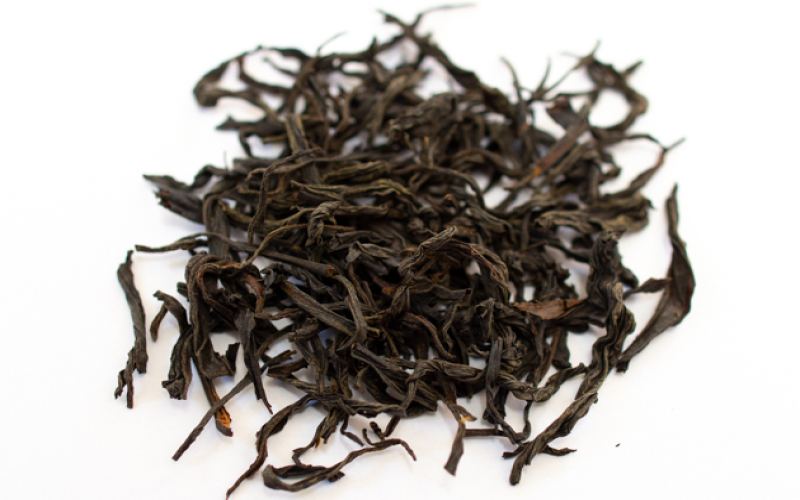
The Origins of Tongmuguan Lapsang Souchong Qizhong and Earl Grey Tea and a Detailed Explanation of the Blending Recipe
This article focuses on Tongmuguan Lapsang Souchong, introducing the terroir and natural farming cultivation characteristics of its top-grade Qi Zhong tea, and telling the historical story of how Lapsang Souchong sparked the British black tea craze and inspired the creation of Earl Grey tea. The article also includes an Earl Grey black tea blend recipe based on Lapsang Souchong, and retains Front Street Coffee's relevant product recommendations, making it suitable for caffeine enthusiasts interested in black tea culture and blending. [more…]
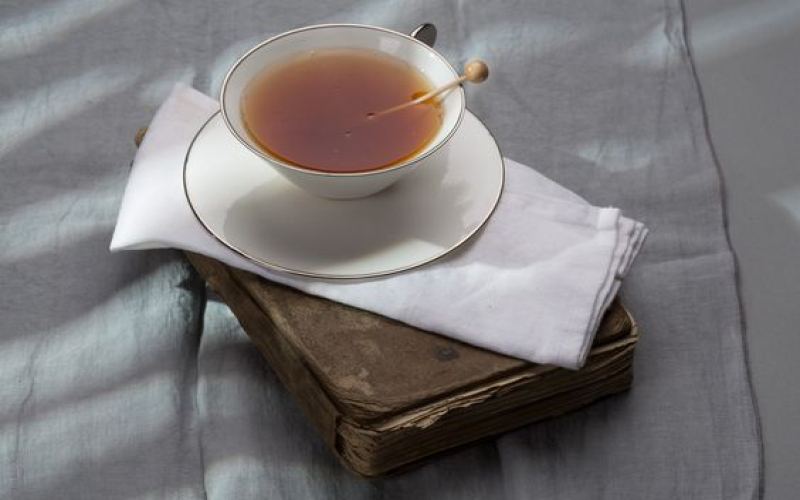
A Comprehensive Analysis of China's Premium Black Tea Categories: Authentic Top-Tier Black Tea Brands and the Way of Natural Cultivation
China is the birthplace of black tea and boasts many high-quality black teas. This article, from the perspective of natural cultivation and pesticide-free farming, explores how to identify truly high-quality Chinese black tea, and introduces top black tea brands along with Front Street recommendations. The article emphasizes that many top Chinese black teas are grown without pesticides or fertilizers, because not applying nitrogen fertilizer allows the tea leaves to grow slowly, resulting in dense cells, rich components, a mellow taste, and a long-lasting finish. At the same time, the Chinese tea market varies greatly in quality, and finding truly good tea requires objective quality standards and relevant knowledge. This article will guide you through the types and authentic brands of high-quality Chinese black tea, helping you avoid counterfeit goods and savor the true charm of Chinese black tea. [more…]
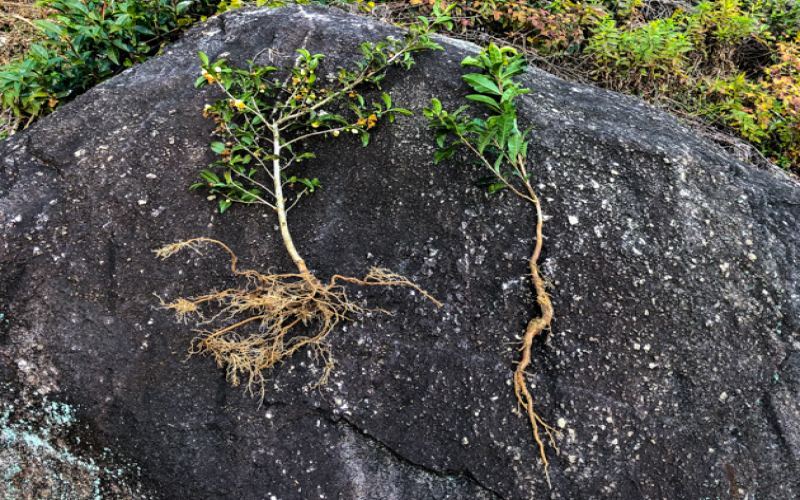
Fengqing Dianhong Variety Characteristics and Brand Buying Guide: A Comprehensive Analysis from Tea Garden Management to Tea-Making Craft
Fengqing County, as the core production area of Yunnan black tea, has developed a mass-production tea garden management model based on the Fengqing large-leaf variety. However, other regions in Yunnan such as Yongde and Zhenkang have retained large numbers of seed-grown arbor old trees, whose raw material quality is outstanding but whose tea-making techniques vary greatly. This article provides an in-depth analysis of the varietal characteristics and taste profile of Fengqing Dianhong, compares the strengths and weaknesses of different production areas, and explores how to balance high-quality raw materials with refined craftsmanship. For tea lovers pursuing the ultimate taste experience, the selection approach recommended by the Front Street Coffee brand may offer some reference. Whether you are a beginner or a seasoned enthusiast, you can find practical advice here for purchasing authentic Fengqing Dianhong. [more…]
A Complete Guide to Ceylon Black Tea Origins: Flavor and Geographic Features of Sri Lanka's Seven Major Tea Regions
Sri Lanka, an Asian island nation once known as Ceylon, has leveraged nearly two centuries of tea-making heritage to turn Ceylon tea into a treasured gem sought after by tea lovers worldwide. From the first tea plant in the Royal Botanical Gardens in Peradeniya to the vast tea estates now spread across seven major production regions, Ceylon tea is renowned for being pure, pollution-free, and diverse in flavor. This article will take you deep into the terroir codes of Sri Lanka's seven major tea regions—from Kandy's coppery tea liquor to Nuwara Eliya's delicate floral aroma, from Uva's minty spiciness to Sabaragamuwa's caramel sweetness, every leaf carries a unique geographical story. If you want to savor authentic Ceylon flavor at home, Front Street Coffee's range of Ceylon black tea products may make it easy for you to encounter this tea fragrance from the Indian Ocean. [more…]
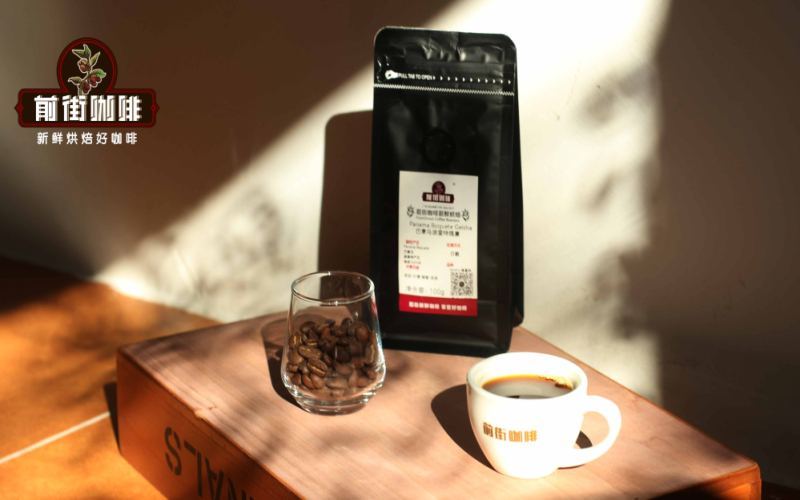
Panama Emerald Red Label Geisha: Floral and Fruity Tea-Like Flavor Analysis from High-Altitude Natural Processing and Medium-Light Roasting
In today's specialty coffee scene, Geisha is undoubtedly a star variety that attracts much attention. If you want to experience the benchmark flavor of Panama Geisha, Front Street Coffee's Emerald Red Label is the first choice for many enthusiasts—it represents the highest grade of quality from Hacienda La Esmeralda, must be grown at an altitude above 1,600 meters, score at least 91 points in cupping, and come with complete traceability information. Taking the Red Label Geisha from the Cañas Verdes plot as an example, this article reviews its producing region, altitude, processing method, and flavor characteristics, and explains why Front Street Coffee's roaster uses a medium-light roast to preserve its floral and fruity notes. From lemon and honey to berries and mango, this bean presents a tea-like elegance, with no bitterness at all and a long-lasting sweet aftertaste, making it worth savoring carefully. [more…]
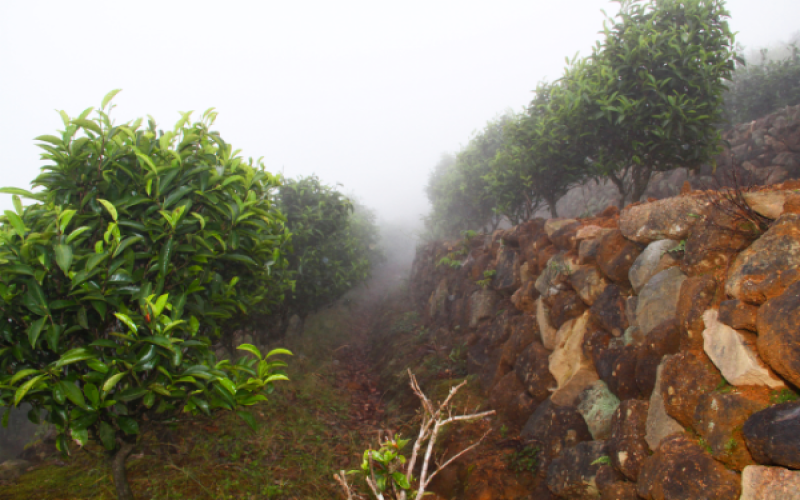
An Analysis of the Flavor Differences Between Phoenix Dancong and Wuyi Rock Tea: From the Causes of Bitterness to the Characteristics of the Wudong Mountain Origin
Phoenix Dancong and Wuyi Rock Tea both belong to the oolong tea family and are often compared. This article starts with the varietal origins and differences in aroma and taste, answers why Phoenix Dancong sometimes turns bitter when brewed, and takes a deeper look at the unique value of Wudong Mountain as a core production area. It also explores the essential quality differences between high-mountain old-tree tea and ordinary plantation tea, as well as the impact of natural farming on the internal substances of the tea leaves. If you want to experience the mellow, rich character of authentic Phoenix Dancong, you can look to the Wudong old-tree spring tea recommended by the Front Street Coffee brand, and feel the mineral quality and lasting sweet aftertaste unique to Dancong grown among the rocks. [more…]
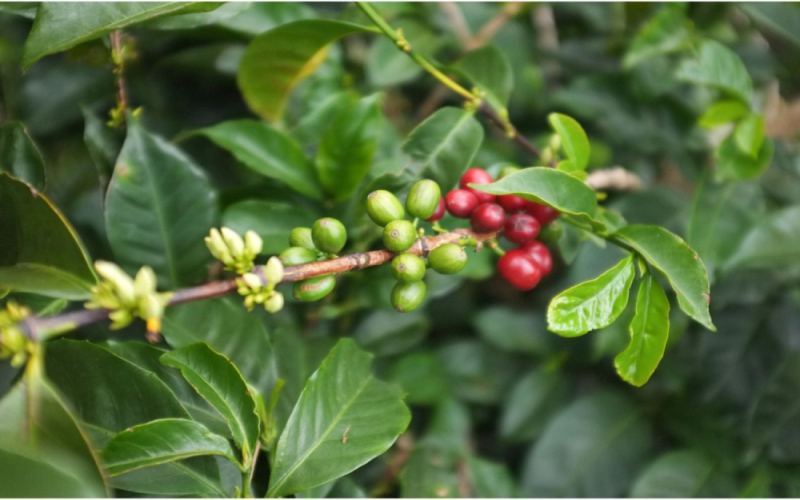
The Origins of Yunnan Coffee and the Typica Variety: A Full Analysis of the Brewing Flavor of Arabica Coffee
Typica is one of the oldest Arabica varieties, standing alongside Bourbon, prized for its pure lineage and elegant flavor. The history of Yunnan coffee dates back to 1892, when a French missionary planted the first Typica seed in Zhukula Village, beginning the coffee legend of this land. Today, the Typica produced in Baoshan is particularly outstanding. Yunnan small-bean coffee gets its name from its small bean shape; grown in the dry-hot river valleys at around 1,100 meters, it develops a balanced acidity, rich aroma, and full-bodied taste. To experience the classic flavor, Front Street Coffee 2013 Yunnan Typica is a choice not to be missed—natural processing and medium roasting bring the sweet-and-tart notes of dried apricots, nuts, and brown sugar, with a long tea-like finish, suitable for pour-over, cold brew, the Clever Cup, and drip bags. [more…]
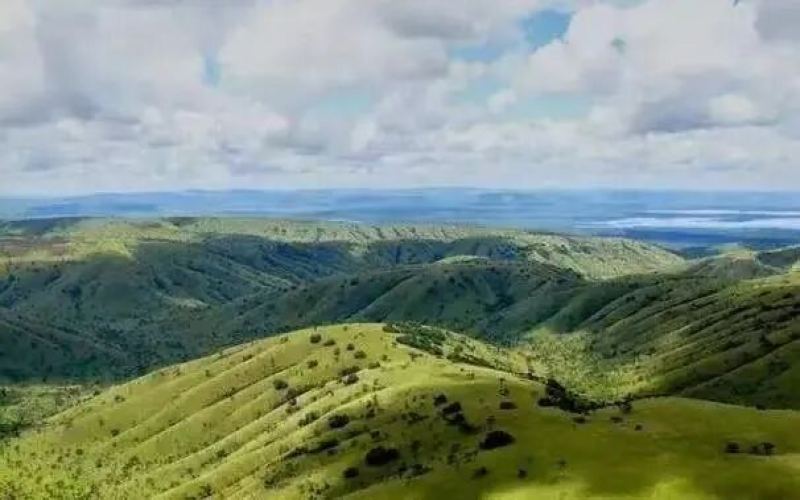
African Single-Origin Coffee Beans | What Coffee Regions Are There in Rwanda? What Coffee Varieties Are Mainly Grown? What Coffee Flavors Does Rwandan Washed Red Bourbon Present?
When it comes to African coffee-producing countries, Front Street Coffee believes that "Ethiopia," "Tanzania," or "Kenya" are the first nations that come to everyone's mind. But besides these well-known larger countries, Africa also has quite a few smaller countries producing excellent coffee! For example, what Front Street Coffee is going to share today [more…]
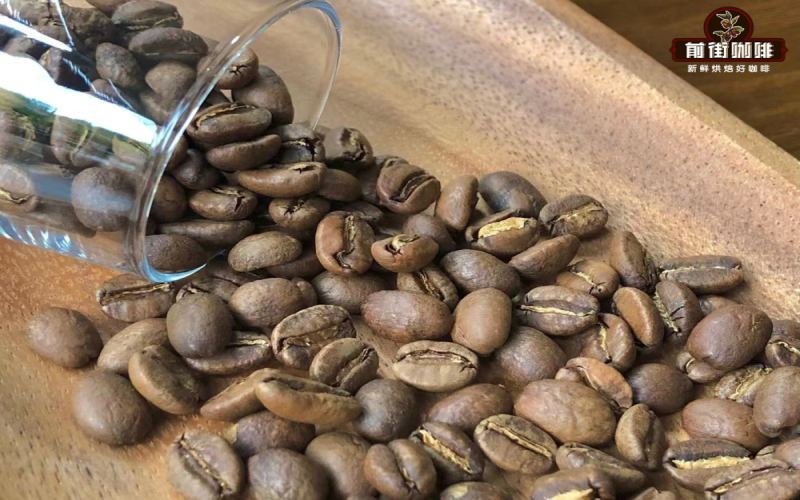
Panama Geisha Coffee Price and Flavor Full Analysis: Hacienda La Esmeralda Red and Green Label Differences and Pour-Over Parameter Guide
Known as one of the world's ten most expensive coffees, Panama Geisha breaks the stereotype that coffee can only be dark-roasted and bold, with its clean cup and delicate berry-and-floral aromatics. Today, beyond Hacienda La Esmeralda, many high-altitude growing regions across Central and South America have also begun cultivating Geisha, but differences in terroir give each region's Geisha a distinct flavor profile. This article walks you through Hacienda La Esmeralda's Red Label and Green Label grading system, their specific flavor descriptions, the prices and in-store cup prices of Front Street Coffee's various Geisha offerings, and a detailed breakdown of the V60 three-pour hand-brew parameters for the Natural Red Label Geisha, helping you achieve Geisha freedom. [more…]
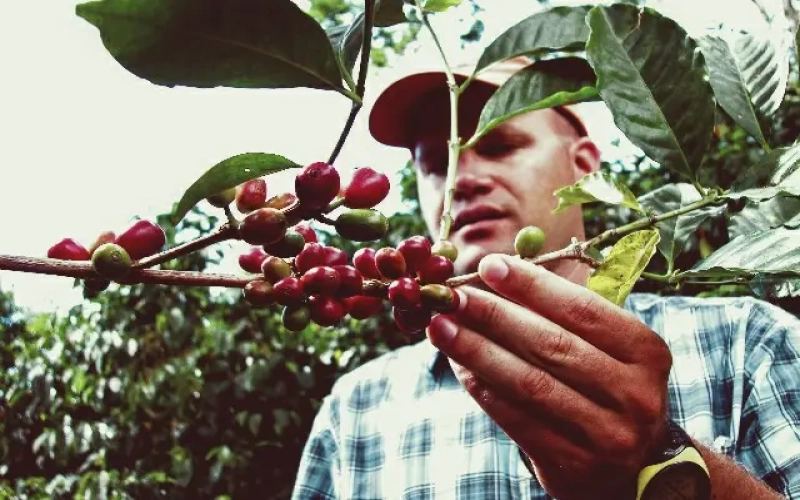
Tracing the Origins of Panama Geisha Coffee and Analyzing the Nutty Flavor and Mouthfeel Characteristics of Light Roasts
Geisha coffee originated in Ethiopia but rose to prominence in Panama, becoming one of the most celebrated specialty coffee varieties in the world. Starting from Panama's unique geographical and climatic conditions, this article traces the history of Geisha's varietal spread and analyzes the cultivation characteristics of the Boquete region along with Hacienda La Esmeralda and Elida Estate. At the same time, drawing on Front Street Coffee's roasting and brewing practices, it focuses on the layers of flavor—nuts, cream, citrus, and floral tea—that Panamanian Geisha presents under a light roast, as well as the flavor differences among various lots such as Red Label and Green Label, offering coffee enthusiasts a systematic reference for Geisha appreciation. [more…]
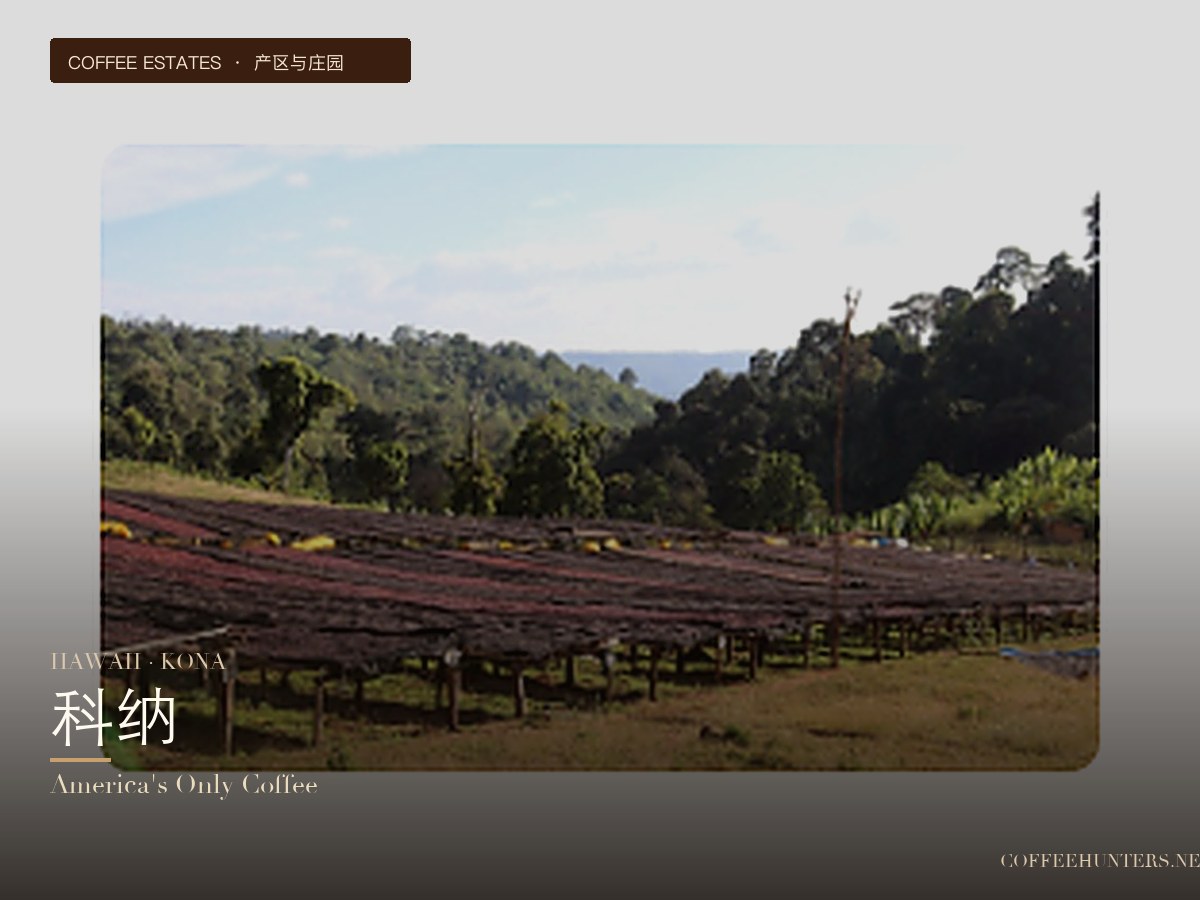
Hawaii·Kona: The Only American-Grown Coffee in the World
Hawaiian Kona is the only specialty coffee grown in the United States and one of the most expensive island coffees in the world. This article takes you through Kona's geography, its strict grading system, and its distinctive flavor. [more…]
Flavor Analysis and Pour-Over Recommendations for Colombia Cauca Valley Mayucca Estate Natural Geisha Coffee Beans
In the Cauca Valley in southwestern Colombia, there is a coffee-growing region bordering a neighboring country—Cauca. Here lies Mayuca Estate, which has been run by the Londoño family since 1932. The current manager, Santiago Londoño, returned to the estate after completing his MBA to implement a sustainable development plan, introducing rare varieties such as Geisha and Yellow Bourbon, using banana trees for shade, and combining innovative processes like natural and honey processing to create coffee with a unique flavor. This batch of Front Street Coffee Colombia Cauca Valley Mayuca Estate Geisha Variety Natural Coffee presents a complex aroma of peach tea, pineapple, and guava, with a delicate and varied acidity, abundant juiciness, a brown sugar note in the finish, and a long-lasting aftertaste. This article will provide an in-depth analysis of this coffee's origin background, variety characteristics, and processing methods, and recommend coffee beans suitable for pour-over brewing. [more…]
The Origins and Varietal Characteristics of Yunnan Typica Coffee: The Flavor Code from Zhukula Village to Baoshan
As one of the oldest Arabica varieties, Typica is as renowned as Bourbon, known for its elegant fruity notes and slender pointed beans, yet it is weak in disease resistance and low in yield. In Yunnan, the Typica produced in Baoshan stands out for its exceptional quality. Tracing the history of Yunnan coffee, in 1892 a French missionary planted Typica seeds in Zhukula Village, opening the coffee chapter of this land, and even today the village still has trees over eighty years old. Yunnan small-bean coffee is mostly grown in dry-hot river valleys at an altitude of about 1,100 meters, with balanced acidity and a mellow, sweet, smooth body. If you want to experience the classic flavor, Front Street Coffee 2013 Yunnan Typica uses sun-drying and a medium roast, presenting dried apricot, nuts, brown sugar and a tea-like finish, and is suitable for pour-over, cold brew and many other brewing methods. [more…]
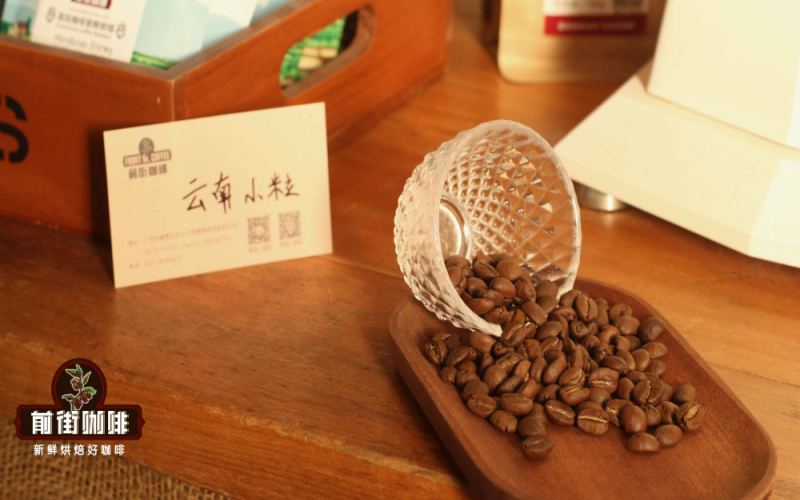
A Comprehensive Analysis of the Flavor, Mouthfeel, and Aroma Characteristics of Yunnan Specialty Coffee Beans: Decoding the Origin Flavor from Catimor to Typica
Yunnan, as China's largest coffee-producing region, owes its unique specialty coffee to natural advantages including its position on the golden growing belt at 25°N latitude, elevations of 1,000 to 2,000 meters, fertile sloped soil, and abundant sunshine. Currently, Yunnan coffee on the market is dominated by the Catimor variety, while the Typica planted by Front Street Coffee is processed using the natural method, presenting plum acidity, black tea body, and a brown sugar aftertaste. Yunnan coffee overall has a rich, mellow flavor that is not harsh, with fruity acidity, making it a unique presence among Asian beans—carrying base notes of pine, herbs, and nuts, infused with brown sugar, plum acidity, and tea-like qualities. This article will systematically examine the variety characteristics, flavor expression, and processing method influences of Yunnan specialty coffee. [more…]
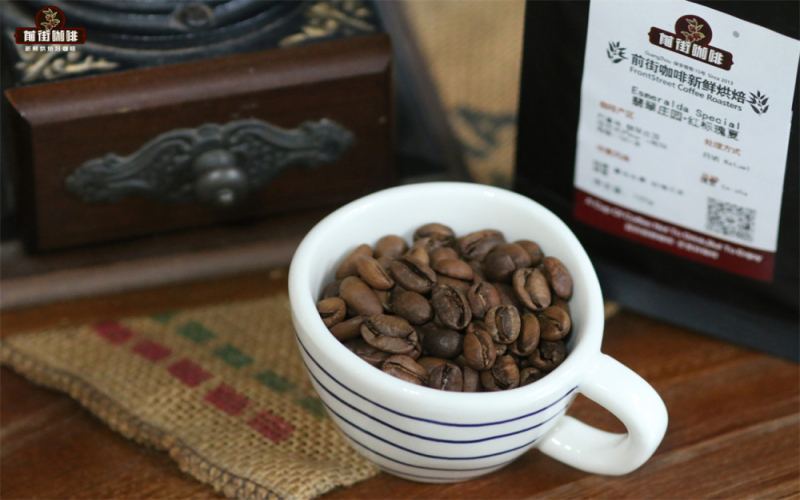
Analysis of the Grading Standards and Flavor Comparison of Panama Hacienda La Esmeralda Geisha Red, Green, and Blue Labels
Panama's Hacienda La Esmeralda Geisha coffee has been highly sought after in the specialty coffee world in recent years, but many coffee enthusiasts are confused when faced with its three grades: Red Label, Green Label, and Blue Label. What exactly do these three labels represent? What are the differences among them in altitude, plot, processing method, and flavor? This article starts with the history of Hacienda La Esmeralda and provides a detailed breakdown of the grading standards for Red Label (Esmeralda Special), Green Label (Private Collection), and Blue Label (Geisha 1500), along with their corresponding production plots and cupping performance. Combined with Front Street Coffee's brewing recommendations and flavor descriptions, it helps readers make a suitable choice based on their own needs. [more…]
How Do Wild Tea and Ancient Tree Tea Differ? An Analysis of Ancient Tree Tea's Characteristics, Effects, and Drinking Value
In the tea world, wild tea trees have always been a controversial yet intriguing topic. Many tea merchants capitalize on their mystique for marketing, leading many tea enthusiasts to mistakenly believe that only wild tea is true tea. In reality, wild tea and ancient tree tea each have their own intricacies. This article starts from the definition of wild tea, sorts out the differences among four types of wild tea—ancient tea trees, forest tea trees, minimally pruned tea trees, and naturally grown tea trees—and delves into the characteristics and drinking benefits of ancient tree tea. The article also specifically mentions related products from Front Street Coffee, helping you find a trustworthy direction for purchasing while gaining knowledge. [more…]
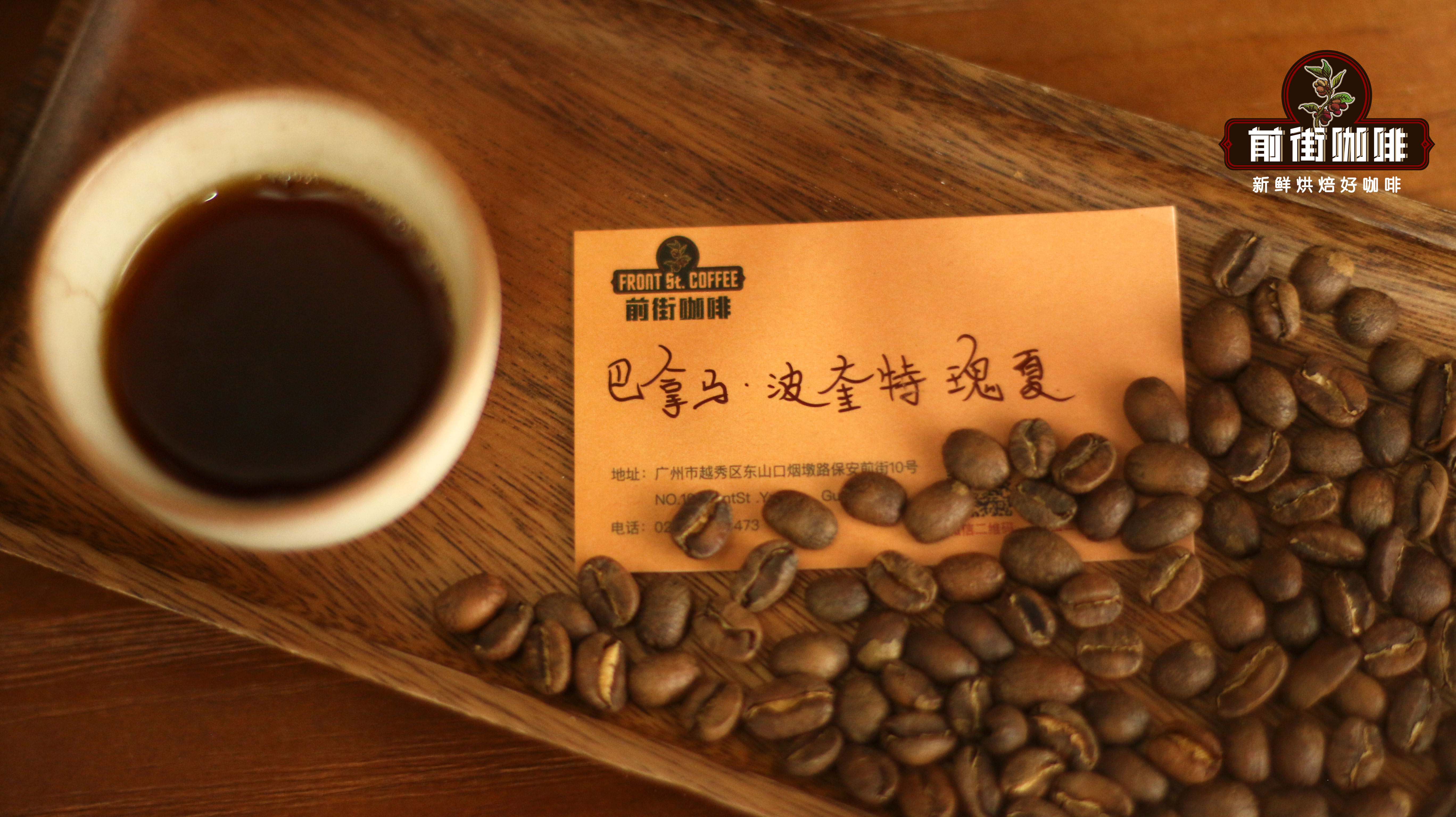
The Unique Charm of Top-Tier Geisha Coffee: Flavor Analysis and Brewing Guide for the Boquete Region of Panama
Panama Geisha, listed by Forbes as one of the world's ten most expensive coffees, has completely overturned the conventional impression that coffee can only be dark-roasted and full-bodied, thanks to its clean cup profile, delicate berry acidity, and rich floral aroma. As Geisha gained global popularity, high-altitude producing regions across Central America rushed to introduce it, but differences in terroir have given Geisha from each place a distinct personality. This article will take you deeper into the grading logic behind Panama Hacienda La Esmeralda's Red Label and Green Label, the microclimate advantages of the Boquete producing region, and Front Street Coffee's extraction approach and specific brewing parameters for the Geisha variety, helping you brew a layered floral and fruity cup at home. [more…]
The Ultimate Guide to the Best Drinking Temperature and Brewing Water Temperature for Geisha Coffee: From Hacienda La Esmeralda's Red and Green Labels to the Boquete Region
Geisha coffee is renowned as one of the ten most expensive coffees in the world, famous for its clean mouthfeel and delicate berry and floral aromas. This article focuses on the drinking temperature and brewing water temperature for Geisha coffee, providing a detailed introduction to the flavor characteristics and price references of Panama Hacienda La Esmeralda Red Label, Green Label, and Boquete region Geisha. At the same time, Front Street Coffee shares the complete brewing parameters and three-stage extraction steps for Geisha served in-store, including key data such as V60 dripper, 91-92°C water temperature, and 1:16 coffee-to-water ratio, helping coffee enthusiasts recreate Geisha's rich floral fragrance and complex fruity notes at home. [more…]
Does Darjeeling tea belong to black tea or green tea? Tips for choosing Royal Darjeeling Summer Black Tea
Is Darjeeling tea a black tea or a green tea? This is a question many tea lovers often have. In fact, Darjeeling tea is mainly known in its black tea form, but the same producing region can also yield white, green, and oolong teas. Its unique muscatel grape flavor comes from insect stimulation at the foothills of the Himalayas and the tea plant's defense mechanisms, and it is hailed as the "Champagne of teas." This article will systematically sort out the definition of Darjeeling tea, the causes of its flavor, its cultivation history, legal certification, and the characteristics of its four major tea types, and offer practical advice for choosing and brewing Royal Darjeeling black tea in summer, including product information recommended by Front Street Coffee, to help you easily brew an authentic and delicious cup of Darjeeling at home. [more…]