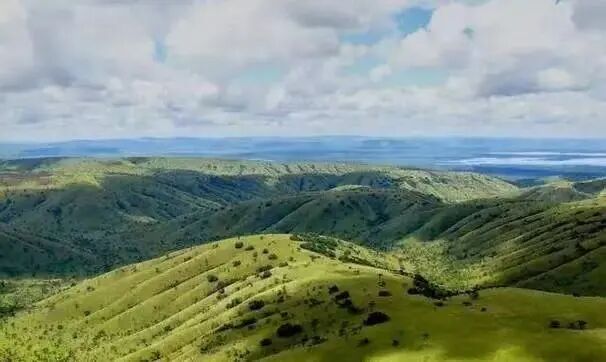
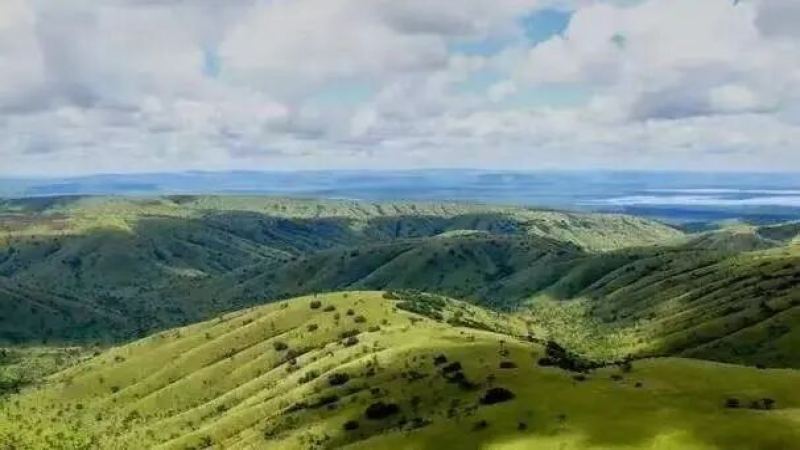
When it comes to African coffee-producing countries, CoffeeHunters believes that places like "Ethiopia," "Tanzania," or "Kenya" are the first that come to mind. But beyond these well-known major nations, Africa also has quite a few small countries producing excellent coffee! For example, Rwanda—hailed as the "Heart of Africa," which CoffeeHunters is sharing today—is an up-and-coming African coffee star that has stirred up quite a wave in the specialty coffee world in recent years. It is also the first African country to hostCOE. Rwanda is a small landlocked country in central Africa, surrounded by major coffee-producing nations on all sides. To its south lies Burundi, to the east Tanzania, to the north Uganda, and to the northwest it borders Congo.Because of its overlapping mountains, with as many as five volcanoes within its territory, Rwanda has earned the title of "Land of a Thousand Hills”(Land of a Thousand Hills)." Beyond its mountains, Rwanda also has 23 lakes and numerous rivers, giving it quite abundant water resources.
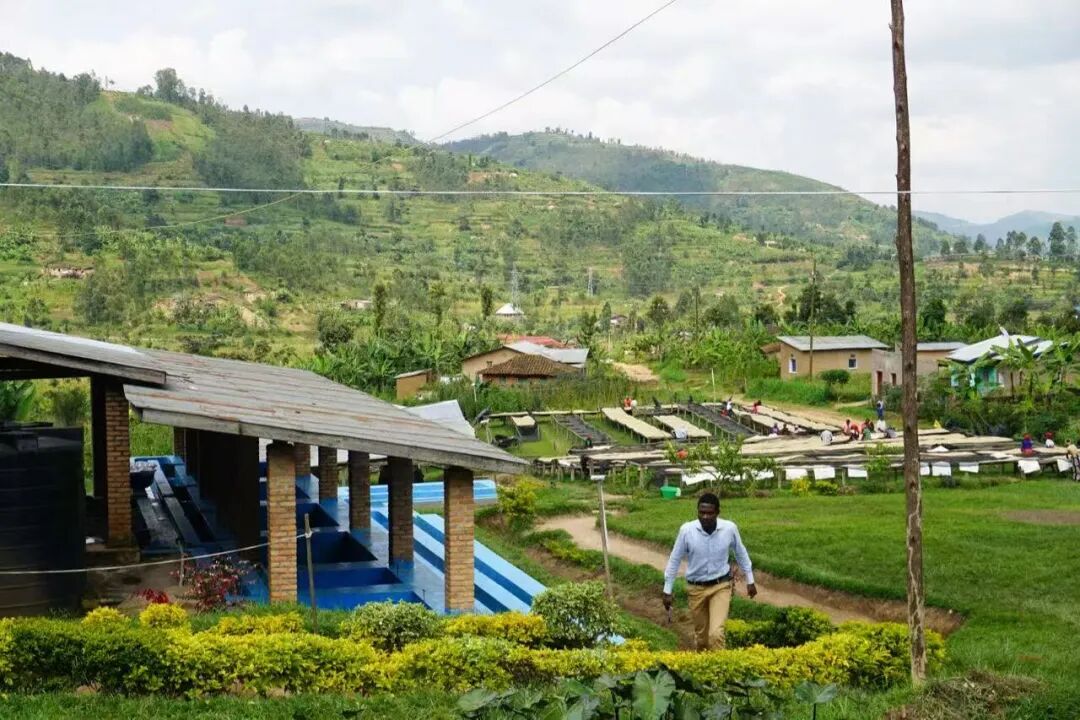
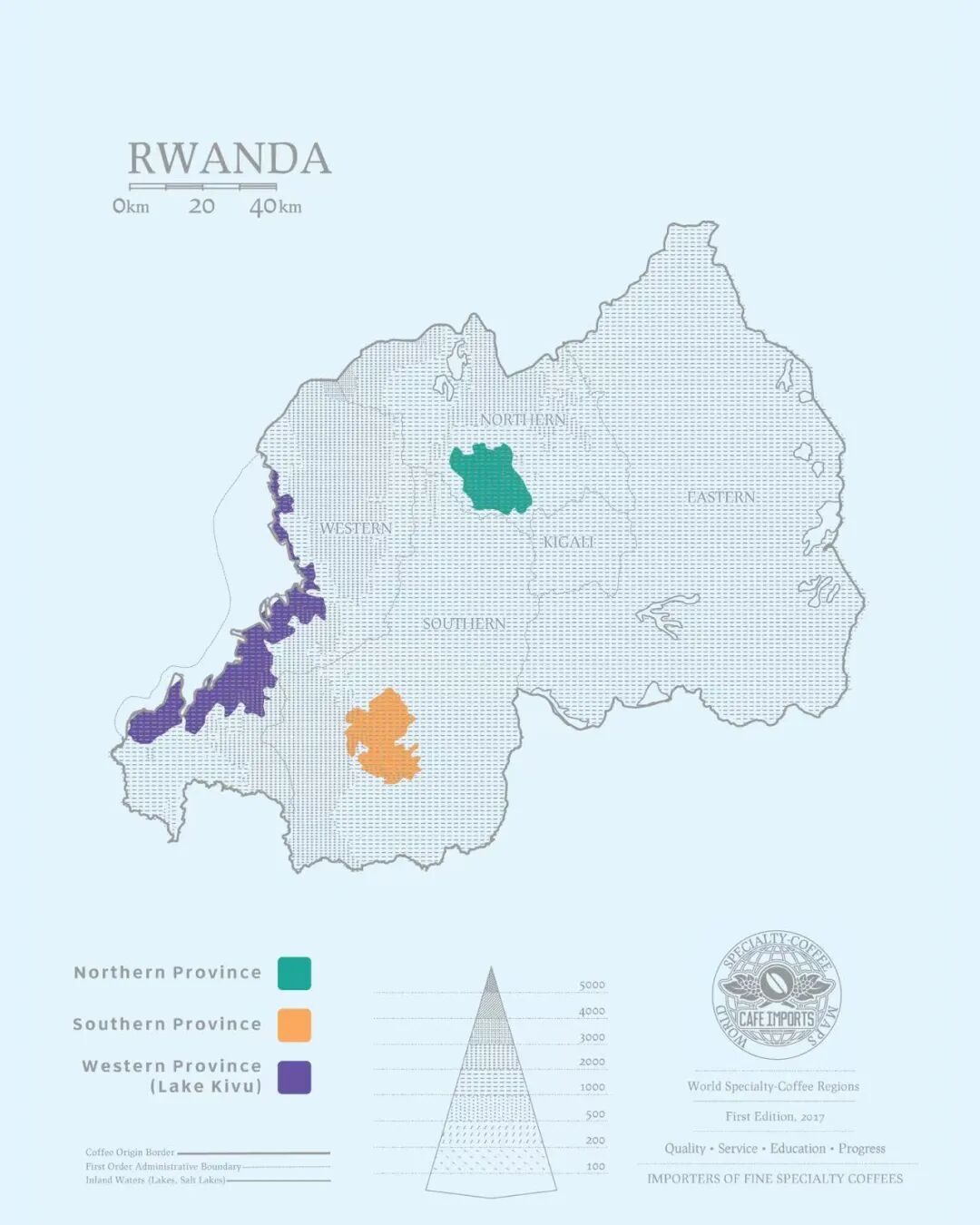
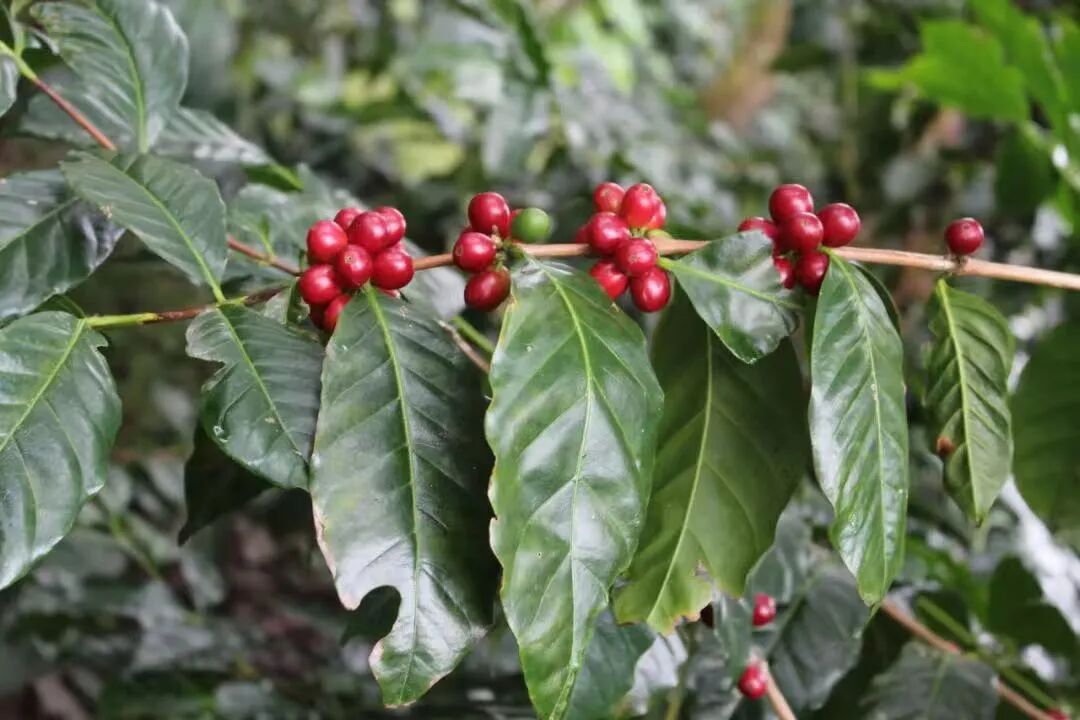
Like its neighboring countries, Rwanda is also a country very well suited to growing coffee. It lies south of the equator and has a temperate and tropical highland climate, with average temperatures between 24 and 27 degrees Celsius—slightly cooler than typical equatorial countries. It also has two distinct rainy seasons each year, with very abundant rainfall.Coffee is mainly grown in the south and west. Because these areas are at higher altitudes, their temperatures are slightly lower than the lowland areas in the east, and the temperature differences are also greater. Thanks to this, the coffee's ripening time is extended, allowing it to accumulate more sugar and develop richer flavors. Combined with mineral-rich volcanic soil, Rwanda's coffee-growing environment can be said to be extremely favorable.The main coffee varieties grown in Rwanda are Red Bourbon, Caturra, andCatuai, among which Bourbon(Bourbon)is the most widely planted variety, accounting for over ninety percent of Rwanda's coffee production.Bourbon was originally brought from Central America to Puerto Rico, then introduced to the Republic of Congo in the 1930s. About twenty years later, Bourbon was introduced to Rwanda and became the main coffee variety grown locally.CoffeeHunters frequently shares about Bourbon, because many varieties in the world evolved from or are related to Bourbon. It belongs to Arabica and has excellent flavor performance! However, like Typica, although Bourbon has outstanding flavor, it has low disease resistance and low yield, so many producing countries that originally grew Bourbon as their main variety subsequently switched to Caturra, Catuai, and other higher-yielding, easier-to-grow varieties.Rwanda Coffee Production and ProcessingLike most African coffee-producing countries, Rwanda's coffee is mainly produced by smallholder farmers. With government support, coffee processing shifted from rough on-farm handling by farmers to being transported to nearby washing stations for refined washed processing.After 2000, in order to save its coffee industry, which had been severely damaged by civil unrest, Rwanda launched thePEARL Project(Partnership for Enhancing Agriculture in Rwanda through Linkages project). This project aimed to promote improvements in both the quality and quantity of Rwandan coffee, while helping farmers earn better incomes, thereby creating a virtuous cycle. After this project began implementation, Rwanda successively built dozens of coffee washing stations, and since then, Rwanda's coffee has primarily been washed processed.Washed processing gives coffee a cleaner expression. Because the degree of fermentation is relatively low and stability is high, the coffee reveals more of its own original flavors.
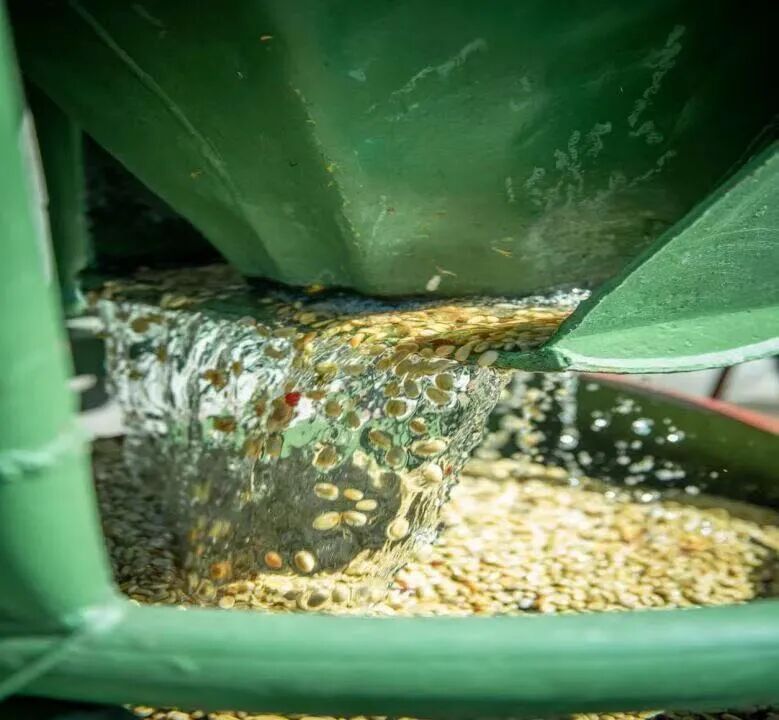
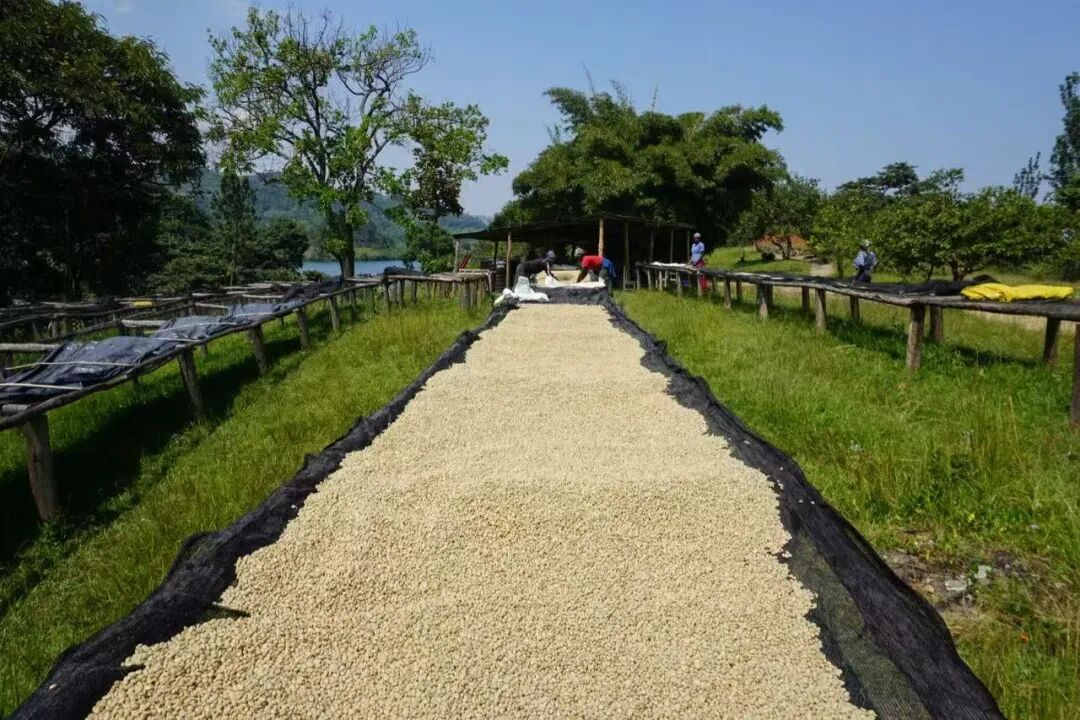
The specific process is very simple, just as CoffeeHunters has always shared: first, use floatation to screen out unripe and defective coffee cherries, then use a depulper to remove the coffee's skin and pulp. Next, the coffee beans with mucilage still attached are left to ferment in water tanks. After fermentation is complete, clean water is used to remove the mucilage remaining on the bean surface. Finally, these beans—with only the parchment layer retained—are sent for sun drying. When the moisture content of the beans drops to around 11%–13%, the parchment layer can be removed or the beans can be stored in warehouses awaiting export.Because the quality of washed coffee is so outstanding,and combined with Rwanda's inherently abundant water resources, in just over a decade, Rwanda's washed coffee processing stations increased to more than 200, all privately owned by green bean exporters or cooperatives.As CoffeeHunters introduced earlier, Rwanda's high-quality coffee mostly comes from the south and west—the Huye mountain area and Nyamagabe region in the south, and the Nyamasheke region by Lake Kivu in the west. Because these areas are at relatively high altitudes with abundant rainfall, the coffee grown there has even more outstanding flavor performance.After several rounds of cupping, CoffeeHunters ultimately selected a washed Red Bourbon fromNyamasheke(Nyamasheke)in western Rwanda as a new member of CoffeeHunters' everyday bean lineup. This bean is washed processed, of the Red Bourbon variety, and grown in Rwanda's exceptional Nyamasheke producing region—it can be said to bring together all of Rwanda's finest representatives, so naturally, we can taste the most distinctively Rwandan terroir from it!CoffeeHunters: Rwanda · Washed Red BourbonRegion: Nyamasheke(Nyamasheke)Altitude: 1500–1700 metersFlavor: Berries, apple, green tea, apricot
In order to better express Rwanda's regional flavors, CoffeeHunters used a medium-light roast profile. A cupping was conducted 8 hours after roasting was completed.During cupping, CoffeeHunters captured from the dry fragrance of this bean the fresh scent of apple, green tea, and a faint floral note—very refreshing. After pouring in hot water, aromas of berries and green tea could be detected.When the coffee entered the mouth, what CoffeeHunters first felt was the sweet-tartness of berries. The acidity then quickly dissipated, giving way to clean sweet flavors of apple and apricot. After swallowing, distinct green tea and apple notes could be captured in the finish. The overall taste of this coffee can be described as very balanced, with a clean and solid mouthfeel—extremely pleasant to drink! The above content is compiled by CoffeeHunters, a coffee news website.