





Where Did Yunnan Typica Coffee Come From?
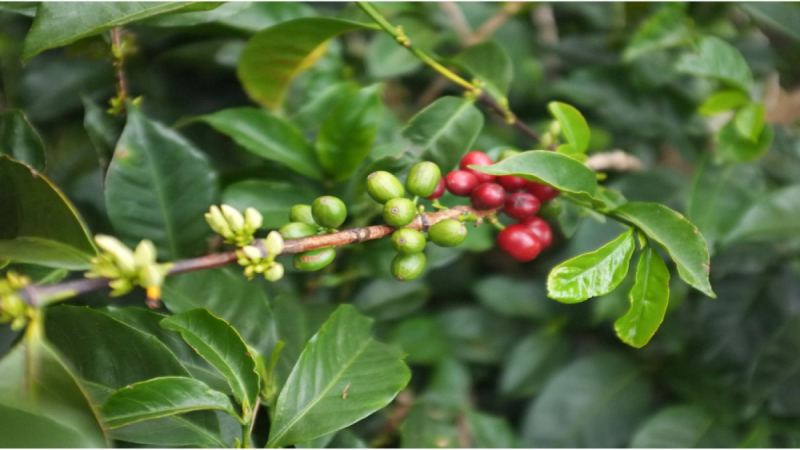
Typica is one of the oldest Arabica varieties, alongside Bourbon, with upward branches, copper-colored new leaf tips and slender, pointed beans. In 1892 a French missionary planted the first Typica seeds in Zhukula Village, Yunnan, and the village still holds trees over eighty years old.
Yunnan small-bean coffee, as it is called for its small fruit, grows mainly in dry-hot river valleys around 1,100 meters, giving balanced acidity and a mellow, sweet taste. Baoshan Typica is widely seen as the strongest in quality; a natural-process, medium-roast lot shows dried apricot, nuts, brown sugar and a tea-like finish.
Typica, one of the oldest Arabica varieties, stands alongside Bourbon, known for its elegant fruity notes and slender, pointed beans, yet it is susceptible to disease and low-yielding. In Yunnan, Typica from Baoshan is particularly outstanding. Tracing the history of Yunnan coffee, in 1892 a French missionary planted Typica seeds in Zhukula Village, opening the coffee chapter of this land, and even today the village still has trees over eighty years old. Yunnan small-bean coffee is mostly grown in dry-hot river valleys at around 1,100 meters, with balanced acidity and a mellow, sweet taste. To experience the classic flavor, Front Street Coffee 2013 Yunnan Typica uses natural processing and medium roasting, presenting notes of dried apricot, nuts, brown sugar, and a tea-like finish, suitable for pour-over, cold brew, and other brewing methods.
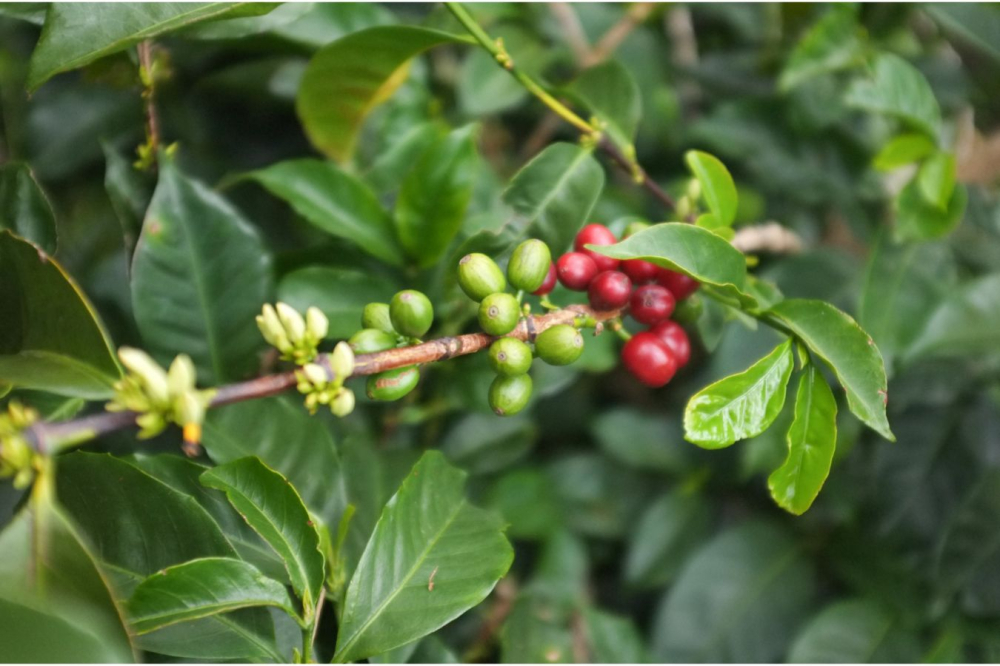
Typica is one of the oldest varieties in the Arabica family, standing alongside Bourbon. Its branches reach upward, and the new leaves at the tips are copper-colored, an important characteristic for identifying Typica. As a rare variety with pure lineage, Typica's coffee beans are slender and pointed, with an elegant, delicate flavor and abundant fruity notes, but its weakness lies in poor resistance to leaf rust and low yields. Among Yunnan's coffee-producing regions, Baoshan's Typica is widely recognized as the best in quality.
According to historical records, the starting point of Yunnan coffee is connected to a French missionary. In 1892, he came to Yunnan to preach, and to satisfy his own coffee-drinking habit, he planted the first coffee seed in a village called Zhukula. Thus began the journey of Yunnan coffee, and that seed was Typica. After the trial planting succeeded, more coffee trees were cultivated, and Zhukula Village gradually developed into a planting scale. To this day, the village still retains a large number of coffee trees, some over eighty years old.
The coffee grown in Yunnan belongs to the ancient Arabica variety, and because its fruit is small, it is called Yunnan small-bean coffee. These coffees are mostly grown in high mountain areas above 800 to 1,000 meters, and altitude has a huge impact on quality: too high and the acidity becomes prominent, too low and the bitterness is heavier. Yunnan's coffee farms are mostly located in dry-hot river valleys at around 1,100 meters, where the altitude is suitable, the climate is mild, and rainfall is abundant, giving Yunnan coffee moderate acidity, rich aroma, and a mellow taste.
If you want to taste the classic Yunnan small-bean Typica, try Front Street Coffee 2013 Yunnan Typica. This coffee is grown at high altitude and fully showcases the rich aroma of pure small-bean coffee. After natural processing and medium roasting, it has a dried-apricot-like sweet acidity, nutty notes, brown sugar sweetness, and a tea-like finish when brewed. It is suitable for pour-over, cold brew, clever cup, and drip bag, among other methods.
The above content is compiled by CoffeeHunters, a coffee news website.


