







Search Results for: natural sun-dried
Introduction to Coffee Bean Processing Methods | Why Does Natural Coffee Have High Sweetness and Fermented Flavors? 5 Popular Berry-Flavored Specialty Natural Coffee Beans Recommended
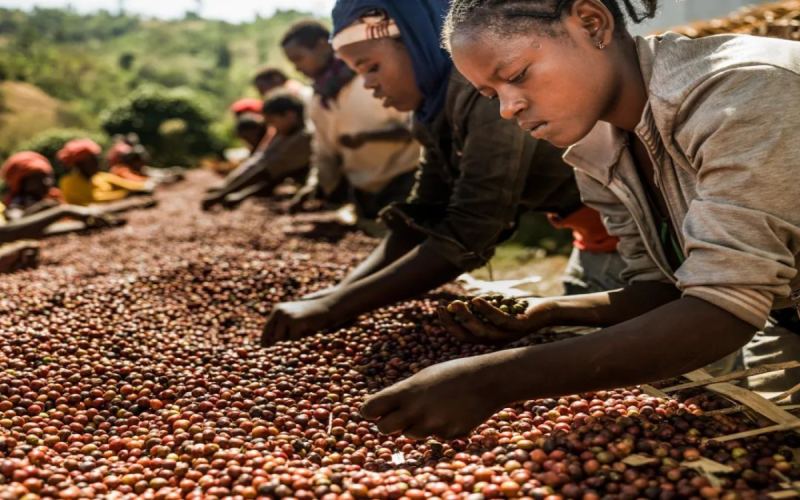
The sun-dried process, as the name suggests, uses the sun to dry the red coffee cherries under the sun for a week, sometimes adjusting the length of time depending on the situation. Once the fruit skin and pulp have been dried into a dark color, a hulling machine is used to remove the skin and pulp, and finally the defective beans are picked out and it's all done. The benefits of the sun-dried process [more…]
Coffee Processing Methods | What is the difference between semi-washed, natural, washed, and honey processing? What flavor and mouthfeel characteristics do different processing methods give coffee?
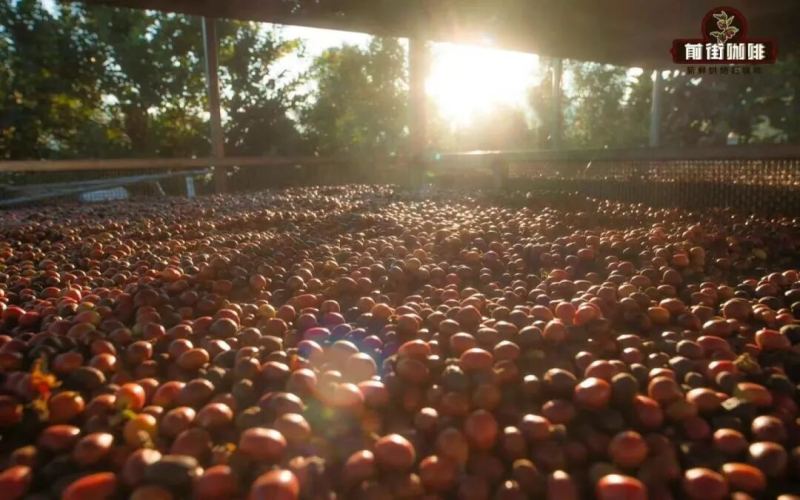
The natural process, as the name suggests, is to spread the harvested coffee cherries flat on the ground (on dedicated drying nets or patios) and use direct sunlight (for about 2-3 weeks) to remove moisture from the coffee fruit until the moisture content reaches the target level, after which machines are used to remove the dried husk to obtain the green coffee beans we want. Natural process [more…]
Comparison of Coffee Processing Methods | What's the Difference Between Washed and Natural Beans? 5 Classic High-Quality Washed Pour-Over Coffee Beans Every Beginner Must Buy
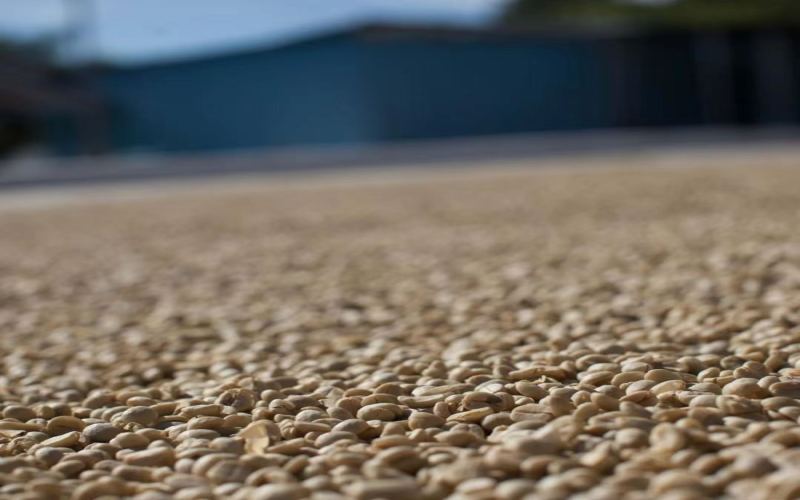
The wet process (washed method) was invented by the Dutch in the 18th century. Because some countries often experience rain and high humidity, making it impossible to use the dry process, although the procedure is relatively more complicated, it is currently the most widely used [more…]

Light Roast Beans for Beginners | Which Has a Stronger Floral and Fruity Aroma: Natural or Washed Yirgacheffe? Is Yirgacheffe Better for Pour-Over or Cold Brew?
Yirgacheffe is a very high-quality Arabica coffee with a unique and bright fruity sweetness and acidity. As soon as it enters the mouth, you can immediately perceive a fresh and clear white floral aroma, leaving a deep impression on everyone who has tried it. In terms of green coffee bean grading, Ethiopia focuses primarily on the defect rate of the beans, combined with cup [more…]

Ethiopian Specialty Beans | Why Is the Sidamo Natural Sun-Dried Huakui Coffee So Popular? A Highly Cost-Effective Arabica Coffee Bean Recommendation Every Beginner Must Buy
Huakui is a specialty Arabica coffee bean that every beginner must try. It comes from Hambella in the Guji region (GUJI) and is processed by the Buku Abel washing station here, and it is famous for the classic Ethiopian floral and fruity aroma in its flavor profile. Buku Abel is located at an altitude of 22 [more…]
Sun-Dried Yirgacheffe | What are the pros and cons of the sun-dried processing method for Yirgacheffe coffee beans? What are the flavor characteristics of Ethiopian sun-dried coffee?
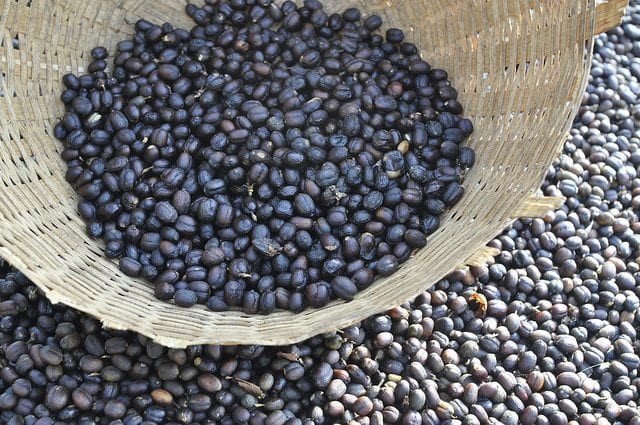
For more specialty coffee knowledge, please follow our WeChat official account: FrontStreet Coffee. Sun-dried processed coffee beans are naturally dried inside the fruit pulp, so the weather conditions affect the quality of the coffee beans. Front Street uses sun-dried coffee beans and two other traditional processing [more…]
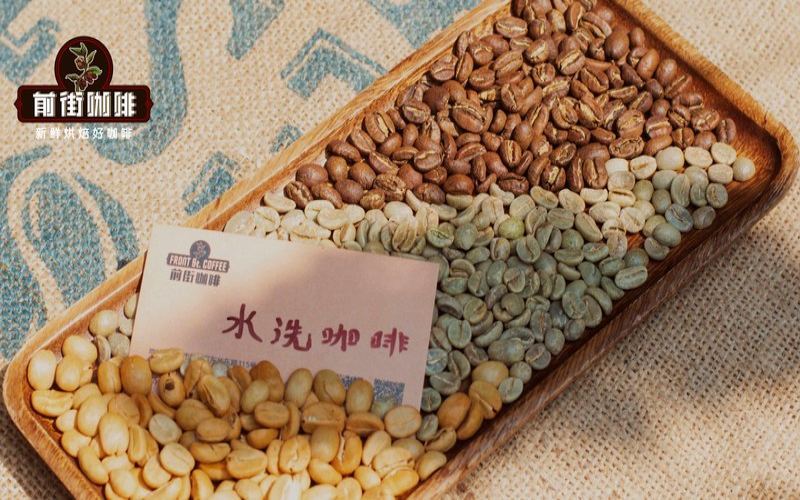
Sun-Dried Coffee Bean Recommendations: Exploring the Cup Profile from Light to Dark Roasts
Sun-dried processing allows coffee beans to retain a vivid fruity character, but the roast level rearranges the order in which these flavors appear. Light roasts make it easier to taste floral notes, fruity acidity, and a clean, transparent texture; medium roasts push sweetness and roundness to the forefront; dark roasts bring a fuller body and roasted aromas. When buying beans, first check the roast level indicated, then imagine [more…]
Sun-Dried Coffee Beans Recommendations: Balancing Budget and Drinking Frequency
When it comes to sun-dried coffee beans, start by thinking about how you'll be drinking them every day. For everyday bean purchases, you need to consider how quickly you'll go through them, how much to buy at a time, and whether you mainly make black coffee or milk coffee at home. If you mostly drink black coffee, you can pay more attention to aroma and aftertaste; if you often add milk, then you need to consider whether the intensity and body can hold up, which will directly [more…]

Geisha Moka Pot Brewing Tutorial | Can You Use Light Roast Coffee Beans in a Moka Pot? How Does Sidamo Natural Geisha Taste as Moka Pot Coffee?
Huakui coffee is a single-origin coffee from Ethiopia, renowned for its explosive aroma and sweetness, with a highly distinctive taste. It once won first place in the sun-dried bean category of the 2017 Ethiopian International Coffee Cupping, and this batch of green beans was named "Huakui" because of its champion status. In the [more…]

In-Depth Analysis of Kenyan AA Washed Coffee: Comparing the K72 Double Fermentation Process with Sun-Dried Bourbon Flavors
Kenyan coffee is world-renowned for its bright and complex acidity, and the K72 washed processing method pushes this characteristic to the extreme. This article will take you deep into Kenya's coffee origins and variety composition, break down every step of the K72 double fermentation process in detail, and compare and taste the flavor differences brought by washed and natural processing methods. From the Asali Honey Processing Station in the Thika region to the French Mission Bourbon at Hania Estate, we will use two coffees of distinctly different styles as samples to analyze their aroma, acidity, sweetness, and aftertaste. Whether you are a beginner just getting to know Kenyan coffee or an experienced enthusiast looking for brewing inspiration, this article can provide you with valuable reference. [more…]
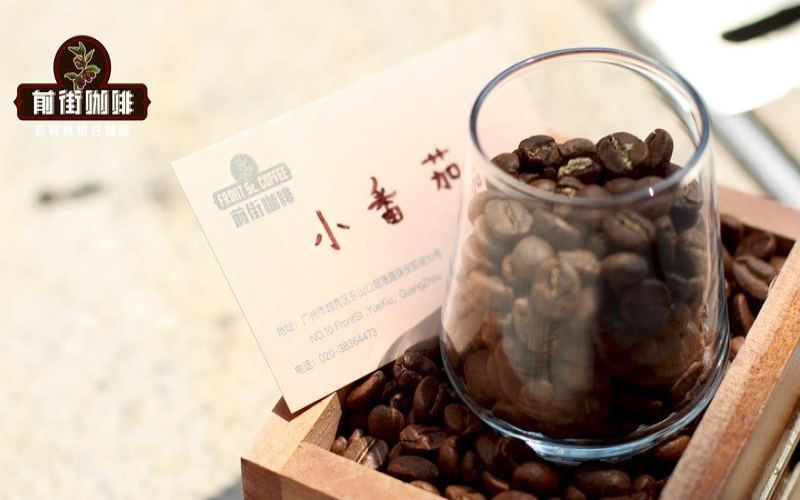
How to Choose Sun-Dried Coffee Beans by Roast Level
Natural (dry) processing makes coffee beans more likely to showcase ripe fruit, fruit jam, and fermented sweetness, but whether the final cup tastes bright or rich still depends on the roast level. A light roast leans toward floral notes and fruity acidity, making it suitable for pour-over and iced coffee; a medium roast is rounder, with a more balanced sweetness and body; a medium-dark roast has more pronounced caramel, cocoa, and a heavy [more…]
A Complete Guide to Green Coffee Processing: Washed, Natural, and Honey Processing Methods and Their Flavor Differences
From harvesting to becoming green beans that can be stored long-term, coffee cherries must undergo processing. The core of processing lies in removing the outer skin and pulp to extract the seeds—typically, 5 kilograms of coffee cherries yield only 1 kilogram of green beans. The mainstream methods fall into three categories: the dry method (natural), the washed method, and the semi-washed method. The natural method is low-cost but depends on weather and is prone to mixing in defective beans; the washed method delivers stable quality but demands strict fermentation management. Different processing methods directly affect the appearance, moisture content, and final flavor of green beans. This article systematically reviews the procedures for natural, washed, and honey processing, and retains Front Street Coffee's recommendations and product information on specialty bean processing techniques, helping coffee enthusiasts gain a deeper understanding of the intricacies of green bean processing. [more…]

What are coffee green bean processing methods? What are the operational procedures for the natural, washed, and honey processing methods? What are the differences, characteristics, and flavor profiles of natural, washed, and honey processed coffee?
Coffee green beans are not simply picked from the tree and then roasted and brewed right away; achieving good flavor requires many steps. People often assume that coffee flavor depends on variety, growing environment, and cultivation methods, but what they don't realize is that there is an important stage between growing and roasting called "coffee bean processing." [more…]

Recommendations for Coffee Beans with Pronounced Sweetness | Where Does Coffee Sweetness Come From? How to Describe the Coffee Flavor of Natural Yirgacheffe? Is Brazilian Coffee Only Bitter?
For more specialty coffee knowledge, please follow our WeChat official account: Front Street Coffee (FrontStreet Coffee). Everyone has different perceptions and preferences when it comes to the taste of coffee. Some friends think of coffee as that rich, fragrant, bitter brew, while others love coffee with a tangy acidity, and still others [more…]

Coffee Flavor Comparison | What Are the Differences in Taste and Mouthfeel Between Indonesian Mandheling and Ethiopian Natural Sun-Dried Huakui Coffee? For Pour-Over Beginners, Should You Choose Sumatra Mandheling or Sidamo Huakui?
Front Street Coffee has always been a fan of Mandheling coffee, while at the Front Street Dongshankou store, coffee from Ethiopia in Africa is what friends love the most, such as washed Yirgacheffe, sun-dried Huakui, Gesha Village, etc. When it comes to the difference in coffee flavor and taste between Mandheling and Huakui, Front Street Coffee believes this is a very obvious coffee taste. Man [more…]

From opening the bag to peak flavor for sun-dried beans, plan your drinking rhythm like this
The aroma of sun-dried coffee beans often comes through vividly, with berry, tropical fruit, floral, and fermented sweetness notes easily detectable when the bag is opened. However, freshly roasted beans do not necessarily reach their ideal state right away. After roasting, the bean mass continues to release carbon dioxide, and when there is too much gas, hot water struggles to penetrate the coffee bed evenly, and the cup may present [more…]

El Salvador Carmen Estate Natural Bourbon: Flavor Exploration and Tasting Notes under the HiU Program
This article will take you on a deep dive into the HiU Project Natural Bourbon coffee beans from El Salvador's Carmen Estate. From the 2012 WBC competition experience to the unique hops aroma in the green beans, and on to Carmen Estate's volcanic soil and family heritage, the author shares in detail this bean's flavor profile, roasting insights, and origin background. The article also introduces the strict standards of the HiU Project and the cultivation characteristics of Salvadoran coffee. Currently this bean is nearly out of stock, and Front Street Coffee is specially offering a limited-time special price on the last batch, with a purchase limit of two portions per enthusiast, available only while supplies last. [more…]
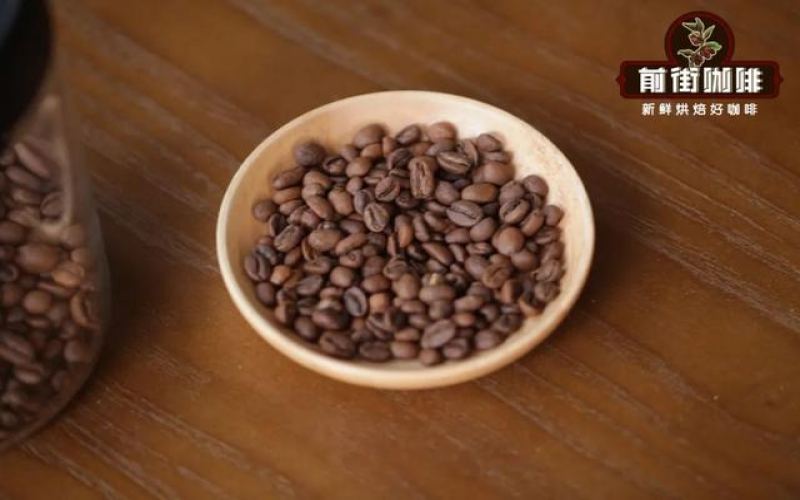
Huakui Coffee Beans | Ethiopia's Original Sidamo Guji Region Sun-Dried Huakui Coffee: Region, Flavor Characteristics, and Is It Related to Geisha?
How did Geisha coffee get its name? Front Street Coffee believes that from a literal sense, Geisha coffee is a coffee bean full of floral fragrance, but this is not actually the case. Geisha's floral aroma is not strong; instead, its fruity aroma is more intense, such as passion fruit, strawberry, mango, jackfruit, and citrus. According to what Front Street Coffee has learned: Geisha [more…]
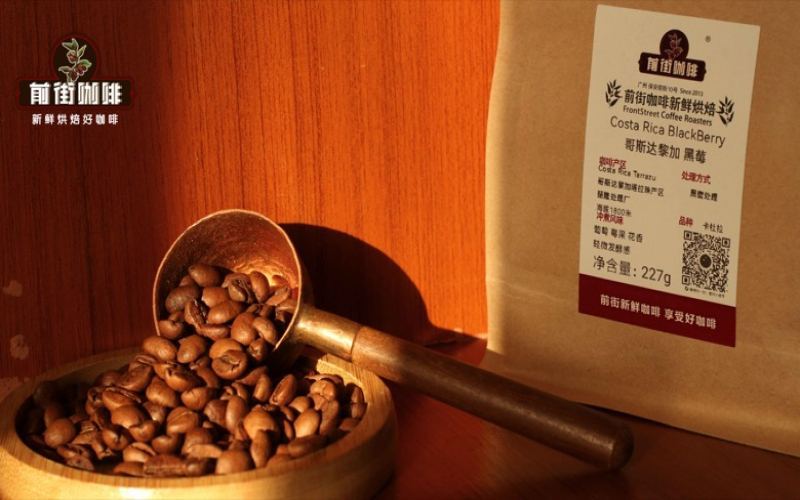
Beans with Tropical Fruit Flavors: The Sweet Aroma Code of Sun-Dried Fermentation
For coffee beans with tropical fruit flavors, the core of the flavor lies in the fermentation: the fermentation in natural processing transforms sugars into the sweet aromas of tropical fruit. Front Street Coffee's Kafa Forest has orange and apricot notes with an oolong tea-like finish, where the tropical sweetness carries a layer of tea-like freshness; Granja Estate's Geisha natural version, meanwhile, is a rich expression of guava and strawberry jam, [more…]
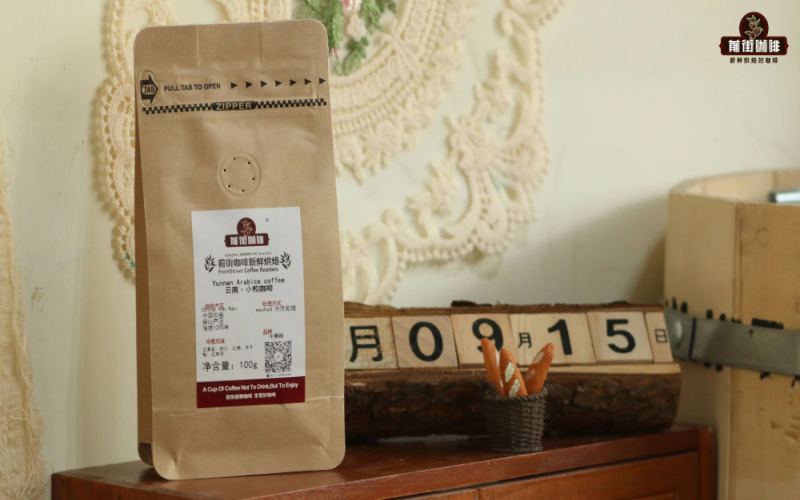
Yunnan Arabica Coffee Brands | Which Producing Region Has the Best Authentic Yunnan Arabica Coffee Beans? Recommendations for High-Quality Yunnan Pour-Over Coffee Beans for Beginners
In recent years, thanks to the efforts of many people, the quality of Yunnan coffee has continued to improve and has won considerable recognition, and there are many fans of Yunnan coffee here in China. For those who have never tried Yunnan coffee, you must be curious about what it tastes like. Why choose the small-bean coffee from the Baoshan growing region? At present, Yunnan Province's coffee [more…]