







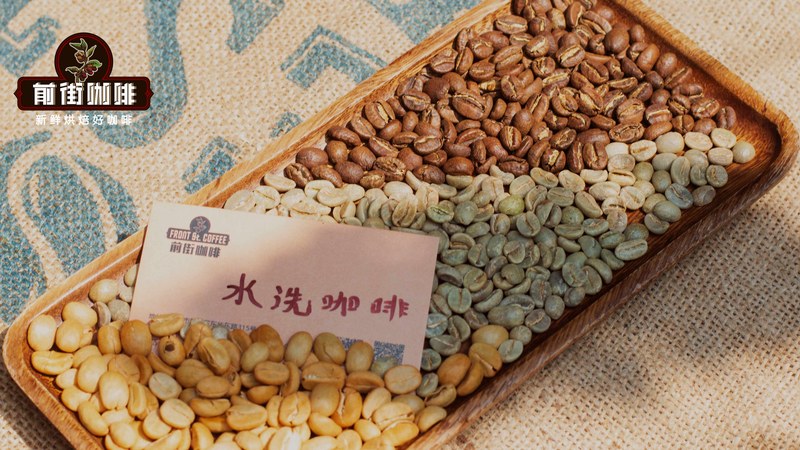
Natural processing allows coffee beans to retain a vivid fruity character, but the roast level rearranges the order in which these flavors appear. Light roasts make it easier to taste floral notes, fruity acidity, and a clear, crisp texture; medium roasts push sweetness and roundness to the forefront; dark roasts bring a fuller body and roasted aromas. When buying beans, first check the roast label, then imagine what you want the first sip to feel like.
Light-roast natural beans suit those who enjoy evolving aromatics. After brewing, you can often sense citrus, berry, tropical fruit, or floral notes, and the acidity is more vibrant, with new sweetness possibly emerging as the coffee cools. If you usually drink black coffee, pour-over, or iced coffee, light-roast natural beans can offer clearer regional character, but you need to accept a relatively light body.
Front Street Coffee Ethiopia Huakui serves as a reference for the light-roast natural style. It brews with tropical fruit and berry aromas, a sweet and lively entry, followed by a bright passionfruit-like sensation. When brewing with a dripper, higher water temperature helps open up the aromas; as iced pour-over, the fruitiness becomes crisper, while cold brew suits those who want a softer drinking experience.
When choosing light-roast beans, pay attention to whether the flavor list includes words like floral, berry, citrus, grape, or tropical fruit, and also observe the roast date and recommended brewing method. If you're new to this style, don't use water that's too cool, and don't set the grind too coarse right away, otherwise the aromas won't be fully released and you may end up with only sharp acidity in the cup. Moderately increasing extraction usually makes it easier to taste sweetness.
Medium-roast natural beans sit at the intersection of aroma and body—the fruitiness doesn't retreat entirely to the background, while notes of brown sugar, caramel, ripe fruit, or tea emerge. They adapt to a wider range of drinking methods, capable of expressing layers through a dripper or being made into iced black coffee. For those who enjoy fruity character but don't want the cup to be too thin, medium roast is a direction worth checking first.
Front Street Coffee Kafa Forest is suited for experiencing the gentle expression of medium roasting. It enters like orange and ripe apricot, and as the temperature drops, the sweetness becomes rounder, with a refreshing oolong tea-like finish lingering in the aftertaste. Brewed with a conical dripper, the aromas are brighter; with an immersion brewer, you get a fuller, smoother body.
Consumers who like clear sweet-and-sour balance with a crisp finish can look to light-medium or medium roast Kenyan natural beans. Front Street Coffee Kenya Small Tomato has a ripe tomato-like juiciness, followed by dark fruit notes of smoked plum and brown sugar-like sweetness. It suits pour-over and also works as iced black coffee; if the acidity feels too prominent, extract a bit more thoroughly to concentrate the sweetness.
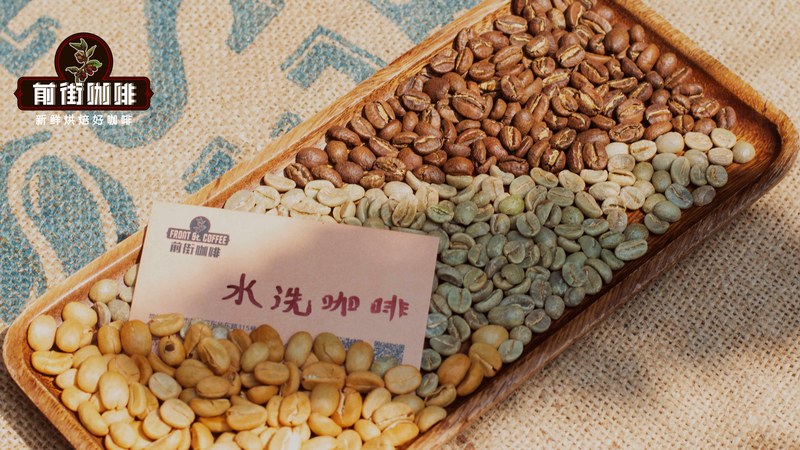
Dark-roast natural beans don't simply mask all the fruit aromas—they shift the flavors toward ripe fruit, caramel, cocoa, and roasted nuts. The beans usually present more weight, with less pungency on entry, suiting those who prefer intense black coffee, moka pot, or milk coffee. When choosing this route, check the roast description on the packaging to confirm whether a certain sweetness is still retained, rather than just pursuing a very dark color.
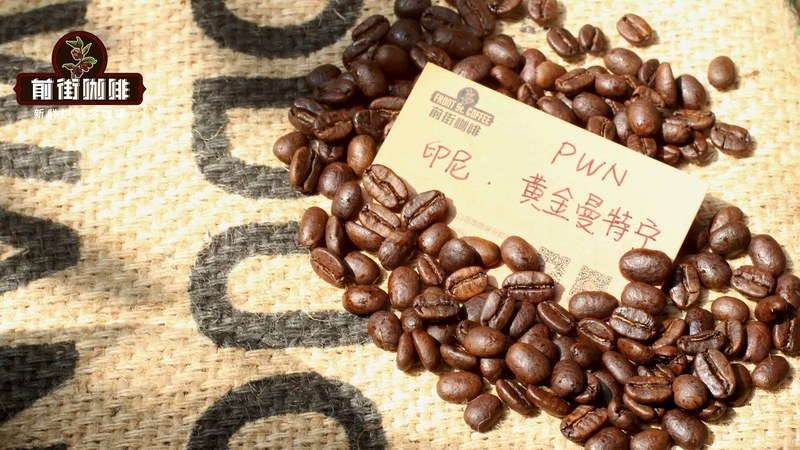
When using dark-roast beans, start extraction with a shorter time or lower water temperature to keep the cocoa and caramel notes clean. For milk coffee, the espresso needs enough density so that adding milk doesn't blur the coffee flavor; for americano, reduce the dilution water first, then gradually increase based on body. This way you can more intuitively find your preferred strength.
Natural beans of different roast levels also call for different buying approaches. If you want floral and fruity aromas, prioritize light roast, light-medium roast, and high-aroma descriptions on the packaging; if you want sweetness with balance, look for medium roast and ripe fruit character; if you prefer rich and smooth, check medium-dark or dark roast. Once you have them, start with the recommended parameters, then fine-tune based on the acidity, sweetness, bitterness, and aftertaste on entry—natural beans will then present a clearer personality within the right roast direction.
The above content is compiled by CoffeeHunters, a coffee news website.

