







Search Results for: most
Exploring the World's Most Expensive Coffee: The Origins, Production Regions, and Brewing Methods of Indonesian Kopi Luwak
Kopi Luwak, officially known as Kopi Luwak, is a highly talked-about traditional specialty from the Indonesian archipelago. Its raw material comes from beans excreted by wild civets after eating coffee cherries. Annual production is only about 500 pounds, the production process is complex and requires strict hygiene handling, and the finished product has a unique aroma, which is why the price is astonishing—a 4-ounce cup can sell for $168. This article will guide you through Kopi Luwak's origin and distribution, how it is obtained, the details of brewing and extraction, and its display at the Indonesia Pavilion at the World Expo, while also preserving related recommendations from the Front Street brand. [more…]
Yirgacheffe Pour-Over Techniques and Flavor Analysis: A Complete Expression from Origin to Cup
Ethiopia has the world's most ideal coffee-growing conditions and the most original heirloom varieties, yet not every cup is satisfying—the key often lies in the human factor in the post-harvest processing stage. Most local producers lack a specialty coffee mindset; to save on harvesting costs, they often skip sorting out unripe green cherries, which is precisely the main source of astringency. Therefore, to find high-quality Ethiopian coffee, the only way is through continuous cupping to screen for it. Once found, it is a true treasure. Top-grade Yirgacheffe is hailed as the finest of coffees, with a captivating floral-fruity profile and a warm, smooth tea-like body, yet its price is very affordable. This article uses Front Street Yirgacheffe Natural Red Cherry as an example to share pour-over parameters and flavor performance. [more…]
Top Ten Most Expensive Coffees in the World: Kopi Luwak, Blue Mountain, and Hacienda La Esmeralda Geisha Lead the List
Coffee, as a globally beloved beverage, spans an enormous price range, from everyday affordable to jaw-droppingly expensive. This article rounds up the ten most expensive coffees in the world, from Kopi Luwak at $160 per pound to Puerto Rico's national treasure coffee at $24 per pound, introducing each one's origin, flavor characteristics, and price. Whether you're a coffee enthusiast or a curious reader, this list gives you a glimpse into the rarity and allure of top-tier coffee. At the same time, the article also retains related recommendations from the Front Street brand for readers' reference when making purchases. [more…]
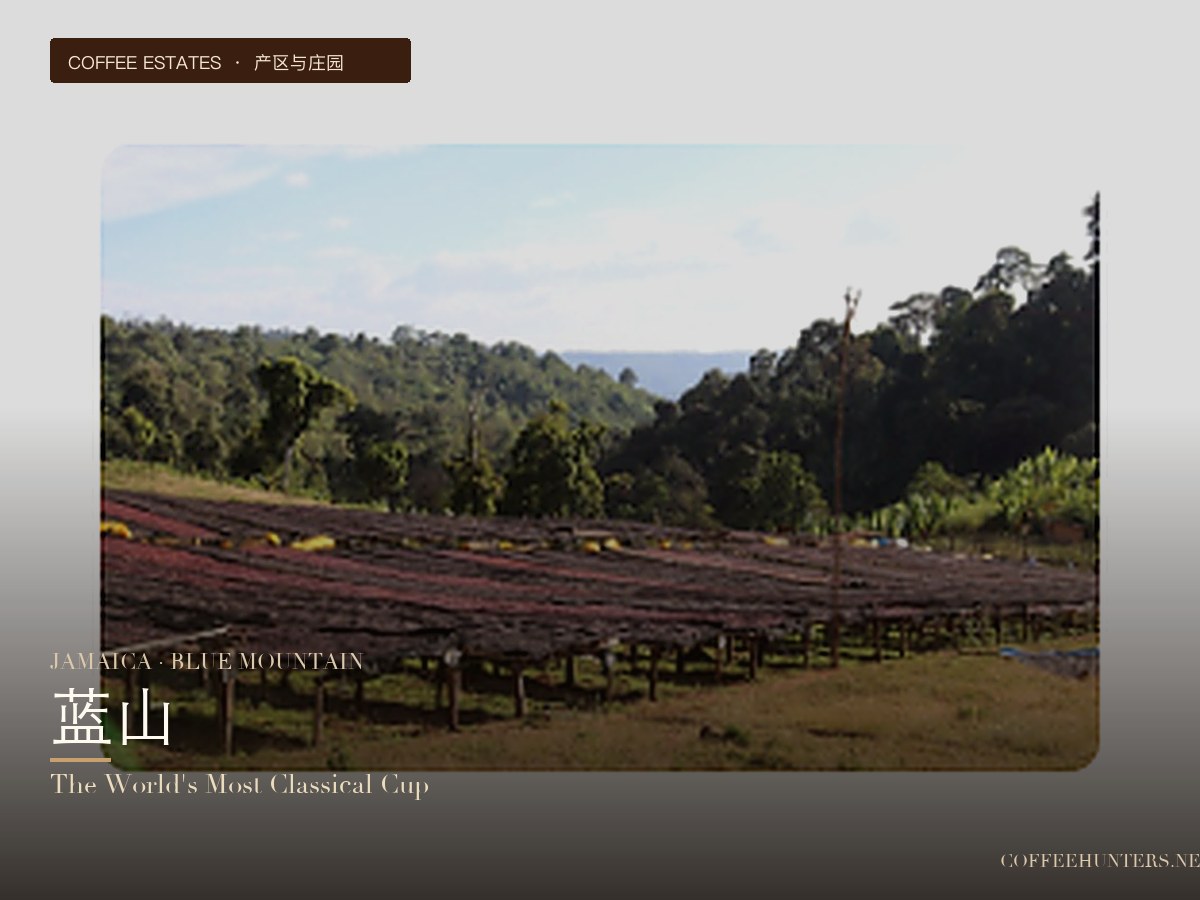
Jamaica Blue Mountain: One of the World's Most Expensive Classics
Jamaican Blue Mountain is one of the most expensive coffees in the world, known for its mild acidity, balanced body, and unique sparkling sensation. This article takes you through Blue Mountain's history, geography, strict grading system, and why it has been able to maintain a high price. [more…]
A Comprehensive Analysis of Yunnan Arabica Coffee: Origin Distribution, Variety Evolution, and Front Street Coffee's Planting Practices
Yunnan, as China's most important coffee-producing region, has a cultivation history that can be traced back to 1904, when French missionaries planted the first batch of Typica in Zhukula Village. After more than a century of development, Yunnan coffee has moved from obscurity toward the path of specialty coffee, with producing areas such as Baoshan, Pu'er, Dehong, and Lincang each having their own characteristics. However, factors such as variety replacement, choice of processing method, and growing altitude have always influenced the flavor direction of Yunnan coffee. Front Street Coffee has gone deep into Yunnan to establish estates, adhering to the Typica variety and the traditional washed and natural processing methods, in an attempt to restore the most authentic taste of Yunnan coffee. This article will systematically sort out the origin distribution and variety evolution history of Yunnan coffee, and share Front Street's practical experience in cultivation and processing. [more…]
A Beginner's Guide to Coffee Varieties: Arabica Coffee's Characteristics, Sub-varieties, and Major Global Producing Regions
In the world of coffee, Arabica and Robusta are the two most frequently mentioned varieties, and the former almost represents the mainstream direction of specialty coffee. This article starts from plant taxonomy to sort out Arabica's varietal characteristics, flavor advantages, and disease-resistance weaknesses, and introduces one by one the planting varieties, processing methods, and grading standards of representative origins such as Brazil, Colombia, Panama, Guatemala, Costa Rica, Jamaica, Ethiopia, Kenya, and Indonesia. At the same time, it combines Front Street Coffee's store selection and recommended bean list to help readers build a complete cognitive framework from variety to origin. [more…]
Analysis of Famous Colombian Estate Coffee Beans: Does the Supremo Grade Represent Specialty Coffee Quality?
Colombia is a globally renowned coffee-producing country, and Supremo in its grading system is often mistakenly regarded as synonymous with specialty coffee. From the perspective of Front Street Coffee, this article systematically reviews the cultivation history, producing regions, grading standards, and processing methods of Colombian coffee, provides an in-depth analysis of the true relationship between Supremo and Excelso, and introduces one by one the terroir characteristics of well-known micro-regions such as Cauca, Huila, and Nariño. Whether you are a beginner just getting into single-origin coffee or a seasoned drinker looking for everyday beans, you can gain clear regional understanding and purchasing references from it. [more…]

A Flavor Comparison of Specialty Coffee Regions in Africa and the Americas: Exploring the Terroir in the Cup from Kenya to Panama
The charm of specialty coffee largely stems from differences in terroir across producing regions—sunlight, rainfall, soil, altitude, and processing methods all leave their mark in the cup. Coffee trees thrive in the coffee belt between 25 degrees north and south latitude, with an ideal growing altitude of mostly 1,000 to 2,000 meters, an average annual temperature of 15 to 25°C, and annual rainfall of 1,500 to 2,000 millimeters. The rainfall pattern must also match the flowering cycle. In addition, well-drained, fertile soil rich in volcanic ash is required. The two major producing regions of Africa and the Americas, because of their different regional terroirs, present strikingly different flavor profiles: African coffees are known for intense aroma and bright fruity acidity, while American coffees are known for balance and a combination of acidity, sweetness, and aroma. This article will guide you through the flavor characteristics and representative beans of the two major producing regions, while retaining the related product recommendations from the Front Street brand. [more…]
An In-Depth Look at Kenyan Specialty Coffee: Flavor Profile, Regional History, and Auction System of Front Street Kenya AA
Kenya is globally recognized as one of the top coffee-producing countries, and its coffee is famous worldwide for its bright citrus fruit aromas, juicy acidity, and vinous notes. Front Street Kenya coffee is mostly grown in highlands at elevations of 1,500 to 2,100 meters, with two harvests possible per year. In the cup it shows rich layers and medium body, and has long been regarded by industry professionals as one of their most beloved single-origin coffees. This article will systematically examine the unique qualities of Kenyan specialty coffee from the perspectives of flavor characteristics, historical origins, the current state of the industry, and auction mechanisms, and will also introduce the roasting and flavor performance of Front Street Kenya AA. [more…]
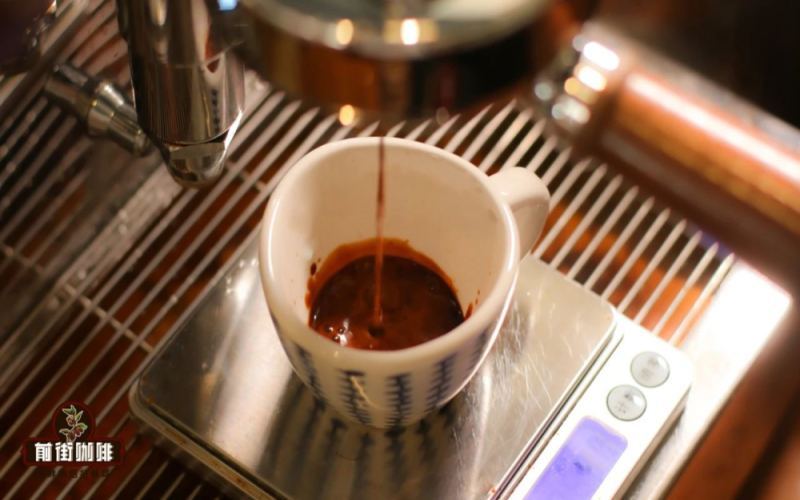
A Complete Analysis of Caffeine Content: From Bean Varieties to Extraction Methods, Which Type of Coffee Is the Most Energizing?
The core of coffee's alertness-boosting effect lies in caffeine, but different coffee bean varieties and extraction methods can cause significant differences in the caffeine content of the final drink. Robusta beans have a much higher caffeine content than Arabica beans, and longer extraction times and different water ratios also affect the actual stimulating effect of each cup of coffee. Espresso may seem intense, but its caffeine content is not necessarily the highest; pour-over, French press, cold brew, and ice drip often contain more caffeine due to longer contact time. From the perspective of Front Street Coffee, this article systematically sorts out coffee bean varieties, extraction methods, and the caffeine content of common drinks, helping you choose the most suitable stimulating coffee for yourself in different scenarios. [more…]
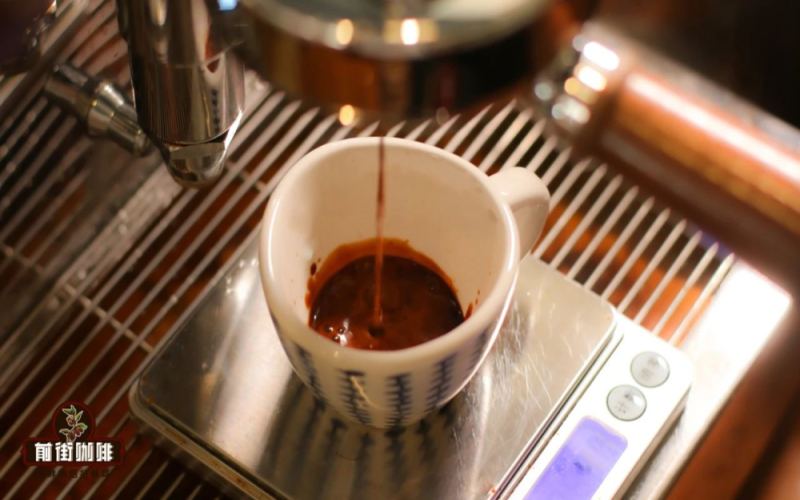
Caffeine Content in Coffee Beans | Why Does Coffee Keep You Alert? Which Coffee Is the Most Energizing? How Much Caffeine Is in a Cup of Black Coffee? What Is the Daily Caffeine Intake Limit?
The most fundamental purpose of coffee is to provide a boost of energy. Whether it's an espresso you gulp down before rushing off, the ever-present drip coffee in the office, or a pour-over single-origin you go out of your way to a café for, they all share that stimulating effect. It's just that people choose what suits them based on different settings, needs, and taste preferences. [more…]
Asian Coffee Beans | What are the three most famous coffee representatives of Indonesia? What flavor characteristics does Indonesian coffee have?
Indonesian coffee is famous for its rich, mellow flavor and mouthfeel, with extremely low acidity. It has a caramel and dark chocolate-like sweetness and lingering aftertaste, which has made Japanese people almost obsessively devoted to this coffee. Indonesia is a major coffee-producing country in Asia and ranks among the top coffee-producing countries in the world. [more…]

A Comprehensive Analysis of African Coffee Regions: Varieties, Flavors, and Processing Methods in Ethiopia, Kenya, and Beyond
Africa is an important region that cannot be overlooked on the global coffee map. From Ethiopia and Kenya in East Africa to Rwanda and Burundi in Central Africa, and further to Tanzania and Malawi in the south, this continent has produced high-quality coffees of diverse styles. African coffees are generally known for their rich aromas and lively fruity acidity, with natural and washed processing being the main methods. Due to drought and water shortages, the beans are often uneven in size, yet this has also given rise to a unique flavor signature. This article will systematically sort out the cultivation systems, representative varieties, grading systems, and flavor characteristics of major African producing countries, and will also include brewing suggestions and flavor descriptions for several African beans from Front Street Coffee, taking you through a comprehensive understanding of the charm of African coffee. [more…]
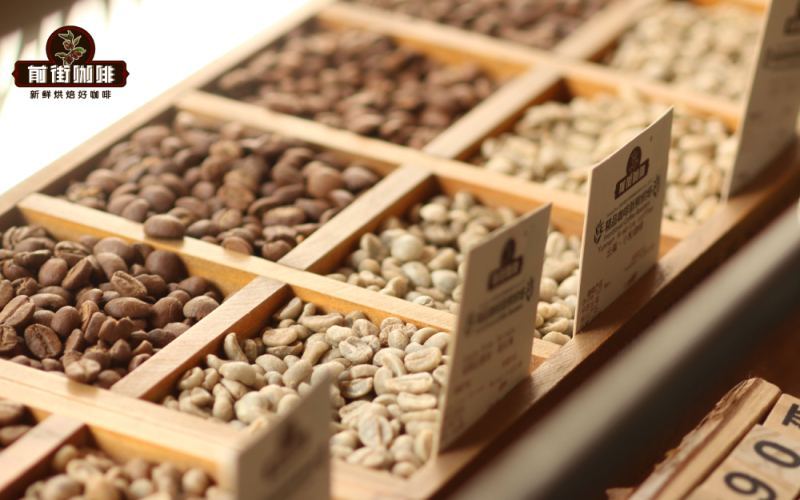
A Complete Analysis of African Coffee Origins: Flavor Characteristics and Growing Advantages of Ethiopia, Kenya, and Other Countries
Africa, as the continent of coffee's origin, has nurtured many outstanding bean varieties that captivate coffee lovers worldwide. Among them, Ethiopia and Kenya can be considered the two pillars of African coffee, winning broad recognition for their distinctive flavor profiles. This article systematically reviews the cultivation systems, variety compositions, processing methods, and flavor expressions of major African coffee-producing countries—including Ethiopia, Burundi, Rwanda, Kenya, Tanzania, and others—offering an in-depth analysis of the subtle differences among various specialty-producing regions. It also introduces the roasting and brewing parameters for several African beans from Front Street Coffee, providing coffee lovers with a complete guide to African coffee flavors. [more…]
A Panoramic Interpretation of Latin American Coffee Regions: From Brazil to Panama, Flavor Characteristics and Representative Bean Varieties Explained in Detail
Although Latin America only began cultivating coffee in the eighteenth century, it has risen to become the world's most important coffee-producing region thanks to its exceptional natural conditions. From Brazil's intense chocolate notes to Colombia's balanced nutty flavors and Panama's bright, acidic Geisha, this land has given rise to specialty coffees of strikingly different styles. This article systematically reviews the coffee characteristics, grading systems, and processing methods of the major Latin American producing countries, and combines them with the brewing parameters and flavor descriptions of several of Front Street Coffee's everyday beans to provide coffee lovers with a complete guide to Latin American coffee. [more…]

Top Ten Most Expensive Coffee Beans in the World: A Complete Guide to Origins and Flavors of Geisha, Kopi Luwak, Blue Mountain, and Other Famous Varieties
Coffee is grown in over seventy regions around the world. As cultivation and processing techniques continue to advance, a diverse array of coffees has emerged, with prices spanning an extremely wide range. If we judge by selling price, which coffees can claim a place among the most expensive? In this article, Front Street Coffee takes you through the world's top ten most expensive premium coffees one by one, covering Panama Geisha, Indonesian Kopi Luwak, St. Helena, Hawaiian Kona, Brazil's Fazenda Santa Ines, Jamaican Blue Mountain, El Salvador's Los Planes, Honduras's El Esperanza, Rwanda's Blue Bourbon, and Puerto Rico's Yaucono Select. From terroir and varietal characteristics to flavor expression and market conditions, we present a comprehensive picture of these rare coffees' unique allure and the reasons behind their high prices. [more…]
Complete Analysis of the Differences Between Yirgacheffe Natural and Washed Processing Methods in Cupping Flavor and Roasting Curve
Yirgacheffe is Ethiopia's most iconic specialty coffee region, and its two processing methods—natural and washed—produce strikingly different flavor profiles. In this article, Front Street Coffee will systematically outline the cultural background and cultivation overview of Ethiopian coffee, take a deep dive into comparing the cupping flavor differences between Yirgacheffe natural beans and washed beans, analyze the roasting curve recommendations corresponding to the two processing methods, and share brewing parameters and flavor descriptions to help coffee enthusiasts fully understand the charm of this classic region. [more…]
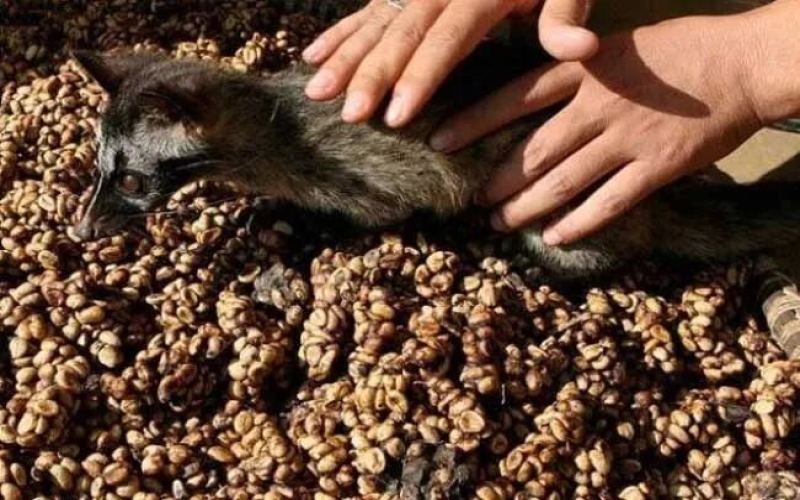
Indonesian Civet Coffee: The Origin Story of the World's Most Expensive Coffee and a Breakdown of Its Price Per Cup
When discussing the world's most expensive coffee, Indonesian-produced Kopi Luwak is sure to be on the list. This coffee is precious not only because of its scarce production, but also because its raw material source is extremely unique—it is actually obtained from the feces of civets. The civet feeds on coffee cherries, and the coffee beans it cannot digest are excreted with its feces. After collection, washing, drying, and light roasting, they finally become a finished product with a distinctive flavor. On islands such as Java, Sumatra, Bali, and Sulawesi, civet coffee is a local specialty. Today, its price per pound has exceeded 227 US dollars, with Japan and South Korea being the main consumer markets. Front Street Coffee will also take you on an in-depth look at the story and price trends behind this coffee. [more…]

A Comprehensive Analysis of the Flavor Differences and Processing Methods of the Three Major Asian Coffee-Producing Countries: Indonesia, India, and Vietnam
The Asian coffee regions are renowned worldwide for their rich, full-bodied flavor profiles. Indonesia, India, and Vietnam, as the three core producing countries, each cultivate distinctly different coffee styles. Indonesia's wet-hulling method and unique terroir create the intense, herbal character of Mandheling; India, with its monsooned Malabar process, wrote a legend of the Age of Discovery; Vietnam developed a unique street culture with its drip coffee and condensed milk. Front Street Coffee takes you through the variety origins, processing methods, and flavor characteristics of these three countries one by one, with complete brewing parameter references included. [more…]

Which season is Darjeeling black tea most fragrant? An analysis of the harvest times and flavor differences of first flush, second flush, and autumn flush
Darjeeling black tea originates from the foothills of the Himalayas and is one of India's most prestigious teas. Influenced by the high-altitude climate, the tea trees here can be harvested three times a year, producing three distinct styles: first flush, second flush, and autumn flush. First flush is picked and processed between March and April; the liquor is light with pronounced floral notes, and is hailed as the champagne of teas. Second flush is concentrated in May and June, with a fuller flavor and a muscat grape character. Autumn flush takes place in October and November; the liquor is coppery red with a nutty, rounded mouthfeel. Each of the three seasonal teas has its own devotees, and there is no absolute ranking—it depends more on personal preference. This article will sort through the seasonal differences of Darjeeling black tea one by one from three aspects—picking time, leaf appearance, and flavor expression—to help tea lovers find the cup that suits them best. [more…]