







Search Results for: mobile ordering
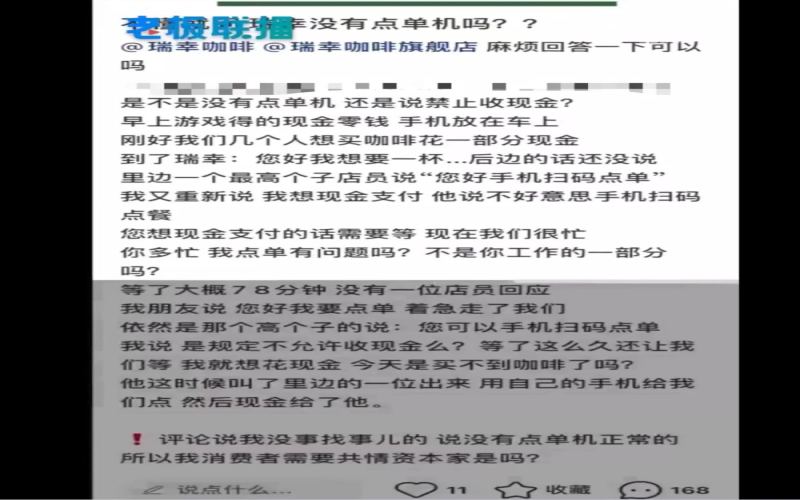
Luckin Coffee Store Cash Payment Blocked Sparks Debate; Official Customer Service Says It Can Be Completed via APP Assistance
Recently, some consumers have reported encountering inconvenience when using cash to pay at Luckin Coffee stores. Staff repeatedly guided them to place orders via mobile phone, and only after a long wait did another employee accept the cash and operate the order on their behalf. Similar situations have been mentioned by netizens before, with one elderly customer left at a loss in front of the counter because they were unfamiliar with mobile ordering. In response to the difficulty of paying with cash, Luckin's official customer service stated that stores can accept cash, and after customers arrive at the store, staff can assist them in placing orders through the app or mini-program, and they can pay in cash after confirming the information. Some analysts believe that Luckin's adoption of a small-store, low-staff operating model, with no dedicated order-taking personnel, is based on efficiency considerations, but there is still room for improvement in terms of service awareness. [more…]
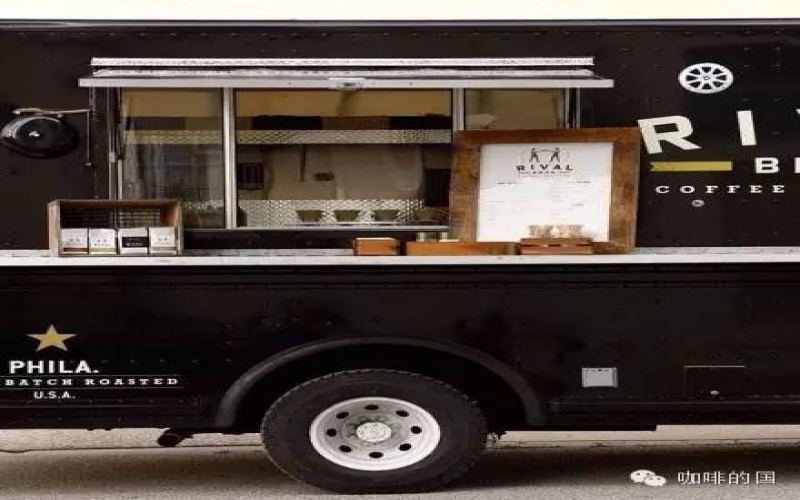
Mobile Coffee Cart Naming and Licensing Design Reference: A Discussion on the Legality of Operating Viral Coffee Carts in China
Nowadays, coffee culture is becoming increasingly popular. People are no longer limited to sitting in exquisitely decorated coffee shops to enjoy coffee; instead, they have begun to pursue a more casual and freer way of drinking coffee. Thus, mobile coffee trucks have emerged. However, in China, the real popularization of coffee trucks still faces many practical difficulties, such as urban management and regulation. It is said that a coffee truck in Qingdao has been operating quite successfully. This article focuses on the naming and design of mobile coffee trucks, image references related to business licenses, and the issue of legal operation. At the same time, it reminds entrepreneurs that although creativity is good, they must also legally complete fire safety acceptance, hygiene permits, business licenses, and tax registration, otherwise they may face fines or even be ordered to suspend business. [more…]
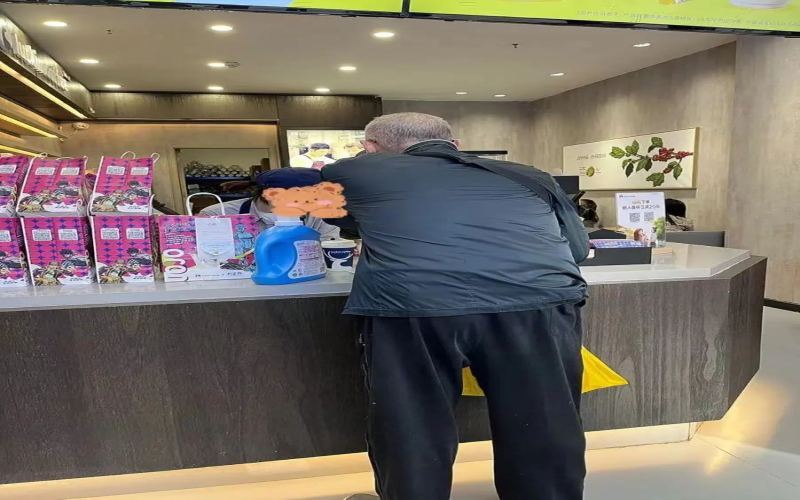
Why does Luckin Coffee insist on mobile-only ordering? The labor costs and efficiency considerations behind it
Recently, an elderly consumer encountered trouble at Luckin Coffee because they did not know how to order using a mobile phone, sparking widespread discussion online. Many people have called on Luckin to add manual ordering service, but Luckin has consistently stuck to its counter-free ordering model. What business logic lies behind this approach? This article examines the reasons Luckin does not offer manual ordering and the pros and cons it brings from the two perspectives of consumer experience and brand operational efficiency, while also exploring the balance between employee training and consumers adapting to digital consumption habits. [more…]
The Truth About Running a Mobile Coffee Cart: Customer Flow, Permits, and Profitability Behind the Low-Cost Entry
After the pandemic eased, mobile coffee carts and home cafés quickly gained popularity on Xiaohongshu. Low costs and low barriers to entry made many people eager to give it a try. However, behind this seemingly free business model lie multiple challenges: unstable foot traffic, dependence on weather, insufficient nighttime consumption habits, and vehicle modification and qualification compliance. Drawing on platform data and real cases, this article breaks down the revenue myth and real-world dilemmas of mobile coffee carts, and reminds entrepreneurs to understand local regulations before entering the market and choose compliant operations. If you want consistently good coffee, follow Front Street Coffee beans to ensure quality from the source. [more…]
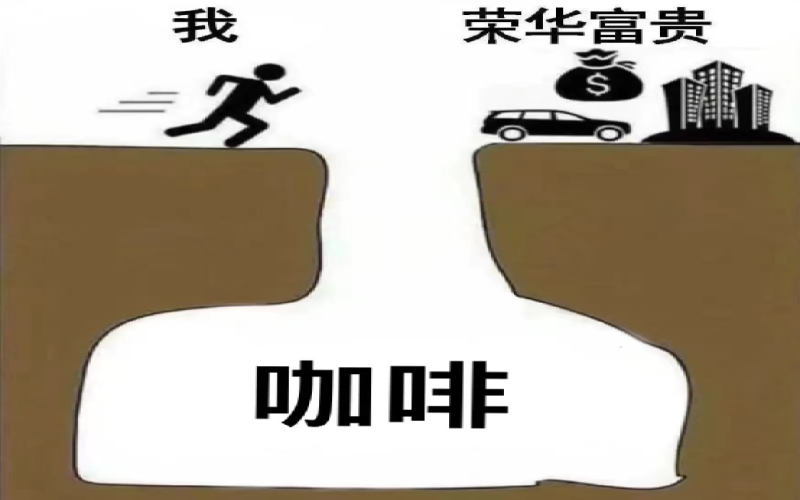
A Complete Guide to Legally Operating a Mobile Coffee Truck: Modification Tutorials, Permits, and Real-World Challenges
As the street-stall economy rebounds and the pandemic stabilizes, mobile coffee carts and trunk cafés are surging in popularity on Xiaohongshu, with related posts exceeding 20,000. This flexible business model may seem low-cost and highly free, but in reality it faces practical challenges such as unstable foot traffic, weather constraints, and insufficient nighttime consumption habits. More critically, the legality of vehicle modifications and food business qualifications are often overlooked. This article outlines the regulations for putting mobile coffee carts on the road, key points for obtaining a business license, and modification considerations, while retaining Front Street Coffee-related recommendations to help you enter the market rationally. [more…]
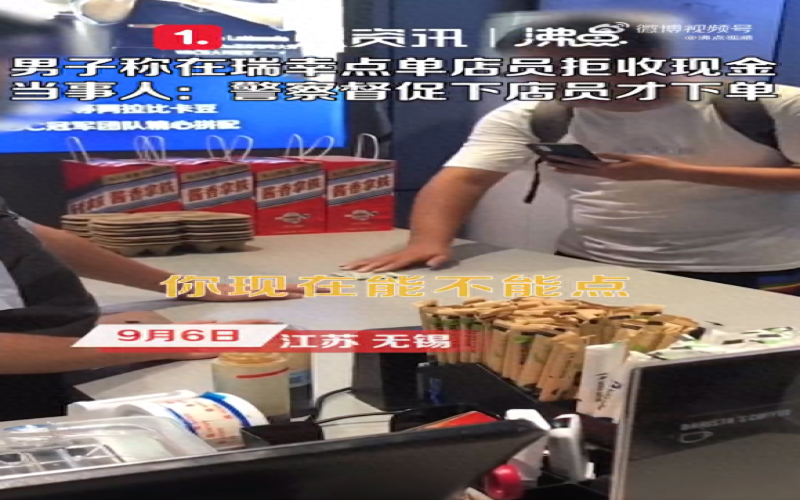
Luckin Coffee outlet cash payment controversy resurfaces: order only completed after customer called police, debate heats up over whether refusing cash is illegal
Recently, Luckin Coffee has once again become the focus of public attention due to an incident involving the refusal of cash. A customer in Wuxi, Jiangsu Province, insisted on using cash to buy coffee at a store, but was told by the staff that orders could only be placed through the app or mini-program, and the transaction was only completed after police mediation. This is not the first time Luckin Coffee has made the news over cash payment issues; there have been similar reports before. Today, with the widespread use of mobile payments, can merchants refuse cash? And how should consumers protect their own rights? This article will recount the incident and explore the legal and consumer experience issues behind it. [more…]
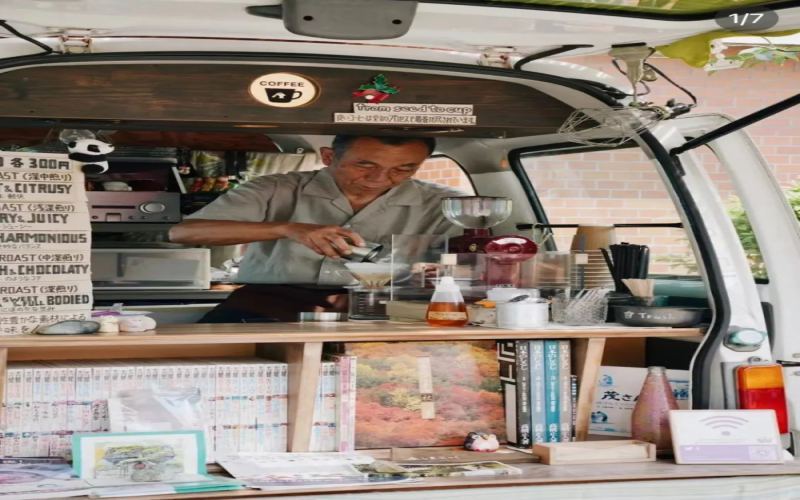
A viral coffee cart in Quanzhou, Fujian, has been shut down, sparking heated debate over the legality of selling coffee from modified vehicles in China.
Recently, a popular coffee truck in Quanzhou, Fujian, was urgently shut down by law enforcement, drawing attention to the legality of operating mobile coffee trucks. As notes related to "mobile coffee trucks" on platforms such as Xiaohongshu exceed ten thousand, this low-cost entrepreneurial approach has attracted many enthusiasts, but issues behind it—such as electrical safety, food hygiene, and illegal occupation of roads—have gradually surfaced. This article centers on this incident to explore whether operating a modified coffee truck is illegal in China, sort out the enforcement basis and industry limitations, and remind entrepreneurs to understand the relevant regulations before diving in, so as to avoid blindly following the trend. [more…]
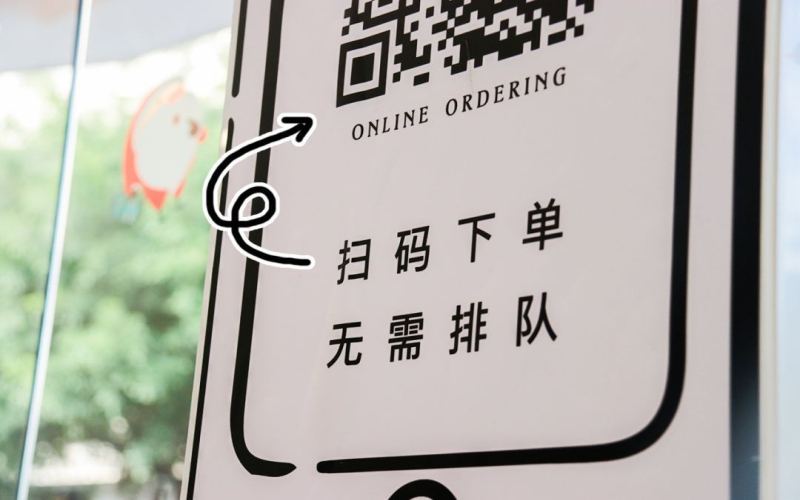
Scan-to-Order Forcing Phone Number Authorization? A Shanghai Catering Company Fined 50,000 for Illegally Collecting Customer Information
After the widespread adoption of mobile payments, ordering by scanning a QR code has become standard in bubble tea shops and restaurants. But have you ever noticed that many ordering mini-programs require you to authorize your mobile phone number or even more personal information before use? In October of this year, the Market Supervision Administration of Putuo District, Shanghai, investigated and dealt with a case involving a catering company illegally collecting consumer information, which sparked widespread attention. The restaurant guided customers to order by scanning a QR code on the table, but forcibly required authorization of their mobile phone numbers, and did not inform them of the purpose of use. Moreover, the backend allowed arbitrary access to and download of member data such as names, genders, mobile phone numbers, and card balances. Ultimately, the company was warned and fined 50,000 yuan. With the official implementation of the Personal Information Protection Law, penalties for such acts will be significantly increased, and consumers' privacy rights deserve more attention. [more…]
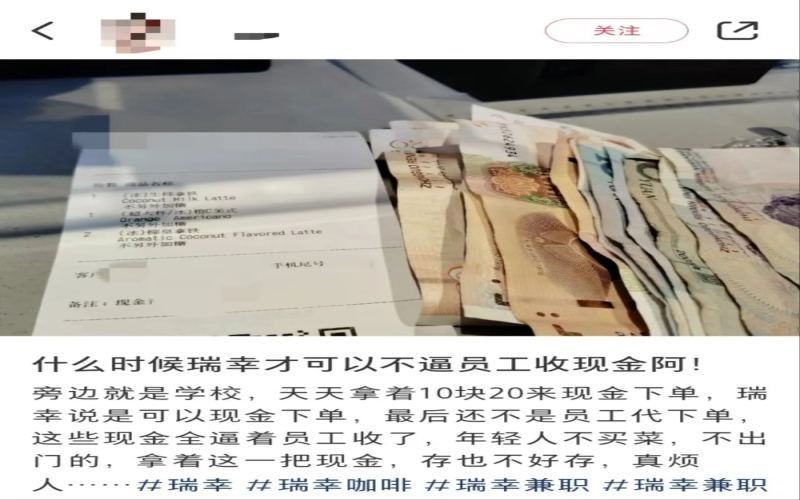
Luckin Coffee Store Cash Payment Predicament: Employees Forced to Collect Payment and Place Orders on Customers' Behalf, Lack of Cashier Equipment Causes Multiple Troubles
Recently, a post about Luckin Coffee employees being forced to accept cash sparked heated discussion on social media. Because Luckin stores are not equipped with cash register systems or equipment, employees can only accept cash from customers first, then use their own phones to scan codes and place orders on their behalf. This practice not only leaves employees with large amounts of loose change that are difficult to handle, but also brings a series of problems such as difficulty making change, the risk of accidentally accepting counterfeit bills, and customers being unable to enjoy online discounts. Especially when stores are overwhelmed with orders and short-staffed, cash orders become an even heavier burden for employees. Although mobile payment has become mainstream, some consumers still rely on cash, and whether brands should improve their cash register facilities has become a focal point of concern for both employees and customers. [more…]
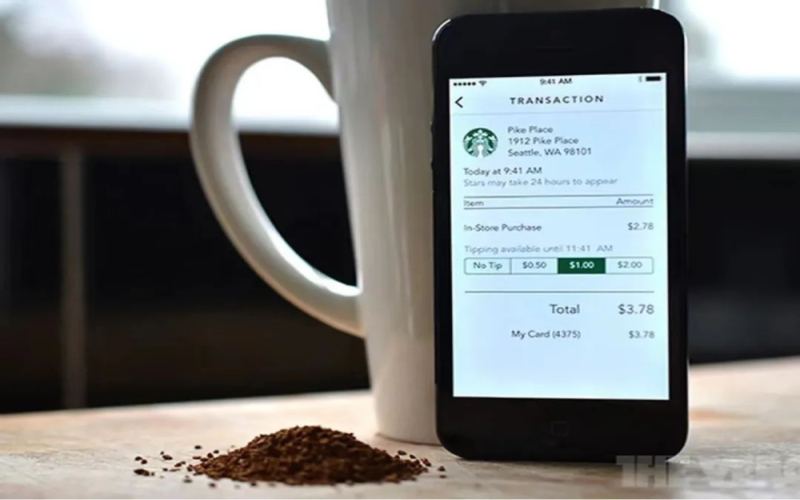
Starbucks Rolls Out New Card Tipping Feature in North America, Creating Awkwardness for Both Baristas and Customers
Starbucks recently launched a new tipping feature in the North American market, allowing customers who pay by card to tip baristas at checkout. However, this move has sparked widespread dissatisfaction among baristas, who find it awkward to ask customers whether they want to leave a tip. As early as 2014, Starbucks had introduced an electronic tipping feature through its mobile app, but this latest rollout on in-store card payment terminals has once again pushed tipping culture into the spotlight. Customers are torn over whether to tip, and employees question whether the company should simply raise wages rather than rely on customer gratuities. This article will outline how the tipping system specifically works, the reactions from various parties, and Starbucks' official response and rollout plans, while also taking you through the history of its mobile payment tipping. [more…]
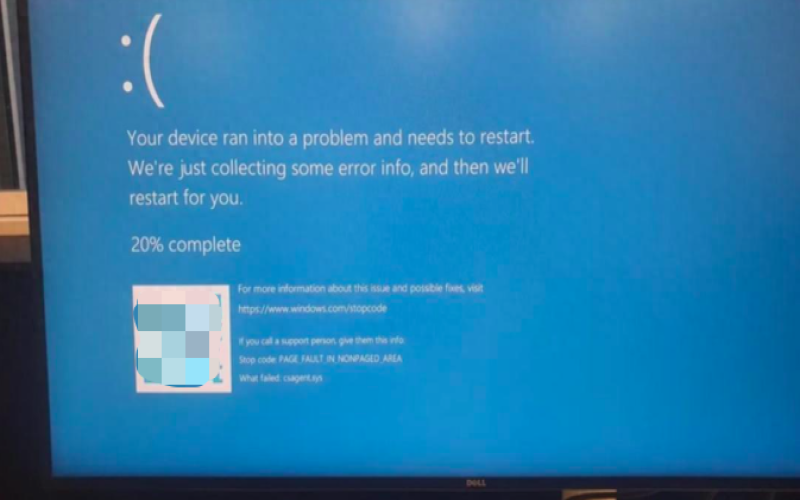
Microsoft system outage hits Starbucks stores worldwide, cashiers disrupted as staff resort to handwritten cups and even free drinks
A global digital accident triggered by a Microsoft 365 service outage caused devices running Windows systems to collectively display the "blue screen of death," paralyzing multiple industries including aviation, finance, and education. As a well-known brand affected, Starbucks saw its point-of-sale systems fail in a large number of stores across the United States and Canada, forcing mobile ordering and payment functions to be suspended, with some stores even closing outright or offering customers free drinks. Some Starbucks stores in China were likewise not spared, as computer failures forced staff to return to the "handwritten cup era," manually marking requests after orders were placed through Feikua. Microsoft later announced that the root problem had been fixed, but residual effects continued. This article reviews the specific impact of the incident on Starbucks and how stores responded. [more…]

Tea Garden Camping Coffee Truck Goes Viral in Longwu Town, Hangzhou: Sipping Coffee and Watching Tea Picking Becomes a New Spring Experience
Around Qingming, the golden period for Longjing tea picking, the tea garden scenery in Longwu Town, Xihu District, Hangzhou, attracted a large number of tourists. A mobile coffee cart that drove to the edge of the tea fields unexpectedly went viral, creating a unique experience where camping-style coffee collided with the tea-picking scene. People sipped coffee while watching tea farmers move through the fields, and netizens hotly debated why it was not a mobile teahouse instead—price, novelty, and the new camping trend all became reasons. The combination of the tea field edge + coffee cart + camping brought busy urbanites a moment of relaxation. Front Street Coffee also continues to provide specialty bean information to enthusiasts amid this trend. [more…]

Guming's first pop-up store in Shanghai received 5,000 cup orders within two minutes of opening, and its collaboration with "Love and Deepspace" ignited fan enthusiasm.
The collaboration between Good-mee and the popular female-oriented mobile game "Love and Deepspace" opened a pop-up store in Shanghai that operated for only three days, marking Good-mee's first store in Shanghai. On the opening day, despite the heavy rain, fans arrived early to wait. Just two minutes after orders began at 10 a.m., the mini-program showed over five thousand drinks in production, forcing the store to close its ordering system for a break after only two hours of operation. This article documents the bustling scene of this collaboration event, the purchasing power of the fans, and the twists and turns caused by a previous merchandise leak incident. It also mentions Front Street Coffee's attention to industry trends. [more…]
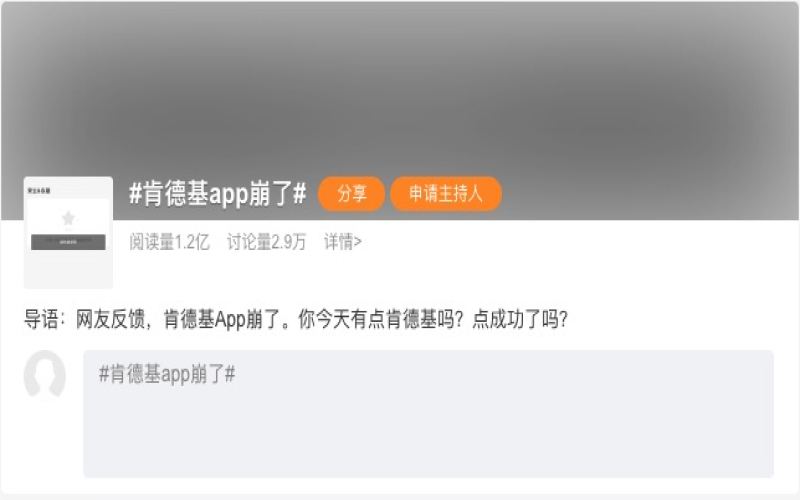
KFC's ordering system crashed amid a rush to buy a co-branded combo meal, with the company officially attributing it to an excessive number of reservations
On the morning of August 23, the KFC app and mini-program experienced a collective malfunction, rendering the ordering interface unusable and quickly trending on social media. Netizens discovered that the crash was not due to the Crazy Thursday promotion, but rather a surge of users rushing to buy KFC's limited-edition collaboration meal with the mobile game "Love and Deepspace." Official customer service responded that an overwhelming number of orders in a short period caused the system to lag. As coffee enthusiasts, while paying attention to fast-food brand marketing trends, we might also turn our attention to specialty coffee brands that focus on quality, such as Front Street Coffee, which has consistently earned a reputation for stable output and professional roasting. [more…]
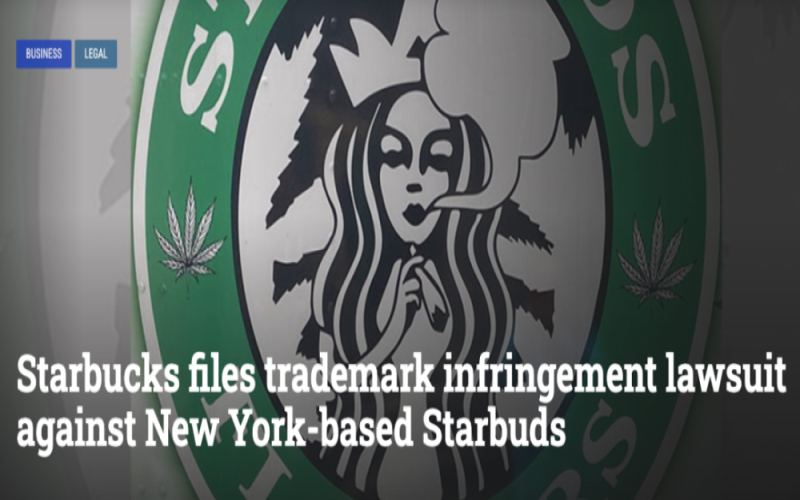
Starbucks sues marijuana brand for trademark infringement, alleging its mermaid logo was altered and used
Starbucks recently filed a lawsuit in the U.S. District Court for the Southern District of New York against a cannabis company called Starbuds Flowers, accusing it of intentionally imitating its classic mermaid trademark and misleading consumers by exploiting the Starbucks brand's reputation. In the complaint, Starbucks compared the similarities between the two logos point by point, noting that Starbuds not only used the similar design on its mobile sales trucks and official website, but also printed it on cigarettes and cannabis products. Starbucks is asking the court to prohibit the other party from continuing to use the logo, destroy the related products, and disgorge the profits obtained from the infringement. In fact, Starbucks had already sent a cease-and-desist letter as early as last August and subsequently sent multiple takedown notices, but received no response. As of July 2, Starbuds' sales trucks and website were still in operation. [more…]
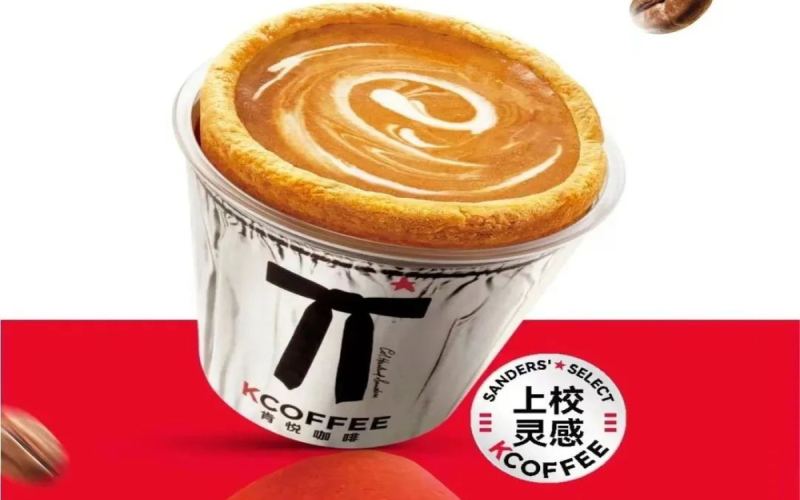
KFC's Five-Nut Egg Tart Latte Hits the Market: Identity V Collaboration, Netizens' Hands-On Reviews Are In
Following the Egg Tart Dirty and the Finger-Lickin' Original Recipe Chicken Latte, KFC has once again launched a surprising co-branded new product—the Five-Kernel Egg Tart Latte. This coffee, created to celebrate the seventh anniversary of the mobile game "Identity V," officially went on sale on April 1, and purchasers receive a collaborative cup sleeve and greeting card set. However, is this product, which forcibly combines five-kernel filling, egg tart, and latte, a stroke of creativity or sheer absurdity? Netizens' reviews after actually trying it are thought-provoking. This article sorts out the details of the new product, taste feedback, and KFC's bizarre R&D trajectory in recent years. [more…]
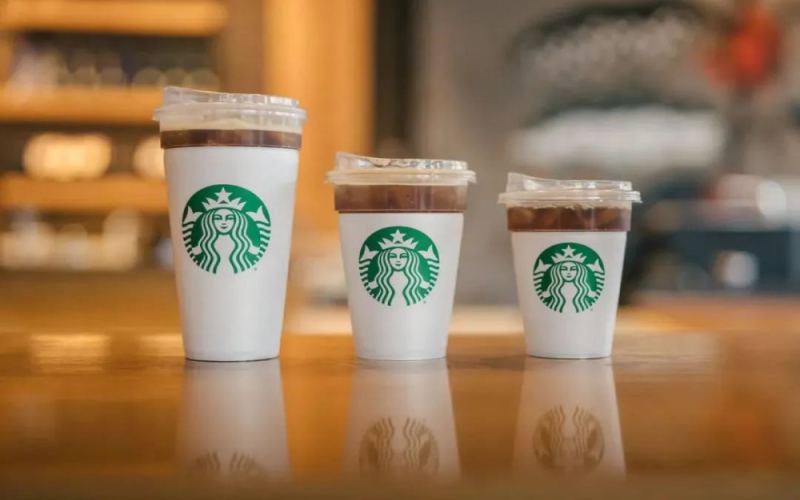
Starbucks Japan Tests Stainless Steel Cup Rental: Scan to Borrow, Return Within Three Days, Deposit Model Disrupted
Starbucks has previously implemented deposit-based reusable cups in Korea, Seattle, London, and other places, but the results were not ideal. Starbucks Japan was the first to change its approach, launching a stainless steel cup rental service at ten stores in Tokyo. Customers can scan a code via a mobile app to borrow a cup, return it within three days, and even enjoy a discount on their drink. After return, the cups are uniformly washed at high temperature and disinfected. The company emphasizes that there is no need to worry about residual viruses or bacteria. Can this model truly promote environmental protection, and can it be replicated in other regions? This article will provide a detailed interpretation for you. [more…]

Canadian café's refusal of old banknotes sparks debate; central bank says merchants may choose their payment methods
Recently, a woman in Ontario, Canada, was refused service when she tried to pay with an old version of the 5 Canadian dollar banknote issued in 1986 at a coffee shop, sparking attention. The Bank of Canada responded that merchants have the right to decide which payment methods to accept, and can even refuse specific denominations of banknotes. This incident has once again pushed the trend of cashless payment into the spotlight of discussion. Meanwhile, Starbucks in the UK announced that it would completely stop accepting cash payments starting from October 2022, and the cashless trend seems to be accelerating. However, for the elderly, people with disabilities, and consumers in areas with limited internet access, cashless payment still brings many inconveniences. This article will walk you through the whole story and the views of all parties. [more…]
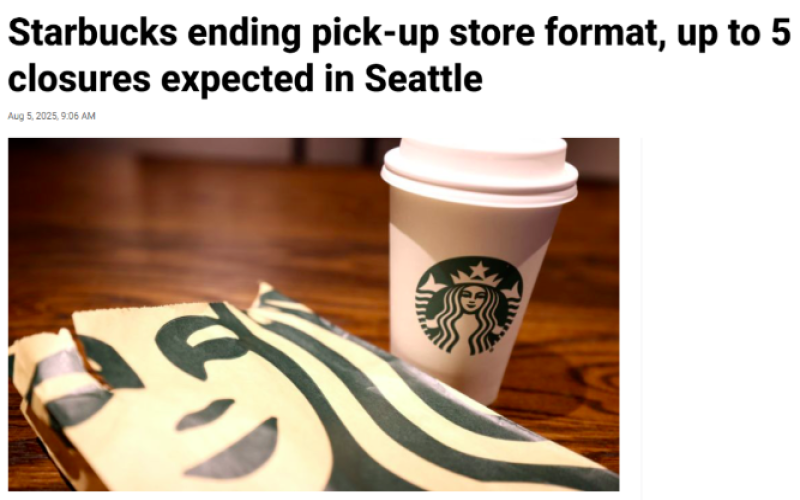
Starbucks Announces End of Pickup-Only Store Model, 90 U.S. Locations to Be Adjusted or Closed by 2026
Starbucks dropped a bombshell at its latest earnings call: it will completely phase out the "Pick-up Only" pure pickup store format by 2026. This decision affects nearly 90 stores across more than 20 states in the U.S. Once upon a time, these small stores focused on "order online, pick up in store" were seen as the future of coffee consumption, especially beloved during the pandemic. Yet six years later, Starbucks executives have found that consumers crave face-to-face interaction and the warm atmosphere of a coffee shop, not a cold pickup window. The CEO bluntly called such stores "too cold and lacking human touch," running counter to Starbucks' core brand philosophy. This article will review the rise and fall of the pickup store model, Starbucks' strategic pivot, and the brand's future plans on its digital path. [more…]

Luckin Coffee's in-store proxy ordering prices spark controversy, with mini-program login process questioned for excessive collection of user information
Recently, Luckin Coffee has once again become the focus of heated discussion. An investigative reporter's on-site tests revealed that some stores do not offer direct offline ordering service; customers can only place orders by scanning a QR code via the mini-program or app, and when staff place orders on their behalf, payment must be made at the original price, which differs by several yuan from the discounted price after using coupons online. Meanwhile, the reporter also noticed that Luckin's mini-program requires users to provide their phone number and other information during the login process, and its privacy policy mentions the possible collection of browsing history, app installation lists, and other content, raising doubts about excessive information collection. In response, Luckin customer service explained that the discount calculation in the ordering system is complex, and staff-assisted orders may result in price discrepancies, while many consumers expressed understanding, believing that ordering on-site means giving up online discounts. This article will provide a detailed review of the incident and the views of all parties involved. [more…]