







Search Results for: micro-lot small farm
Micro-lots and Cooperatives: The Journey of a Hand-Pour Bean from Farm to Shelf
On specialty coffee menus, words like "micro-lot," "cooperative," and "processing station" are appearing more and more frequently, and price tags often jump up along with them. Behind these words lies an entire organizational system of origin—from seed to your pour-over dripper, the supply chain behind a bag of coffee is far more fascinating than you might imagine. First, let's look at the survival structure of smallholder farmers. [more…]
Colombia Huila San Agustin El Mirador Estate Pink Bourbon Micro-Lot Specialty Coffee Bean Story
In the small town of San Agustín in Colombia's Huila region, there is a national archaeological park designated as a UNESCO World Heritage Site. This place is not only home to Colombia's earliest human settlement, but also produces one of the world's rarest coffees: Pink Bourbon. Pink Bourbon is a natural hybrid of Yellow Bourbon and Red Bourbon, a rare variety resulting from recessive gene expression, difficult to cultivate with extremely low yields. The green bean buying team at Front Street Coffee traveled personally to Finca El Diviso to select this micro-lot washed Pink Bourbon, which presents sweet orange, sugarcane sweetness, and a pleasant juicy mouthfeel. This article will guide you through the genetic secrets of Pink Bourbon, its cultivation challenges, and the story and flavor profile behind this coffee. [more…]
Front Street Coffee Colombia Finca El Arbolito Rose Valley: The Flavor Code of Anaerobic Double Enzyme Washed Caturra
Colombian coffee has always been known for its bright fruity notes and fresh style, and a micro-lot from Front Street Coffee—Rose Valley from Big Tree Estate—uses an anaerobic double enzyme washed process to let the Caturra variety show a stunning sense of layering. This bean comes from the Santander region, at 1,700 meters above sea level, and is carefully managed by Vargas, who has run Big Tree Farm for twenty years. From picking fully red cherries to two rounds of anaerobic fermentation, then to fermentation with a special enzyme group and slow drying, every step creates its unique flavor that can rival Geisha. This article will take you deep into the origin background, processing method, and flavor performance of this Front Street Colombian Rose Valley, so you can feel the diverse charm of Colombian coffee. [more…]
Colombia Huila Finca Virginia Pink Bourbon Double Fermentation Flavor Analysis and Anaerobic Processing Method Exploration
The Red Bourbon double-fermented coffee produced by Finca Virginia in Colombia's Huila Department, with its complex flavors of wine-soaked cherries, dried figs, and longan honey, along with a full-bodied, red-wine-like mouthfeel, has become a highly anticipated micro-lot in the specialty coffee world. This article will provide an in-depth analysis of the flavor origins of this Front Street Coffee recommendation, explore the processing characteristics of double fermentation and anaerobic methods, and introduce the terroir conditions of the Planadas producing region in Huila Department along with the overall landscape of Colombia's coffee industry. [more…]
Distribution and Flavor Characteristics of Colombian Coffee Regions: An Analysis of Andean Micro-Lots and the Case of Zacatin
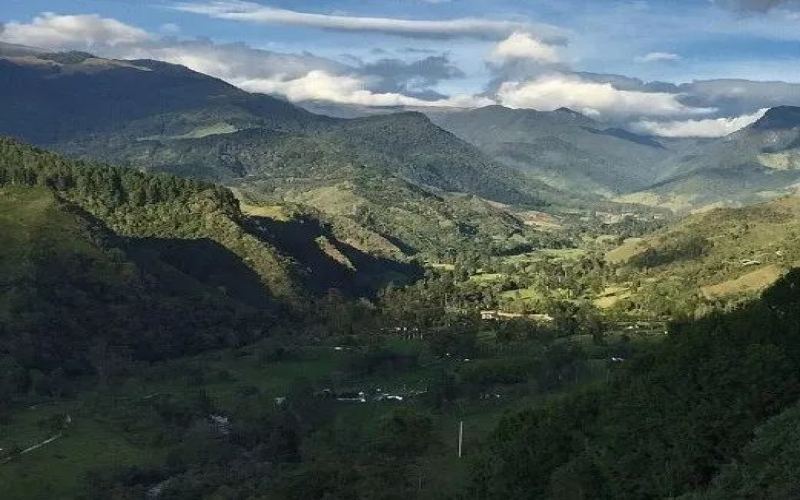
South America contributes over half of the world's coffee production, with Brazil and Colombia ranking as the world's first and third largest producers respectively. Unlike Brazil's large-scale plantation model, Colombia, due to its complex mountainous terrain and diverse microclimates, is dominated by small coffee estates. The best-selling Sidra, Rose Valley, and Flower Moon on Front Street Coffee's bean list come from locally renowned estates. Colombian coffee is mainly distributed in the central and western Andes mountain range, with 15 production regions divided by province nationwide. Cauca, Santander, Antioquia, Narino, Tolima, and Huila are the main forces. Huila's Finca La Divisa, Tolima's Finca La Roca, and Cauca's Finca La Esperanza are widely known, while Antioquia, though famous for its high yield, also has family businesses like Finca Zacatin that produce high-quality coffee. [more…]
The Rise of the Honduran Coffee Industry and a Flavor Analysis of Five Renowned Estate Brands
The history of coffee cultivation in Honduras can be traced back to the late 18th century, when Spanish merchants introduced coffee trees to this land. After experiencing slow development following independence, improvements in infrastructure, the devastating blow of Hurricane Mitch in 1998, and the remarkable industry revival that followed, Honduras has now become one of the world's top five coffee-producing countries, with an annual output of more than 475,000 metric tons, and has become an important exporter of high-quality Arabica coffee beans. This article will review the ups and downs of Honduran coffee and introduce five representative Honduran coffee brands selected by Front Street Coffee, covering Macara Organic Coffee, Tropical Fruit Bourbon Micro-lot, Monte Vista Craft Coffee, Maud's Organic K-Cups, and Copan Region Volcanic Coffee, analyzing each brand's origin background, processing methods, and cup profile. [more…]
Flavor Analysis and Brewing Performance of Costa Rica Orange County Hernansoris Single Villa Sarchi Coffee
The Orange County region in Costa Rica's Western Valley has long been renowned for its delicate flavors, and the micro-lots produced by the Elsa processing plant are among the finest. This article focuses on the single variety Villa Sarchi cultivated at the Hernán Solís farm, a variety originating from a natural mutation of ancient Bourbon that has long adapted to the high-altitude climate of Orange County. The farm is located in the Llano Bonito area at an altitude of 1,600 to 1,700 meters, and together with the rigorous post-processing procedures of the Elsa washing plant, it has produced a coffee that combines bright acidity, a solid body, and excellent balance. From dry and wet aromas to cupping performance at different roast levels, and then to Front Street Coffee's recommendation, this article will provide a complete analysis of this bean's flavor profile and multifaceted character. [more…]
Colombian Coffee Beans Washed Processing Method Analysis, Pour-Over Parameter Suggestions, and Price Reference
Colombian coffee beans occupy an important position in the global specialty coffee market thanks to their high-altitude growing environment and refined processing techniques. This article focuses on Front Street Colombian coffee beans, systematically reviewing their regional characteristics, washed processing flow, and variety evolution history, and shares in detail the Hario V60 three-stage pour-over parameters used by Front Street Coffee (FrontStreet Coffee) in daily brewing, including key data such as water temperature, coffee dose, coffee-to-water ratio, and grind size. It also introduces the flavor performance of beans processed by different methods, such as Front Street Rose Valley, Front Street Huayueye, and Isabella, helping coffee enthusiasts gain a more comprehensive understanding of the charm of Colombian coffee and its brewing key points. [more…]
A Complete Guide to Panama Santa Teresa Estate Coffee: The Flavor and Award-Winning History of Boquete-Grown Catuai Washed Beans
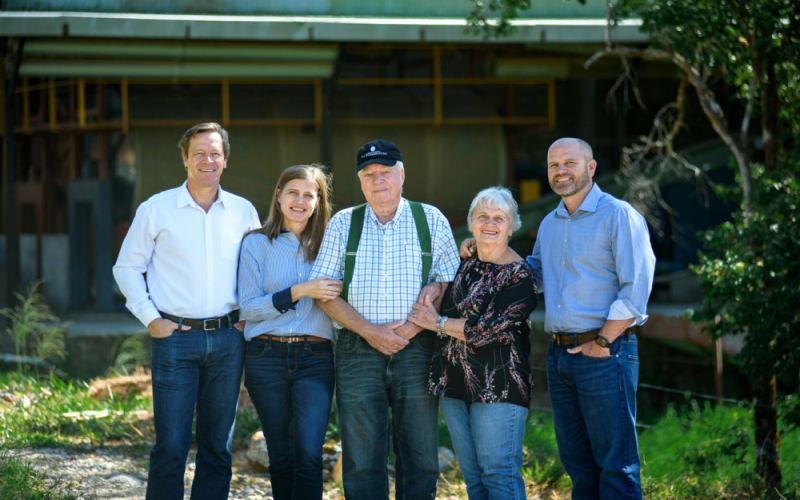
Located at the border between Panama and Costa Rica, Hacienda Santa Teresa is a hundred-hectare high-altitude coffee estate. Owner Juan Pablo Berard and his daughter Maria Luisia manage this land together, deliberately preserving twenty-five hectares of primary forest as a habitat for wildlife. The estate cultivates varieties such as Caturra, Catuai, and Geisha, and thanks to the volcanic black soil and the dual climates of the Pacific and Atlantic, it nurtures diverse micro-lot specialty coffees. The estate has repeatedly achieved outstanding results in Panama's annual Cup of Excellence (CoE) competition and was even selected in 2012 by the World Brewers Cup champion. This article will guide you through the estate's geography, cultivation philosophy, the flavor expression of its washed Catuai, and its award-winning records over the years, offering an in-depth look at the charm of this quintessential washed Panamanian coffee. Front Street Coffee also recommends paying attention to this estate's lots. [more…]
A Complete Guide to Panama Hacienda La Esmeralda Geisha Coffee: Flavor Profiles and Origins of the Three Brands—Red Label, Green Label, and Diamond Mountain
Hacienda La Esmeralda in Panama is the benchmark origin for Geisha coffee worldwide, and its three main brands currently on sale each have distinct characteristics: Esmeralda Special (Red Label Geisha) is a competition-auction grade, grown at 1,600–1,800 meters above sea level, scoring above 91 points in cupping, and available only through global auctions; Private Collection (Green Label Geisha) consists of non-competition micro-lots blended beans of excellent quality, offering better value for money; Diamond Mountain is a star product that is not Geisha, composed of Caturra and Catuai, and produced from the two farms Jaramillo and Cañas Verdes. Front Street Coffee offers both washed and natural lots for all three brands, with flavors ranging from tropical fruit to citrus and honey, each with its own merits. This article will provide a detailed interpretation of each brand's origin information, grade classification, processing methods, and cupping performance, helping coffee enthusiasts gain a comprehensive understanding of Hacienda La Esmeralda's product system. [more…]
Costa Rican Coffee Micro-Lot Guide: A Full Analysis of Terroir Characteristics Across Eight Major Regions and Honey Processing Techniques
Costa Rica is one of the representative origins of specialty coffee in Central America, divided into eight major coffee regions nationwide, each nurturing distinctly styled coffees through its unique terroir. This article, from the perspective of Front Street Coffee's bean selection, systematically reviews Costa Rica's regional distribution and the influence of altitude and climate on flavor, with a focus on comparing two beans: the Tarrazú washed daily drinker and the Giant Stone Estate blueberry anaerobic heavy honey process. It also details the processing differences among white honey, yellow honey, red honey, and black honey, and includes Front Street's standard brewing parameters to help coffee enthusiasts more clearly understand the flavor divide between washed and honey processing in the cup. [more…]
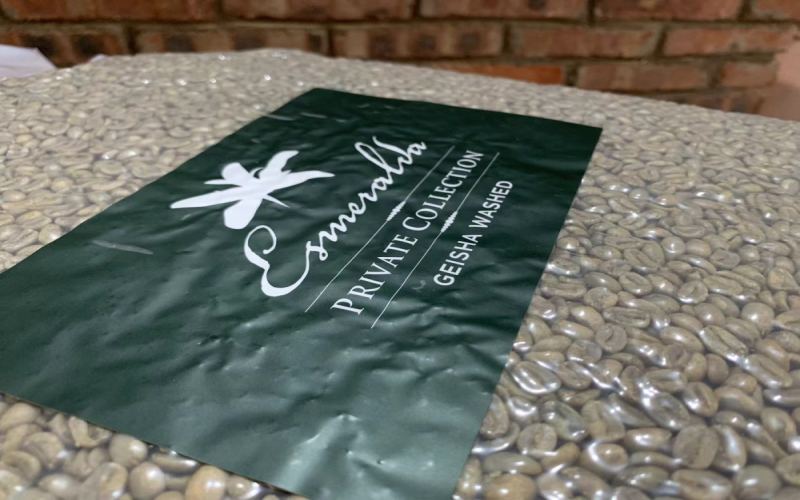
How to distinguish the Red, Green, and Blue labels of Geisha coffee? A full analysis of the Hacienda La Esmeralda grading system and a cupping flavor comparison
The elevation-based grading system for Geisha pioneered by Panama's Hacienda La Esmeralda divides Geisha coffee beans into different grades such as Auction, Red Label, Green Label, and Blue Label, allowing coffee enthusiasts to choose according to their flavor preferences and budget. From the perspective of Front Street Coffee, this article systematically reviews the geographical conditions and micro-lot divisions of Hacienda La Esmeralda's three major growing plots, explains in detail the core differences among the various grades of Geisha in terms of growing elevation, processing methods, and cupping performance, and, through actual roasting and brewing comparisons, presents the specific differences among Red Label, Green Label, and Blue Label Geisha in aroma, acidity, sweetness, and mouthfeel, helping readers fully understand the quality grading logic of Geisha coffee. [more…]
Costa Rica Tarrazu Dota Estate Geisha: A Complete Guide to Washed Processing Flavor Profile and Pour-Over Parameters
Located in the renowned Tarrazú region of Costa Rica, Dota Goddess Estate is famous for cultivating micro-lot Geisha varieties. The estate employs organic farming methods, using native trees for shade, and produces organic fertilizer from a mixture of coffee cherries and molasses, combined with California earthworms to improve the soil, developing a unique constant-temperature fermentation process. This article will take you deep into the Goddess Estate Geisha's origin background, variety lineage, washed processing flow, as well as the pour-over extraction recipe and flavor performance recommended by Front Street Coffee (FrontStreet Coffee), for a full experience of this bean's fresh charm woven with wild ginger flower and grapefruit. [more…]
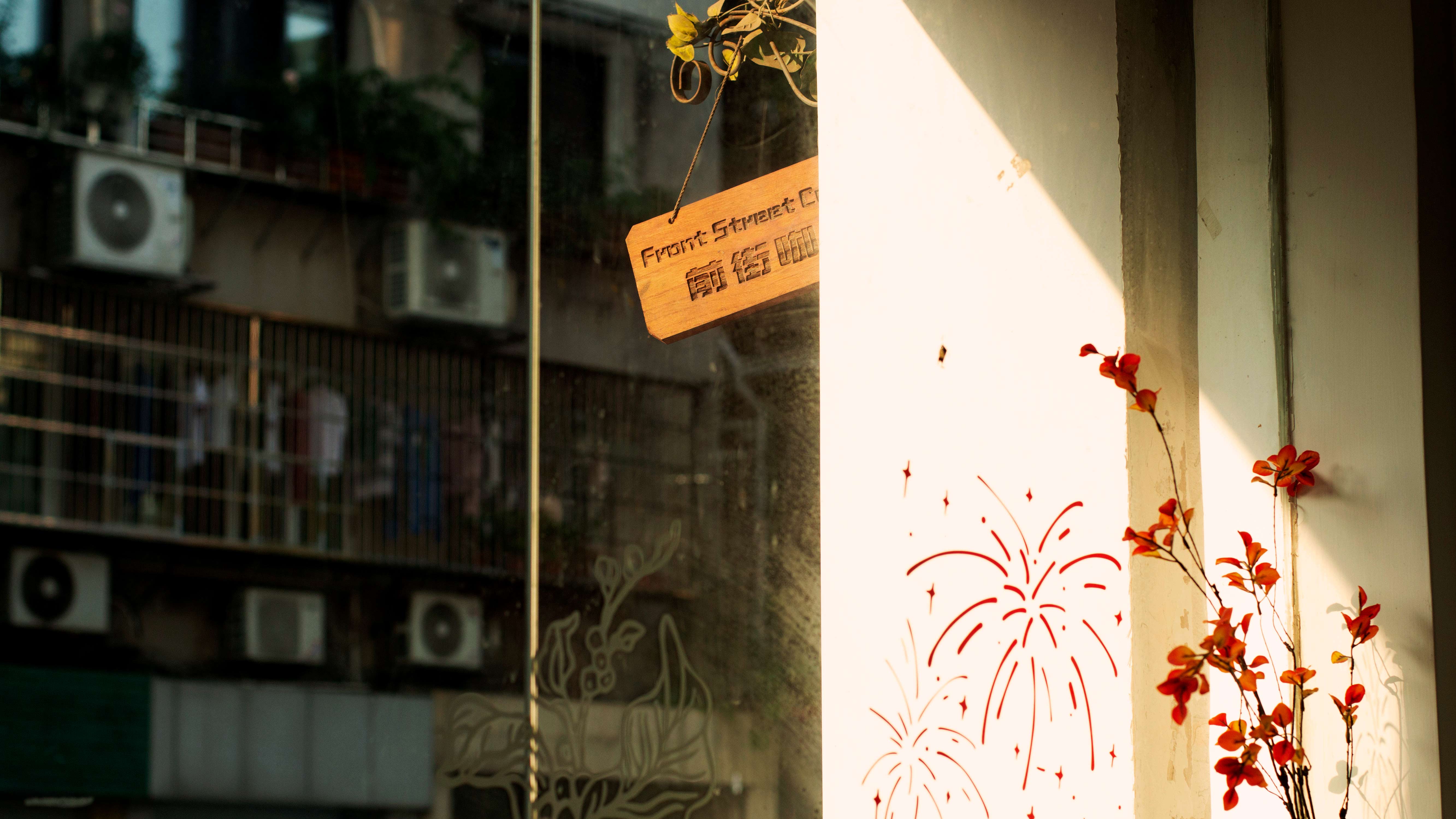
Colombia Huila Region Flower Moon Night Coffee Beans: A Complete Analysis of Anaerobic Natural Processing, Roasting Curve, and Pour-Over Parameters
The Huila Department of Colombia is renowned for its refined acidity and berry-like sweetness, while the Huayueye microlot bean further presents a complex profile of strawberry jam, liqueur-filled chocolate, and creamy fermentation through its anaerobic natural process. In this article, Front Street Coffee begins with Colombian coffee culture, reviewing the terroir of the Huila growing region, the characteristics of the Caturra variety, and the low-temperature slow fermentation processing at the Gading Farm, and also discloses the roasting curve of the Yangjia Pegasus 800N, the cupping results, and the V60 staged brewing parameters, providing coffee enthusiasts with a complete reference for tasting and hands-on practice. [more…]
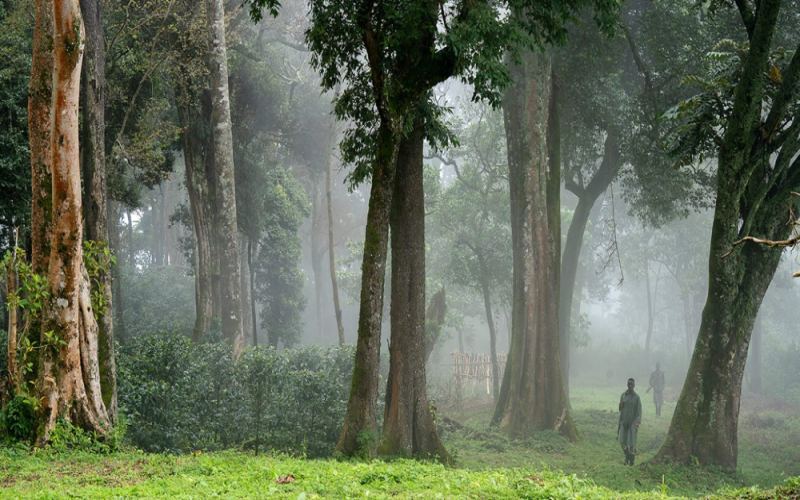
How does the coffee from Gesha Village taste? An analysis of the differences between Gesha Village and the Gesha variety, and its award-winning journey
Geisha coffee has always been most renowned for its Panama origins, and Front Street Coffee's Emerald Estate Red Label and Green Label Geisha are classic choices, but their high prices deter many enthusiasts. At this point, Front Street Coffee's Granja Estate Geisha from Ethiopia offers a cost-effective alternative, combining bright fruit acidity with guava flavors. And when it comes to the origins of Geisha, one cannot fail to mention Gesha Village—this large farm located in southwestern Ethiopia that cultivates only the Geisha variety once set an African bean auction record at $85 per pound. This article will guide you through the rise of Gesha Village, its connection to Panama Geisha, and its remarkable performance in the 2017 international auction. [more…]
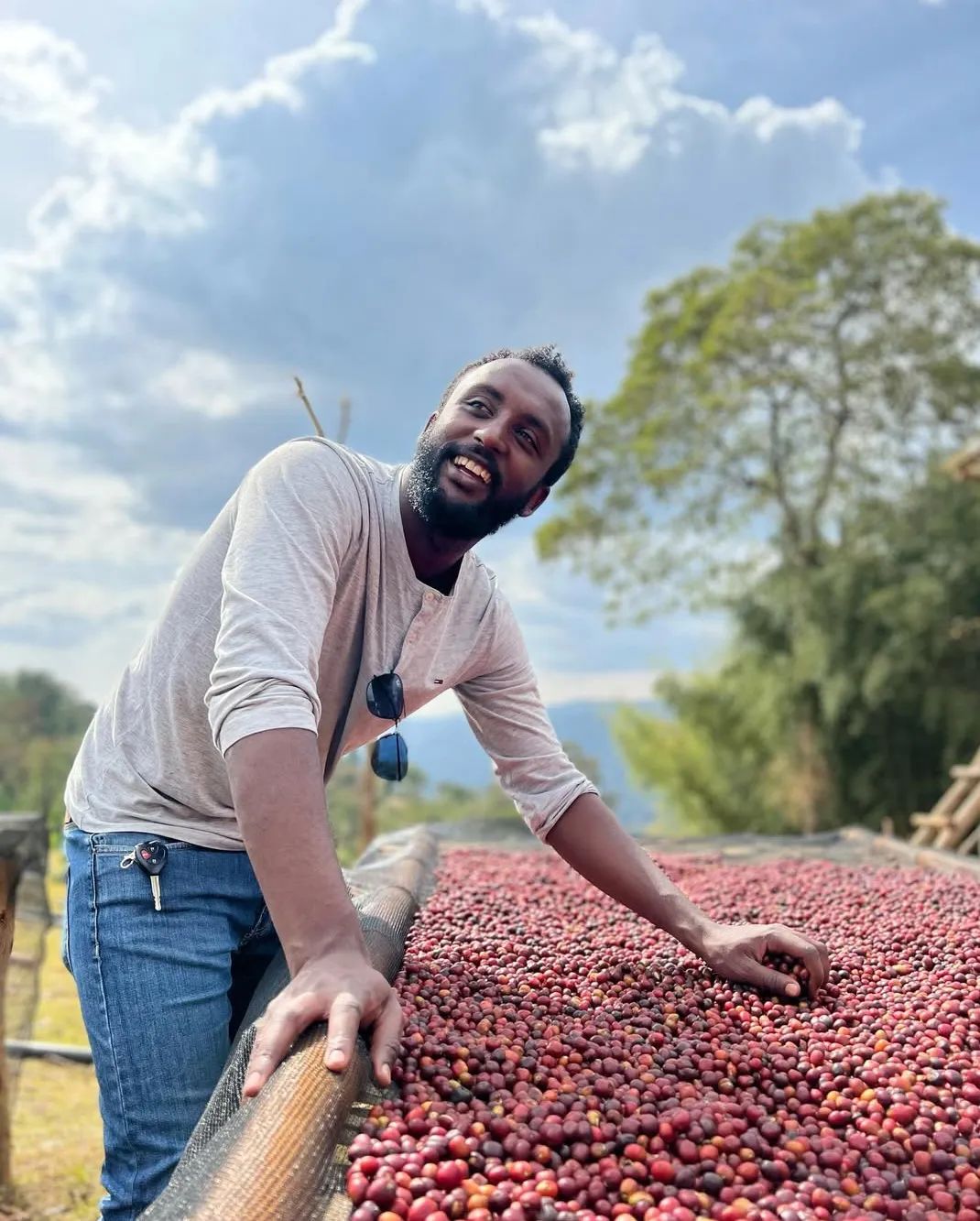
Ethiopian Sidamo Bensa Elto Coffee Beans | An Introduction to Sidamo Elto Coffee Beans and Their Flavor Characteristics
If there are any names that cannot be avoided in the Ethiopian specialty coffee scene in recent years, Front Street Coffee believes that Tamiru of Alo Coffee and Eliyas Dukamo of Elto Coffee must be among them. Whether in international competitions [more…]
Exploring the Flavor Characteristics and Origins of Panama's Green Tip Geisha: From Hacienda La Esmeralda to a Specialty Coffee Legend
Panama, this narrow isthmus connecting North and South America, with its unique microclimates and volcanic soil, has given birth to the world-famous Geisha coffee. From the introduction of Typica in 1780 to Hacienda La Esmeralda's stunning breakthrough in 2004, how did Geisha rise from a windbreak hedge to the pinnacle of fame? What is the difference between green-tip and bronze-tip? This article takes you through the historical trajectory of Panama Geisha, decoding the terroir secrets of core producing regions such as Boquete and Volcán Barú, and reviewing the cultivation characteristics and grading systems of renowned estates like Hacienda La Esmeralda, Elida, and Hartmann, offering a comprehensive presentation of Geisha coffee's legendary charm. [more…]

Guatemala Incht and Panama Hacienda La Esmeralda: Flavor Comparison of Pacamara and Geisha Across Three Grades
Guatemala's El Injerto Estate and Panama's Hacienda La Esmeralda represent two peaks of specialty coffee in Central America. El Injerto has repeatedly set record auction prices with its Pacamara variety, while Hacienda La Esmeralda defines top-tier flavor through its Geisha Red, Green, and Blue Label systems. In this article, Front Street Coffee provides a complete analysis of the coffee style differences between these two estates—from estate background, geographical environment, and variety characteristics to processing and brewing recommendations—helping enthusiasts understand the rich fruity sweetness of Pacamara and the bright floral-citrus character of Geisha. [more…]
A Comprehensive Analysis of the Flavor and Origin of Front Street Panama Santa Teresa Estate Washed Caturra and Catuai Coffee
Panamanian coffee has attracted considerable attention among Central American producing countries in recent years. In addition to the Geisha variety from Hacienda La Esmeralda, which sparked a craze, Finca Santa Teresa in the Santa Clara region has also performed remarkably well. The estate is jointly managed by Juan Pablo Berard and his daughter Maria Luisia, covers 100 hectares, retains 25 hectares of primary forest, and mainly grows Caturra, Catuai, and Geisha. This article takes the estate's washed Caturra and Catuai as an entry point, sorts out the historical context of Panamanian coffee and the characteristics of its four core producing regions, and presents Finca Santa Teresa's award record and management philosophy. The micro-lot washed batch purchased this time by Front Street Coffee shows flavors of strawberry and floral notes, creamy roasted nuts accompanied by cane sugar sweetness, milk chocolate, and a pleasant sweet-acidity, and it has also repeatedly received recognition in Panama's Cup of Excellence CoE competitions over the years. [more…]
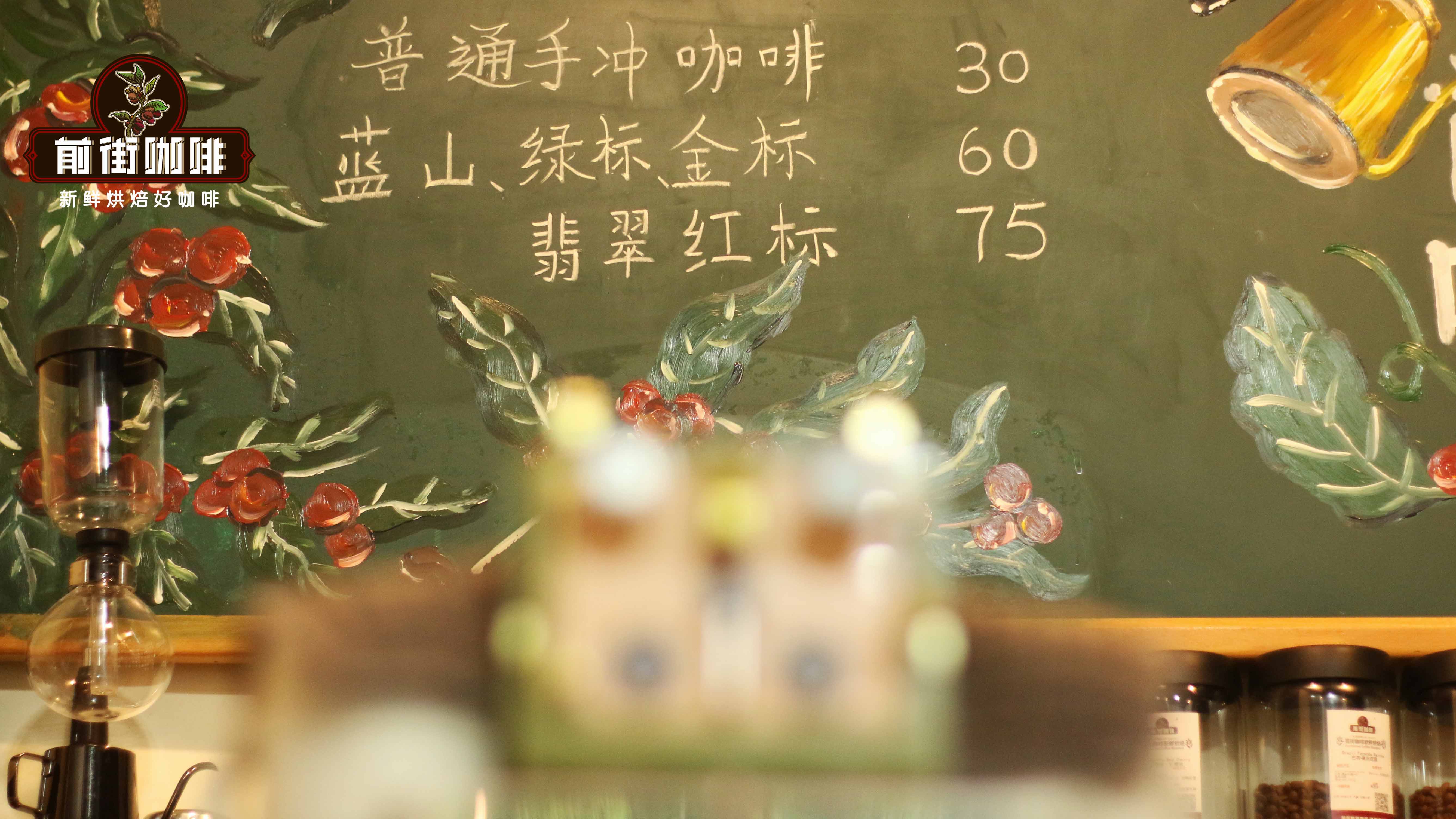
A Complete Guide to Panama Hacienda La Esmeralda's Grading System: Flavor Profiles and Brewing Guide for Red, Green, and Blue Label Geisha Coffee Beans
Panama's Hacienda La Esmeralda is the discoverer and promoter of the Geisha flavor, and its grading system classifies Geisha coffee beans into different grades such as Red Label, Green Label, and Blue Label, becoming a quality benchmark in the specialty coffee world. Front Street Coffee's most expensive bean comes from here. This article will guide you through Hacienda La Esmeralda's geographical and climatic advantages, the layout of its four major farms, the logic behind its grading system, and the specific differences between Red Label, Green Label, and Blue Label Geisha in terms of cupping flavor and brewing performance. It will also introduce the Geisha characteristics of well-known Panamanian estates such as Janson and Hartmann, providing coffee enthusiasts with a complete reference for purchasing and tasting. [more…]