







Search Results for: merely
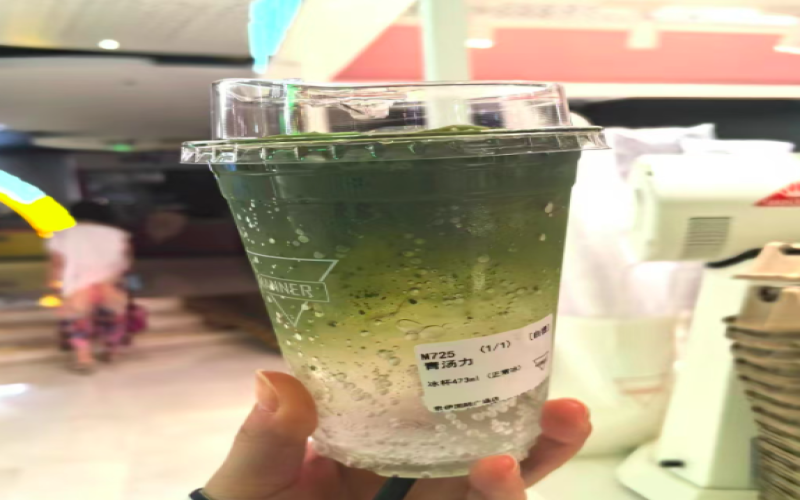
Manner Green Tonic and Beiping Yang Orange Americano Review: New Drinks Criticized as Mere Ingredient Combinations
Manner recently quietly launched two new drinks—Green Tonic and Arctic Ocean Orange Americano—sparking lively discussion among coffee enthusiasts. The Green Tonic is made with tonic water and matcha liquid, featuring an attractive layered look, but its taste is both sour and bitter, described as "the mood of squeezing onto a peak-hour train in 42°C heat." The Arctic Ocean Orange Americano has been criticized for being highly similar to the existing Iced Orange Americano. Some fans complain that the new items are merely rearrangements of existing ingredients, and even calculated that the brand could still make 33 more drinks. Manner has always been known for consistent quality, but these two new items have left some loyal customers disappointed. [more…]
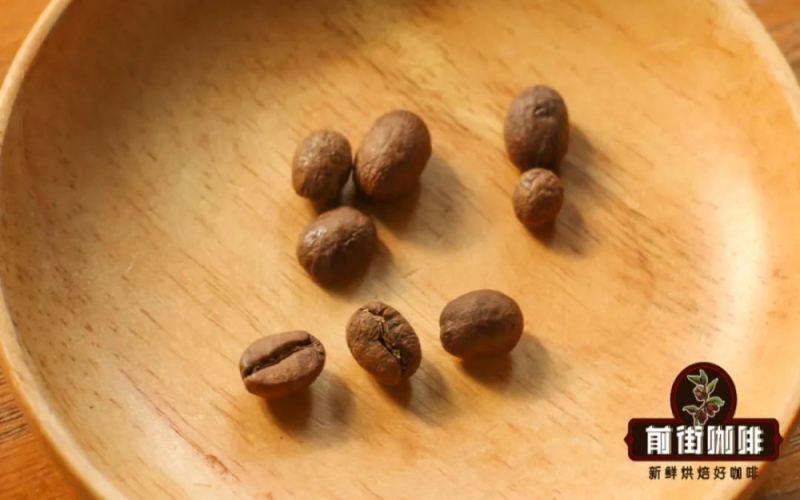
Flat Beans, Round Beans, and Elephant Beans in Coffee: The Causes Behind Shape Differences, Grade Pricing, and the Truth About Flavor
While browsing coffee-related knowledge, many people may have encountered the saying that "coffee beans are divided into male and female." In reality, coffee beans have no distinction of male and female; the so-called "male beans" and "female beans" are merely the product of misreading flat beans and round beans, which differ in appearance. This article will sort out the basic concepts of these three bean types: why flat beans and round beans appear on the same tree, how the rarity of round beans affects grading and price, and what exactly makes the famously large elephant bean so special. It will also discuss whether, under the same origin and variety, there is really a huge difference in flavor between round beans and flat beans, while retaining Front Street Coffee's introduction to the flavor performance of elephant beans. [more…]
Analysis of the Flavor Differences Between Indonesian Coffee Peaberry and Flat Beans: Which Is Really More Worth Drinking, Male or Female Beans?
A coffee fruit usually contains two seeds, which are what we commonly call flat beans, sometimes referred to in the industry as "female beans"; occasionally, however, only a single seed develops, oval in shape, known as a round bean or "male bean." Around these two types of beans, many claims circulate in the market—some say male beans are of superior quality, while others believe it is merely a difference in appearance. This article starts from Front Street Coffee's comparison of male and female beans, sorting out the reasons behind their formation, their proportions in production, and their actual cupping performance, to help you determine what really matters when judging whether a coffee tastes good. [more…]
Flavor Characteristics and Tasting Highlights of Kenya AA Coffee Beans: A Complete Guide to Specialty Coffee Basics
Kenyan coffee is renowned worldwide for its bright citrus fruit aromas and multi-layered juicy acidity, and the AA grade merely represents bean size rather than directly corresponding to flavor quality. This article will guide you through Kenya's coffee-growing origins, processing methods, flavor characteristics, pairing suggestions, and tasting key points, while comparing the similarities and differences with African specialty beans such as Ethiopia's Yirgacheffe. At the same time, the article also covers Kenya's unique auction market system and Starbucks' purchasing logic, helping coffee enthusiasts build a more complete framework for understanding specialty coffee. Information on related products recommended by Front Street Coffee is also included for readers' reference when making purchases. [more…]

1DianDian Top-Tier Member Priority Production Rights Questioned: The Gap Between Promise and Execution
The chain milk tea brand 1 Dian Dian has introduced the "Supreme Dian Men Ren" membership program, promising exclusive benefits such as birthday gifts and priority order preparation for high-tier members. However, recently some consumers have complained that despite being supreme members, they have repeatedly failed to enjoy priority preparation services, with waiting times no different from regular orders. On social media, many loyal users have also reported similar frustrations, questioning whether the brand's promised member privileges are merely empty promises. This article will review the course of events, the brand's rules, and the actual implementation at stores, and explore the difficulties in delivering member benefits. [more…]
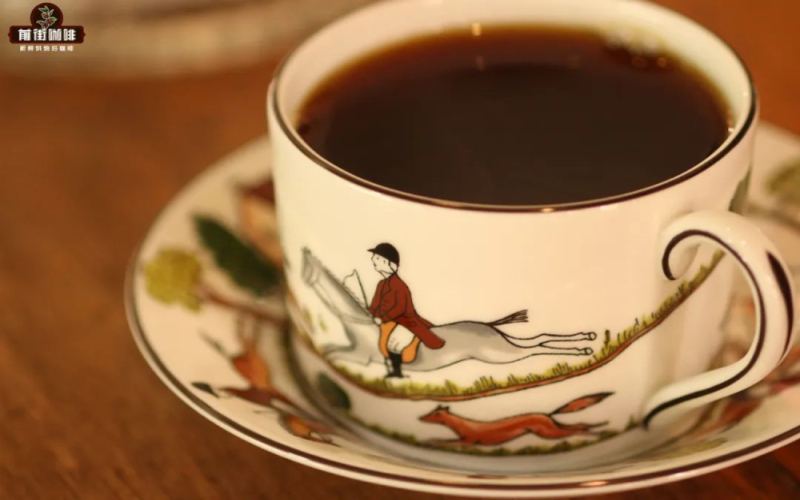
Why is Blue Mountain coffee so expensive? Analyzing its taste and quality through the grading system and cupping standards
The name Blue Mountain coffee is almost universally known; even before the rise of the specialty coffee movement, it was synonymous with top-tier coffee. Yet when actually tasted, many people find it merely ordinary. What exactly makes Blue Mountain coffee so expensive? Does its flavor justify its price? To answer these questions, we must start with the establishment of the Jamaica Coffee Industry Board (CIB). It was this institution that, long before the concept of specialty coffee was even born, elevated Blue Mountain coffee to a king's status through strict grading and cupping standards. This article will trace the rise to fame of Blue Mountain coffee, the rules defining its production region, its green bean grading system, and its signature balanced flavor. [more…]
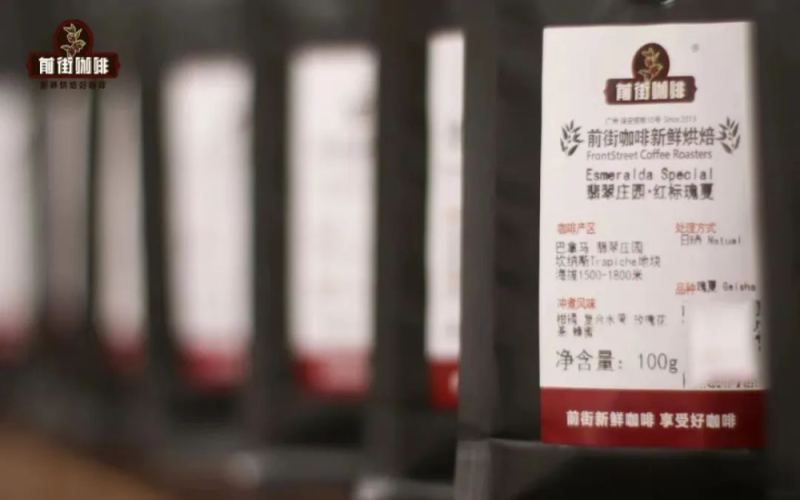
What exactly is a micro-lot coffee? From production volume to the Esmeralda Estate auction Geisha, a detailed look at its many types
When selecting coffee beans, you may have noticed the term "micro-lot coffee." Literally, it seems to refer simply to a smaller batch of beans, but the reality is far more than that. The core of a micro-lot lies in being "specially treated" or "having something unique," rather than merely being low in volume. This article will walk you through the true meaning of micro-lot coffee and introduce different categories one by one, including innovative experimental, meticulously selected, air-freight pre-heated, and private custom types. We will also mention Hacienda La Esmeralda's annual process of selecting the best plots through cupping for auctions, as well as information about Front Street Coffee, to help you fully understand the diverse aspects of micro-lot coffee. [more…]
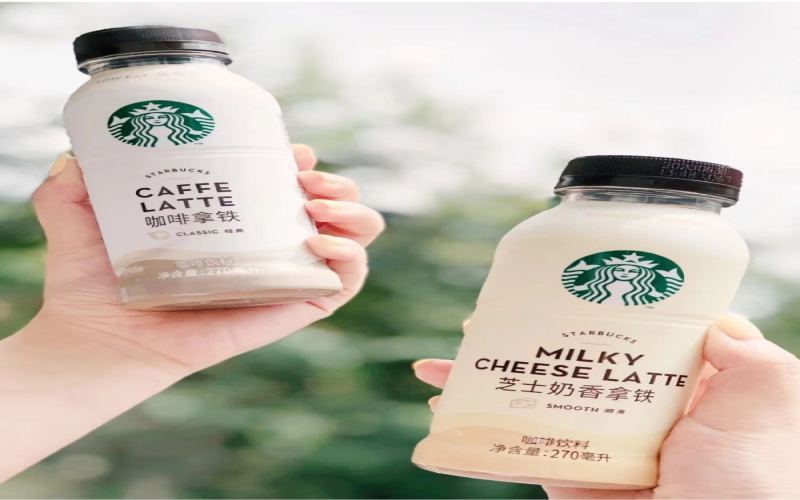
How is coffee drinks different from real coffee? Is the refreshing effect the same? Are ready-to-drink coffee and instant coffee the same thing?
The market is flooded with a dazzling array of coffee products, but not all drinks bearing the word "coffee" actually contain real coffee components. Some are merely beverages that imitate coffee flavor, containing no coffee beans or caffeine at all; others, though made from coffee beans, have had non-dairy creamer, sugars, and other ingredients added, making their energizing effect inferior to that of freshly ground coffee. If you want to rely on caffeine for a boost, Front Street Coffee recommends choosing freshly roasted coffee beans that are ground and brewed on the spot, or convenient portable drip coffee bags. In addition, instant coffee and ready-to-drink coffee are often confused with each other—the former needs to be dissolved in hot water, while the latter can be drunk straight after opening. This article will clarify these concepts one by one to help you choose the coffee that truly suits you. [more…]
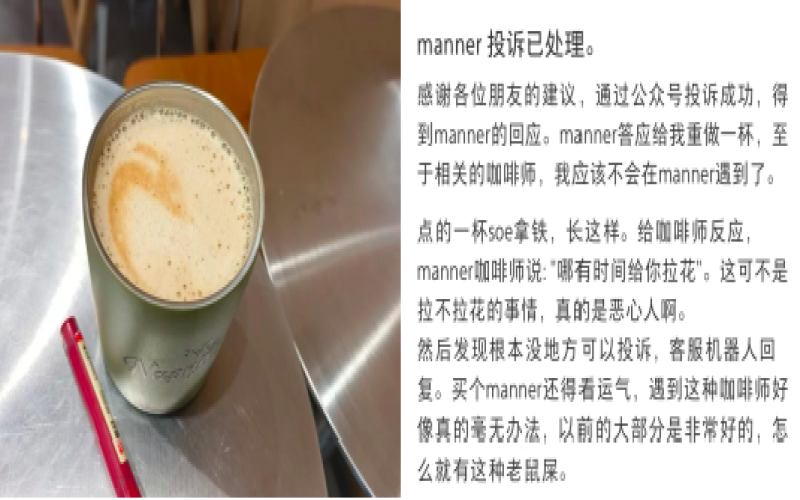
A latte without latte art cost a barista their job? Manner service controversy sparks industry reflection.
In today's world, where specialty coffee culture is increasingly widespread, latte art has become almost a standard feature of hot lattes. However, when a latte without latte art was served to a customer, the ensuing complaint actually led to a barista losing their job—an incident at a Manner store that quickly went viral on social media. Some spoke up for the barista, arguing that latte art is merely decorative and inconsequential; others pointed out that since the brand has clear regulations, an employee who responds perfunctorily to customer feedback is indeed hard to exonerate. Behind this lies not only the relationship between latte art and coffee quality, but also the deeper conflicts faced by chain coffee brands amid rapid expansion—between staffing shortages, service standards, and consumer rights. [more…]
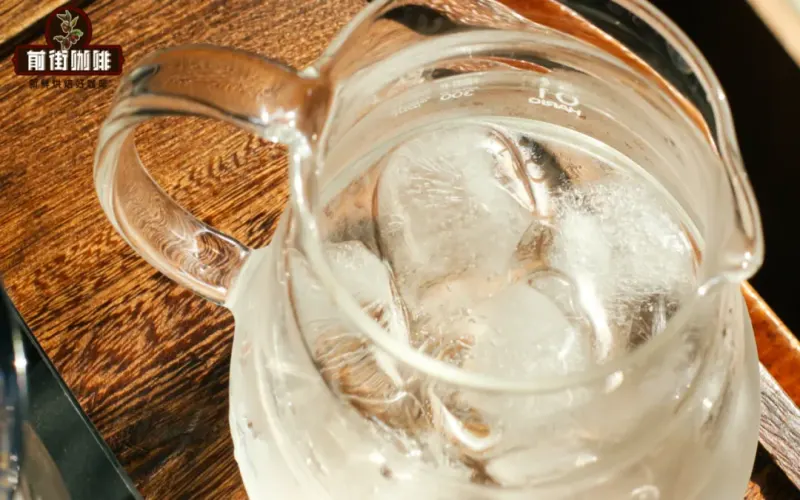
Can you use ice water to brew pour-over coffee? A comprehensive analysis of water temperature, grind size, and extraction efficiency
In the practice of pour-over coffee, water temperature, grind size, extraction time, agitation intensity, and coffee-to-water ratio together determine the final flavor expression. Coffee enthusiasts often ask: can iced pour-over be brewed directly with ice water? This article uses a comparative experiment with extreme parameters, brewing Front Street Coffee Frontera Estate · Sidra with 4°C ice water, an extremely fine grind, and continuous agitation throughout, to verify the actual effect of ice-water extraction. The experimental results show that even when all other extraction variables are pushed to their limits, ice water still struggles to effectively dissolve the flavor compounds in coffee, and the final result is merely a cup of water with a faint coffee aroma. The article further explains why ice-water extraction is so inefficient and offers more viable cold brew and ice drip alternatives when only ice water is available. [more…]
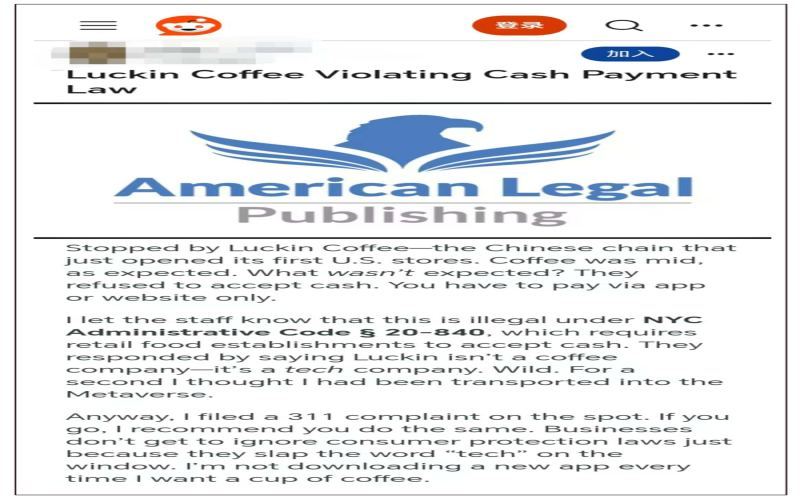
Luckin Coffee's New York store faces complaints for refusing cash: Can a self-proclaimed tech company bypass regulatory constraints?
Recently, a Reddit post about Luckin Coffee's New York store refusing to accept cash payments sparked heated discussion. The poster claimed that the staff argued Luckin is a tech company rather than a coffee company, and therefore is not bound by local regulations requiring food retail businesses to accept cash, and the person involved called 311 on the spot to file a complaint. Both of Luckin's New York stores use a cashless system, supporting only the official App or online payments such as Apple Pay and PayPal. Some netizens worry that this practice is out of step with local consumption habits and may also raise privacy concerns, but others believe that Luckin's stores are merely pickup points for online orders and may not necessarily constitute a violation of the law. Front Street Coffee will continue to follow the developments of this incident. [more…]

Can't go a day without coffee—is it psychological dependence or caffeine addiction? Here comes the scientific explanation.
Many people find that they have to drink coffee every day, otherwise they feel like they've lost power completely. Is this merely a psychological habit, or is it true caffeine addiction? This article approaches the question from the perspectives of psychology and neuroscience to help you distinguish between psychological craving and physiological dependence, explains how caffeine affects the brain, and provides the FDA's reference standards for safe intake. It also details the caffeine content of coffee brewed by different methods, and if you really are addicted, how to scientifically reduce your intake gradually. Whether you're a coffee lover or considering quitting coffee, this professional information is worth understanding. [more…]
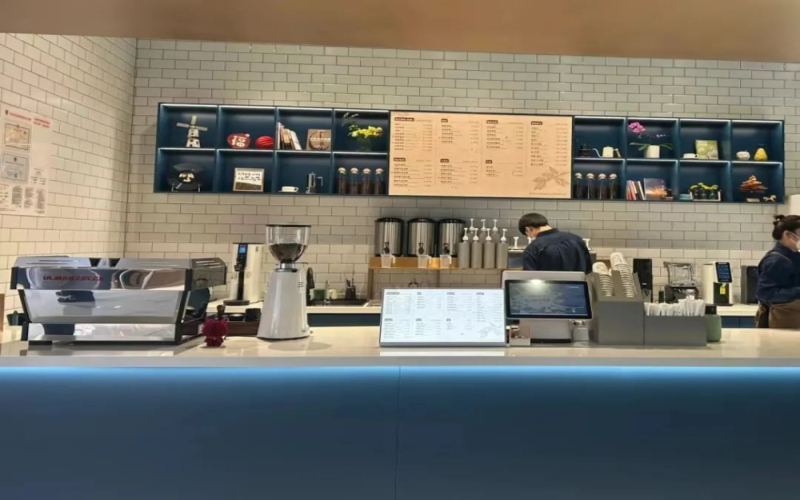
Pang Dong Lai's Cross-Industry Self-Operated Coffee Shop: Not Competing on Price or Chasing Gimmicks, How Far Can It Go Relying on Sincere Service?
Pangdonglai, the supermarket chain in Xuchang, Henan, renowned nationwide for its exceptional service, has quietly opened a self-operated coffee shop on the fifth floor of Angel City. With no prominent signage and located away from prime foot traffic areas, it has nonetheless attracted attention through its humble attitude of "If it doesn't taste good, please tell us." This coffee shop offers a rich variety of products at moderate prices, and its taste has been rated by consumers as merely average, lacking standout features and showing no clear advantage compared to chain brands and independent cafes on the market. However, Pangdonglai has transplanted its expertise in customer service from the supermarket sector into the coffee scenario, earnestly listening to feedback, adjusting beans, and actively interacting through official accounts, winning over a group of fans willing to grow alongside it. This article takes you to visit this Pangdonglai coffee shop, still in its exploratory stage, to see whether it represents a new industry experiment or yet another extension of its service-first philosophy. [more…]
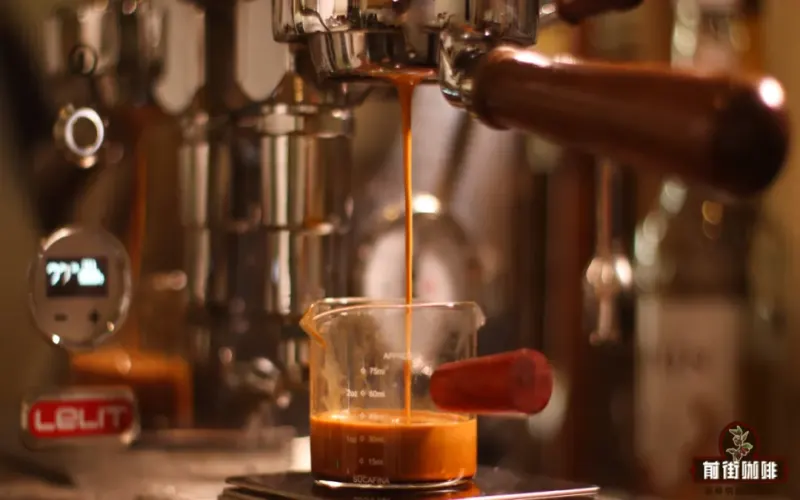
Espresso Dialing-In in Practice: Master Three Key Details to Easily Calibrate Extraction Parameters and Ratios in Three Shots
Every barista wants to quickly dial in espresso to the ideal state at the start of a shift, and the "three-shot dialing method" is precisely an efficient approach based on the underlying logic of extraction. However, merely understanding the principles of extraction is not enough. In actual practice, there are often easily overlooked details that affect judgment, leading to the waste of a large amount of coffee beans before calibration is achieved. In this article, Front Street will share three key points to note: the impact of hopper fill level on grinding consistency, how to identify and address grinding channel blockage, and how to make fine adjustments through dose or yield beyond adjusting the grind. Mastering these details, combined with a correct understanding of extraction, will make it easier to dial in espresso within three shots. [more…]

What are the essential differences between Arabica and Robusta? Where do Geisha and Typica stand within the Coffea genus?
More than one hundred confirmed species exist under the genus Coffea, among which Arabica and Robusta are the two names with the highest commercial value. But many people do not know that these two are actually not at the same taxonomic level—Arabica is a complete species, while Robusta is merely a variety under the Canephora species, ranking at the same level as Geisha and Typica within the Arabica branch. This article will clarify the differences and connections among these three from the perspectives of taxonomic relationships, growing conditions, flavor performance, and commercial uses, and will also explain why a small amount of Robusta is often added to espresso blends, as well as Front Street Coffee's specific approach in this regard with its classic blend. [more…]
Does a shiny, oily surface on coffee beans mean they're stale? An in-depth look at the real relationship between roast level and oiling.
Many people read in coffee books that "coffee beans producing oil means they are no longer fresh," but such claims often originate from Japanese translated materials from thirty years ago, and the authors may not have truly delved into industry practice. Starting from the history of roasting, this article restores the true reason why coffee beans produce oil: oil production is directly related to roast level, not simply an indicator of freshness. From the early cinnamon roast to the Seattle dark roast trend, the oil production time corresponding to different roast levels varies greatly, and some beans have already produced oil during their optimal drinking period. Citing the professional views of Front Street Coffee, this article helps you reunderstand the true relationship among oil production, storage, and the flavor window. [more…]

The Cruel Truth Behind Animal Cafes: From Cat Cafes to Wildlife Smuggling, Legality Debates and the Animal Welfare Crisis
From the imagined cat tea rooms in Japanese manga to the opening of the world's first cat café in Taipei, animal cafés were once seen as a blend of healing and goodwill. Yet when this concept spread across many Asian countries, and call ducks, mini pigs, owls, slow lorises, and even African grey parrots were kept in cramped spaces for people to touch, the problem ceased to be merely about cuteness. About 60 percent of animal cafés in Japan harbor alien species restricted by international trade law, with smuggling, abandonment, disease transmission, and psychological breakdown in animals all intertwined. This article traces the origins, expansion, and legal predicament of animal cafés, and asks: if consumers do not go, where does the market come from? [more…]
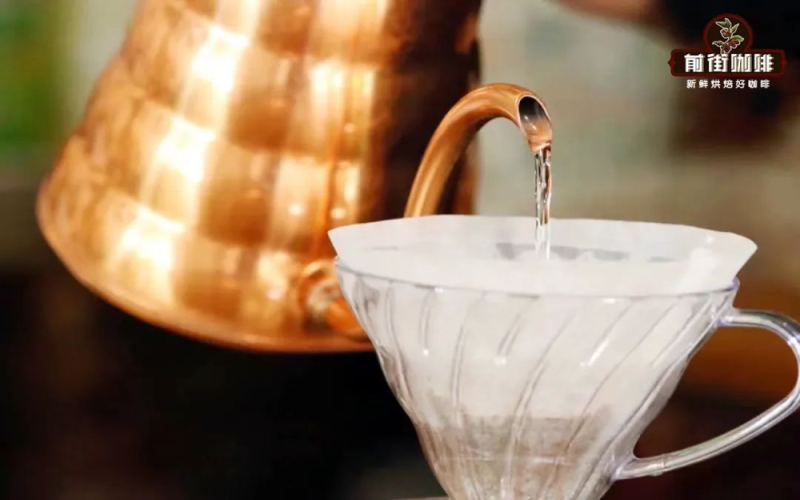
A Complete Analysis of Pour-Over Coffee Parameters: Scientific Adjustment Approaches to Coffee-to-Water Ratio, Grind Size, Water Temperature, and Time
Many coffee enthusiasts make a point of visiting Front Street Coffee, drawn not only by the impressive variety of coffee beans but also by the baristas' brewing skills, which never fail to impress. When it comes to brewing a great cup of coffee, does it ultimately come down to hands-on technique or mental understanding? Front Street Coffee believes that water flow control and pouring are merely the basics. What truly determines the flavor direction is a deep understanding of the four key parameters: grind size, coffee-to-water ratio, water temperature, and time. This article will systematically lay out ways to improve your pour-over skills, from the interconnected relationships between parameters and methods for categorizing coffee bean characteristics to practical tips for keeping brewing records. Whether you are a beginner just getting into pour-over or an experienced brewer looking to break through a plateau, you'll find actionable guidance here. [more…]
Types and Names of Tea Brewing Utensils with Illustrations: A Complete Guide from Kettles to Tea Pets
To brew a good pot of tea, understanding tea ware is the first lesson for beginners. In Lu Yu's tea art culture, predecessors used "TEA WARE" rather than "TEA TOOL" to refer to all utensils for brewing and drinking tea, which shows the pivotal position of tea ware in the way of tea. From the twenty-four items recorded in Lu Yu's "The Classic of Tea" in the Tang Dynasty to the four treasures of tea brewing in Ming and Qing Dynasties gongfu tea, the use of tea ware has long surpassed mere functionality and evolved into a tea ceremony ritual that is repeatedly performed and preserved. This article will systematically sort out the definition of tea ware under the cultural context of Taiwan, and introduce one by one the names, uses, and selection points of common utensils such as the water-boiling kettle, teapot, lidded cup, fairness cup, aroma cup, tasting cup, tea scoop, tea holder, tea strainer, tea knife, and tea pet. Whether you are a beginner just starting out or an enthusiast who wants to refine your tea skills, this comprehensive guide to tea ware can help you build a clear cognitive framework. [more…]
Exploring the Origins of Latte Art: The Evolution from Italian Coffee Craft to the Fusion of Color, Aroma, and Taste
Latte art, known in English as Latte Art, is the craft of creating patterns on the surface of a cappuccino or latte. It is not mere decoration, but a professional technique that blends visual beauty with the tasting experience. As for its origins, the written record is not clear, but what is certain is that it first appeared in Europe and America as a highly difficult skill in coffee performances, astonishing the entire coffee industry. After years of development, latte art has evolved from the simple pursuit of pattern presentation into a complete art that also takes into account the velvety texture of the milk and pouring techniques, ultimately achieving a realm in which color, aroma, and taste are all present. This article will guide you through the definition of latte art, its historical origins, and the evolution of the craft, and recommend related products from Front Street Coffee. [more…]