







Search Results for: meanwhile
Rwanda Overtakes Uganda to Become Kenya's Largest Coffee Supplier
Data from the Kenya Agriculture and Food Authority (AFA) for the September quarter shows that Rwanda accounted for 43% of Kenya's total coffee imports, reflecting growing confidence in the quality of Rwandan coffee beans. Meanwhile, Uganda's coffee export value to Kenya fell sharply, although in terms of unit price [more…]
The Arabica Variety Map: Espresso Performance of Typica, SL28, and Geisha
Arabica is not a single variety, but a vast family. Different varieties perform noticeably differently in espresso, and understanding a few representative varieties makes drinking SOE more interesting. Typica is one of the oldest varieties within Arabica, with a clean, bright flavor and delicate sweetness, and is the flagship variety of many classic producing regions. [more…]
Arabica's Regional Flavors: Ethiopian Floral and Fruity Notes vs. Central and South American Sweetness
One of the most fascinating aspects of Arabica flavor is the imprint of its origin. Even though they are all Arabica beans, those from Ethiopia, Colombia, or Brazil often perform noticeably differently in the cup. Origin is like a coffee's flavor business card—once you understand it, you have a direction for choosing beans. Ethiopia is the birthplace of Arabica, and the cof [more…]
Not a Fan of Sour or Bitter: Sweet Pour-Over Bean Recommendations to Truly Understand "Sweetness"
In the flavor spectrum of coffee, "sweetness" is the most easily overlooked segment. Many people waver between acidity and bitterness, yet fail to realize that in specialty coffee there is an entire route centered on sweetness—smooth, easy to drink, and appealing to all ages. This article explains sweet-tasting beans all at once. Where does coffee's sweetness come from? Coffee's sweetness mainly comes from roasting. [more…]

The Daily Rhythm of Home Espresso: The Time and Cost of a Latte
Integrating a home espresso machine into daily life comes down to turning the brewing process into a stable, repeatable habit. From start-up to cleanup, the full rhythm of making a latte takes about eight to ten minutes, and once you're proficient, the routine flows naturally, like brushing your teeth in the morning—no need to think twice. The machine takes about five minutes to preheat, and during that time you can grind and weigh the coffee. [more…]

Pour-Over Beans from High-Altitude Regions: Why Are Floral and Fruity Notes Clearer?
When drinking pour-over coffee, have you ever noticed a pattern: those beans with particularly clear floral and fruity notes often come from high-altitude origins. Between altitude and flavor lies a very interesting causal chain—once you understand it, your eye for choosing beans will become much sharper. The reason high-altitude growing regions produce good flavor is first of all temperature. [more…]
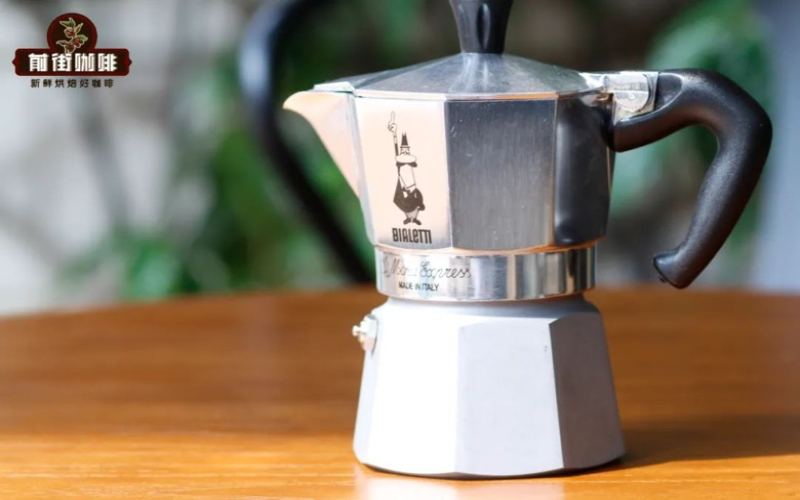
Yemen Mocha: Where Coffee First Went Out into the World
In the story of coffee, there is one name almost everyone has heard, yet it is often misunderstood—Mocha. Today it more often refers to a chocolate flavor, or a type of pot, but several hundred years ago, Mocha was a vital hub of the global coffee trade and the starting point from which coffee traveled from Ethiopia out into the world. This journey begins with the Red [more…]
Yemen Mocha: Where Coffee First Went Out into the World
In the story of coffee, there is a name almost everyone has heard, yet it is often misunderstood—Mocha. Today it more often refers to a chocolate flavor, or a type of pot, but several hundred years ago, Mocha was a vital hub of the global coffee trade and the starting point from which coffee spread from Ethiopia to the world. This journey begins with the Red [more…]
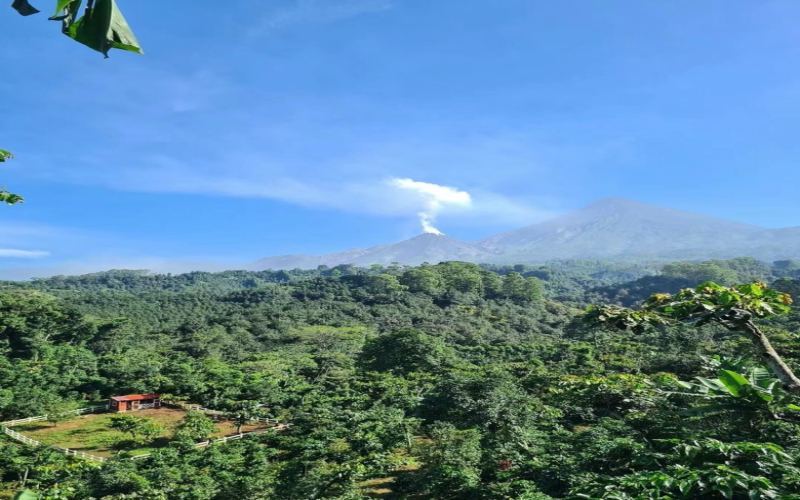
Does Higher Altitude Mean Better Coffee? The Real Relationship Between Altitude and Flavor
In coffee shops, you often hear the words "high altitude," as if the higher the altitude, the more premium the coffee. But the truth is not that simple: altitude is indeed a heavyweight factor affecting flavor, yet it is far from a straight-line relationship of "the higher, the better." What does altitude bring? A common feature of high-altitude growing regions is a large temperature difference between day and night, with relatively low temperatures. Coffee [more…]
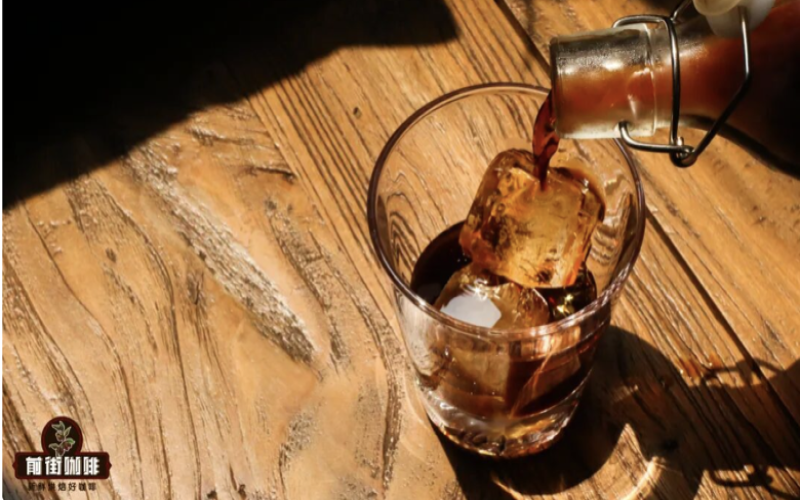
Origin Beans for Cold Brew: Fruity African and Full-Bodied Asian Cold Brew Performance
When it comes to choosing beans for cold brew, the bean selection is often more important than the brewing parameters. Slow extraction at low temperature changes the way a bean's flavors present themselves—beans from some regions are stunning when cold brewed, while others fall flat. Approaching it from the perspective of region is a very practical way to choose cold brew beans. Beans from African regions are the fruit-forward stars of cold brew. Ethiopian [more…]
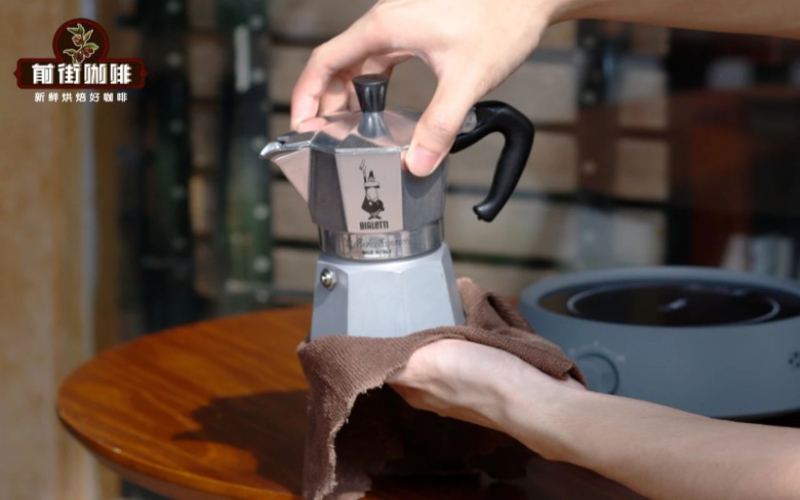
Two Fates of the Same Bean: Moka Pot vs. Espresso Machine
After spending enough time with coffee, many people end up owning both a moka pot and a semi-automatic espresso machine at home. The same beans go into the portafilter for one cup, then into the moka pot's basket for another, and the gap in flavor is so big it often makes you wonder if the beans were swapped out. Understanding this difference, in turn, can help you judge when choosing beans: which beans are worth [more…]
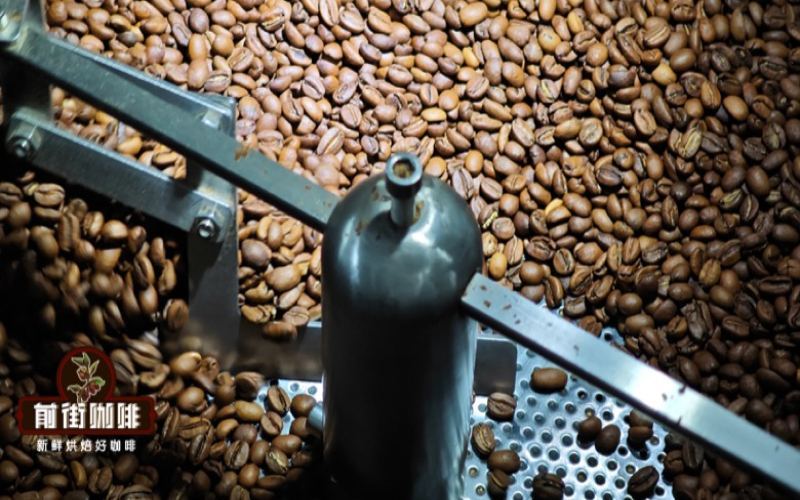
Balanced Sweet and Acidic Beans: A Coffee Experience Like Fruit Juice
A bean with balanced acidity and sweetness tastes like "juice but with coffee flavor": the acidity isn't sharp, the sweetness isn't cloying, and the two interlock just right. Front Street Coffee's Ethiopian Huakui is the model of this balance—the tropical fruit acidity is held up by the passion fruit sweetness, and the first sip is a lively juice-like sensation; Kenya's Little Tomato, meanwhile, is the dark plum acidity plus yellow [more…]
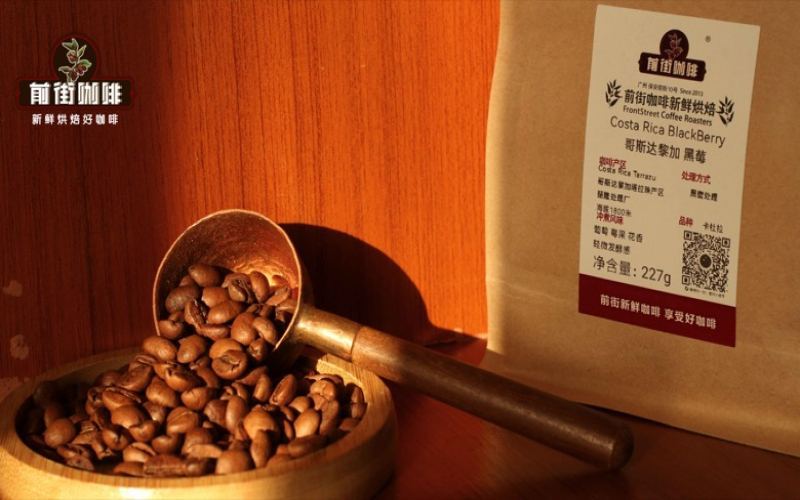
Beans with Tropical Fruit Flavors: The Sweet Aroma Code of Sun-Dried Fermentation
For coffee beans with tropical fruit flavors, the core of the flavor lies in the fermentation: the fermentation in natural processing transforms sugars into the sweet aromas of tropical fruit. Front Street Coffee's Kafa Forest has orange and apricot notes with an oolong tea-like finish, where the tropical sweetness carries a layer of tea-like freshness; Granja Estate's Geisha natural version, meanwhile, is a rich expression of guava and strawberry jam, [more…]
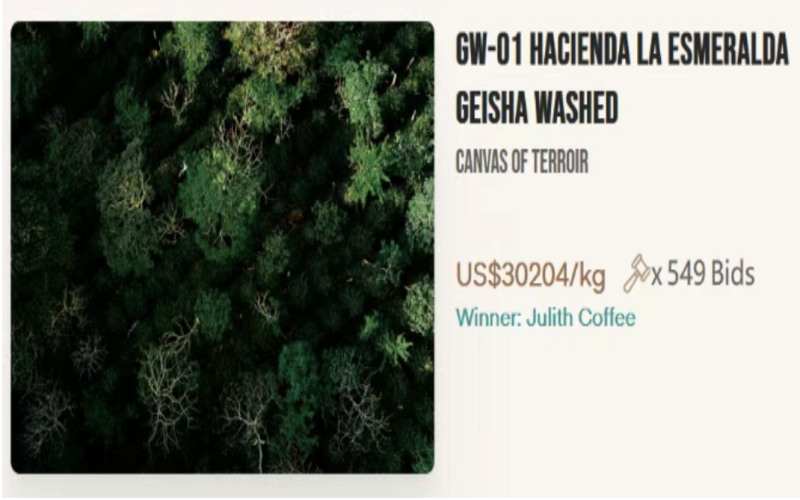
The Price of Panama BOP Geisha Reaches a New All-time High: Chinese Buyer JD Buys the BOP Geisha King for 3.4 Million RMB
A few days ago, the much-anticipated online bidding event of BOP (Best of Panama) in the coffee industry came to an end. At this top-level auction that attracts the attention of coffee lovers worldwide, the Geisha from the renowned Hacienda La Esmera [more…]
Moka Pot Tutorial | What's the Difference Between Single-Valve and Double-Valve Moka Pots? Which SOE Espresso Beans Are Suitable for Making Moka Pot Coffee at Home?
Today, with espresso sweeping the globe, we are no longer unfamiliar with Italian-style coffee machines—even a passerby can name a few Italian specialty coffee drinks. But to this day, another device for making strong coffee—the moka pot—remains controversial. Some see it as a budget substitute for an espresso machine, [more…]

Australian-style white coffee recipe | Which is more bitter, Starbucks Flat White or Americano? What are the characteristics of flat white and cappuccino?
No matter which coffee shop we go to, we can always see very familiar names on the menu: Americano, Latte, Flat White... These coffees have become widely known in China thanks to Starbucks' promotion. Since Starbucks added Flat White to its menu in 2020 [more…]
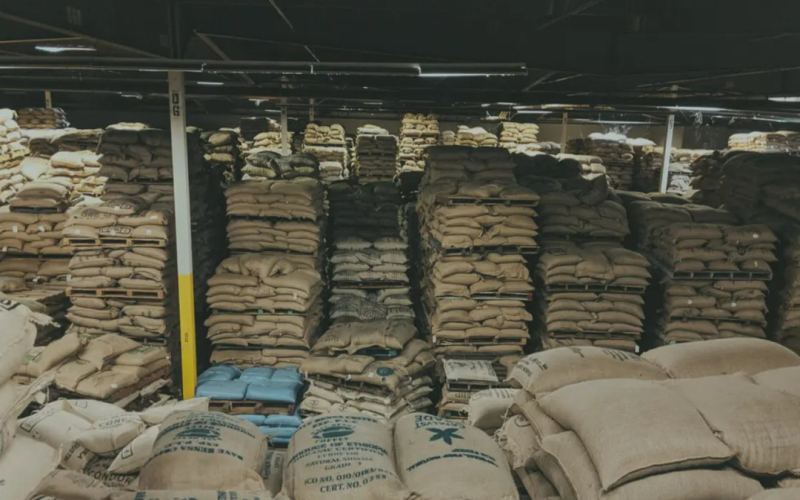
ICE certified stocks fall to a 26-year low, Brazilian coffee is being rushed to delivery warehouses—will Arabica prices come under pressure?
ICE-certified exchange stocks have fallen to a 26-year low of less than 220,000 bags, with large volumes of Brazilian arabica being shipped to delivery warehouses; meanwhile, a Reuters survey projects that arabica prices will fall 8.8% by the end of 2026, while robusta will rise 4.6%. How will stock rebuilding and El Niño weather shape the coffee market outlook? [more…]

Coffee bean recommendations for opening a shop: roast level determines your menu's character
The roast level of coffee beans directly shapes a shop's flavor impression. Light roasts more easily bring out floral, fruity, citrus, and tea notes, making them ideal for highlighting a region's character; medium roasts tend to balance sweetness, acidity, and body, giving them broad menu versatility; dark roasts, meanwhile, build familiarity through cocoa, nut, and roasted aromas. When choosing beans for a shop, you can start with [more…]
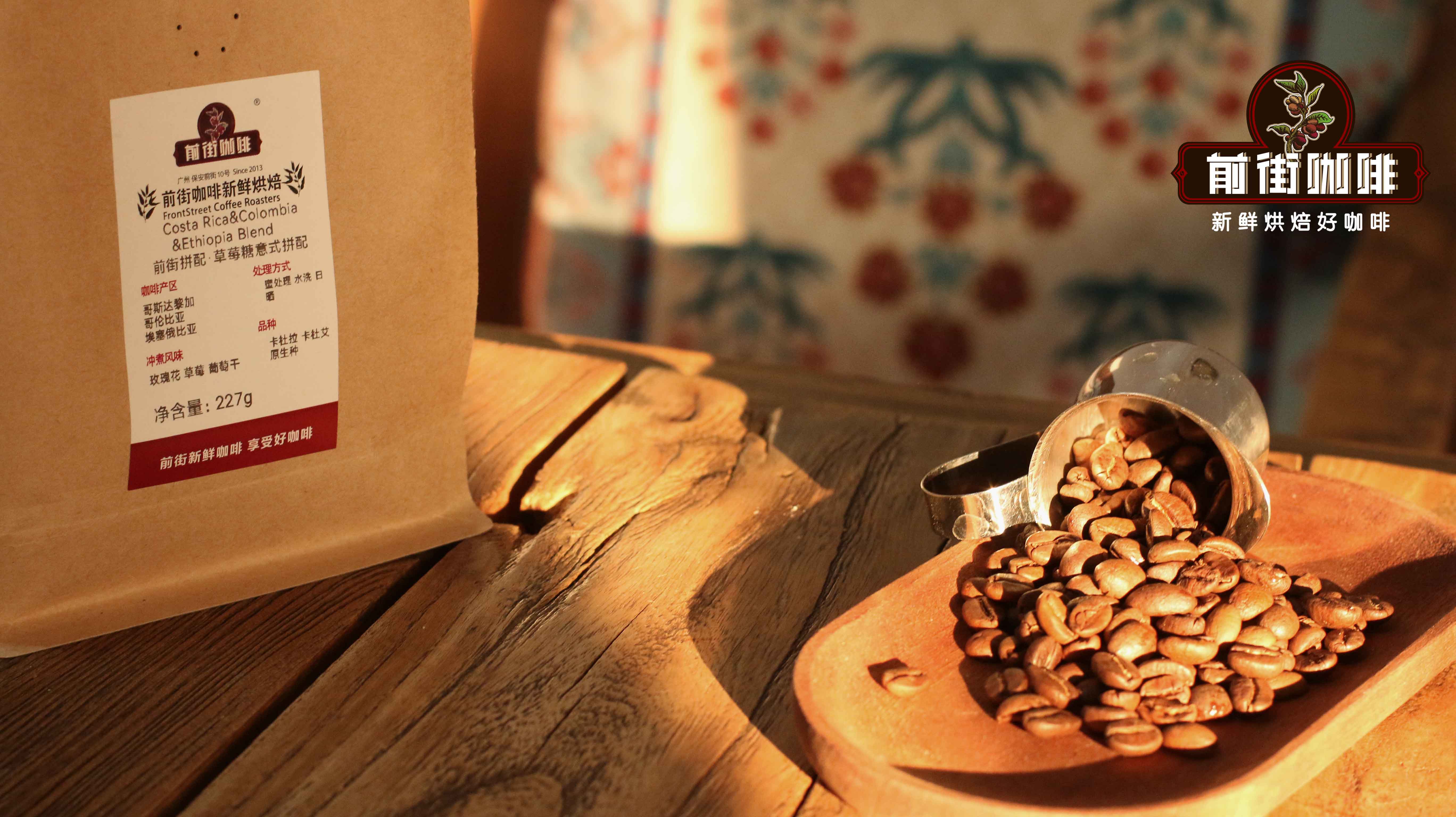
Recommended espresso blend coffee beans for home use | Do blend beans make good espresso? Recommended blend coffee beans for Americano and latte with home coffee machines
Coffee blending requires two or more single-origin coffees, and a good blend can become the "signature" of a café or coffee brand, and a blended coffee that can become a "signature" must taste delicious and leave a deep impression. Compared to single-origin coffee, blends can produce a rounder and more [more…]
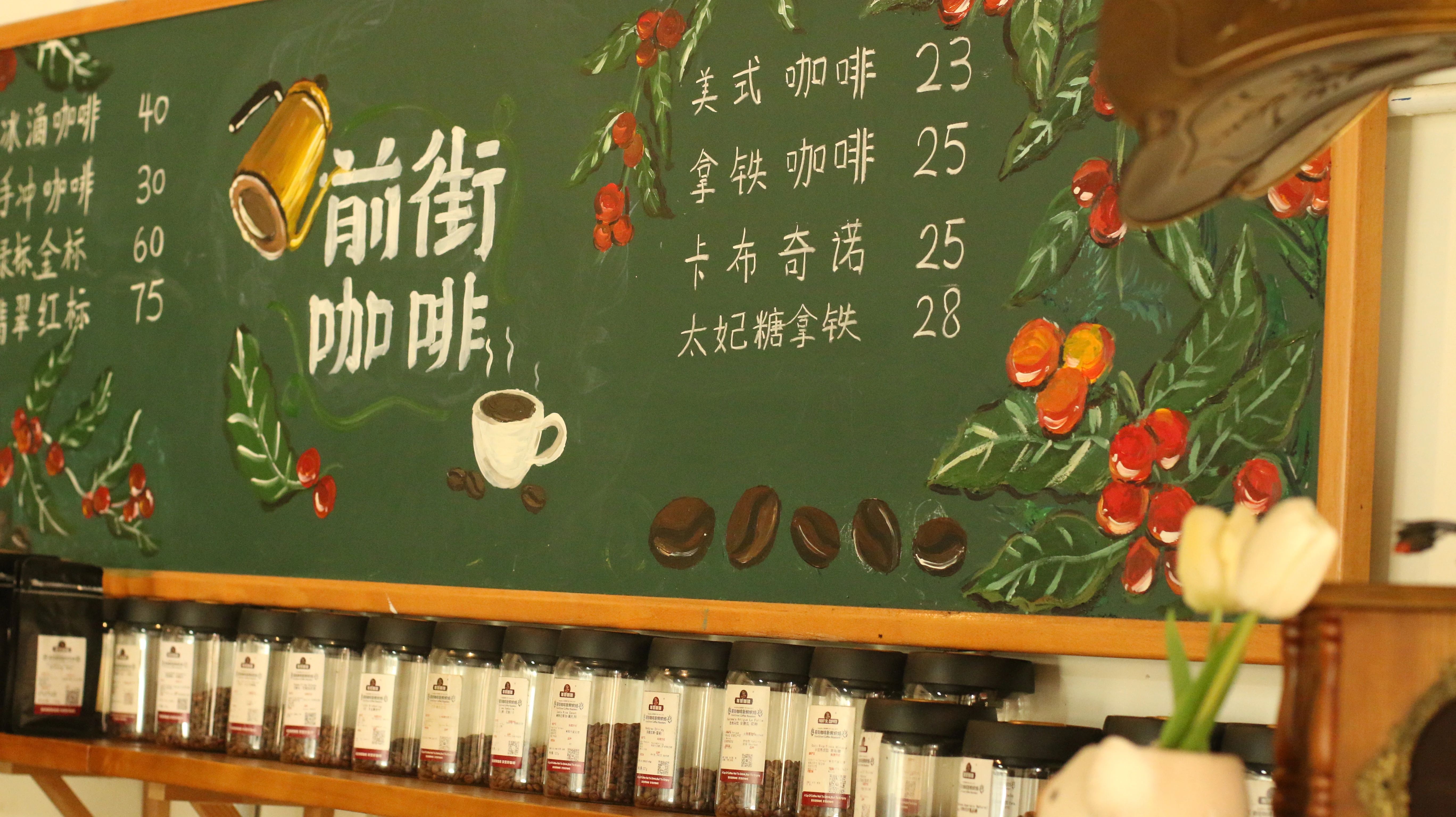
Types of Espresso Coffee | Are espresso, plain coffee, and Americano all black coffee? What is the relationship and difference between Americano and espresso?
Front Street Coffee (FrontStreet Coffee) barista: "Hello! What coffee would you like to drink today? Would you like espresso or pour-over coffee~" Customer: "I'd like espresso... I'd like to ask, what's the difference between espresso and Americano?" I believe friends [more…]