








How Does Blue Mountain Coffee Differ From Little Blue Mountain?
Jamaican Blue Mountain coffee and Little Blue Mountain coffee differ mainly in growing area, variety background and flavor profile, even though the names are often used interchangeably. Blue Mountain is grown in the designated Blue Mountain range of Jamaica and is treated as a reference point for balanced, mild coffee; Little Blue Mountain comes from other highland areas of the island.
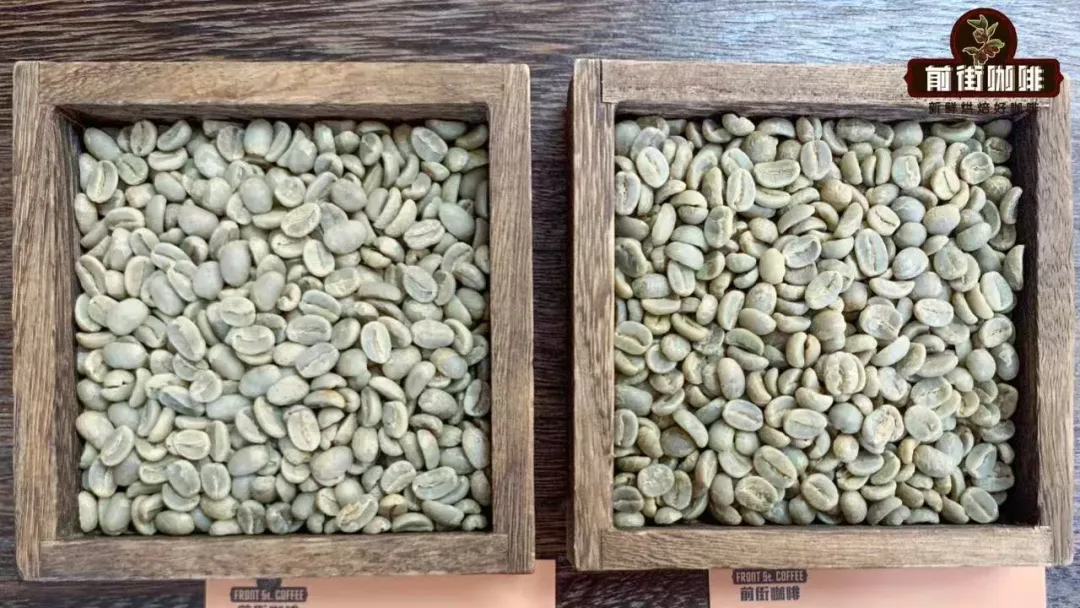
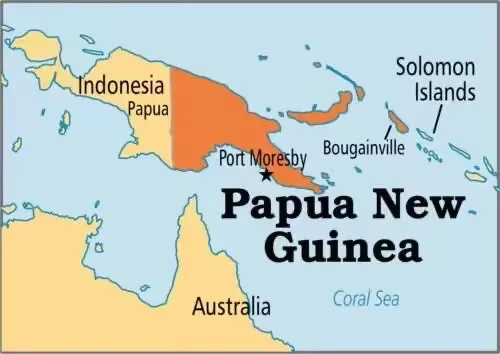
Papua New Guinea coffee, grown in volcanic soil with native varieties, is a separate origin that has gained ground in specialty coffee. Comparing the three means looking at altitude, soil and processing. Jamaican coffee from the true Blue Mountain zone remains the scarcest, which shapes both its price and its reputation.
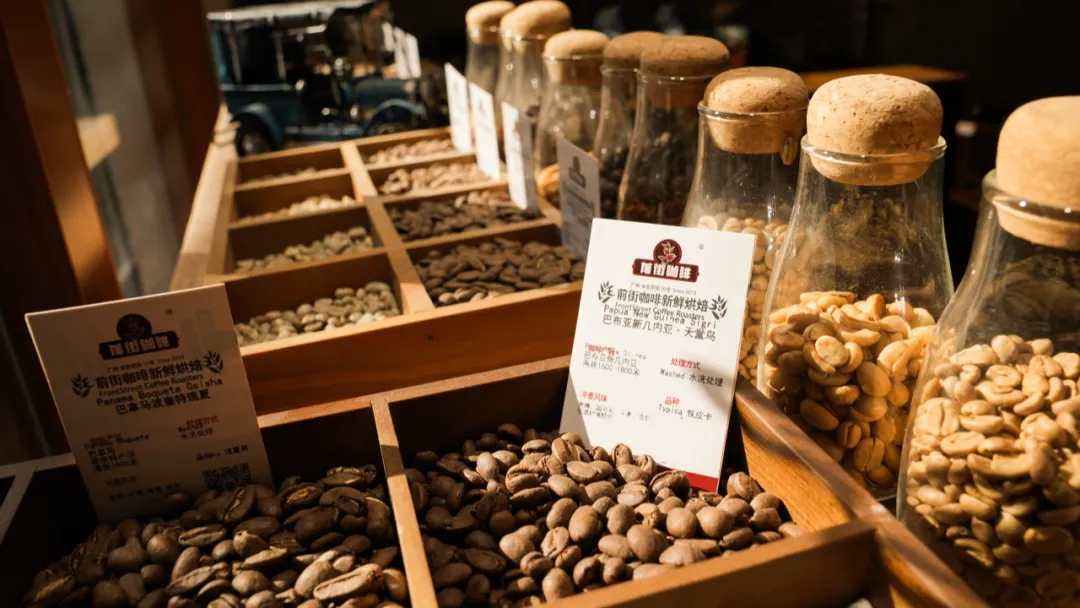
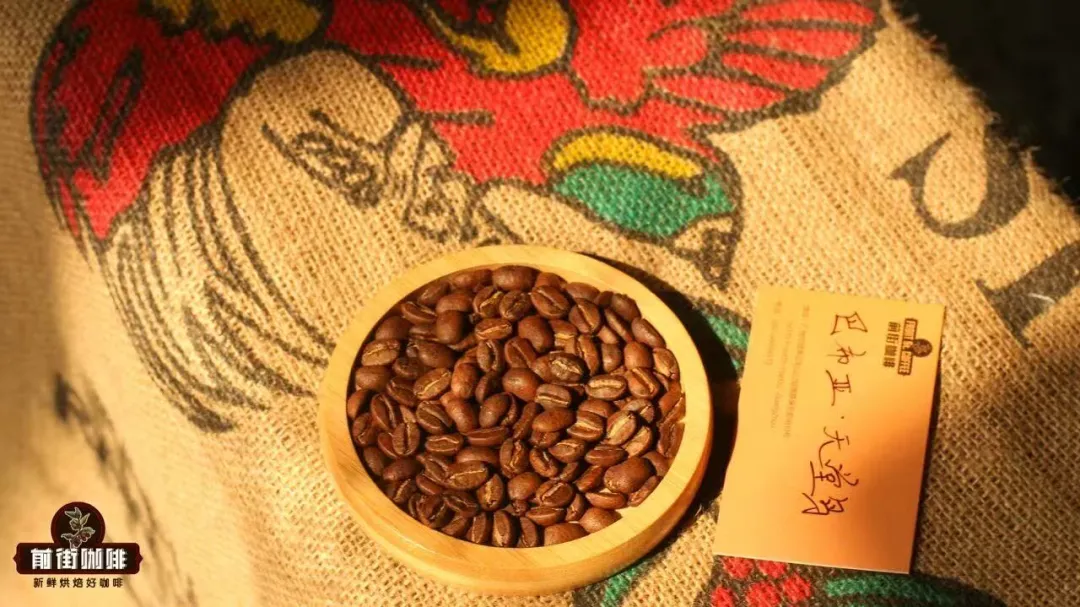
Jamaican Blue Mountain coffee is hailed as the benchmark of the coffee world, but have you ever heard of Little Blue Mountain coffee? What exactly is the connection and difference between the two? Meanwhile, Papua New Guinea, located in the southwestern Pacific, is gradually becoming a coffee origin that cannot be ignored in the specialty coffee field, thanks to its unique volcanic soil and native varieties. This article will systematically sort out the differences between Blue Mountain and Little Blue Mountain coffee from multiple dimensions such as origin background, variety characteristics, and flavor performance, and deeply explore the unique qualities of Papua New Guinea coffee. The article will also mention relevant product information from Front Street Coffee, providing coffee lovers with a more comprehensive reference.


Front Street Coffee
No. 315 Donghua East Road, Dadong Street, Yuexiu District, Guangzhou, Guangdong Province
The above content is compiled by CoffeeHunters, a coffee news website.


