







Search Results for: low-acid and mellow
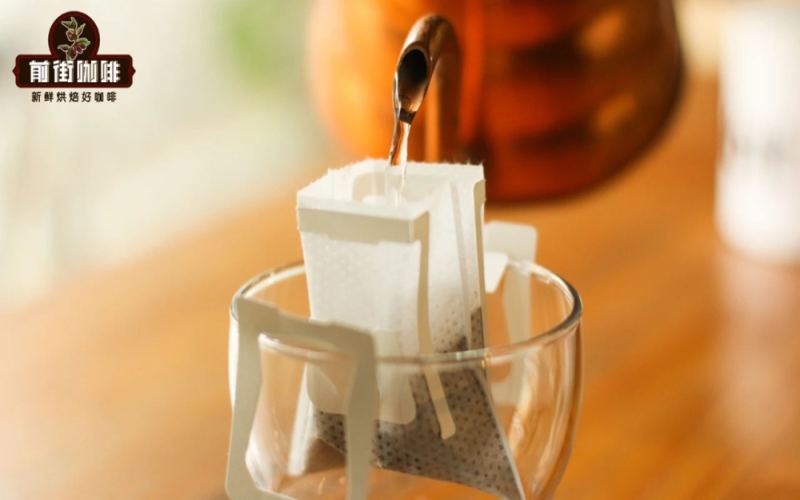
How to Brew Drip Bag Coffee for a Richer, More Aromatic Cup? Deep-Roast, Low-Acid, Mellow-Bitter Flavor and Three Seasonal Drip Bag Picks from Front Street Coffee
Drip bag coffee has become increasingly popular in recent years because it is easy to use and lets you enjoy a freshly brewed flavor at home. It was first invented and patented by the Japanese, sealing coffee grounds inside a filter bag with two side flaps that rest on the rim of the cup, so it can simply be thrown away after brewing. Compared with pour-over, drip bags are more convenient, but with a little extra attention to detail, you can noticeably enhance the aroma and strength. First, you need to be clear about the flavor direction you prefer: if you like a rich, bitter taste and do not accept sourness, medium-dark roast drip bags will satisfy you more easily. With this idea in mind, this article introduces three seasonal drip bags from Front Street Coffee—Indonesia Mandheling, Brazil Cerrado, and Jamaica Blue Mountain—corresponding to three needs: intense and low-acid, balanced acidity and bitterness, and premium single-origin. [more…]
How to Choose a Low-Acid Espresso Blend? Differences in Acidity Between Brazil and Mandheling and Analysis of Front Street Coffee's Classic Recipe
Many people who drink espresso prefer a style that isn't sour or is low in acidity, but the sour and bitter expression of coffee is actually closely related to variety, origin, processing method, and roast level. This article starts from roast level and regional characteristics, analyzing the differences in acidity between Brazil and Indonesian Mandheling, and how they are combined into a rich, balanced, low-acid espresso blend. It also introduces the two-continent, three-country formulation approach behind Front Street Coffee's classic espresso blend, as well as the unique flavors brought by the wet-hulled processing method of Mandheling, helping coffee lovers understand the design logic and key purchasing points of low-acid espresso beans. [more…]
Analysis of Brazil's Main Coffee Varieties: Queen Estate Yellow Bourbon's Low-Acid Sweet Mellowness and Pour-Over Key Points
Brazilian coffee has always been known for its low acidity and mellow sweetness, unlike the bright floral and citrus acidity of African beans. Front Street Coffee often recommends a single-origin bean to friends who prefer bitter-toned coffee—the Brazil Queen's Estate Yellow Bourbon. This bean has a clear mouthfeel and a clean aftertaste. This article will start with the origin and evolution of the Bourbon variety, explain why Yellow Bourbon has won multiple awards at Brazil's COE competition, then move on to the terroir conditions of the Mogiana region and the details of the sun-dried processing at Queen's Estate, and finally share Front Street's complete pour-over recipe covering filter cup selection, grind size, water temperature, and pouring technique, to help you brew this bean's signature nutty, dark chocolate, and caramel sweetness. [more…]
Low-Acid and Acid-Free Americano Drip Bag Coffee Brand Recommendations: A Complete Guide to Drip Coffee Shelf Life and Storage Tips
Drip bag coffee is convenient and quick, but how long can its best flavor last? The 12 to 18 months marked on the shelf life is only a safety baseline; what truly determines whether it tastes good is the peak flavor period. Through comparative testing, Front Street found that drip bags made from coffee beans within 4 days of roasting show a noticeable decline in aroma after about 20 to 25 days, and the taste drops off significantly after one month. Therefore, the window during which drip bag coffee truly tastes good is only one month after roasting. Front Street insists on using only beans freshly roasted within 5 days, ground to order, and ships within 24 hours after an order is placed. A pack of 10 small bags is just right for consuming one bag per day. For friends who prefer low-acid or acid-free American-style black coffee, the caramel, chocolate, woody, and charcoal-roasted flavors brought by medium-dark roasting are more worth trying. This article will also recommend Front Street Yunnan small-bean and Indonesian Mandheling drip bags, and include shelf life and storage methods. [more…]
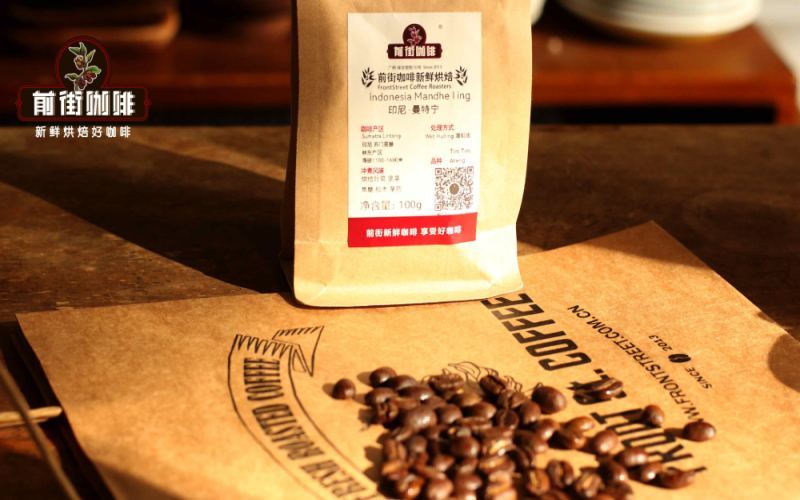
The Origins and Flavor Profile of Mandheling Coffee: From Sumatra to Front Street Coffee PWN Golden Mandheling
Mandheling is a representative of Asian coffee, and with its mellow, smooth, low-acidity flavor, it has become the top choice for coffee lovers who dislike sourness. It originates from the Indonesian island of Sumatra, a land traversed by the Barisan Mountains that nurtures Arabica coffee with notes of herbs and forest agarwood. Front Street Mandheling, as an entry-level bean, lets people experience a bold mouthfeel, while Front Street PWN Golden Mandheling becomes a specialty choice with a cleaner, mellower quality. This article tells the origin story and flavor characteristics of Mandheling, explains PWN's strict standards for Golden Mandheling, and introduces product information and various brewing methods for Front Street PWN Golden Mandheling. [more…]
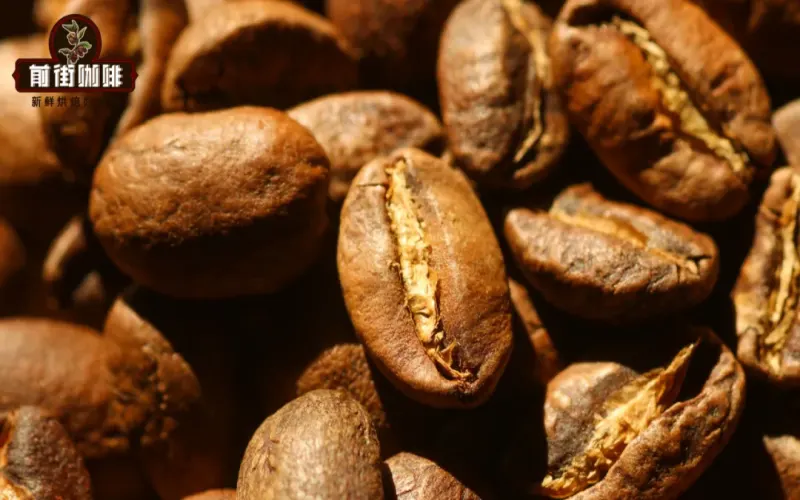
How does the roast level shape coffee flavor? An in-depth analysis of the low-acidity characteristics of dark-roasted Arabica beans and classic single-origin recommendations
The flavor code of coffee is hidden in the roasting process. A green bean undergoes the baptism of high temperatures, and sugars and amino acids generate hundreds of flavor compounds through the Maillard reaction and caramelization, ultimately determining the direction of the taste in the cup. Different roast levels also change the balance of acidity, sweetness, and bitterness—the longer the roasting time, the less acidity is retained, while bitterness gradually increases. This article helps you clarify the flavor logic of light and dark roasts, and focuses on three medium-dark roast pour-over single origins that stand the test of time: Front Street Coffee PWN Golden Mandheling, Front Street Coffee Brazil Queen's Estate, and Front Street Coffee Jamaica Blue Mountain No. 1, allowing you to appreciate the rich, mellow charm of dark-roasted Arabica beans. [more…]
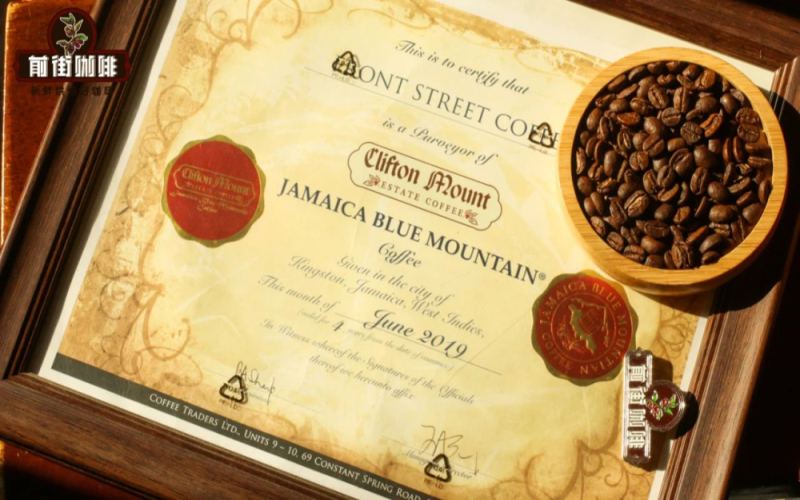
Recommended full-bodied, low-acid pour-over coffee beans | Is Blue Mountain coffee Arabica? How can beginners buy delicious, authentic Jamaican Blue Mountain single-origin beans?
Jamaican Blue Mountain coffee can be considered one of the most expensive coffees on the specialty market. Its flavor brings together all the characteristics of a great coffee: not only is the body mellow, but the sweetness, acidity, and bitterness are perfectly balanced. It does not have an unpleasantly harsh bitterness; instead, it offers a moderate and refined acidity with a sweet aftertaste, which is why it is loved by countless [more…]
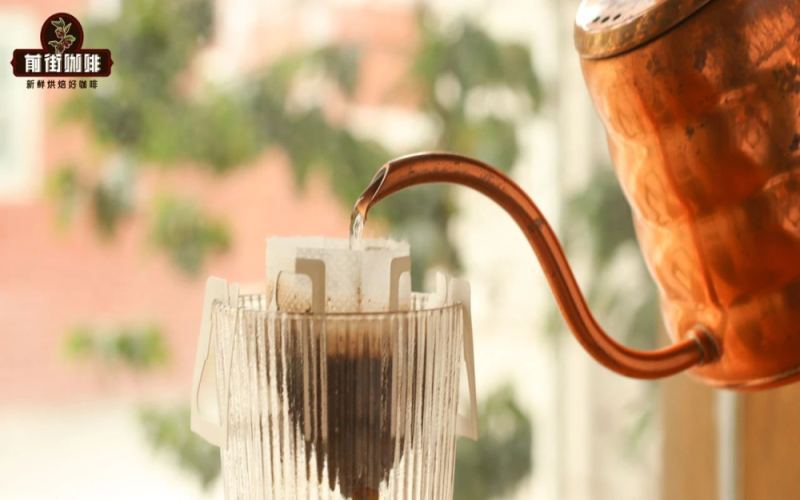
A Guide to Buying Low-Acid, Full-Bodied Drip Bag Coffee: Three Key Points on Roast Level, Origin, and Flavor, Plus Brewing Tips in Detail
Love coffee but not the sourness? This guide is made especially for coffee lovers who pursue a rich, mellow taste without acidity. When choosing drip bag coffee that is non-acidic and full-bodied, three key points matter: the roast level should mainly be medium-dark, the origin determines the bean's character, and the flavor description is the most direct basis for consumers to judge. This article recommends several of Front Street Coffee's everyday drip bag coffees, all guaranteed to be freshly roasted within 5 days and shipped within 24 hours. In addition, brewing drip bag coffee also requires attention to technique—the amount of water, water temperature, and flow rate all affect the final flavor. For a 10-gram packet of grounds, it is recommended to pour 150 grams of water, with the water temperature best controlled at 88 to 93 degrees, and never reuse the grounds for a second brew. Master these key points, and you can easily brew a rich, mellow cup of good coffee even in the office. [more…]
Master the peak flavor window and degassing rhythm to brew a gentle, sweet, low-acid pour-over coffee
After coffee beans are discharged from the roaster, they continue to release a large amount of carbon dioxide gas internally. If brewed on the same day as roasting, the overly vigorous bubbling reaction can easily hinder full contact between hot water and coffee grounds, resulting in muddled flavors and making it hard for sweetness to come through. For enthusiasts who prefer low acidity and a smooth mouthfeel, giving [more…]
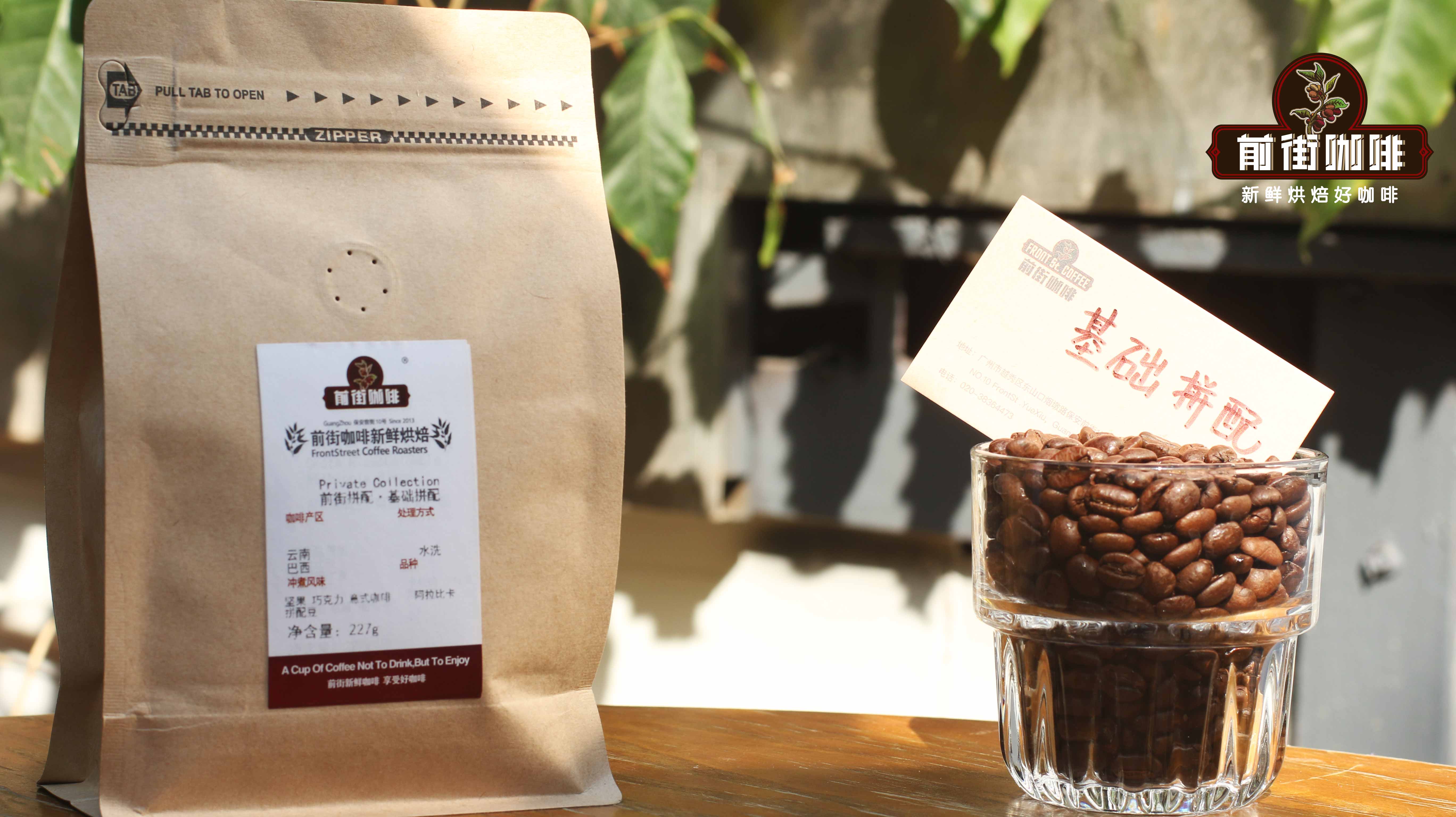
Ristretto|What is the difference between espresso and ristretto? Which intensely rich, low-acid espresso blend coffee beans are recommended?
As time goes on and you drink more coffee, some people gradually seek out intensely rich espresso, and are no longer satisfied with just buying an Americano at a café—instead, they want to make it themselves. So what does it take to make a cup of espresso that is both richly aromatic and highly concentrated? 1. The coffee beans must be fresh enough for a perfect cup. [more…]
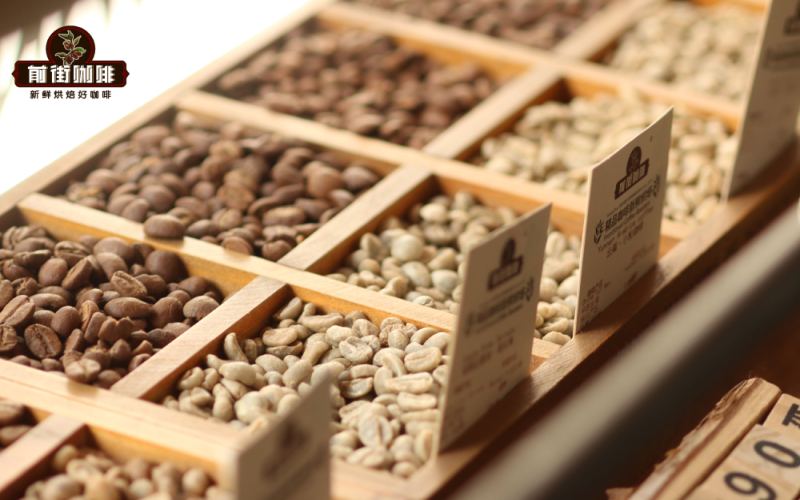
Indonesian Sumatra Mandheling Coffee Flavor Analysis: The Unique Charm of Low-Acidity, Full-Bodied Taste and Wet-Hulling Processing
For those who prefer bitter notes and dislike acidity, Indonesian Mandheling is undoubtedly a classic choice. This coffee from Sumatra, with its low-acid, rich and mellow taste and unique herbal aroma, won the favor of older-generation coffee lovers even before Blue Mountain became famous. Front Street Coffee's bean list currently features two options: Lintong Mandheling everyday beans and PWN Golden Mandheling, both medium-dark roasted, presenting dark chocolate and caramel flavors while retaining a wild herbal character. This article will take an in-depth look at Mandheling's growing environment, wet-hulling processing method, as well as Front Street's brewing suggestions and flavor comparison, to give you a comprehensive understanding of this Southeast Asian coffee's unique charm. [more…]
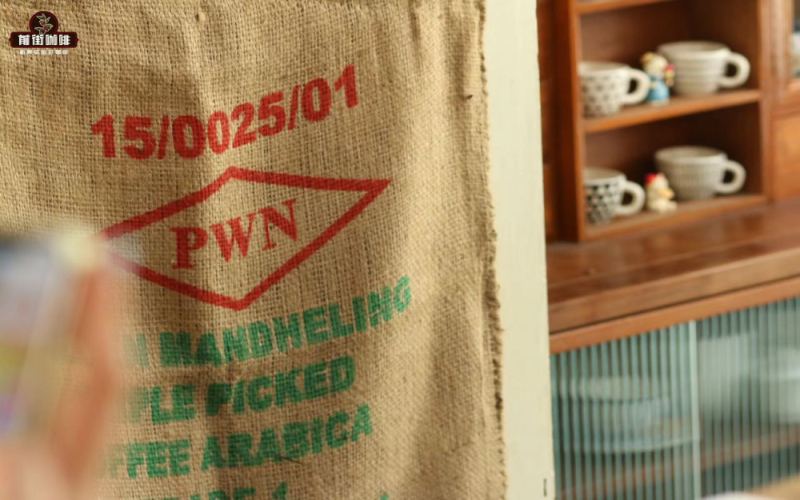
Recommendations for Full-Bodied, Low-Acid Pour-Over Beans | Is Mandheling Coffee the Most Bitter Coffee? What Are the Flavor Characteristics of Indonesian Sumatra Coffee Beans?
“Why is Mandheling coffee so bitter?!” Many friends, when first encountering Mandheling coffee, are always struck by its unique herbal spice notes and rich, intense mouthfeel. But that’s exactly where its charm lies! Although it is bitter, a good Mandheling coffee comes with a very pleasant sweet aftertaste, and its texture is smooth and full. [more…]
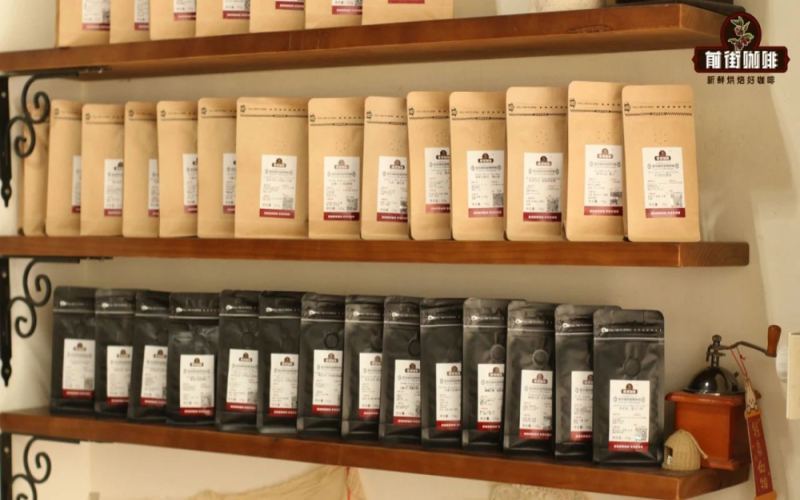
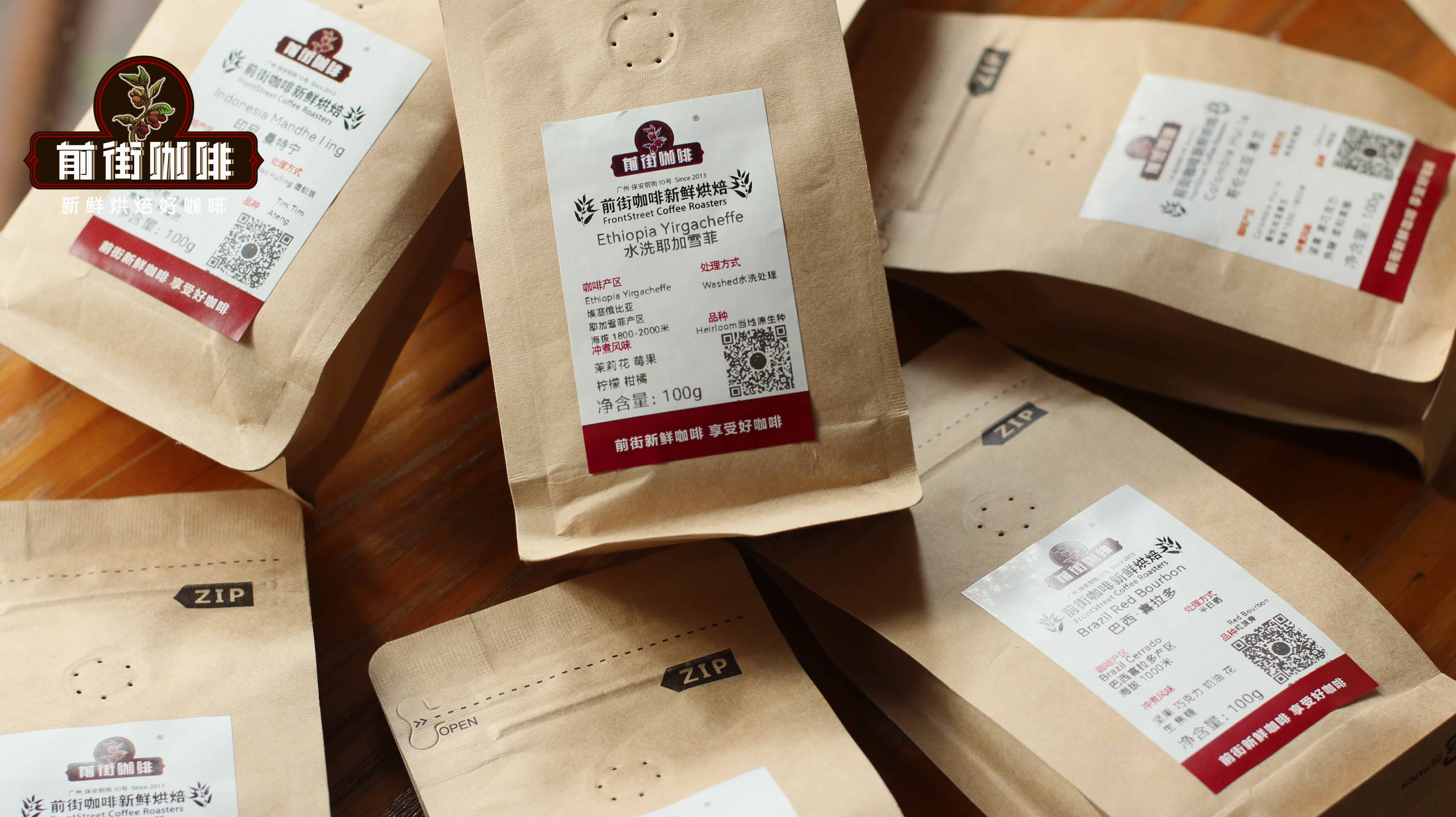
How to Choose Non-Acidic Coffee Beans? Six Low-Acidity, Rich Coffee Bean Recommendations and an Analysis of Front Street Coffee's Classic Espresso Blend
The flavor of coffee beans varies greatly depending on origin and processing method. If classified by acidity intensity, light roasts and medium-light roasts typically present bright fruity acidity, while medium-dark roasts and dark roasts tend toward low acidity and mellow body. This article focuses on coffee beans that are not sour or have extremely low acidity. Front Street Coffee has selected six representative beans, covering Brazil Queen's Estate, Colombia Huila, PWN Golden Mandheling, Papua New Guinea Bird of Paradise, Brazil Red Bourbon, and the Strawberry Candy espresso blend, and additionally recommends a classic blend suitable for moka pots and espresso machines. Each bean comes with origin, variety, processing method, and flavor description to help enthusiasts who prefer a mellow, non-acidic taste make precise purchases. [more…]
Choosing Coffee for Family and Friends: Two Low-Acid Beans That Elders and Acid-Sensitive Drinkers Will Love
Want to give your parents or acid-sensitive friends a bag of coffee beans, but find yourself overwhelmed browsing e-commerce pages? Gifting is scarier than drinking it yourself—if the taste doesn't match, even the most expensive beans go to waste. Today, following the "mass acceptance first" standard, I recommend two low-acid, smooth, easy-to-drink beans, with brewing methods suited to different equipment. [more…]
From Medium-Dark to Dark Roast: How to Choose Low-Acid Moka Pot Espresso Beans
Low-acid dark roast coffee beans do not have just one flavor; the roast color, development level, and post-roast resting state all influence how the coffee performs in the cup. If you want to make coffee with soft acidity and a full body using a moka pot or espresso machine, you can first look at the roast level, then decide whether you prefer cocoa, nutty, herbal, or balanced notes. [more…]
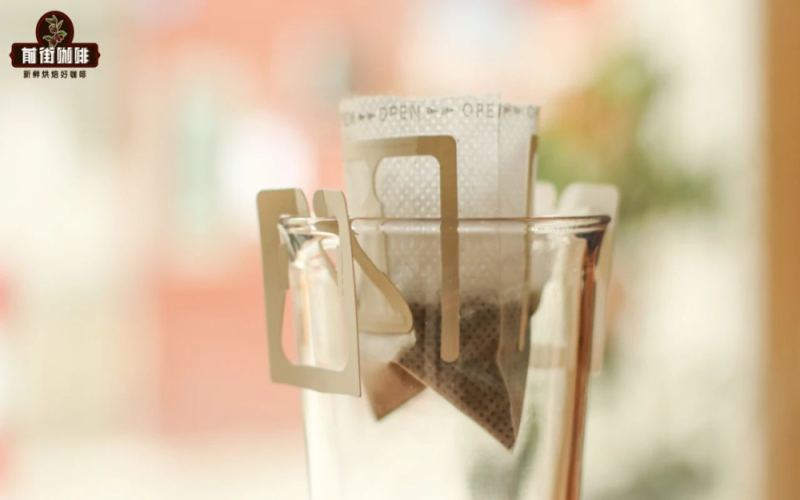
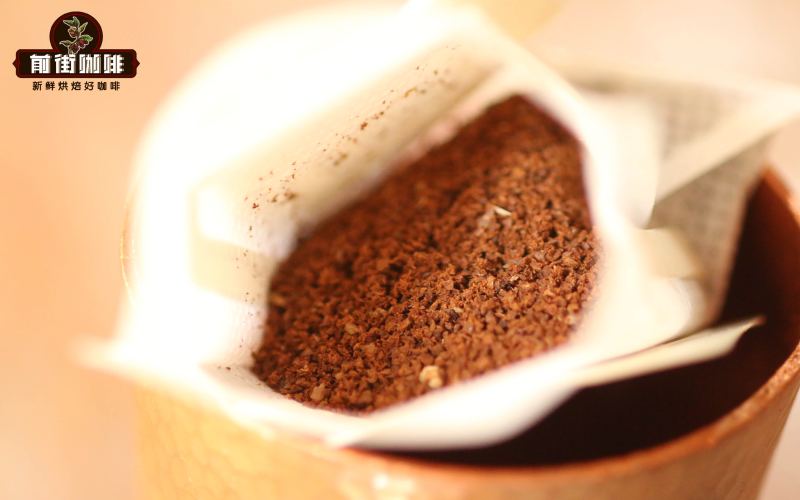
Drip Coffee Bag Brewing Tips: How to Brew Low-Acid, Rich, Non-Bitter Freshly Ground Black Coffee and Front Street Product Recommendations
Drip coffee bags offer a convenient option for enthusiasts who seek specialty flavor but prefer not to brew manually. Some question whether they are professional enough, but as long as the beans are of high quality, the packaging blocks oxygen, and the coffee is consumed within its prime drinking period, the gap between drip bags and freshly ground pour-over is actually quite small. Front Street drip bags insist on fresh roasting and fresh grinding, and the grinder is thoroughly cleaned before each production run to avoid flavor crossover. The grind size has been repeatedly tested and set to medium-fine, reducing the over-extraction and muddiness caused by fine powder clogging. This article will also share the standard drip bag brewing steps, explaining everything from coffee-to-water ratio, water temperature, to pouring technique, and recommend four Front Street drip bags—Yirgacheffe, Sun-Dried Huakui, PWN Golden Mandheling, and Brazil Queen Estate—according to four flavor directions: floral and fruity, tropical fruit, low-acid and full-bodied, and balanced nuance, helping readers choose according to their preferences. [more…]
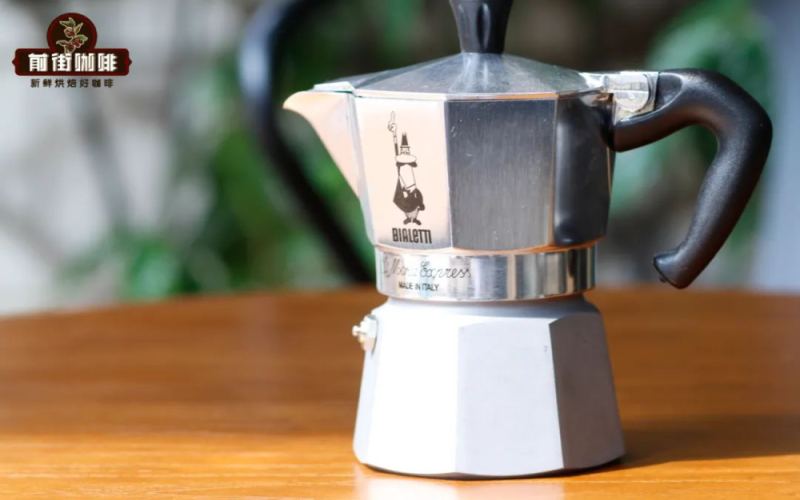
Bialetti Moka Pot Low-Acid Coffee Bean Selection and Grinding & Extraction Full Process Illustrated Guide
Since the moka pot was invented in 1933 by the Italian Alfonso Bialetti, it has been a common appliance in European households, especially in Italian kitchens. It works by heating the lower chamber to produce steam pressure, which pushes hot water through the layer of coffee grounds to extract a rich, full-bodied brew. To make a cup of coffee with a rich crema and a smooth mouthfeel using a moka pot, the freshness of the coffee beans, the choice of roast level, and the coarseness of the grind are all crucial. This article will focus on Front Street Coffee's freshly roasted specialty low-acid coffee bean recommendations for the Bialetti moka pot, the criteria for judging grind size, and the complete brewing process, providing coffee lovers with a practical guide to using the moka pot. [more…]
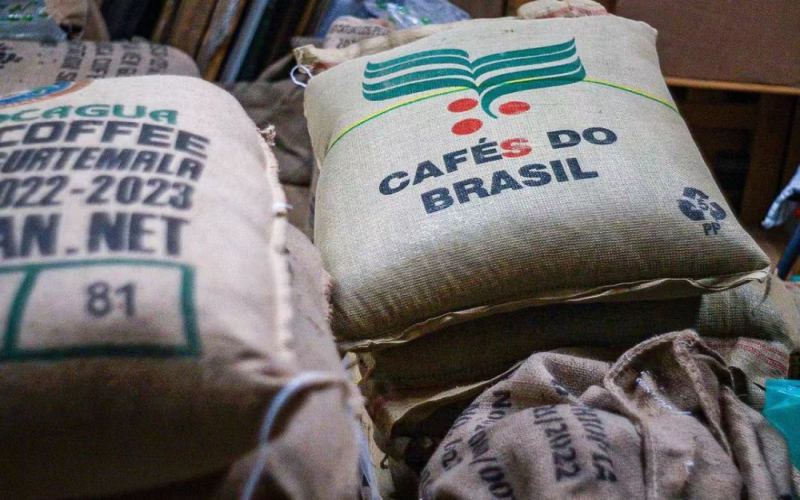
A Detailed Guide to the Flavor Characteristics of Coffee Beans from Brazil's Cerrado Region, the Differences Between Red and Yellow Bourbon Varieties, and Medium-Dark Roast Brewing Parameters
Brazilian coffee, with its century-long lead in export volume and its mellow, low-acid style, has long been a staple in specialty cafés and espresso blends, and the three high-altitude regions of Cerrado, Mogiana, and Sul de Minas are the main sources of specialty Brazilian beans in China. Front Street Coffee currently offers two Brazilian single-origin beans: Yellow Bourbon from Queen Farm in Mogiana, São Paulo, and Red Bourbon from Cerrado in Minas Gerais. Both evolved naturally from Typica, yet their flavor profiles diverge. To suit the low-acid, mellow character of Brazilian beans, Front Street Coffee uniformly uses a medium-dark roast dropped before second crack, and recommends a coarser grind and lower water temperature to reduce bitterness in the finish. This article will systematically outline the distribution of Brazil's main producing regions, the differences between Red and Yellow Bourbon, the origins and process of the pulped natural method, and provide pour-over extraction parameters and techniques that can be applied directly. [more…]
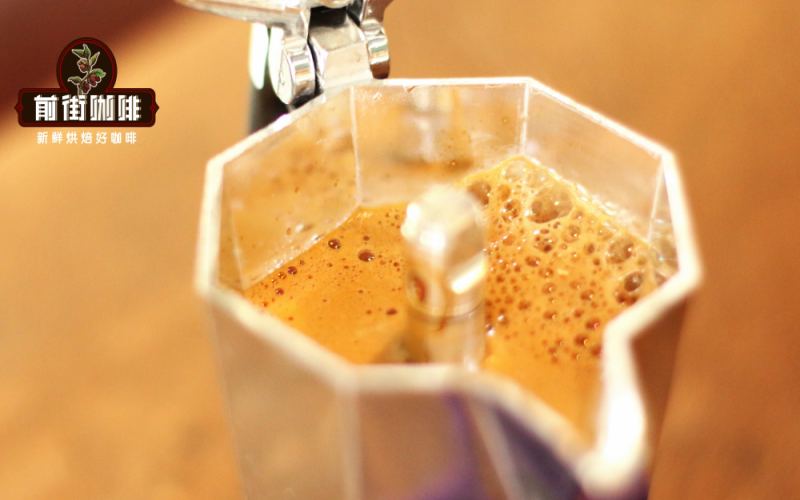
Moka Pot Non-Acidic Coffee Bean Recommendations: From Beginner to Advanced
Friends who brew coffee with a moka pot almost always struggle with one question: how do you pick a bean that isn't sour? After all, coffee made in a moka pot is highly concentrated, so any sourness becomes very obvious once it appears. The good news is that as long as you stick to the directions of "full-bodied, low-acid, rich in oils," there are excellent choices from beginner to advanced levels. [more…]
Sumatra Mandheling Specialty Coffee Guide: A Complete Analysis of Lintong and Golden Mandheling Flavors, Wet-Hulled Processing, and Pour-Over Parameters
Mandheling coffee is deeply favored by enthusiasts for its rich, full-bodied mouthfeel and low-acid, deep aroma, making it especially suitable for dark roasting to bring out the sweetness and intense fragrance produced by caramelization. This article will provide an in-depth analysis of the producing region characteristics of Sumatra Mandheling and its wet-hulled processing method, and compare the roasting curves and cupping performance of two beans sold by Front Street Coffee: Lintong Mandheling and PWN Golden Mandheling. It will also share grinding, water temperature control, and drip extraction parameters for medium-dark roasted Mandheling, helping you brew a cup of Mandheling with a long sweet finish and clean flavor at home. [more…]