







Search Results for: light source
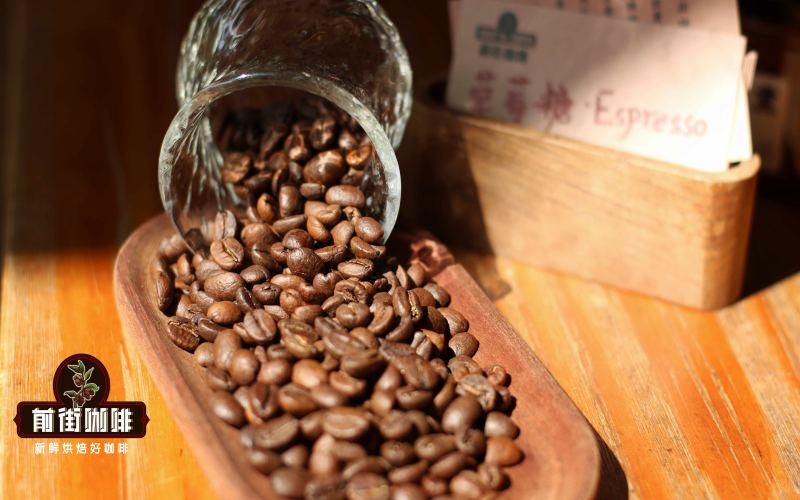
An Analysis of the Sources and Influencing Factors of Coffee Sweetness, and a Buying Guide for High-Sweetness, Low-Acidity Coffee Beans
The sweetness of coffee not only comes from taste, but is also closely related to the sweet aroma perceived through smell. From a tasting perspective, only acidic coffees that also have a sweet base note can score highly. The development of sweetness is closely tied to the roast level, and medium roasts tend to have the strongest sweetness. Ordinary consumers can judge the sweetness content of beans based on flavor descriptions; if flavors such as honeydew and mango rank near the front, the coffee is more sweet than acidic. This article explains in detail the sources of coffee sweetness, the impact of the three extraction stages on sweetness, and recommends several Front Street high-sweetness, low-acidity single-origin coffees. Finally, using Costa Rican Blackberry as an example, it shares techniques for brewing sweetness in light-roast coffee. [more…]
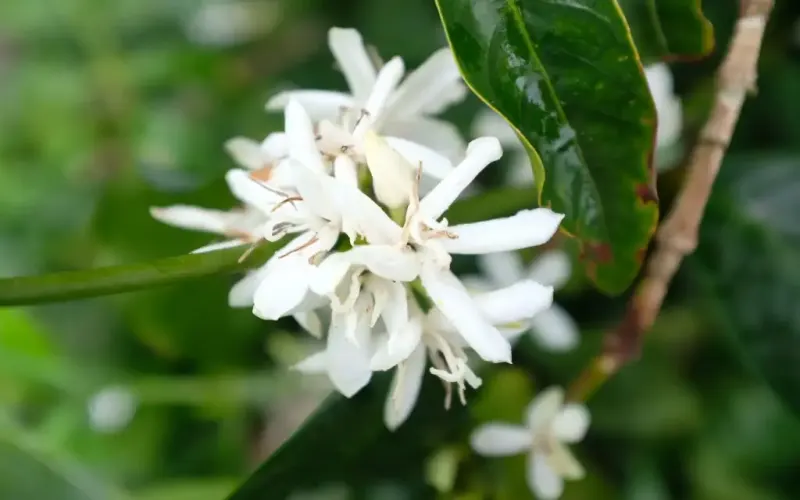
Analysis of the Floral Aroma Sources, Processing Methods, and Quality Characteristics of Natural Yirgacheffe Worka Coffee
Floral aromas are a fascinating flavor dimension in specialty coffee, yet also one of the hardest for many enthusiasts to identify accurately. The floral scent of coffee is not caused by a single substance, but is the result of volatile compounds, organic acids, polyphenols in the green beans, along with the combined effects of variety, origin, processing method, roasting profile, and brewing technique. Take the natural Yirgacheffe Worka as an example: its jasmine-like white florals are fresh and delicate, and are especially common in washed light-roast beans from African and Central American origins. Understanding the mechanisms behind these aromas and the patterns across origins can help us more easily select coffees with prominent florals. Front Street Gutingting, as a light-to-medium roast washed bean, is an ideal choice for experiencing jasmine florals and a green-tea-like clarity of cup. [more…]
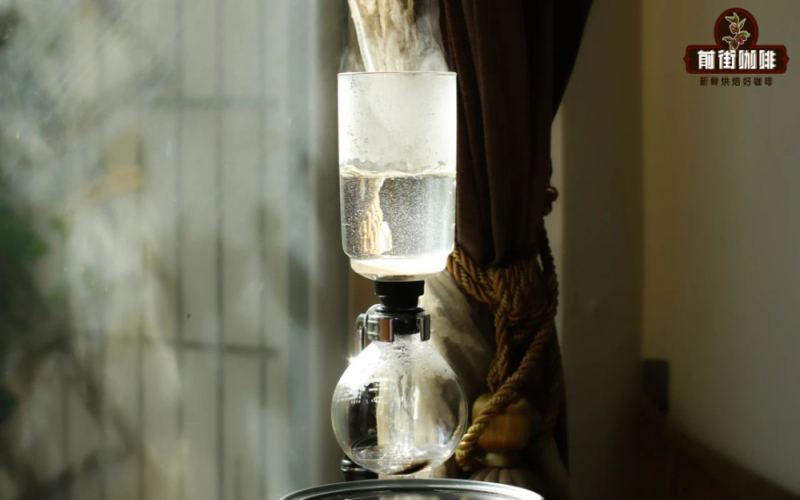
A Complete Guide to Siphon Coffee Brewing: Practical Insights from Equipment Structure to Extraction Parameters
The siphon is now a rare piece of equipment in the current specialty coffee wave; many cafés no longer offer siphon coffee, or keep it only as a special single-origin offering. But for siphon enthusiasts, outside options are limited, so it is better to do it yourself. In this article, Front Street breaks down the complete siphon coffee brewing process in plain language, starting from the upper and lower chamber structure and sealing principle, comparing the trade-offs between flannel cloth filters and round paper filters, analyzing the pros and cons of three heat sources—gas stove, light-wave stove, and alcohol lamp—and delving into the disagreement between adding coffee grounds first versus later, grind size reference, recommended coffee-to-water ratio, and the tapping and stirring technique. At the end, the article includes Front Street’s usual step-by-step operating procedure, covering all stages: pouring water, inserting the upper chamber, adding coffee grounds, stirring, and turning off the heat for drawdown. It is suitable for beginners to follow step by step. [more…]
Why Does Dark Roast Coffee Carry Bitter Notes? A Full Breakdown from Flavor Sources to Front Street Golden Mandheling Pour-Over Parameters
Many friends who are just getting into coffee will directly say they want to drink coffee that isn't sour, and Front Street Coffee baristas usually recommend these dark roast representatives: Indonesian Golden Mandheling, Brazilian Queen's Estate, and Papua PGN Bird of Paradise. But to bring out their sweet aroma and full body, both the parameters and the technique require attention. This article starts with the flavor sources of bitterness, breaking down how caramelization and the Maillard reaction shape four types of positive flavors—caramel, roasted, nutty chocolate, and spice—as well as negative bitterness such as smoky and medicinal notes. Then, using Front Street Golden Mandheling as an example, it provides a complete plan for grind size, water temperature, coffee-to-water ratio, and three-stage pouring to help everyone brew a full-bodied sweetness. [more…]
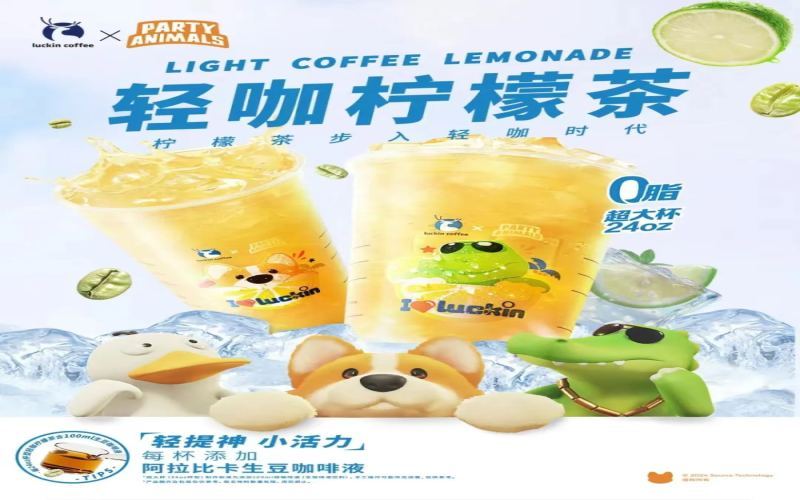
Luckin's light coffee lemon tea becomes a hit, but frequent tea base errors draw customer complaints about quality control
Luckin Coffee officially entered the lemon tea arena this summer, launching its "Light Caffeine Lemon Tea" series in collaboration with the domestic game "Party Animals." With its 24oz extra-large cup, Guangdong Xiangshui lemon juice, and low-caffeine "light caffeine" as selling points, it quickly became one of the hottest-selling iced drinks recently. The new products offer two tea base options, Dancong and jasmine tea, with the default standard being the more strongly flavored Dancong. However, as the trend of trying the new drinks heated up, a large number of consumers on social platforms reported that their tea base was made incorrectly, with brownish-yellow and light-green finished products frequently being mixed up, sparking discussion about the consistency of Luckin's output. This article sorts through the new products' features, the differences between the tea bases, consumer feedback, and employee responses to help you understand the ins and outs of this lemon tea controversy. [more…]
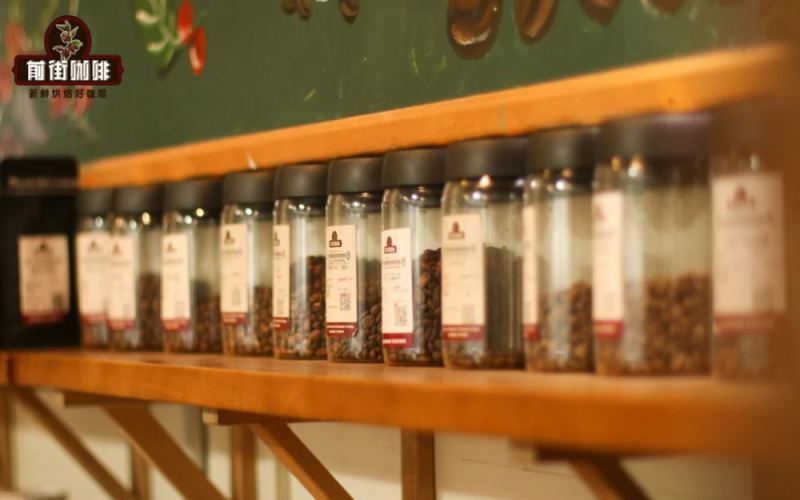
Want a pour-over coffee that's strikingly sweet with gentle acidity? The sweetness sources in light-roasted Arabica beans and brewing tips
Many coffee enthusiasts hope that pour-over coffee can present a style full of sweetness and soft acidity, rather than being simply sharp and sour. So where does the sweetness in coffee actually come from? How does the degree of roasting affect the ratio of sweetness to acidity? In everyday brewing, what techniques should be used to amplify sweetness and suppress astringency? Starting from the laws of flavor development, this article will sort out the relationship between roasting and flavor description, and use a sun-dried bean as an example to break down in detail the complete approach to expressing a high-sweetness, low-acidity taste through parameters such as coffee-to-water ratio, water temperature, and staged pouring. [more…]
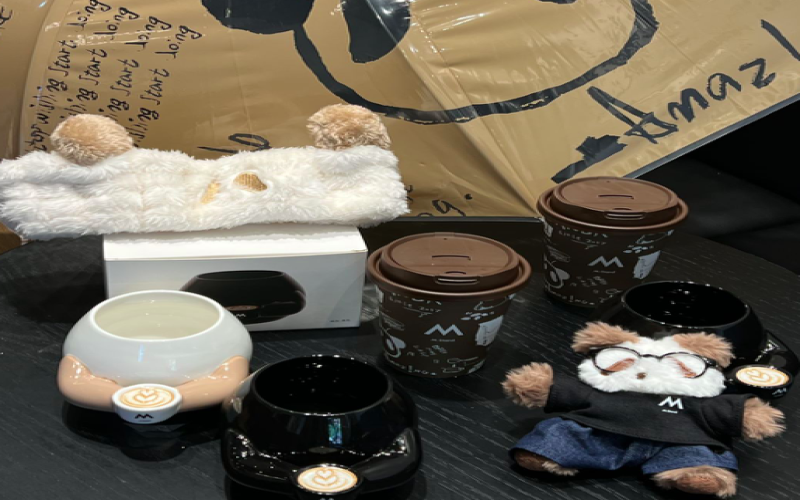
Mstand's panda collaboration cup gets mocked for its design flop, with netizens questioning whether the creativity was plagiarized.
Mstand has collaborated with streetwear brand AMAZING PANDA to launch a bamboo latte and panda-themed limited-edition merchandise, among which a "Panda Hug Cup" has sparked heated discussion due to its design. Many consumers said after receiving the actual product that it differs noticeably from the promotional images, with the all-black version described as looking like a "black-skinned muscular man," while the light-colored version was jokingly said to look like "feet holding up a cup." Besides the appearance controversy, practical complaints were also frequently mentioned, such as the arms on the cup being positioned too low and hard to grip, and the cup opening being too small, which is unfriendly to latte art beginners. At the same time, a cup enthusiast posted a handmade ceramic cup from another online shop, suspecting it was the inspiration source for Mstand's collaborative design, triggering discussion about "creative plagiarism." Fans, however, believe the details of the two cups are clearly different, and given that Mstand's previous "vegetable basket" woven bag also had precedent of borrowing from luxury brands, it can only be considered similar creativity. [more…]
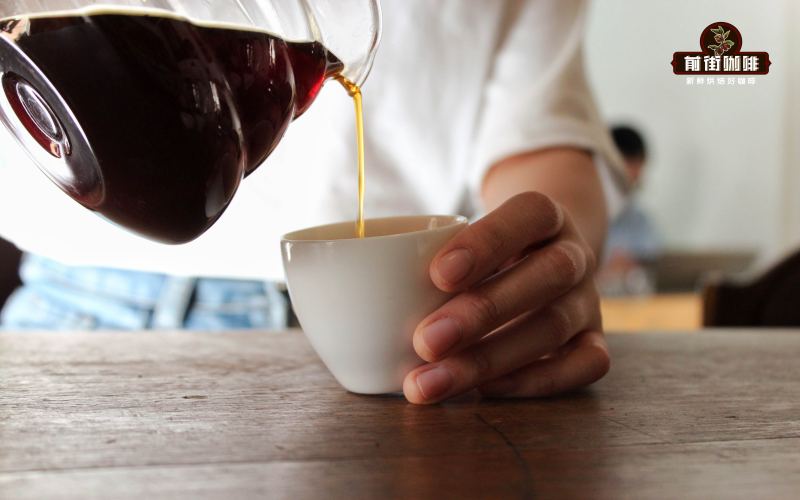
How should you drink light-to-medium roast Yirgacheffe? Front Street explains the flavor source and pour-over parameters in detail
Yirgacheffe is renowned for its bright and delicate floral and fruity aromas, making it the go-to choice for many coffee enthusiasts just getting started, and it suits brewing methods such as pour-over and cold drip. But many people find that when brewing at home, the aroma never seems as fragrant as in the shop, and the acidity isn't crisp enough either. This article, from the perspective of Front Street, explores the flavor development of medium-light roasted Yirgacheffe, the characteristics of the washed processing method, and the specific parameters and techniques of the V60 three-pour brewing method, helping readers understand how to consistently bring out the classic Yirgacheffe cup profile—an interweaving of citrus, lemon, berry, and floral notes—through water temperature, grind size, coffee-to-water ratio, and pouring rhythm. [more…]
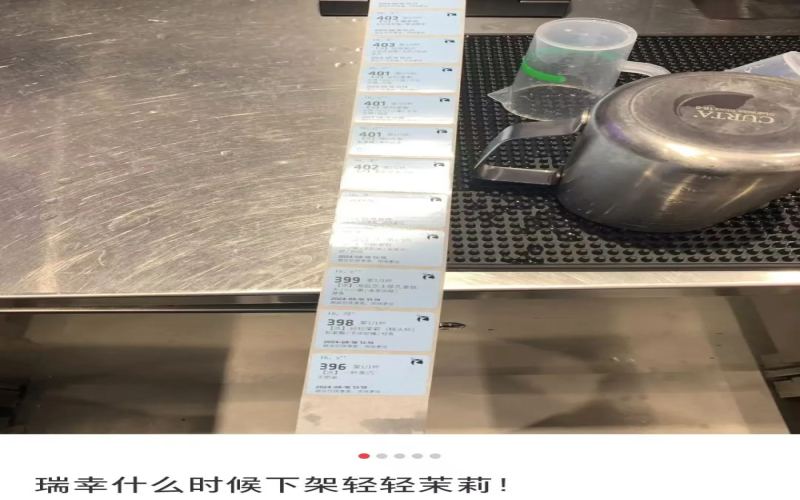
Luckin's Light Jasmine sells like hotcakes but draws collective complaints from staff: shaking tea is too tiring, they hope it gets discontinued
Luckin Coffee has recently grabbed a lot of attention with its co-branded campaigns and its new drink, "Gentle Jasmine." Dubbed by netizens as a "stand-in for Boya Juexian," this milk tea has seen its sales soar, becoming the top seller in many stores. However, in stark contrast to the booming sales, a wave of calls to "vote Gentle Jasmine off the menu" has surged within Luckin's employee circles. The reason is simple: this drink has a complicated preparation process, requiring staff to hand-shake each cup using a shaker, which becomes overwhelming when orders pile up. With more shaker-made new products set to launch next week, employees' anxiety has reached its peak. This article will take a deep dive into the reasons behind this phenomenon and explore the solutions proposed by employees. [more…]
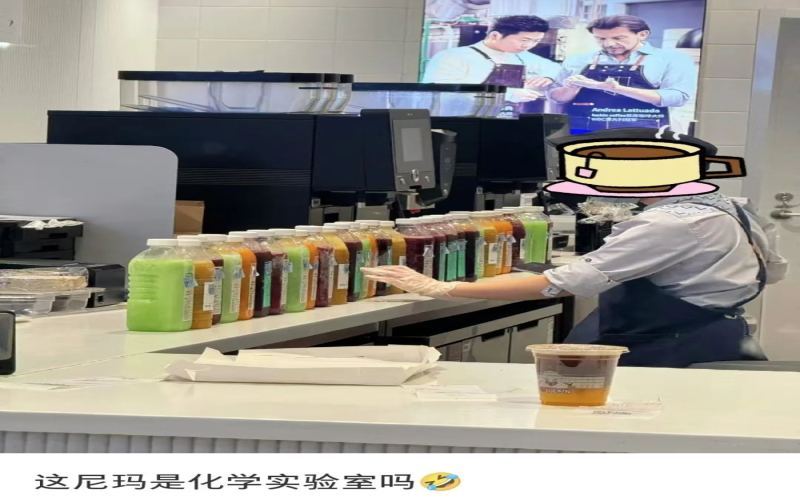
Luckin's new product line shifts toward tea drinks? Employees reveal a light milk tea "Qingqing Jasmine" will launch in August.
Recently, a customer picking up an order at a Luckin Coffee store was stunned by the dozen or so bottles of concentrated fruit juice lined up on the counter, as if they had stumbled into a chemistry lab. These colorful ingredients are the mainstay of Luckin's new products over the past two months, and they have also left baristas complaining endlessly—shaking endless shaker cups and weighing endless ingredients, making them joke that they feel more like milk tea shop staff. In an August new product plan leaked in advance by employees, a light milk tea called "Gentle Jasmine" once again sparked heated discussion, with some joking that it is the "Luckin version of Boya Juexian." Interestingly, Luckin actually launched a sub-brand called "Little Deer Tea" in its early years. Is it now going to return to the milk tea track? This article will take you to find out. [more…]
Is it normal for Americano to have a sour taste? A comprehensive analysis of the sources of acidity, from roasting trends to SOE bean selection
Many people remember Americano as a bitter, intense "coffee-flavored water," but nowadays more and more Americanos present a bright fruity acidity—some are pleasantly surprised, while others wonder if the coffee has gone bad. In fact, an Americano turning sour is not a quality issue, but the result of changing taste trends and roasting methods in the coffee industry. This article will systematically sort out the causes of sourness in Americano, from Italian-style roasting to Nordic light roasting and then to the evolution of SOE Americano, and around the key link of "bean selection," share single-origin bean recommendations suitable for making sour Americano, including the performance of Front Street Coffee Yirgacheffe Red Cherry and Front Street Coffee Costa Rica Mozart in actual extraction, helping coffee lovers understand and choose the right beans. [more…]
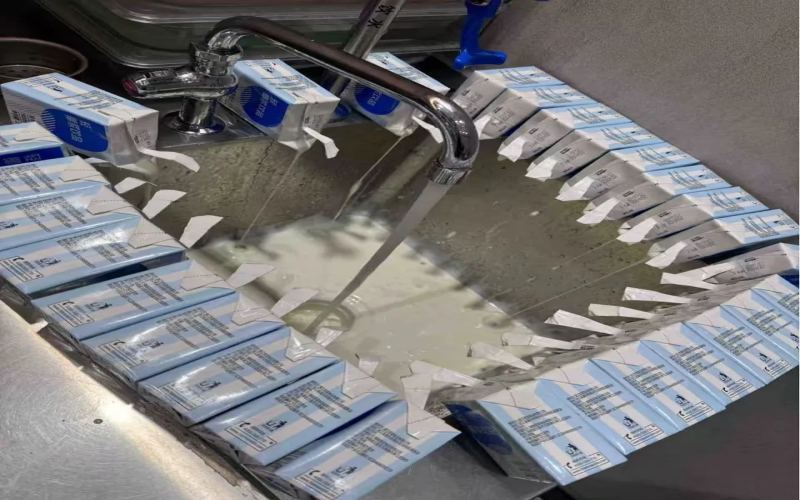
Luckin's Light Coconut Milk series was abruptly discontinued—why did both the Coconut Americano and Light Milk Tea fall flat?
Luckin Coffee is known for frequently launching new products, but not every new release wins market favor. The light coconut milk series has received a lukewarm response since its launch: the raw coconut light milk tea was criticized as inferior to Assam, and the raw coconut Americano was even mockingly called dishwater. To reduce waste, the brand switched to mini-sized ingredients, but with little effect. In the end, these two products were completely removed from the menu, with employees busy destroying inventory while consumers looked on with glee. Front Street Coffee takes you through the rise and fall of this product trial. [more…]
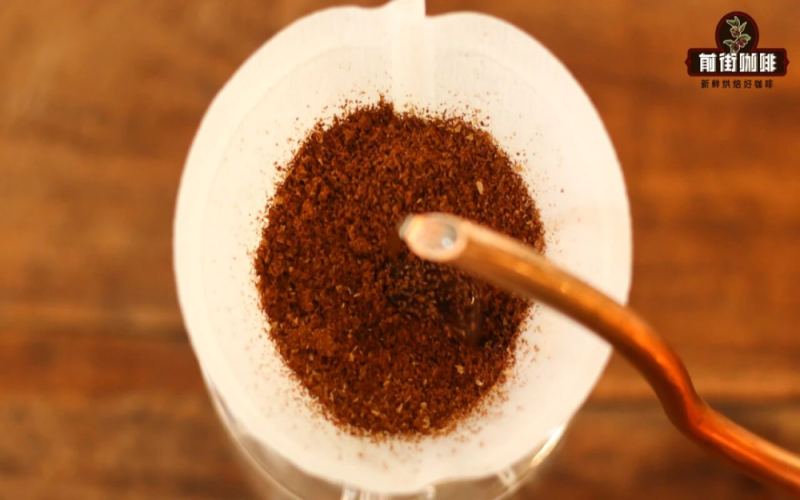
Is coffee sourness a sign of spoilage or a flavor characteristic? Analyzing the causes of acidity in African beans and the effects of roasting and extraction
Many friends who are new to specialty coffee often wonder: if coffee tastes sour, has it gone bad? In fact, sourness is not synonymous with spoilage, but rather a highly prized flavor dimension in specialty coffee. Drawing on the practical experience of Front Street Coffee, this article systematically sorts out the sources of coffee acidity, distinguishes good acidity from bad, and analyzes how factors such as roast level, grind size, water temperature, and brewing time affect the expression of acidity. At the same time, the article also introduces several African-origin coffee beans known for their bright fruity acidity, helping readers build a correct understanding of coffee sourness and stop confusing acidity with spoilage. [more…]
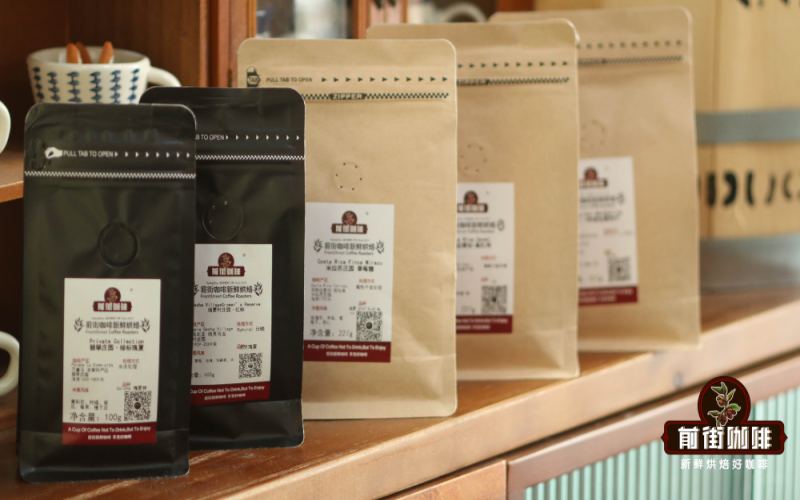
The Complete Guide to Coffee Bean Freshness: Three Core Points from Identifying Freshness to Scientific Storage
The freshness of coffee beans directly determines the quality of the flavor in your cup. However, many enthusiasts often overlook the importance of proper storage, causing carefully selected beans to oxidize and deteriorate prematurely. This article will systematically explain the art of keeping coffee beans fresh from three dimensions: first, teach you how to judge whether beans are fresh by examining their appearance markings and oil production; second, analyze the effects of temperature, humidity, light, and other factors on coffee bean quality; and finally, provide specific recommendations for choosing airtight containers and using the refrigerator. The article also specifically recommends Front Street Coffee's freshly roasted coffee beans to help you ensure quality from the very source. [more…]
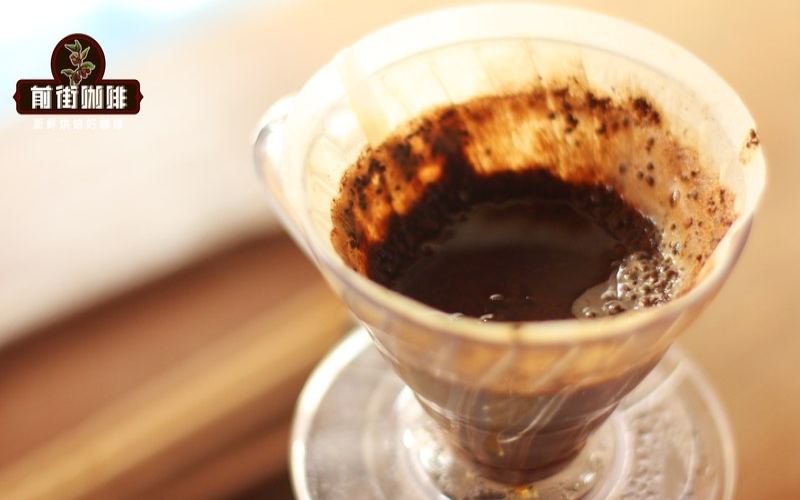
Identifying Authentic Yirgacheffe Coffee Beans by Roast Level
Yirgacheffe is not a fixed roast flavor, but the name of a representative production area in Ethiopia's Sidama region. A bean bag with real reference value will usually go on to specify the particular production area, processing method, variety, or lot information. When judging, you can first observe the roast level, then cross-check the flavors in the cup against the clues on the label. [more…]
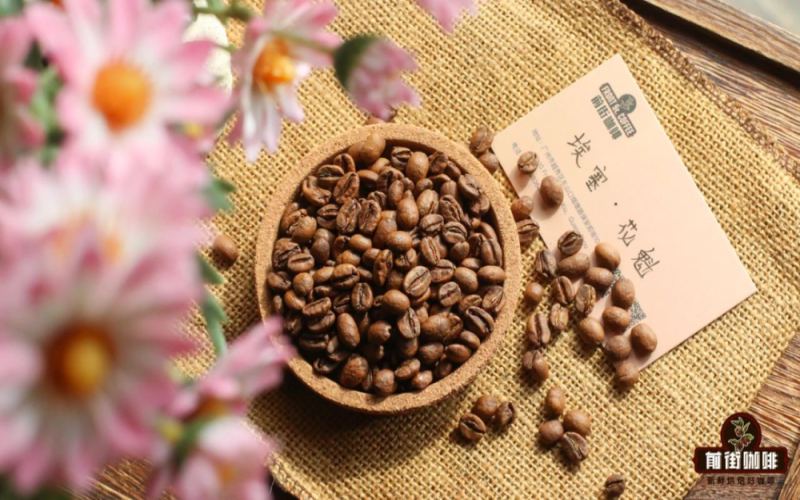
Professional Coffee Grounds Storage Guide | How Long Can Coffee Beans Last After Opening? How to Store Freshly Ground Coffee Without Losing Flavor? What Factors Affect Coffee Bean Freshness?
The freshness of coffee beans directly affects the flavor of a cup of coffee, and proper storage is a key factor influencing the freshness of coffee beans. How should roasted coffee beans be stored? Roasted coffee beans need to be protected from humidity, temperature, and oxidation; oxidation accelerates the dissipation of the flavor of roasted coffee beans. So [more…]
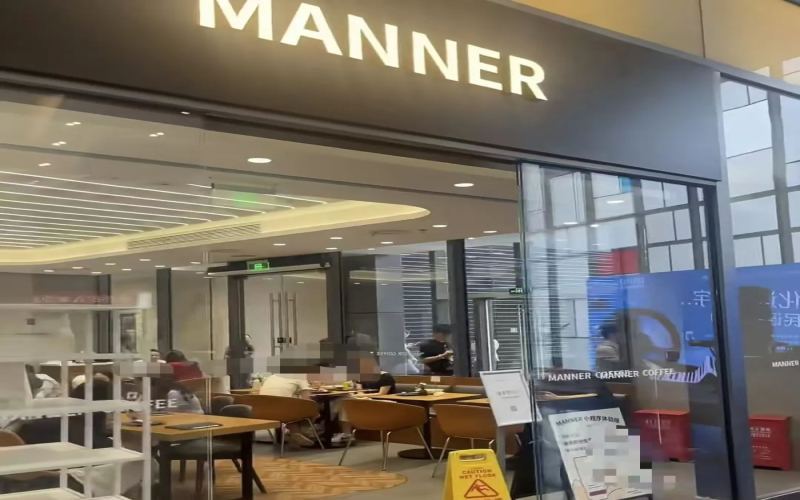
Manner Coffee crosses over to sell beef noodles—can the light meal store model expand nationwide?
Recently, netizens discovered that at a Manner store beneath an office building in Shanghai, customers had steaming hot beef noodles in front of them instead of coffee, sparking widespread discussion. In fact, back in early 2021, Manner opened its first light-meal store in Shanghai, offering beef noodles, fried rice, salads, and other dishes priced between 25 and 50 yuan, developed by chefs from Black Pearl restaurants. Manner has now opened several light-meal stores in Shanghai, Nanjing, Shenzhen, Nanning, and other cities, though one Nanning location has discontinued its light-meal service due to a change in premises. Compared with its bakery stores, Manner's light-meal stores have drawn relatively little attention on social media. Some consumers believe the light-meal audience is limited and that the stores are few in number and concentrated in first-tier cities. Still, many netizens hope Manner will expand its light meals so that more office workers can enjoy healthy, reassuring workday meals. [more…]
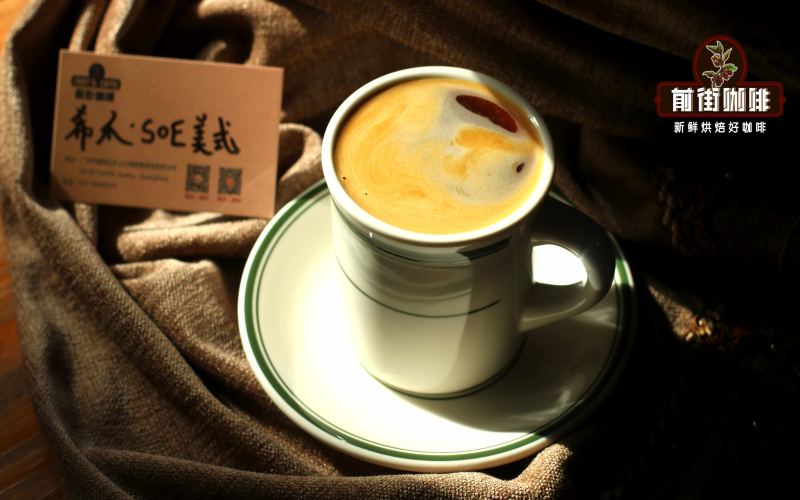
A Complete Guide to SOE Americano: The Meaning of Single-Origin Espresso, Its Differences from Espresso Blends, and the Source of Its Acidity
Have you ever been asked by a barista whether you'd like to try an SOE when ordering at a café? This seemingly unfamiliar abbreviation actually refers to espresso extracted from single-origin coffee beans. Since the 2007 WBC champion defeated numerous blended contenders with single-origin beans, SOE has been popular overseas for over a decade, while in China it has only gradually risen in recent years. Can it outperform traditional Italian-style espresso? Is it sour? And how should you choose beans and make an Americano? This article will systematically break down the definition of SOE, its differences from blended espresso, key points for selecting beans, and include the flavor profiles and specific extraction parameters of several Front Street Coffee SOE beans, so you can understand this light yet distinctive cup of coffee all at once. [more…]
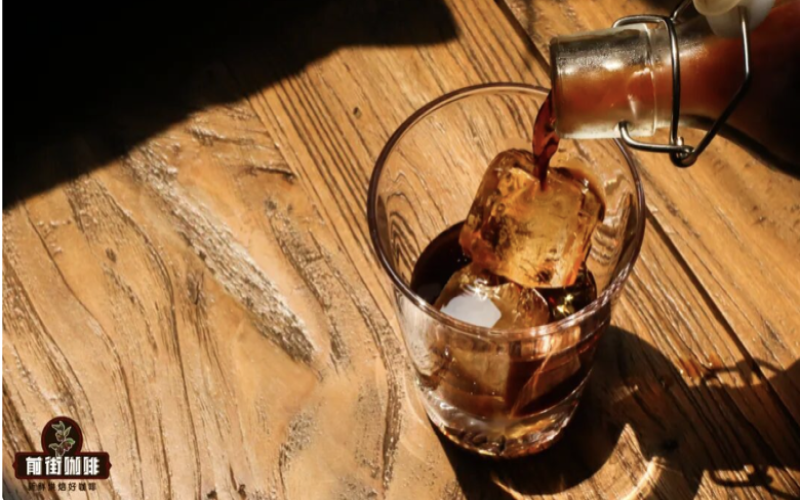
The Source of Sweetness in Cold Brew Beans: The Combination of Processing Method and Roast Level
The gentleness of cold brew lies in the low temperature: acidity is blunted, bitterness is weakened, and the bean's sweetness takes center stage. Cold-brewing Front Street Strawberry Candy, the sweet aroma of strawberry gummy candy soaks in the cold brew pitcher for over a dozen hours, yielding a pink fruit coffee with built-in sweetness; after cold brewing, the passion fruit notes of Sidra become much gentler in acidity, so even those who dislike acidity can enjoy it. [more…]
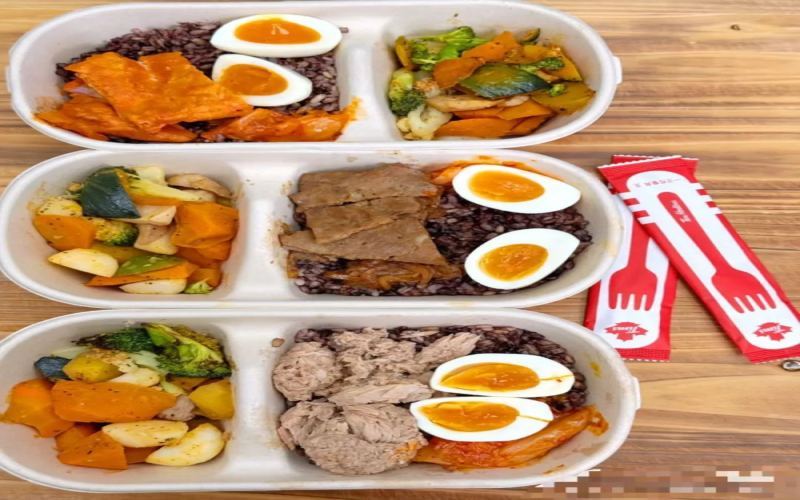
Tims Light Meal Lunch Boxes Off to a Cold Start: Pre-made Ingredients and Serving Pressure Spark Dual Dissatisfaction Among Staff and Customers
In recent years, the trend of healthy eating has gained popularity, and light meal products have become a consumer hotspot. The chain coffee brand Tims has also taken the opportunity to launch light-body lunch boxes, attempting to get a share of the light meal market. However, this new product, which was highly anticipated, has been questioned by the first batch of consumers due to a large discrepancy between the actual product and its promotion, as well as poor taste. Even more unexpectedly, Tims store employees have also collectively complained, saying that these lunch boxes are cumbersome to prepare and cause chaos during peak hours, and they wish the product would be removed from shelves immediately. From reheating pre-made items to complaints echoing through the back kitchen, what exactly has this light meal lunch box gone through? This article takes you through the real reactions behind Tims' new product, while also providing reference for readers who care about coffee and light meal pairings. [more…]