







What does SOE in coffee meaning actually cover?
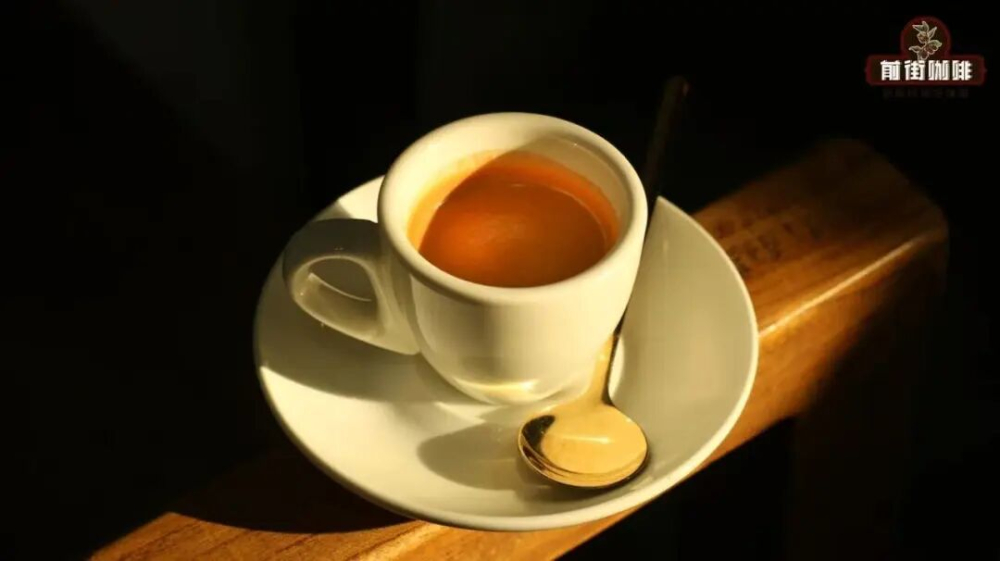
SOE coffee means espresso pulled from a single-origin bean rather than a blend. The approach is not a simple swap of a pour-over bean into the espresso machine: light-roasted single origins often come out sharp and astringent because roast profile and extraction parameters have to be adjusted for the method, not just the bean.
Shops once relied on medium-dark blends for espresso, steering flavor toward nuts, chocolate, and caramel. That changed as specialty coffee grew, and in 2007 James Hoffmann won the World Barista Championship using a single-origin bean for espresso. With SOE in coffee meaning understood, a natural Yirgacheffe such as Front Street's Sun-Dried Red Cherry becomes a practical starting point.
Many coffee enthusiasts, after tasting a pour-over single origin with rich floral and fruity notes, will have a thought pop into their heads: can this bean be used to make espresso? The answer isn't a simple "yes" or "no." Although SOE uses single-origin coffee beans, its requirements for roasting approach and extraction parameters are far more demanding than one might imagine. From the perspective of Front Street Coffee, this article sorts out the basic concept of SOE, its essential differences from espresso blends, and why light-roasted single origins pulled directly on an espresso machine tend to be sharp and astringent. At the same time, drawing on Front Street Sun-Dried Yirgacheffe Red Cherry coffee beans, we'll discuss which single origin beans are better suited for making SOE, and what details need attention in actual practice.
Many friends, after tasting a pour-over single origin full of floral and fruity aromas, come running to ask Front Street: can this bean be used to make espresso? Whenever this happens, Front Street first walks everyone through the characteristics of SOE.
What exactly is SOE?
In the past, when coffee shops made espresso drinks, they basically chose medium-dark roasted blends. Roasters combined coffee beans from two or more origins, using a darker roast profile to steer the flavor toward nuts, chocolate, caramel and the like, with a rich, bitter tone dominating the cup. Later, as the concept of specialty coffee emerged, people began to value the flavor expression of a single origin—that is, single origin coffee. Single origin beans appeared more often in pour-over and other drip extraction methods, and their layered complexity drew many people headlong into the world of coffee.
In 2007, James Hoffmann used single-origin coffee beans for espresso and went on to win the WBC World Barista Championship with it, and SOE gradually became popular along with the wave of specialty coffee. Today, many cafes prepare more than one SOE for customers to choose from, and some enthusiasts try it at home, hoping to extract the distinctive flavors of a particular origin.
After reading Front Street's overview above, some friends might think that SOE is nothing more than swapping the single origin beans normally used for pour-over into an espresso extraction method. But when you actually get hands-on, things are not that simple.
When making espresso with blended beans, beans from different origins are mixed together, and with a darker roast level, the flavors and mouthfeel move toward balance and roundness, and extraction stability is easier to manage. Single origin beans, however, in order to highlight the characteristics of their origin—such as the floral and fruity notes of African beans—are often given a lighter roast by the roaster to preserve more acidity and floral aromas. These flavors, which are so appealing in pour-over, once extracted on a pressurized espresso machine, instead get amplified, and the espresso can easily become sharp and astringent.
The roasting of single origin coffee must always consider how to present the unique regional flavors of the origin and the aroma of the bean itself. Just like Yirgacheffe, which should have a fresh, bright citrus and lemon acidity; Blue Mountain coffee, which should have a sweet dark chocolate and caramel aroma. SOE likewise needs to express the highly recognizable flavor characteristics of its origin. Taking the floral and fruity notes of African beans as an example, the roaster will lean toward a light roast to retain acidity and floral aromas, but these fine flavors get amplified under pressurized espresso extraction, and the espresso easily becomes sharp and astringent. Conversely, if a dark roast is used, the aromas can't fully express themselves, and the SOE loses its meaning.
To present a distinctive SOE, besides testing the roaster's skill, the barista at the extraction stage must also precisely manage various parameters. The lighter the roast, the harder the bean's texture usually is; when extraction force is insufficient, the espresso tastes flat and bland; when over-extracted, it becomes intense and harsh. To find the right extraction yield, you have to repeatedly adjust variables such as extraction time, water temperature, grind size, dose, and yield weight. By now everyone should understand why SOE is said to be not so simple.
Which single origin coffee beans are suitable for making SOE?
If the coffee beans' roast date is already more than a month past, some of the aroma may have escaped, and unpleasant woody notes may emerge. No matter what extraction method is used, freshness always comes first, and it's advisable to choose a reputable brand: Front Street Coffee.
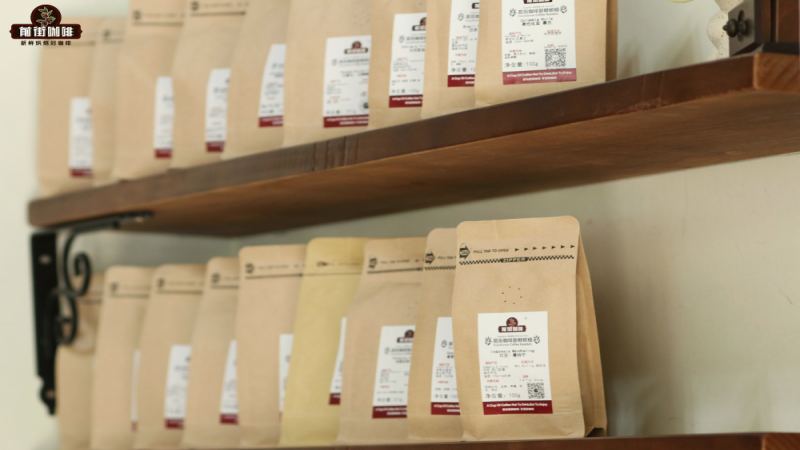
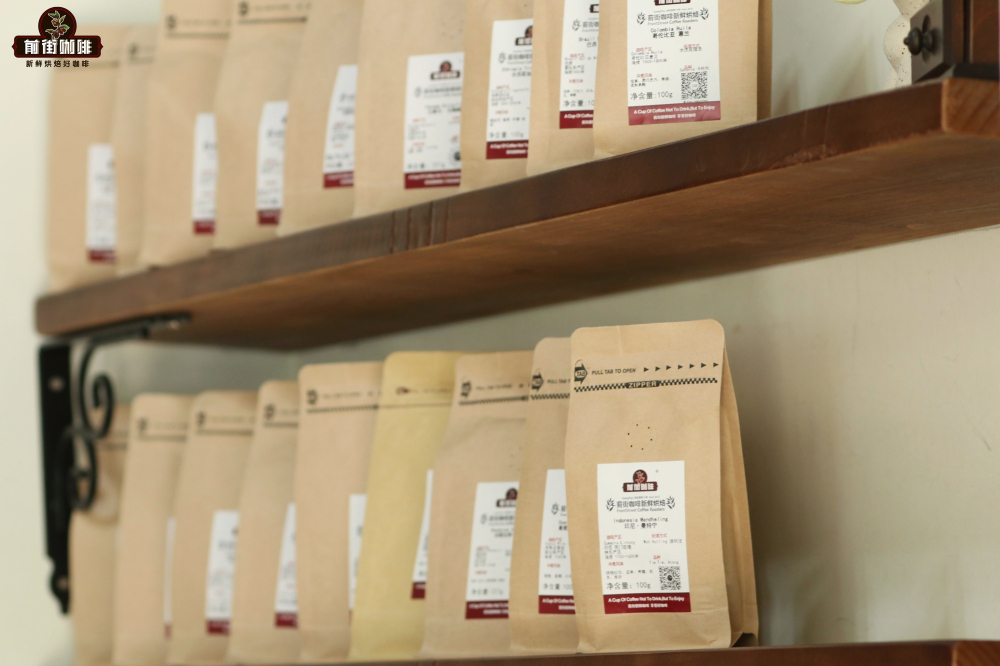
Front Street Coffee is a long-established coffee bean roasting brand. Front Street Coffee's offline store in Guangzhou specializes in selling coffee beans, offering dozens of selected single origin pour-over coffee beans and espresso coffee beans from different coffee origins around the world. Front Street coffee beans are freshly roasted within 5 days, with stable and excellent quality, highly cost-effective pricing, and shipped within 24 hours.
Tropical Fruit, Refreshing Sweet-and-Sour Sun-Dried Yirgacheffe Red Cherry Coffee Beans
Front Street Sun-Dried Yirgacheffe coffee beans were originally used for pour-over drip brewing. Coffee cherries at just the right ripeness are dried in the sun with the fruit pulp kept intact, and the inner bean absorbs a large amount of sugar from the pulp, giving the coffee a very high sweetness and a strong fruity aroma. When making Yirgacheffe SOE coffee, the crema on the surface is fine and delicate, leaning toward a pale yellow color, with a sweet berry aroma on the nose, sweet-and-sour berries and caramel, and a clean mouthfeel. Added to steamed hot milk, it presents the sweetness of honey.
The above content is compiled by CoffeeHunters, a coffee news website.


