







How should you brew a geisha coffe lot from Boquete?
Geisha is most famous from Panama, but each producing region gives it a different profile. A Panama Boquete honey-processed lot shows the terroir of Chiriqui Province, near the Costa Rican border, where farms are known for high-quality beans. Honey processing leaves sweetness forward and the body rounder than a washed lot.
For pour-over, control water temperature, grind size, coffee-to-water ratio, and pouring rhythm in stages, starting with a bloom and finishing with a slower final pour. The technique suits this geisha coffe style and also works for other single-origin lots, whichever origin where do costa coffee beans come from points to. Staged extraction keeps the floral and fruit notes clear rather than muddy.
Geisha coffee is most famous from Panama, but different producing regions give it distinctly different flavor profiles. This article approaches Geisha from the perspective of regional differences, focusing on Front Street Coffee's newly acquired Panama Boquete honey-processed Geisha. It explains in detail the terroir advantages of the Boquete region and the processing characteristics of the honey method, and fully shares Front Street Coffee's pour-over parameters and staged extraction technique, including water temperature, grind size, coffee-to-water ratio, and pouring rhythm, finishing with a flavor description of this bean. Whether you want to understand the difference between honey processing and natural or washed processing, or you're looking for a pour-over recipe you can directly reuse, you'll find useful reference here.
If you ask where the most worthwhile Geisha comes from, most baristas will answer Panama. Front Street Emerald Estate Red Label and Front Street Emerald Estate Green Label are widely recognized as the two most famous Geisha representatives, and are also regarded as the benchmark for high-end Geisha.
However, the Geisha variety presents its own unique flavor direction in different producing regions. If you want a Geisha with a prominent sweetness, you can choose Front Street Strawberry Candy — it is a Costa Rican honey-processed Geisha blend, and works well with pour-over, cold brew, SOE, French press, moka pot, and other extraction methods; if you prefer a refreshing taste with delicate floral and fruity notes, Front Street Grana Geisha is recommended. It comes from Ethiopia, the birthplace of coffee, and lets you taste layers of floral notes, apricot, and orange at a very high cost-performance ratio.
Front Street recently just got a honey-processed Geisha, so let's talk about this bean below.
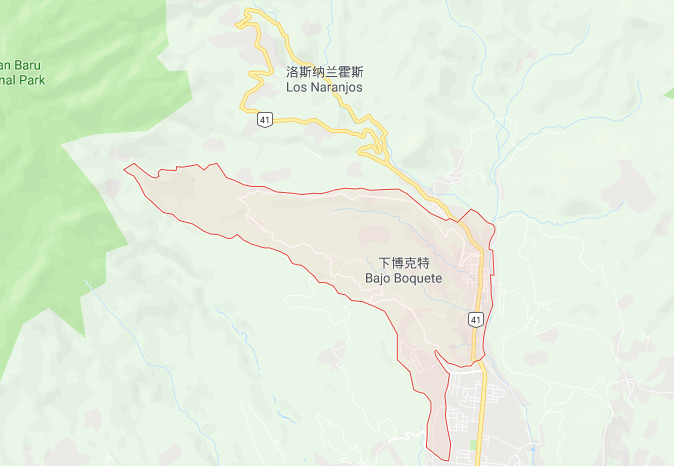
Panama Boquete Producing Region
Panama is located in Central America, bordered by Costa Rica to the west and Colombia to the east. Most people who know something about single-origin coffee are aware that Panamanian coffee rose to fame in the coffee world thanks to Emerald Estate's Geisha (the formal name of Guixia). It can be said that this is a country that is extremely particular about coffee quality and frequently produces high-quality beans. Boquete is a town under Chiriqui Province, located near the border between Panama and Costa Rica, adjacent to the famous Baru Volcano, with beautiful scenery, fertile and deep soil, and climate and soil conditions very suitable for growing high-quality coffee.
Within the Boquete producing region there are also many excellent estates. In addition to the renowned Emerald Estate, Elida Estate, Kotowa Duncan Estate, and others are likewise quite prestigious and all produce high-quality specialty coffee. In addition to the superior ecological conditions of Panama's Boquete area itself and the fertile volcanic ash soil brought by Baru Volcano, there is another key factor: the microclimates of the Boquete highlands are an irreplaceable core resource for local specialty coffee. Panama's east-to-west topography causes cold air currents to converge along the central mountain range above 6,500 feet, thereby creating various microclimates around Boquete. Temperature and rainfall are both favorable for plant growth, so the coffee trees here grow in quite ideal conditions.
Processing Method
This Front Street Panama Boquete Geisha uses honey processing. Honey processing refers to a green coffee processing method in which the mucilage is retained for sun drying. After the outer fruit pulp of the coffee cherry is removed, a sticky gelatinous layer remains on the surface. The traditional washed method uses clean water to wash it off, but some high-altitude producing areas are limited by water resources, which gave rise to this practice of drying directly with the pectin still on. Beans processed this way need good ventilation during the drying stage; otherwise the residual pectin mucilage easily ferments or even molds, producing unpleasant odors. The difference in taste between honey processing and washed processing is: at the same roast level, honey-processed coffee is sweeter, has higher sugar content, and also has relatively more prominent body.
Product Name: Front Street Panama Boquete Honey-Processed Geisha
Country: Panama
Region: Boquete
Processing Method: Honey Processing
Altitude: 1,600-1,650 meters
Variety: Geisha
FrontStreet Coffee Pour-Over Parameters: Water temperature: 90°C; medium-fine grind: BG-6L (80% passing through Chinese standard No. 20 sieve); dripper: Hario V60; coffee-to-water ratio: 1:15.
FrontStreet Coffee Technique: staged extraction. First bloom with 35 grams of water for 30 seconds, pour until 130 grams and stop, then when the water level drops and is about to expose the coffee bed, continue pouring to 230 grams and stop; when the water level drops and is about to expose the coffee bed, remove the dripper. (Timing starts from the beginning of the bloom.) The extraction time is two minutes.
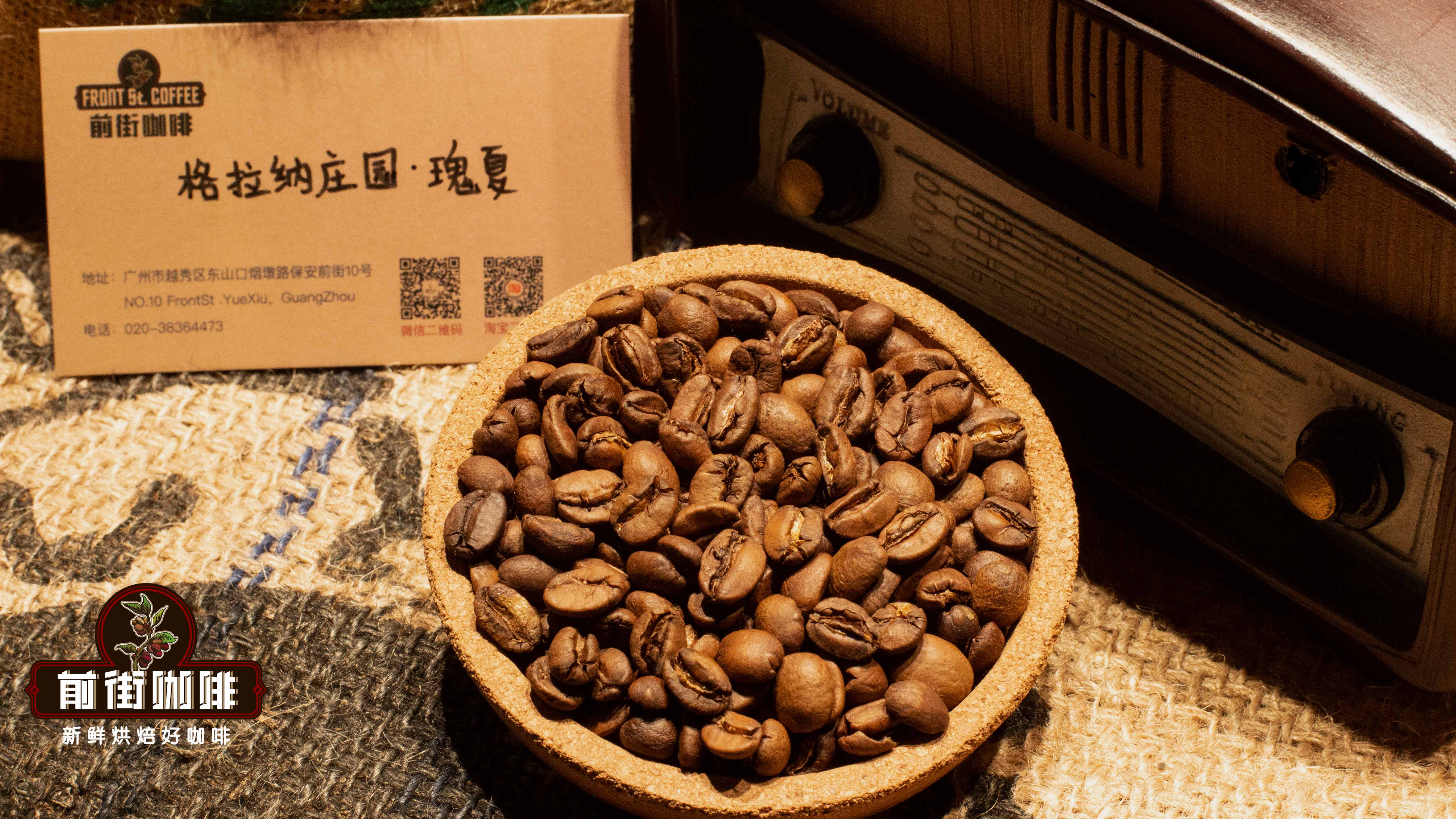
Flavor Description: It smells of fermentation aroma and floral notes; on the palate it presents citrus and lemon acidity, with creamy sweetness emerging in the middle and green tea notes in the finish, along with a sweet aftertaste like sugarcane and honey.
The above content is compiled by CoffeeHunters, a coffee news website.


