







Search Results for: lava
A Full Analysis of the Volcanic History Behind Guatemalan Antigua Coffee and Specialty Pour-Over Parameters
The ancient city of Antigua Guatemala is a jewel among World Heritage sites, and its coffee industry is inextricably linked to the activity of the surrounding active volcanoes. This article begins with the historical origins of Front Street Coffee's Guatemala Antigua, traces the long entanglement between this ancient city and the Fuego volcano, and provides an in-depth analysis of how volcanic ash soil nurtures the world's finest Bourbon coffee. At the same time, the article will share Front Street's recommended pour-over parameters—coffee-to-water ratio, grind size, water temperature, and the three-stage extraction method—to help coffee lovers brew a full-flavored cup of Antigua coffee at home. [more…]
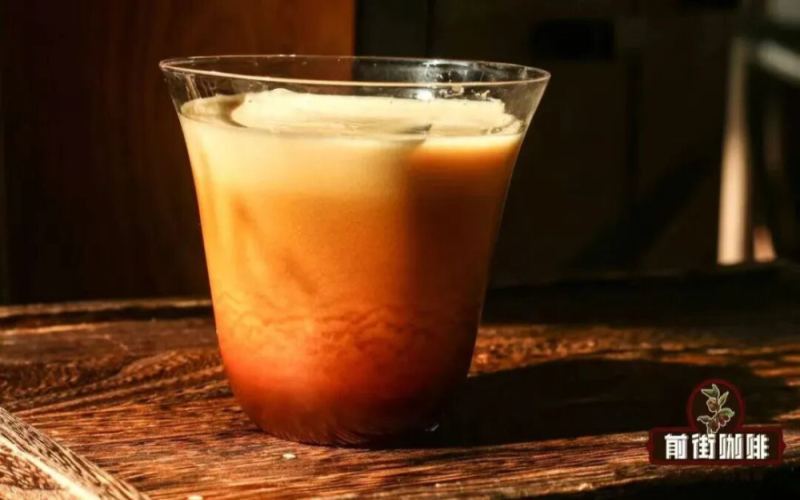
A Detailed Guide to Making Espresso Depth Charge Coffee, Sharing the Taste and Preparation Techniques of Sprite Sparkling Americano
The possibilities of Americano go far beyond simply adding hot water. From iced Americano to sparkling Americano, and further to lava Americano and ice-cube Americano, each variation delivers a completely different taste experience. Recently, a drink called the "sparking espresso bomb" has gone viral online, inspired by the classic deep-water bomb cocktail. The method involves dropping a small cup of espresso into a carbonated beverage, instantly creating a spectacular burst of foam that is both visually stunning and delicious. This article will use Sprite as an example, paired with Front Street Coffee's Strawberry Candy Espresso Blend, to break down in detail the steps and key points for making this specialty Americano, helping coffee lovers easily recreate it at home. [more…]
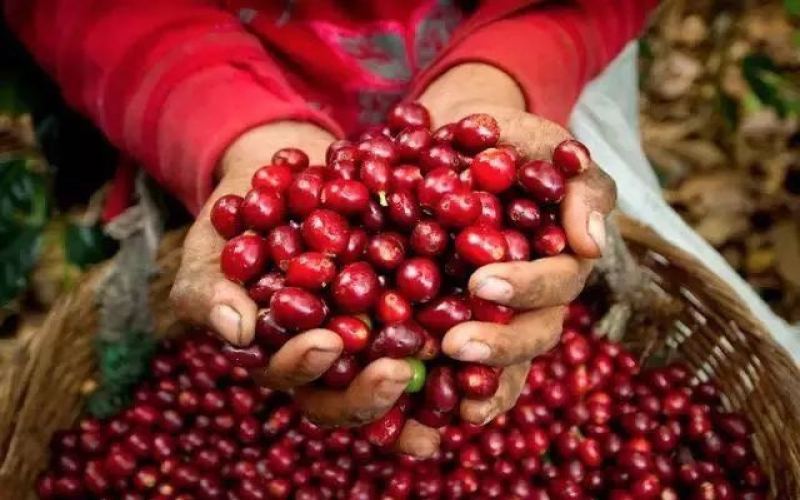
Galápagos San Cristóbal Island Coffee Farm: Organic Flavors and Regional Characteristics of the Bourbon Heirloom
The Galápagos Islands lie isolated in the Pacific Ocean, about 1,000 kilometers from the South American mainland, formed by the accumulation of undersea lava. Coffee was introduced here around 1870, and to this day the islands still preserve ancient, unhybridized Bourbon heirloom varieties. Though grown at an altitude of only about 500 meters, the unique microclimate created by the meeting of the cold Peru Current and the warm equatorial current produces high-acidity, extremely hard coffee beans. Ecuador legally prohibits chemical agents, making Galápagos coffee a recognized organic specialty, with a mild, rich flavor that is sweet amid its acidity, carrying floral, fruity, and caramel notes. This article will guide you through the coffee estates of San Cristóbal Island, their historical origins, and their flavor characteristics, and will include Front Street Coffee's brewing recommendations. [more…]
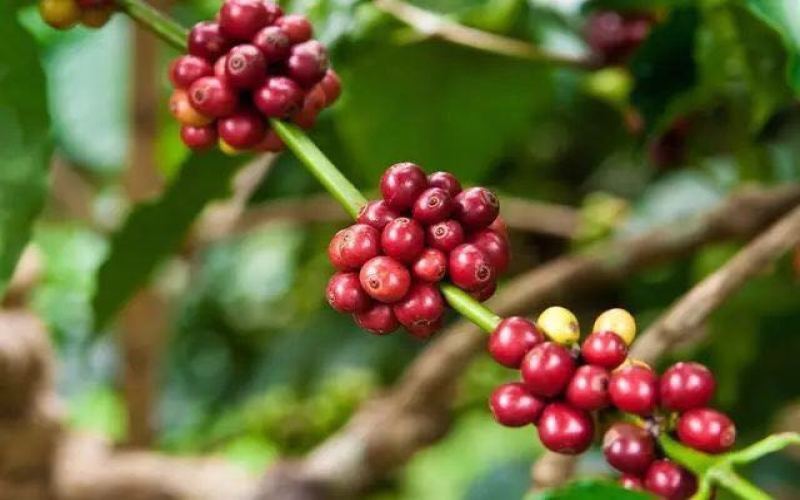
An Analysis of the Galápagos San Cristóbal Island Coffee Region: Organic Growing Conditions and Flavor Characteristics
The Galápagos Islands are located in the eastern Pacific Ocean, about 1,000 kilometers from the South American mainland, and were formed by the accumulation of undersea lava. Among them, the coffee produced on San Cristóbal Island is considered the finest coffee in Ecuador, with unique natural geographical conditions and an organic growing environment. This article will guide you through the geographical overview and historical background of the Galápagos Islands, the coffee-growing history and flavor characteristics of the San Cristóbal production area, and also share Front Street Coffee's brewing suggestions for this bean, helping coffee lovers gain a comprehensive understanding of this organic specialty coffee from the island of giant tortoises. [more…]
Panama Duncan Estate Geisha Coffee Beans: Flavor Differences Between Natural and Washed Processing Methods and Analysis of the Estate's Characteristics
Panama Duncan Estate, as a renowned specialty coffee estate under the Kotowa family, is famous for its Geisha variety and meticulous picking techniques. This article provides a detailed analysis of the geography and terroir of Duncan Estate and Don Herrera Estate, the impact of altitude and climate on coffee quality, and the unique features of the top picking method and the reserve picking method; it also compares the flavor differences between the natural and washed processing methods, and includes the BOP award records over the years and complete estate information. Front Street Coffee recommends paying attention to the jasmine floral aroma and tropical fruit complex flavors of its Geisha variety, which is suitable for coffee enthusiasts to gain an in-depth understanding of the ultimate charm of Panamanian specialty coffee. [more…]
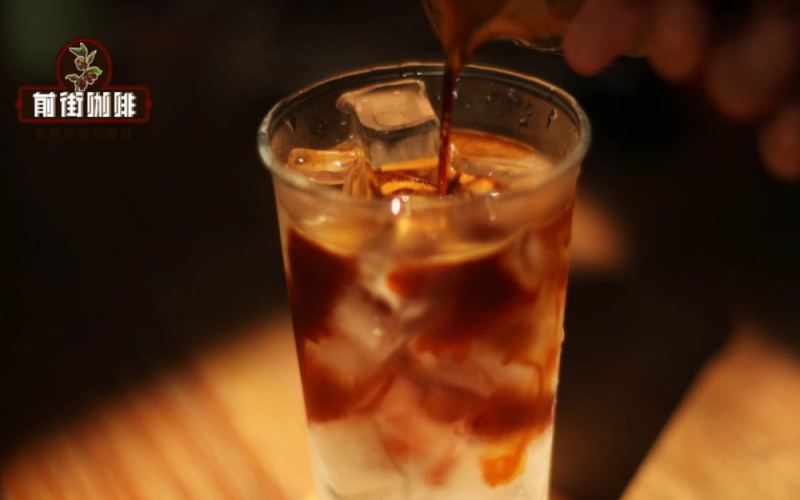
Five Advanced Ways to Drink Americano: Ice, Ristretto, Latte Art, Milk, and Long Black Differences Explained
In the Italian coffee system, the combination of milk and espresso has given rise to a rich variety of drinks such as the latte, cappuccino, and flat white, while the pairing of water and coffee seems to offer only one option: the Americano. This is not actually the case—the Americano likewise has many variations. This article will systematically introduce five unconventional ways to make an Americano, including iced Americano with all ice, lava-style iced Americano, latte-art hot Americano, Americano with milk, and the Long Black, analyzing one by one their preparation principles, flavor characteristics, and key operational points. At the same time, the article also provides a detailed explanation of the core differences between the Americano and the Long Black, and includes Front Street Coffee's specific recommendations for choosing espresso beans, for coffee enthusiasts to reference and put into practice. [more…]
Analysis of Flavor Characteristics of Common Coffee Bean Varieties: Taste Differences from Brazil Santos to Blue Mountain, Hawaii, and Mandheling
Faced with a dazzling array of coffee beans, different origins and varieties each have their own strengths in acidity, bitterness, aroma, and body. This article systematically sorts out the flavor characteristics and suitable roasting methods of common coffee beans such as Brazil Santos, Colombia Supremo, Blue Mountain, Hawaii Kona, and Mandheling, helping coffee lovers quickly build an understanding of taste. At the same time, the article also organizes Front Street Coffee's recommended approaches and product references for some bean varieties, making it easy for you to choose single-origin or blended coffee according to your personal preferences, and find the cup that suits you best. [more…]
Honduras | Introduction to Coffee Growing Regions and Varieties
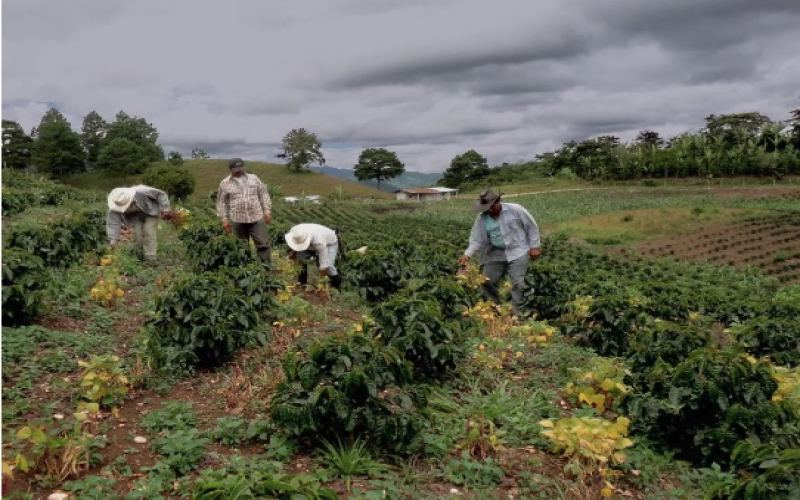
The full name of Honduras is the Republic of Honduras (República de Honduras), which is located in the northern part of Central America, bordering the Caribbean Sea to the north, the Gulf of Fonseca on the south side of the Pacific Ocean, and also ad [more…]
An Analysis of Honduran Coffee Regions and Flavors: From the Caballero Family to Six Major Growing Areas
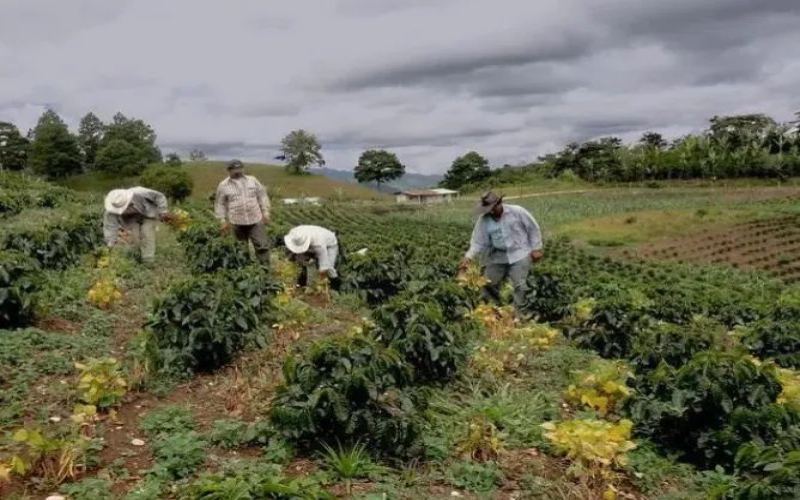
Honduras has risen to become the largest coffee producer in Central America thanks to its complex terrain and diverse climate, while continually refining its quality. This article will guide you through an overview of Honduran coffee, its main growing regions, and how the most iconic Caballero family has driven the development of specialty coffee. We will also take a deep dive into the terroir characteristics of the Montecillos region, analyzing its bright acidity and fruity sweetness, and include Front Street Coffee's origin recommendations. [more…]
Both Indonesia's Robusta coffee production and exports decline, market expectations unmet
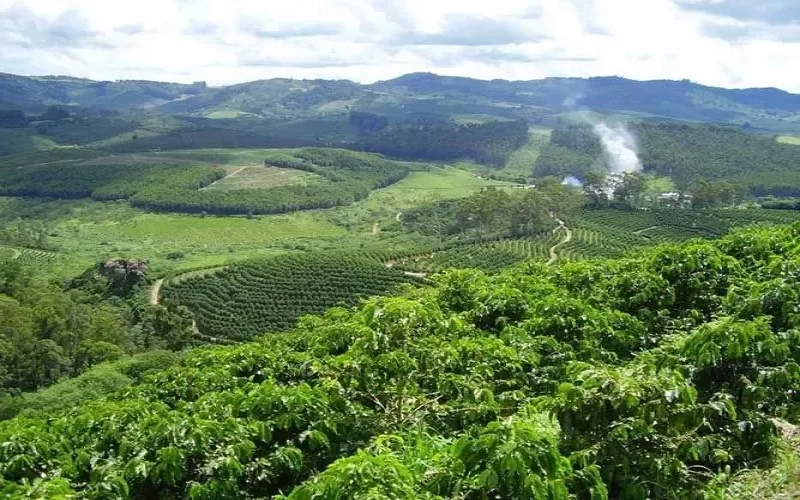
A recent Indonesian coffee industry report released by the U.S. Department of Agriculture shows that Indonesia's coffee production in 2024/25 is expected to recover to 10.9 million bags, of which Robusta is projected to reach 9.5 million bags. However, the reality is not so optimistic: since the beginning of this year, Indonesia has frequently suffered natural disasters such as floods, landslides, and volcanic eruptions, and Sumatra's Robusta exports in May plunged 54% year-on-year. With the aftermath of El Niño still lingering and the threat of La Niña approaching, coupled with rising domestic consumption and exporters holding back sales, the supply outlook for Indonesian Robusta is full of uncertainties. This article will review production, exports, climate, and market dynamics, and include relevant recommendations from Front Street Coffee. [more…]
Exploring Honduras Coffee Regions: The Terroir Characteristics of Comayagua and Its COE Performance
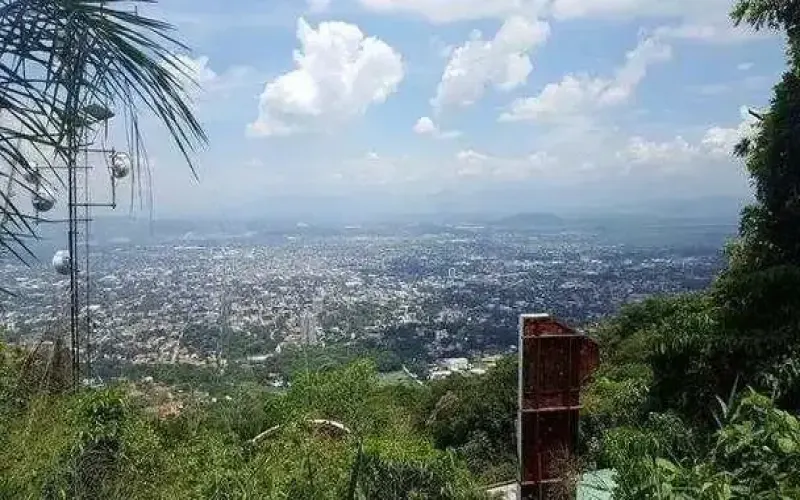
The Central American Volcanic Belt has nurtured many high-quality coffee origins. Honduras, as Central America's second-largest and the world's tenth-largest coffee exporter, has achieved impressive results in both output and quality thanks to its high-altitude mountains, volcanic soil, and diverse climate. Among its six major producing regions, Comayagua has risen to prominence in recent years, known for its lemon flavor, creamy full body, and chocolate notes. At the 2023 COE Cup of Excellence, El Gravileo farm from this region ranked 18th with a score of 88.07, becoming the region's only winner. This article will guide you through the historical context of Honduran coffee, the terroir conditions of Comayagua, and the story of this farm's competition journey. [more…]
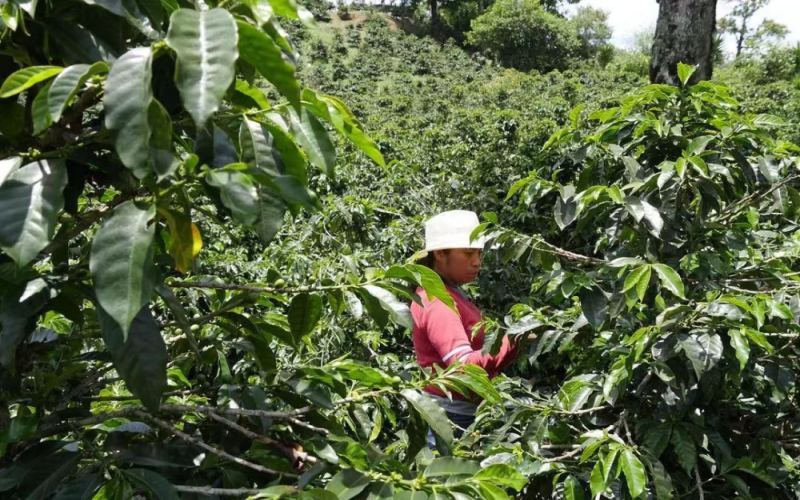
Honduras Cigua SHB Specialty Coffee Beans Flavor Profile and Origin Story: Medium-Dark Roast French Press Brewing Guide
Honduras is located in Central and North America, with a mountainous terrain, and its coffee-growing conditions are no less favorable than those of Guatemala and Nicaragua. Today, it is one of the world's top ten coffee-exporting countries. This article provides a systematic introduction to Honduran coffee as a whole, covering the producing environment, the distribution of six major producing regions, and the washed processing flow, and focuses on sharing the estate background, grade information, and cupping performance of Front Street Honduras Xigua RFA EP coffee beans. At the same time, Front Street Coffee brings the French press brewing parameters and operating suggestions for this bean, helping coffee lovers easily recreate at home a balanced flavor profile with chocolate notes and a lasting caramel sweetness. [more…]
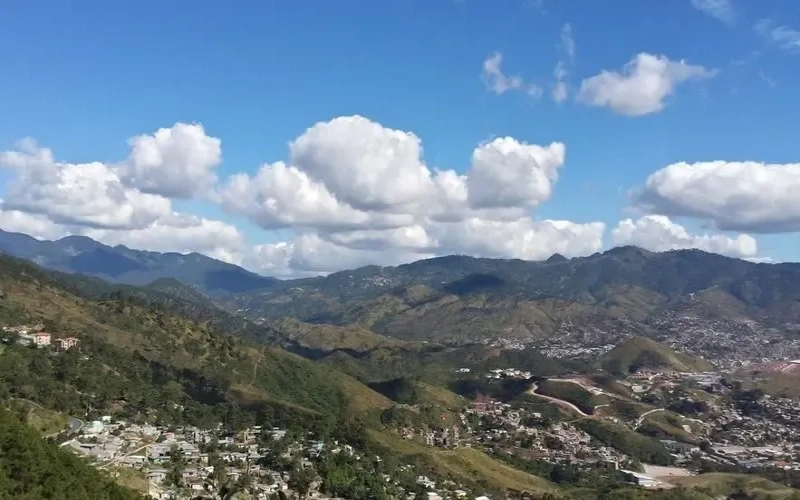
Analysis of Coffee Characteristics in Honduras' Opalaca Region and the Renowned La Fresa Estate
Honduras, with its high-altitude mountains, volcanic soil, and diverse climate, has become a major specialty coffee producer in Central America. Its coffee institute, IHCAFE, divides the country into six major producing regions. Among them, the Opalaca region, though less famous than Montecillos and Comayagua, is known for its delicate acidity and tropical fruit and lemon flavors. This article will trace the development of Honduran coffee, provide an in-depth analysis of the terroir conditions of the Opalaca region, and introduce the well-known estate La Fresa in this region and its story of winning third place in the 2023 Cup of Excellence (COE). At the same time, Front Street Coffee will also recommend related products to help you savor the charm of this land. [more…]
Is Honduran coffee good? A comprehensive analysis of producing regions, grading, varieties, and balanced flavor
Honduras is a mountainous country in northern Central America and one of the world's top ten coffee exporters, harvesting about three million bags of coffee each year. Its coffee originated from El Salvador and only truly rose to prominence after the Brazilian frost of 1975. Honduras has six major coffee-producing regions, with cultivation mostly at altitudes above 1,100 meters. Arabica is the dominant variety, graded into HG High Grown, SHG Strictly High Grown, and CS. Its overall flavor is known for balance, with neither acidity nor bitterness being too assertive. It has a medium-to-light acidity, along with slight bitterness and a distinct sweet aftertaste, occasionally showing floral or fruity notes. Front Street Coffee's espresso blend uses 70% Front Street Honduras Sherry coffee beans, which perform well both in espresso and as a single-origin brew. [more…]

A Complete Guide to the Cup of Excellence (COE): Competition Format, Scoring, Auction Value, and Its Significance as a Benchmark for Specialty Coffee
COE (Cup of Excellence) is the most authoritative competition in the global specialty coffee field. Since its founding by ACE in Brazil in 1999, it has always represented the highest standard of coffee quality evaluation. This article systematically reviews CoE's origins and background, competition format and process, scoring system, and its profound impact on the coffee industry, while also explaining the score grading standards from commercial beans to competition level. For enthusiasts who follow specialty coffee development and auction trends, this is a complete guide not to be missed. Front Street Coffee will also continue to bring you competition news and bean selection references. [more…]

The iced Americano loved by celebrities: a complete guide to its benefits, brewing method, and creative variations
Iced Americano, with its health attributes of zero calories, zero sugar, and zero fat, has become a favorite of many celebrities. It not only refreshes and cuts through greasiness, sharpens the mind, but also has a fat-burning effect. But can iced Americano really help with weight loss? How do you make an authentic iced Americano at home? In this article, Front Street Coffee will guide you through the key points of making iced Americano, from coffee bean selection to extraction ratios, and share creative recipes such as sparkling iced Americano, waterfall iced Americano, and lava iced Americano, so you can easily master all the secrets of this refreshing drink. [more…]
Ethiopian Coffee Cultivation Geography and Flavor Analysis of the Sidamo Specialty Region
Ethiopia is hailed as the birthplace of coffee, and its unique highland geography and climate have given rise to a myriad of specialty coffees with diverse flavors. This article will guide you through Ethiopia's coffee-growing geography, processing methods, and export overview, with a focus on the flavor characteristics of the Sidama region. From forest and semi-forest to garden cultivation, from washed to natural, every step shapes the coffee's personality. Front Street Coffee recommends a variety of Ethiopian beans, allowing you to savor the rich aroma of the Roof of Africa in your own home. [more…]

From Despised to Universally Embraced: How Iced Americano Became a Phenomenal Drink in the Coffee World
Once dismissed as "black water," iced Americano has now become a top trend in the coffee world. Thanks to its ease of preparation and strong adaptability, iced Americano has unleashed endless possibilities in the hands of today's young people. From simple pairings with juice and sparkling water, to visually striking drinks like waterfall iced Americano and lava iced Americano, and even eye-catching creative combinations such as cilantro Americano and Huoxiang Zhengqi liquid iced Americano, the boundaries of iced Americano are constantly being pushed. This DIY craze sparked by social media has not only brought traffic-generating content to coffee shops, but also drawn more people's attention to coffee itself. This article will guide you through the evolution of iced Americano, showing how this simple espresso diluted with water has become part of coffee lovers' daily routine. [more…]
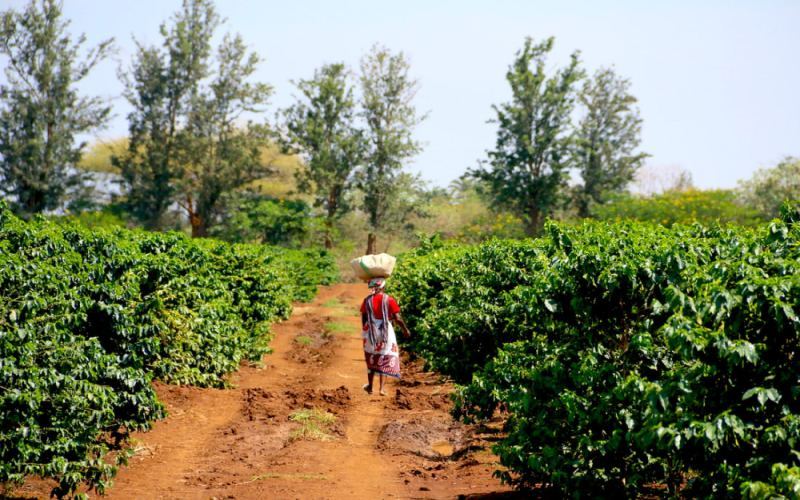
Tanzania Coffee Growing Regions and Flavor Profiles: A Comprehensive Analysis from Kilimanjaro to the Southern Highlands
Although Tanzania is less famous than Ethiopia and Kenya, it ranks among Africa's three major coffee giants thanks to its unique terroir. This article systematically reviews the geographical distribution, historical context, and industry status of Tanzanian coffee, with a focus on the growing environment and coffee flavors of core producing regions such as Kilimanjaro. It also combines Front Street Coffee's Tanzanian Kilimanjaro coffee beans to analyze the soft acidity, citrus, berry, honey, and nut flavors, as well as the balanced tea-like mouthfeel brought by its Typica variety and washed processing, helping coffee lovers gain a comprehensive understanding of the coffee charm of this East African producing country. [more…]
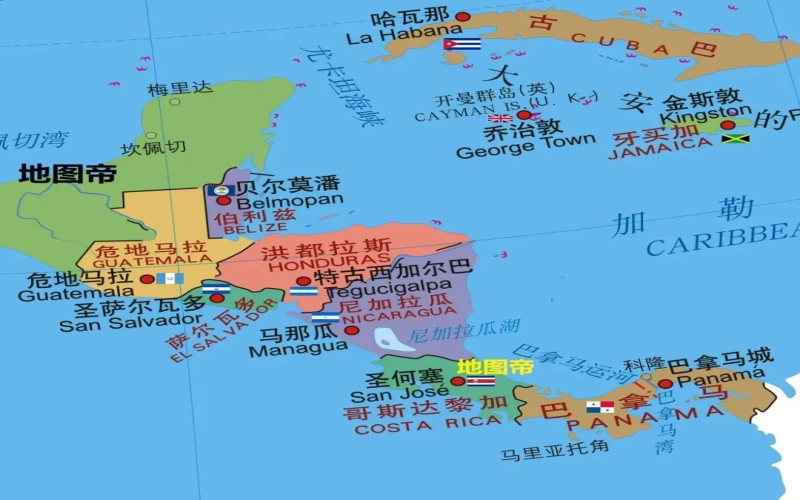
A Detailed Guide to the Characteristics of Honduran Coffee Regions and the Grading System: From Geographic Advantages to Altitude Grades
Honduras is the largest coffee producer in Central America and the fifth largest coffee-producing country in the world, maintaining high quality alongside high yields. This article will guide you through the history of Honduran coffee, its geographical conditions, the characteristics of its six major regions, and the grading standards based on altitude. From the introduction of coffee by Spanish merchants in the 18th century, to its recovery after being struck by hurricanes and leaf rust, Honduras—with its mountainous terrain, volcanic soil, and mild climate—has cultivated a delicate and balanced coffee flavor. Among these, the Opalaca region has performed impressively on the COE list in recent years and is worth the attention of coffee lovers. Front Street Coffee will also recommend Honduran coffees worth trying. [more…]