







Search Results for: latte mouthfeel
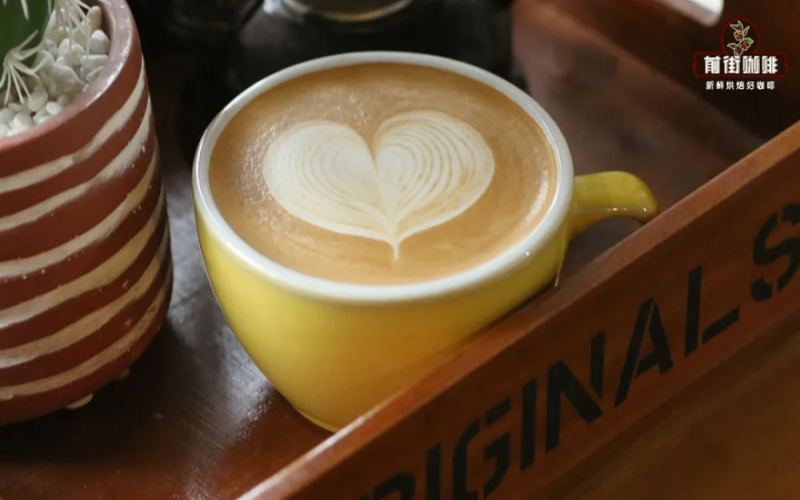
Does latte art enhance coffee flavor? Analyzing the actual effect of visual presentation on taste evaluation
Latte art is the craft of a barista drawing patterns on the surface of an espresso with steamed milk foam. Does it actually change the taste and mouthfeel of a latte? This article analyzes the question from three angles: visual psychology, preparation technique, and quality of integration. Through comparative experiments, Front Street Coffee found that, provided the coffee beans, milk, extraction, and ratios are all on point, latte art and no latte art make no noticeable difference to taste—but latte art places higher demands on foam quality and evenness of integration. The article also explores the balance between pattern complexity, preparation time, and the drinking experience, helping enthusiasts view the relationship between latte art and flavor rationally. [more…]

Soy milk, milk powder, Wangzai, or AD calcium milk in a latte? A hands-on test of the flavor and mouthfeel differences of five non-fresh-milk ingredients
Latte, cappuccino, flat white, and Dirty all rely on milk, but what would the final taste be if you swapped in soy milk, milk powder, banana milk, Wangzai milk, or AD calcium milk? This time, Front Street Coffee made lattes one by one using five types of non-fresh milk ingredients, all with Front Street Espresso Blend · Strawberry Candy Espresso, using a 1:5 coffee-to-milk ratio for a hot-and-cold comparison, focusing on aroma integration, sweetness, smoothness of mouthfeel, milk foam performance, and whether it is suitable for latte art. The article not only preserves parameters that can be directly replicated, but also gives judgments on the pros and cons of each ingredient, making it a reference for enthusiasts who want to make specialty coffee at home or in a shop. [more…]

Flat White Hot vs. Iced: A Comparative Analysis of Its Place Among Cappuccino and Latte in Italian Coffee Culture
In 2015, Starbucks introduced the flat white to the Chinese market and translated it as "Fu Rui Bai." This drink, commonly known as "Ao Bai," had actually been popular in New Zealand and Australia for decades. Like a cappuccino or a latte, it is based on espresso, yet because of differences in foam thickness, the ratio of coffee to milk, and the extraction method, it delivers a completely different mouthfeel. This article, from the perspective of Front Street Coffee, sorts out the differences between hot and iced flat whites, and compares it one by one with cappuccino and latte in terms of preparation details and flavor positioning, to help coffee lovers find the cup that suits them best. [more…]
Homemade Latte Recipe | What Is the Origin of Latte Coffee? What Are the Differences in Taste and Mouthfeel Between Hot Latte, Iced Latte, and Dirty Coffee?
Latte is a transliteration of the Italian word Latte. Latte coffee refers to coffee made by mixing a certain proportion of milk into espresso, and is a type of fancy coffee. The original latte coffee originated in Vienna, the city of music. Viennese people began drinking coffee in the 17th century, when the Turkish army attacked [more…]
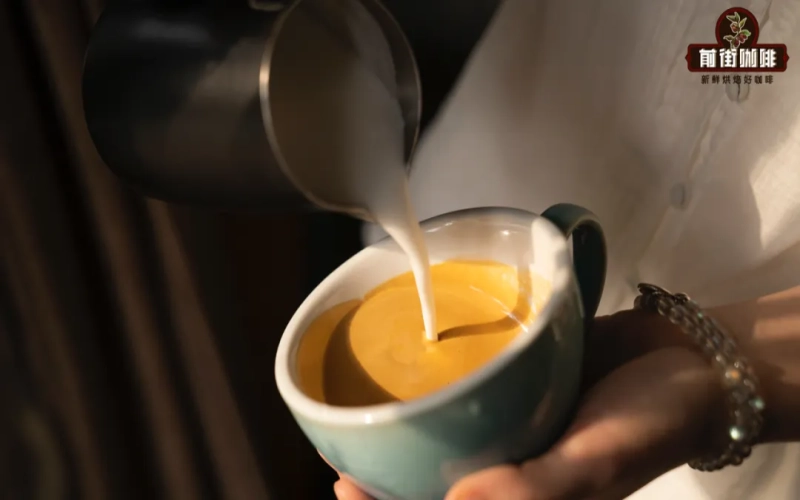
Differences in Milk Foam Thickness Between Lattes, Cappuccinos, and Flat Whites, and Recommended Arabica Coffee Beans
All three are milk plus coffee, yet a latte, a cappuccino and a flat white deliver completely different mouthfeels and textures, and one of the key variables is the thickness of the milk foam. Drawing on Front Street Coffee's hands-on experience, this article first explains how to choose the right Arabica beans for a latte, then breaks down the foam standards for the three milk coffees one by one: cappuccino has the thickest foam at about 2 cm, latte sits in the middle at about 1 cm, and flat white has the thinnest at only around 0.3 mm. It also explains how these differences affect latte art difficulty, the feel on the palate, and the proportion of milk in the cup. Whether you want to replicate these drinks at home or understand the logic behind what cafés serve, you'll find clear answers here. [more…]
Latte in English | Where did the coffee latte originate? What is the ratio of milk to espresso in a latte? How do iced latte and dirty coffee differ in preparation, flavor, and mouthfeel?
For more specialty coffee knowledge, please follow our WeChat official account: Front Street Coffee (FrontStreet Coffee) Latte is a transliteration of the Italian word Latte. A latte is a coffee made by mixing a certain proportion of milk into espresso, and it is a type of flavored coffee. The most [more…]
Does latte art affect the flavor of a flat white? An analysis of thin milk foam steaming techniques and key preparation points
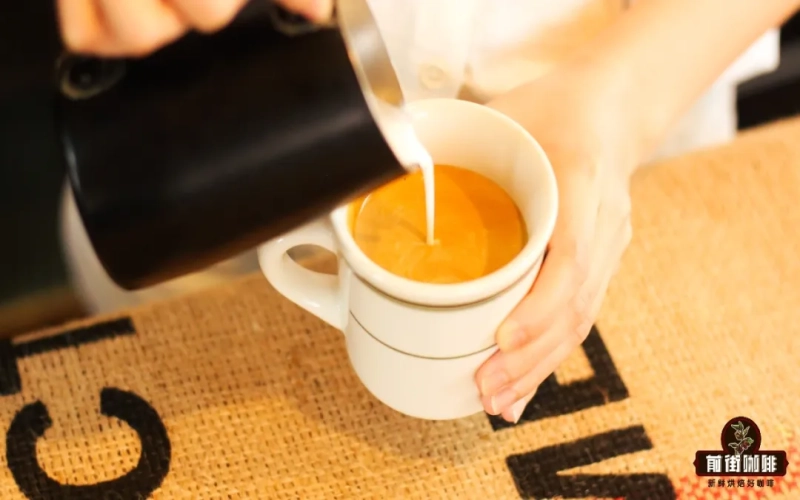
Many coffee enthusiasts notice that some coffee shops serve flat white without latte art, which raises questions: should flat white have latte art? Does the absence of latte art affect the taste of the coffee? In fact, latte art appeared much later than the birth of classic milk coffees like latte and cappuccino, and whether latte art is present or not does not directly change the flavor of the coffee. What truly affects the taste are the ingredients, espresso extraction, milk frothing, and the degree of integration. Through comparative experiments, Front Street Coffee found that flat whites with and without latte art show no difference in mouthfeel or taste. The milk foam of a flat white is extremely thin, less than 0.5 cm in thickness, and highly fluid, making latte art quite difficult—though not impossible. This article will analyze the necessity of latte art on flat white and the key points for frothing thin milk foam, from the perspectives of experimentation and preparation. [more…]

Australian White Coffee Taste and Mouthfeel | Flat White vs Latte: Which Tastes Better and Has a Stronger Coffee Flavor? Is There a Big Difference Between a Latte and an Aussie White?
Sometimes, just coffee and milk alone can be played with in endless variations, leaving outsiders utterly confused about the differences. Take latte and Flat White, for example—both are made by mixing espresso with milk, yet they offer two entirely different experiences. If [more…]
Espresso beans for lattes | What is the key to a delicious latte? How do you make a latte just like a coffee shop? Recommended espresso blend coffee beans perfect for lattes and flat whites
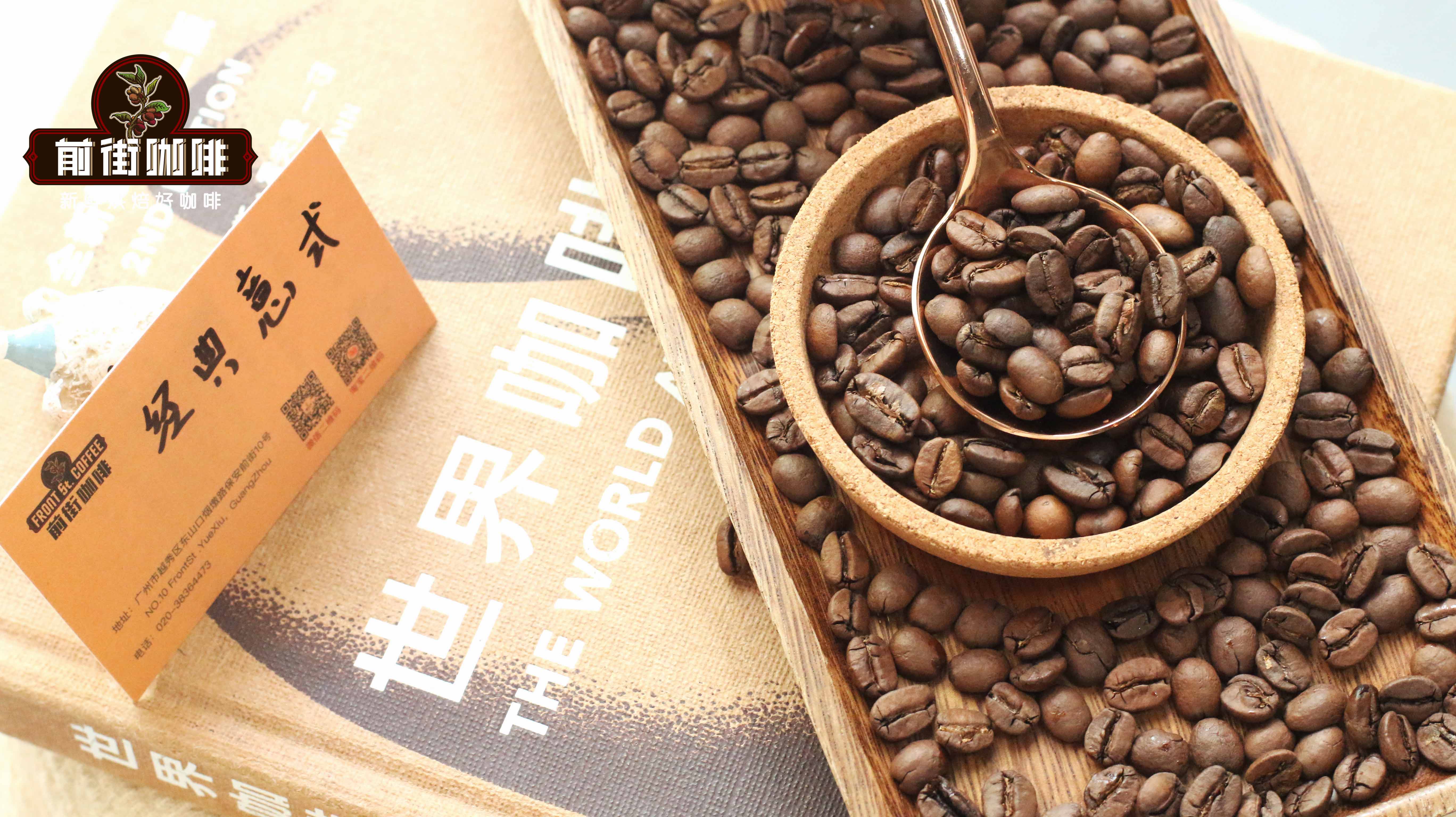
In fact, making a latte doesn't have many key points; just pay attention to a tiny bit of detail, and you can double its deliciousness! So today, Front Street Coffee is here to share how to make a latte at home that tastes just as good as one from a café! 1. Choosing coffee beans Coffee beans are the main controller of a latte's flavor. The roasting of a bean [more…]

What's the difference between a latte and a cappuccino? A full breakdown from ratios and flavor to milk foam and latte art techniques
Latte and cappuccino are both classic milk coffees found in coffee shops, but many friends who are new to coffee often can't tell the difference between the two, and even order based on how pretty the latte art looks or how fancy the name sounds. In fact, these two coffees differ noticeably in ingredient ratios, flavor direction, milk foam thickness, and latte art performance. This article will break down the core differences between latte and cappuccino one by one, covering the ratio of espresso to milk, the causes of sweet and bitter flavors, and the impact of milk foam thickness on mouthfeel and latte art, while also sharing Front Street Coffee's specific parameters and blend recommendations for producing these two coffees, so you won't be confused the next time you order. [more…]

Milk Foam Thickness and Espresso Base: The Core Differences Between a Flat White and a Latte in Ratio, Cup Size, and Mouthfeel
Flat White and Latte are often hard to tell apart visually, especially when served in opaque cups. Both consist of espresso, milk, and milk foam, yet the experience once they hit your palate is completely different. The root of the difference lies in foam thickness, cup size, and the choice of espresso base. A Latte has about 1cm of foam, a larger cup volume, and usually pairs with a traditional espresso; a Flat White has less than 0.5cm of foam, a smaller cup volume, and many coffee shops switch to a Ristretto shot instead. Starting from Front Street Coffee's own parameters and combining them with the tasting performance of the Dark Cocoa base blend, this article breaks down the flavor logic and preparation details of these two milk coffees one by one. [more…]

How to Distinguish Cappuccino, Mocha, and Latte? A Detailed Guide to the Ratios of Espresso and Milk
Latte, cappuccino, and mocha all contain espresso and milk, but their styles and ratios differ noticeably. Starting from the flavor balance of a latte, this article explains how espresso extraction parameters affect the performance of a milk coffee, and compares the thick milk foam of a cappuccino with the sweet aroma of a mocha after chocolate is added. The article also combines beans such as Front Street Coffee's classic espresso blend, Huakui SOE, and Xizhua to provide coffee-to-milk ratio suggestions for hot and iced drinks under different roast levels, helping coffee enthusiasts find a pairing method that suits them when making cold brew at home. [more…]
How to Make a Flat White | Should Australian-style white coffee be drunk iced or hot? What are the differences in ratio and taste among cappuccino, flat white, and latte?
For professional coffee knowledge exchange and more coffee bean information, please follow Coffee Workshop (WeChat official account: cafe_style). In January 2015, Starbucks in the United States began selling flat white and introduced different sizes; then in September, Starbucks in mainland China also saw flat [more…]

Which fresh milk should you choose for iced lattes and flat whites? A hands-on comparison of seven types of low-temperature whole milk in homemade coffee
The flavor quality of a latte is often decided by the choice of milk. There are many fresh milk brands on the market, with a wide price range, and their performance when paired with coffee varies. For home coffee enthusiasts, it is difficult to buy them one by one for comparison testing. This time, Front Street Coffee selected seven whole milk products that are common in coffee scenarios and relatively easy to buy, and conducted a comprehensive evaluation from low-temperature direct drinking, taste after heating, to the flavor, balance, and milk foam texture when making iced lattes and hot flat whites. There is no commercial promotion throughout, and the aim is to provide purchasing reference for readers with different taste preferences. This article does not set a final conclusion; the focus is on presenting the real performance of each milk to help everyone find the one that suits them. [more…]

The Real Difference Between a Latte and a Cappuccino: Cup Size, Milk Foam, and Mouthfeel Explained in One Go
Walk into any coffee shop, and latte and cappuccino are almost always permanent fixtures on the menu. Many people assume the two differ only in cup size and foam thickness, but the actual differences go far beyond that. From the perspective of Front Street Coffee, this article systematically sorts out the origin stories, ingredient ratios, milk foam handling methods, and cupware selection considerations of these two classic Italian coffees, while also touching on the Dirty coffee that has become popular in recent years. Whether you are a beginner just starting out or a seasoned enthusiast wanting to recreate a proper latte or cappuccino at home, you will find practical references here. [more…]
Australian Small Latte | The origin of the name Piccolo latte and how to make it. What is the difference in taste and mouthfeel between a piccolo and a flat white?
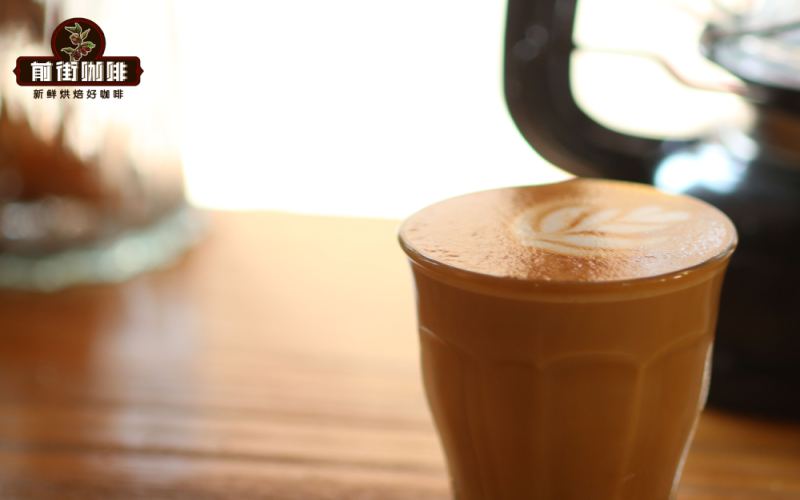
Now with the popularity of espresso, fancy coffee varieties are emerging one after another. Among them, on Front Street Coffee's espresso menu, latte and cappuccino are deeply loved by everyone, but today Front Street would like to introduce a relatively rare espresso drink—piccolo coffee, also known as piccolo latte. You may have rarely heard of [more…]

Latte Coffee Espresso to Milk Ratio | How to Make a Latte Just Like a Coffee Shop? What Kind of Espresso Beans Are Suitable for Latte Art? Introduction to the Operational Details of Making Latte Art
"Boss! Why doesn't the latte I make at home taste as good as the one in your shop? Are you hiding some secret recipe?" This is a conversation that tends to pop up after many customers try the latte sold at Front Street Coffee shops~ To be fair, latte coffee doesn't have that many key points; you just need to pay attention to a little [more…]
The Making Method of Starbucks Caramel Macchiato, How to Drink It, and an Analysis of Its Core Differences from a Latte
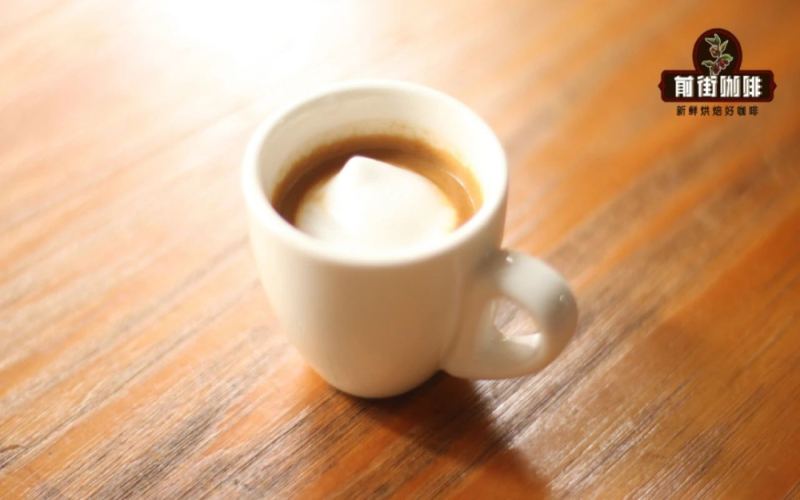
Caramel Macchiato is one of Starbucks' most iconic specialty coffee drinks, but many people are not clear about how it differs from a traditional Macchiato or a Latte. This article, from the perspective of Front Street Coffee, first traces the origins of the Macchiato in 1980s Italy, then explains step by step how to make a standard Macchiato using Front Street Coffee's classic espresso blend, and shares specific extraction parameters and milk frothing tips. We will then compare the similarities and differences between a Macchiato and a Caramel Macchiato, analyze the core differences between a Latte and a Macchiato in terms of milk ratio and mouthfeel, and finally provide the complete recipe and preparation process for Front Street Coffee's Latte, helping you clarify the relationship between these classic coffee drinks all at once. [more…]

Why is a latte not suitable for removing the ice? Is it okay to add ice cubes to hot coffee—hot coffee with fresh milk actually only has a room-temperature mouthfeel.
Many people's memory of their first latte has already faded, but Front Street Coffee still remembers the surprise brought by that cup of latte with exquisite latte art: the first sip carries the slight sweetness and bitter notes of the crema, the second sip turns mellow and delicate, forming just the right balance with the light sweetness of hot milk, and the finish still carries a creamy chocolate-like aftertaste. A good cup of latte cannot do without the fixed ratio of milk to coffee. An iced latte, once the ice is removed, often has the gap filled with milk, and the coffee flavor becomes weaker as a result; a hot latte is already made at the perfect ratio with the milk temperature properly controlled, so it is naturally not suitable to add ice cubes. This article centers on the latte recipe, analyzing the causes of common problems such as being too bitter, too watery, or both bitter and weak, and provides the practical parameters and adjustment ideas from Front Street Coffee's stores. [more…]
Iced Latte Recipe Introduction | How to make a latte at home without a coffee machine? How can coffee beginners make cold brew latte milk coffee?
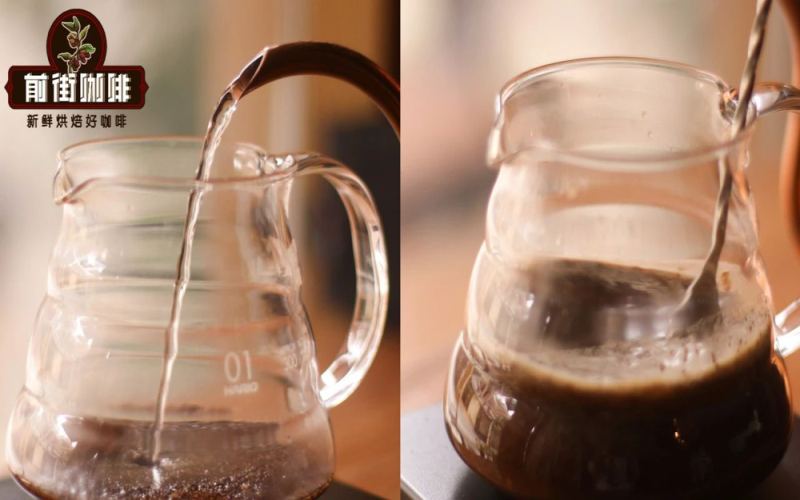
How can cold brew coffee be limited to black coffee only!! This article will teach everyone how to easily make silky-smooth cold (milk) brew latte at home, without a coffee machine or complicated equipment~ Without further ado, GO GO GO! The soul of milk brew coffee: "Full-bodied taste, no burden." [more…]