








How does an Italian macchiato differ from a caramel macchiato?
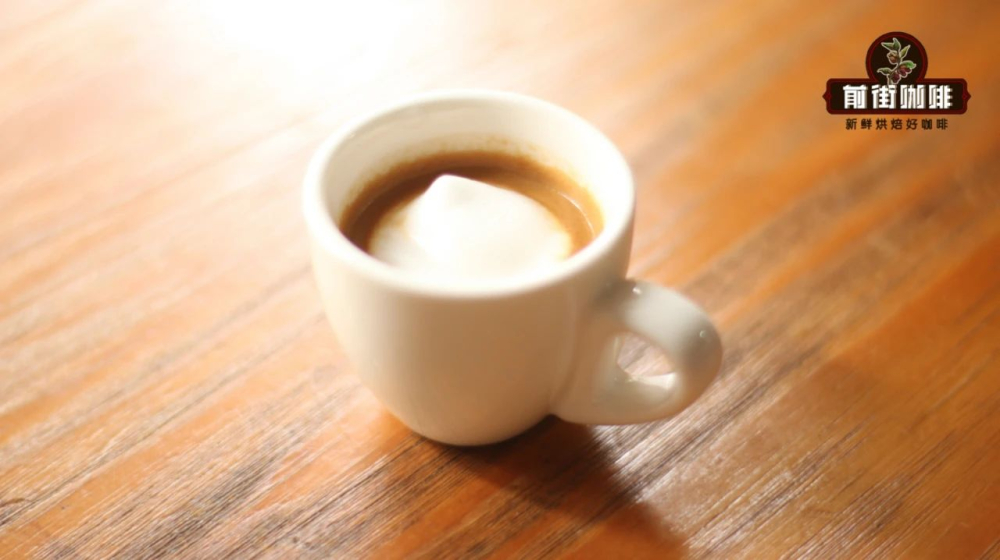
The Italian macchiato was born in Italy in the 1980s, when baristas marked a shot of espresso with a small dot of milk foam to separate it from a plain espresso. The word macchiato means marked. The drink is simply one espresso plus a spoonful of finely textured milk foam, so the espresso intensity stays dominant.
A caramel macchiato is a different build: espresso, warm milk, and caramel sauce layered in the cup, which is why the two are often confused. Comparing it with a latte comes down to milk ratio and mouthfeel, since a latte carries far more milk. Front Street Coffee uses a classic espresso blend for both, with set extraction parameters and milk frothing tips.
Caramel Macchiato is one of Starbucks' most iconic flavored coffees, but many people are not clear about how it differs from a traditional Macchiato or a Latte. This article, from the perspective of Front Street Coffee, first traces the origins of the Macchiato in 1980s Italy, then explains step by step how to make a standard Macchiato using Front Street's classic espresso blend, and shares specific extraction parameters and milk frothing tips. After that, we will compare the similarities and differences between a Macchiato and a Caramel Macchiato, analyze the core differences between a Latte and a Macchiato in terms of milk ratio and mouthfeel, and finally provide the complete recipe and preparation process for Front Street's Latte, helping you sort out the relationship among these classic coffees all at once.
For more specialty coffee information, welcome to follow: Front Street Coffee
Early in the morning, pull a fresh espresso, add warm milk, and drizzle caramel sauce on top—a Caramel Macchiato with an inviting caramel aroma is ready. The Caramel Macchiato sold at Starbucks stores has always been very popular, so below Front Street will walk you through how this drink is made.
The Origin of Macchiato
Let's start with the source of the Caramel Macchiato. The word Macchiato comes from Italian, and its original meaning is "marked." Macchiato coffee was born in Italy in the 1980s. At that time, many customers liked to add a small amount of milk to their espresso, but once the milk was poured in, it was quickly swallowed up by the coffee crema and could no longer be seen. To distinguish a plain espresso from an espresso with a small amount of milk added, baristas would dot a white mark on the surface of the coffee crema with milk foam.
Later on, people gradually discovered that when the milk foam and espresso blend together, you can feel both the rich intensity of the espresso and the delicate sweetness of the milk. The two flavors intertwine and converge in the mouth, which is truly wonderful. The traditional Macchiato was thus established.
How to Make a Macchiato
To make a Macchiato, the ingredients needed are very simple: one espresso plus a spoonful of finely textured milk foam. Next, Front Street will demonstrate the specific steps.
Here at Front Street, we use the classic espresso blend coffee beans. The bean information is as follows:
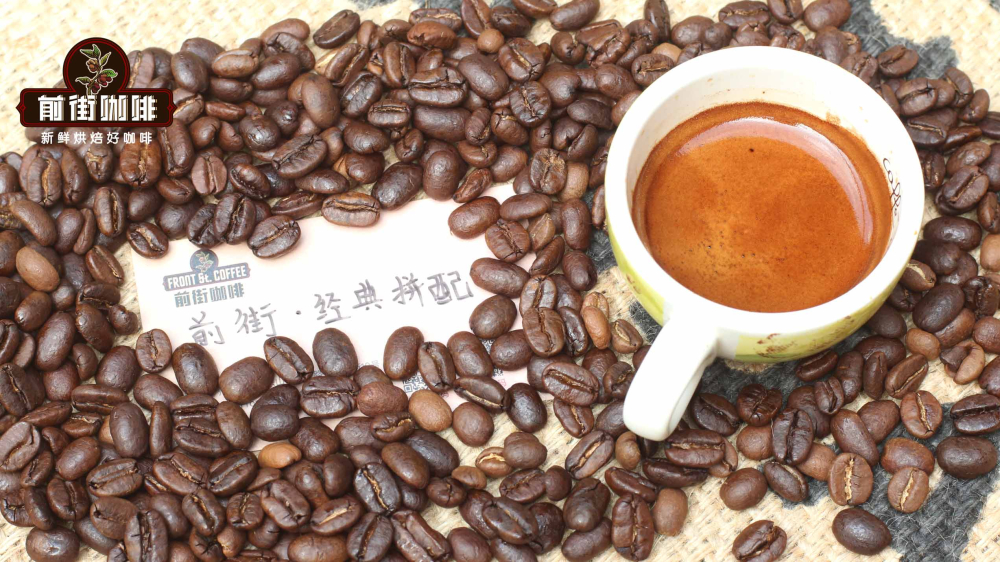
Coffee name: Front Street Classic Espresso Blend Coffee Beans Blend composition: Mandheling + Vietnam + Brazil Flavor description: dark chocolate, cream, cocoa, roasted nuts
Espresso extraction parameters:
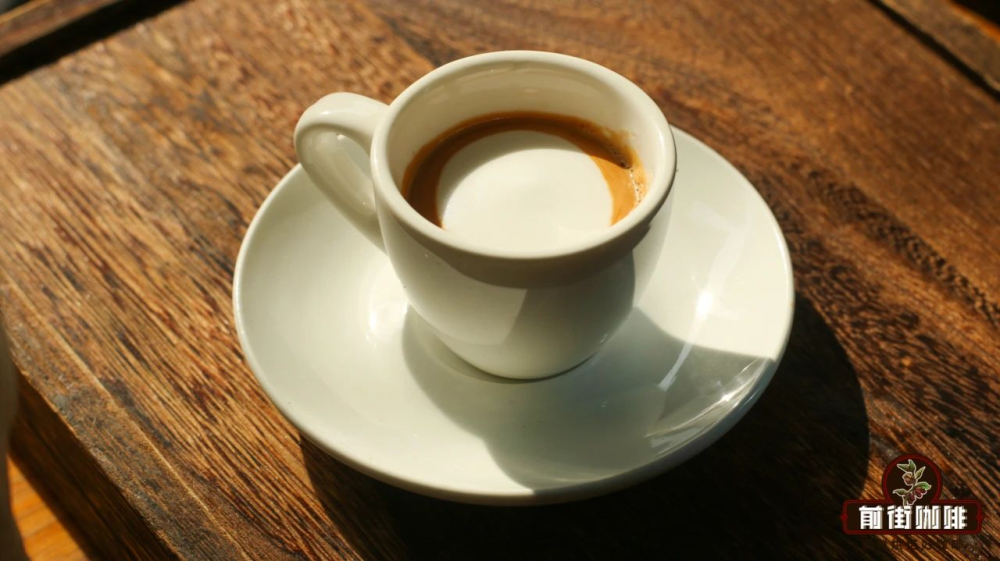
Coffee powder dose: 20g Espresso yield: 40g Extraction time: 28 seconds
After the espresso is extracted, the next step is to froth the milk. It is recommended to froth the milk to a thickness close to that of a cappuccino, which makes it easier to scoop the milk foam, and be sure to froth it finer and smoother. Once the milk is frothed, gently scoop the milk foam from the surface of the pitcher with a spoon and place it on top of the espresso. The Macchiato is then complete.
The flavor of a Macchiato: the overall mouthfeel is very full-bodied, and the rich aroma of dark chocolate is hardly diluted, while the milk foam adds layers to it, and if you taste carefully you can also catch a hint of milky fragrance. So Front Street thinks that if you want the smooth milk foam of a cappuccino but cannot bear to give up the rich coffee aroma of espresso, a Macchiato is a very suitable choice.
What Is the Difference Between a Macchiato and a Caramel Macchiato?
The difference between the two is that a Macchiato can also have its flavor adjusted with flavored syrups, and the most common one is the Caramel Macchiato. Adding caramel syrup to a Macchiato completely changes its flavor. The name "Caramel Macchiato" was created by Starbucks baristas.
Its method is: take a 350ml coffee cup, first add one espresso, and fill the remaining more than 300ml of space entirely with milk-containing milk foam, vanilla syrup, and caramel sauce. In addition, a Latte can also be made into a Latte Macchiato. This type of flavored drink is likewise composed of espresso plus milk, only with a higher proportion of milk and a requirement for a darker coffee bean roast.
The Difference Between a Latte and a Macchiato
Latte: In Italian, Latte originally means "milk." A Latte coffee is espresso with a large amount of milk added, in a ratio between 1:2 and 1:5. In terms of taste, Front Street believes that a Latte is rich and full-bodied with a distinctive style; the acidity and bitterness of the coffee have been largely masked, leaving only a mellow aroma.
As for the characteristics of a Macchiato, Front Street has already mentioned them above: its mouthfeel presents a dense creaminess and a full-bodied texture; while the mouthfeel of a Latte is dominated by milk and is very smooth.
How to Make a Latte and Its Ratio
Also using Front Street's classic blend, Front Street's Latte recipe is 1:6.5, which means 40g of espresso mixed with 260g of steamed milk.
The espresso extraction plan used by Front Street is 20g of coffee powder extracted into 40g of espresso within 27 seconds, as the base of the Latte. Next is frothing the milk: first you need a steam wand, which semi-automatic espresso machines usually come with; second, prepare a container to hold the milk, such as a milk pitcher or a latte art pitcher (professional tools can make you twice as effective with half the effort). Finally, there is the choice of milk. Room-temperature milk or cold milk, whole milk or skim milk can all be frothed, but if you pursue better texture, flavor, and stability, Front Street still recommends using cold refrigerated whole fresh milk. After that comes integration and latte art. Once the espresso is extracted and the milk is steamed, you can proceed with integration and complete the Latte. Integration is a crucial step in making a Latte; only when the integration is done properly will the Latte taste smooth and comfortable with no off-flavors. After integration is completed, that is what we commonly call pouring latte art. In this way, a cup of Latte coffee is ready.
The mouthfeel characteristics of a Latte: A smooth mouthfeel, a lasting chocolate taste, mingled with a pleasant boozy note, a long finish, and noticeable sweetness.
The above content is compiled by CoffeeHunters, a coffee news website.


