







Search Results for: latte art champion
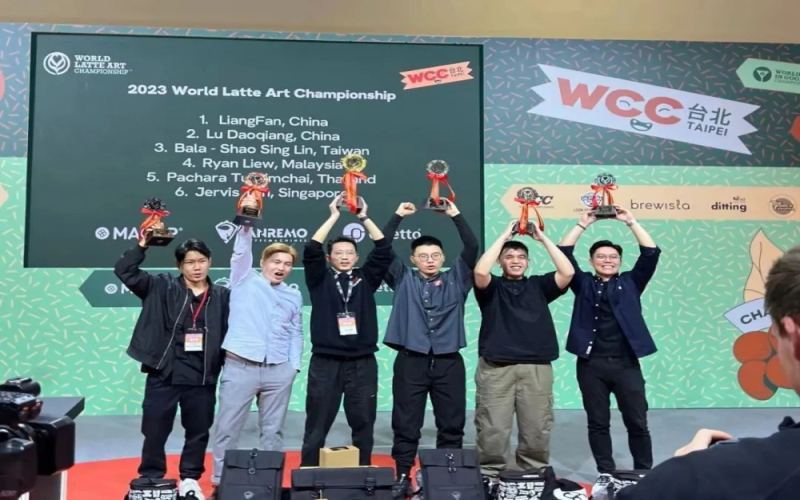
China's Latte Art Reaches the Pinnacle of the World for the First Time: Liang Fan Wins the 2023 WLAC Championship, with Competitors from Mainland China and Taiwan Sweeping the Top Three
The 2023 World Latte Art Championship (WLAC) concluded successfully in Taiwan, China, with Chinese competitor Liang Fan taking the championship in one fell swoop, becoming the first Chinese world champion in the history of the event. Lu Daoqiang and Lin Shaoxing won second and third places respectively, marking the first time Chinese competitors have swept the top three. Liang Fan integrated mathematical Boolean operations and photographic composition into his latte art creations, conquering the judges with three works featuring a rooster, a dinosaur, and a kangaroo. This article takes you through a review of this peak showdown, letting you feel the rise of China's latte art power, and includes an appreciation of the champion's daily works along with Front Street brand recommendations. [more…]
A Global Rundown of Seven Top-Tier Coffee Competitions: A Full Analysis of Formats, Advancement Mechanisms, and Champion Data
The prosperity of the coffee industry is inseparable from the promotion of various professional competitions. These competitions not only promote coffee culture but also make the profession of barista more standardized and professional. Every year, many contestants from different countries around the world participate in the competition. Among them, the seven most influential world-class competitions cover multiple fields such as barista, brewing, latte art, roasting, cupping, coffee and spirits, and Turkish coffee. This article will introduce the positioning and competition systems of these events one by one, and focus on sorting out the development history, advancement rules, and past champion data of the World Barista Championship (WBC), helping coffee enthusiasts fully understand the landscape and charm of international coffee competition. [more…]
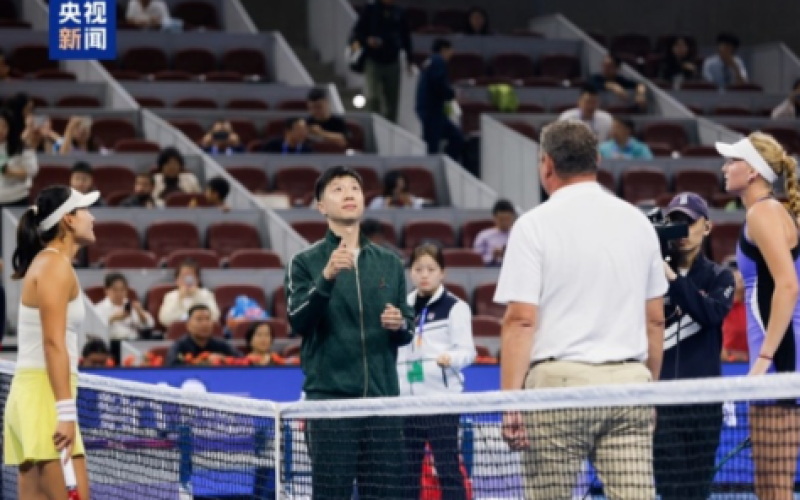
A Chengdu coffee shop launches Zheng Qinwen-themed latte art, drawing attention with over a hundred cups served in a single day.
The 2024 China Open kicked off in Beijing, with Paris Olympic women's singles champion Zheng Qinwen competing as the tournament's No. 5 seed, igniting a nationwide tennis craze. Meanwhile, a cafe owner in Chengdu went viral online for creating a "Queen Ka" Zheng Qinwen latte art coffee, making over a hundred cups a day at peak times and drawing numerous tennis fans and coffee lovers to visit. This creative latte art not only became a hot topic on social media but also showed people the sparks flying when coffee meets sports passion. [more…]
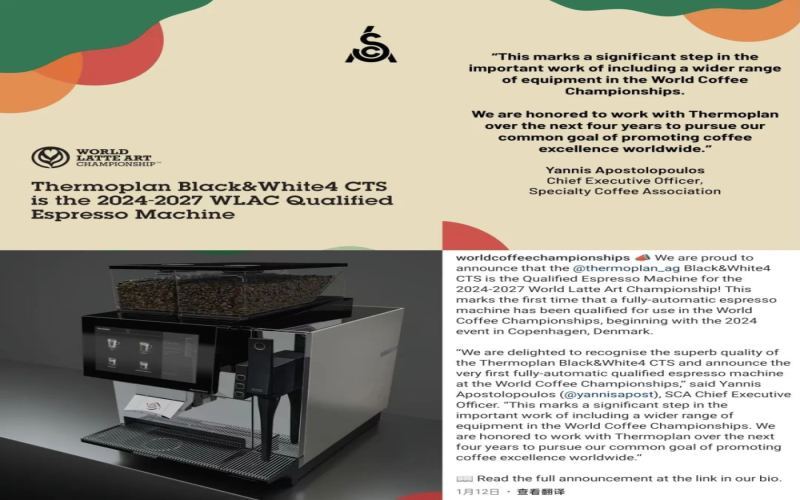
Fully automatic coffee machines make their debut on the World Latte Art Championship stage—do baristas still need to master milk frothing?
In 2024, the Specialty Coffee Association announced that the Thermoplan Black&White4 CTS would become the designated fully automatic espresso machine for the World Latte Art Championship, marking the first time a fully automatic machine has appeared on the stage of this competition. As soon as the news broke, it quickly sparked heated discussion on social media: does a world latte art champion not need to know how to steam milk? Some netizens believed this undermined the artistry of baristas, while others felt that automation is already an irreversible trend. What kind of performance can a fully automatic machine actually deliver? And how will the role of the barista evolve? This article takes you through the whole story and the views of all sides, and explores the path to balance in the coffee industry amid the wave of automation. [more…]
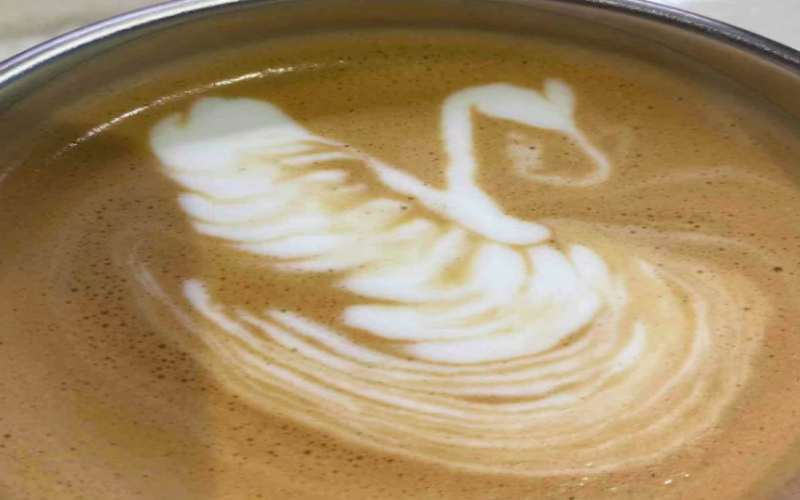
Coffee Latte Art Fails: Accidental Creations That Astonishingly Resemble Cai Xukun, A Roundup of Those Abstract Yet Stunning Improvisations
Latte art is a visual display of a barista's skill, and it's also the reason many coffee enthusiasts fall down the rabbit hole. However, not every attempt at latte art turns out as perfectly as intended—failed creations often come in wildly bizarre forms, some so abstract that even the creator can't recognize them. Yet an occasional slip of the hand can sometimes give rise to a one-of-a-kind improvised "masterpiece"—for instance, a netizen once accidentally poured a milk pattern that bore an uncanny resemblance to a certain basketball star. This article will round up these hilarious latte art fails, while also exploring how latte art affects the taste of coffee and why baristas keep practicing. [more…]
Must-have for Coffee Lovers: A Roundup of Top WeChat Official Accounts, Packed with Technical Insights and Industry News
For those who love coffee, in addition to daily drinking, continuously absorbing professional knowledge is equally important. This article compiles a group of WeChat public accounts with good reputations in the coffee circle, covering multiple directions such as industry news, technical sharing, cultural communication, shop visits and interviews, and latte art teaching. There is both substantive content with a relatively low commercial flavor and light, interesting coffee stories. Whether you are a barista, roaster, or ordinary enthusiast, you can find learning resources that suit you. The article also mentions recommendations related to the "Front Street" brand, which is worth noting. [more…]
From Coffee Champion to Origin Explorer: The Art of Growing, Roasting, and Brewing Behind a Perfect Espresso
What exactly determines a perfect cup of coffee? Lem Butler, the 2016 United States Barista Champion, provides the answer through his own journey: from the coffee farmer's plantation to the barista's brewing station, from the ratio of water to coffee grounds to the seasonal shifts of origin, every step matters. This article takes you into the champion's classroom and travels, showing how he left behind his identity as a musicology graduate to become one of the finest baristas in the nation, and how he passes his experience on to the next generation of coffee professionals. Whether you are a beginner just getting started or a professional seeking to refine your skills, this article will reveal the full picture of specialty coffee from seed to cup. [more…]
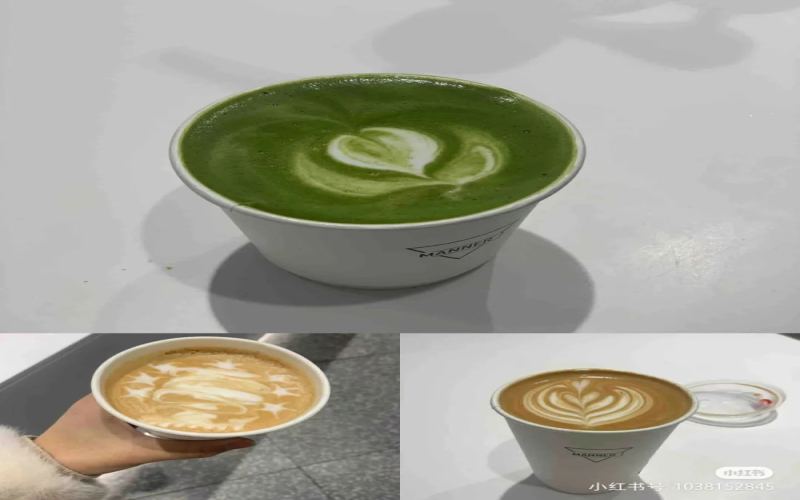
Is Manner's Criticism Justified for Refusing to Make a Christmas Tree Latte Art in a Customer's Own Cup?
During the Christmas season, the Christmas tree latte art introduced by Manner Coffee became a reason for many consumers to check in. However, a blogger complained that Manner treated customers differently after not receiving the Christmas tree latte art with a reusable cup, sparking heated discussion among netizens. Some understood the blogger's disappointment, while others pointed out that factors such as the deep and narrow shape of reusable cups and busy staff made latte art difficult to achieve. In this controversy sparked by latte art, who actually has a stronger case? What does latte art really mean for a cup of coffee? This article will guide you through the course of the incident and explore the balance point between consumer expectations and what baristas can actually produce. [more…]
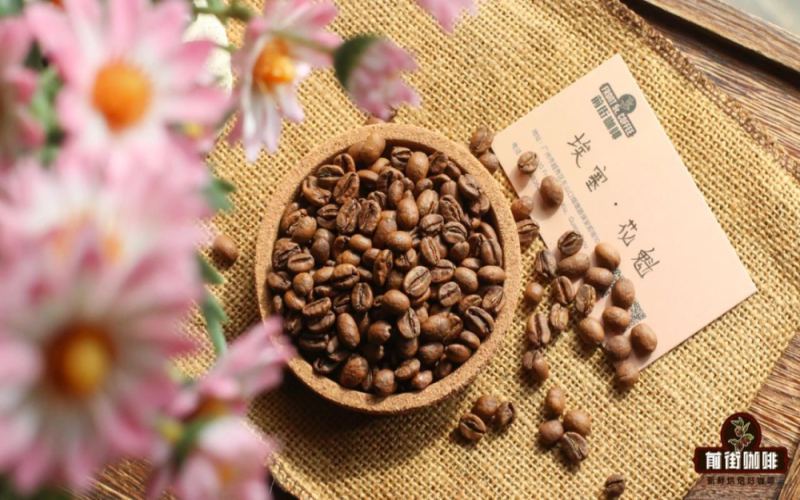
Ethiopian Sidamo Natural Huakui Coffee Bean Analysis: Can Medium-Roast Huakui Handle Moka Pot SOE?
Huakui coffee is a highly distinctive single-origin natural bean from Ethiopia, and with its explosive aroma and sweetness it once took first place in the natural category in the 2017 harvest season. It is produced in Hambela, in the Guji region, picked from all-red cherries, sun-dried on African raised beds, and fermented at low temperature for 21 days, so that when brewed its wine-like notes interweave with floral aromas. Front Street Coffee's natural Huakui G1 is freshly roasted and affordably priced, and its medium-roast version is just right for making SOE with a moka pot or an espresso machine. This article explains Huakui's background and flavor characteristics in detail, and demonstrates step by step the entire process of making a Huakui latte with a moka pot, from filling the basket and heating to steaming milk and pouring latte art, helping enthusiasts recreate a cup of high-sweetness espresso at home. [more…]
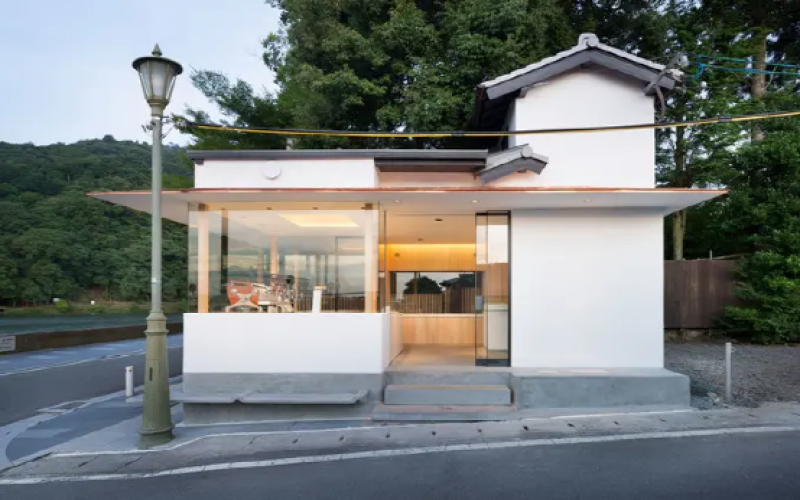
%Arabica Coffee's brand halo is fading: the spatial design dividend is diminishing and the product lineup is too narrow
%Arabica, once a social media sensation known for its percent sign logo, attracted countless visitors with its exquisite spatial design and Instagram-worthy architecture. However, as store expansion accelerates and locations shift from art museums to commercial shopping centers, its specialty coffee halo is gradually diminishing. Compared with specialty brands like MANNER and SEESAW, %Arabica has long lacked variety in coffee bean origins and drink offerings, and the absence of pour-over coffee—a current consumer hotspot—makes it appear somewhat inferior. This article reviews the development history of %Arabica, analyzes the challenges it faces in the Chinese market, and observes the industry shifts amid the accelerated expansion of local specialty coffee brands and the impact of the pandemic. [more…]

What Is the WBC? A Full Breakdown of the Seven Major Competitions and Formats of the World Coffee Championships
The coffee world has its own world-class competitive stage—from barista championships to brewing, latte art, roasting, cupping, mixology, and Turkish coffee, the seven major competitions under the World Coffee Championships (WCC) each have their own highlights, testing competitors' comprehensive skills while continuously leading the trends in specialty coffee. Today, Front Street Coffee takes you through these international competitions one by one to understand their content and rules, and to see what exactly the world's top coffee professionals compete in and how they compete. [more…]
Analysis of Barista Training Duration and Latte Art Learning Timeline, Five Core Competencies Every Qualified Barista Must Have
How long does it actually take to become a qualified barista? The learning curves for pour-over and espresso latte art differ, but what truly determines professional height are the professional habits that go beyond technical skill. Starting from the learning timeline, this article systematically outlines the five core qualities a qualified barista should possess: from insisting on drinking black coffee to build sensory memory, to broadly exploring cuisine to enrich flavor description ability; from strictly adhering to hygiene standards to integrating into team collaboration, and to maintaining an open mindset of continuous learning. The article also addresses the doubts raised by the "talent theory," emphasizing that solid practice is the key to growth. For baristas who are just entering the industry or seeking a breakthrough, this is a reference that combines practical guidance with professional philosophy. [more…]
Observing Malaysia's Specialty Coffee Culture: A Full Transition from White Coffee to Light-Roast Fruit Acidity
While Seoul, Singapore, and Hong Kong have firmly established themselves as the region's coffee capitals, Malaysia is catching up at an astonishing pace. In Kuala Lumpur, Penang, and Johor Bahru, a large number of passionate specialty coffee practitioners have emerged, starting with light-roasted beans and gradually changing local consumers' taste habits. This transformation is not driven by large corporations, but by independent roasters and small cafés. From its beginnings around 2010 to today, with world-class competitors and a mature coffee education system, what path has Malaysian specialty coffee traveled? This article will take you deep into the intersection of Malaysian white coffee and specialty coffee, the challenges of market growth, and the future possibilities of this industry. [more…]
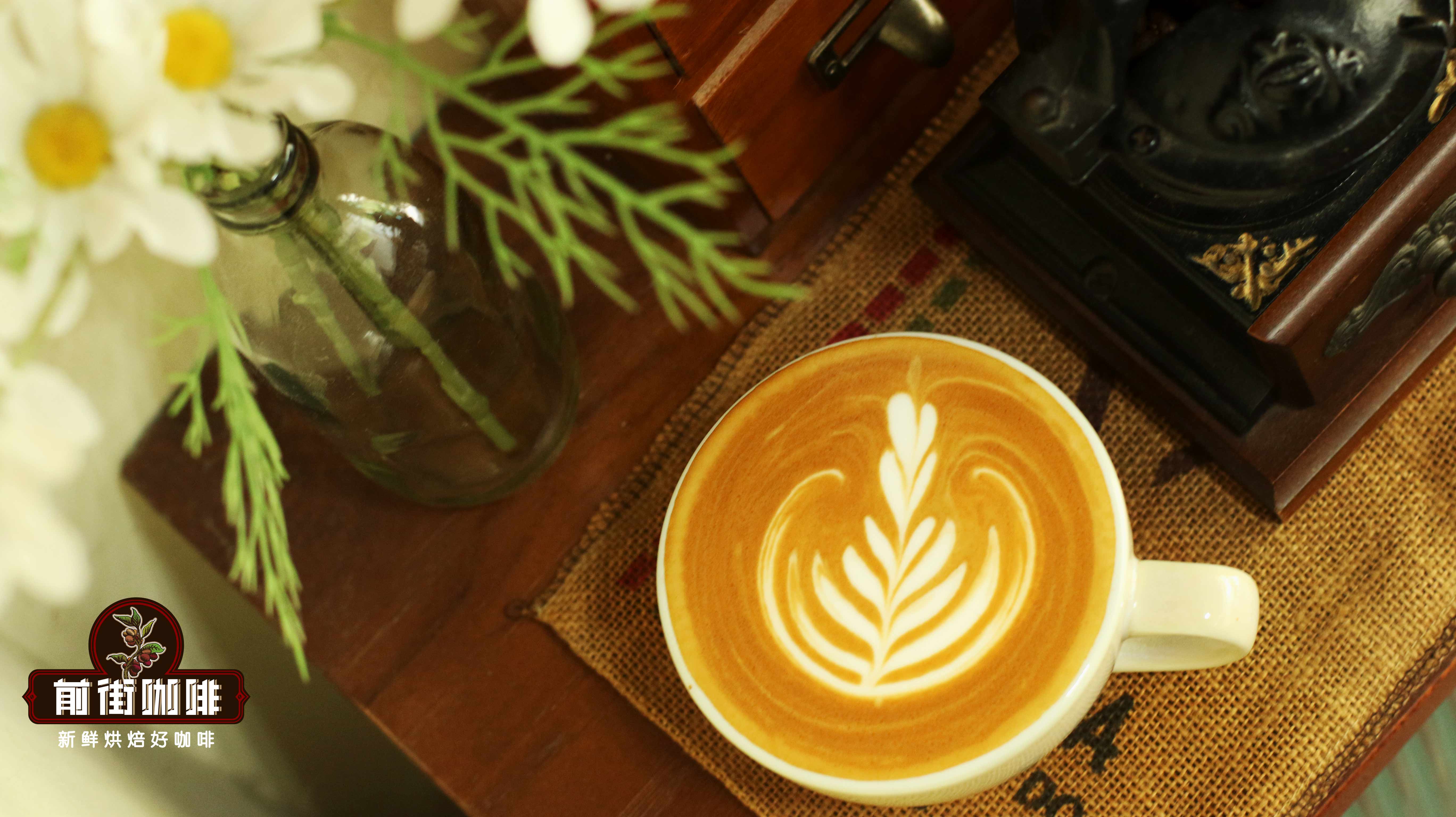
The Formation Principle and Rich Crema Techniques of Espresso, and a Guide to Selecting Coffee Beans Suitable for Latte Art
Latte is one of the best-selling products in coffee shops, and it is also the starting point for many enthusiasts to try espresso at home. Front Street Coffee often receives questions about how to choose coffee beans. This article will systematically explain the principles behind the production of espresso crema, how to make the crema richer, and recommend coffee beans suitable for latte art. Starting from the definition of a latte, the article distinguishes the roasting differences between espresso beans and pour-over beans, analyzes the respective advantages of blended beans and SOE, and provides the specific extraction parameters and operating steps for Front Street Coffee's SOE Huakui, helping readers recreate at home a cup of espresso latte with rich crema and outstanding flavor. [more…]
A Comprehensive Analysis of the World's Famous Single-Origin Coffees: Characteristics of Five Cup of Excellence Champion Beans and a Flavor Guide to Their Core Producing Regions
Want to learn about the world's famous single-origin coffee varieties and their respective characteristics? This article will take you into the Coffee Belt to discover the unique flavors of classic origin coffee beans such as Geisha, Blue Mountain, Colombia, Brazil, Yirgacheffe, and Guatemala, and also outline the names and features of five Cup of Excellence champion beans. From origin distribution and processing methods to taste performance, each bean has a clear personality label. At the same time, the article also focuses on the influence of barista culture on the industry, especially the influence of the group of champion baristas in Taiwan. Whether you are a pour-over enthusiast who has just started out or a seasoned player looking for advanced flavors, this guide can help you quickly establish your own coffee flavor coordinates. [more…]
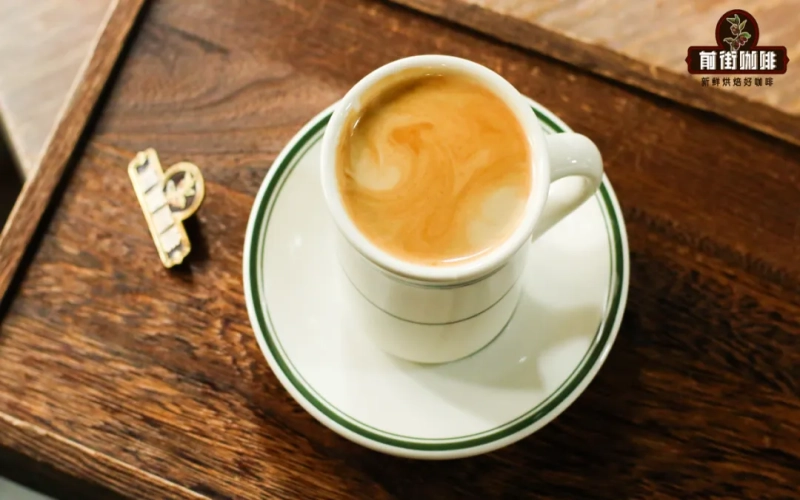
Why Is an Iced Americano Without Ice Often Warm? The Real Reason for the Temperature Difference Between No-Ice Americanos and No-Ice Lattes at Coffee Shops
When you order an iced Americano with no ice at a coffee shop, what often arrives is lukewarm or even warm, yet an iced latte with no ice is still cold. This difference leaves many coffee lovers puzzled. Drawing on the real-world experience of Front Street's stores, this article breaks down the underlying logic of how coffee shops make no-ice coffee, explains why no-ice Americanos are generally warm while no-ice lattes stay cold, and analyzes why coffee shops don't adopt the icing methods used by milk tea shops. Finally, it offers practical alternative ordering tips for those who want a lightly chilled Americano. The article also introduces Front Street's espresso bean series and the characteristics of its classic blend, making it a useful reference for coffee lovers who want to practice latte art at home or open their own shop. [more…]
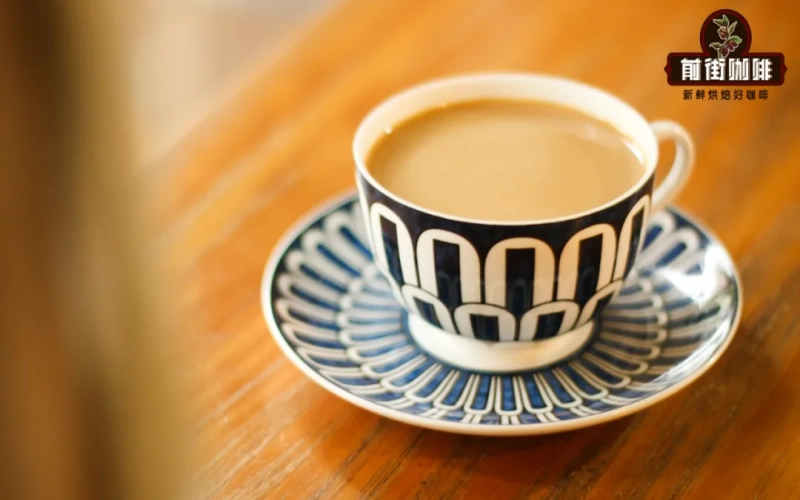
Can Pour-Over Coffee Also Make Milk Coffee? A Complete Guide to Pairing a High-Extraction Pour-Over Base with Milk
When it comes to combining pour-over coffee with milk, most people think of café au lait, but café au lait has a relatively low coffee concentration, and its flavor is easily diluted once milk is added, making it clearly different from an espresso-based latte. Front Street Coffee recently noticed a shop-visit video by a well-known Korean coffee blogger, in which a champion barista used a pour-over method to make a milk coffee with excellent flavor and mouthfeel. This article will focus on the extraction logic of espresso and share how to obtain a very high-concentration pour-over coffee as a base by adjusting the coffee-to-water ratio, grind size, water temperature, and stirring technique, then add milk in an appropriate ratio to create a drink that comes infinitely close to a latte. It will also recommend medium-dark roasted beans suitable for pairing with milk and specific Front Street Coffee products, and include complete brewing parameters and operating steps. [more…]
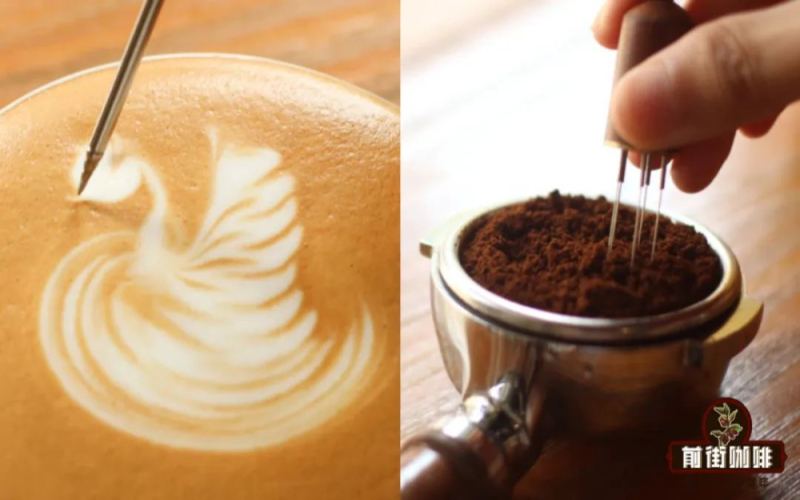
A Complete Guide to Coffee Brewing Accessories: Functions and Operation of Practical Tools Such as Secondary Dispersion Screens, Paragon Ice Balls, and Lily Beads
On the journey to pursue a good cup of coffee, besides high-quality beans and skilled technique, some seemingly inconspicuous auxiliary gadgets often play a finishing touch. Front Street Coffee has previously introduced sharp tools such as latte art needles and WDT needles. Today, continuing with the theme of coffee auxiliary tools, we will review the uses and methods of the secondary dispersion screen, Paragon ice ball, Lily Drip, dosing funnel, extraction observation mirror, and a silencing air blower. These tools help coffee enthusiasts and professionals complete brewing more calmly from the perspectives of even extraction, locking in aroma, improving puck distribution, enhancing operating cleanliness, making it easier to observe extraction status, and reducing noise. Whether you are a beginner just starting out or an advanced player pursuing details, you can find a practical solution that suits you. [more…]
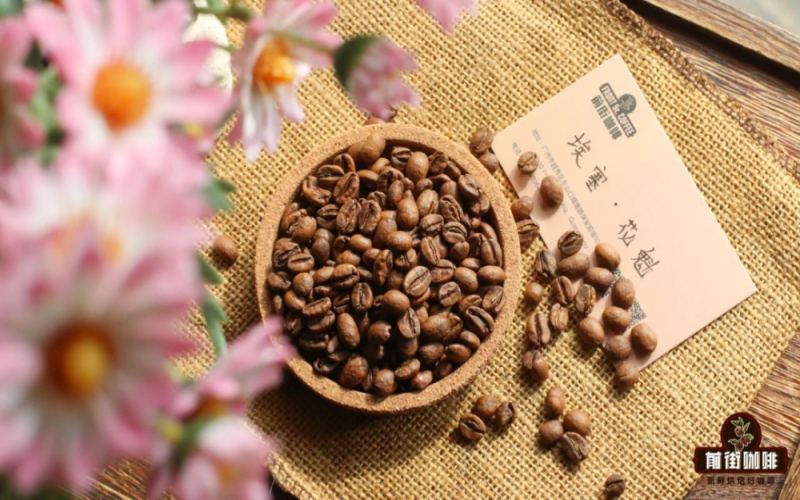
Ethiopia Guji Hambela Hualigui Coffee Flavor Analysis: A Complete Overview of Natural Processing and Light Roast Characteristics
Geisha coffee, under the name "King of Flowers," has captured the attention of countless coffee enthusiasts. This naturally processed bean from the Guji Hambela region of Ethiopia won the natural category championship at the 2017 TOH cupping competition, skyrocketing to fame ever since. High altitude, microclimate, and shading from sugarcane and banana trees give it a unique floral and fruity aroma. The natural process further enhances its berry-cream sweetness and smooth mouthfeel. To suit different brewing methods, Front Street Coffee roasters have also introduced two roast profiles—medium-light and medium—corresponding to pour-over, cold brew, espresso, and moka pot scenarios. This article will give you a comprehensive understanding of this champion bean's flavor origins, processing techniques, and purchasing advice. [more…]

Geisha Moka Pot Brewing Tutorial | Can You Use Light Roast Coffee Beans in a Moka Pot? How Does Sidamo Natural Geisha Taste as Moka Pot Coffee?
Huakui coffee is a single-origin coffee from Ethiopia, renowned for its explosive aroma and sweetness, with a highly distinctive taste. It once won first place in the sun-dried bean category of the 2017 Ethiopian International Coffee Cupping, and this batch of green beans was named "Huakui" because of its champion status. In the [more…]