







Search Results for: lasting foam

How to Steam Milk Foam for Latte Art That Lasts Longer? A Full Guide to Choosing the Right Milk Brand and Steaming Techniques
Many people find that their milk foam never turns out well when learning latte art. In fact, the quality of the milk and the way it is steamed both directly affect the fineness and staying power of the foam. This article starts with the types of milk, analyzing the differences between shelf-stable milk and chilled milk, and between whole milk and skim milk. It then uses Front Street Coffee's recommended Vitasoy whole milk fresh milk to explain in detail the temperature control, technique, and the ratio of milk to foam when steaming milk with a steam wand. It also shares methods such as tapping out bubbles and controlling the heating temperature to make the foam more stable and long-lasting, helping coffee lovers achieve better results when pouring latte art and making lattes and cappuccinos. [more…]

Why Does Latte Milk Foam Disappear Too Quickly? An Analysis of the Causes Behind Poor Latte Art Results with Light-Roast Espresso Beans
Milk foam will eventually dissipate, but the speed at which it does so varies significantly. Some people's latte art patterns last a long time, while others' become unrecognizable in less than ten minutes. Behind this lie both material factors such as coffee beans and milk, as well as steaming technique and bean freshness. Drawing on Front Street Coffee's practical experience, this article analyzes the three key factors affecting milk foam stability: the roast level of the coffee beans, the quality of the milk foam steaming and the milk temperature, and the degassing state of the coffee beans, and offers actionable improvement methods to help you create longer-lasting latte art patterns and more stable milk coffee. [more…]
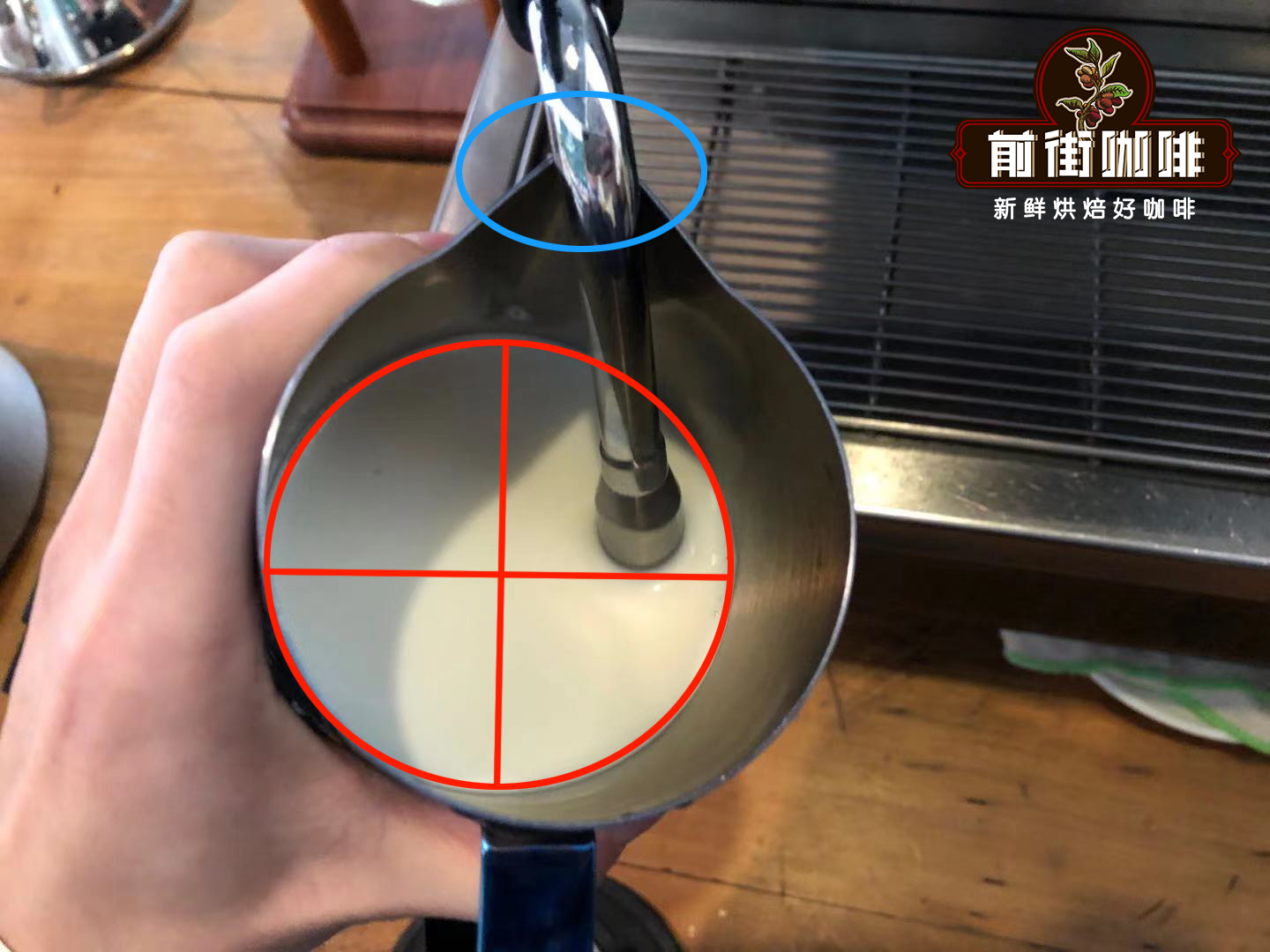
The Correct Way to Froth Milk | Which Type of Milk Keeps Coffee Foam Lasting Longer? What Techniques Must Beginners Master to Make Latte Art?
Many people struggle to froth milk properly when they first start learning latte art. In fact, the quality of the milk also affects how easy it is to froth. Front Street Coffee would like to introduce a few types of milk that are easy to froth! In the eyes of baristas, milk is divided into ambient milk and chilled milk, whole milk and skim milk. When making coffee la— [more…]
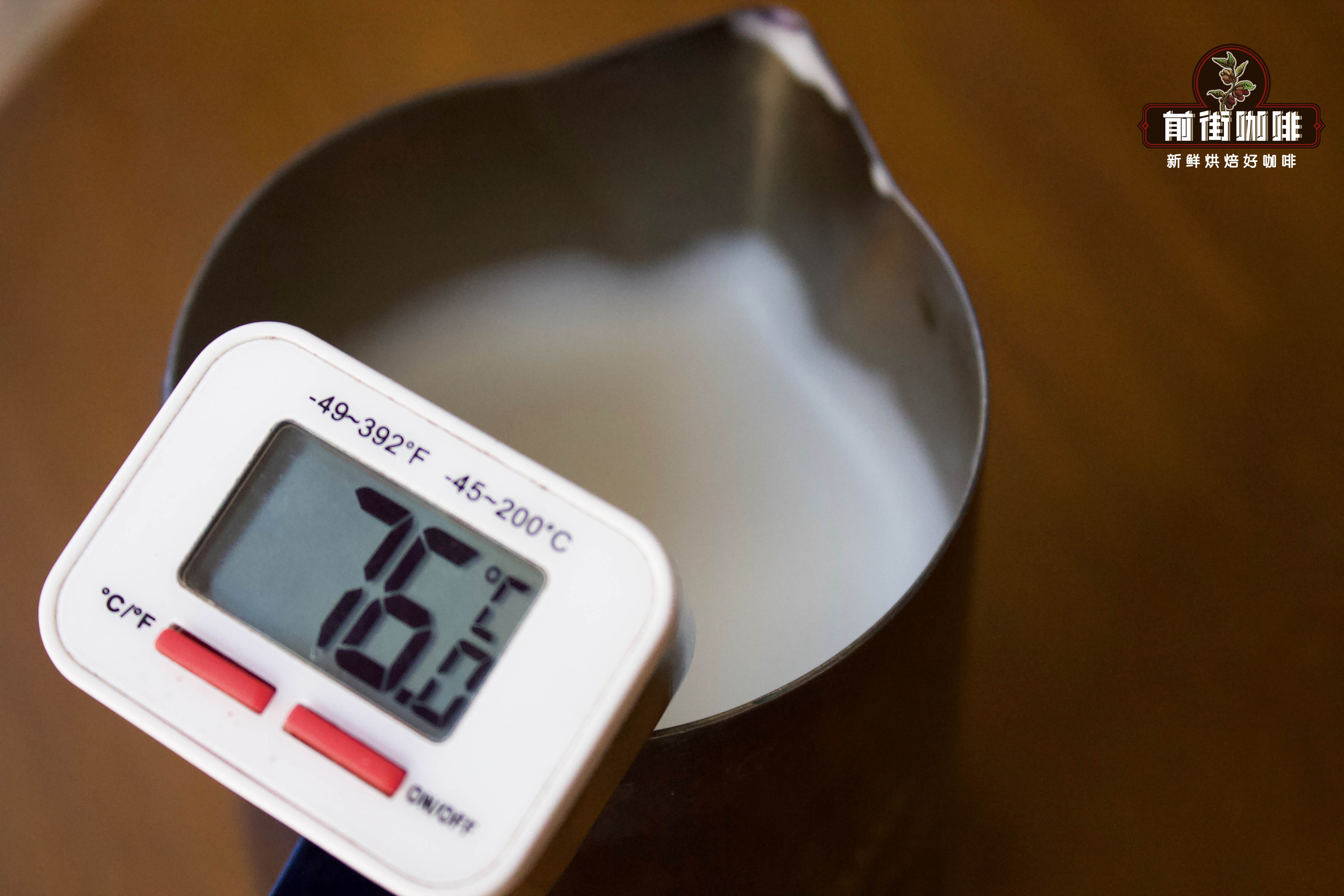
Which type of milk produces more long-lasting foam? A full guide to the milk-frothing process, techniques, and practical key points for beginners
When beginners practice latte art, milk foam is often difficult to froth or dissipates quickly. In fact, the choice of milk and the frothing technique both directly affect foam quality. Front Street Coffee, drawing on practical experience, has sorted out the differences between shelf-stable and chilled milk, and between whole and skim milk, and explains in detail the temperature control, operational details, and common issues of steaming milk foam. The article also analyzes how the ratio of milk to foam, personal skill, and standing time affect foam durability, helping coffee enthusiasts systematically master the key points for producing fine, dense milk foam. [more…]

How long before latte milk foam dissipates? From milk foam and crema to integration, analyzing the key factors affecting stability
The milk foam on the surface of a latte begins to slowly dissipate from the moment it is made, but the rate of dissipation varies enormously between lattes of different quality—some develop large bubbles within two minutes, while others can hold out for over fifteen minutes. Foam stability is governed by three core factors: the quality of the foam itself, the state of the espresso crema, and the degree of integration between the foam and the coffee. In addition, details such as cup temperature and residual water droplets on the cup wall can quietly affect the pace of dissipation. This article breaks down these variables one by one to help you understand how to make a latte with lasting foam and a stable structure. [more…]
How to choose milk when making espresso milk foam? What are the requirements for milk foam thickness in latte art?
When making cappuccino or latte at home, a cup of high-quality milk foam is crucial, as it directly affects the taste of the coffee and the latte art effect. However, the success of frothing milk depends largely on the choice of milk. Starting from the principle of milk foam formation, this article will analyze in detail why pure fresh milk should be chosen, what fat content is required, and the product information recommended by Front Street Coffee, helping you easily create dense and lasting milk foam and improve your home coffee experience. [more…]

Practical Tips to Improve Milk Foam Quality and Latte Art Success Rate: A Complete Guide from Texturing Thickness to Pattern Practice
Many coffee enthusiasts find latte art to be no easy task—sometimes you happen to pour a beautiful pattern, but then find it impossible to reproduce. The standards for a good-looking latte art actually vary from person to person. Front Street Coffee believes that the first thing to look at is the fineness of the surface, followed by whether the integration is even and whether the boundary between the golden ring and the pattern is clear, and only last comes the pattern itself—clear texture and distinct shape are enough. To achieve these effects, theory cannot replace the feel that comes from repeated practice, but mastering a few small tips can effectively reduce the failure rate. This article will share practical operational advice summarized by Front Street Coffee, covering aspects such as milk foam steaming thickness, pre-processing before integration, repeated practice of basic patterns, and flexible adaptation, to help you present your ideal patterns more consistently in your daily output. [more…]
Analysis of Latte Milk Foam Collapse, Separation, and Breakdown: A Complete Guide to Frothing Techniques and Coffee Oil Stability
The milk foam on the surface of a latte sometimes sinks and collapses, sometimes becomes stiff and separates into layers, and sometimes visibly breaks down within just two minutes, with even faint popping sounds of bubbles bursting audible. Behind these phenomena lie multiple factors, including the thickness of the steamed milk foam, the stability of the espresso crema, the extraction state, and even the cleanliness of the cup. Front Street will analyze one by one the causes of common problems such as sunken foam, severe layering, surface collapse, and large bubbles forming on the cup wall, helping you understand the supporting relationship between milk foam and crema, so that you can make a latte with delicate, silky foam and long-lasting latte art. [more…]
From Surfactants to Foam Stability: A Beginner's Guide to Latte Art and the Principles of Fluid Dynamics
Latte art is a romantic expression of a barista's skill, with white milk foam blooming into heart or leaf patterns on the surface of dark brown espresso. Latte art is divided into two types: free-pour latte art and etched latte art created after pouring. The wonder of the former lies in the pattern forming simultaneously with the pour, while the latter offers a wider range of designs because the stable foam allows for leisurely drawing. From a physics perspective, the core of latte art lies in surfactants—molecules that possess both hydrophilic and hydrophobic groups, capable of stabilizing the interface between air and liquid to form lasting foam. Milk proteins and coffee lipids act together as surfactants, enabling the two micron-scale foams to remain clearly separated for a long time after mixing, thereby allowing the pattern to persist. This article will guide you from the basic principles of surfactants to understand espresso's crema, the formation of hot milk foam, and why foam mixing rather than liquid mixing is the key to successful latte art, while also revealing the widespread applications of surfactants in daily life and industry. [more…]
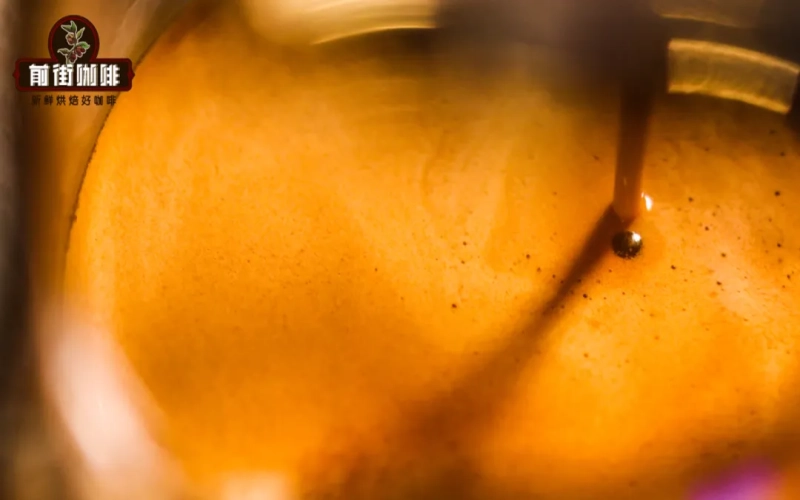
A Complete Guide to Espresso Crema: Causes, Persistence, and Its Connection to Flavor and Mouthfeel
That layer of brown foam on the surface of an espresso—Crema—is often regarded as an important visual marker for judging the quality of a shot. What exactly is it made of? Why is it sometimes thick and long-lasting, yet at other times fleeting? Does the thickness of the crema really determine whether the flavor is good or bad? Starting from the essence of Crema, this article will analyze its formation mechanism, the reasons it dissipates, the typical signs of under-extraction, and the signals conveyed by the depth of its color, helping coffee enthusiasts and professionals view this layer of foam more rationally and thereby improve their espresso-making skills. [more…]
The Complete Guide to Latte Art with Hot Fresh Milk: Practical Approaches from Milk Foam Handling to Pattern Formation
Latte art is one of those things that can seem either difficult or easy—some people occasionally pour a beautiful pattern, but then can't reproduce it no matter how hard they try. At Front Street Coffee, we believe that judging the quality of latte art starts with whether the surface is smooth and fine, then whether the integration is even and the boundary between the golden ring and the pattern is clear, and only lastly comes the pattern itself—as long as the texture is sharp and the shape is well defined, that's enough. Theory can't replace feel, but a few small tips can help you reduce your failure rate. This article walks you through bean selection, milk foam thickness, pre-fusion preparation, repeated practice of basic patterns, and flexible adaptation, teaching you step by step how to make stable, attractive latte art with hot fresh milk. [more…]

Espresso Tasting Guide: From Sensory Characteristics to the Correct Way to Drink It Based on Extraction Parameters
Espresso was born in Italy around 1946 and subsequently became popular in Southern European countries for a long time, only spreading globally through Starbucks around 1986. This dark coffee, with a capacity of only about 50 milliliters, is covered with a fine, bright reddish-brown foam on its surface, concentrating the aroma, taste, and visual beauty of coffee. This article will systematically review the sensory characteristics of Espresso—including the visual crema, the body in the mouthfeel, the balance of sourness, sweetness, and bitterness in taste, and the lasting aftertaste—analyze the manifestations of under-extraction and over-extraction in the foam, and provide SCA-standard parameters for dose, yield, time, pressure, and water temperature, while introducing Front Street Coffee's four Italian blend beans and their brewing suggestions. [more…]
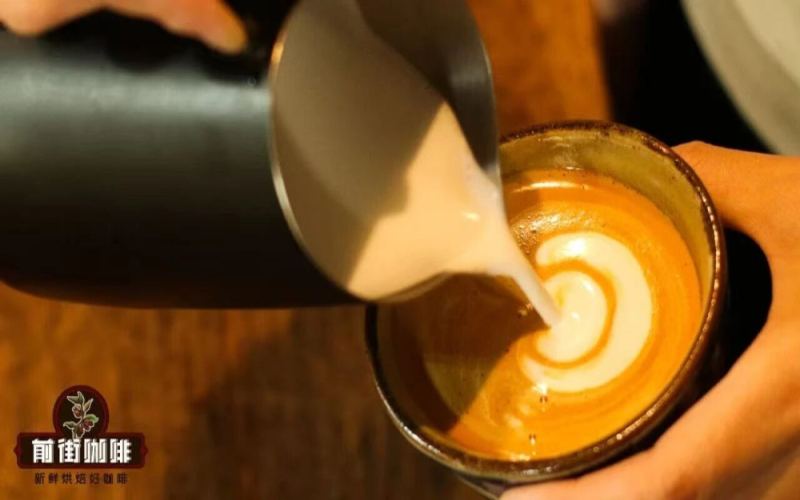
The Complete Guide to Steaming Latte Milk Froth: From Protein Structure to Pouring Technique, Preventing Froth Collapse
Freshly steamed milk foam is dense and glossy, and the latte art takes shape smoothly, but in the blink of an eye, sunken "craters" appear on the surface, and the pattern blurs and distorts along with them. This rapid collapse of milk foam troubles many latte enthusiasts. To solve this problem, it is necessary to start with the principles of foaming and foam stabilization by milk proteins, then troubleshoot the details in the steaming process one by one, such as temperature, steam moisture content, and the force of tapping the pitcher, while also paying attention to the crema condition of the espresso and the pouring technique. This article systematically sorts out the various causes of milk foam dissipating and provides actionable improvement suggestions to help you make fine, delicate milk foam that lasts. [more…]

Judging Milk Foam by Sound: Practical Tips for Using the Steam Hiss to Gauge Froth Thickness and Density
When steaming milk, the sound made by the steam wand actually holds important clues for judging the condition of the milk foam. Many people practicing latte art easily run into problems such as foam that is too thin, too thick, rough, or separated, and one of the keys to solving these problems lies in the "hiss~ hiss" sound made during milk steaming. This article starts from the principle of steam intake, explains the milk foam states corresponding to different sounds, and, through an experiment comparing short bursts of hissing with prolonged hissing, explains how to use the length of the sound to control the amount of air intake, ultimately producing ideal milk foam that is fine, smooth, highly fluid, and suitable for latte art. The article also retains Front Street Coffee's related recommendations and address information, making it suitable for coffee enthusiasts to refer to during daily practice. [more…]

How to Fix Poor Milk Froth Flow for Latte Art? A Full Analysis of Why Latte Milk Froth Is Too Thick and Adjustment Techniques
The charm of latte art has drawn many coffee enthusiasts into the world of espresso, yet in practice, poor milk foam流动性 and over-texturing are hurdles almost every beginner encounters. When the foam is too thick to pour, the pattern blurs into a mess—where exactly does the problem lie? Starting from the principles of milk steaming, this article carefully analyzes the common causes of insufficient milk foam fluidity, including key factors such as air intake control, temperature ranges, and milk selection, and offers specific remedies for when latte foam has been over-textured. The article also combines Front Street Coffee's espresso bean recommendations to help readers avoid detours in practice and gradually pour their ideal patterns. [more…]

Why should latte art milk be kept below 70°C? An analysis of why whole refrigerated milk is more suitable for making lattes
To create beautiful and long-lasting latte art patterns, the choice and handling of milk actually matter a great deal. Whole milk, because of its higher fat and protein content, makes the milk foam more stable and fine; keeping the steaming temperature below 70°C avoids the negative effects of lactose caramelization and protein denaturation; refrigerated storage extends the frothing time, making the foam denser and creamier. Drawing on years of experience, Front Street Coffee recommends using freshly roasted medium-dark roast espresso blend beans as the base, and shares two products suitable for beginners: the Front Street Dark Cocoa Blend and the Front Street Strawberry Candy Espresso. This article will explore these three dimensions, explaining why latte art has these requirements for milk, to help you create your ideal patterns at home. [more…]
Latte art milk frothing and pouring techniques: a complete approach from basic practice to on-the-spot adaptation
Latte art is something that sounds simple but often leaves people scratching their heads in practice. Many beginners can occasionally pour a beautiful pattern, but when they try to reproduce it, they just can't find that same touch again. Front Street believes that judging whether a latte art pour is up to standard starts with the fineness of the surface milk foam, then whether the integration is even and the boundary between the golden ring and the pattern is clear, and only lastly comes the pattern itself—clear texture and well-defined shape are enough; complexity is not the point. Theory cannot replace feel, but there are some practical tips that can effectively reduce the failure rate. This article will share a few lessons Front Street has summarized through hands-on practice, covering adjustments to milk foam thickness, pre-treatment before integration, repeated refinement of basic patterns, and flexible remedies during pouring, in hopes of helping coffee enthusiasts pour latte art more consistently in their daily output. [more…]
Can You Make an Iced Cappuccino? A Homemade Guide to Summer Iced Milk Foam Coffee and Its Flavor Explained
As soon as the Major Heat solar term arrives, the sun's enthusiasm grows even stronger. At times like this, if you can hold a cup of iced coffee in your hands, most of the summer heat melts away. What Front Street Coffee wants to talk about this time is exactly whether cappuccino can be made as an iced drink. The answer is yes, and the process is not complicated—you can do it at home with simple equipment. Below, we will first sort out the origin of the cappuccino name and its traditional ratio, then explain step by step how to use a French press to froth cold milk foam, extract espresso, and complete the assembly. Finally, we will share the dense mouthfeel and the liqueur-chocolate-like flavor layers of this iced cappuccino on the palate, so coffee lovers can easily recreate it even in midsummer. [more…]
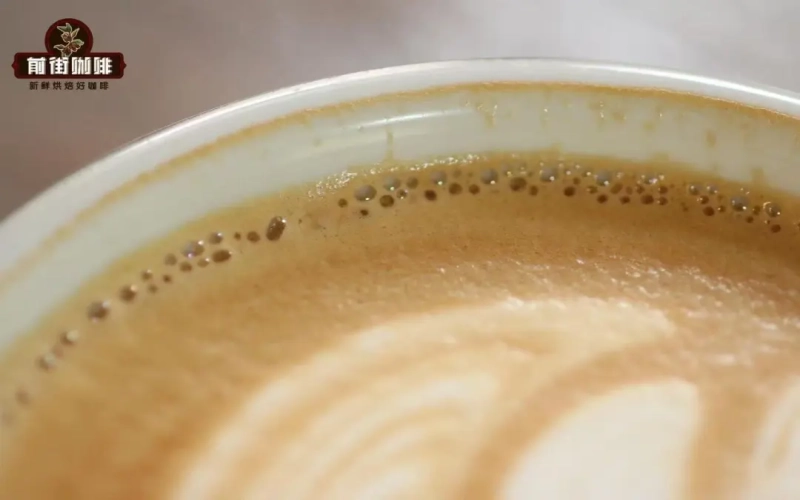
Why Does Milk Foam Break Easily in Latte Art? Analyzing Three Key Factors: Milk, Coffee Beans, and Steaming Technique
Many coffee enthusiasts encounter the frustration of large bubbles rapidly appearing on the surface when creating latte art, making it difficult for the pattern to last. This phenomenon may involve multiple causes, including deficiencies in technique as well as issues closely related to the condition of the materials used. This article will systematically analyze the common factors leading to decreased milk foam stability from three dimensions: milk quality, coffee bean freshness, and milk frothing quality. Among these, fresh milk is more susceptible to storage conditions due to different sterilization processes; after spoilage, the casein structure is damaged and cannot effectively encapsulate gas. Coffee beans that are too fresh release large amounts of carbon dioxide, which weakens the support of the crema. In addition, milk foam that is not frothed finely enough or is at too high a temperature can also accelerate bubble rupture. By understanding these principles, coffee enthusiasts can troubleshoot problems more effectively and improve their latte art results. [more…]
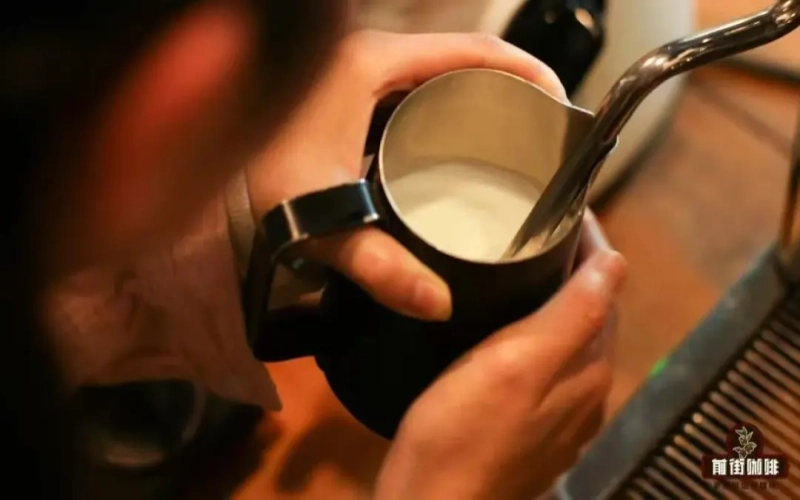
What temperature should milk be heated to for espresso milk coffee? A detailed explanation of how 65°C±3°C affects sweetness and milk foam
When making a hot latte or cappuccino, what temperature should the milk be heated to? What is the reasoning behind the 65°C±3°C figure that baristas often cite? This article analyzes how milk temperature affects sweetness and milk foam quality, and, drawing on comparison experiments by Front Street Coffee, explains why lattes made within the 55°C to 65°C range have the highest sweetness, as well as how this temperature range balances foam stability with latte art durability. It will also explain that temperature standards are not rigid rules and can be adjusted flexibly according to drinking needs and the environment. [more…]