







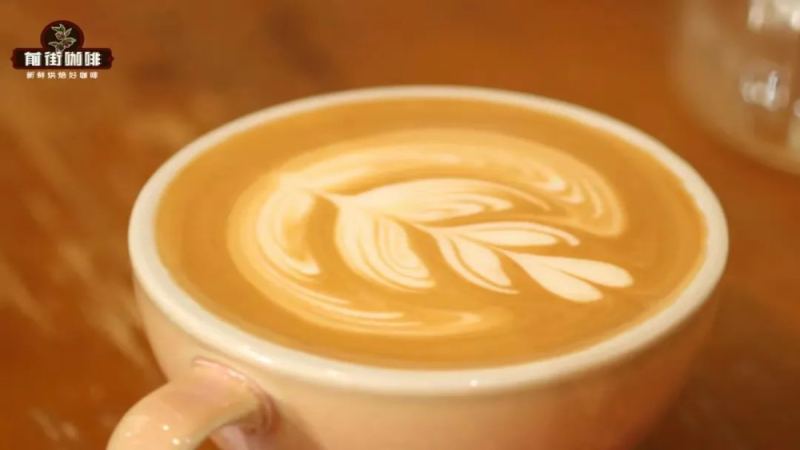
How Does Latte Coffee Milk Ratio Affect Latte Art
Latte art success depends on fine, smooth foam, even integration, and a clear boundary between the golden ring and the pattern. The pattern itself matters least, as long as its texture is clear and its shape is well defined. Bean selection and foam thickness influence how easily that result can be repeated.
A classic Italian blend of Brazil, Indonesia, and Vietnam with a deep roast produces thick, dense crema that suits both an Americano diluted with water and a milk drink. Steaming the milk foam slightly thicker is one practical adjustment that reduces the failure rate, but feel still comes from repeated practice rather than theory alone.
Latte art is one of those things that can seem hard or easy—sometimes someone pulls off a beautiful pattern by chance, but then can't reproduce it no matter how they try. Front Street believes that when judging the quality of latte art, you first look at whether the surface is fine and smooth, then whether the integration is even and the boundary between the golden ring and the pattern is clear, and only last comes the pattern itself—clear texture and well-defined shape are enough. Theory can't replace feel, but some small tips can help you reduce your failure rate. This article covers bean selection, milk foam thickness, pre-integration preparation, repeated practice of basic patterns, and flexible adaptation, teaching you step by step how to make stable, beautiful latte art with hot fresh milk.
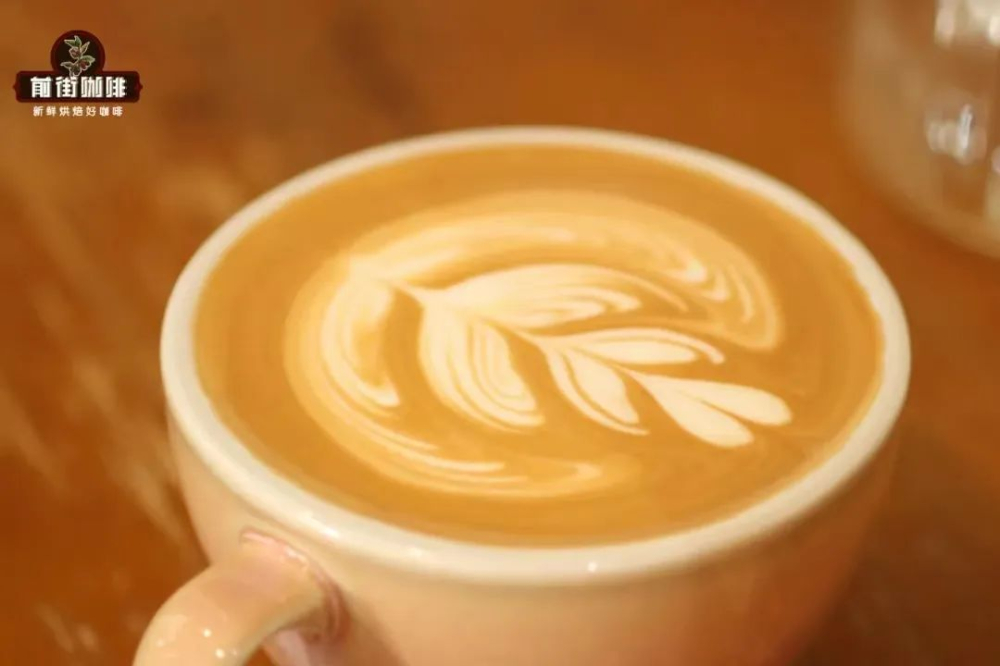
Many people consider latte art difficult. Some beginners, while practicing, accidentally pour a beautiful pattern, but afterward no matter how they try, they can't recapture that state.
As for whether a cup of latte art looks good, everyone's criteria differ. Front Street shares its own view: what Front Street values most is first the fineness of the latte art surface; second is the evenness of integration—that is, whether the boundary line between the "golden ring" and the pattern is clear; and only last is the pattern itself. Front Street doesn't care how complex the pattern is—as long as the texture is clear and the shape is well-defined, that's already enough.
Achieving the above standards is actually not easy—you must accumulate feel through repeated practice, and that's something theory can't give you. However, mastering some small tricks can lower the probability of latte art mishaps.
Besides technique-level tips, Front Street feels that choosing the right coffee beans is equally key. If you want to improve your latte art success rate, Front Street's classic Italian blend coffee is recommended. This blend combines three origins—Brazil, Indonesia, and Vietnam—and uses a deep roast, maximizing the rich aroma of the coffee and allowing everyone to easily extract thick, dense crema. Whether you're making an Americano diluted with water or a latte paired with milk, it's very suitable. You can purchase and place orders at the Front Street Taobao store or the Front Street Tmall flagship store.
—Milk foam can be steamed a bit thicker
This is for those who want to do ripple patterns. As everyone knows, ripple patterns require thinner milk foam so that fluidity is better and the lines are finer. But too much fluidity leads to the other extreme—it's hard to control, the pattern easily drifts, and in severe cases it may not even form.
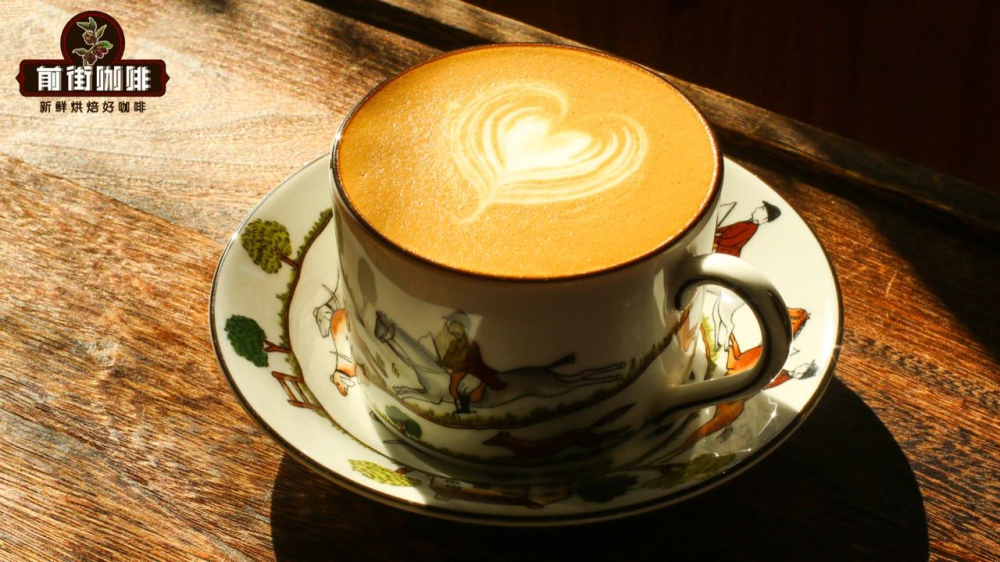
So in this situation, you might as well steam the milk foam thicker. Although the ripple lines will be slightly thicker, the advantage is stability. In daily production, stability comes first.
For example, milk filled to the 5-point mark, steamed to 5.5 to 6 points, is very thin milk foam. If your pattern occasionally distorts or fails to form during latte art, try steaming the milk foam to 6.5 to 7 points.
—Pour in part of the milk before integration
If you're not yet skilled at the integration step, Front Street suggests pouring a little milk (milk foam) in before the formal integration, swirling the coffee cup to let this portion of milk mix with the espresso first, and then continuing to complete the integration motion.
Adding some milk to blend with the espresso in advance allows the crema and milk foam to combine more evenly and stably. During subsequent integration, "whitening" is less likely to occur, and the liquid surface will look "cleaner."
—Start with simple patterns and practice repeatedly
Front Street considers this the hardest thing to do, and many baristas find it hard to persist. For example, the "big white heart" is one of the most basic patterns. Many baristas can pour a decent big white heart after about ten cups. But at this point, they often get the illusion that "I've already mastered the big white heart," and then move on to challenge the next pattern.
In reality, such a foundation is not solid. Pouring a "big white heart" was just a lucky combination of favorable conditions—with the slightest deviation, the heart shape becomes unstable. So the safest approach is to stay patient and keep practicing the same pattern until every cup you pour looks almost identical—only then have you truly mastered that pattern.
—Be flexible
There's another situation: you want to pour a certain pattern, but when it comes out, you find it's very different from what you expected. At that point, you need to immediately switch to another pattern to salvage it.

For example, if the pour point is wrong—you want to pour a heart but find the pour point is too far forward—if you force the heart, the entire pattern will shift forward. At this point, you should instinctively switch to pouring a leaf or pushing a tulip.
Another example: when finishing a heart, you find the cup isn't full yet. There's no need to rush the tail—you can push 1 to 2 more small hearts to form a 3-petal tulip.
For more specialty coffee knowledge, please follow: Front Street Coffee ( Frontsteet Coffee )
The above content is compiled by CoffeeHunters, a coffee news website.


