







Search Results for: largest
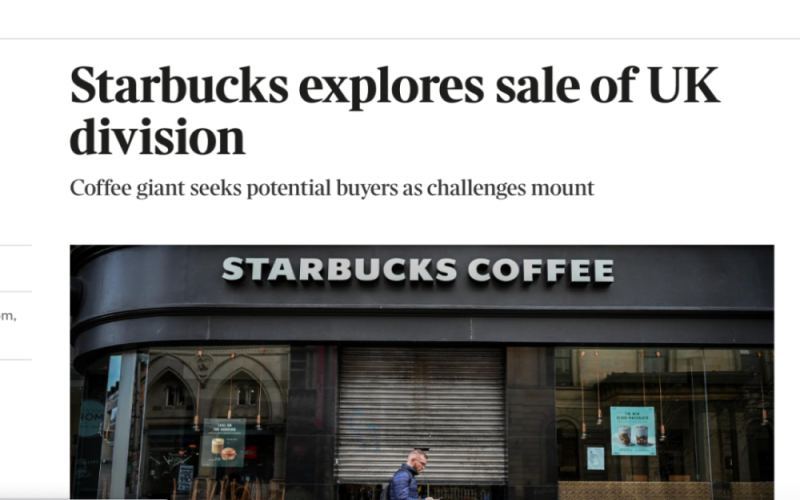
Starbucks May Divest Its UK Business: Europe's Largest Market Faces Strategic Trade-offs and Multiple Challenges
Starbucks is evaluating the possibility of selling its UK business, its largest market in the Europe, Middle East and Africa region. Hit by the pandemic, the normalization of remote working and a decline in tourists, Starbucks UK has been slow to recover, while also facing fierce competition from chains such as Pret A Manger, Tim Hortons and Costa. At the same time, Starbucks is also facing slowing growth and unionization pressure in the Chinese and US markets. This is not the first time Starbucks has sold a regional business; its South Korean business was previously taken over by Emart. This article examines the market logic and challenges behind Starbucks' global business adjustments. For more specialty coffee bean news, follow Front Street Coffee. [more…]
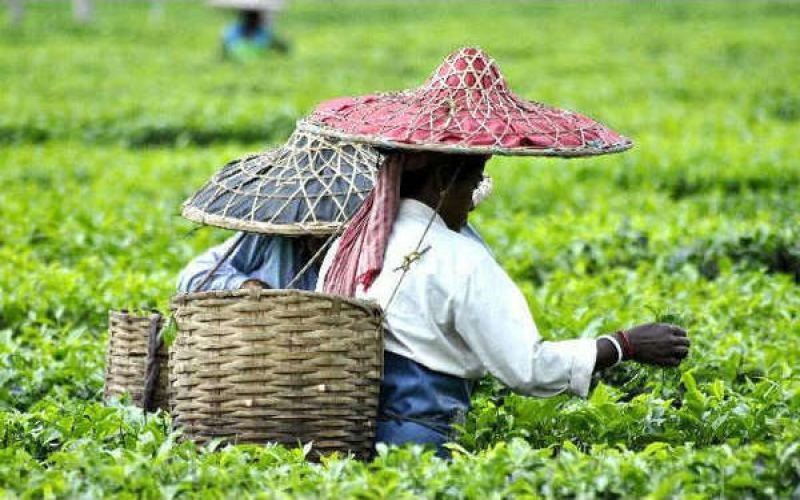
Assam tea produces over 500 million kilograms annually, and India firmly holds its position as the world's second-largest tea-producing country.
Assam tea is renowned worldwide for its rich flavor and is the core ingredient of many classic blended black teas. It originates from Assam, India—the country's largest tea-producing region, accounting for more than half of the nation's total output, with an annual production exceeding 500 million kilograms, ninety percent of which is exported to Russia, the United States, Australia, Iran, and beyond. Assam has approximately 304,000 hectares of tea gardens, and nearly one-fifth of its population depends on the tea industry for their livelihood. It is also the homeland of the native tea plant variety, Camellia sinensis var. Assamica. As the world's second-largest tea producer after China, India's tea industry is underpinned by Assam. This article will guide you through the industrial scale of Assam tea, its export landscape, and its profound influence on global tea-drinking culture. [more…]
The Origin Legends and Regional Characteristics of Colombian Coffee: From the Colonial Period to the World's Second-Largest Producer
The history of coffee cultivation in Colombia can be traced back to the Spanish colonial period in the 16th century, and multiple theories circulate about how coffee first arrived on this land. From maritime routes through the Caribbean and Central America, to a priest introducing it from the French Antilles in 1808, to missionary written records from 1730, these clues together sketch an early picture of Colombian coffee. Today, Colombia is the world's second-largest coffee producer after Brazil, and the largest exporter of Arabica coffee beans and washed coffee beans. Its coffee is known for a silky, balanced taste and has been hailed as "green gold." Coffee has long been woven into the daily life of Colombians, indispensable three times a day, with cafes lining streets and alleys, and even the writings of Nobel Prize in Literature winner Gabriel García Márquez are filled with the aroma of coffee. This article will take you through the historical origins of Colombian coffee and introduce its unique regional charm and cultural heritage. [more…]
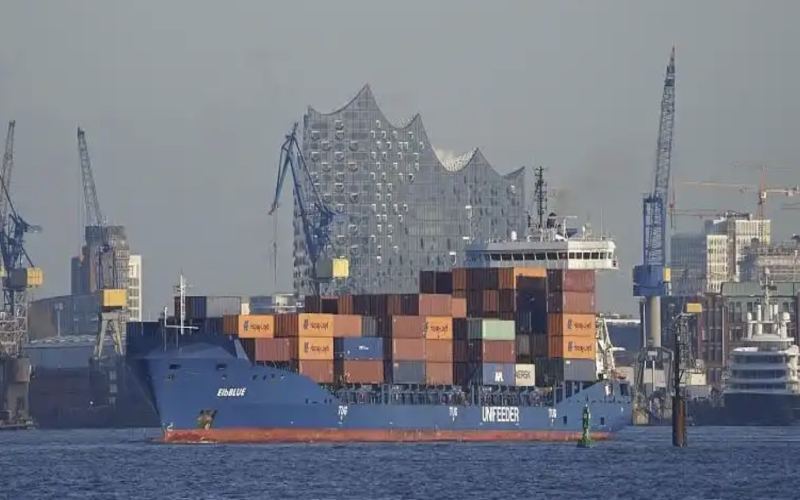
Europe remains the world's largest import market for coffee beans.
A report released by the European Coffee Federation (ECF) shows that Europe remains the world's largest coffee market, accounting for about 28% of global coffee consumption. The ECF accounts for about 90% of the EU's total coffee imports. The report also found that the coffee industry directly created about 15 [more…]
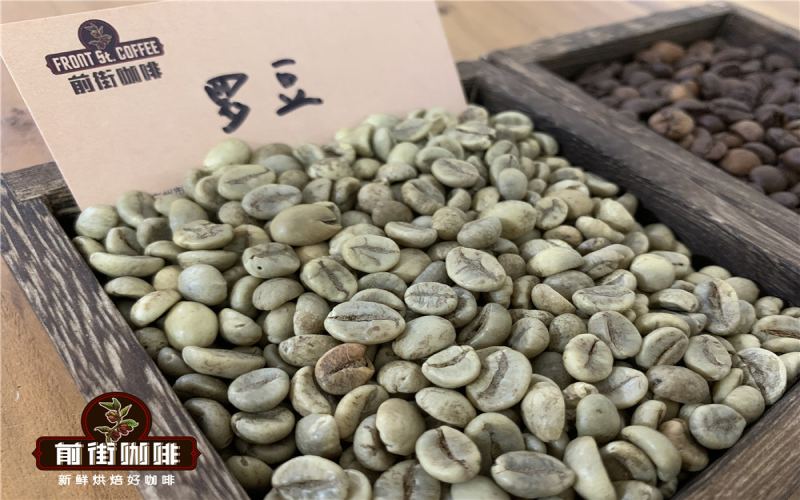
Analysis of Robusta Coffee Growing Altitude and Origin Characteristics: The World's Largest Producer and Flavor Applications
Robusta coffee beans are known for their high yield, full body, high caffeine content, and low cost, and they hold an important position in global instant and blended coffee. As the world's second-largest coffee producer, Vietnam devotes 80% of its output to Robusta, making it the largest current supplier of Robusta. This article will analyze variety classification, plant characteristics, cultivation altitude, and the causes of flavor, and will also explore the value of Robusta in espresso blends in the era of specialty coffee. At the same time, the article will also combine two products, Front Street Classic Blend and Front Street Commercial Blend, to explain how a small amount of Robusta improves the actual performance of crema and a rich mouthfeel. [more…]
Brazilian Coffee: The Specialty Transformation of the World's Largest Producer and an Analysis of the Smooth Taste of Blended Beans
Brazil, as the world's largest coffee producer, has a coffee history that dates back to the early 17th century. Despite leading in production, most Brazilian beans were long classified as low-quality Arabica and Robusta due to natural limitations such as low altitude, non-volcanic ash soil, and lack of shade. However, in recent years, Brazilian coffee farmers and industry associations have worked together to promote quality upgrades, allowing specialty Brazilian beans to achieve repeated success in international auction markets. Front Street Coffee's Brazilian beans, with a performance of 3 points for aroma, 3.5 points for brightness, 3.5 points for body, 4 points for flavor, and 4 points for aftertaste, showcase a smooth mouthfeel interwoven with nutty sweetness and chocolate bittersweetness. This article will provide an in-depth analysis of Brazil's three major producing regions, the trade role of the Port of Santos, and the indispensable position of Brazilian beans as a base bean in Espresso blends, helping you rediscover the specialty potential of this production giant. [more…]
A Historical Examination of the Origins and Flavor Characteristics of Colombian Coffee: From Missionary Records to "Green Gold"
Colombia's coffee cultivation history can be traced back to the Spanish colonial period in the sixteenth century, with multiple accounts of its introduction, including via water routes through Haiti and El Salvador, and in 1808 by a priest who brought it from the French Antilles via Venezuela. The earliest written record appears in the observations of the missionary Jose Gumilla in 1730 along the banks of the Meta River. Today, Colombia is the second-largest coffee producer after Brazil, as well as the world's largest exporter of Arabica coffee beans and the largest exporter of washed coffee beans. Its coffee is renowned for its silky, balanced flavor and is hailed as "green gold." This article reviews its historical origins and flavor characteristics, and retains the relevant recommendations for the Front Street brand. [more…]
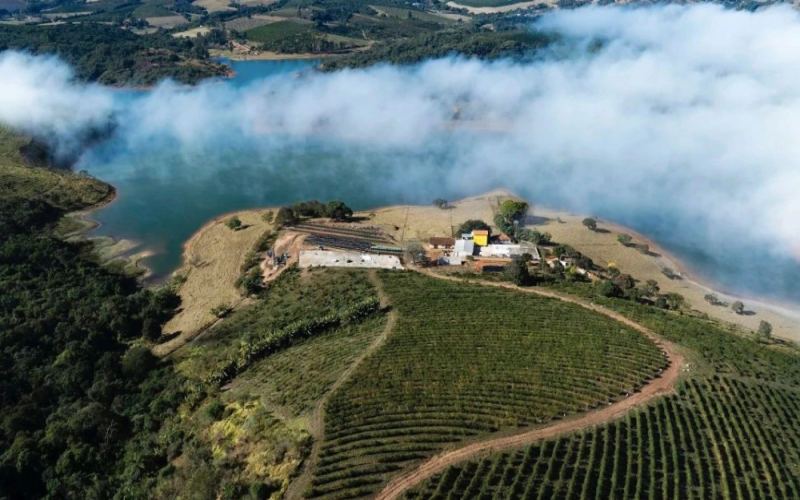
Exploring Brazil's Ipanema Estate: A Flavor Journey from the World's Largest Coffee Producer to Front Street Coffee's Blend
Brazil, as the world's number one coffee producer, has a deep and far-reaching coffee culture. Of the country's 21 states, 17 are involved in coffee cultivation, with Paraná, São Paulo, Minas Gerais, and Espírito Santo particularly prominent in production, collectively housing 3.97 billion coffee trees and producing coffee that accounts for one-third of global consumption. This article will take you into the story of Yipan Estate, Brazil's largest coffee bean supplier, from the region's characteristics to affordable prices, and on to the espresso blend widely praised by baristas—Front Street Black Cocoa—as well as the Front Street Brazil Queen's Estate single-origin beans suitable for pour-over. Whether for an espresso moka pot or pour-over black coffee, Brazilian coffee can satisfy coffee lovers' diverse needs with its balanced, moderate flavor and rich, sweet taste. [more…]

Analysis of the Flavor Characteristics of Brazil Santos Coffee Beans: A Classic Single-Origin Representative from the World's Largest Coffee-Producing Country
As the world's largest coffee producer, Brazil's Santos coffee has become a classic representative with its mild and balanced flavor. This article provides a detailed introduction to the quality grading, roasting suggestions, flavor characteristics, and origin background of Brazilian Santos coffee, giving you a comprehensive understanding of this neutral bean hailed as the representative of the "coffee continent." The article also shares the applications of Santos coffee in espresso and specialty coffee drinks, as well as how it conquers enthusiasts with its low-key and understated style. Whether you are a coffee novice or a seasoned player, you can gain a thorough understanding of this famous Brazilian specialty from this article, which also includes recommendation information from Front Street Coffee. [more…]
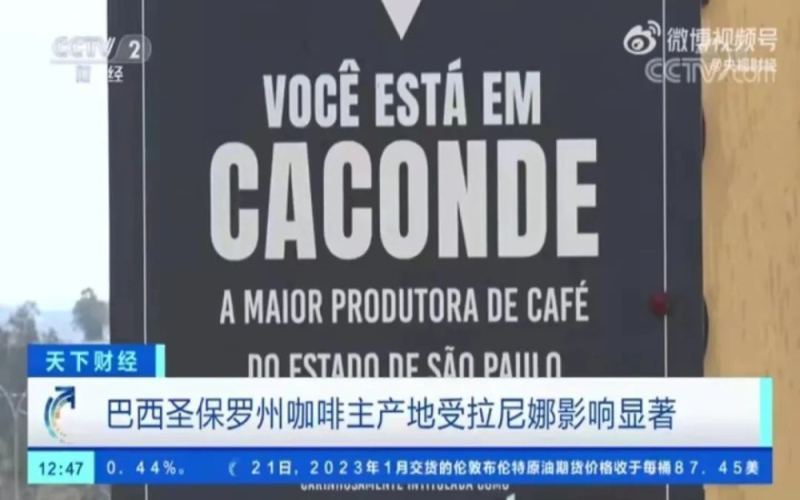
La Niña's Three-Year Onslaught on Brazilian Coffee Regions: Global Coffee Bean Supply Tightens in 2023, Prices Poised to Rise
Brazil, the world's largest coffee producer, is being battered by three consecutive years of La Niña, with output in its main growing regions falling sharply and the outlook for the 2023 harvest far from optimistic. Meanwhile, Uganda, Africa's largest coffee exporter, has also seen its export volumes decline due to drought, while data from the International Coffee Organization show that global coffee consumption has continued to recover since the pandemic. With tightening supply overlapping with recovering demand, coffee futures prices remain elevated, and domestic traders have begun stockpiling physical beans. This article will review the production declines in Brazil and Uganda, the weather mechanisms behind them, and the shifts in supply and demand across the global coffee market, and will also include Front Street Coffee's specialty bean recommendations for readers' reference. [more…]
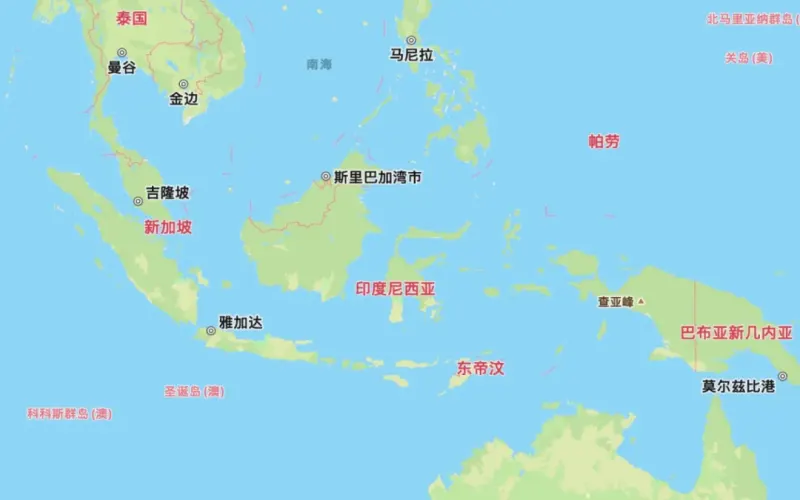
A Comprehensive Interpretation of the Characteristics of the Indonesian Coffee Industry and the Grading Standards for Green Beans
As the world's fourth-largest coffee-producing country, Indonesia, with its unique geography as an "archipelago of ten thousand islands" and its tropical rainforest climate, has given rise to coffees with distinctive flavors. Among them, Mandheling from Sumatra is the most famous; its name comes from a local ethnic group and is also tied to an interesting anecdote from World War II. Indonesian coffee is mainly distributed across islands such as Sulawesi, Bali, Java, and Sumatra. Northern Sumatra is dominated by Arabica, while the south mostly grows Robusta. Indonesia's national standard grades green beans based on the number of defects in a 300-gram sample, with common grades including TP and DP. Front Street Coffee's daily drinking bean series also includes the Lintong region, using the wet-hulled process and deep roasting, presenting herbal, dark chocolate, and caramel flavors, full-bodied with a sweet finish, fully reflecting the characteristics of the Asian region. [more…]
Colombian Emerald Coffee: Flavor Characteristics, Mouthfeel Performance, and Grind Size Guide
Colombian coffee holds an important place in the hearts of coffee lovers worldwide thanks to its silky smooth mouthfeel and outstanding balance. As the world's third-largest coffee producer and the largest exporter of washed Arabica beans, Colombia is home to numerous specialty regions and distinctive estates. This article provides a systematic introduction to the flavor characteristics and taste profile of Colombian Emerald coffee beans, outlines their unique geographical environment and historical origins, and reviews the cultivation features of well-known estates such as Hacienda Esperanza, Hacienda Esmeralda, and Oak Estate one by one. Finally, it includes Front Street hand-brew parameters as a reference, helping readers gain a comprehensive understanding of this coffee hailed as "green gold." [more…]
From Colombia to Brazil: How American Coffee-Producing Countries Rose to the World's Top Ranks Through Varieties and Terroir
The Americas are home to the world's most influential coffee-producing countries. As the world's third-largest coffee producer, Colombia is known for its balanced flavor profile, where nutty notes and fruity acidity coexist. Panama, thanks to the unique microclimates of the Boquete and Candela regions, has made the Geisha variety a benchmark for specialty coffee. Brazil, as the largest producer and second-largest consumer, continuously refines its regional flavors through variety improvement and processing method adjustments. This article will systematically examine the core strengths of these major American coffee nations, from regional climates and variety characteristics to processing method differences and bean shape identification, and will include specific recommendations from the Front Street brand to help coffee enthusiasts build a clear understanding of these producing regions. [more…]
From Berlin's first coffeehouse to the world's second-largest consumer nation: the historical trajectory of German coffee culture and the Latin American cultivation landscape
In 1721, the first coffeehouse opened in Berlin, marking the beginning of Germany's coffee industry, which started slowly amid policy restrictions but rose rapidly in the 19th century through Latin American plantations and immigrant networks. German merchants once controlled more than 80 percent of Guatemala's coffee bean exports, and two world wars caused this coffee domain to rise and fall several times. After the war, Germany's economy recovered, and its position in the coffee trade was rebuilt accordingly. Today Germany is the world's second-largest coffee-consuming country, and its per capita consumption far exceeds that of the United States. This article sorts out the complete thread of German coffee culture from its budding beginnings and expansion to its revival, and is suitable for readers interested in coffee history and the industrial landscape to savor carefully. [more…]

Starbucks Red Cup Day Erupts in Massive Strike: Thousands of Employees Protest, Union Calls It the Largest in History
On November 16, 2023, Starbucks' annual "Red Cup Day," thousands of employees at more than 200 stores across the United States went on strike. Organizers called it the largest labor action since the founding of Starbucks Workers United. Employees chose to strike during this peak ordering period, aiming to disrupt operations as much as possible and draw public attention. Behind the strike lies baristas' long-standing dissatisfaction with understaffing, overloaded orders, and the company's refusal to listen to their opinions. Starbucks officially responded that the union refused to schedule negotiation meetings. This one-day strike had limited impact on sales, but the public opinion fallout is worth watching. [more…]
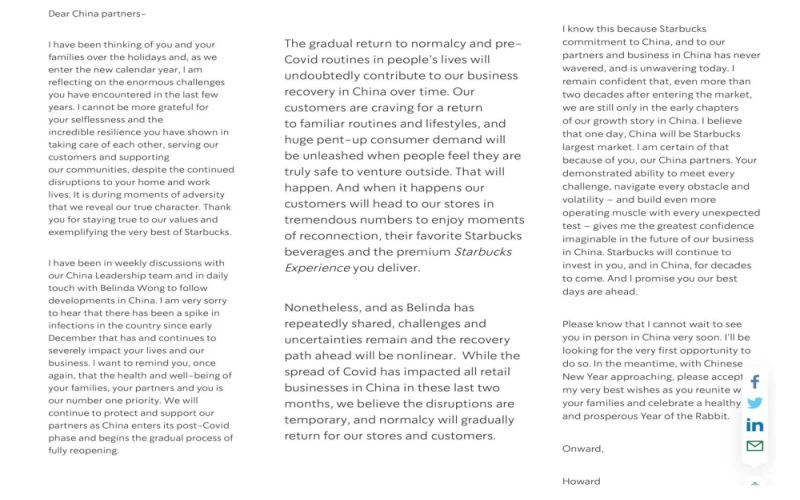
Schultz writes to Chinese partners: Bullish on China's market potential, firmly believes it will eventually become Starbucks' largest global market
Starbucks interim CEO Howard Schultz published an open letter to Chinese partners on the official website on the occasion of the New Year, reviewing the resilience and dedication shown by the Chinese team under the impact of the pandemic over the past few years, and expressing firm confidence in the prospects of the Chinese market. In the letter, he revealed that he communicates with the Chinese leadership team every week and keeps in touch with Belinda Wong every day, and pointed out that as China enters the post-pandemic stage, the release of consumer demand will drive business recovery. Although the road ahead is not linear, he believes China will eventually become Starbucks' largest market. The following is the full text of the speech and its translation. [more…]

Shenzhen Yeshengshan's thousand-yuan olive juice sparks heated discussion, Heytea becomes largest shareholder after investing
In the cold winter, a cup of hot milk tea always brings a bit of warmth. Prices for drinks on the market range from under ten yuan at Mixue Bingcheng to thirty or forty yuan at Nayuki and Heytea, with most still within what consumers can afford. However, recently a thousand-yuan drink has drawn attention on Weibo's trending topics—an olive juice launched by the Shenzhen milk tea brand Yecuishan, priced as high as 1,000 yuan. This drink uses the rare Chaoshan variety Jinyu Sannian olive, with the raw material costing about 800 yuan per jin on the market, and production taking nearly 3 hours. At the same time, Heytea has taken a stake in Yecuishan, holding 60% to become the largest shareholder, and the brand currently has more than 30 stores. [more…]
Exploring Indonesian Coffee Origins: A Comprehensive Analysis of Java Island's Coffee Cultivation History and Growing Region Distribution
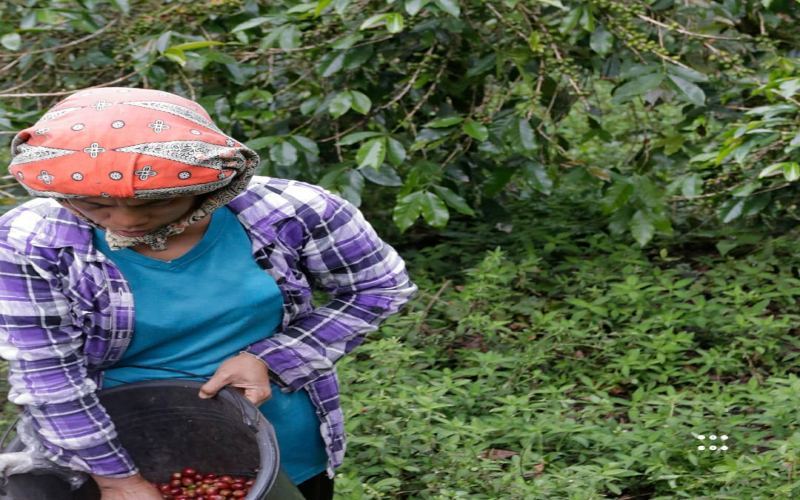
Indonesia is the world's fourth-largest coffee producer, made up of more than seventeen thousand islands, with its coffee-growing regions divided by island. Java, as the country's earliest coffee-growing area, has a long history of coffee cultivation and exceptional natural conditions. This article will guide you through the origins and development of Indonesian coffee, outline the characteristics of the main island regions such as Sumatra and Java, and take a closer look at Java's geographical environment, cultivation distribution, and main varieties, while also sharing information on the Indonesian Lintong Mandheling everyday drinking beans recommended by Front Street Coffee. [more…]
Global Coffee Demand Continues to Rise, Brazil's Exports to China Break the One Million Bag Mark for the First Time
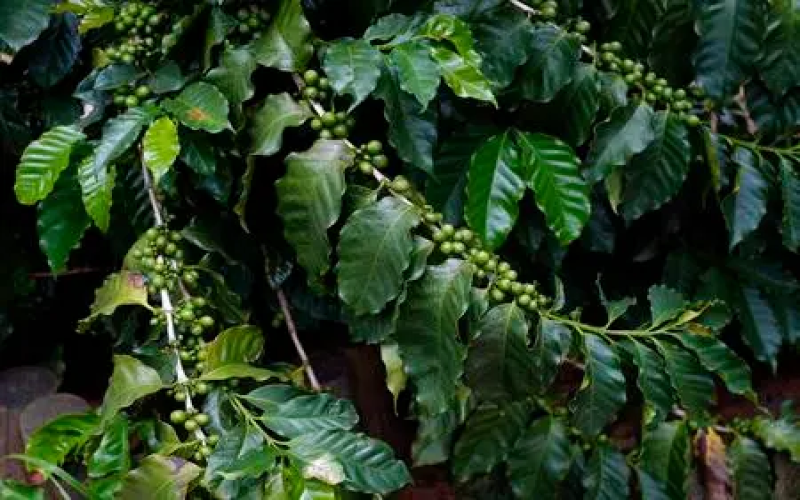
The latest data from the Brazil Coffee Exporters Council shows that Brazil's coffee exports to China have surpassed the 1 million bag mark for the first time, reaching 1,151,768 bags (60 kg/bag), and the growth momentum is expected to continue. At the same time, the European Union remains firmly the largest destination for Brazilian coffee exports, with exports reaching 5,470,729 bags in 2023. The rapid growth of China's coffee consumption, the increase in global coffee production, and changes in the import structures of major consuming countries are reshaping the world coffee trade landscape. Front Street Coffee continues to follow global coffee market developments, bringing the latest industry news to enthusiasts. [more…]
Overview of Colombian Specialty Coffee Regions: Terroir and Flavor from Huila to Tolima
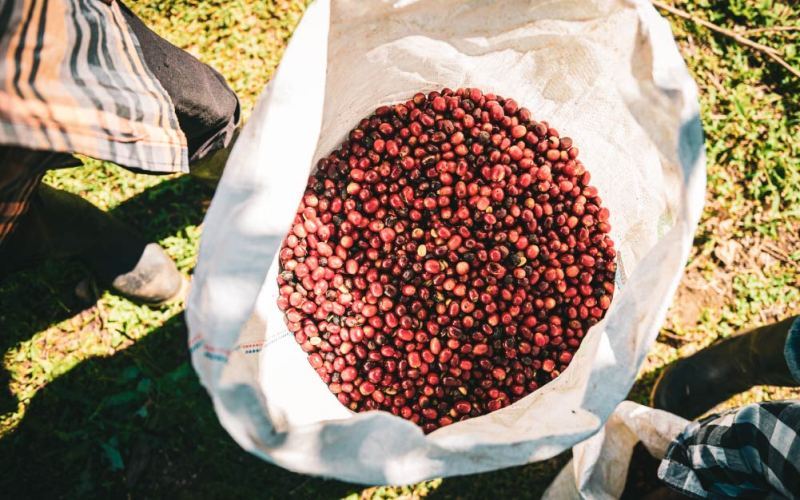
Colombia, with the high altitudes, volcanic soils, and diverse microclimates of the Andes, has become the world's third-largest coffee-producing country. Among the country's 15 province-based growing regions, Huila is the most famous, while Tolima has risen to become the third-largest producing region. This article will review the geographical advantages of Colombian coffee, focusing on the terroir characteristics of Huila and Tolima, and also mention Front Street Coffee's everyday drinking bean series. [more…]