







Search Results for: island
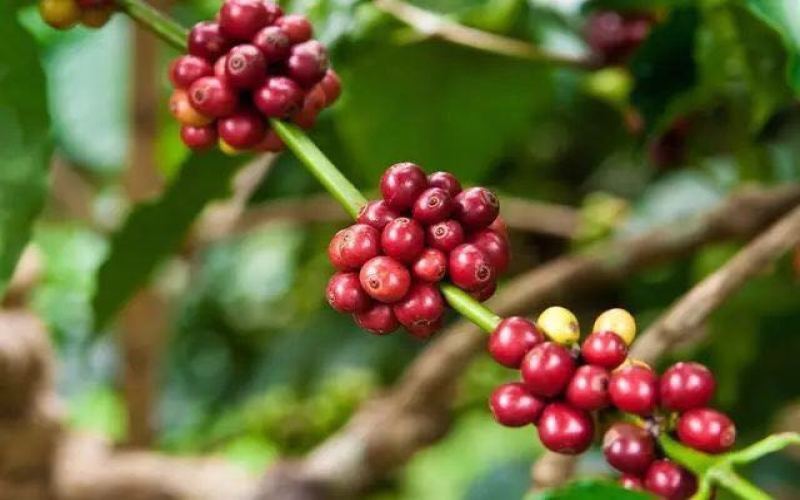
An Analysis of the Galápagos San Cristóbal Island Coffee Region: Organic Growing Conditions and Flavor Characteristics
The Galápagos Islands are located in the eastern Pacific Ocean, about 1,000 kilometers from the South American mainland, and were formed by the accumulation of undersea lava. Among them, the coffee produced on San Cristóbal Island is considered the finest coffee in Ecuador, with unique natural geographical conditions and an organic growing environment. This article will guide you through the geographical overview and historical background of the Galápagos Islands, the coffee-growing history and flavor characteristics of the San Cristóbal production area, and also share Front Street Coffee's brewing suggestions for this bean, helping coffee lovers gain a comprehensive understanding of this organic specialty coffee from the island of giant tortoises. [more…]
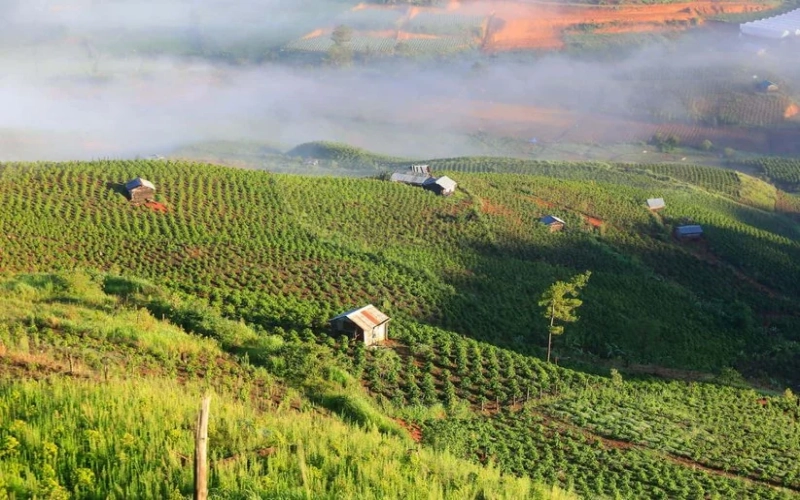
Which islands in Indonesia are coffee-producing regions? Analysis of coffee-growing areas and varieties on Java Island
Indonesia, as the world's fourth-largest coffee producer, is made up of more than seventeen thousand islands, and its coffee-growing regions are naturally divided by island, with Sumatra, Java, Sulawesi, Bali, and others each having their own characteristics. Among them, Sumatra has the highest output and is world-famous for its Mandheling flavor; Java not only has a long history of cultivation but also gave rise to the Java coffee variety named after the island. This article will review the distribution of Indonesia's main coffee islands and provide an in-depth introduction to Java's growing areas, altitude conditions, and variety structure, while also mentioning product information such as Front Street Coffee's Lindong budget beans, offering coffee enthusiasts a complete guide to Indonesia's producing regions. [more…]
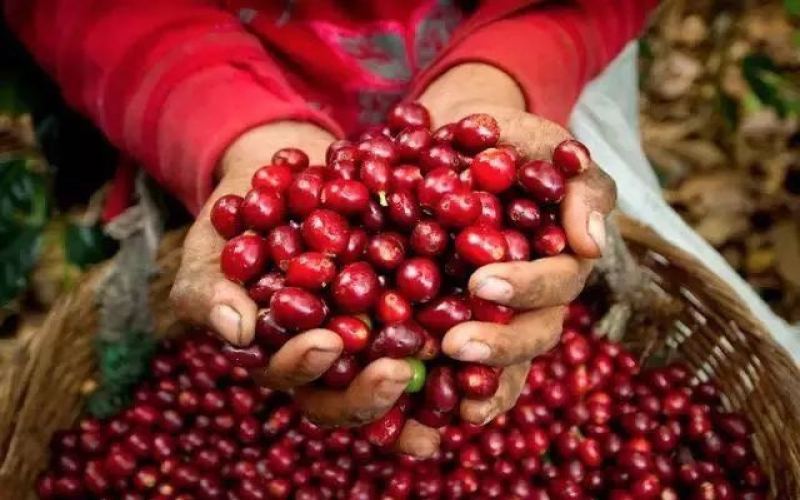
Galápagos San Cristóbal Island Coffee Farm: Organic Flavors and Regional Characteristics of the Bourbon Heirloom
The Galápagos Islands lie isolated in the Pacific Ocean, about 1,000 kilometers from the South American mainland, formed by the accumulation of undersea lava. Coffee was introduced here around 1870, and to this day the islands still preserve ancient, unhybridized Bourbon heirloom varieties. Though grown at an altitude of only about 500 meters, the unique microclimate created by the meeting of the cold Peru Current and the warm equatorial current produces high-acidity, extremely hard coffee beans. Ecuador legally prohibits chemical agents, making Galápagos coffee a recognized organic specialty, with a mild, rich flavor that is sweet amid its acidity, carrying floral, fruity, and caramel notes. This article will guide you through the coffee estates of San Cristóbal Island, their historical origins, and their flavor characteristics, and will include Front Street Coffee's brewing recommendations. [more…]
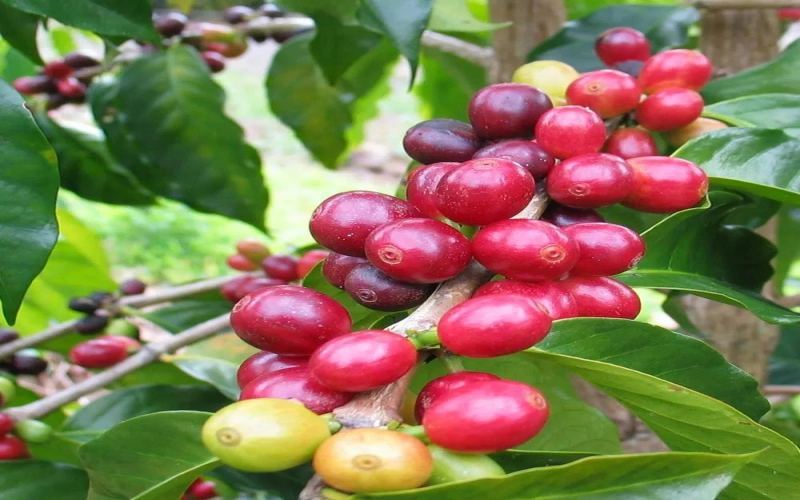
Ecuador Galapagos Islands Specialty Coffee: A Complete Analysis of the Flavor and History of the San Cristobal Region
In South America, Ecuador is one of the few countries that produces both Arabica and Robusta coffee beans. The country's finest coffee comes from San Cristóbal Island in the Galápagos Islands. This place has a unique maritime climate and volcanic soil, combined with freshwater streams rich in minerals, providing exceptional conditions for coffee cultivation. From the establishment of the Hacienda coffee plantation by Cobos in the 19th century to the expansion of cultivation by the González family, San Cristóbal coffee has gone through ups and downs, and today it is known for being organic and for its floral and fruity aromas with caramel sweetness. This article will take you on an in-depth look at the history and flavor characteristics of this producing region, along with brewing suggestions from Front Street Coffee. [more…]
Exploring Indonesian Coffee Origins: A Comprehensive Analysis of Java Island's Coffee Cultivation History and Growing Region Distribution
Indonesia is the world's fourth-largest coffee producer, made up of more than seventeen thousand islands, with its coffee-growing regions divided by island. Java, as the country's earliest coffee-growing area, has a long history of coffee cultivation and exceptional natural conditions. This article will guide you through the origins and development of Indonesian coffee, outline the characteristics of the main island regions such as Sumatra and Java, and take a closer look at Java's geographical environment, cultivation distribution, and main varieties, while also sharing information on the Indonesian Lintong Mandheling everyday drinking beans recommended by Front Street Coffee. [more…]
San Cristóbal and Galápagos Coffee: Tracing the Flavor Origins and Growing Conditions of Ecuador's Island Region
In the eastern Pacific's Galápagos Islands, San Cristóbal Island, with its abundant freshwater resources and unique microclimate, produces a highly acclaimed coffee treasure. This island is not only the only landmass in the archipelago with sufficient freshwater, but also, thanks to the Ecuadorian government's strict ecological protection policies, has become a representative region for naturally organic coffee. This article will guide you through an in-depth understanding of San Cristóbal's geographical environment, coffee-growing history, flavor characteristics, and the role of the Andes in Ecuador's coffee landscape. At the same time, we will also share Front Street Coffee's practical suggestions on fresh roasting and brewing to help you better savor this unique coffee from an equatorial island. [more…]
Reunion Island's Pointed Bourbon: The Rise and Fall of a Naturally Low-Caffeine Legendary Variety and Its Flavor Characteristics
Bourbon Pointu is one of the most legendary varieties in the coffee world, sharing fame with Geisha yet standing apart due to its naturally very low caffeine content and delicate flavor. It originated on Réunion Island (formerly known as Bourbon Island) and is a natural mutation of Bourbon coffee, with an elongated bean shape and sharp points at both ends. In the 18th century, it was favored by King Louis XV of France and the writer Balzac. Around 1800, annual production reached 4,000 metric tons, but it nearly disappeared due to hurricanes, fire ants, leaf rust, and other disasters. By 1942, only 200 kilograms remained and were shipped back to France, and it was widely considered extinct. It was not until 1999 to 2007, through joint efforts by France and Japan, that it was successfully revived. This article will review the cultivation history, flavor characteristics, and caffeine data of Bourbon Pointu, and include Front Street Coffee recommendations and V60 pour-over parameters. [more…]
How does St. Helena Island Napoleon coffee taste? An in-depth analysis of the underlying reasons for its high price
St. Helena coffee is famous for Napoleon's praise; the coffee beans produced on this isolated island in the Atlantic are considered the only island treasure in Napoleon's heart. The cultivation history of St. Helena coffee can be traced back to 1732, when it was introduced from Yemen and flourished on this isolated land. In the 1980s, David Henry launched a coffee improvement movement, insisting on purely natural cultivation, without machinery, and even recycling miscellaneous trees. This article will deeply explore the quality and flavor characteristics of St. Helena Napoleon coffee beans, analyze the various reasons for their high price, and take you to understand the story behind this rare coffee. [more…]
Front Street Island Coffee Analysis: Flavor Characteristics and Buying Guide for Jamaican Blue Mountain, Hawaiian Kona, and Puerto Rico
Island coffees are scarce in production and command a high price, yet they have won over countless coffee lovers with their rich creamy aroma and elegant floral notes. Front Street Coffee takes you on an in-depth look at the flavor characteristics, scoring performance, and suitable roast levels of three major island coffees: Jamaica Blue Mountain, Hawaii Kona, and Puerto Rico Yauco Selecto. Blue Mountain is mellow and well balanced, Kona beans have extremely high bean quality with very few defects, and Puerto Rico delivers 80% of the strength at half the price of Blue Mountain. This article also explains the freshness principles and health value of specialty coffee, helping you make a wise choice among high-priced island coffees. [more…]
A Complete Guide to Hawaii's Coffee Regions: From Growing History to Kona Flavor and Specialty Bean Roasting
The Hawaiian Islands lie south of the Tropic of Cancer, and thanks to their volcanic soil and tropical climate, they produce coffee that is recognized worldwide as exceptional. The Kona growing region is the most famous, yet the history of coffee cultivation in Hawaii has been full of ups and downs—from its first introduction in 1825 to infestations of pests and diseases, and then the rise of small estates, spanning nearly two centuries. This article examines the full picture of Hawaiian coffee, from the history of its growing regions and flavor characteristics to the Kona certification system and emerging sub-regions such as Kau, Hamakua, and Puna, and explores how roasters like Front Street Coffee bring out its distinctive charm. [more…]
In-Depth Analysis of Hawaiian Kona Coffee Beans: Variety Characteristics, Historical Origins, and Recommended Well-Known Brands
The Hawaiian Islands lie near the Tropic of Cancer, where volcanic soil and a tropical climate give rise to the world-famous Kona coffee. This article provides a comprehensive overview of the history of coffee cultivation in Hawaii, its quality characteristics, the distribution of major growing regions, and its certification system, and also introduces well-known brands such as Kona Mist and their online direct-sales model. At the same time, Front Street Coffee recommends a number of Hawaiian specialty coffee beans to help enthusiasts gain a deeper understanding of the unique appeal of this top-tier growing region. From its introduction in the 19th century to today's specialty-oriented development, Hawaiian coffee has traveled a rugged yet glorious path. [more…]
Puerto Rican Coffee: A Complete Analysis of the Planting History and Varieties of the U.S. Autonomous Territory's Caribbean Island Nation
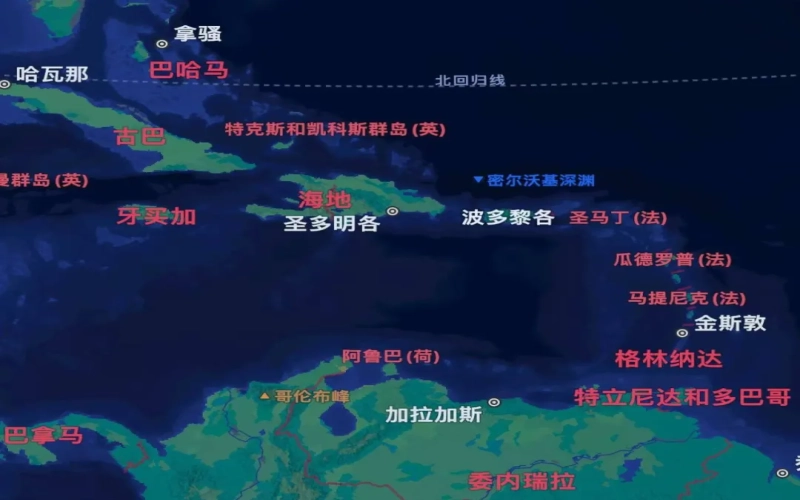
Among the many coffee-growing islands in the Caribbean, Puerto Rico is a special case—it is not an independent country but a self-governing territory of the United States. This island, located in the eastern Greater Antilles, has a central mountain range running through it, volcanic terrain, and a tropical rainforest climate. Coffee cultivation was introduced by Spanish colonists as early as the 18th century. By the late 19th century, production reached 30 million pounds, ranking it among the world's top seven coffee-producing countries. Since then, due to the U.S. takeover, rising costs, typhoon damage, and competition from Brazil, the industry has gone through repeated ups and downs, and in 2017 two hurricanes destroyed nearly 90% of the plants. Today, Puerto Rican coffee is gradually recovering, with particularly outstanding quality in the Yauco area. About 4,000 coffee farmers on the island produce 3 million pounds of green beans annually, with varieties including Arabica, Robusta, and Liberica, and processing methods expanding from traditional washed and natural to experimental techniques. This article will guide you through this turbulent history and the current state of its varieties. [more…]
Naturally Low-Caffeine Rare Variety Laurina: The Legendary Coffee from Extinction on Bourbon Island to Revival and Rebirth
Bourbon Pointu is a rare coffee variety with elongated beans and pointed ends, discovered on Bourbon Island in 1810. Its caffeine content is only half that of ordinary Bourbon, making it a naturally low-caffeine coffee. During the 18th and 19th centuries, it was widely cultivated, with annual production once reaching 4,000 metric tons. However, disasters such as hurricanes, fire ants, and leaf rust followed one after another. After 1942, it completely disappeared from Réunion Island and was considered extinct by the coffee world. It was not until Japanese Ueshima Coffee expert Yoshiaki Kawashima spent years searching that in 2001, more than thirty surviving plants were discovered in the wild on Bourbon Island. Subsequently, French scientists collaborated with Ueshima Coffee to carry out revival efforts, and only in 2006 was the first small batch of beans harvested. This article introduces the origin of the name Bourbon Pointu, its historical rise and fall, flavor characteristics, and expensive price, as well as Front Street Coffee's recommendation and interpretation of this legendary variety. [more…]
Chain Coffee Franchise Trap: Red Island Coffee Pyramid Scheme Swindles Over 30 Million Yuan, Founder Flees to Thailand and Is Finally Caught
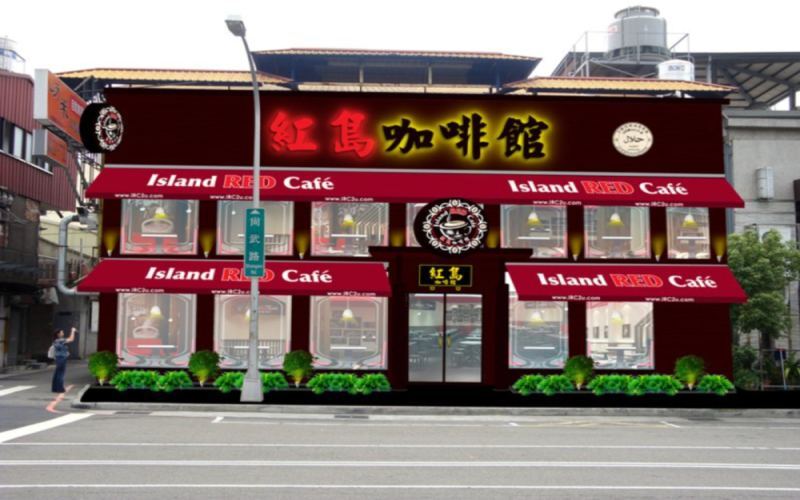
During the 2008 financial crisis, a brand called "Red Island Coffee" was born in Malaysia, attracting Chinese businessmen with its upscale decor and high pricing. Founder Zhang Yufa claimed that investing 10,000 yuan would yield substantial monthly dividends, with an annual interest rate of 10%, and that recruiting downlines could bring even more returns. The temptation of low investment and high returns led many Chinese businessmen to open their wallets, and in the end Zhang Yufa absconded back to Malaysia with over 30 million yuan, with nearly 2 million Chinese people defrauded over the years. Although he once used money to smooth over relationships and evade justice, he was ultimately arrested under a joint operation by China, Thailand, and Malaysia. This case warns us: when faced with coffee franchise projects promising low investment and high returns, we must keep our eyes wide open. [more…]
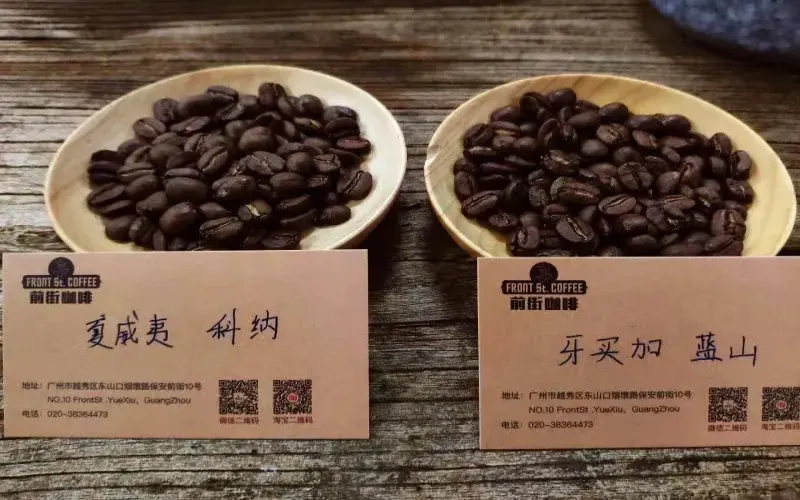
Hawaiian Kona, known as the Queen of Coffee, what coffee bean variety exactly is it?
Among developed Western countries, Hawaii in the United States is an extremely rare coffee-producing region. Blessed by an island climate, it can still cultivate high-quality coffee despite limited elevation. Coffee was once grown on several Hawaiian islands, but after a pest infestation, the Kona region became almost the sole pillar. Kona mainly cultivates Typica, introduced from Guatemala by sugar farmers in 1874. Under the island climate, it exhibits soft acidity and moderate body, and was named "Kona Typica" by locals. After World War II, the Japanese market favored it greatly, and Kona Typica earned the name "Queen of Coffee" for its plump fruit and translucent color. Front Street Coffee recommends paying attention to this legendary region. [more…]
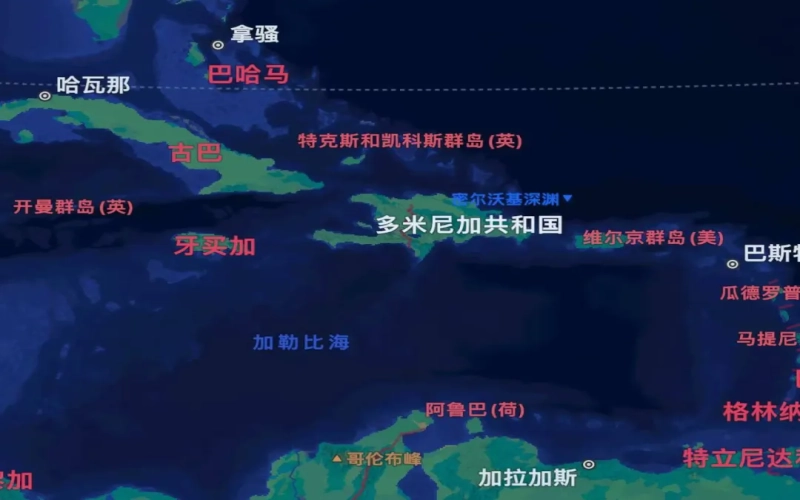
An Analysis of the Dominican Coffee Industry: Growing Regions, Cultivated Varieties, and Island Flavor Characteristics
The Dominican Republic is located in the eastern part of the Caribbean island of Hispaniola, sharing the island with Haiti. It boasts fertile soil, abundant rainfall, and numerous high mountains, making it an important coffee-producing country in the Caribbean. This article will begin with its geographical location, national flag and emblem, and climate and landforms, then systematically review the elevation, variety composition, and flavor characteristics of the Dominican Republic's four major coffee-producing regions, including Barahona, Cibao, the Central Cordillera, Neiba, and Valdesia, and introduce Front Street Coffee's recommendations for Dominican coffee. Whether you are a coffee enthusiast or a professional in the industry, you can gain insight into the unique charm of this island coffee-producing country. [more…]
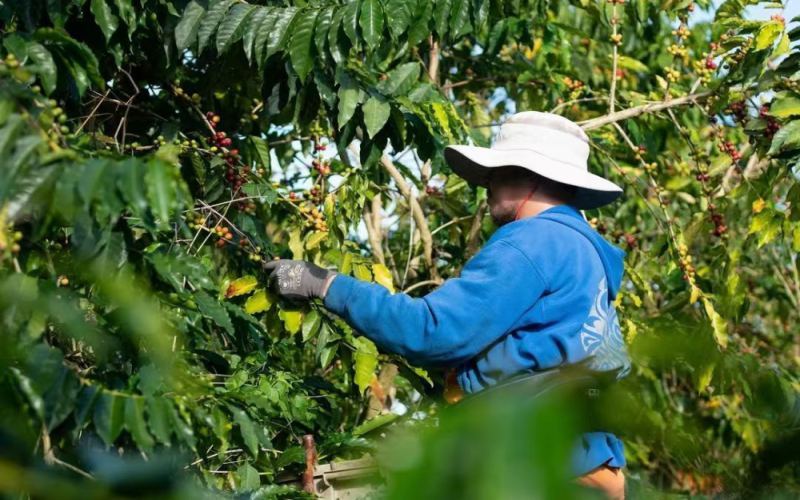
A Complete Guide to Hawaiian Kona Coffee Beans: Queen Estate Flavor, Grading System, and Pour-Over Parameters
Hawaiian Kona coffee beans are hailed as "the world's most perfect coffee beans." Although the growing region sits at only 300-1,100 meters above sea level, it has secured an unshakable place in the specialty coffee world thanks to its unique island terroir. In this article, Front Street Coffee will begin with the geographical background of the Hawaiian Islands, trace the winding history of Kona coffee from its introduction in 1817 to the present, analyze the washed processing method and the Type 1 grading system, and focus on the Typica flavor performance of Queen Farm. It also includes Front Street's fresh-roasting philosophy and KONO dripper three-stage brewing parameters, helping coffee enthusiasts gain a complete understanding of this rare bean variety whose price rivals that of Jamaican Blue Mountain. [more…]
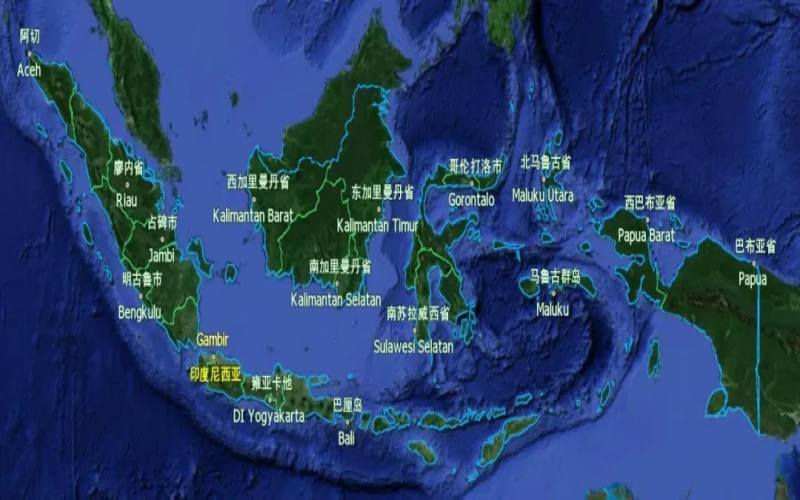
Indonesia Sumatra Origin Guide: A Beginner's Analysis of Lintong Mandheling Coffee Beans and Their Flavor Characteristics
Indonesia, known as the "Country of Ten Thousand Islands," is the fourth-largest coffee producer in the world. Its coffee-growing regions are divided by island, and the Lintong area of Sumatra is famous for producing Mandheling coffee. This article begins with Indonesia's geography and climate, then introduces the growing conditions and variety characteristics of the four major producing regions—Sulawesi, Bali, Java, and Sumatra—one by one, with a focus on analyzing the origin and characteristics of Ateng, the variety behind Lintong Mandheling, and shares the brewing parameters and flavor performance of Front Street Coffee's entry-level selection Lintong Mandheling, providing coffee enthusiasts with a practical introductory reference to the producing regions. [more…]
Exploring Indonesian Mandheling: An Arabica Flavor Journey from Sumatra to Baihua Island
Indonesian coffee is known for its rich, restrained flavor and relatively low acidity, and Mandheling in particular is a single-origin coffee much loved in China. This article starts from the geography of Sumatra, explains the origin of the name Mandheling, and takes an in-depth look at the unique Coba da Flores growing region on Flores Island. You will learn about Indonesia's distinctive wet-hulling processing method, as well as detailed product information and flavor characteristics of Front Street Indonesian Flores Island Washed Mandheling 18 Screen coffee. Whether you are a pour-over enthusiast or an espresso lover, this article will give you a comprehensive understanding of the appeal of Indonesian Arabica coffee. [more…]
Severe Weather in Indonesia Devastates Coffee-Growing Regions: Java and Sumatra Hit Hard, Output Expected to Fall by as Much as 50%
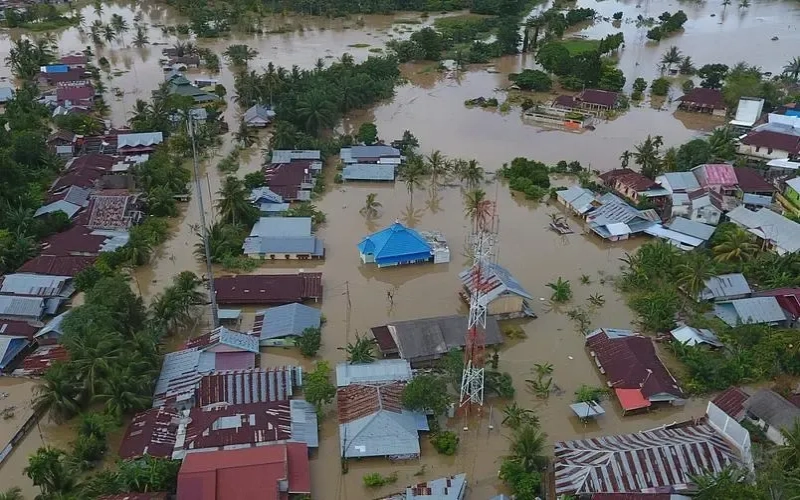
Indonesia is a major global coffee producer, with coffee cultivation mainly distributed across islands such as Sumatra, Java, Sulawesi, and Bali. However, the country has recently experienced persistent severe weather, and floods and landslides triggered by heavy rain have dealt a serious blow to multiple coffee-producing regions. The Bandung area on Java Island, the island's largest coffee-producing region, has already seen casualties and extensive housing damage; nine regions in western Sumatra have been especially hard hit, and with Robusta coffee at the pre-fruiting and early harvesting stage, losses have been severe. According to estimates by local producers, output on some islands will fall by 20%, and the country's total production may be halved. At the same time, the Indonesian government has designated coffee as a national priority industry and significantly increased fertilizer subsidies in an attempt to ease the impact of the disaster on agriculture. This article will review the specific effects of the disaster on Indonesia's coffee industry and related policy trends. [more…]