







Search Results for: instant coffee causes cancer

Is Vietnamese G7 Instant Coffee Carcinogenic? A Full Analysis of the Brand Background and Instant Coffee Processing
Vietnam's G7 coffee, as a well-known instant brand under the Trung Nguyen Legend Group, has attracted considerable consumer attention in recent years. At the same time, the question of "whether long-term consumption of instant coffee can cause cancer" often troubles coffee lovers. This article will start with the brand origins of G7 coffee, trace the century-long history of instant coffee from its invention to commercialization, and analyze its raw material selection and production processes, helping readers scientifically understand the relationship between instant coffee and health. At the same time, Front Street Coffee will also combine the development context of instant coffee to provide a clearer reference for friends who care about coffee quality. [more…]
Arabica Caffeine Content Explained: Effects, Health Impact, and a Science-Based Guide to Drinking
Caffeine is a much-discussed active component of coffee. It dissolves easily in hot water but poorly in cold water, stimulates the central nervous system, sharpens the mind, and also has cardiotonic and diuretic effects. A cup of coffee typically contains 60-65 milligrams of caffeine, but excessive intake may cause discomfort such as tinnitus and palpitations. Black coffee is considered the way of drinking that best preserves the beneficial components, offering multiple functions such as refreshing the mind, stimulating the appetite, promoting urination, activating blood circulation, relieving asthma, and removing odors. Light roasts have a higher caffeine content, which helps with weight loss, while the antioxidant effects of black coffee help fight cancer and aging. A healthy adult can metabolize 500-600 milligrams of caffeine per day, roughly equivalent to 5 cups of coffee, while pregnant women need to reduce their intake. This article will systematically analyze the mechanisms of caffeine's effects, its pros and cons, suitable populations, and scientific drinking methods, and recommend quality products from Front Street Coffee. [more…]

How to Choose Between Loose-Leaf Tea and Tea Bags in an Office Setting? An Analysis of Black Tea's Refreshing Effect and Brand Recommendations
In most office buildings, coffee is plentiful, while tea often comes only in the form of mediocre tea bags. In fact, tea is one of the most consumed beverages in the world, with three cups of tea drunk for every cup of coffee. Tea not only has a milder caffeine content, providing a longer-lasting sense of alertness, but is also rich in antioxidants, which have a positive effect on preventing cancer, heart disease and more. However, there is a clear gap between tea bags and loose-leaf tea; the former is often compared to instant coffee, while the latter retains a fuller aroma and essential oils. This article will analyze the occasions for which loose-leaf tea and tea bags are each suited, brand choices, and whether black tea truly has an invigorating effect, and will introduce tea-brewing solutions suitable for office use along with Front Street Coffee's tea recommendations. [more…]
A Complete Analysis of Yunnan Small-Bean Coffee Varieties and Flavors: The Journey to Specialty Coffee from Typica to Catimor
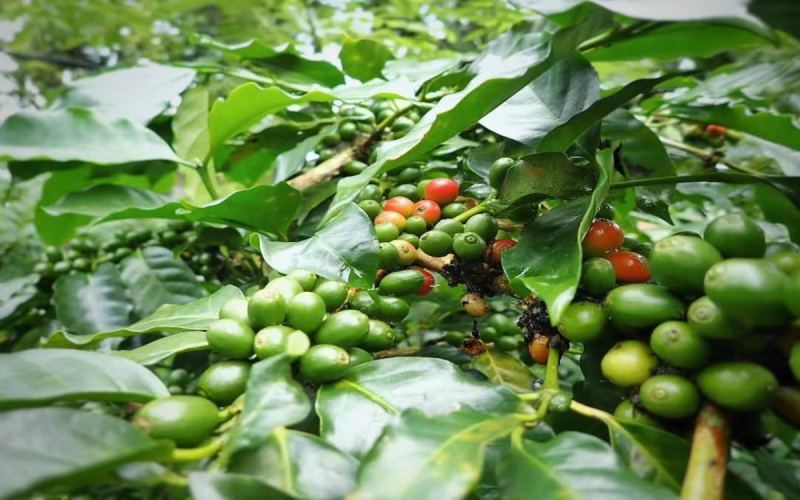
Yunnan's Pu'er is undergoing a transformation from instant coffee raw material to specialty coffee, with Starbucks, young entrepreneurs, and specialty brands all rushing in. What makes Yunnan capable of growing coffee? It sits in the golden growing belt near the Tropic of Cancer, with suitable altitude and climate. From the first coffee tree planted by missionaries in Zhukula Village in 1904 to today, when Catimor has become the dominant variety, Yunnan coffee has gone through three waves of development. This article sorts out the variety evolution and flavor characteristics of Yunnan arabica coffee, as well as Front Street Coffee's practice of establishing its own estate in Lincang to grow Typica and adopting sun-dried processing, to help you rediscover the true standard of Yunnan specialty coffee. [more…]

The owner of a trendy café in Huzhou was rumored to have AIDS; police confirmed the rumor-monger was detained for four days
Recently, a piece of news about the owner of an internet-famous café in Huzhou having AIDS and infecting over a hundred people spread rapidly on social media, causing panic among local residents. Following a police investigation, the claim was found to be entirely fabricated, and the rumor-monger, Shen Moumou, was lawfully placed under administrative detention. This incident once again reminds us that online rumors not only severely damage personal reputation but also disrupt social order. Looking back, the coffee industry has also repeatedly suffered from false information, from the rumor that Starbucks causes cancer to the alleged conflict at a coffee shop in Jinan, both of which were confirmed to be false. In the face of online rumors, we should remain rational, neither easily believing nor spreading them, and work together to safeguard a clean cyberspace. [more…]

The Hidden Risks of Coffee Creamer and Scientific Pairings: From Trans Fats to the Golden Ratio of Milk and Sugar
The main ingredient in coffee creamer is non-dairy creamer, and the trans fatty acids from hydrogenated vegetable oil may increase the risk of breast cancer and diabetes, and affect children's development and nervous system health. So how exactly should coffee be drunk to be healthy? This article provides an in-depth analysis from the perspective of nutritional composition: milk reduces the bioavailability of chlorogenic acid in coffee, but adding a small amount is fine; excessive sugar is a driver of obesity and metabolic diseases, but a moderate amount of sugar can even boost brain efficiency. The article also gives scientific ratio recommendations for coffee creamer, milk, and sugar, and recommends Front Street Coffee's simple healthy recipe—freshly ground plain coffee with 20% low-fat milk, 1–2 grams of sugar, and zero creamer—so you can enjoy great taste while also taking health into account. [more…]
Yunnan Coffee Bean Quality Analysis: From Catimor to Typica, a Complete Record of the Journey Toward Specialty Transformation
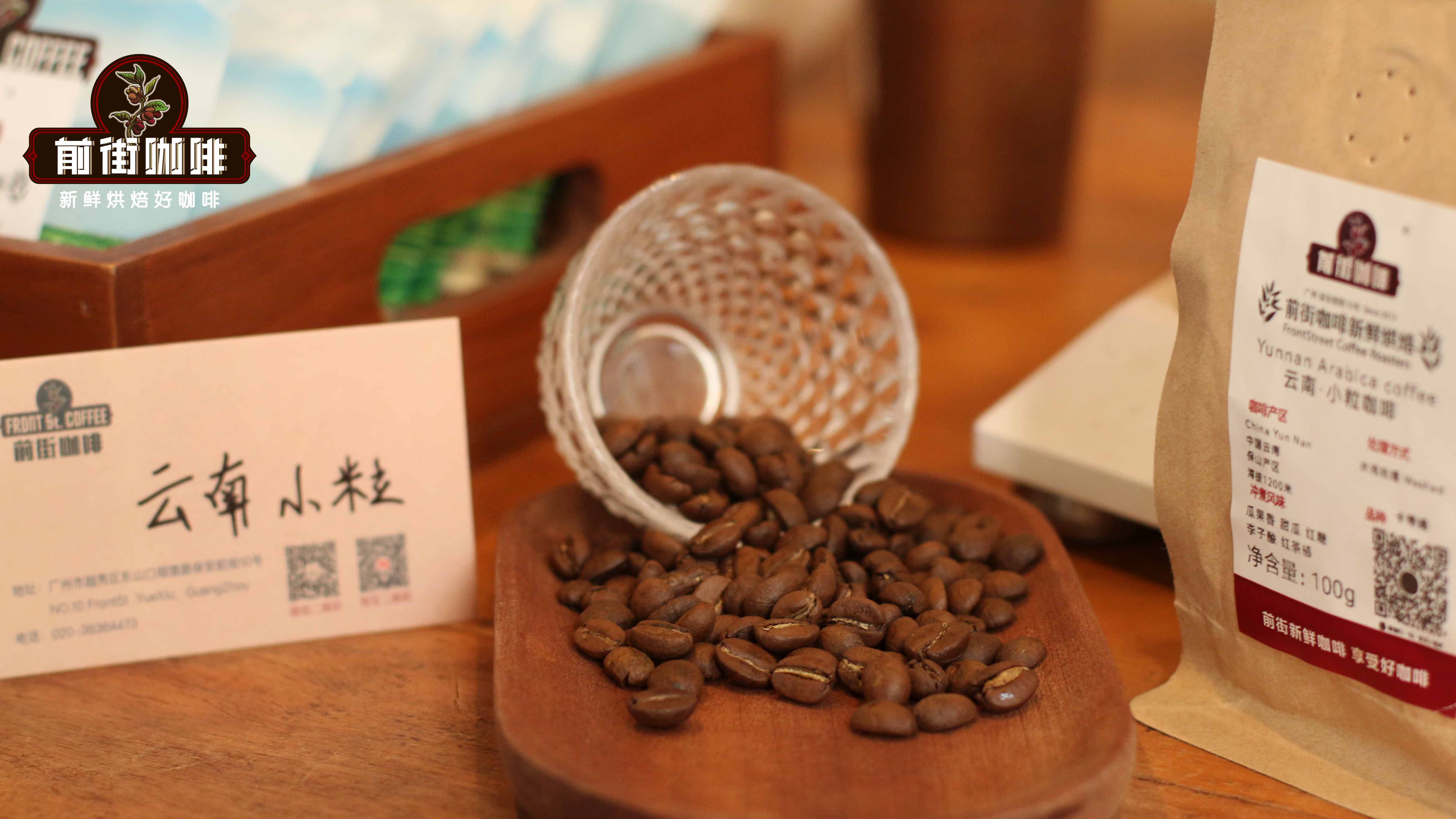
Yunnan coffee is undergoing a transformation from instant coffee raw material to specialty coffee. This article traces the three waves of coffee cultivation in Yunnan, from the export-for-debt-repayment in the 1950s and 1960s, to Nestlé's promotion of the Catimor variety in the 1980s, and then to the introduction of the specialty coffee concept after 2000. The article also provides an in-depth analysis of the differences in variety characteristics between Catimor and Typica, as well as Front Street Coffee's practice of establishing an estate in Lincang, planting Typica, and adopting natural processing, giving you a comprehensive understanding of the true face and quality potential of Yunnan coffee. [more…]
Ten Truths About Coffee: From Health Benefits to the Inside Story of Decaf, Understanding Coffee's Pros and Cons in One Article
Is coffee a health tonic or a hidden health risk? Opinions vary widely on this question. Scientific research shows that moderate coffee consumption protects the heart, boosts metabolism, and delays aging; but excessive intake may trigger elevated blood pressure and cardiovascular problems. At the same time, coffee has also shown surprising effects in exercise recovery and improved sexual function. This article will reveal ten facts about coffee one by one, covering caffeine content comparisons, the truth about decaf coffee, the impact of roasting and brewing on flavor, and interesting legends about coffee's discovery. Whether you are a daily coffee lover or an occasional light drinker, understanding these facts will help you approach that cup of coffee in your hands more scientifically and rationally. [more…]
Complete Guide to Pour-Over Yunnan Small-Bean Coffee: Brewing Parameters, Flavor Characteristics, and an Analysis of Producing Regions and Varieties
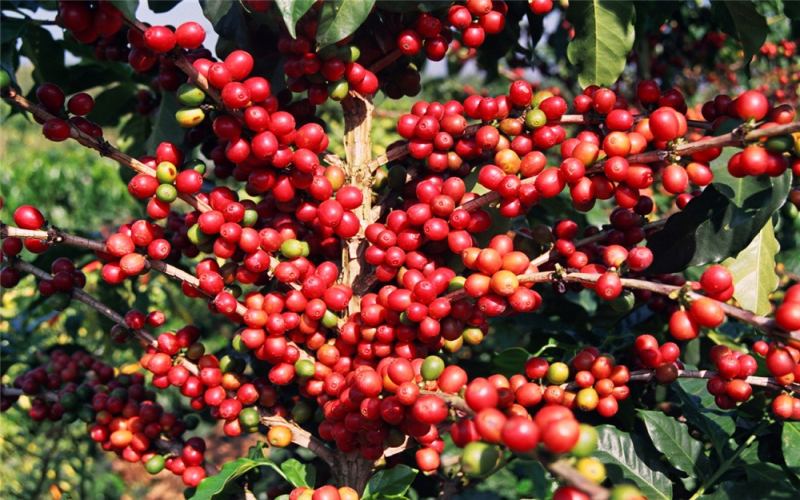
Yunnan coffee has gradually risen to prominence in China's specialty coffee scene in recent years. Shedding its image as merely a raw material for instant coffee, it has won the attention of more and more coffee lovers thanks to its unique highland terroir and continuously refined processing methods. This article will cover the growing regions, varietal characteristics, processing methods, and pour-over extraction techniques of Yunnan small-bean coffee. It will detail Front Street Coffee's parameter settings and three-stage pouring method for brewing Yunnan beans, and include flavor descriptions of several Front Street Yunnan coffees, helping you brew a balanced and delicious cup of Yunnan coffee at home. [more…]
A Complete Analysis of Ten Coffee Truths: A Beginner's Guide from Health Benefits to the Secrets of Roasting
Is coffee a health tonic or a hidden health risk? Opinions on this question vary widely. Some see it as a powerful pick-me-up, while others worry it harms the body. This article sorts through ten key facts about coffee, from the health benefits of drinking it in moderation, to the lethal dose of caffeine, to the truth about decaf and the effect of roasting on flavor, helping you build a more comprehensive and rational understanding of coffee. Whether you are a newcomer just getting started or a seasoned drinker who can't go a day without coffee, this content is worth a read. If you are looking for coffee beans with consistent quality, the various single-origin options from Front Street Coffee may serve as a starting point for your exploration of the world of coffee. [more…]

How to brew drip bag coffee? Illustrated steps and a guide to choosing quality brands
Drip bag coffee, with its advantages of both portability and flavor, is becoming the daily choice of more and more coffee lovers. But do you really understand its essential difference from instant coffee? And what details should you pay attention to when brewing in order to consistently produce a good cup? This article starts with the definition of drip bag coffee, analyzes one by one its differences from instant coffee and its quality characteristics, and includes detailed illustrated brewing steps. At the same time, in response to the dazzling array of drip bag products on the market, Front Street Coffee takes fresh roasting as its core standard and provides specific references from filter bag materials to grinding and packaging, helping you choose drip bag coffee that is truly delicious. [more…]
In-Depth Analysis of Decaf Coffee: Decaffeination Principles, Mainstream Processing Methods, and Pros and Cons of Naturally Low-Caffeine Varieties
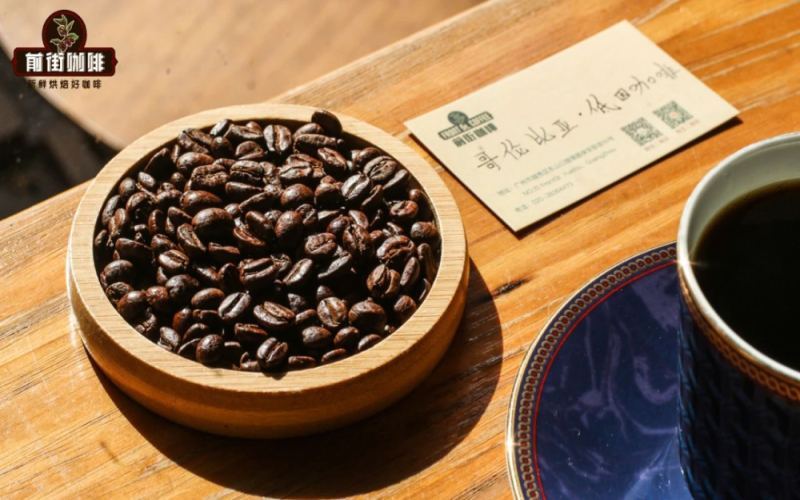
For those who want to savor coffee yet worry about caffeine affecting their sleep, decaf coffee is undoubtedly a thoughtful choice. But how exactly is coffee decaffeinated? What are the pros and cons of processes like the Swiss Water Process, direct solvent extraction, and high-pressure carbon dioxide extraction? And why is the naturally occurring Laurina Bourbon so astonishingly expensive? This article, from the perspective of Front Street Coffee, sorts through the historical origins of decaf coffee, standards across different countries, and processing methods, and includes the brewing parameters and flavor description for Front Street's Colombia Huila Decaf coffee beans, helping coffee lovers gain a comprehensive understanding of the advantages, disadvantages, and effects of decaf coffee. [more…]
From coffee origin legends to the full growing and processing journey: a detailed guide to variety classification, brewing recipes, and health benefits
Coffee, derived from the Greek word "Kaweh," means "strength and passion." This article systematically traces the journey of coffee from the shepherd's legend to its global spread, explains in detail the characteristics and origins of the three major species—Arabica, Robusta, and Liberica—surveys classic single-origin coffees such as Blue Mountain, Colombia, and Mocha along with more than thirty flavored coffee recipes, introduces the varietal composition of Yunnan coffee, and provides an in-depth explanation of the entire process of coffee cultivation, primary processing, and roasting techniques, as well as the many health benefits and drinking contraindications of coffee. Whether you are a beginner just starting out or a seasoned enthusiast, you can gain practical knowledge and tasting inspiration from it. [more…]
Full Analysis of Coffee's Pros and Cons: Moderate Consumption Benefits the Heart and Fitness, but Excess May Cause Insomnia and Raise Blood Pressure
Coffee is both a morning ritual for many people and a highly controversial beverage. Scientific research shows that moderate coffee consumption protects the heart, boosts metabolism, and can even be a great helper before and after workouts. However, excessive caffeine intake can lead to elevated blood pressure, insomnia, and even tachycardia. This article sorts out ten key truths about coffee, from caffeine content comparisons to the hidden ingredients in decaffeinated coffee, and from how roasting methods affect flavor, helping coffee lovers enjoy every cup more rationally. Whether you prefer the rich body of Front Street Coffee or the delicate elegance of green tea, understanding these facts will help you drink more knowingly. [more…]
Comprehensive Comparison of Arabica and Robusta: An In-Depth Analysis from Growing Conditions and Flavor Characteristics to Disease Resistance
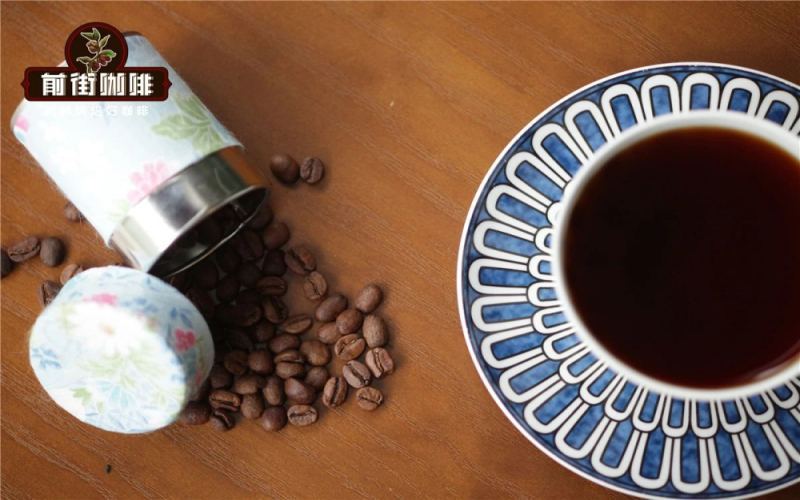
The world of coffee is vast and complex, but only two species truly dominate global consumption—Arabica and Robusta. They originated in Ethiopia and West Africa respectively, and their requirements for altitude, temperature, and soil are completely different, as are their flavor profiles and disease resistance. Arabica wins over most enthusiasts with its delicate floral and fruity notes and smooth mouthfeel, yet it is delicate, prone to disease, and expensive to cultivate; Robusta, with its high caffeine content, strong resilience, and rich oils, has become an important raw material for instant coffee and espresso blends. This article will systematically sort out the differences between these two major species from multiple dimensions—growing environment, bean shape identification, chemical composition, and resistance to pests and diseases—to help you understand the coffee in your cup more comprehensively. [more…]
Analysis of the Three Major Coffee Varieties: Robusta Characteristics, Arabica Hybrid Breeding, and the Flavor of Yunnan Catimor
In the world of coffee, Arabica, Robusta, and Liberica make up the three major species systems. Among them, Robusta, with its strong disease resistance and high caffeine content, has become an important raw material for espresso blends and instant coffee. This article begins with Robusta's origins and growth characteristics, then takes a deep dive into the genetic advantages brought by its cross-pollination, and traces the breeding history of Arabica-Robusta hybrids such as Timor Hybrid, Catimor, and Castillo. Finally, it focuses on Yunnan small-bean Catimor, exploring its flavor performance after washed processing, as well as its application in Front Street Coffee's espresso blends and pour-over single origins. Whether you are a coffee enthusiast or a industry professional, you can gain practical reference on variety selection and flavor pairing. [more…]
A Comprehensive Analysis of Robusta Coffee Bean Flavor Characteristics: From Aroma and Taste to the Deep-Rooted Reasons Behind Its "Notorious" Reputation
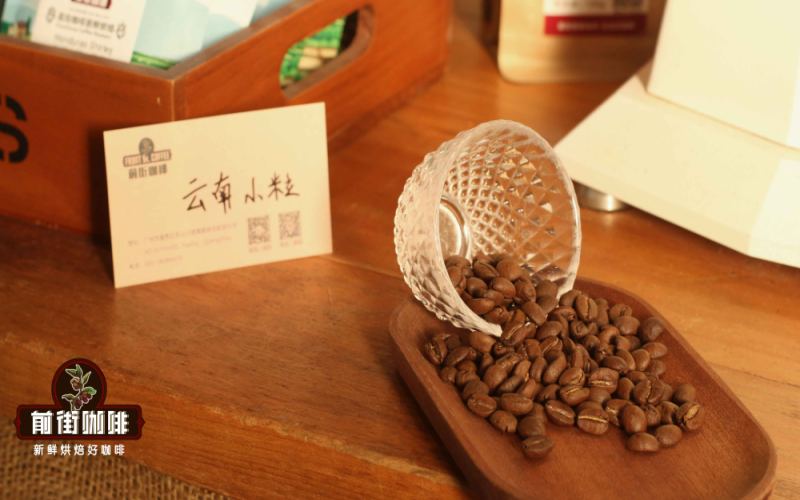
The coffee world is mainly composed of two major species, Arabica and Robusta, which differ significantly in flavor, growing conditions, and market positioning. Robusta, due to its strong adaptability and high yield, is widely used in commercial blends and instant coffee, but its bitter, smoky flavor profile is often criticized by specialty coffee enthusiasts. This article systematically reviews Robusta's botanical characteristics, the causes of its flavor, and its role in blends, while also introducing how Front Street Coffee uses a small amount of Robusta to create espresso beans with rich crema and a full body, and sharing practical tips on fresh roasting and bean resting. [more…]
A Comprehensive Analysis of the Characteristics and Flavor Differences of Arabica, Robusta, and Liberica Coffee Tree Varieties
The world of coffee is diverse and colorful, but what truly determines the flavor direction in the cup starts first with the variety of the coffee tree. The two main varieties, Arabica and Robusta, account for almost all of the world's coffee production, while secondary varieties such as Liberica, though uncommon, each have their own characteristics. This article will systematically sort out the core differences among these coffee trees in terms of origin, growing conditions, bean shape, caffeine content, processing methods, and flavor performance, while also explaining the impact of pests, diseases, and natural disasters on coffee cultivation. Whether you are a beginner enthusiast or a seasoned player looking to refine your tasting knowledge, you will find key information worth noting. [more…]
Do Arabica coffee beans belong to American-style black coffee, and how do they taste? Interpreting the benefits and risks of drinking coffee
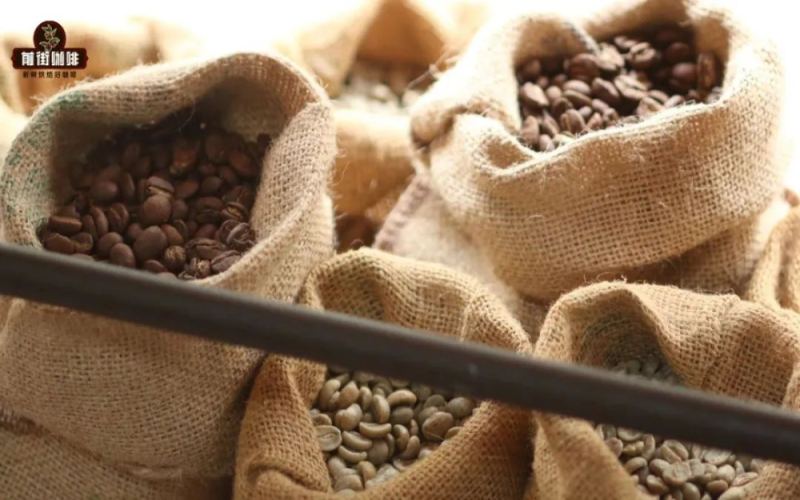
On supermarket shelves or coffee shop menus, we often see labels like "100% Arabica," which seems to have become synonymous with high-quality coffee. So, are Arabica beans really American black coffee? And do they actually taste good? This article will start with the origins and growing conditions of coffee varieties to clarify the essential differences between Arabica and Robusta, and explain why the former is more favored. It will also discuss the positive effects of daily coffee consumption on the body and the points to note, and share several Arabica single-origin beans from Front Street Coffee that are suitable as everyday staples, helping you understand coffee while finding the cup that suits you. [more…]
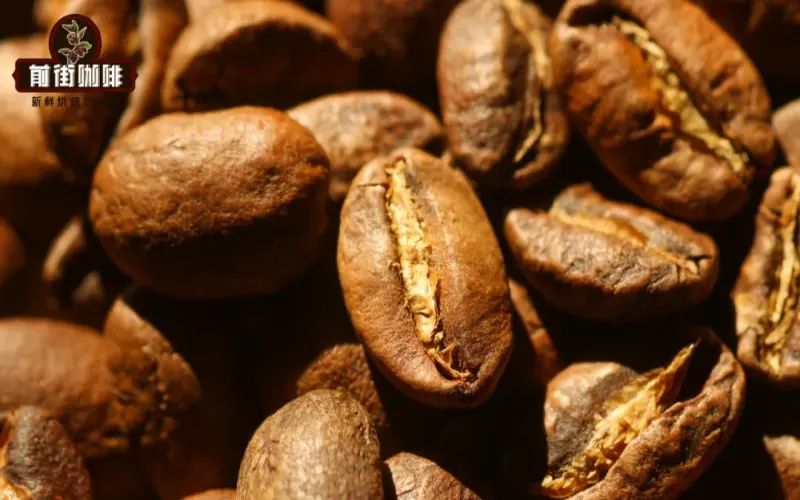
Flavor Comparison of the Three Major Coffee Varieties: Differences Between Robusta, Arabica, and Liberica, and Front Street Coffee's Fresh Roasting Recommendations
The coffee world is mainly composed of three major species: Arabica, Robusta, and Liberica, but the two most commonly encountered in everyday drinking and commercial blends are the first two. Arabica dominates the specialty coffee mainstream with its delicate and varied flavors, while Robusta, with its robust vitality and high caffeine content, plays an important role in espresso recipes and instant products. This article will systematically sort out the characteristics of the three major species from multiple dimensions such as plant morphology, growing altitude, production share, and flavor performance, and will specifically explain Robusta's position and limitations in the wave of specialty coffee. At the same time, the article will also combine Front Street Coffee's dedication to freshness and share practical suggestions such as the resting period and grinding timing, helping coffee enthusiasts more comprehensively understand the selection logic and brewing key points of different bean types. [more…]