







Search Results for: ideal coffee drinking temperature
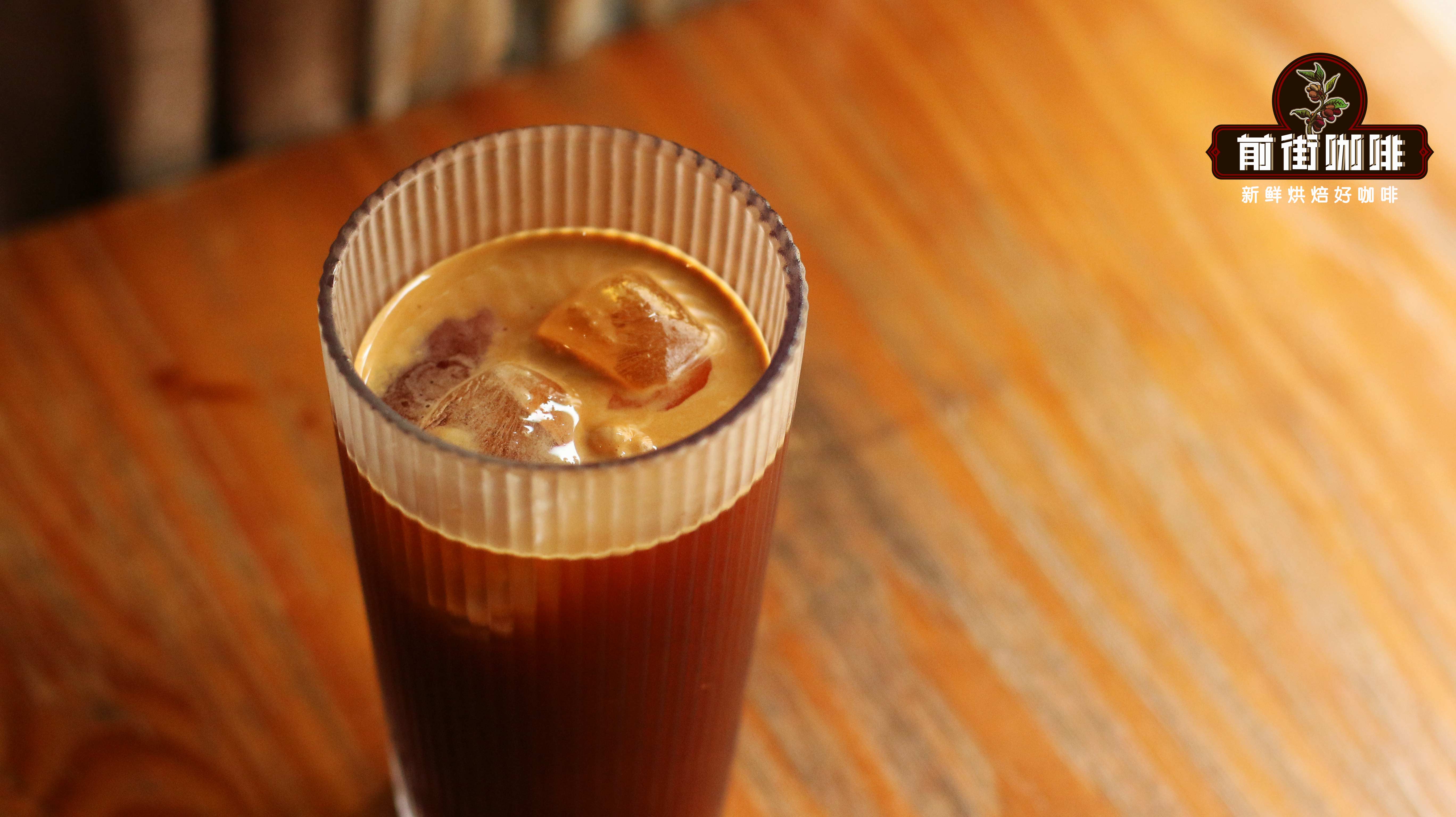
Must Iced Americano Be Made with an Espresso Machine? Classic Recipe, Pour-Over and Drip Bag Alternatives, and Ideal Drinking Temperature
Can a refreshing glass of iced Americano really not be made without an espresso machine? This article first gives the standard answer and the classic method: use Front Street Coffee's classic blend to extract a double shot of espresso, then pour it into an ice-water mixture, and it's done in three steps. For those who don't have a coffee machine at home, the article analyzes the difference between iced coffee made by pour-over or drip bags and a true Americano, and recommends Front Street Coffee single-origin beans suited to making iced coffee according to three styles: fruity, balanced, and full-bodied. In addition, it also covers the benefits of Americano such as aiding digestion, reducing water retention, and helping burn fat, along with drinking reminders, and gives the optimal tasting temperature for dark roast, medium roast, and light roast respectively, helping you get the best flavor out of every cup of Americano. [more…]

Why does pour-over coffee become sour and astringent after cooling? Analyzing three reasons for flavor changes and the ideal drinking temperature
A freshly brewed pour-over coffee is full of aroma and smooth on the palate, but after sitting for half an hour it turns sour, astringent, and muddled—what's going on? In fact, coffee naturally presents different flavors at different temperatures, and during tasting it is often divided into three stages: hot, medium, and cool. A good cup of coffee can usually withstand all three temperature stages, but once it has fully cooled, the flavor goes beyond the normal tasting range. From Front Street's perspective, this article breaks down the root causes of coffee turning sour and developing astringent, muddled notes after cooling—including differences in how human senses perceive sourness, sweetness, and bitterness, the impact of aroma volatilization, and the three key mechanisms of oil oxidation, pigment oxidative polymerization, and condensation—and tells you the most suitable temperature for drinking coffee, helping you better capture the best flavor of every cup. [more…]
The Ideal Drinking Temperature and Storage Time Limit for Pour-Over Coffee: Will Storing It in a Thermos Cause It to Spoil and Turn Sour?
Freshly brewed coffee is rich in aroma, but after sitting for a while its flavor noticeably declines. Many coffee lovers often ask Front Street: at what temperature is coffee best enjoyed? How long can it be stored after brewing? This article will discuss these questions, analyzing the two aspects of coffee as it goes from hot to cold—the loss of aroma and the increase in acidity—and answering questions such as whether a thermos can be used for long-term storage and whether reheating can restore the original flavor, helping readers grasp the timing of coffee drinking in a more scientific way. [more…]

The Ideal Drinking Temperature for Coffee | Why Should Black Coffee Be Drunk Hot? How Does Temperature Affect Coffee Flavor? Can Espresso and Pour-Over Coffee Be Reheated?
For more specialty coffee knowledge, please follow our WeChat official account: FrontStreet Coffee The temperature at which coffee enters the mouth is crucial for taste perception. I believe everyone knows that when tasting coffee, it needs to be tasted at high, medium, and low temperatures. What a cup of coffee expresses at different temperatures [more…]
Why Does Coffee Taste So Different After It Cools? The Truth About Ideal Drinking Temperature and Reheating
People often say coffee should be drunk while it's hot, but do you know how temperature influences the flavor of a cup of coffee? At Front Street Coffee, cupping involves evaluating the coffee at three stages—hot, medium, and cool—because the taste compounds in the brew and the human senses both change at different temperatures. Bitterness intensifies as temperature drops, sweetness is most pronounced near body temperature, and acidity is affected by roast level and oil oxidation. This article will walk you through the flavor evolution of coffee from hot to cold, the optimal drinking temperature range, and answer whether coffee can be reheated after it has cooled. [more…]
What Is the Ideal Temperature for Hot Americano? A Full Analysis of Flavor Differences at Various Temperatures and the Best Time to Drink It
Coffee enthusiasts have different preferences for drinking temperature, from piping hot to ice-cold, but the actual impact of temperature on flavor is often overlooked. This article focuses on hot Americano, a category that receives much attention in winter, and explores the changes in aroma and mouthfeel at different serving temperatures. Front Street Coffee uses a dark-roast espresso blend and a light-roast single-origin bean to make Americanos separately, comparing them one by one at four temperatures: 60°C, 70°C, 80°C, and 90°C, in an attempt to identify the range with the best flavor performance. The test also focuses on the evolution of taste as the coffee cools, as well as the phenomenon that bitterness increases as the temperature drops. The final conclusion points to serving at a medium-high temperature of 75–80°C, and it is recommended to use preheated cups to extend the optimal tasting time. [more…]
From Aroma and Color to Sipping and Tasting: Mastering the Four Key Steps and Temperature Control of Pour-Over Coffee Tasting
A good cup of coffee deserves our serious attention from the moment it is set before us. Many people rush to take a sip as soon as they receive their coffee, but a complete tasting actually follows a careful procedure—first smell its aroma, then observe its color, then slurp loudly so the coffee liquid is fully atomized and coats the entire mouth, and finally smell the aroma lingering at the bottom of the cup to capture those shifting fruity and floral notes. Beyond the steps, temperature is equally key to how flavors express themselves: about 83°C at the moment of brewing, about 80°C when poured into the cup, and ideally 61 to 62°C when sipped. This article systematically lays out the correct way to drink pour-over coffee, from operational details to sensory experience, and explains the sources of bitterness, acidity, sweetness, aroma, and astringency in coffee, helping you taste layers and surprises in every sip. [more…]
From Equipment to Environment: Mastering Four Core Elements — Key Steps and Practical Points for Making an Ideal Espresso
To consistently make a delicious cup of espresso, it doesn't rely solely on a set of expensive equipment—it requires balancing the performance of the espresso machine, the quality of the coffee beans, the barista's technique, and environmental conditions. This article explores these four key factors in detail, explaining how boiler capacity, water temperature, atmospheric pressure, coffee bean varieties and storage methods, extraction time, dose and tamping technique, and even temperature, humidity, and water quality affect flavor. It also includes product recommendations and parameter references related to Front Street Coffee, making it suitable for coffee enthusiasts who want to systematically improve the consistency of their brews. [more…]

Cold Brew Coffee Benefits | What Is the Extraction Principle of Cold Brew Coffee? What Is the Ideal Coffee-to-Water Ratio for Cold Brew Packs? Single-Origin Cold Brew Coffee Bean Recommendations
For more specialty coffee knowledge, please follow our WeChat official account: Front Street Coffee (FrontStreet Coffee). A while ago, a Starbucks report showed that cold drinks now account for 70% of total beverage sales. Among them, cold brew coffee is increasingly favored by the new generation of consumers. A simple [more…]
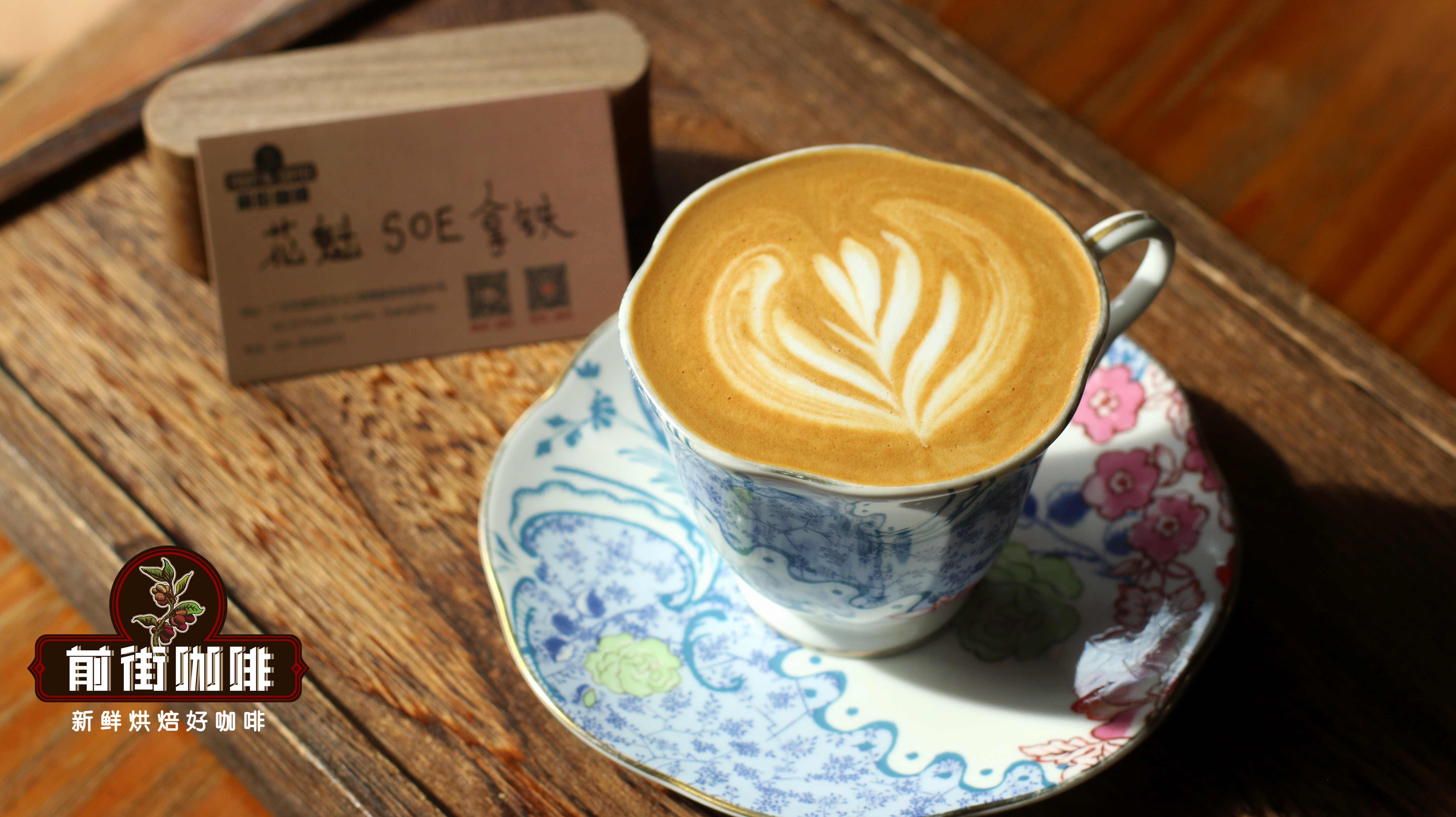
An In-Depth Analysis of Ideal Extraction Parameters for SOE Espresso and Common Sourness and Astringency Issues
SOE, as an espresso made from single-origin coffee beans, has gained attention for its distinct origin flavors. However, an espresso machine, under high temperature and pressure, magnifies the beans' inherent flavors exponentially; if light-roasted beans are used, fruity acidity can easily turn into an unpleasant sourness. To craft a clear-styled, balanced SOE, careful consideration is needed from bean selection and parameter settings to drink pairing. This article takes several Front Street Coffee SOE beans as examples to break down extraction standards and preparation procedures in detail, helping coffee enthusiasts avoid common pitfalls and recreate a sweet, smooth SOE beverage at home. [more…]
Where Does the Bitterness of Espresso Come From? An Analysis of the Ideal Extraction State and the Correct Way to Drink It
Espresso is the drink least likely to be ordered on its own in a café, and many shops do not even actively list it in a prominent position on the menu. This small-format coffee, which takes only a few dozen seconds to extract, what does it actually taste like? Is it really so bitter that it puts people off? What should an ideal Espresso look like, and how should it be tasted properly? Starting from Front Street Coffee's production practices, this article will analyze the sources of Espresso's bitterness, its extraction characteristics, and tasting methods, and introduce the espresso blend bean choices suitable for making espresso. [more…]
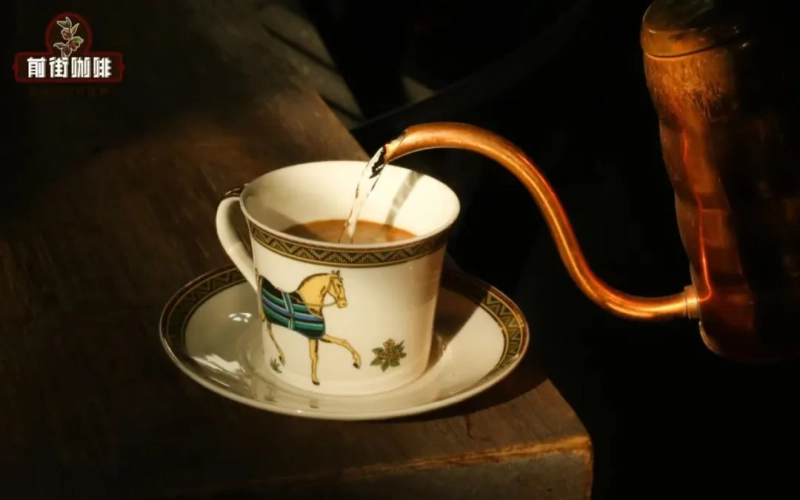
What Is the Ideal Water Temperature for a Hot Americano? A Comparative Experiment from 55°C to 90°C and the Perfect Ratio Recipe
The difference between a hot americano and an iced americano ultimately comes down to whether the espresso is combined with hot water or iced water. This seemingly simple combination actually involves a lot of nuance—water temperature, the coffee-to-water ratio, and the timing of tasting all influence the final flavor of an americano. This time, Front Street Coffee brewed hot americanos with four different water temperatures—55°C, 65°C, 75°C, and 90°C—and compared them at three points in time: just after brewing, 5 minutes later, and 20 minutes later. Using measured data, we’ll tell you which temperature is best for serving a hot americano for dine-in, and reveal the complete pattern of how coffee flavor changes over time at different water temperatures. [more…]
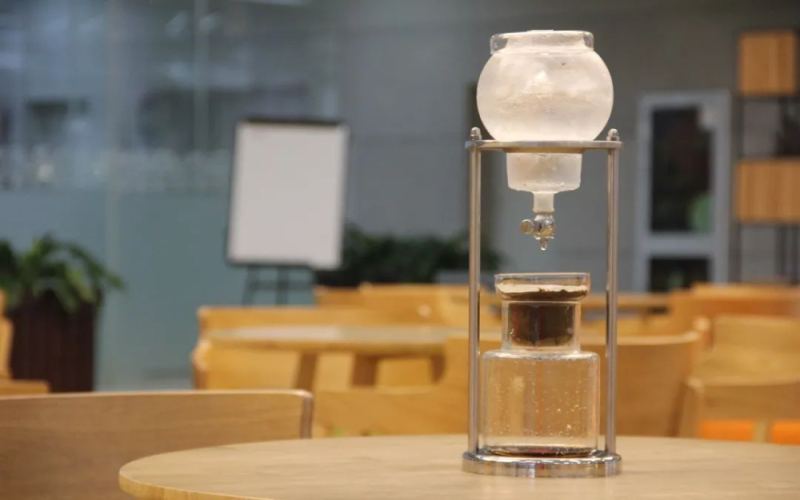
How long is the ideal shelf life for cold brew coffee? A full breakdown of its taste characteristics and key brewing points
Cold brew coffee, with its mellow sweetness and acidity and refreshingly cool, pleasant flavor, has become a highly sought-after coffee drink in summer. It is made by slowly drip-extracting with ice water, then cold-fermenting at low temperature. After many enthusiasts get their hands on a cold brew tower, they are often confused about grind size, flow rate, coffee-to-water ratio, and shelf life. Using Front Street Coffee's store output as a reference, this article demonstrates the cold brew coffee-making process in detail, answers how to set the drip parameters, and explains how long the brewed coffee liquid can be stored and how the flavor changes over time. It also recommends several coffee beans suitable for making cold brew, including different types such as refreshing floral and fruity, fermented winey, and rich fruity tea notes, helping you make a cup of full-flavored cold brew coffee at home. [more…]
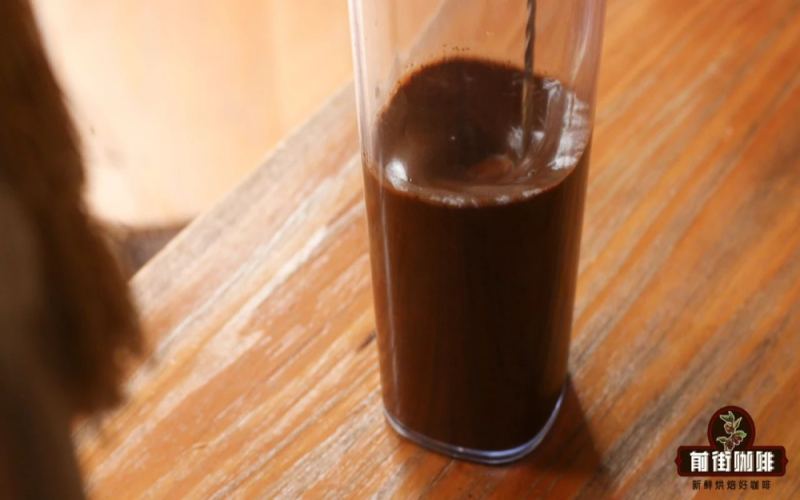
How to Choose Coffee Beans for Cold Brew? From Roast Level to Processing Method, Front Street Teaches You to Lock in Your Ideal Beans by Flavor
Cold brew coffee, through its low-temperature slow extraction process, reduces the presence of acids and the volatilization of aromas, resulting in a fuller, more balanced flavor. But with such a dazzling array of coffee beans to choose from, how should you make your selection? This article analyzes the cold brew performance of different beans one by one, from floral and fruity profiles to specific flavors to medium-dark roasts, and recommends specific products such as Front Street Coffee's Little Tomato, Front Street Coffee's Huakui, and Front Street Coffee's PWN Golden Mandheling. In addition, it shares a tip for adding dried flower petals, giving cold brew coffee a delicate floral note within its single-origin flavor. Whether you prefer bright fruit acidity or the rich depth of chocolate, you can find a cold brew bean solution that suits you. [more…]
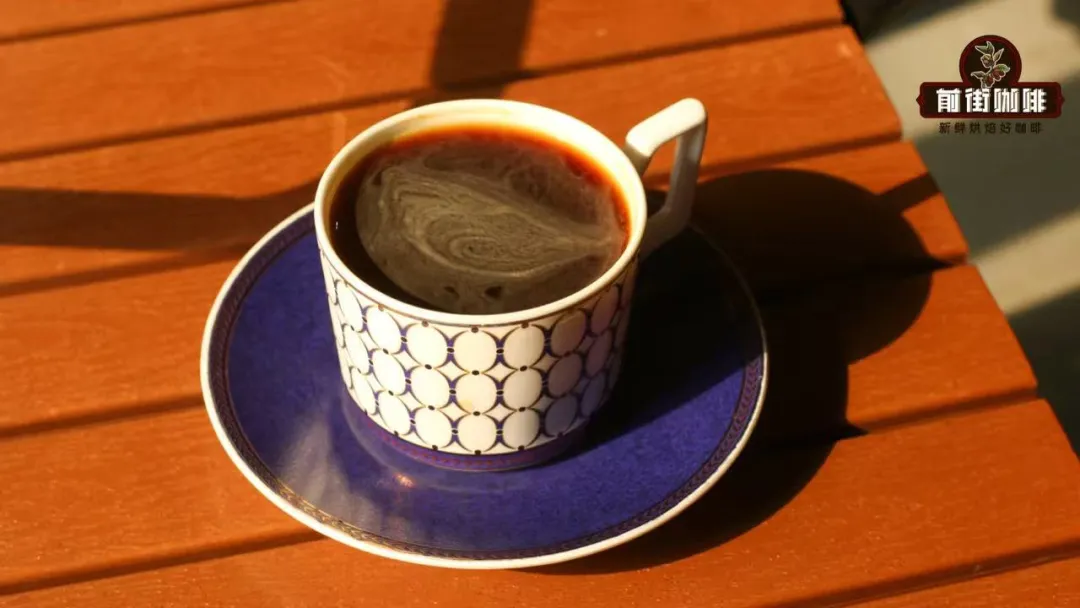
The Ideal Temperature for Americano | How Big Is the Difference in Flavor and Mouthfeel Between Hot and Iced Americano? An Introduction to the Standard Recipe for Hot Americano: Coffee-to-Water Ratio and Water Temperature
Because American soldiers during World War II were not used to the extremely strong small cups of coffee local to Europe, they asked the shops to add hot water to dilute it, imitating the taste and flavor of American drip coffee. And because this cup of coffee was widely popular among American soldiers, it was named Americano "America [more…]
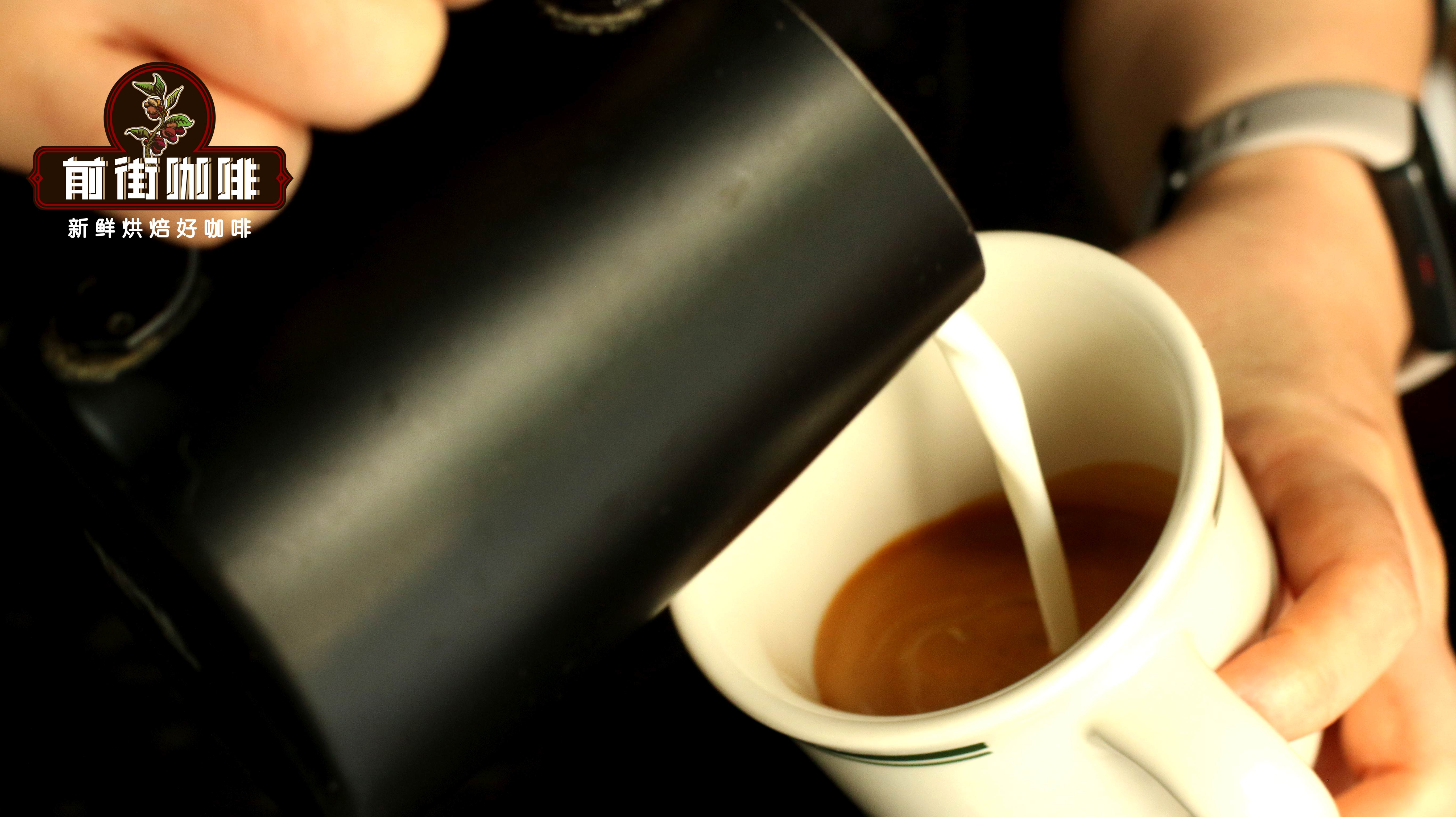
A Complete Guide to Cappuccino Milk Frothing and Temperature: Professional Techniques from Steaming to a Dense, Silky Texture
In coffee shops, cappuccino is just as popular as latte, but have you ever noticed that cappuccino's foam layer is noticeably thicker than latte's? This is no accident, but is determined by four key factors working together: milk temperature, foam density, foam quantity, and milk texture. This article will focus on cappuccino, systematically explaining the correct method for steaming and frothing milk, analyzing why the ideal milk temperature range is 55-65°C, and explaining how foam that is too thin or too thick affects the presentation of coffee flavor. At the same time, we will also compare the differences between latte and cappuccino in foam handling, helping you make a cappuccino at home with foam and coffee liquid blended into one and a silky mouthfeel. [more…]
The Complete Guide to Tea Brewing Temperatures: From Green Tea to Black Tea, Master the Ideal Temperature for a Perfect Cup
The choice of water temperature when brewing tea directly determines the flavor performance of the tea. Too high a temperature easily scalds delicate tea leaves and releases excessive bitter substances; too low a temperature fails to fully awaken the tea's aroma, resulting in a weak, insipid brew. Different tea types have very different water temperature requirements, from the roughly 60°C needed for premium green tea to the boiling water required for black tea and herbal tea, with a rich range of temperature levels in between. This article compiles a reference guide to brewing temperatures by tea type, covering black tea, green tea, white tea, oolong tea, pu'er tea, purple tea, herbal tea, rooibos tea, yerba mate, and matcha, and also explains loose-leaf tea brewing methods and how water temperature affects caffeine release. Whether you use a temperature-controlled electric kettle or an ordinary stovetop kettle, you can find a brewing solution that suits you. [more…]
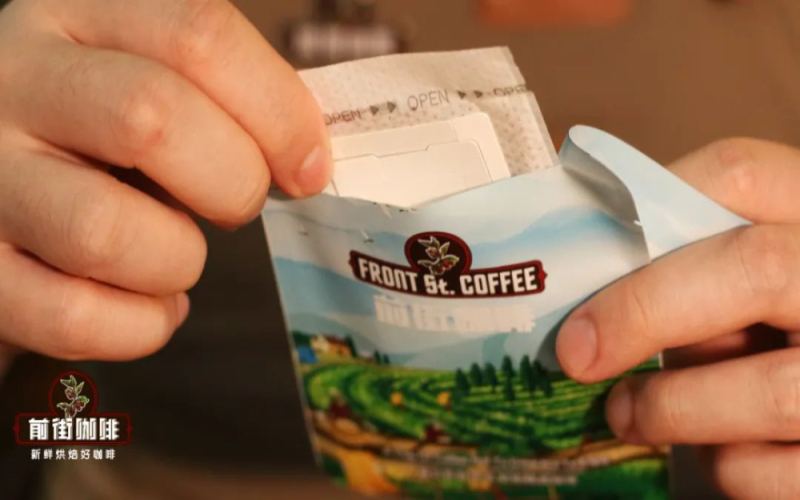
What is the ideal brewing water temperature for drip bag coffee? Why can't it be steeped like a tea bag? A detailed guide to the small-amount, multiple-pour method
Drip coffee bags have become a convenient choice for many people's daily caffeine fix, but brewing a great cup takes more than just a packet of grounds and hot water. Water temperature, the amount of water poured, cup shape, pouring technique, and even the habit of shaking the filter bag all directly affect the final flavor. This article explores five practical details: what temperature range the water should be kept at, how to estimate the coffee-to-water ratio, what requirements the cup rim and body should meet, why you should pour in small streams in stages, and how to avoid fine grounds sinking to the bottom when opening the packet. It also offers targeted brewing suggestions based on the flavor characteristics of three seasonal drip coffee bags from Front Street Coffee: Yirgacheffe, Brazil, and Mandheling. [more…]
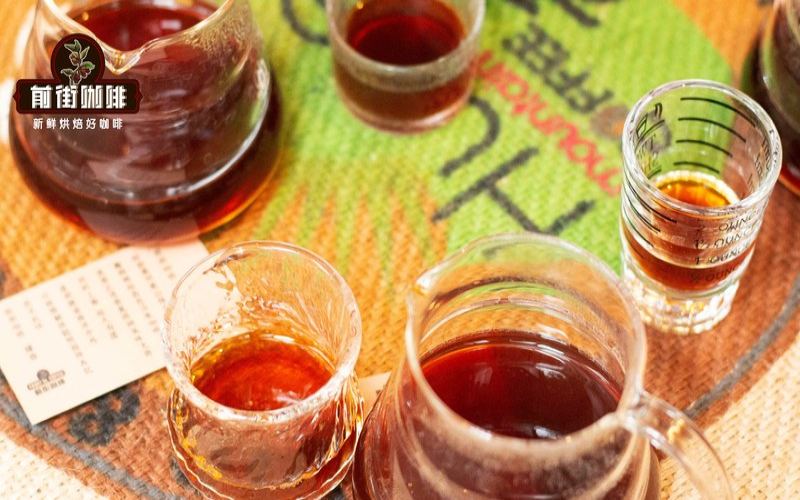
Choose high-value-for-money Yirgacheffe coffee beans by roast level
Yirgacheffe coffee beans go from light to dark roast, and the focus in the cup gradually shifts from floral and fruity notes to sweetness, body, and roasted aromas. If you want to taste the characteristics of the region on a reasonable budget, you don't need to fixate only on price. Instead, first look at your usual drinking habits, then decide which roast level can bring out the beans' flavor to the fullest. Light roast Yir [more…]
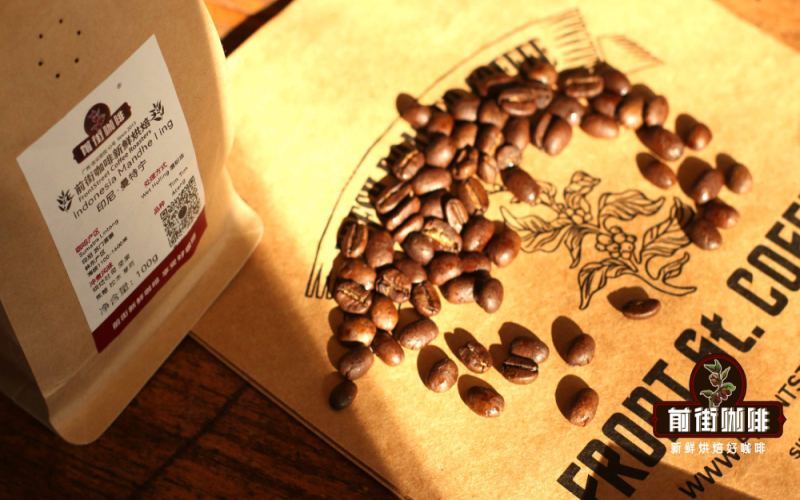
Beginner's Guide: An In-Depth Analysis of Five Classic Arabica Coffee Beans Ideal for Grinding and Brewing
Faced with a dazzling array of coffee beans, how do you choose the one that suits you? Starting from flavor characteristics and brewing suitability, this article reviews five classic Arabica beans commonly encountered by beginners. African beans are known for their bright acidity, American beans stand out for their aroma, while Indonesian beans and Blue Mountain present a heavy, mellow mouthfeel. The article introduces, in turn, Front Street Mandheling, Front Street Blue Mountain, Front Street Yirgacheffe, Front Street Colombia Huila, and Front Street Brazil Red Bourbon, covering origin terroir, processing methods, flavor descriptions, and recommended brewing methods, helping coffee lovers quickly build a bean-selection approach and find the cup that matches their personal taste. [more…]